REVIEW · LAZIO, ITALY
Rome: Pasta Making Class with Wine, Limoncello, and Dessert
Fresh pasta is Rome’s most delicious souvenir. This three-hour class puts you at a worktable inside historic Palazzo Grazioli, a short walk from the Pantheon and Piazza Venezia, where you make ravioli, tortelli, and fettuccine from flour and eggs. I like the hands-on format and the relaxed communal meal that follows. The main drawback is the dietary limit: this class cannot accommodate vegan, gluten-free, lactose-free, or nut-free diets.
I also like the small group of no more than 10 people, which gives instructors time to correct your technique. Guides such as Fabrizio, Olga, Giorgio, Christian, and Marco are repeatedly praised for patience, humor, and close attention. You should arrive hungry, though, since the pasta meal, wine, dessert, and limoncello make this more than a quick demonstration.
Key points at a glance
- Three pasta shapes in one class: Make ravioli, tortelli, and fettuccine, with the two filled shapes requiring careful folding and sealing.
- A central Rome setting: The school is on Via della Gatta, near the Pantheon and Piazza Venezia, inside Palazzo Grazioli.
- Cooking, then eating: Your group prepares the pasta, cooks it together, and shares the finished dishes at a communal table.
- Two different sauces: Slow-prepared tomato sauce accompanies one pasta, while butter and sage sauce is made fresh for the filled pasta.
- A friendly small-group mood: The maximum group size is 10, making it easier to ask questions and get help.
- A useful take-home souvenir: English recipe booklets let you repeat the class in your own kitchen.
Why this Rome pasta class is worth three hours
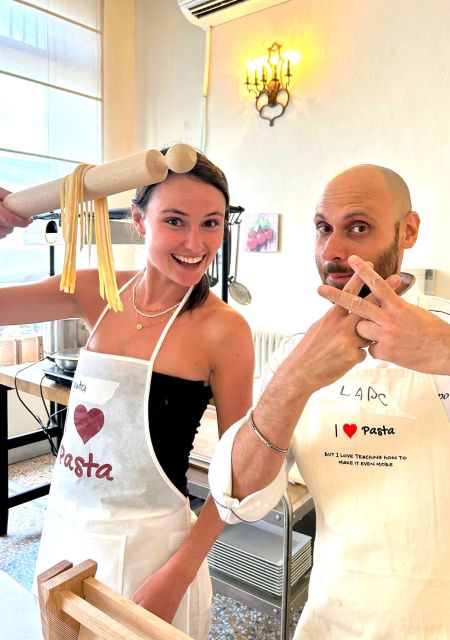
Rome has no shortage of food experiences, but many leave you watching someone else cook. This class gives you a rolling pin, an apron, flour, and a practical job from the beginning. You are not simply tasting pasta. You are learning how dough changes under your hands, how thin to roll it, and how to shape filled pasta without letting the filling escape.
That difference matters. Fresh pasta is simple in theory, but small choices affect the result. Too much filling can split a raviolo. Dough that is too thick feels heavy. Fettuccine needs enough flour to keep the strands from sticking together. The instructors guide you through these steps rather than assuming you already know them.
The price is $48 per person, which I consider strong value for three hours in central Rome. The fee includes instruction, the pasta meal, Tuscan wine, dessert, and a shot of limoncello. You also receive English recipes, so the class provides both an evening activity and something useful to take home.
You should not expect a formal culinary-school lesson with advanced restaurant techniques. The appeal is its friendly, accessible approach. Beginners can take part, and experienced home cooks still get the pleasure of making several pasta forms in one sitting.
More Cooking Classes with Wine Tasting in Italy
- Fettuccine & Tiramisù: Cooking Class with Wine & Limoncello
★ 4.9 · 2,103 reviews - Pasta Making & Wine Tasting with Dinner in Frascati from Rome
★ 5.0 · 1,326 reviews - Rome Cooking Class: Make Pasta, Dine & Drink Wine With Local Chef
★ 5.0 · 1,263 reviews
Arriving at Palazzo Grazioli on Via della Gatta
The meeting point is Via della Gatta 14, 00186 Roma. You go directly to the Pastamania cooking school and ring the bell. The address is close to major sights, so the class fits neatly into a day spent around the Pantheon, Piazza Venezia, or the Trevi Fountain area.
Give yourself enough time to find the entrance. It is located at the back corner of Palazzo Grazioli, rather than on a grand, obvious street frontage. Look for the marble cat statue on Via della Gatta. That small Roman curiosity explains the street’s name and gives you a useful landmark while you are finding the door.
The historic setting adds character without turning the class into a sightseeing tour. You are there to cook, not to tour the palace. Still, beginning in an old Roman building feels more memorable than entering a generic modern kitchen.
Wear comfortable clothes suitable for cooking. You will be working with flour, dough, and a rolling pin, so this is not the place for your most delicate outfit. Smoking is not allowed.
The opening lesson: flour, eggs, and a workable dough
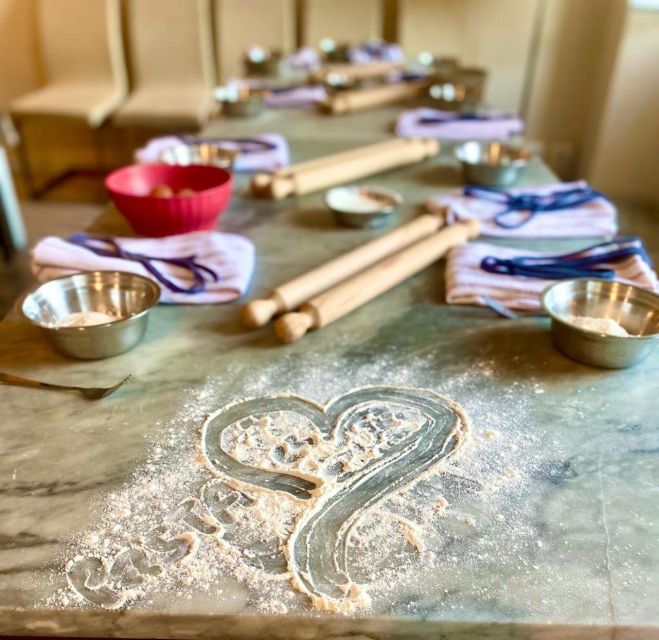
The class begins with an introduction to pasta making and the basic theory behind the dough. Then the instructor moves quickly to practical work. You combine flour and eggs, knead the mixture, and work it until it becomes smooth enough to roll.
This is a good point to pay attention rather than rush. The dough may look rough at first, and beginners often want to add too much liquid or flour too quickly. Your instructor can show you what the right texture feels like. That hands-on correction is one of the best reasons to choose a small group.
The instructors receive especially strong praise for making beginners feel comfortable. Fabrizio is described as helpful and fun, Olga as clear and patient, and Christian as warm, interactive, and funny. Giorgio is often singled out for his humor and ability to answer questions while keeping the class moving.
Your instructor may vary, but the format is designed to keep everyone involved. You work at your own portion of dough, while the chef moves around the table to check progress and demonstrate the next step.
Ravioli, tortelli, and fettuccine at one worktable
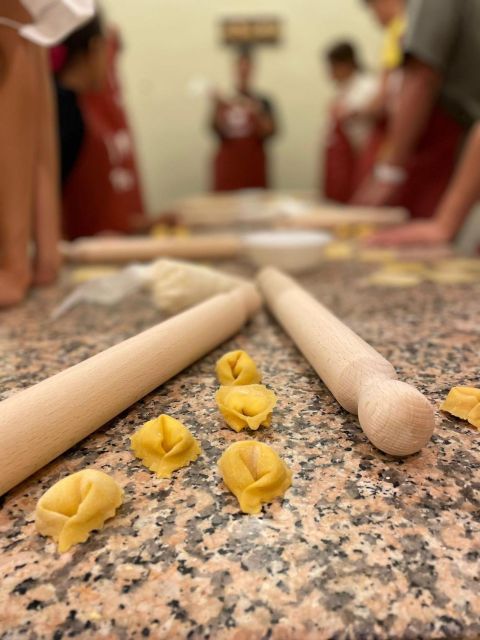
The class teaches three fresh pasta types: ravioli, tortelli, and fettuccine. Two are filled pastas, so you get practice with both simple strands and shaped parcels.
Ravioli and tortelli require more than cutting dough into squares. You need to place the filling carefully, press out excess air, and seal the edges firmly. The instructor shows you how to avoid leaks and how to create a neat shape. This is where the class feels most useful for home cooks, because these are the little tasks that are hard to learn from a recipe alone.
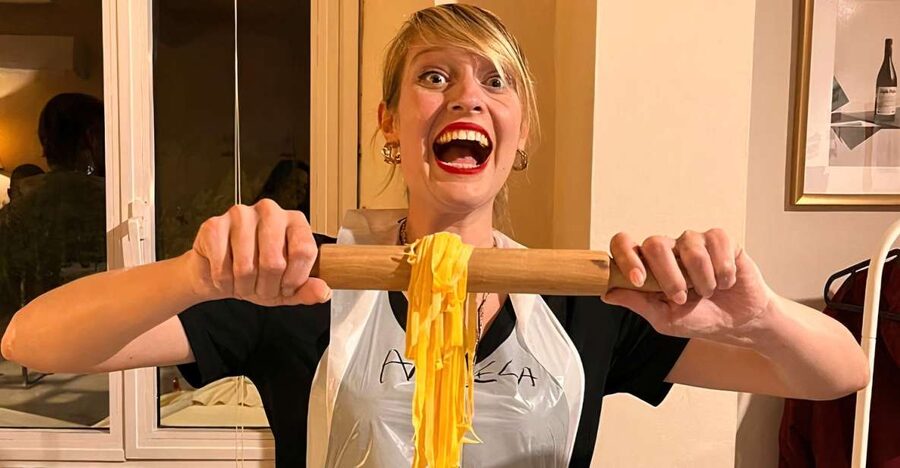
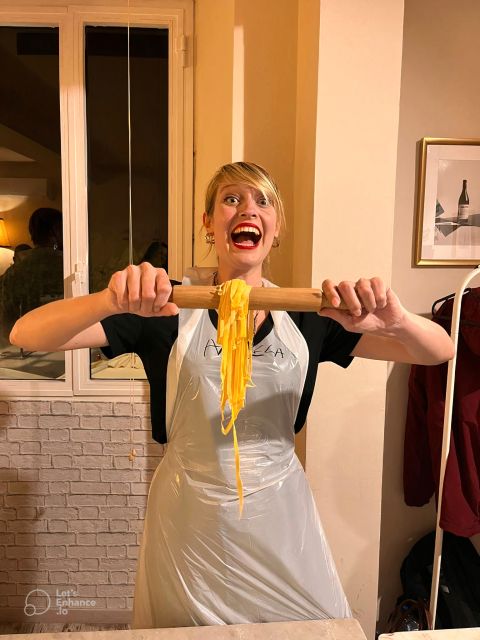
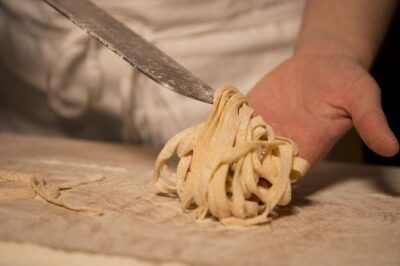
Fettuccine offers a different challenge. Once the dough is rolled thin, you cut it into long ribbons and separate the strands. It is a satisfying contrast to the filled pasta, and making all three shapes keeps the session active.
You prepare your own pasta, but the finished food is cooked together in one pot for everyone to share. That approach gives the meal a family-style feel. It also means you do not need to worry about managing several burners or timing each portion yourself while trying to enjoy the evening.
The class is suitable for participants from age eight, making it a good option for families with older children. One useful point from the practical experience of the class is that children and young adults can take part alongside older family members. A family group ranging from age 20 to 75 found the activity enjoyable, which says something about its broad appeal.
More Cooking Classes with Wine Tasting in Rome
- Rome: Combo Pizza and Pasta Cooking Class with Wine
★ 4.6 · 1,180 reviews - Rome: Pasta Making with Wine Tasting and Dinner in Frascati
★ 4.9 · 979 reviews - Super Fun Pasta & Gelato Class by Vatican with Wine + Oil Tasting
★ 5.0 · 726 reviews - Rome: Traditional Pasta Making Class with Wine & Gelato
★ 4.9 · 677 reviews
Two sauces and the moment your pasta hits the plate
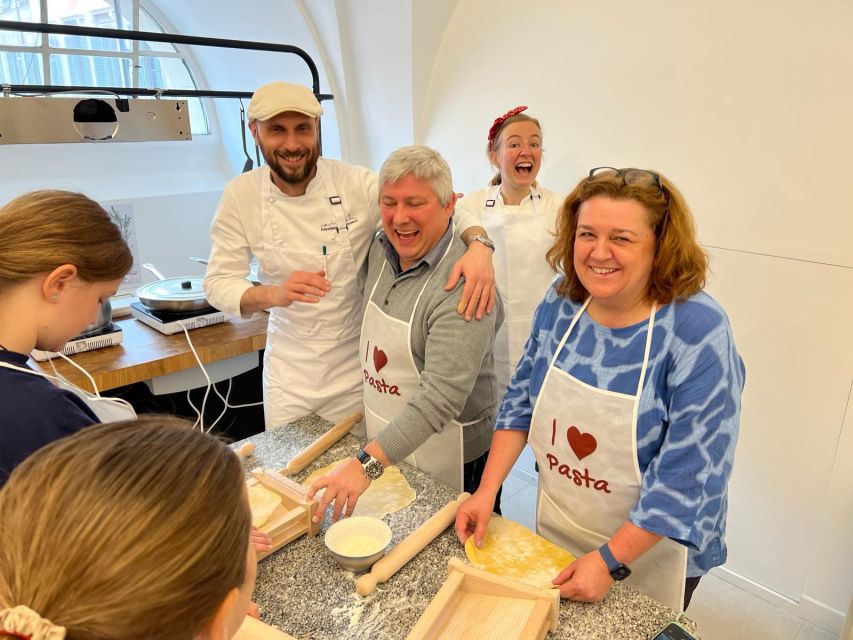
The sauce plan is simple but well judged. A signature tomato sauce simmers in advance, giving it time to develop flavor before the class begins. The instructor prepares butter and sage sauce during the session for the ravioli and tortelli.
That contrast lets you taste how the pasta shapes work with different sauces. Tomato sauce is familiar and generous, while butter and sage keeps the focus on the delicate filled pasta. You also get to watch the finishing process rather than having a plate appear from the kitchen with no explanation.
The chefs cook your pasta after you make it, taking care with the timing. This matters because fresh pasta cooks quickly, and a few extra minutes can change the texture. The class is not only about shaping dough. You also see how the finished pasta is handled and served.
You may want to arrive genuinely hungry. The portions are intended as a meal, and the evening continues with wine, dessert, and limoncello. The food is not a side attraction after the lesson. It is the payoff for the work you have just done.
The communal table, Tuscan wine, and a Roman social evening
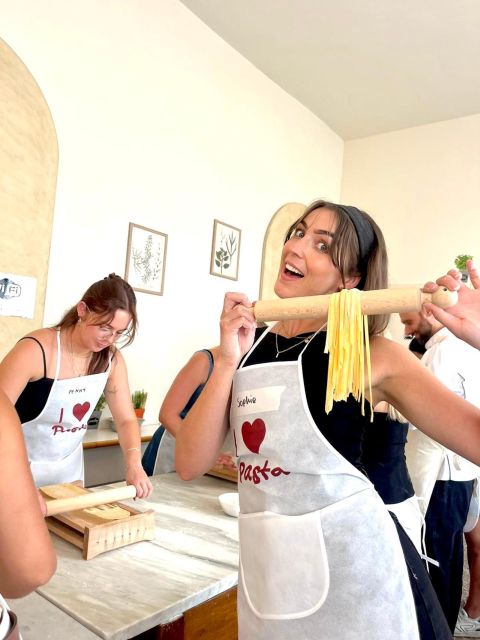
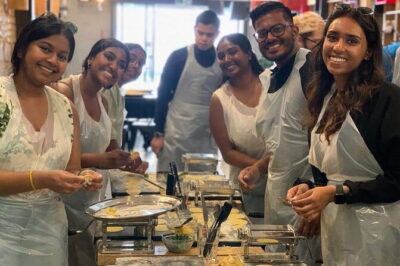
After the cooking, everyone sits together around a large communal table. This is where the class shifts from instruction to shared meal. You eat the pasta you helped create and chat with people from different countries.
I like this part because it gives the class a natural social rhythm. You begin as strangers concentrating on dough, then end up comparing pasta shapes, asking the chef more questions, and discussing plans for the rest of your time in Rome. It feels closer to an Italian family meal than to a quick restaurant stop.
The included wine is Dalle Nostre Mani, an organic Tuscan wine produced on the provider’s own farm. The class information specifies Tuscan wine, and legal-age participants can be served alcohol. If you do not drink, one class experience included alternatives, but you should still tell the provider your preference when booking rather than assume a particular substitute.
The wine is an accompaniment, not the reason to book. The class works best if you want food, conversation, and a practical activity in one package. Anyone seeking a quiet, private dinner should know that the communal setup is part of the point.
Dessert, limoncello, and the recipes you take home
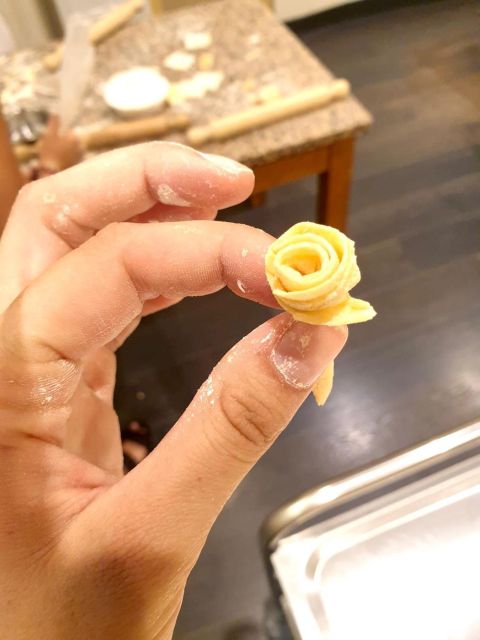
The final course is dessert and a traditional limoncello shot. The dessert varies in the descriptions of the experience, with chocolate salami and cake receiving particular praise. It is a modest but welcome finish after a filling pasta meal.
Limoncello gives the class a distinctly Italian ending, though it is optional in practical terms for anyone who does not drink alcohol. Only people of legal drinking age are served wine, and the activity includes alcohol, so families should keep that in mind when deciding who will participate.
The English recipe booklet is one of the most useful extras. It turns the class into something you can repeat rather than a one-night memory. If you buy a pasta cutter or specialty ingredient afterward, you will have a clear reason to use it at home.
The recipes do not replace practice, but you will leave with a better sense of dough texture, filling, shaping, and sauce pairing. That is a better souvenir than another small trinket from a crowded Roman shop.
Group size, teaching style, and the small drawbacks
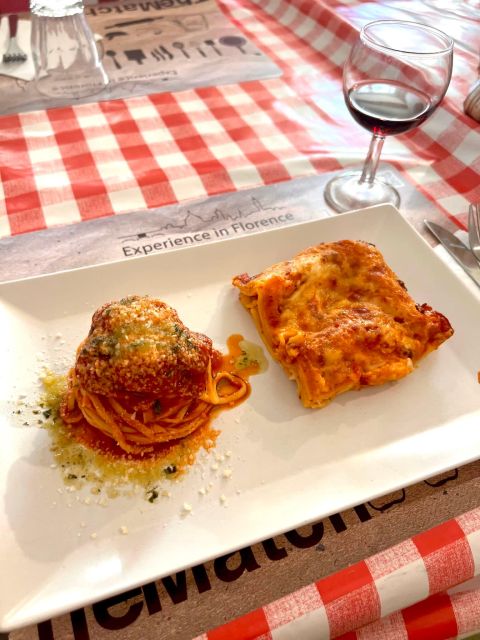
The group is limited to 10 participants. That is small enough for personal help, though the exact feel depends on the number of people booked for your session. A group of six, for example, may feel almost private, while a full group will have more energy and conversation.
The teaching style is warm and informal. Guides are praised for humor, patience, and personal attention, with Fabrizio, Olga, Giorgio, Christian, Marco, and others helping participants step by step. This is an important part of the value. You are paying for guidance as much as for ingredients and food.
The main limitation is dietary. The class can support some vegetarian and other dietary needs if you provide notice, but it cannot accommodate vegan, gluten sensitivity, lactose intolerance, or nut allergies. Since the central activity uses wheat flour, eggs, and dairy-related ingredients, you should not book if avoiding these foods is essential.
Mobility is another consideration. The experience is not suitable for wheelchair users or people with mobility impairments. The provided information does not describe a special accessible setup, so contact the provider directly if you have any physical concern not covered by those categories.
The minimum group requirement also means a session could be changed if too few people book. You will be contacted with another time, another date, or a refund if that happens.
Who should book this activity in Rome
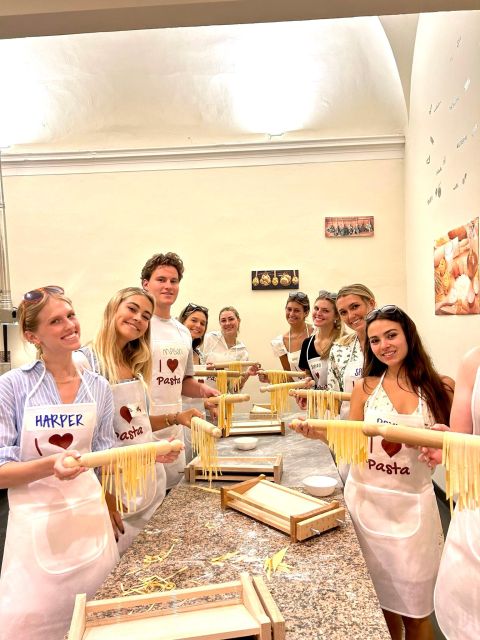
I would recommend this class to first-time pasta makers, couples, groups of friends, families with children aged eight or older, and anyone who wants a break from monuments. It is especially good for a rainy afternoon or an evening when you want an activity that ends with dinner.
It also suits people who enjoy meeting others. The communal table is central to the experience, so you should be happy sharing food and conversation with a small group. If your ideal cooking class is private and highly technical, this may feel too social and too relaxed.
The central location is useful for planning. You can visit nearby historic sights before the class, then walk to Via della Gatta. Since no hotel pickup or drop-off is included, you arrange your own way there and back.
You can cancel up to 24 hours in advance for a full refund, and the reserve-now, pay-later option helps if your Rome plans are still taking shape. Check the available starting times before building the rest of your day around it.
Should you book the Rome pasta-making class?
Yes, if you want a practical food experience with a generous meal and a friendly atmosphere. At $48, the combination of three pasta shapes, instruction, wine, dessert, limoncello, and recipes offers good value in central Rome.
I would skip it only if you need a vegan, gluten-free, lactose-free, or nut-free menu, have mobility limitations, or prefer a private lesson. For everyone else, this is a smart way to spend three hours: you learn a real Italian skill, eat what you make, and leave with recipes that can bring a little Rome to your own kitchen.
FAQ
Where does the pasta-making class meet?
Meet directly at Pastamania cooking school, Via della Gatta 14, 00186 Roma. Ring the bell at Pastamania. The entrance is at the back corner of Palazzo Grazioli.
How long does the class last?
The experience lasts three hours. Starting times vary, so check availability when booking.
Which types of pasta will I make?
You will make three types of fresh pasta: ravioli, tortelli, and fettuccine. The class covers kneading, rolling, shaping, and cooking.
Is the meal included?
Yes. You eat the fresh pasta prepared during the class. Tuscan wine, dessert, and a shot of limoncello are also included.
Is the class taught in English?
Yes. The listed instructor language is English, and English recipe booklets are provided to take home.
Can children participate?
Participants must be at least eight years old. Alcohol is served only to people of legal drinking age.
Can the class accommodate dietary restrictions?
Some vegetarian and other dietary options are available if you give advance notice. The class cannot accommodate vegan diets, gluten sensitivity, lactose intolerance, or nut allergies.
More Tiramisu and Dessert Classes in Rome
- Rome: Pasta & Tiramisu Cooking Class near the Spanish Steps
★ 4.8 · 1,395 reviews - Cooking Class in the Heart of Rome: Pizza and Tiramisu Making
★ 5.0 · 1,330 reviews - 2-in-1 Pasta and Tiramisu Cooking Masterclass in Rome
★ 5.0 · 832 reviews - Rome Cooking Class: Make Pizza and Pasta with Wine & Dessert
★ 4.5 · 651 reviews
More Pasta Making Classes in Rome
- 3 in 1 Cooking Class near Navona: Fettuccine, Ravioli & Tiramisu
★ 5.0 · 7,376 reviews - Rome Cooking Class: Make Pasta and 3 Spritz Cocktails
★ 5.0 · 2,937 reviews - Rome: 3-in-1 Fettuccine, Ravioli, and Tiramisu Cooking Class
★ 4.9 · 2,704 reviews - Rome: Fettuccine Pasta Cooking Class in Rome’s City Center
★ 4.8 · 2,414 reviews
Just added around Rome
- Testaccio: Home Cooking Cacio e Pepe, Amatriciana, Carbonara★ 4.9 · 57 reviews
- Super Fun Pasta and Gelato Cooking Class by the Vatican★ 5.0 · 6 reviews
- Spritz and Spaghetti Traditional Cooking Class in Rome★ 4.9 · 30 reviews
- ROME:Hands-On Lasagna & Marsala Tiramisu Cooking Experience”★ 5.0 · 3 reviews
- Rome: Trastevere Pasta Making Class★ 4.9 · 33 reviews
- Rome: Traditional Pasta and Tiramisu Cooking Class★ 5.0 · 4 reviews
- Rome: Vatican Food Tours, Cooking classes & Free Tours★ 4.9 · 11 reviews
- Rome: Traditional Cooking Class in the Jewish Ghetto★ 4.9 · 75 reviews
Pasta Making Classes, compared.
3 in 1 Cooking Class near Navona: Fettuccine, Ravioli & Tiramisu
Read our review →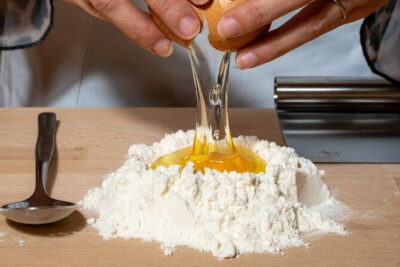
Pasta & Tiramisu Cooking Class with Unlimited Wine
Read our review →
Rome Cooking Class: Make Pasta and 3 Spritz Cocktails
Read our review →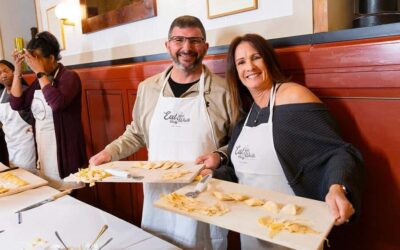
3-in-1 Fettuccine, Ravioli, and Tiramisu Cooking Class
Read our review →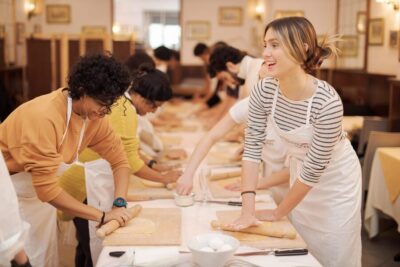
Fettuccine Pasta Cooking Class in Rome’s City Center
Read our review →