REVIEW · ROME, ITALY
Cooking Class in the Heart of Rome: Pizza and Tiramisu Making
Fresh dough, Roman fun, and dessert. This two-and-a-half-hour class gives you a welcome break from Rome’s churches, ruins, and crowded sidewalks while teaching you to make pizza and tiramisu with a local chef. I like the hands-on cooking and the relaxed meal afterward, where you eat what you made with wine or another drink.
I also like the range of pizza choices, from Margherita and Marinara to spicy Diavola or Neapolitan pizza with anchovies. The main consideration is that your dough cannot rise fully during a short class, so the chef uses prepared dough for the final pizza while you work on your own dough as part of the lesson.
Key points to know before booking
- Central Rome setting: Meet at Via Giuseppe Zanardelli 14, close to public transportation and within the city center.
- Four pizza styles: Choose Margherita, Marinara, Diavola with pepperoni, or Neapolitan pizza with anchovies.
- A full meal included: Your pizza, tiramisu, water, a glass of wine or soft drink, plus coffee or limoncello.
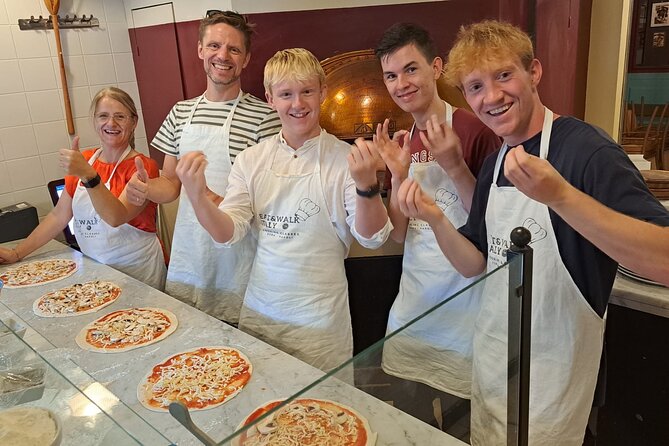
- Small-group format: The class accepts no more than 15 people, with many sessions forming smaller tables.
- Friendly teaching style: Chefs including Mattia, Carlotta, Leo, Lori, Mimi, Maria, and Tom are praised for clear explanations and good humor.
- Useful takeaway: A recipe book helps you repeat the pizza and tiramisu at home.
Why this cooking class works well in Rome
Rome is best enjoyed at street level, with time to pause between major sights. After hours of walking through ancient ruins and grand churches, sitting down to knead dough can feel more satisfying than adding another monument to your schedule.
This class is built around that pause. You meet at a restaurant in central Rome, join a small group, and spend the first part of the experience preparing food with a chef. Then you eat the results at the same place. You are not simply watching a demonstration. You take part, make choices, and leave with recipes you can try again.
The class has earned a 4.9 rating from 1,330 reviews, with 97 percent of participants recommending it. That strong record is tied to a simple formula: clear instruction, plenty of laughter, food included, and a chance to meet people from several countries without needing to plan another dinner.
I would not book this as a serious culinary course. It is a social, beginner-friendly lesson rather than professional training. You learn the basics of dough, toppings, and tiramisu, but the real appeal is spending a pleasant evening or afternoon making food with an entertaining chef.
More Pizza Making Classes in Rome
- Rome: Traditional Pizza Cooking Class near Piazza Navona
★ 4.7 · 1,241 reviews - Rome: Combo Pizza and Pasta Cooking Class with Wine
★ 4.6 · 1,180 reviews - Pizza Cooking Class in Rome – Near Piazza Navona
★ 5.0 · 1,001 reviews
Arriving at Via Giuseppe Zanardelli 14
The meeting point is Via Giuseppe Zanardelli 14, 00186 Rome, in the central part of the city. The location is near public transportation, which makes it practical to reach from other parts of Rome. The activity ends at the same meeting point, so you do not have to arrange a separate return transfer.
Give yourself enough time to find the restaurant. Central Rome streets can be confusing, especially if you are arriving after visiting a nearby sight. A mobile ticket is accepted, and booking confirmation is provided at the time of booking.
The class is offered in English. Since the experience depends on following cooking instructions, this matters. The chefs are praised for explaining techniques in an easy-to-follow way. Carlotta, for example, uses both English and some Italian during her presentations, while other instructors are described as clear, funny, and patient.
The maximum group size is 15 people. That is not a private class, but it is small enough for a personal cooking session. Some groups are smaller still. One family described a group of six, while another session included only a handful of people around the table. Group size can affect how much individual help you receive, so the smaller the session, the better.
Making pizza dough with a Roman chef
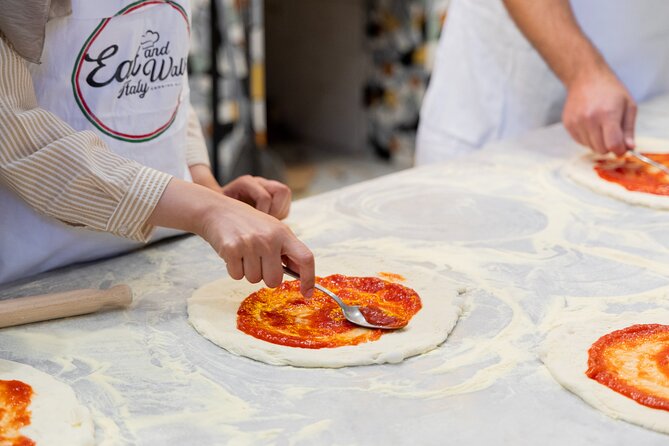
The pizza lesson begins with fresh ingredients and a chef-led explanation of the dough process. You prepare your own dough and learn the basic techniques needed to handle it at home. This is the part that beginners tend to appreciate most because the chef shows the movements rather than simply describing them.
Do not expect a long fermentation lesson. Pizza dough needs time to rise, and one account of the class notes that it needs at least 24 hours. Since the class lasts about two and a half hours, the chef also has prepared dough ready for the final baking.
That arrangement is practical, not a shortcut that ruins the experience. You still work with dough yourself, but you also get to eat pizza before the class ends. Without the prepared dough, you would make something that could not be baked properly in the available time.
This is also a useful detail for home cooks. If you try the recipe later, plan ahead. The dough you prepare during the lesson may need a long rest before it is ready for a proper pizza. The recipe book provided afterward gives you a way to continue the lesson at home.
The instruction is aimed at all skill levels. People who rarely cook are given clear steps, while more confident cooks can pay attention to the chef’s handling techniques. The tone is relaxed rather than fussy. You may end up with flour on the table, but that is part of the fun.
Choosing between Margherita, Marinara, Diavola, and anchovies
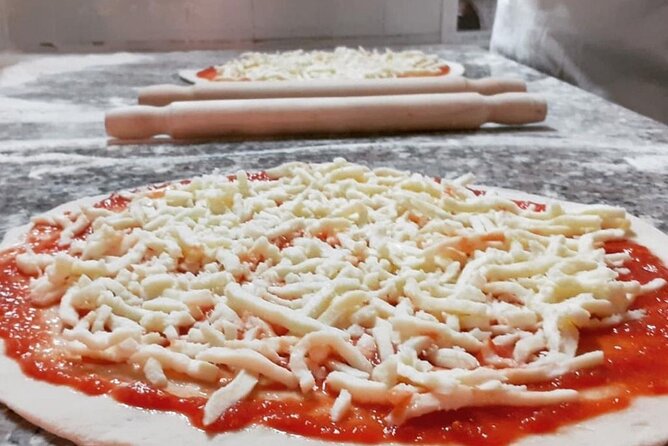
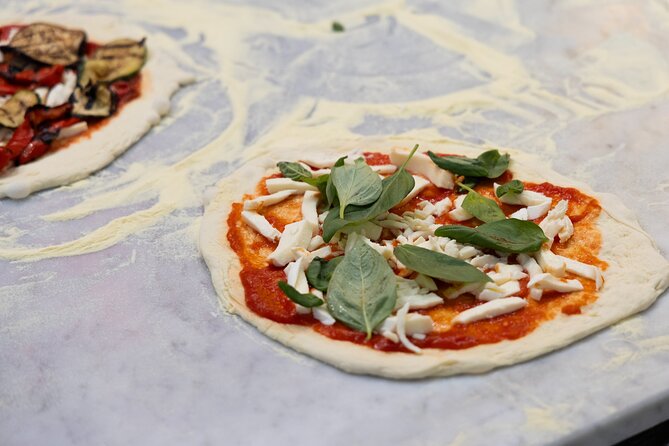
You can choose your pizza toppings instead of receiving one fixed recipe. The choices include:
- Margherita
- Marinara
- Spicy Diavola with pepperoni
- Neapolitan pizza with anchovies
That small decision adds a personal touch. Margherita is the safe choice if you want a classic combination. Marinara is a good option if you prefer a simpler pizza without cheese. Diavola suits anyone who wants spice, while anchovies bring a stronger, saltier flavor.
The topping choice also makes the meal more flexible for a family or group of friends. Everyone can order the style they prefer, rather than negotiating over one shared pizza. The class is not presented as a lesson in every regional variation, so you should choose this for the activity and the meal, not for a detailed study of Italian pizza traditions.
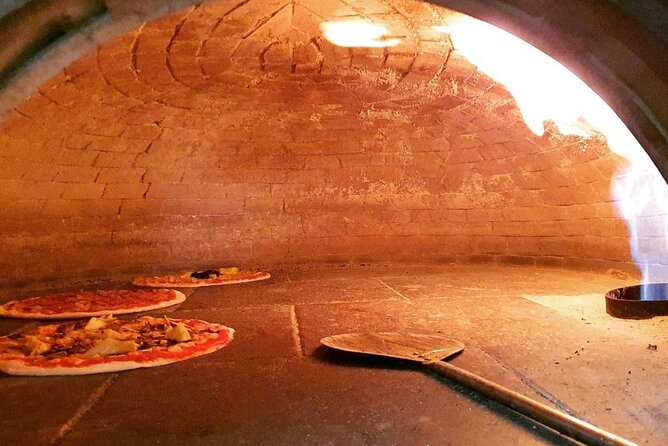
Once the prepared dough is ready, you add your toppings and the kitchen bakes your pizza. Several participants especially liked sitting down to eat the finished dish instead of standing around the cooking area. That transition from lesson to meal gives the class a natural rhythm.
More Tiramisu and Dessert Classes in Rome
- 3 in 1 Cooking Class near Navona: Fettuccine, Ravioli & Tiramisu
★ 5.0 · 7,376 reviews - Rome: Pasta Making Class with Wine, Limoncello, and Dessert
★ 4.9 · 3,177 reviews - Rome: 3-in-1 Fettuccine, Ravioli, and Tiramisu Cooking Class
★ 4.9 · 2,704 reviews - Fettuccine & Tiramisù: Cooking Class with Wine & Limoncello
★ 4.9 · 2,103 reviews
Preparing tiramisu together
The tiramisu portion is shorter and more collaborative than the pizza work. You prepare a traditional tiramisu with guidance from the chef, using a recipe intended to resemble the home-style dessert many Italians associate with nonna.
In some sessions, the group contributes to one preparation that is divided into individual dishes. The portions are then refrigerated while the pizza is being made and baked. This is a sensible use of the class time and means your dessert is ready when the main course is finished.
You are not just handed a slice from the restaurant kitchen. You take part in making the dessert, then eat your own portion. That makes the tiramisu feel like a second achievement rather than an ordinary included dessert.
The class covers basic methods rather than advanced pastry work. You should come expecting a simple, friendly introduction to the dish. If you already make tiramisu at home, the lesson may not transform your technique, but it still adds a Roman food experience to your day.
Sitting down with wine, coffee, or limoncello
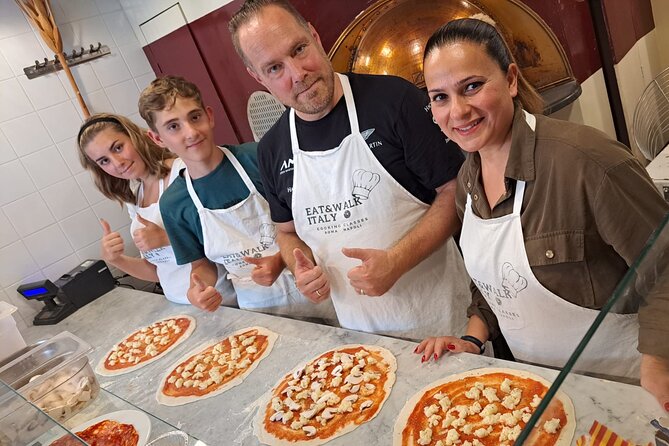
After the pizzas are baked, you sit down and eat what you prepared. The meal includes your pizza, your tiramisu, water, and one glass of wine or a non-alcoholic soft drink. You can also choose hot coffee or a shot of limoncello.
The drink matters because it turns the class into a complete meal rather than a cooking demonstration followed by another search for a restaurant. Wine and limoncello were repeatedly praised for adding to the easygoing mood, though you should remember that extra food and drinks are not included.
The shared table is a major part of the experience. You are placed with other people, and the chef helps the group get comfortable quickly. The result is less formal than a restaurant meal and more social than a standard sightseeing stop. Families, couples, solo participants, and friends can all fit into the format.
This social side is not for everyone. If you want a quiet meal or a private cooking lesson, the shared table may feel too communal. If you like meeting people during a trip, it is one of the strongest reasons to book.
The chefs make the difference
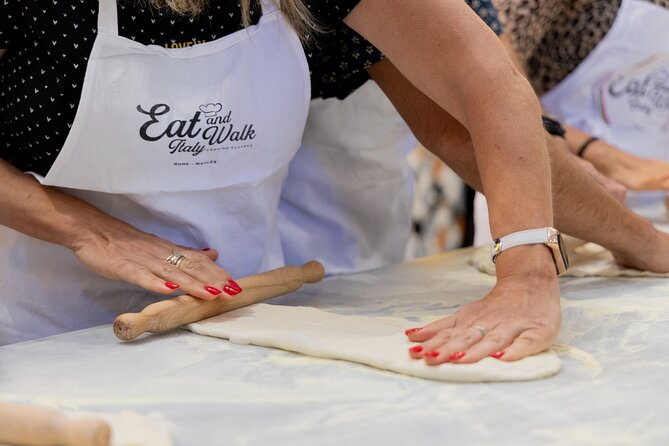
The teaching style is central to the class. Different sessions may feature different chefs, including Mattia, Carlotta, Leo, Lori, Mimi, Maria, Tom, or Charlotte. The names vary, but the qualities praised most often are consistent: patience, humor, clear instructions, and a willingness to involve the whole group.
Mattia is described as easygoing, funny, and good at explaining pizza dough techniques. Carlotta receives praise for being organized, enthusiastic, and thoughtful in her explanations. Leo is described as patient and well informed about pizza, while Lori is praised for creating an atmosphere where people quickly feel welcome.
That personality matters more here than polished surroundings. A cooking class can become awkward if the instructor rushes or talks over the group. This one depends on the chef making each person feel capable, including children and people who rarely cook.
Families with children as young as six have enjoyed the class, and another family used it with children aged eight and ten. Teenagers can take part as well. You should still remember that the class is conducted in English and involves handling food and following instructions, so younger children may need help from an adult.
A useful break from sightseeing
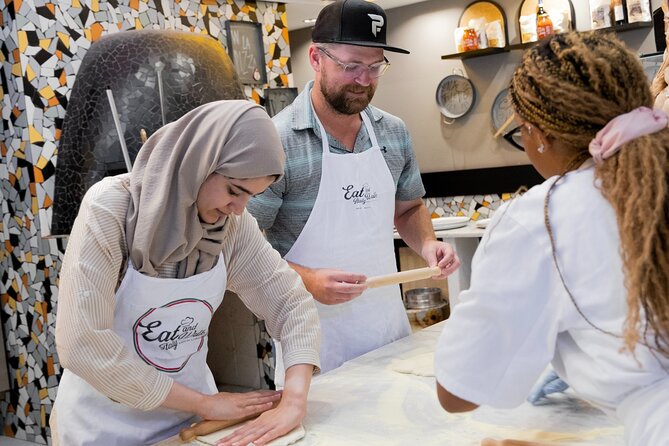
I like the timing of this experience because it gives your feet a rest without wasting part of your Rome visit. The class lasts about two hours and 30 minutes, long enough to feel substantial but short enough to fit into a day of sightseeing.
It works particularly well after a morning spent walking. You can arrive hungry, cook, eat, and then continue with a walk around central Rome afterward. The location also makes it easier to pair the class with other central sights, though you should leave enough space in your schedule to arrive on time.
The class is indoors, which helps when the weather is poor or you simply need a break from the heat. It also provides a dependable meal at a known time, something useful when Rome’s restaurant crowds make spontaneous dining less appealing.
Do not plan an important timed attraction immediately afterward. Cooking involves a group, baking, and a shared meal, so the finish can have some variation. The activity officially ends back at the meeting point.
Is $56.53 a fair price?
At $56.53 per person, the class costs more than buying a simple pizza and tiramisu in Rome. But the comparison is not really restaurant meal versus restaurant meal. Your price covers instruction, ingredients, your own pizza, tiramisu, water, a glass of wine or soft drink, and coffee or limoncello.
You also receive a social activity lasting around two and a half hours. For many people, that makes the price fair, especially in a city where a meal and a paid activity can quickly become separate expenses. I consider it good value if you want an experience you can remember and repeat at home.
The value is weaker if you only want to eat. A pizzeria will be cheaper and may serve a more polished pizza. This class is for learning, participating, and meeting people. Think of the food as both your dinner and the result of your work.
The experience is often booked well ahead, with an average booking time of 41 days in advance. That suggests planning ahead is sensible, especially if you need a particular date or want to fit the class into a tightly scheduled Rome visit.
Who should book this class?
I would recommend it to families, couples, friends, solo visitors, and first-time cooks. It is especially useful for anyone who wants a low-pressure activity that is easy to enjoy without special skills.
You should also consider it if you are tired of sightseeing but still want to do something connected to Italian culture. Making pizza and tiramisu is not a substitute for seeing Rome’s major sights, but it gives you a more active connection to the food you will encounter throughout Italy.
I would hesitate if you are looking for advanced culinary instruction, a private lesson, or a detailed study of pizza fermentation. The group format and short schedule keep the class accessible, but they also limit how technical it can become.
Free cancellation is available if you cancel at least 24 hours before the start time. Cancellations inside that window are not refunded, and changes are not accepted. If the minimum number of participants is not reached, you will be offered another date or experience, or receive a full refund.
Should you book the Rome pizza and tiramisu class?
Book it if you want a friendly, practical break from monuments and a meal you helped create. The strongest reasons are the patient chefs, the choice of pizza styles, the included drinks, and the chance to sit with a mixed group after cooking.
It is a particularly good pick for families and beginners. You do not need to arrive with kitchen skills, and the prepared dough means you still get a proper pizza even though fresh dough needs more time to rise. The recipe book gives the class value beyond your time in Rome.
Skip it if you would rather spend the same money on a restaurant meal or if shared activities are not your style. For everyone else, this is a pleasant way to spend two and a half hours, with enough food, laughter, and useful instruction to make it more than just another meal.
FAQ
Where does the cooking class start?
The class starts at Via Giuseppe Zanardelli 14, 00186 Rome, Italy.
Where does the experience end?
The activity ends back at the meeting point on Via Giuseppe Zanardelli.
How long does the class last?
The class lasts approximately two hours and 30 minutes.
What language is the class offered in?
The experience is offered in English.
What types of pizza can I make?
You can choose a Margherita, Marinara, spicy Diavola with pepperoni, or Neapolitan pizza with anchovies.
Is food included in the price?
Yes. The price includes your pizza, freshly made tiramisu, water, and a glass of wine or a soft drink.
Are any other drinks included?
You can choose either hot coffee or a shot of limoncello. Extra drinks and food are not included.
How many people can join the class?
The activity has a maximum of 15 participants.
Can I cancel for a full refund?
Yes, if you cancel at least 24 hours before the experience begins. Cancellations made less than 24 hours in advance are not refunded.
Just added around Rome
- Testaccio: Home Cooking Cacio e Pepe, Amatriciana, Carbonara★ 4.9 · 57 reviews
- Super Fun Pasta and Gelato Cooking Class by the Vatican★ 5.0 · 6 reviews
- Spritz and Spaghetti Traditional Cooking Class in Rome★ 4.9 · 30 reviews
- ROME:Hands-On Lasagna & Marsala Tiramisu Cooking Experience”★ 5.0 · 3 reviews
- Rome: Trastevere Pasta Making Class★ 4.9 · 33 reviews
- Rome: Traditional Pasta and Tiramisu Cooking Class★ 5.0 · 4 reviews
- Rome: Vatican Food Tours, Cooking classes & Free Tours★ 4.9 · 11 reviews
- Rome: Small Group Pasta cooking class near Piazza Navona★ 4.9 · 8 reviews
Pizza Making Classes, compared.
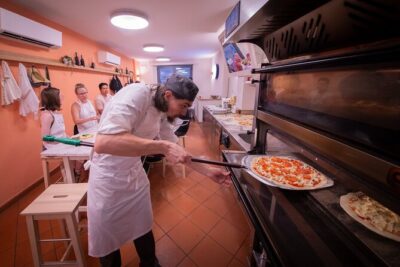
Florence Cooking Class The Art of Making Gelato & Authentic Pizza
Read our review →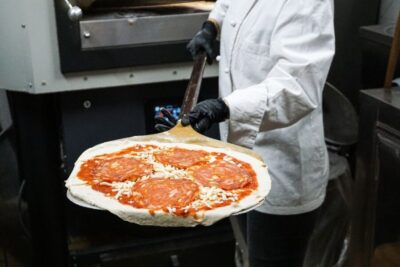
Traditional Pizza Cooking Class near Piazza Navona
Read our review →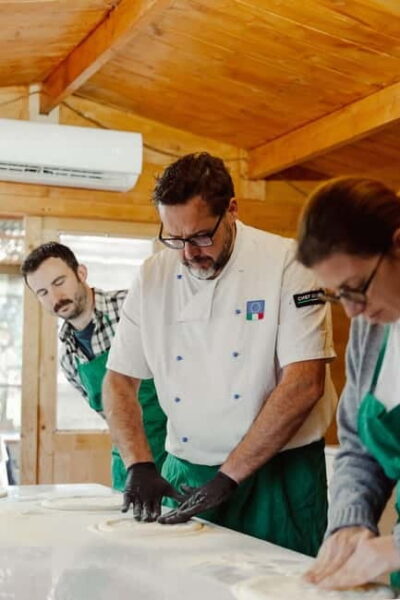
Combo Pizza and Pasta Cooking Class with Wine
Read our review →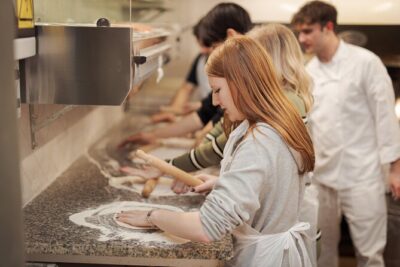
Pizza Cooking Class in Rome – Near Piazza Navona
Read our review →
Pizza and Gelato Cooking Class with Dinner and Wine
Read our review →
Rome Cooking Class: Make Pizza and Pasta with Wine & Dessert
Read our review →
Milan Cooking Class: Authentic Pizza & Gelato Making
Read our review →