REVIEW · LAZIO, ITALY
Rome: Traditional Pasta Making Class with Wine & Gelato
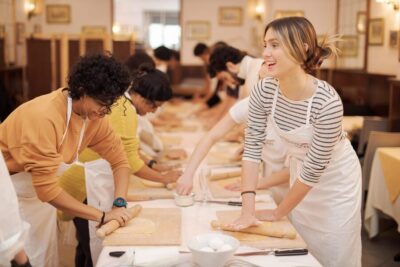
Fresh pasta makes Rome taste better. This three-hour class in Trastevere combines hands-on cooking with the easy pleasure of an Italian aperitivo, a proper meal, and plenty of conversation about Roman food. I especially like the chance to make fettuccine and ravioli from scratch, then eat what you prepared rather than watching a chef do all the work.
I also like the relaxed welcome: prosecco, cured meats, and cheese before the cooking begins. Guides such as Luca, Manuela, Elisa, Stefano, Federica, and Jamila have earned strong praise for their patience, humor, and practical explanations. The main consideration is that the class is not suitable for wheelchair users or strollers, and celiacs cannot be accommodated.
Key things to know before booking
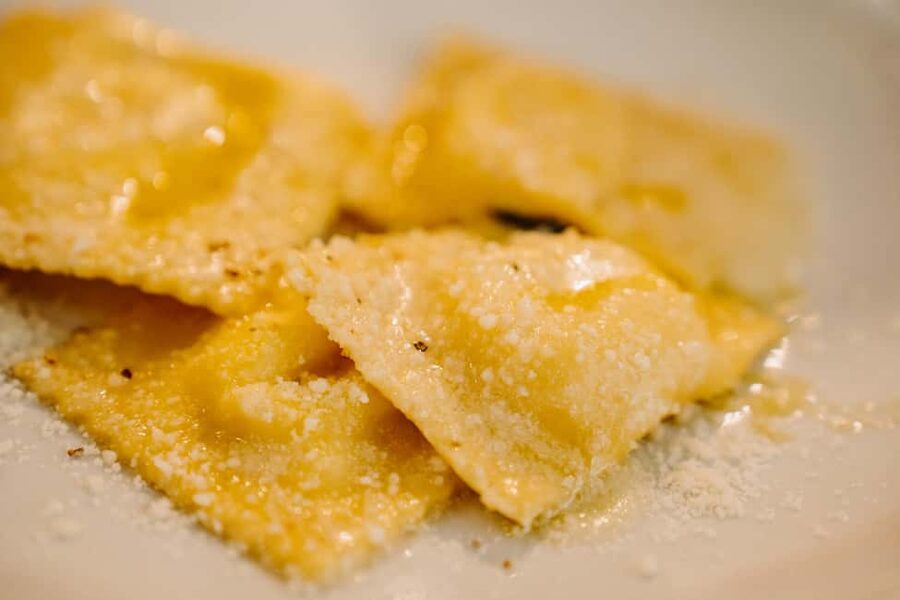
- You make two pastas by hand: The class focuses on fettuccine and ravioli, with sauces selected from Roman favorites and seasonal ingredients.
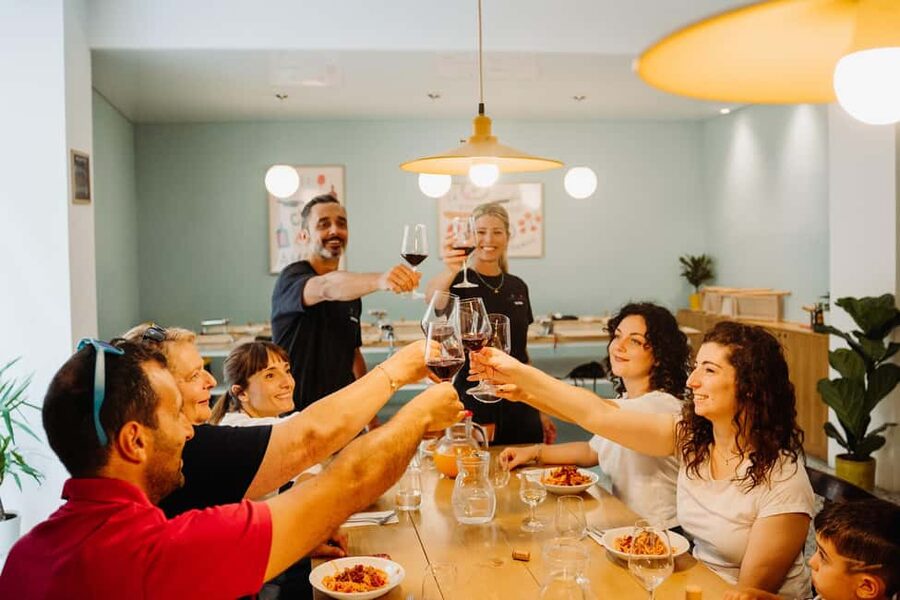
- The meal begins with an aperitivo: Prosecco, cured meats, and cheese give the class a sociable start.
- You learn sauces, not just dough: Depending on the market ingredients, you might prepare amatriciana, puttanesca, gricia, or cacio e pepe.
- The setting is in Trastevere: You meet at Piazza di San Giovanni della Malva, in front of the church, then cook in a reserved space nearby.
- The class suits families and solo participants: Children, teenagers, couples, and solo visitors have all found the format welcoming.
- The final course is homemade gelato: Wine accompanies the pasta, and gelato finishes the meal.
Why this Trastevere pasta class works so well
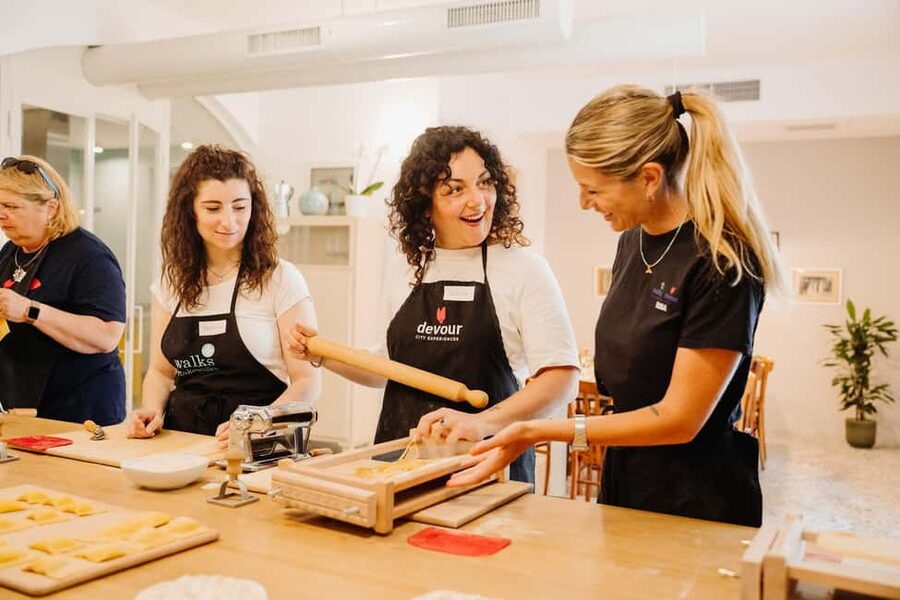
Rome offers plenty of food tours, but a cooking class gives you something to take home besides a full stomach. Here, you learn a repeatable skill: how to turn basic ingredients into fresh pasta and pair it with a Roman sauce.
I like that the format is active without being demanding. You are not expected to arrive with kitchen experience. The chefs break the work into clear steps, explain what they are doing, and leave room for questions. Several instructors have been praised for making first-time pasta makers feel comfortable, including parents cooking with children and solo participants joining a shared group.
The class also gives you a taste of Roman food culture. The lesson is not limited to measurements and technique. You can ask about local restaurants, gelato, ingredients, and the habits behind Roman cooking. Manuela and Luca have even shared restaurant suggestions by neighborhood, useful when you are deciding where to eat during the rest of your stay.
The score of 4.9 from 677 ratings reflects a very consistent experience. The strongest praise goes to the chefs, the social mood, the food itself, and the fact that the class feels organized without becoming stiff.
More Cooking Classes with Wine Tasting in Italy
- Rome: Pasta Making Class with Wine, Limoncello, and Dessert
★ 4.9 · 3,177 reviews - Fettuccine & Tiramisù: Cooking Class with Wine & Limoncello
★ 4.9 · 2,103 reviews - Pasta Making & Wine Tasting with Dinner in Frascati from Rome
★ 5.0 · 1,326 reviews
Meeting in Piazza di San Giovanni della Malva
Your meeting point is Piazza di San Giovanni della Malva, in front of the San Giovanni della Malva church. Arrive 15 minutes early and look for a guide holding a red bag or a Devour Tours sign.
This is a useful place to meet because it puts you in the heart of Trastevere, one of Rome’s most atmospheric areas. The experience ends back at the same meeting point, so you do not need to arrange a complicated return journey.
Pickup and drop-off are not included. Plan your route before leaving your hotel, especially if you are attending an evening class or carrying bags. Clear directions have been a strong part of the experience, but arriving early still makes sense in Rome, where a short walk can take longer than expected.
Prosecco, cured meats, and the Roman aperitivo
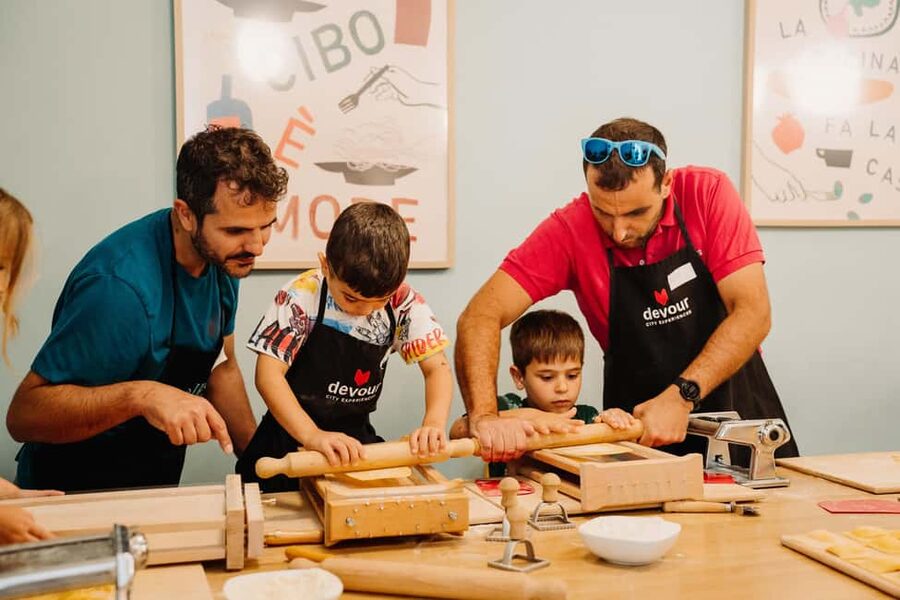
The class starts with prosecco and a plate of cured meats and cheese. This is more than a snack to keep you going while the dough is made. Aperitivo is part of the rhythm of Italian social life, and it gives everyone a natural way to settle in.
In a private class, you can enjoy this opening with your own group. In a shared class, introductions begin here, and the food helps people start talking before the cooking gets underway.
This opening also matters for the timing. You do not rush straight from the meeting point to a work surface and a recipe. The first part gives the class a friendly, unhurried feel. If you have spent the day visiting churches and museums, a glass of prosecco is a welcome change of pace.
Making fettuccine and ravioli from scratch
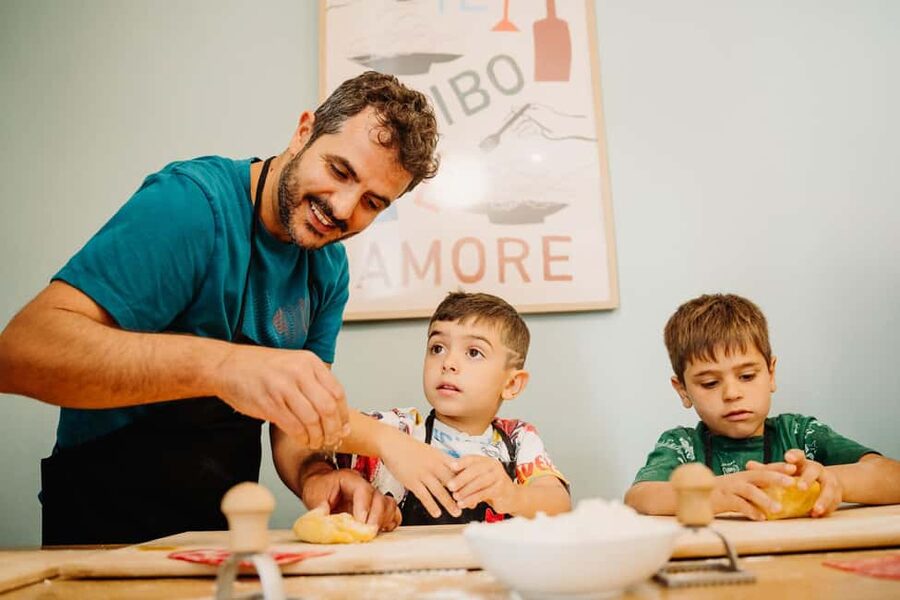
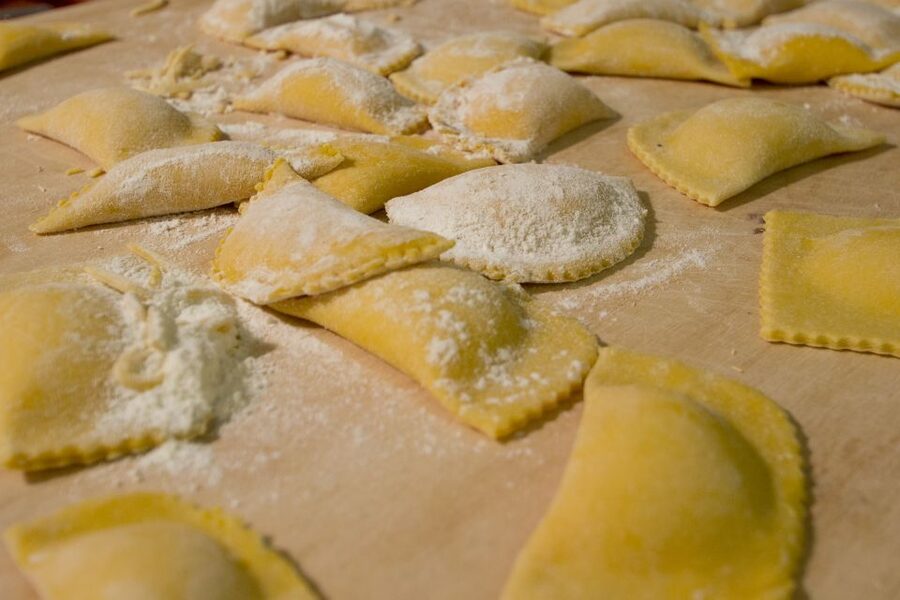
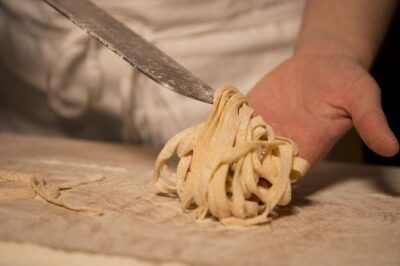
The central lesson covers two kinds of fresh pasta: fettuccine and ravioli. You work with the dough and shape the pasta yourself, rather than simply watching a demonstration.
For a first-time pasta maker, the hands-on format is the real value. You can feel how the dough changes as you work with it, see how the pasta should look, and ask for help at the moment you need it. The chefs guide the process closely, but you still have the satisfaction of making the meal with your own hands.
Families have found the class especially successful. A six-year-old participant enjoyed the well-paced structure, and a family with children aged nine and eleven described it as the best activity of a ten-day Italy trip. Teenagers have also taken part successfully. The work gives younger participants something concrete to do, while adults can focus on technique and Roman food traditions.
The class is also welcoming for solo visitors. Chefs Stefano and Luca have been praised for making a solo participant feel comfortable, and the shared format gives you an easy way to meet other people without forcing conversation.
More Cooking Classes with Wine Tasting in Rome
- Rome Cooking Class: Make Pasta, Dine & Drink Wine With Local Chef
★ 5.0 · 1,263 reviews - Rome: Combo Pizza and Pasta Cooking Class with Wine
★ 4.6 · 1,180 reviews - Rome: Pasta Making with Wine Tasting and Dinner in Frascati
★ 4.9 · 979 reviews - Super Fun Pasta & Gelato Class by Vatican with Wine + Oil Tasting
★ 5.0 · 726 reviews
Roman sauces chosen with the season
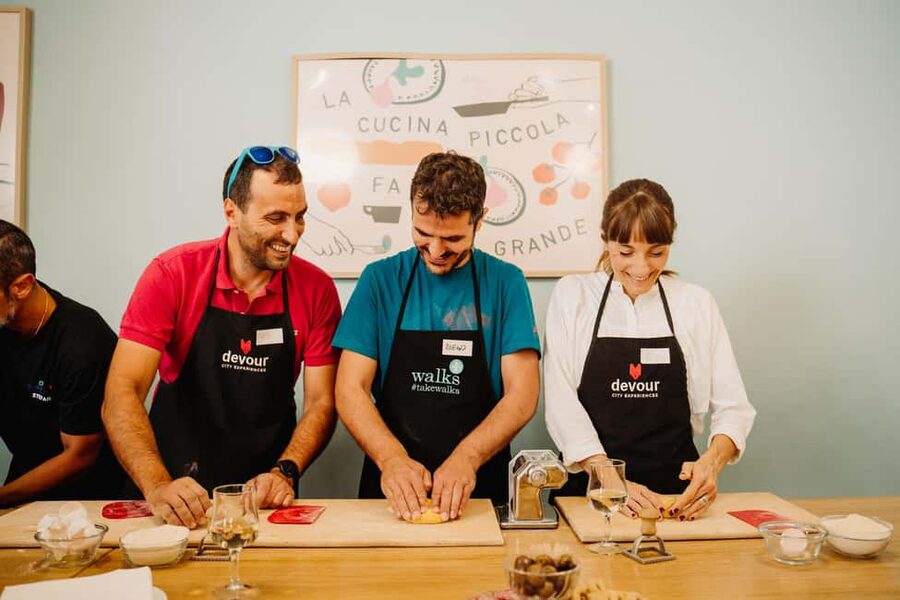
The pasta is paired with traditional red and white sauces. Possibilities include amatriciana, puttanesca, gricia, and cacio e pepe, but the exact choice depends on seasonal ingredients and what is available at local markets.
This is a good detail. You are not being promised one fixed menu regardless of the time of year. The chef has room to choose ingredients that make sense for the day, while still keeping the food within the Roman tradition.
The sauce lesson is one of the most useful parts of the class. You learn that fresh pasta is only half the job. The sauce, timing, balance, and finishing technique make the dish work. Jamila, Federica, and other chefs have been praised for explaining not just what to do, but why a step matters.
That kind of explanation helps when you cook at home. You may not find the exact same ingredients in your local supermarket, but you will have a better sense of how to build a sauce and adjust it.
One point is worth noting: the menu may not always match your expectation of ravioli. One participant hoped for a cheese-and-spinach filling and found the version served a little plain. If you have a specific filling in mind, contact the provider before booking rather than assuming it will be included.
Sitting down to eat your own work
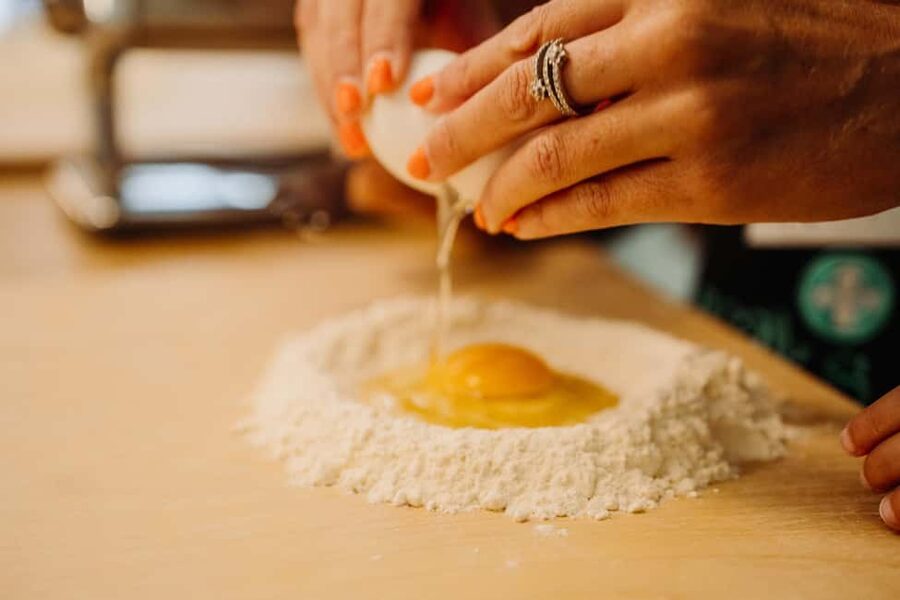
After the cooking, you sit down to eat the two homemade pastas with wine. This is when the class pays off. You have spent time mixing, shaping, and preparing the food, so the meal feels more personal than a standard restaurant lunch.
The space is described as clean, modern, comfortable, and spacious. It is reserved for the class group, creating more of a private kitchen atmosphere than a busy restaurant setting.
Portions and flavor have received strong praise, though individual preferences will always differ. Most participants have found the food delicious, and several called the meal one of the best they had during their time in Italy.
I appreciate that wine is included rather than treated as a separate extra. The combination of pasta, wine, and conversation gives the class the feeling of a long Italian meal, not simply a lesson that ends when the dough is finished.
A small salad is not part of the stated menu. If you like a green side dish with pasta, you should know that the meal centers on the prepared courses, aperitivo, wine, and dessert.
Homemade gelato to finish
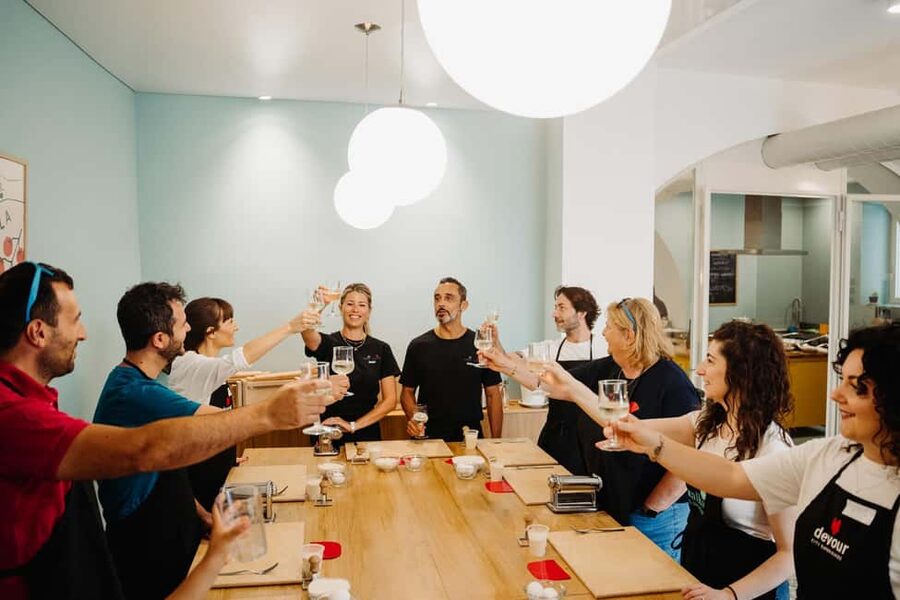
The last course is homemade gelato prepared by the chef. It gives the experience a sweet ending and adds another Italian food skill to the afternoon or evening.
The gelato is not the main reason to book, but it completes the meal nicely. You begin with aperitivo, move through pasta and sauces, then finish with dessert. That progression makes the three hours feel like a full food experience rather than a single recipe lesson.
The chefs also offer practical food advice beyond the formal recipe. Participants have received tips on spotting a good gelateria, choosing local restaurants, and cooking Roman dishes at home. Those small suggestions can be more useful than a long list of famous restaurants because they help you make decisions during the rest of your visit.
Private class or shared small group?
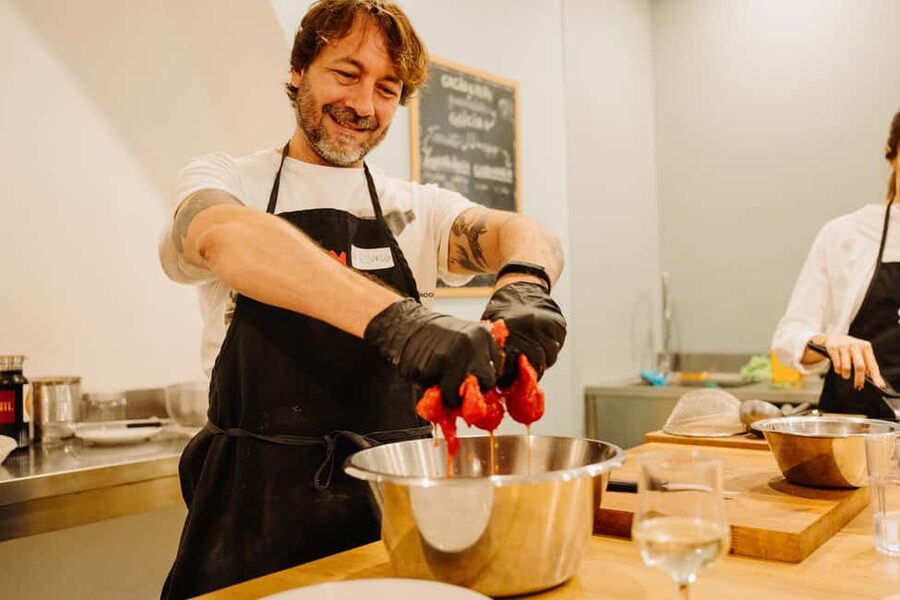
You can choose a private or shared cooking class, depending on the option available when you book. A private class gives your own group more privacy and may suit a family, couple, or small celebration.
The shared option has its own advantage. You cook alongside other people, compare results, and swap stories during the meal. Several participants enjoyed the group feeling, and one family described the class as feeling like an evening with Italian friends.
The instructors keep the class moving at a steady pace. Stefano and Luca, for example, have been praised for staying energetic and organized without making the activity feel hurried. The balance matters because a cooking class can lose its charm if you spend too long waiting for the next step.
If you prefer a quiet, personal lesson, choose private. If you like meeting people and want a more social evening, shared is likely the better value.
What the $66.84 price includes
At $66.84 per person, the price covers a three-hour experience with a local chef, the aperitivo, all ingredients, two homemade pastas and sauces, prosecco, wine, and gelato.
That is a fair package for Rome, especially because the meal is part of the activity and not an additional restaurant bill afterward. You are paying for instruction, food, drinks, a reserved cooking space, and the chance to learn a skill you can use at home.
The value is strongest if you enjoy participation. If you only want to eat pasta, a restaurant meal will be simpler. If you want a social activity with a meal attached, the class gives you considerably more to remember.
Additional food and drinks may be available after the class at an extra cost. The meal provided should be the focus of your planning, since the included menu already runs from aperitivo through dessert.
Dietary needs, mobility, and timing
The class can adapt to dietary needs except for celiac requirements. Contact the provider before joining if you have allergies, avoid meat, follow a vegetarian diet, or need another adjustment. Do not wait until the day of the class, since the kitchen needs time to arrange suitable food.
The experience is not suitable for wheelchair users, people with mobility impairments, or strollers. The available information does not give detailed step-free access information, so ask before booking if you have any access concerns.
The class lasts three hours, with starting times shown during booking. You should arrive 15 minutes before the start. The instruction is in English, and both private and small-group formats are available.
Who should book this cooking class?
I would recommend it most strongly to:
- Families wanting an activity that keeps children involved
- Couples looking for a shared food experience
- Solo visitors who enjoy meeting people in a small group
- First-time pasta makers
- Anyone who wants practical Roman recipes for home
- Food lovers who would like restaurant suggestions from local chefs
It is less suitable if you need a wheelchair-accessible activity, cannot eat the available pasta ingredients because of celiac disease, or prefer a formal restaurant meal with no hands-on work.
The class also makes a good anniversary or birthday activity. One couple used it as a tenth-anniversary gift, and the combination of cooking, wine, and a shared meal fits that kind of occasion well.
Should you book the Trastevere pasta class?
Book it if you want to do more than look at Rome’s food. You will make fettuccine and ravioli, learn the basics of Roman sauces, enjoy prosecco and wine, and finish with gelato in a comfortable cooking space.
I especially value the patient teaching and the practical advice you can use after the holiday. The chefs, including Luca, Elisa, Manuela, Stefano, Federica, Jamila, and others, have been praised for humor, clear explanations, and encouragement.
Skip it if your schedule is too tight for three hours, if you need full accessibility, or if you are expecting a particular ravioli filling that has not been confirmed. For most families, couples, solo visitors, and small groups who enjoy food and conversation, this is one of the more useful and enjoyable ways to spend an evening in Trastevere.
FAQ
How long does the pasta-making class last?
The class lasts three hours. Starting times vary, so check availability when booking.
Where does the class meet?
Meet at Piazza di San Giovanni della Malva, 00153 Rome, in the square in front of the San Giovanni della Malva church. Your guide will hold a red bag or Devour Tours sign.
Where does the experience end?
The class ends back at the meeting point.
Is the class taught in English?
Yes. The instructor language is English.
What food and drinks are included?
The class includes aperitivo with prosecco, cured meats, and cheese, two homemade pastas with sauces, wine, and homemade gelato. Ingredients are included.
Can dietary restrictions be accommodated?
The class can adapt to dietary needs except for celiac requirements. Contact the provider before the class so suitable food can be arranged.
Is the class suitable for wheelchair users or strollers?
No. The activity is not suitable for wheelchair users, people with mobility impairments, or strollers.
More Tiramisu and Dessert Classes in Rome
- Rome: Pasta & Tiramisu Cooking Class near the Spanish Steps
★ 4.8 · 1,395 reviews - Cooking Class in the Heart of Rome: Pizza and Tiramisu Making
★ 5.0 · 1,330 reviews - 2-in-1 Pasta and Tiramisu Cooking Masterclass in Rome
★ 5.0 · 832 reviews - Rome Cooking Class: Make Pizza and Pasta with Wine & Dessert
★ 4.5 · 651 reviews
More Pasta Making Classes in Rome
- 3 in 1 Cooking Class near Navona: Fettuccine, Ravioli & Tiramisu
★ 5.0 · 7,376 reviews - Rome Cooking Class: Make Pasta and 3 Spritz Cocktails
★ 5.0 · 2,937 reviews - Rome: 3-in-1 Fettuccine, Ravioli, and Tiramisu Cooking Class
★ 4.9 · 2,704 reviews - Rome: Fettuccine Pasta Cooking Class in Rome’s City Center
★ 4.8 · 2,414 reviews
Just added around Rome
- Testaccio: Home Cooking Cacio e Pepe, Amatriciana, Carbonara★ 4.9 · 57 reviews
- Super Fun Pasta and Gelato Cooking Class by the Vatican★ 5.0 · 6 reviews
- Spritz and Spaghetti Traditional Cooking Class in Rome★ 4.9 · 30 reviews
- ROME:Hands-On Lasagna & Marsala Tiramisu Cooking Experience”★ 5.0 · 3 reviews
- Rome: Trastevere Pasta Making Class★ 4.9 · 33 reviews
- Rome: Vatican Food Tours, Cooking classes & Free Tours★ 4.9 · 11 reviews
- Rome: Traditional Pasta and Tiramisu Cooking Class★ 5.0 · 4 reviews
- Rome: Small Group Pasta cooking class near Piazza Navona★ 4.9 · 8 reviews
Pasta Making Classes, compared.
3 in 1 Cooking Class near Navona: Fettuccine, Ravioli & Tiramisu
Read our review →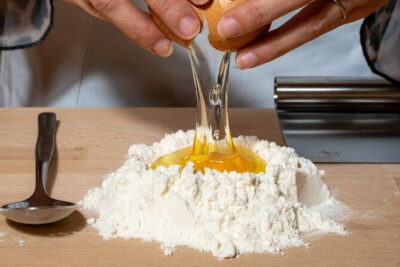
Pasta & Tiramisu Cooking Class with Unlimited Wine
Read our review →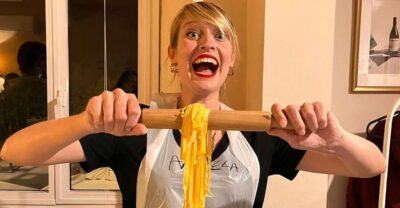
Pasta Making Class with Wine, Limoncello, and Dessert
Read our review →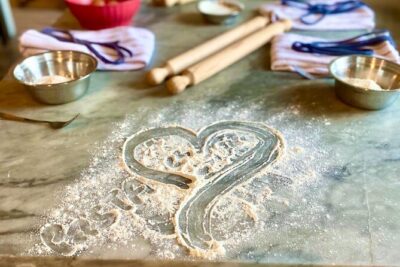
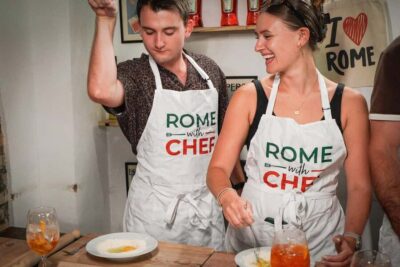
Rome Cooking Class: Make Pasta and 3 Spritz Cocktails
Read our review →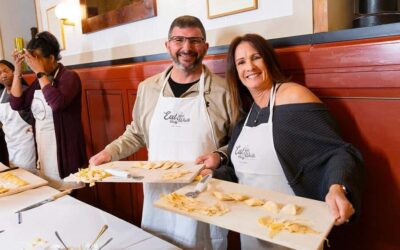
3-in-1 Fettuccine, Ravioli, and Tiramisu Cooking Class
Read our review →