REVIEW · INDIA
New Delhi: Indian Cooking Class in a Local Home
Come hungry, leave with recipes. This 2.5-hour home cooking class in South Delhi offers something a restaurant meal cannot: time in a real family kitchen, with JD and his family guiding you through Indian dishes, spices, breads, and dessert. I like the hands-on format, especially the chance to taste food at different stages and understand why spices are added when they are. I also like the small-group limit of 10, which keeps the setting personal without making it overly private. The main consideration is that the exact menu can vary, and the class may include several dishes in a fairly tight session.
You meet at R-142 GK-1, Bindra’s House, where the class takes place in an air-conditioned home with restroom access. JD teaches in English, Hindi, and Punjabi, and his father often adds family cooking knowledge and stories from a long career connected with restaurants. At $47 per person, the price is fair if you value instruction, a full meal, drinks, and a cultural exchange rather than simply eating out.
Key points to know before booking
- Cook a full Indian meal: Expect a main dish, rice, breads, and dessert, with past menus including chicken curry, vegetarian curry, lemon rice, naan, and rice pudding.
- Learn the reason behind the spices: JD explains how spices change the aroma and flavor, including finishing spices added near the end of cooking.
- Meet the Singh family at home: The setting is personal, friendly, and much less formal than a commercial cooking studio.
- Taste as you go: You may compare a curry before and after its final spices, a useful lesson you can repeat at home.
- Small group, practical pace: The class is limited to 10 people and lasts about 2.5 hours, though some sessions have run closer to three hours.
- Recipes go home with you: The aim is not just to watch, but to leave able to recreate the dishes in your own kitchen.
What happens when you arrive at the Delhi home
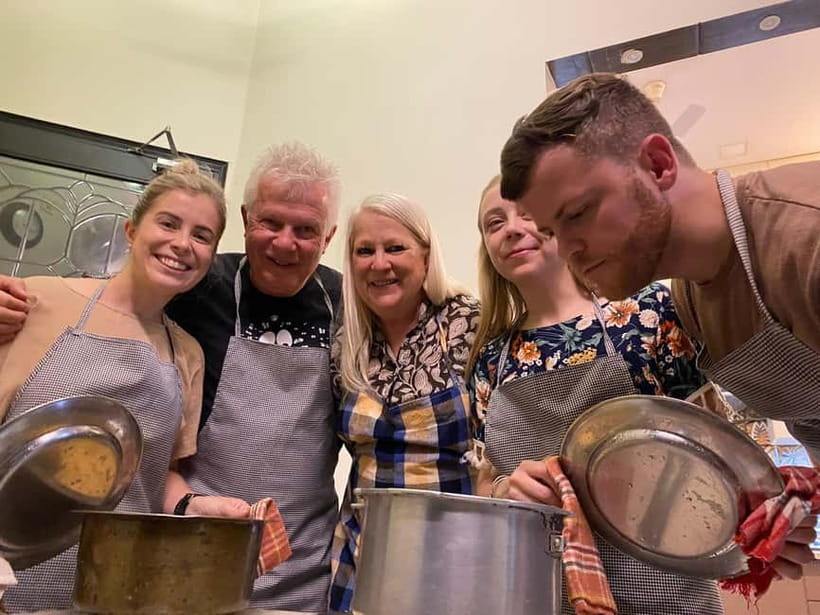
The meeting point is R-142 GK-1, Bindra’s House. You make your own way there, so plan for your transport costs separately. Metro tickets, taxis, shopping, snacks, insurance, and emergency expenses are not included.
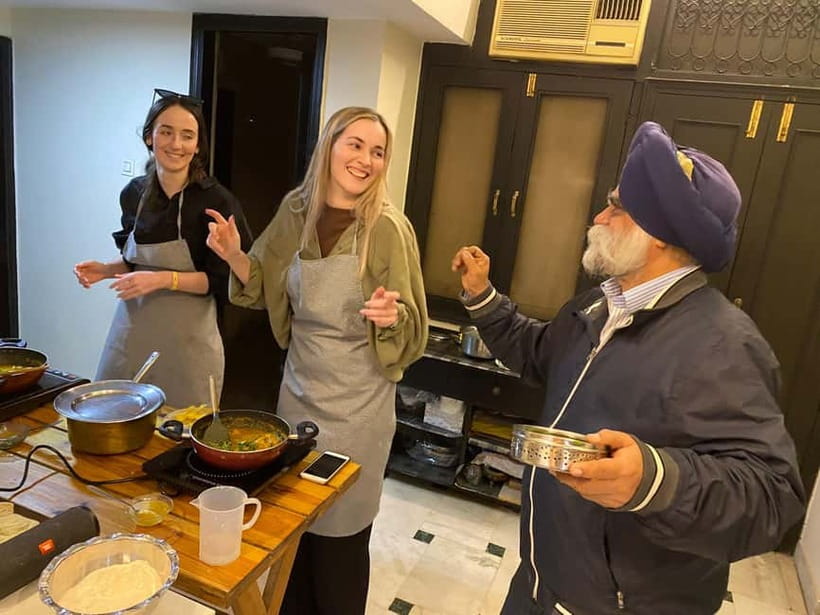
Inside, the tone is more family visit than cooking school. JD welcomes you with his parents, and previous sessions have begun with masala chai, tea, water, and sometimes homemade almond cookies. Those small touches matter because they give the class a gentle start before everyone moves into the kitchen.
I like this approach. You are not rushed straight into chopping vegetables or measuring every spice. Much of the preparation is done before you arrive, so the limited class time can focus on technique, flavor, and the reasons behind each step.
The air-conditioning is useful in Delhi, particularly if you have spent the day sightseeing. Restroom facilities are also available, which is a basic detail but one worth knowing for a home-based activity.
More Home Cooking Classes in India
- Indian Cooking Class in an Authentic Local Home – Learn 6 Dishes
★ 5.0 · 195 reviews - Jaipur Market Tour & Vegetarian Rajasthani Home Cooking Class
★ 5.0 · 113 reviews - Interactive Cooking Class with a Local Family in Jaipur
★ 5.0 · 90 reviews
The spice lesson is the heart of the class
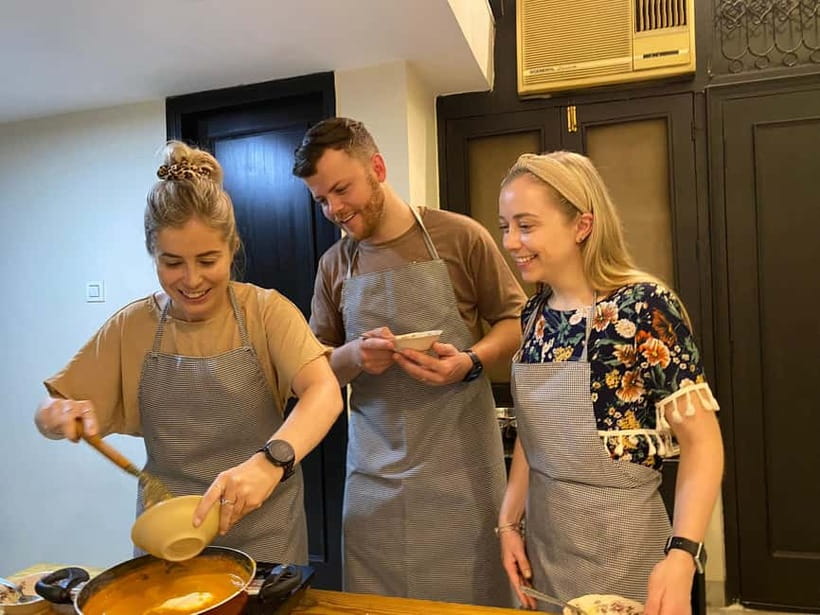
Indian cooking can look intimidating when you see a row of unfamiliar spices. This class breaks that subject into practical lessons rather than leaving you with a list of ingredients to memorize.
JD explains how spices work together, how they affect aroma, and when they should go into the pan. One especially useful technique involves adding two spices at the end of a curry. You may taste the dish before and after this final step, making the difference clear on your palate instead of asking you to take it on faith.
That is the sort of lesson I value. You are not just copying a recipe. You are learning how to adjust flavor and understand timing. This can help you cook more confidently at home, even if you do not have every Indian spice in your cupboard.
The class also covers the background and significance of the dishes. The focus is not an academic lecture, but food stories connected to family life, cooking traditions, and everyday India. JD’s father brings another layer of experience, with cooking methods passed through the family and professional restaurant experience behind the instruction.
Cooking the main dish, from base to finishing spices
The main dish is commonly a curry, and the exact choice may depend on the session. Examples include chicken curry, butter chicken, and a vegetarian curry. Some classes have prepared both a vegetarian and a non-vegetarian curry, while the stated format promises one main dish.
The cooking is hands-on. You help with the stages that teach the most, while advance preparation keeps the class moving. That makes sense for a 2.5-hour session. If every participant had to start by peeling and chopping everything from scratch, there would be less time for the parts that make the dish taste distinctly Indian.
Expect explanations along the way. The curry is built in steps, with attention to how the ingredients change as they cook. Tasting is part of the lesson, so you can see how the flavor develops before the final spices are added.
This is also where JD’s teaching style earns praise. He is described as patient, clear, friendly, and comfortable in English. You should still expect a group activity rather than a private chef lesson. With up to 10 participants, everyone may not have the same amount of time at the pan, but the small-group format is more manageable than a large commercial class.
Rice, breads, and the parts you can repeat at home
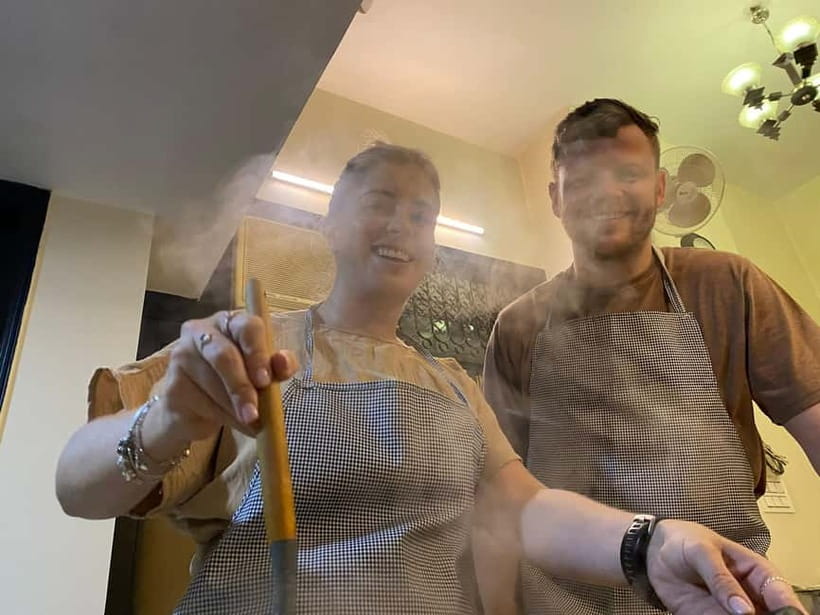
Rice sounds simple, but it can be one of the most revealing parts of Indian cooking. Lemon rice has been included in some sessions, and one of the more useful discoveries is how much the finished rice can change through seasoning and method.
You also prepare traditional Indian breads. The supplied format refers to two types, while several sessions have included three versions. Naan is one example, and the dough work can include rolling and shaping breads with different flavors or finishes.
Bread making gives the class a tactile break from curry preparation. You work with dough, learn how it should feel, and see how a home meal differs from the restaurant version. Do not expect professional bakery precision. The point is to gain enough confidence to try again in your own kitchen.
Dessert completes the meal. Rice pudding has appeared in several sessions, with the milk cooking while other dishes are prepared. This overlapping method is practical and gives you a glimpse of how a family kitchen manages several parts of a meal at once.
More Indian Cooking Classes in India:
- Mumbai: Indian Cooking Class & Cultural Delights
★ 5.0 · 38 reviews - New Delhi: Traditional Indian Cooking Class & Market Visit
★ 5.0 · 32 reviews - Private South Indian Tamil Cooking Class in Chennai with Srividya
★ 5.0 · 24 reviews - Indian Curry 5-Hour Cooking Classes In Mumbai
★ 5.0 · 22 reviews
Sitting down to eat what you prepared
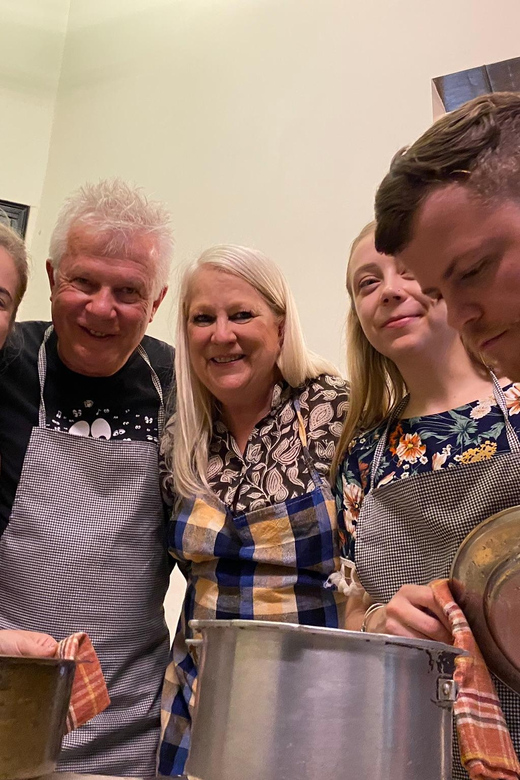
At the end, everyone sits together to eat the meal. The menu can include curry, rice, two or three breads, and dessert, depending on the session. Drinks such as tea and water are included.
This shared meal is more than a reward for finishing the cooking. It gives you time to talk with JD and his family about food, family life, and India. The most repeated praise for this experience centers on the welcome, with people describing the atmosphere as warm and personal.
I would book this near the beginning or end of a Delhi visit. At the start, it helps you understand Indian flavors before you order widely in restaurants. Near the end, it gives you a relaxed final meal and a chance to turn your trip memories into recipes you can use at home.
Keep in mind that this is a home meal, not a restaurant tasting menu. The food is prepared by the group, and the pleasure comes from learning and sharing it. If you want a polished multi-course dinner with no work, choose a restaurant. If you want to know how the dishes come together, this class offers better value.
The family setting is the real cultural exchange
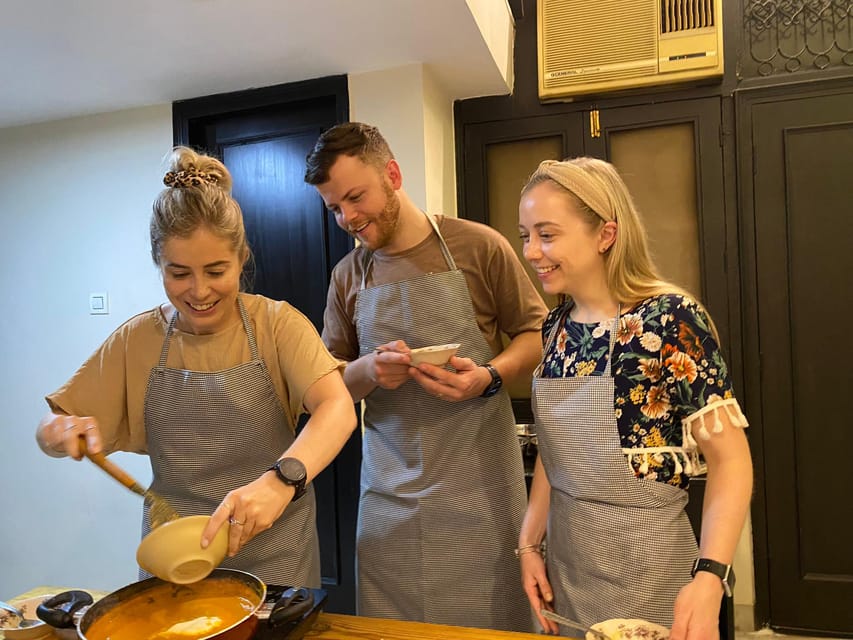
A commercial studio can teach technique, but a family home gives you a different window into Delhi. You meet the people behind the cooking, hear family stories, and see how hospitality shapes the experience.
JD’s parents are part of that welcome. His father, Bindra, has extensive food-industry experience, and JD’s training includes family methods as well as experience in a five-star setting. That mix gives the class a useful balance: traditional home cooking with clear instruction and professional discipline.
The atmosphere may suit you if you enjoy conversation. Several sessions have included discussion about daily life in Delhi, Indian culture, and the history of the dishes. You are not simply watching a demonstration from the edge of a counter.
The tradeoff is that a family home does not offer the controlled setting of a purpose-built kitchen. The pace, menu, and level of participation may vary slightly from one class to another. I would see that as part of the charm, but travelers who want a fixed, highly structured menu should keep it in mind.
Is $47 a good value?
At $47 per person, you receive the host’s instruction, ingredients, the meal you cook, food, tea, and water. You also receive recipes and practical guidance intended to help you repeat the dishes later.
The value is strongest if you count the meal and the lesson together. A restaurant meal might cost less, but it would not teach you how the curry changes during cooking, how to roll the bread, or how a final spice addition can transform the dish.
The cost is less compelling if you dislike cooking or mainly want an inexpensive lunch. You are paying for personal attention, conversation, and access to a family setting. The class is also limited to 10 participants, which helps explain why it costs more than simply ordering food.
The free cancellation option up to 24 hours before the activity and the reserve-now, pay-later arrangement make planning easier. Those booking terms are useful if your Delhi schedule is still shifting.
Who should book this class?
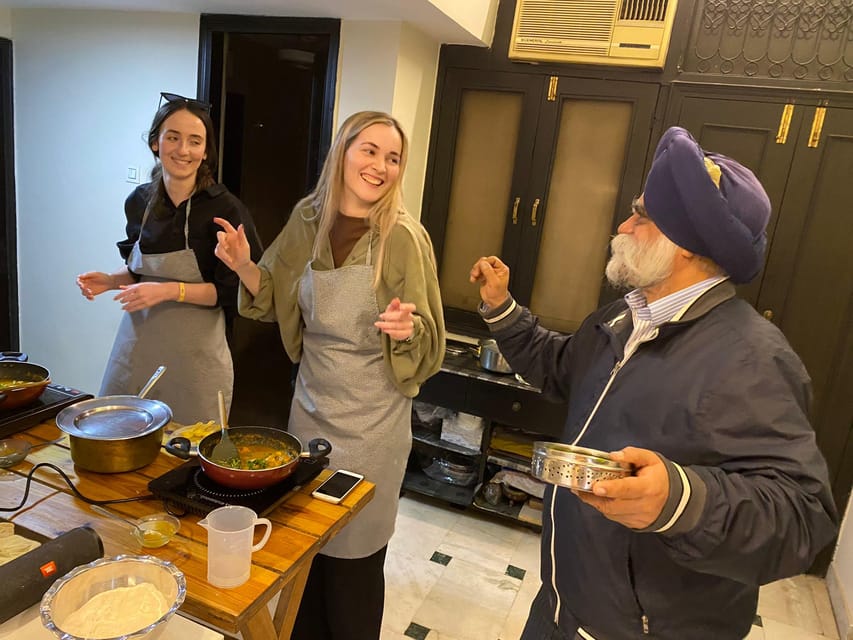
I would recommend it to food lovers, first-time visitors who want more than monuments, and returning visitors looking for a personal activity. It also suits people who enjoy learning by doing rather than watching a chef work alone.
Couples, families, and small groups should find the format comfortable. Solo visitors can also fit in well because the meal and conversation naturally bring people together. The language options are English, Hindi, and Punjabi.
This may not suit you if you need a fully private class, have a strict dietary requirement that has not been discussed in advance, or want a long professional course. The supplied information does not promise specific dietary substitutions, so ask before booking if that matters to you.
Practical advice for a smooth visit
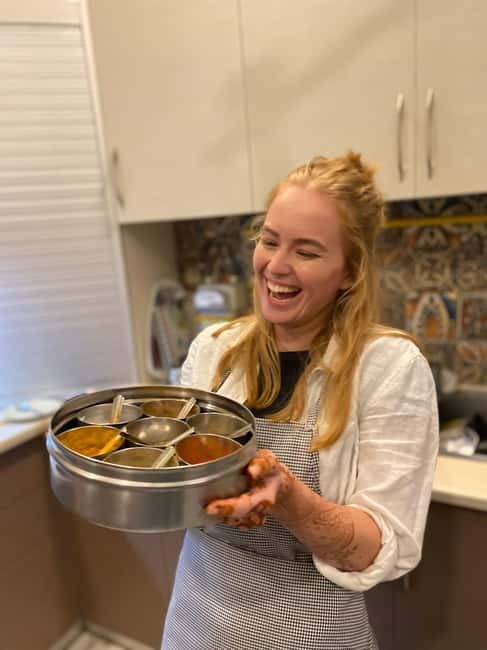
Wear something comfortable for a kitchen session, and arrive ready to participate. The ingredients are prepared in advance in some sessions, but you should still expect hands-on work with dough, curry, rice, and other parts of the meal.
Allow extra time around the stated 2.5 hours. Some sessions have taken closer to three hours, especially when the cooking, conversation, and shared meal run at a relaxed pace.
Arrange your own route to R-142 GK-1, Bindra’s House. Personal transport and shopping expenses are not covered. If you are using a taxi or ride-hailing service, keep the exact meeting address available.
Do not plan another major meal immediately afterward. The class includes the food you prepare, drinks, and dessert, and the shared table is part of the experience.
Should you book the New Delhi Indian cooking class?
Book it if you want food, instruction, and personal contact in one activity. The best reasons are JD’s clear teaching, the Singh family’s welcome, the spice lessons, and the chance to recreate a full Indian meal at home.
I especially like the tasting element and the way the class explains the final seasoning steps. Those details turn a pleasant cooking activity into something useful. The biggest caution is the variable menu and the busy pace, but that is a minor issue for most people.
At $47, this is a strong choice for an authentic Delhi afternoon or evening. You leave fed, carrying recipes, and with a better sense of how Indian home cooking actually works.
FAQ
Where does the cooking class take place?
It takes place at R-142 GK-1, Bindra’s House, in a local family home in New Delhi.
How long does the activity last?
The stated duration is 2.5 hours. Some sessions have lasted closer to three hours.
How much does the class cost?
The price is $47 per person.
What food will I prepare?
The class includes a complete Indian meal with a main dish, rice, two types of bread, and dessert. Some sessions have included two curries, three breads, rice, and rice pudding.
Is the meal included?
Yes. The meal you cook, all ingredients, other food, and drinks such as tea and water are included.
Who teaches the class?
JD leads the instruction, with his family involved in the welcome and cooking experience. His father, Bindra, also brings long restaurant and kitchen experience.
Which languages are available?
The class is offered in English, Hindi, and Punjabi.
How many people can join?
It is a small-group activity limited to 10 participants.
Is the home air-conditioned?
Yes. The space is fully air-conditioned, and restroom facilities are available.
Can I cancel the booking?
You can cancel up to 24 hours in advance for a full refund. A reserve-now, pay-later option is also available.
Just added around India
- Private tour to learn Traditional Indian Art, craft & Cooking★ 5.0 · 4 reviews
- Chennai Super Market Tour and Cooking Class with a Fun Local★ 5.0 · 9 reviews
- Neighborhood Market Tour & South Indian Cooking Class in Chennai★ 5.0 · 7 reviews
- Traditional Chettinad Cooking Class in a Local Home near Chennai★ 4.5 · 12 reviews
- Chennai Dosa Making Class & Home-Dining Experience with Jyashree★ 5.0 · 8 reviews
- Cooking experience in Bangalore, a half day tour★ 5.0 · 5 reviews
- Discover Bangalore’s Cuisine: Private Half-Day Cooking Experience★ 5.0 · 3 reviews
- Traditional Gowda Cooking Class and Meal in a Bangalore Home★ 5.0 · 31 reviews
Home Cooking Classes, compared.
Khmer Cooking Class at a Local’s Home in Krong Siem Reap
Read our review →
Local Home Korean Cooking Class & Market Adventure in Seoul
Read our review →
Mexican Cooking from Scratch in a Local Home in Tulum
Read our review →
Pastamama, Home Cooking Classes at Grace’s Home
Read our review →
Traditional Cooking Class & meal with Local Family
Read our review →