
REVIEW · LISBON DISTRICT, PORTUGAL
Lisbon: Traditional Portuguese Cooking Class
Good food tells you where it comes from. This three-hour Lisbon cooking class turns a meal into a friendly lesson in Portuguese family life, with fresh seasonal ingredients, local stories, and plenty of hands-on work. I especially like the small group of no more than 10 people and the chance to prepare a starter, main course, and dessert rather than simply watching a chef. The tasting of cheeses, chorizo, and wine is another welcome touch.
The menu changes with the season, so you will not know every dish in advance. That keeps the class tied to what is fresh, but it also means the experience is less predictable than a fixed cooking workshop. You must report dietary needs at least 72 hours ahead, and this class is not suitable for vegans, people with food allergies, children under eight, or wheelchair users.
Key points to know before booking
- Fresh ingredients shape the menu: Seasonal produce and availability determine what you cook.
- You prepare a full meal: The class covers a starter, main course, and dessert.
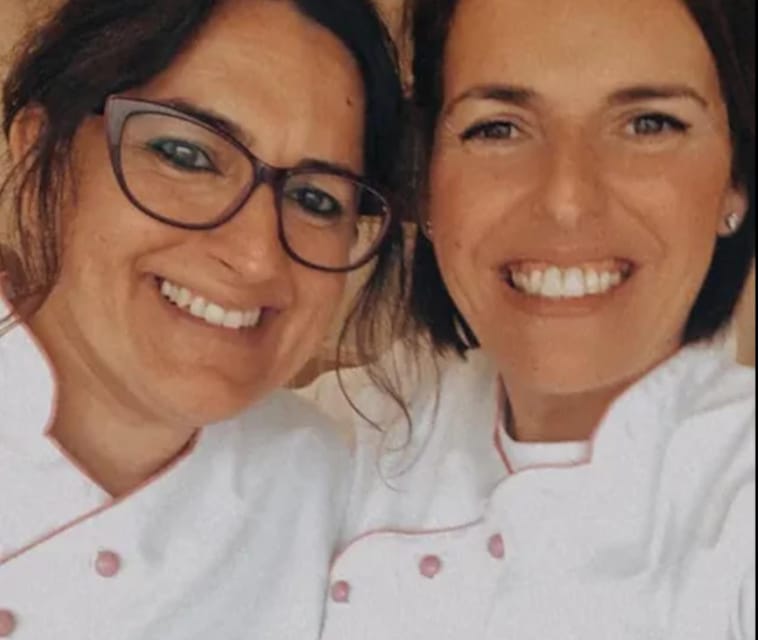
- Ana and Carina bring warmth and humor: Their teaching style combines cooking instruction with stories about food, family, and Portuguese life.
- Cheese, chorizo, and wine start the evening: The tasting helps set a relaxed tone before cooking begins.
- The kitchen is upstairs: Look for the Continente Bom Dia supermarket, then use the stairs to the left of its main entrance.
- The class suits curious eaters: It works well for beginners and experienced home cooks, but not for vegans or people with food allergies.
What makes this Portuguese cooking class special
Lisbon has no shortage of restaurants, but a cooking class gives you something a plate alone cannot. You learn how Portuguese food fits into ordinary life: what families cook at home, how simple ingredients are handled, and why certain dishes matter.
This class focuses on fresh, local, and seasonal products. That sounds simple, and it is. The point is not to pile on elaborate tricks. Instead, the chefs teach you how good ingredients and straightforward methods can produce a satisfying meal.
The class also places food in its cultural setting. The chefs share stories behind the dishes, along with connections between cooking, family, and daily life in Portugal. That gives the meal more meaning than a standard restaurant dinner. You are not just eating Portuguese food. You are learning how the food fits into Portuguese homes and traditions.
The experience has received a perfect rating from 41 verified bookings, with especially strong praise for the chefs, the quality of the food, and the friendly atmosphere. That consistency matters. A cooking class depends as much on the people leading it as on the recipes, and Ana and Carina appear to be the heart of this one.
A few more cooking classes around Lisbon worth a look
- Lisbon: Traditional Portuguese Cooking Class
★ 4.9 · 592 reviews - Lisbon: 2-Hour Pastel de Nata Cooking Class
★ 4.8 · 461 reviews - Lisbon Portuguese Cooking Class with 3-Course Dinner
★ 5.0 · 445 reviews
Finding the upstairs kitchen near Continente Bom Dia
The meeting point takes a little attention. The kitchen is located on the top floor of the chefs’ shop, above a main street. When you reach the Continente Bom Dia supermarket, stand facing the main entrance. The stairs are on your left. Go up until you reach the end, where the kitchen is located in the square.
This is not a transport-included experience, so you need to make your own way there from your accommodation. Leave extra time to identify the supermarket and find the stairs. The directions are clear once you are at the landmark, but this is not the kind of meeting point where you should arrive at the last minute and expect a guide to collect you from the street.
The kitchen’s upstairs setting also helps create a more personal feel. You are entering a working cooking space rather than joining a large commercial food hall. The group limit of 10 keeps the class small enough for the chefs to give instructions and involve people directly.
The instructors speak English and Portuguese. That makes the class accessible to English-speaking visitors, while the Portuguese language adds a local touch to the setting.
Starting with cheese, chorizo, and Portuguese wine
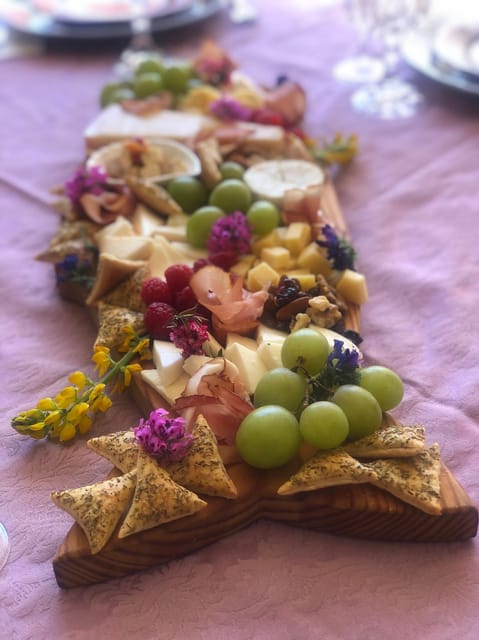
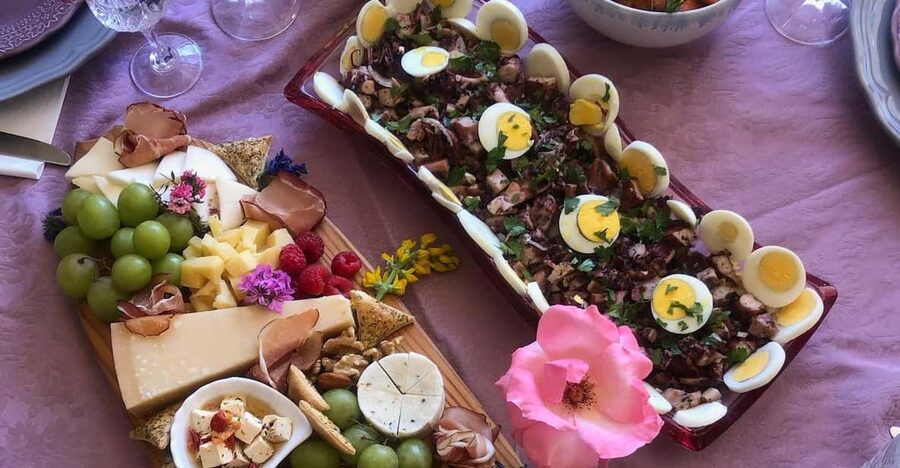
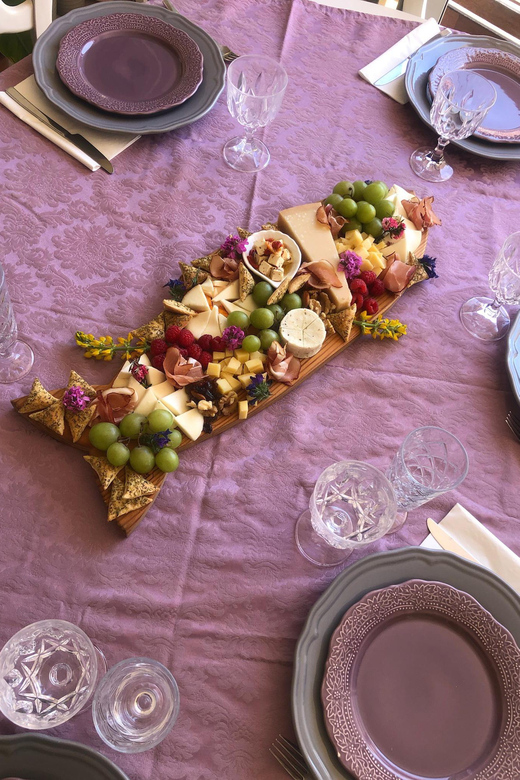
The experience begins with a tasting of cheeses, chorizo, and wines. This is more than a snack before the real activity. It gives you an early introduction to Portuguese flavor and creates an easy way for the group to settle in.
One participant described an antipasto and wine tasting that helped everyone relax before cooking started. That detail explains the rhythm of the class well. You do not rush straight into chopping and measuring. You begin by tasting, talking, and getting comfortable with the chefs and the other people in the group.
The wine is part of the included experience, but the class is not presented as a drinking event. Alcohol and drugs are not allowed beyond the planned tasting and meal setting, and the activity is designed around food preparation and shared conversation.
If you do not drink wine, the central value of the class remains the cooking and the meal. The tasting adds to the experience, but it is not the only reason to book.
Preparing a starter, main course, and dessert
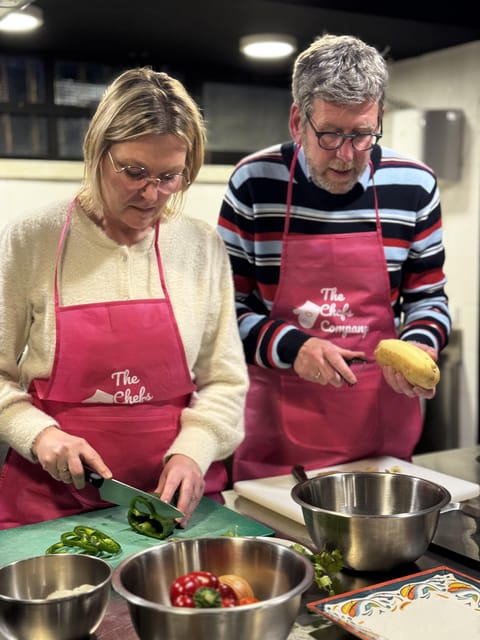
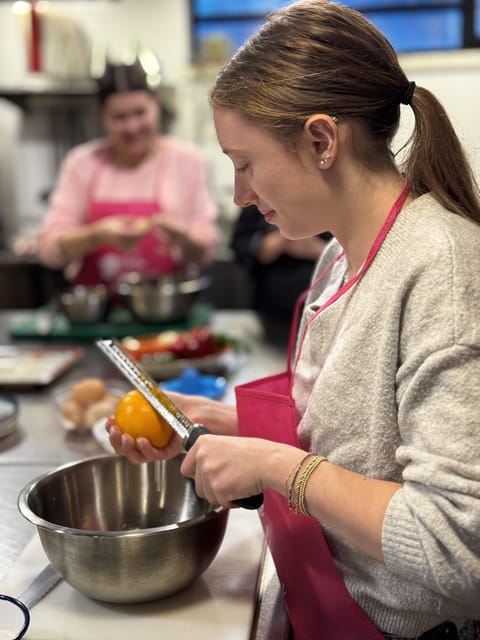
The hands-on cooking portion covers three parts of a Portuguese meal: a starter, a main course, and dessert. The exact menu changes according to the season and the products available, so you should expect a genuine seasonal lesson rather than a fixed demonstration repeated without change.
That flexibility can be a strength. You may work with ingredients that are especially good at the time of your visit, and the chefs can explain why those products fit the dish. It also means you should not book this class expecting one particular recipe unless the provider confirms the menu before your date.
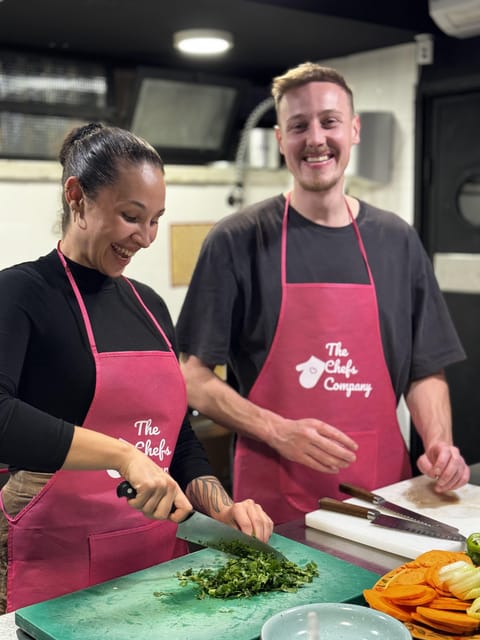
The chefs guide you through the preparation rather than asking you to watch from the side. People with little cooking experience are welcome, and the teaching is built around simple techniques. At the same time, an experienced home cook should still find useful ideas in the discussion of ingredient quality, preparation, and traditional methods.
Several participants specifically praised the fact that they prepared the dishes themselves. That matters because you leave with more than a pleasant dinner. You have practiced the steps and may be able to recreate some of the food at home.
The dishes are described as the kind of food the chefs make for their own families. That is a useful distinction. You are not being shown only restaurant-style presentations or difficult recipes designed to impress. The class aims to show the good, practical food of Portuguese households.
Same place, a different thing to cook:
- Lisbon: Pastel de Nata Baking Class
★ 4.9 · 2,106 reviews - Traditional Portuguese Cooking Class in Lisbon
★ 5.0 · 287 reviews - Pasteis de Nata Baking Class from Lisbon
★ 5.0 · 248 reviews - Lisbon: Pasteis de Nata Baking Class
★ 5.0 · 134 reviews
Stories behind the dishes
The cooking instruction is paired with stories about Portuguese culture and family life. This is where the class moves beyond a standard recipe lesson.
Food traditions often make more sense when you understand who cooks the dish, when it is served, and what ingredients connect it to a place. The chefs explain those links as you work. You may learn why a preparation matters, how a dish fits into home cooking, or how local products shape the final result.
The personal details add to that sense of place. Ingredients such as olive oil and figs from the chefs’ family farm, along with bread from a hometown, have been part of the experience. These are small touches, but they give the class a direct connection to the chefs’ own background.
I would choose this class over a purely technical workshop if your interest is Portuguese culture as much as cooking. You still learn useful kitchen skills, but the conversation is part of the meal. The atmosphere is warm, funny, and informal rather than stern or overly formal.
The chefs also seem to make beginners feel comfortable. That is important in a group class, where a nervous cook can otherwise feel exposed. The tone is encouraging, and the emphasis is on taking part rather than performing perfectly.
Sitting down to the Portuguese meal
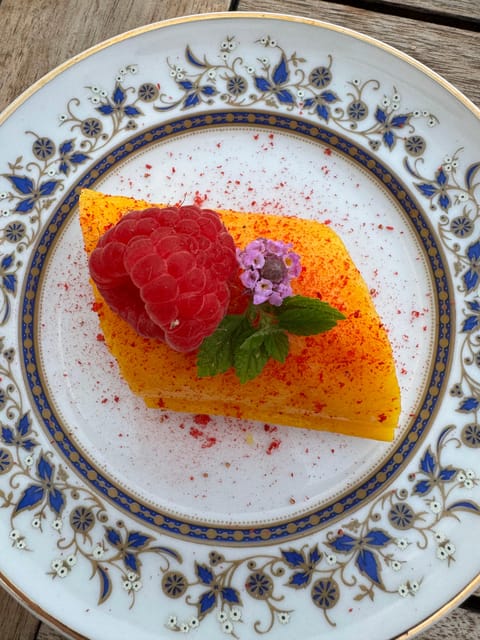
At the end, everyone eats what they prepared. The meal includes the starter, main course, dessert, and the included tastings. It is served in a relaxed atmosphere, with time to enjoy the food and continue talking.
This final meal is the payoff for the work in the kitchen, but it is also where the class becomes social. You meet people from different places, compare the dishes you helped prepare, and hear more about Portuguese cooking from the chefs.
The food has been praised for its freshness and strong natural flavor. One person compared the meal favorably with dinner at a two-Michelin-star restaurant. That is an individual judgment, not a promise you should treat as a guarantee, but it does point to the importance of the ingredients and the care taken in preparation.
The chefs’ own produce and olive oil have also made an impression. When ingredients come from a family garden or farm, you gain a clearer sense of what the class means by local and seasonal. The food is not being treated as a generic international cooking exercise.
Do not expect the final meal to feel like a quiet restaurant reservation. The class is social, educational, and interactive. If you want a private dinner with no participation, book a restaurant instead. If you enjoy eating food you helped prepare, the shared meal is a strong part of the value.
The chefs make the difference
Ana and Carina receive repeated praise for their humor, warmth, and teaching. Other references use the name Karina, and the provider information identifies the instructors as English and Portuguese-speaking chefs. The names may appear slightly differently in booking information, so check your confirmation if you need to contact a specific instructor.
Their role goes beyond showing a recipe. They explain the food, answer questions, keep the group involved, and create a relaxed mood. One participant described the chefs as kind and funny, while another praised their ability to teach both the practical steps and the cultural background.
That balance is important. A cooking class can fail in two ways. It can become a lecture where you never touch the ingredients, or it can become a loose social event with little useful instruction. This experience appears to aim for the middle: enough guidance to learn, enough conversation to feel personal, and enough cooking to keep you active.
The strong praise from beginners is a good sign if you are not confident in the kitchen. You do not need advanced skills to take part. Experienced cooks may appreciate the traditional approach and the chance to ask about ingredients and methods.
Is $94 a fair price?
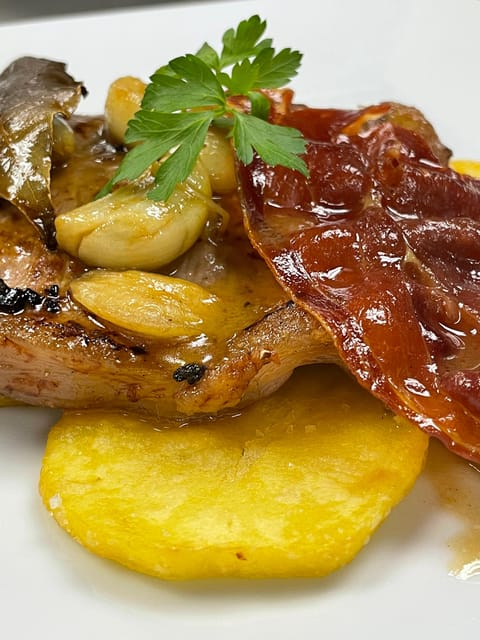
At $94 per person, this is not the cheapest meal you can buy in Lisbon. The value comes from combining several parts: a three-hour activity, instruction from two chefs, a tasting of cheese, chorizo, and wine, hands-on preparation of three courses, and the final meal.
If you only want to eat Portuguese food, a restaurant will likely offer a simpler and possibly less expensive evening. But a restaurant will not give you the same instruction, personal stories, or chance to prepare the food yourself.
The price also includes the social side of the experience. You are paying for a small group capped at 10, not a large class where it is hard to see or participate. The chefs’ use of seasonal products and personal ingredients adds meaning, although the changing menu means you cannot compare the value by one fixed dish alone.
I would consider the price reasonable for a visitor who wants an activity as well as dinner. It is especially good value for couples, friends, and families with older children who enjoy learning together. Solo participants can also fit in well because the format encourages conversation.
The cost is harder to justify if you dislike group activities, do not drink wine, or want a specific menu. It is also not a good match for anyone who cannot eat the ingredients being used.
Who should book this class?
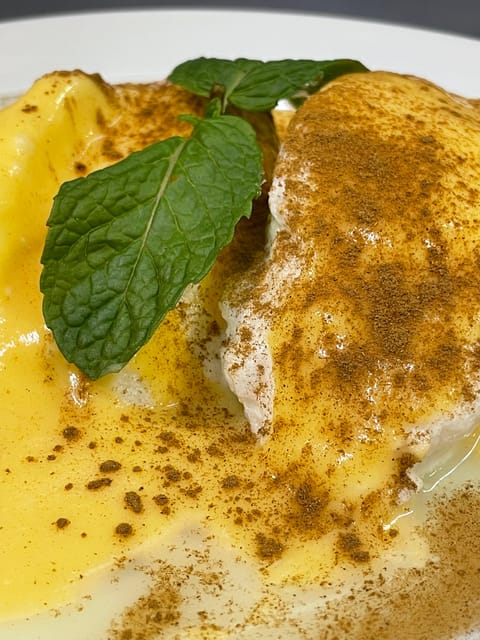
I would recommend it to you if you enjoy food, conversation, and practical cultural experiences. It suits beginners because the chefs explain the process and create a friendly setting. It also suits capable home cooks who want traditional Portuguese ideas they can use after returning home.
Couples can treat it as an evening activity with dinner included. Friends can share the work and the meal. Families with teenagers may enjoy it as well, since the activity keeps everyone involved and several families have found the format entertaining for older children.
This is not designed for children under eight. It is also not suitable for wheelchair users because the kitchen is reached by stairs.
Vegans should choose another activity. The class includes cheese, chorizo, and wine, and the stated dietary options do not include a vegan menu. Vegetarians may be accommodated, but you must give at least 72 hours’ notice.
People with food allergies should not book this class. The experience specifically states that it is not suitable for people with food allergies. If you have a dietary restriction that is not an allergy, contact the provider at least 72 hours before the class begins to ask about adjustments.
Timing, cancellation, and practical planning
The class lasts three hours, with starting times available according to the date you choose. Since the evening includes tasting, cooking, eating, and conversation, plan to stay for the full session rather than treating it as a quick demonstration.
You can reserve now and pay later, which helps if you are arranging several Lisbon activities. Free cancellation is available up to 24 hours before the start time for a full refund.
Transportation to and from your accommodation is not included. You need to reach the kitchen yourself and follow the directions near Continente Bom Dia. For the smoothest arrival, save the meeting instructions and allow time to find the upstairs entrance.
Pets are not allowed. Alcohol and drugs are also not allowed as part of the activity, apart from the planned wine tasting.
Should you book the Lisbon cooking class?
Book this class if you want to understand Portuguese food by preparing it, hearing its stories, and eating it with a small group. The best reasons to go are the hands-on three-course meal, the seasonal ingredients, and the warm teaching style associated with Ana and Carina.
Skip it if you need a vegan or allergy-safe menu, cannot manage stairs, or prefer a fixed recipe and a quiet restaurant meal. For everyone else, $94 buys more than dinner. It buys a practical lesson, a social evening, and a better sense of how Portuguese food connects with family and everyday life.
FAQ
How long does the Portuguese cooking class last?
The experience lasts three hours. It includes tasting, hands-on cooking, and eating the meal you prepare.
What food will I prepare?
You will prepare a starter, main course, and dessert. The menu changes with the season and ingredient availability, so the exact dishes are not fixed.
What is included in the price?
The experience includes a tasting of cheeses, chorizo, and wines, plus the cooking class and the starter, main course, and dessert you prepare.
Is the class suitable for vegetarians?
The menu can be adapted for vegetarians if you notify the provider at least 72 hours before the class begins.
Can people with allergies or vegans attend?
The class is not suitable for people with food allergies or for vegans. Dietary restrictions must be communicated at least 72 hours in advance.
Where does the class meet?
The kitchen is upstairs near the Continente Bom Dia supermarket. Facing the supermarket’s main entrance, use the stairs on the left and continue to the end, where the kitchen is located in the square.
Just added around Lisbon
- Lisbon: Portuguese street food cooking class with Drinks★ 4.9 · 37 reviews
- Lisbon: Setúbal Market and Wine tour with Cooking class★ 5.0 · 4 reviews
- Lisbon: Portuguese Petiscos Cooking Class★ 4.7 · 6 reviews
- Lisbon: Portuguese Cooking Class with Wine Tasting★ 5.0 · 4 reviews
- Lisbon: Pasteis de Nata Baking Class★ 5.0 · 134 reviews
- Lisbon: Portuguese Cooking Class for Beginners★ 4.9 · 78 reviews
- Private Traditional Portuguese Cooking Class in Lisbon with Paula★ 5.0 · 50 reviews
- Private Lisbon Market Tour & Portuguese Cooking Class with Paula★ 5.0 · 89 reviews
Cooking Classes, compared.

Half-Day Thai Cooking Class at Organic Farm in Chiang Mai
Read our review →

3 in 1 Cooking Class near Navona: Fettuccine, Ravioli & Tiramisu
Read our review →
Pasta & Tiramisu Cooking Class with Unlimited Wine
Read our review →
Hanoi Cooking Class: Culture, Local Market & Meaning CSR Impact
Read our review →
5 Traditional Dishes Hanoi Cooking Class with Market Trip
Read our review →
Cooking Class and Lunch at a Tuscan Farmhouse with Local Market Tour from Florence
Read our review →
Cooking Class, Market & Thai Herbs Garden Tour
Read our review →Lists this class appears in