
REVIEW · LISBON DISTRICT, PORTUGAL
Lisbon: Traditional Portuguese Cooking Class
Come hungry, leave with recipes. This three-hour class at Homecooking Lisbon HUB combines hands-on cooking, Portuguese food culture, and a generous shared meal in one friendly evening. I like the clear, step-by-step teaching, and I like that wine, beer, homemade juice, coffee, snacks, and finger food are included. The one caution is simple: the meal is substantial, so eating beforehand would be a mistake.
The class costs $100 per person, which is not cheap for three hours, but the price covers ingredients, equipment, instruction, drinks, appetizers, the four-course meal, and insurance. The group is limited to 10 people, though one recent account described a larger-than-planned gathering that still worked well. If you want a quiet private lesson, group cooking may feel lively. If you enjoy meeting people over food, that is part of the charm.
Key Points Before You Book
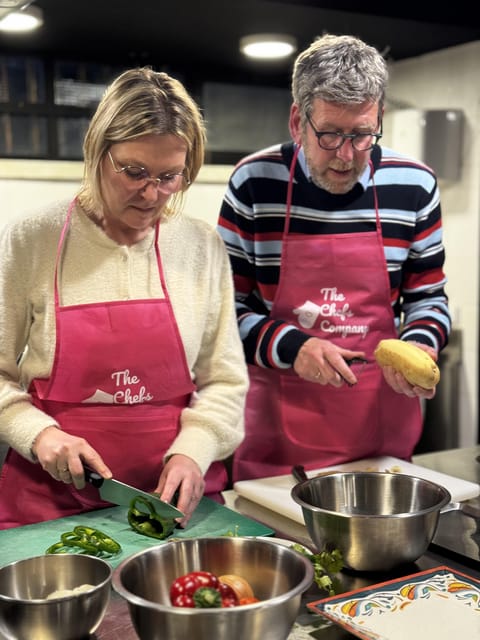
- Four traditional Portuguese dishes: You prepare a full four-course meal rather than watching a demonstration from the sidelines.
- Drinks are included: Wine, beer, homemade juice, coffee, and water accompany the cooking, along with finger food and snacks.
- Friendly, patient instruction: Chefs such as Pedro, Miguel, Theresa, Beatriz, Tereza, and Miyuki have been praised for clear guidance and warm teaching.
- A social meal follows the cooking: You eat what the group prepares, often in a relaxed, family-dinner setting.
- Pastel de nata may be part of the menu: The exact dishes are seasonal, but several participants specifically enjoyed preparing this famous Portuguese pastry.
- Plan for a filling experience: Come hungry, but not so hungry that you cannot concentrate during the preparation.
Arriving at Homecooking Lisbon HUB
The class begins at the Homecooking Lisbon HUB, a cozy kitchen designed for shared cooking rather than a formal restaurant-style lesson. The meeting point is not a hotel pickup location, so you make your own way there. One useful detail from a recent participant: a public bus from central Lisbon stopped right in front of the establishment.
Because the class lasts three hours and includes a full meal, allow enough time to arrive without rushing. The experience is conducted in English, and the group size is advertised as no more than 10 people. That is a sensible limit for a working kitchen. You get more chances to handle ingredients, ask questions, and receive help at the stove.
The exact room setup and menu can vary, but the tone is clear. You are not being ushered through a polished show for spectators. You are there to chop, stir, shape, taste, and share responsibility for dinner.
A few more cooking classes around Lisbon worth a look
- Lisbon: 2-Hour Pastel de Nata Cooking Class
★ 4.8 · 461 reviews - Lisbon Portuguese Cooking Class with 3-Course Dinner
★ 5.0 · 445 reviews - Traditional Portuguese Cooking Class in Lisbon
★ 5.0 · 287 reviews
Snacks, Portuguese Drinks, and the First Taste
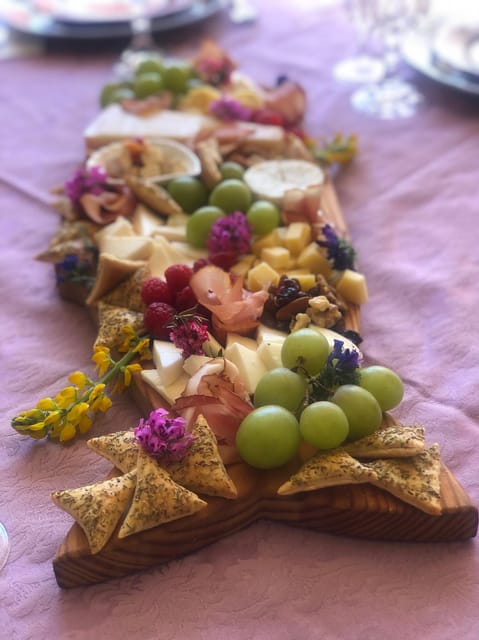
The evening starts with appetizers, finger food, and drinks. This opening matters because it gives everyone time to settle in before the more focused cooking begins. It also lets the chef introduce Portuguese ingredients and eating customs in a relaxed way.
Included drinks are wine, beer, homemade juice, coffee, and water. Some classes have also included tastes of ginja, port wine, and a sweet almond liqueur toward the end. These extras should not be treated as a guaranteed menu item, but they show how the experience can stretch beyond the four dishes themselves.
The drinks are part of the value, especially in Lisbon, where a few glasses of wine and a meal can quickly push up the cost of an evening. Still, you should pace yourself. Cooking while drinking is more fun when you remain alert enough to follow instructions and safely use the equipment.
The opening snacks also help if the cooking takes place around a normal lunch or dinner hour. You will not be left waiting in an empty kitchen. At the same time, do not arrive after a large meal. The food portions are repeatedly described as generous, and the final table is meant to replace a restaurant dinner.
Cooking Four Courses Step by Step
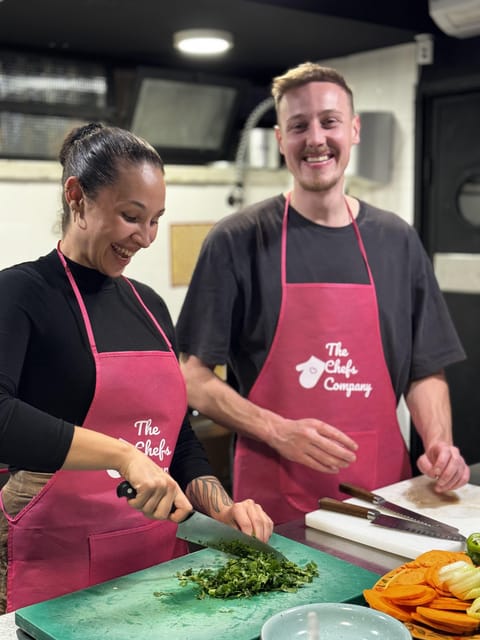
The core of the class is practical. The chef explains each dish, introduces the ingredients and spices, then guides the group through the preparation. You work in a traditional Portuguese setting, with the cooking divided into manageable tasks.
This is useful even if you already cook at home. You are not only collecting recipes. You are seeing how Portuguese cooks approach seasoning, timing, texture, and presentation. Participants have particularly valued the explanations of why dishes are prepared in certain ways, rather than receiving a list of instructions with no context.
The dishes are seasonal, so the exact four-course menu may change. That is a good thing for a short visit. A fixed menu can give you predictability, but seasonal cooking gives a better sense of what Portuguese home-style food is like at that time of year.
Pastel de nata has appeared in the experience and received special praise. Learning to prepare this beloved custard tart adds a memorable sweet finish to the meal. The menu can also include savory dishes such as pork ribs, though one participant found that particular cut tough. That is a fair reminder that traditional food is not always perfectly tailored to every palate or preference.
The lesson is collaborative. You may cook in pairs or share tasks across the group. Some people will be comfortable taking charge, while others will need a little encouragement. The strongest part of the teaching, judging from the repeated praise, is the effort to include everyone. Instructors help without hovering, and they adapt to different levels of confidence.
The Chefs Make the Difference
The food matters, but the instructor shapes the mood. This class has been led by several chefs and teachers, including Pedro, Miguel, Theresa, Beatriz, Tereza, Bee, Kriszti, and Miyuki. Names can change with the schedule, but the teaching style has been consistent: patient, social, and generous with explanation.
Pedro has been praised for his calm attention and willingness to help. Miguel is often singled out for explaining instructions clearly and keeping the group engaged. Theresa has been described as funny, patient, and especially good at making people feel comfortable in the kitchen.
Beatriz and Tereza have also received warm praise for combining food instruction with stories about Portuguese culture. One especially valuable feature is the link between dishes, family traditions, and Lisbon’s past. That turns the class into more than a cooking lesson. You begin to understand why a recipe matters, not just how to repeat it.
Miyuki has been praised for thorough instruction, while Bee has been appreciated for explaining why dishes are prepared in particular ways. Those details are what you want in a class. A chef who merely says what to do gives you a meal. A chef who explains the reason behind the method gives you a skill you can use at home.
The class is taught in English. Since the instructors are comfortable guiding international groups, you should be able to follow the process even if cooking vocabulary is not your strength. The atmosphere is informal, so do not worry about arriving with professional kitchen experience.
Same place, a different thing to cook:
- Lisbon: Pastel de Nata Baking Class
★ 4.9 · 2,106 reviews - Pasteis de Nata Baking Class from Lisbon
★ 5.0 · 248 reviews - Lisbon: Pasteis de Nata Baking Class
★ 5.0 · 134 reviews - Lisbon Market and Food Tour with Cooking Class and Lunch
★ 5.0 · 117 reviews
Eating the Meal You Prepared
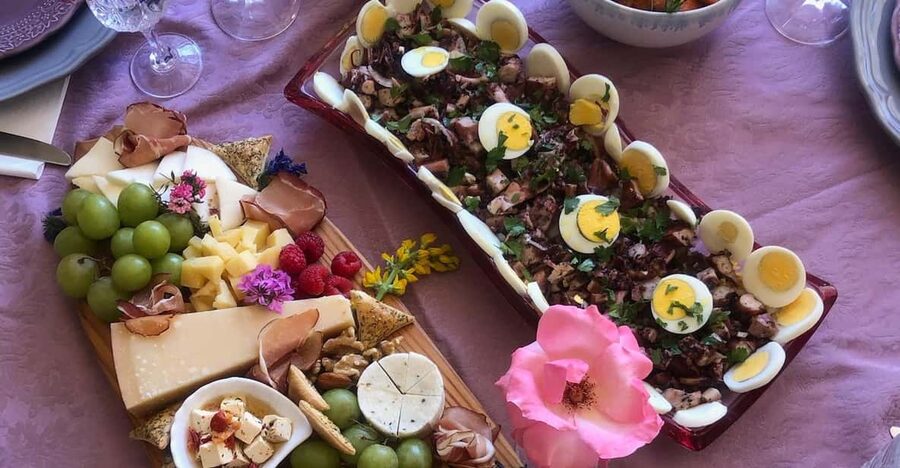
After the cooking is finished, the group sits down to eat the four-course meal. This is the payoff, but it is also where the social side of the class becomes most obvious. People have described the meal as feeling like a family dinner, with conversation, laughter, and plenty of shared food.
The meal is prepared by the group, which means the experience is not about one chef producing every plate while you watch. You take some ownership of the result. That makes an ordinary dish more memorable, even when the final texture is not perfect.
A useful practical point: the amount of food can surprise you. Several people advised arriving hungry, and one participant specifically wished the description had warned everyone to come with a completely empty stomach. I would treat this as a dinner replacement, not an activity to fit between two restaurant meals.
Food allergies and preferences have been accommodated in some classes, with enough alternatives for people to find something suitable. Still, the supplied details do not promise a specific dietary program. If you have a serious allergy or strict dietary needs, confirm what can be arranged before booking rather than assuming the group menu will suit you.
How Much Value Do You Get for $100?
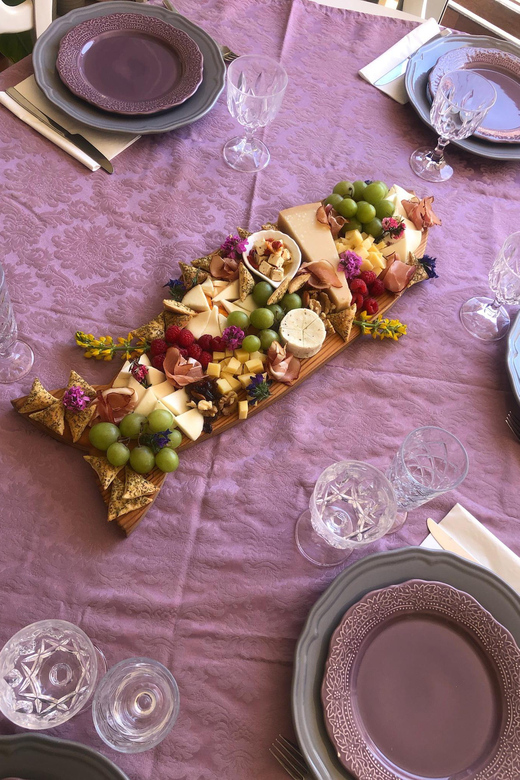
At $100 per person, this class sits in the paid food experience category rather than the casual activity category. The value depends on what you want from Lisbon.
If you only want dinner, a local restaurant may cost less. If you want a private culinary lesson, this is not that either. You share the kitchen and the chef’s attention with a small group.
But the $100 includes much more than food. You receive three hours of instruction, all ingredients, cooking equipment, snacks, finger food, a four-course meal, wine, beer, homemade juice, coffee, water, and insurance. You also get a structured introduction to Portuguese cooking and a social evening that would be difficult to recreate on your own.
I consider it good value for people who want both a meal and an activity. The price is easier to justify if you would otherwise book dinner and a separate cultural experience. It is less appealing if you dislike group activities, rarely drink, or simply want to eat without participating.
The high rating of 4.9 from 592 ratings points to very strong satisfaction, and the praise is unusually consistent around the same points: friendly instructors, clear directions, tasty food, and an easygoing atmosphere. That does not guarantee that every dish will be your favorite, but it gives you a strong idea of the experience’s reliable strengths.
Group Size, Pace, and Comfort
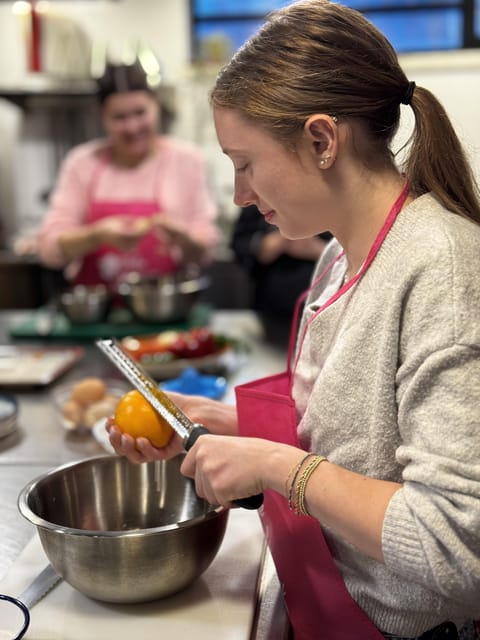
A group of up to 10 is small enough for personal help but large enough to create a social meal. You may meet couples, families, solo visitors, and people from several countries. That mix is part of the evening’s appeal.
The pace is active but not described as rushed. The chef talks through the dishes, then helps people complete each stage. You should expect to share workspace and equipment. If you prefer complete control over your own station, the communal setup may require patience.
Families have enjoyed the class with children older than six, including an 8-year-old and a 10-year-old. The official guidance says the experience is not suitable for children under six. The kitchen also is not recommended for people with mobility impairments, so consider the working environment before reserving.
For most adults and older children, the friendly teaching style should make the class approachable. You do not need to arrive with culinary confidence. The instructors are there to help you through unfamiliar techniques and ingredients.
What I Like Most, and What I Would Watch
The best feature is the balance between instruction and pleasure. You learn about Portuguese food, but the class never sounds like a lecture. You cook, taste, drink, and talk as the evening moves along.
I also like the cultural layer. The strongest teaching moments connect a dish with Lisbon, family cooking, or the chef’s own experience. That gives the recipes a human setting. You leave with more than a list of ingredients.
The main limitation is the lack of a guaranteed menu. Seasonal cooking is a strength, but it means you cannot book expecting a precise list of dishes unless the provider confirms it. If you have your heart set on pastel de nata, pork, or another specific item, ask before you reserve.
The other consideration is the group format. The social energy can make the meal memorable, but it can also mean noise, shared tasks, and uneven participation. The instructors appear to work hard to include everyone, but your experience will still depend partly on the group around you.
Who Should Book This Lisbon Cooking Class?
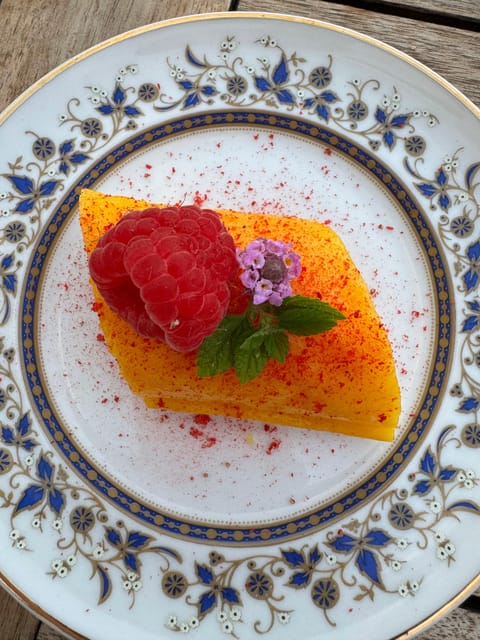
I would recommend it to food-focused visitors, first-time cooks, couples, solo visitors who enjoy meeting people, and families with children over six. It is especially useful early in a Lisbon stay, because you gain a practical introduction to Portuguese ingredients and cooking habits that can shape the rest of your meals.
It also suits anyone who wants a structured evening rather than another stop at a restaurant. You have a clear three-hour plan, plenty of food, and a chance to ask questions directly.
I would think twice if you have mobility limitations, dislike shared cooking, need a guaranteed dietary menu, or want a quiet private lesson. The class is friendly and flexible, but it is still a group kitchen.
FAQ
How long does the Portuguese cooking class last?
The class lasts three hours, including the cooking, food, drinks, and shared meal.
How much does the class cost?
The listed price is $100 per person.
Where does the class meet?
The meeting point is Homecooking Lisbon HUB in the Lisbon District.
What language is the class taught in?
The instructor language is English.
How many people can join the class?
The activity is advertised as a small group limited to 10 participants.
Is food and drink included?
Yes. Ingredients, cooking equipment, instructor guidance, snacks, finger food, wine, beer, homemade juice, coffee, water, and the four-course meal are included.
Do I need cooking experience?
No specific experience level is required. The chefs provide hands-on, step-by-step guidance and help participants as needed.
Is hotel pickup included?
No. Hotel pickup and drop-off are not included. You make your own way to Homecooking Lisbon HUB.
Is the class suitable for children and people with mobility impairments?
The activity is not suitable for children under six or people with mobility impairments. Families have enjoyed it with older children, including children aged eight and 10.
Should You Book It?
Book this class if you want to cook, eat, and learn about Portugal in the same three-hour experience. The included drinks and full meal make the $100 price easier to justify, while the small group and patient chefs keep it approachable.
Come hungry, arrive ready to share the kitchen, and expect a seasonal menu rather than a fixed restaurant order. If that sounds like your kind of Lisbon evening, Homecooking Lisbon offers a tasty and practical way to meet Portuguese food from the inside out.
Just added around Lisbon
- Lisbon: Traditional Portuguese Cooking Class★ 5.0 · 41 reviews
- Lisbon: Portuguese street food cooking class with Drinks★ 4.9 · 37 reviews
- Lisbon: Setúbal Market and Wine tour with Cooking class★ 5.0 · 4 reviews
- Lisbon: Portuguese Petiscos Cooking Class★ 4.7 · 6 reviews
- Lisbon: Portuguese Cooking Class with Wine Tasting★ 5.0 · 4 reviews
- Lisbon: Pasteis de Nata Baking Class★ 5.0 · 134 reviews
- Lisbon: Portuguese Cooking Class for Beginners★ 4.9 · 78 reviews
- Private Traditional Portuguese Cooking Class in Lisbon with Paula★ 5.0 · 50 reviews
Cooking Classes, compared.
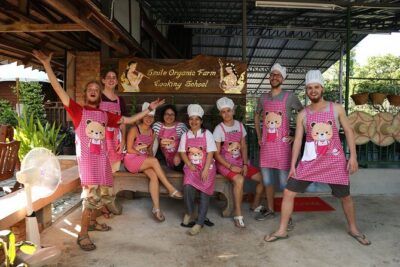
Half-Day Thai Cooking Class at Organic Farm in Chiang Mai
Read our review →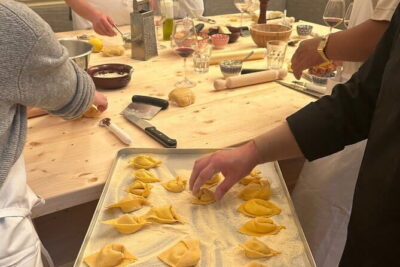
3 in 1 Cooking Class near Navona: Fettuccine, Ravioli & Tiramisu
Read our review →
Pasta & Tiramisu Cooking Class with Unlimited Wine
Read our review →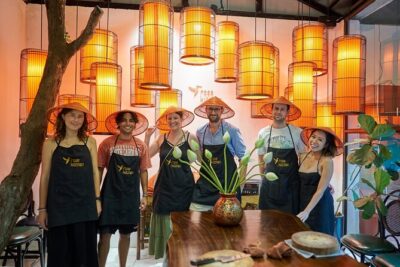
Hanoi Cooking Class: Culture, Local Market & Meaning CSR Impact
Read our review →
5 Traditional Dishes Hanoi Cooking Class with Market Trip
Read our review →
Cooking Class and Lunch at a Tuscan Farmhouse with Local Market Tour from Florence
Read our review →
Cooking Class, Market & Thai Herbs Garden Tour
Read our review →Lists this class appears in