
REVIEW · CHENNAI, INDIA
Traditional Cooking Class in Chennai in a Local Home with Sundari
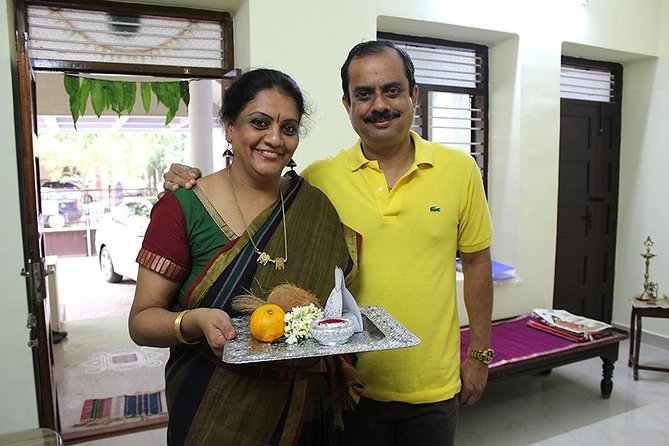
Come hungry, leave with new skills. This three-hour class in Adyar brings you into Sundari’s Chennai home for a hands-on lesson in Tamil Brahmin vegetarian cooking, followed by a meal served on banana leaves. I like the personal setting, where you cook with a local family rather than sit in a restaurant, and I like the chance to prepare four or five dishes instead of watching a short demonstration.
The main consideration is that this is a vegetarian experience built around one specific South Indian food tradition. If you want meat, seafood, alcohol, or a broad survey of all Indian cuisine, this will not be the right fit. For anyone curious about home cooking, the $78 price is easier to justify because it includes instruction, food, nonalcoholic drinks, and a private setting for your own group.
Key points to know before booking
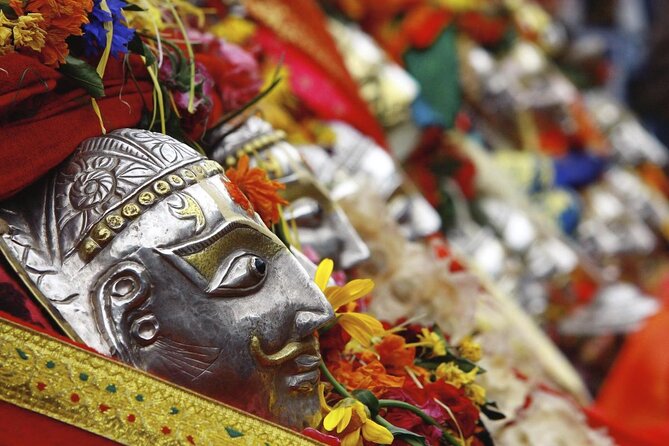
- Sundari’s home in Adyar: You cook in a local Chennai home surrounded by fruit trees, traditional art, and family decor.
- Tamil Brahmin vegetarian food: The menu follows Sundari’s family tradition and may include vegetable curry, sambar, rasam, and dosas.
- Four or five dishes: You take part in a full meal rather than learning only one recipe.
- Banana-leaf dining: You eat the finished meal with your hands in a traditional South Indian style.
- Private and personal: Only your group participates, with lunch and dinner options available.
- Warm family welcome: Sundari leads the class, while her husband Krishna may join dinner or weekend sessions.
A Chennai cooking class that feels like an invitation home
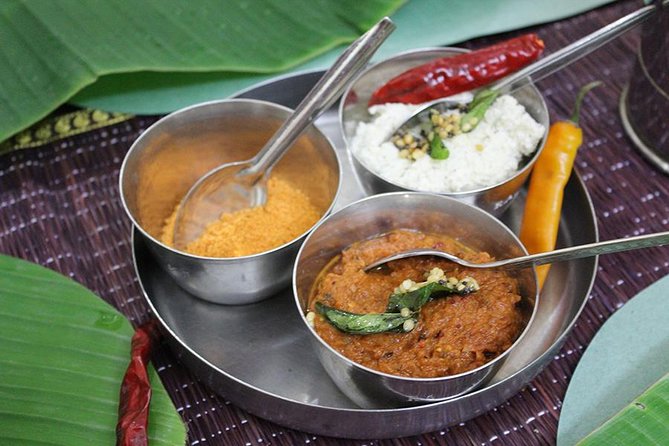
The charm here begins before the first dish reaches the table. Sundari welcomes you into a converted in-laws’ house in Adyar, a Chennai neighborhood that gives the class a local setting rather than a tourist venue. The home is described as bright and welcoming, with fruit trees outside and traditional art and decor inside.
I like this opening because it gives the food a sense of place. You are not simply learning how to make sambar from a professional instructor in a studio kitchen. You are seeing how a South Indian family presents food, shares space, and keeps culinary customs alive.
Sundari has cooked since she was eight. That long connection to food matters because the class is tied to family practice, not just a set of recipes selected for visitors. Her style is warm, cheerful, approachable, and professional. You can expect plenty of explanation as you work, rather than a rushed sequence of instructions.
The experience lasts about three hours. That is enough time to tour the house, discuss the planned dishes, cook several items, and sit down to eat. It is still short enough to fit into a busy Chennai itinerary, especially if you choose a lunch or dinner session.
More Home Cooking Classes in India
- Indian Cooking Class in an Authentic Local Home – Learn 6 Dishes
★ 5.0 · 195 reviews - Jaipur Market Tour & Vegetarian Rajasthani Home Cooking Class
★ 5.0 · 113 reviews - Interactive Cooking Class with a Local Family in Jaipur
★ 5.0 · 90 reviews
Starting with the house and the menu
Your first stop is a tour of Sundari’s home. This is a small but useful part of the experience. Before cooking begins, she introduces you to the dishes you will prepare and gives you a feel for the home where the meal will be made.
This introduction helps you understand the meal as a whole. South Indian cooking is not always about one main dish with a few side items. A traditional vegetarian spread can involve several preparations with different textures, temperatures, and levels of spice. A curry, a lentil-based sambar, a thin rasam, and dosas each play a different role at the table.
The menu changes with the season, so you should not book expecting a fixed restaurant-style lineup. You might prepare vegetable curry, sambar, rasam, dosas, or other Tamil vegetarian dishes. That variation is a plus for repeat visitors, though it means you cannot count on learning one particular recipe.
If anyone in your group has allergies, dietary restrictions, or specific cooking preferences, tell the provider when booking. This is especially important in a class where you will be handling and eating the food yourself.
Four or five dishes, made by your own hands
After the introduction, you head into the kitchen and join Sundari in preparing four or five dishes. The hands-on format is the strongest part of the class. You are not just taking notes while someone else does the work. You get to take part in the process and see how separate ingredients become a complete meal.
For someone new to South Indian cooking, this format can clarify how the food fits together. Sambar offers a hearty, savory element. Rasam is lighter and more brothy. A vegetable curry adds color and texture, while dosas bring a crisp, familiar South Indian staple to the table. The exact selection can vary, but the basic lesson is the same: a good meal depends on balance.
Sundari’s approachable teaching style should help if you are not confident in the kitchen. The class is not presented as a test of your cooking ability. It is a chance to learn by doing, with a host who enjoys explaining her food traditions.
I also like that the lesson centers on vegetarian cooking without treating it as a side issue. Tamil Brahmin food has its own rules, methods, and family customs. You get a focused look at that tradition instead of a general class that tries to cover every region of India in one afternoon.
Still, the focus may feel narrow if you want a broad Indian cooking survey. Chennai food is only one part of the country’s enormous culinary range. This class gives you a close look at one tradition, not a complete introduction to Indian food.
Eating on banana leaves in the traditional style
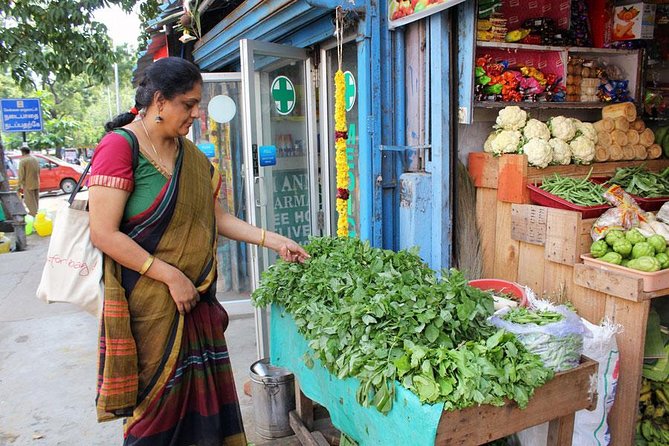
Once the cooking is finished, you sit down to eat what you helped prepare. The meal is served on stainless steel plates or fresh banana leaves, and you are encouraged to eat with your hands.
For many people, this will be the most memorable part of the class. Banana-leaf dining is practical, sensory, and closely tied to the meal itself. It also changes how you eat. You pay more attention to the texture of the rice, the way sauces mix, and the balance between the different dishes.
If you have never eaten with your hands, do not worry about getting it perfect. The point is to follow the local method and enjoy the food, not perform it. You can ask Sundari for guidance, and the relaxed home setting should make the process feel less awkward than trying it alone in a formal restaurant.
Nonalcoholic beverages are included. No alcohol is part of the stated experience, which suits the family-oriented setting and the food tradition being presented.
Same place, a different thing to cook:
- Pink City Cooking Class
★ 5.0 · 452 reviews - Five Course Cooking Class & Meal
★ 5.0 · 250 reviews - Veg and Non veg : Private Cooking Class in Delhi home (7 meal)
★ 5.0 · 226 reviews - Durga Cooking Class
★ 5.0 · 159 reviews
Meeting Krishna during dinner or on weekends
Sundari leads the cooking, but dinner sessions and weekend classes may also include her husband, Krishna. He is described as a keen food lover who enjoys meeting new people and joining lively conversations.
That detail gives the experience a more social feel, though it is not guaranteed for every departure. If you choose a weekday lunch, you should expect the focus to remain mainly on Sundari and the cooking. If you want the best chance of meeting both hosts, a dinner or weekend session may suit you better.
The family setting is one of the reasons this experience feels different from a standard food workshop. You are not only learning recipes. You are spending time in someone’s home and seeing how food connects with hospitality, conversation, and family life in Chennai.
What the $78 price really covers
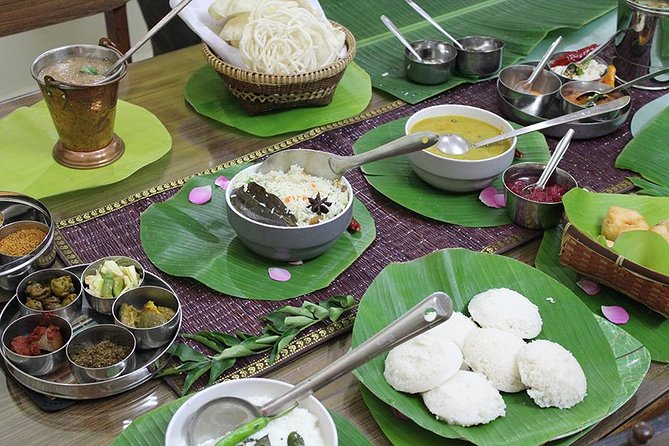
At $78 per person, this is not the cheapest meal you can buy in Chennai. You could eat a filling vegetarian lunch for much less at a local restaurant. The value comes from what is added: a private class, personal instruction, a home visit, four or five dishes, drinks, and the meal you prepare.
The private format matters. Only your group participates, so you do not have to match the pace of a large class or compete for time at the counter. You can ask questions, repeat a technique, and discuss ingredients at your own speed.
I would consider the price reasonable for someone who wants more than a meal. You are paying for access to a home setting and for direct time with a local cook. It makes less sense if your main goal is simply to eat vegetarian food cheaply, or if you prefer a large, highly structured culinary school.
The class also has practical value after you return home. Because you help prepare several dishes, you may remember the methods more clearly than you would after eating the same food in a restaurant. The experience gives you a better idea of how South Indian dishes work together on one table.
Who will enjoy this experience most
This class is a strong match for food-focused visitors, curious first-time visitors to Chennai, and anyone who prefers local homes to formal attractions. It also suits couples, families, and small private groups that want a shared activity with plenty of conversation.
Vegetarians will find the menu especially appealing, but you do not need to be vegetarian to enjoy the class. The key requirement is an interest in Tamil Brahmin food and a willingness to try a traditional way of eating.
Families should note that the supplied information does not give a minimum age or specific child policy. If you are booking with children, ask about suitability in advance rather than assuming.
This may be less suitable for someone with severe food allergies unless those needs are discussed before booking. The provider asks you to share allergies, restrictions, and cooking preferences at the time of booking, but the available information does not promise a separate kitchen or guaranteed allergen-free preparation.
Timing, meeting point, and planning advice
The class begins in Adyar, Chennai, and ends back at the meeting point. No transport service is listed, so you should plan your own way to Adyar and allow enough time to arrive without rushing.
You can choose between lunch and dinner options. Think about how the class fits with your wider day. A lunch session leaves your evening open, while dinner gives you a relaxed end to the day and may provide a chance to meet Krishna.
Confirmation is sent within 48 hours of booking, subject to availability. For that reason, I would avoid leaving this experience until the last day of a short Chennai stay.
Mobile tickets make the booking simple, but keep the meeting details available on your phone. The activity is private, so the exact feel of the class depends on your group size and the preferences you share when booking.
Free cancellation is available if you cancel at least 24 hours before the start time. Changes or cancellations made later are not accepted for a refund, and the cut-off follows Chennai local time.
A warm host with a personal teaching style
The strongest praise for this class centers on Sundari herself. She is described as warm, hospitable, enthusiastic, and easy to learn from. Her teaching style is approachable, which is important in a cooking class where unfamiliar ingredients or techniques can otherwise feel intimidating.
Her care seems to extend beyond the kitchen. When a booking problem led to a possible overcharge, she helped resolve the issue rather than leaving the matter to someone else. That kind of attention is reassuring when you are booking a private experience in another country.
The class has a 4.9 rating from 38 ratings, with 97 percent recommending it. Those numbers point to a consistently strong experience, but they should not hide the basic trade-off: the class is built around a particular host, home, and food tradition. That is exactly what makes it personal, but it also means the experience is not designed for everyone.
Should you book Sundari’s Chennai cooking class?
I would book this class if you want a personal introduction to South Indian vegetarian food and prefer learning in a home rather than eating in another restaurant. The combination of Sundari’s warm hosting, hands-on cooking, four or five dishes, and banana-leaf meal gives you a real connection to Tamil food customs.
I would skip it if you want meat dishes, alcohol, a fixed menu, or a broad class covering many Indian regions. I would also compare the price carefully if you are mainly looking for a cheap meal.
For most food-loving visitors, the private format and home setting make the $78 worthwhile. Choose lunch for a daytime cultural stop, or choose dinner or a weekend session if meeting Krishna and spending more time in a social setting appeals to you.
FAQ
Where does the cooking class take place?
The class takes place in Sundari’s home in Adyar, Chennai, Tamil Nadu, India.
How long does the experience last?
The cooking class lasts approximately three hours.
What kind of food will I learn to prepare?
The class focuses on Tamil Brahmin vegetarian food. Dishes may include vegetable curry, sambar, rasam, dosas, and other South Indian vegetarian preparations.
How many dishes will I cook?
You will prepare four or five dishes that form a traditional South Indian vegetarian meal.
Is the meal included?
Yes. After cooking, you sit down with your group and eat the dishes you prepared. Nonalcoholic beverages are included.
Can I choose lunch or dinner?
Yes. Lunch and dinner options are available. Dinner or weekend sessions may also include Sundari’s husband, Krishna.
Is this a private activity?
Yes. Only your group participates in this private, personalized experience.
Can I share allergies or dietary restrictions?
Yes. You should advise the provider about allergies, dietary restrictions, or cooking preferences when booking. The menu may vary according to the season.
Just added around India
- Private tour to learn Traditional Indian Art, craft & Cooking★ 5.0 · 4 reviews
- Chennai Super Market Tour and Cooking Class with a Fun Local★ 5.0 · 9 reviews
- Neighborhood Market Tour & South Indian Cooking Class in Chennai★ 5.0 · 7 reviews
- Traditional Chettinad Cooking Class in a Local Home near Chennai★ 4.5 · 12 reviews
- Chennai Dosa Making Class & Home-Dining Experience with Jyashree★ 5.0 · 8 reviews
- Cooking experience in Bangalore, a half day tour★ 5.0 · 5 reviews
- Discover Bangalore’s Cuisine: Private Half-Day Cooking Experience★ 5.0 · 3 reviews
- Traditional Gowda Cooking Class and Meal in a Bangalore Home★ 5.0 · 31 reviews
Home Cooking Classes, compared.
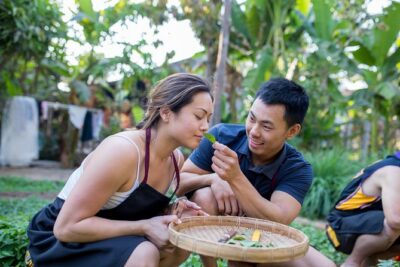
Khmer Cooking Class at a Local’s Home in Krong Siem Reap
Read our review →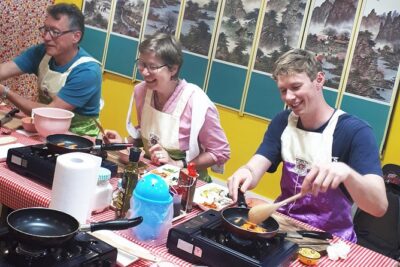
Local Home Korean Cooking Class & Market Adventure in Seoul
Read our review →
Mexican Cooking from Scratch in a Local Home in Tulum
Read our review →
Pastamama, Home Cooking Classes at Grace’s Home
Read our review →
Traditional Cooking Class & meal with Local Family
Read our review →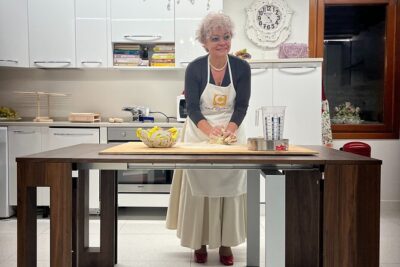
Lists this class appears in