
REVIEW · SAL, CAPE VERDE
Sal Island: Catxupa Cooking Class with a local family
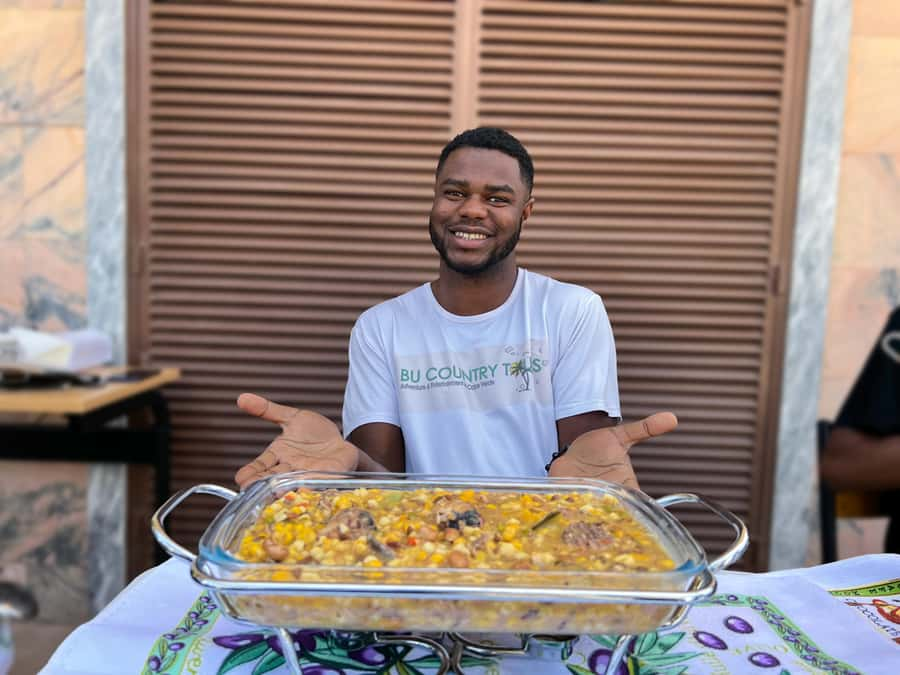
Catxupa tastes better with a family story. This two-hour Sal Island experience brings you into a Cape Verdean home to prepare the country’s best-known dish, then sit down to eat what you helped make. I like the small group of no more than 10 people and the chance to learn a recipe you can actually repeat at home. The $41 price also includes ingredients, a local cook, the meal, and hotel transportation.
I also like that this is more than a standard demonstration. You take part in preparing corn, beans, and meat or fish, while the family shares local traditions and stories. One possible drawback is the short two-hour format: if you want a long cooking lesson or a broad survey of Cape Verdean food, this experience may feel focused rather than extensive.
Key points at a glance
- Cook Catxupa from start to finish: Learn the basic method behind Cape Verde’s most famous traditional dish.
- Meet a local family: The setting gives you direct contact with Cape Verdean home life and hospitality.
- Enjoy the meal you prepare: The class includes a local cook and a serving of Catxupa.
- Pickup and drop-off are included: Wait in your hotel lobby 10 minutes before departure.
- Small groups keep it personal: The maximum group size is 10 participants.
- More than cooking: Depending on the session, you may hear local stories and even take part in a short dance lesson.
Why Catxupa is the right dish to learn on Sal
Catxupa is not a fancy restaurant plate built for tourists. It is a hearty Cape Verdean staple made with corn, beans, and a choice of meat or fish. That makes it a useful dish to learn because it reflects everyday food traditions and uses ingredients with plenty of staying power.
The class gives you a way to understand Cape Verde through food rather than only looking at beaches and hotel restaurants. You get to see how a local family connects cooking with daily life, hospitality, and shared meals.
I also like the practical side. This is not a recipe that requires a cupboard full of rare ingredients or specialist equipment. Once you learn the basic process, you can try to make it at home and adjust it to your own taste.
The dish is protein-rich and filling, so expect something closer to a complete meal than a small tasting. The combination of corn and beans gives Catxupa its substantial base, while meat or fish adds a different character depending on what is prepared during your session.
More Home Cooking Classes in the world:
- Khmer Cooking Class at a Local’s Home in Krong Siem Reap
★ 5.0 · 2,731 reviews - Local Home Korean Cooking Class & Market Adventure in Seoul
★ 5.0 · 1,024 reviews - Marrakech: Moroccan Cooking Class with a Local Family
★ 4.9 · 668 reviews
Hotel pickup starts the experience simply
Hotel pickup is included, which matters on Sal. You do not need to arrange a taxi or work out how to reach a private home in an unfamiliar area. The instructions are straightforward: wait in your hotel lobby 10 minutes before your scheduled pickup time.
That small buffer is worth taking seriously. A family cooking class depends on timing, and arriving late could cut into the short two-hour session. Keep your phone available in case the operator needs to contact you about pickup details.
The transfer also helps make this activity easy to fit into a Sal itinerary. You can book it without spending part of the day arranging local transportation, then return to your accommodation once the meal and cooking session are finished.
The exact pickup time depends on availability. When you book, check the available start times and choose one that leaves room around your other plans. Since the activity lasts two hours, you should not need to give up a full day of sightseeing.
Entering a Cape Verdean family kitchen
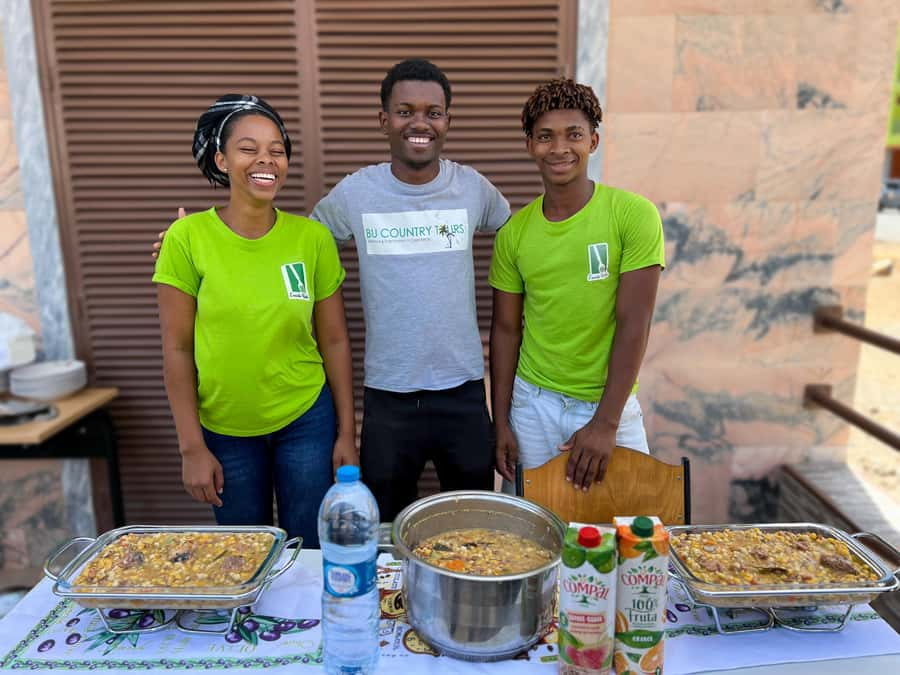
The central appeal begins when you meet the local family and cook in their home setting. This changes the mood from a formal tourist class to a personal exchange. You are not simply watching someone prepare a finished dish in front of you.
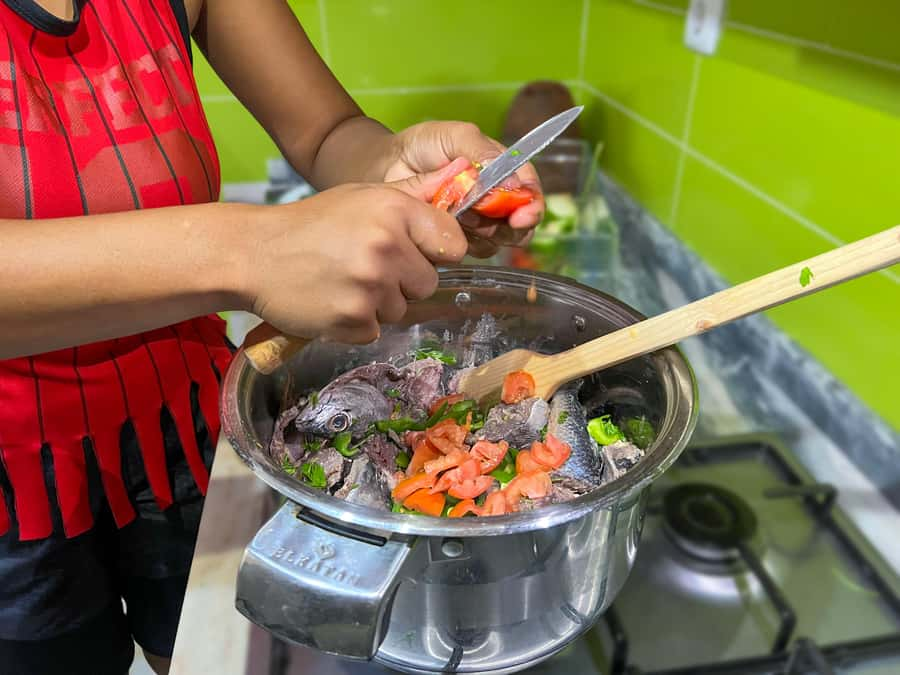
The supplied ingredients for Catxupa are included, so you can focus on the method and the conversation. The local cook leads the activity, explains the dish, and guides you through the preparation.
You should expect the session to be hands-on, but the available information does not promise that every participant will perform every single step. The exact division of tasks may depend on the group, the family, and the pace of the class. Still, the purpose is clear: you learn how Catxupa is made rather than just eating it.
The group limit of 10 helps here. That is small enough for the cook to give personal attention, although it is not a private class. If you prefer one-on-one instruction, ask about the group arrangement when booking.
The family setting is especially valuable for people who want a closer look at local life. The experience offers a direct connection that a hotel buffet cannot provide. You see how food becomes a reason to welcome people into the home and share time together.
Cooking Catxupa, one practical step at a time
The recipe centers on three main elements: corn, beans, and meat or fish. That simple structure makes the class approachable for first-time cooks and gives you a clear framework to remember after you return home.
The cook can explain how these ingredients work together and how the dish fits into Cape Verdean food culture. You may leave with more than a list of ingredients. You gain a sense of why Catxupa matters and how it is tied to ordinary Cape Verdean life.
The cooking lesson is likely to be more useful if you pay attention to texture and timing rather than trying to record every detail. Ask questions as the dish comes together. If you plan to make it at home, note the type of protein used and any seasoning guidance the cook shares.
The supplied information does not specify a printed recipe, so do not assume you will receive a formal recipe card. Bring a phone or small notebook if you want to record key steps, provided the family is comfortable with that.
This is also a good activity for mixed cooking abilities. You do not need to be an expert. The main value lies in learning a traditional dish under the guidance of someone who prepares it locally.
A few more cooking classes around the world worth a look
- Half-Day Thai Cooking Class at Organic Farm in Chiang Mai
★ 5.0 · 19,087 reviews - Florence: Pasta Cooking Class with Unlimited Wine
★ 4.9 · 10,285 reviews - 3 in 1 Cooking Class near Navona: Fettuccine, Ravioli & Tiramisu
★ 5.0 · 7,376 reviews - Florence: Pasta & Tiramisu Cooking Class with Unlimited Wine
★ 4.9 · 6,708 reviews
A meal with stories, hospitality, and possibly dancing
Once the Catxupa is ready, you eat the meal as part of the experience. That shared plate is important. You are tasting the result of your work while seeing how a Cape Verdean family presents food and hospitality.
The food has received strong praise, and the overall activity has a 4.7 rating from 72 bookings. The most consistent strengths are the warm welcome, the quality of the meal, and the sense of connection to Cape Verdean culture.
The experience can include more than food. One French participant described hearing the history of Cape Verde and taking part in a short dance lesson. That detail makes the activity feel less like a narrow recipe class and more like a compact cultural visit.
You should treat the dance and extra cultural elements as possible additions rather than guaranteed parts of every session. The core promise is the Catxupa class, local cook, family setting, and meal.
The local hosts named in feedback include Melissa and Alejandro. Melissa was praised for being welcoming and professional, while Alejandro received particular praise as a guide. The language options are English, French, and Portuguese, so you can choose a session that suits your communication needs.
The personal welcome is one of the strongest reasons to book. Cape Verdean hospitality is not presented as a staged show here. The family setting gives you time to speak, cook, eat, and learn in a more relaxed way.
What the two-hour schedule means for you
Two hours is enough for a focused food experience, but it is not enough for an all-day culinary course. You will learn one important dish rather than a full menu of Cape Verdean recipes.
That narrow focus is a strength if you want a manageable activity during a beach holiday. You can spend a morning or afternoon learning Catxupa without losing an entire day. It also means the experience suits people who want a cultural activity without committing to a long excursion.
The schedule likely moves through pickup, arrival at the family home, introductions, ingredient preparation, cooking, the shared meal, and return transportation. The supplied details do not give exact cooking times or a minute-by-minute plan, so allow the hosts to set the pace.
I would avoid booking this too close to an important dinner reservation. The stated duration is two hours, but pickup and drop-off involve transport, and the meal may be a satisfying one. Give yourself breathing room afterward.
The class is also a good choice early in your Sal stay. You can learn about a central Cape Verdean dish near the beginning of your visit, then recognize Catxupa if you see it elsewhere on the island.
Is $41 good value?
At $41 per person, the value is solid if you want more than a restaurant meal. The price covers the ingredients, instruction from a local cook, the meal, the family experience, and hotel pickup and drop-off.
If you only measure value by the amount of food, a restaurant could cost less. That misses the point. You are paying for access to a local home, practical cooking instruction, conversation, and a cultural exchange that you cannot get from ordering Catxupa from a menu.
The small-group limit strengthens the value. A maximum of 10 people is not a private experience, but it should feel more personal than a large coach group or hotel demonstration.
The price is particularly reasonable for couples, families, and solo visitors who want a low-effort activity. You do not need to buy ingredients, find the location, or organize a return ride.
For strict budget planning, remember that the $41 covers the listed inclusions, but no additional purchases are stated. Do not count on extra dishes, drinks, or a printed recipe unless the operator confirms them.
Language and group size
The activity is available with a live guide in English, French, or Portuguese. That is helpful on Sal, where visitors arrive with different language needs and where a cooking lesson depends on clear explanations.
French-speaking participants have praised the welcome and guidance, while English and Portuguese are also listed as available languages. When booking, choose the language that will let you ask detailed questions about ingredients and preparation.
The small-group format has a practical benefit. You can listen to the family’s explanations and take part without being lost in a crowd. At the same time, a group of up to 10 means the class may not feel quiet or private if it fills.
For families, the activity offers a shared task and a meal. For solo visitors, it provides a natural social setting without requiring you to join a full-day tour. Couples may appreciate the personal atmosphere, though people seeking a romantic private dinner should check whether a private option exists, since none is stated here.
Who will enjoy this experience most?
I would recommend this class to you if food is one of your main ways of understanding a place. It is also a strong choice if you want to meet local people without signing up for a long sightseeing tour.
You will probably enjoy it most if you:
- Like learning recipes you can repeat at home
- Prefer small groups to large organized excursions
- Want a local family setting
- Enjoy shared meals and cultural conversation
- Need hotel pickup and drop-off
- Have about two hours available
It may be less suitable if you want a broad cooking course with several dishes, a private lesson, or a highly structured professional kitchen. The available details point to a warm, focused family activity rather than a chef-school experience.
The meal may also be a consideration for picky eaters. Catxupa is built around corn, beans, and meat or fish, and the activity centers on eating the prepared dish. If you have dietary restrictions, ask the operator before booking because no specific substitutions are listed.
Booking details worth knowing
You can cancel up to 24 hours in advance for a full refund, which gives you some protection if your Sal plans change. You can also reserve now and pay later, allowing you to hold a place without paying at the time of booking.
The activity has a separate entrance arrangement described as skip-the-line access. For a family cooking session, this may simply help the activity begin without waiting at a shared venue, but the key practical detail remains your scheduled pickup.
Be in the hotel lobby 10 minutes early. Check the available start times before you commit, especially if you are coordinating this with a beach day, airport transfer, or another tour.
The experience is operated by Bu Country Tours. Guide availability may vary, but Melissa and Alejandro are two names connected with especially warm feedback about the welcome and guidance.
Should you book the Catxupa class?
Book it if you want a personal, food-centered look at Cape Verdean life. The strongest reasons are the family setting, the hands-on lesson, the included meal, and the chance to take a useful recipe home with you.
At $41, it offers good value for a short cultural activity with transportation included. I would especially choose it for a first visit to Sal, a rainy or windy afternoon, or any day when you want a break from the resort routine.
Skip it if you are looking for a long professional cooking course, a private experience, or a full tour of Cape Verdean cuisine. This class focuses on one famous dish and the hospitality around it.
For most visitors who enjoy food and conversation, Catxupa is a smart way to spend two hours. You leave with a full meal, a clearer understanding of Cape Verdean tradition, and a recipe that can bring the island back to your own kitchen.
FAQ
Where does the Catxupa cooking class take place?
The experience takes place with a local Cape Verdean family on Sal Island. Hotel pickup and drop-off are included.
How long does the experience last?
The cooking experience lasts two hours. Check the available start times when booking.
What is included in the price?
The $41 price includes Catxupa ingredients, a local cook, the meal, the learning experience with a local family, and hotel pickup and drop-off.
What is Catxupa made from?
Catxupa is made with corn, beans, and your choice of meat or fish.
How many people can join?
It is a small-group activity limited to 10 participants.
Which languages are available?
The live guide is available in English, French, and Portuguese.
Do I need to arrange transportation?
No. Hotel pickup and drop-off are included. You should wait in your hotel lobby 10 minutes before the scheduled pickup time.
Can I cancel the booking?
Yes. You can cancel up to 24 hours in advance for a full refund.
Can I reserve now and pay later?
Yes. The activity allows you to reserve your place and pay later.
Just added around the world
- Aroidee’s Farm-Fresh Thai Cooking Experience★ 5.0 · 8 reviews
- Signature Thai Cooking Course★ 5.0 · 79 reviews
- Private Half-Day Thai Cooking Class in Chiang Mai★ 5.0 · 4 reviews
- Half Day Guided Thai Cooking Class in Chiang Mai★ 5.0 · 13 reviews
- Online Thai and Akha Cooking Class★ 5.0 · 70 reviews
- Private Virtual Thai Cooking Class★ 5.0 · 9 reviews
- Northern Thai Cooking Class in Chiang Mai in a Countryside Home★ 5.0 · 2 reviews
- 5 Hour Morning Thai Cooking Course★ 5.0 · 31 reviews
Home Cooking Classes, compared.
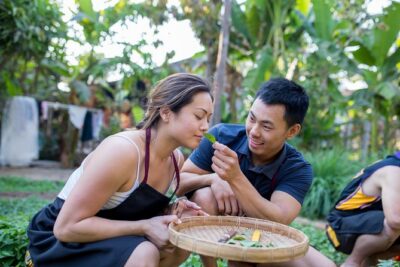
Khmer Cooking Class at a Local’s Home in Krong Siem Reap
Read our review →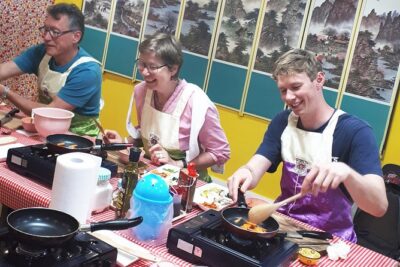
Local Home Korean Cooking Class & Market Adventure in Seoul
Read our review →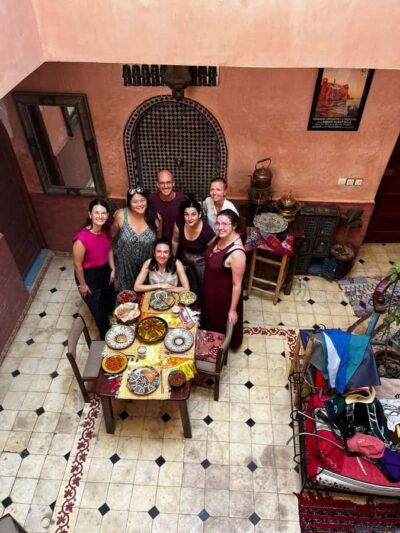
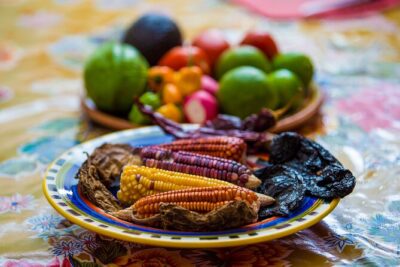
Mexican Cooking from Scratch in a Local Home in Tulum
Read our review →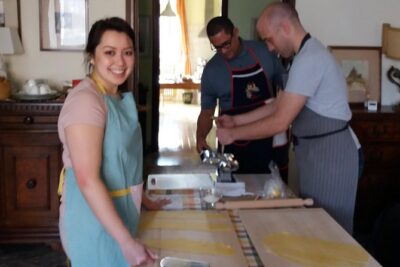
Pastamama, Home Cooking Classes at Grace’s Home
Read our review →
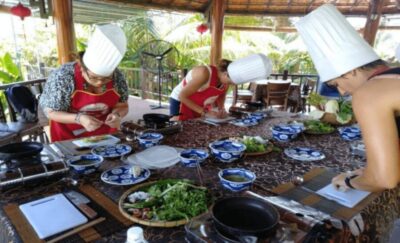
Traditional Cooking Class & meal with Local Family
Read our review →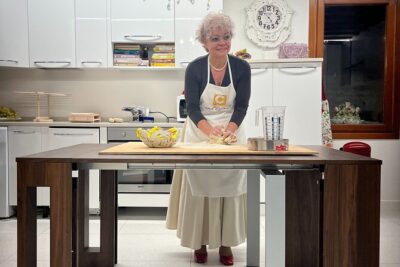
Lists this class appears in