
REVIEW · COMMUNITY OF MADRID, SPAIN
Madrid: Half-Day Spanish Cooking Class
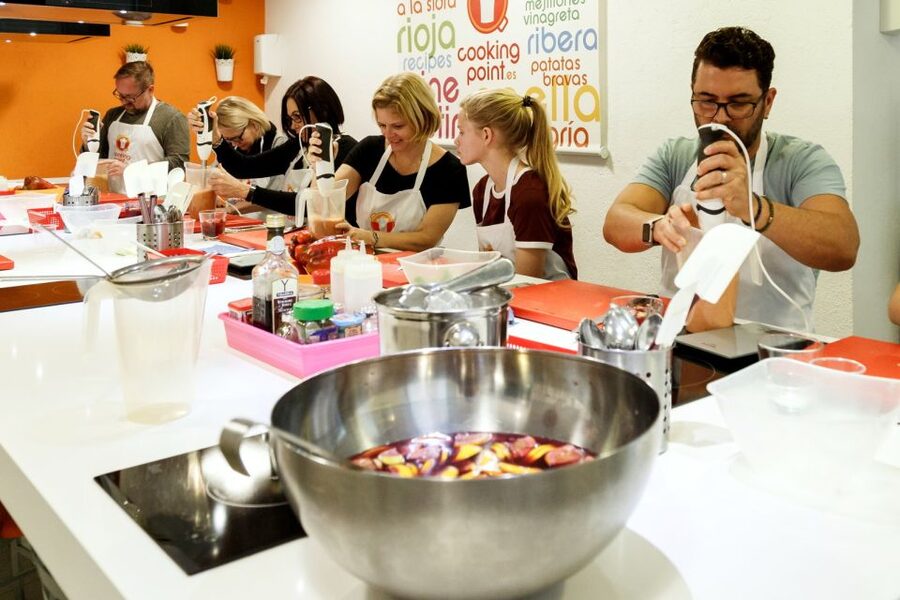
Spanish food is best learned at the stove. This four-hour Madrid class gives you two appealing ways to do it: shop for ingredients and cook paella in the morning, or prepare a full tapas meal in the evening. I especially like the hands-on format, since you cook the dishes rather than simply watch a chef. I also like the market visit in the paella option, where you learn how locals choose ingredients and hear useful food stories from guides such as Angel, Eduardo, and Elisa.
The main thing to consider is the price. At $100 per person, this is not a cheap meal, but it includes instruction, ingredients, drinks, recipes, and lunch or dinner. You should also know that the cooking is done in pairs, and the exact meeting point depends on the class you choose.
- Morning market trip: Shop for ingredients before preparing paella, gazpacho, and sangria.
- Evening tapas menu: Make five classic tapas, Catalan crème, and sangria.
- Real participation: You chop, stir, season, and cook instead of watching from the sidelines.
- Friendly instruction: Angel, Teresa, Eduardo, Elisa, and other English-speaking chefs have been praised for clear teaching and good humor.
- Family-friendly format: Children, teenagers, beginners, and experienced home cooks can all take part.
- A meal at the end: Sit down with the group and eat everything you have prepared.
Choosing Between Paella in the Morning and Tapas at Night
The first decision is simple: choose the morning paella class or the evening tapas class. Both last four hours and are taught in English, but they feel different.
The morning option starts with a visit to a local market. You shop for ingredients with the chef, then return to the cooking school and prepare a mixed chicken and seafood paella, gazpacho, and sangria. This is the better choice if you want a connection to daily food shopping in Madrid, not just a cooking lesson.
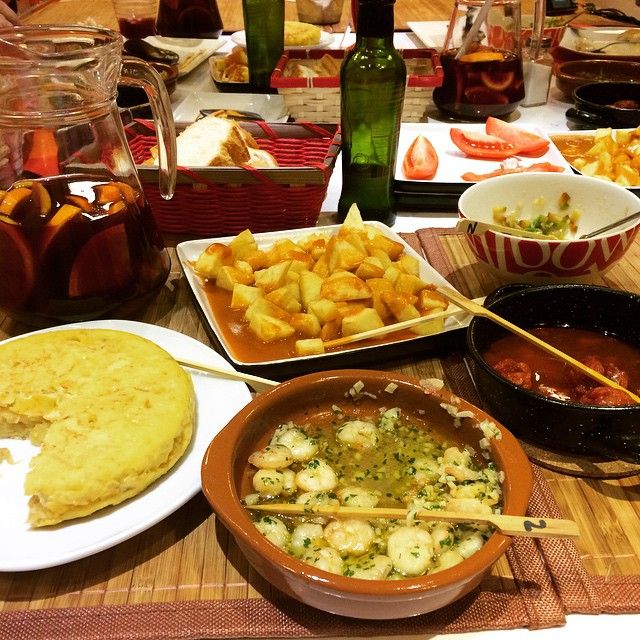
The evening class skips the market and focuses on a broad Spanish menu. You prepare five tapas, one dessert, and sangria. The menu includes Spanish potato omelet, garlic shrimp, chorizo cooked in apple cider, patatas bravas, tomato bread with ham, and Catalan crème.
I would choose the paella class for a first visit to Madrid. The market adds another layer, and the combination of shopping, cooking, and eating gives the four hours a clear rhythm. If you prefer variety at the table, the tapas option wins. Six finished dishes let you sample more classic Spanish flavors.
The Market Visit Adds More Than Groceries
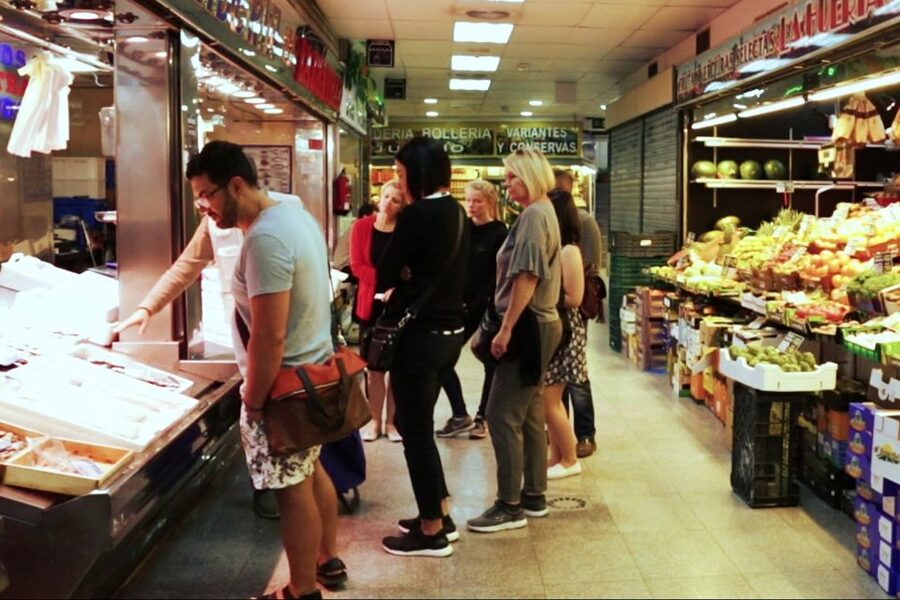
The morning market is not just a shopping errand. It gives the chef a chance to explain the ingredients before you cook them.
The market visit has included lessons about Spanish ham, seafood, fishmongers, and the way local people shop. Eduardo has been especially praised for explaining where food comes from and how it is used. Angel has also shown participants practical details, including how to devein prawns.
That kind of information matters because paella can look simple on paper. Rice, stock, chicken, seafood, and seasoning do not tell you how to judge the ingredients or manage the cooking. Seeing the food first helps connect the finished dish with the market stalls.
The market also makes the class feel more tied to Madrid. You are not simply entering a kitchen to follow a recipe. You begin by seeing the raw materials and hearing stories about Spanish eating habits.
There is one practical limit. The market visit is only part of the morning class. If you book the evening tapas option, you will not get this shopping experience.
More Paella and Spanish Classes in Spain:
- Barcelona: Paella Cooking Experience & Boqueria Market Tour
★ 4.8 · 3,661 reviews - Barcelona Paella Cooking Class with Market Visit, Tapas & Sangria
★ 5.0 · 2,531 reviews - Barcelona Interactive Spanish Cooking Experience
★ 4.5 · 2,155 reviews
Cooking Paella, Gazpacho, and Sangria Step by Step
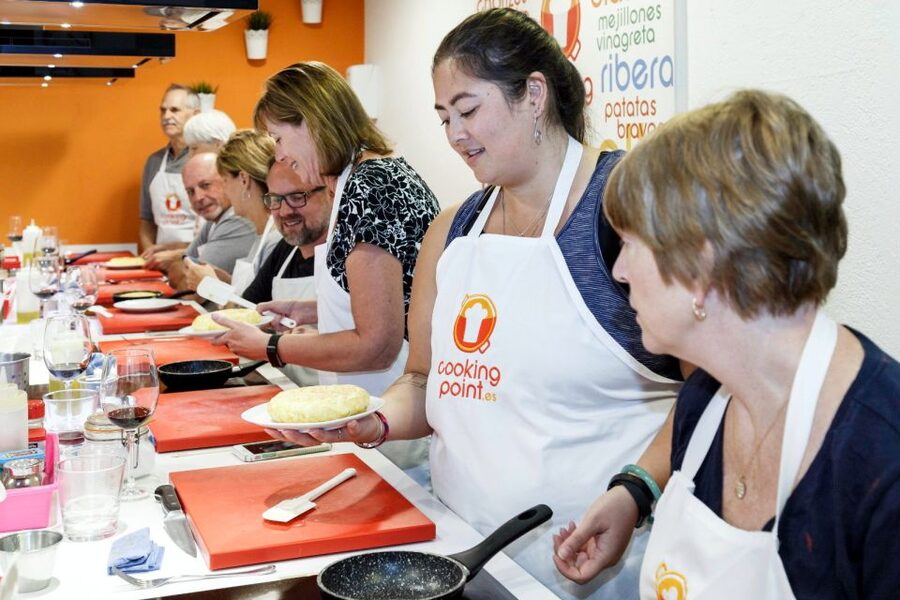
Back at the school, the chef organizes the group and explains the plan. Cooking takes place in pairs, so you will have a partner for the practical work. If you arrive alone, the provider assigns you a cooking partner.
The paella class centers on a mixed chicken and seafood version. You work through the recipe under the chef’s direction, then prepare gazpacho and sangria as part of the same meal.
This is a useful setup for beginners. The chefs demonstrate a step, explain what matters, and let you carry it out. The format has been described as relaxed rather than rushed, which is important in a four-hour class with several dishes on the go.
The sangria is made during the class, and drinks are included. That gives the group an easy way to settle in and talk while the food comes together. The meal is social, but the cooking remains the main event.
Do not expect a private lesson with a chef standing beside you at every moment. You share the kitchen and work in pairs. That means some tasks may be divided between partners, but it also makes the experience more social and less intimidating for a first-time cook.
The Evening Tapas Menu Gives You More Variety
The tapas option works well as a casual dinner with a cooking lesson attached. Instead of focusing on one large dish, you prepare several small plates with different techniques and flavors.
The Spanish potato omelet teaches you one of the country’s best-known home dishes. Garlic shrimp brings seafood and seasoning into the mix. Chorizo in apple cider adds a sweet and savory combination, while patatas bravas introduces the familiar potato dish served with sauce.
Tomato bread with ham is a simpler preparation, but it shows how Spanish food often depends on a few good ingredients handled well. The dessert is Catalan crème, and sangria is prepared as part of the evening.
I like this menu for couples, families, and groups with different appetites. You are not committing the whole class to a single recipe, and the finished meal has enough variety to feel like a proper Spanish dinner.
The tapas class also suits people who want recipes they can repeat at home. Several of the dishes use straightforward ingredients and clear methods. You do not need to be a trained cook to take part, and experienced cooks can still pick up useful seasoning and preparation tips.
Friendly Chefs Make the Four Hours Pass Quickly
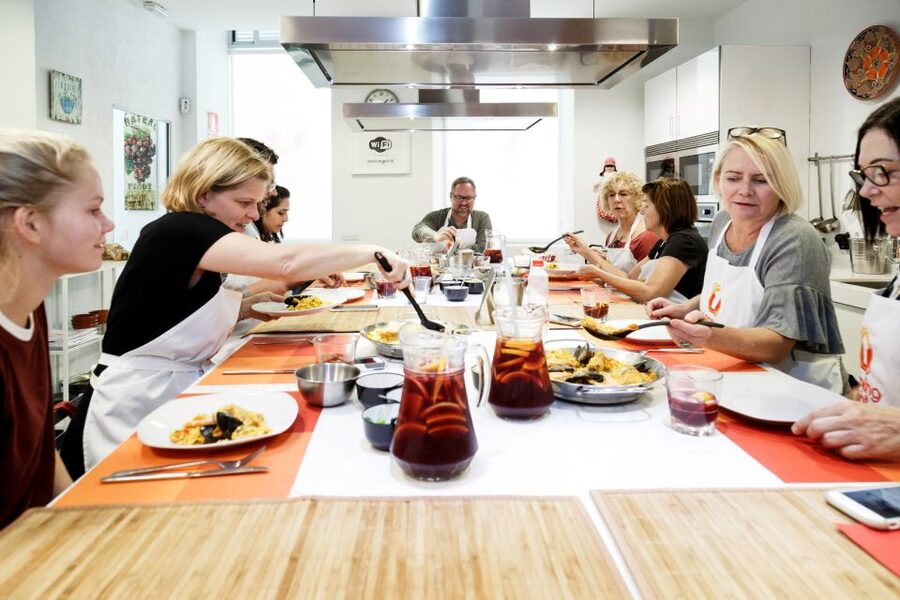
The teaching is one of the strongest parts of this experience. Angel is repeatedly praised for clear instructions, humor, and a warm manner. Teresa is described as patient, energetic, and good at making people feel included. Eduardo combines food instruction with stories about Spanish culture, while Elisa has been appreciated for her English and light touch.
The exact chef depends on the scheduled class, but the pattern is consistent: you get an English-speaking instructor who leads the group through each dish and answers questions as you work.
That matters more than fancy equipment. A cooking class can become frustrating if the chef moves too fast or assumes everyone already knows basic techniques. Here, the instruction is designed to be accessible to beginners, while experienced cooks can still stay involved.
The class has also worked well for mixed groups. A teenager cooking with a parent, a solo participant paired with another guest, and people who already cook at home can all share the same lesson.
Several sessions have included children, and parents have found the format enjoyable for the whole family. You should still be ready for a real four-hour activity, not a quick demonstration. The cooking, conversation, and final meal fill most of the half day.
More Half-Day Experiences in Spain:
- Half-Day Spanish Cooking Class & Boqueria Market Tour
★ 4.9 · 383 reviews - Half-Day Thai Cooking Class at Organic Farm in Chiang Mai
★ 5.0 · 19,087 reviews - Bangkok: Tingly Thai Cooking School Half-Day Cooking Class
★ 4.9 · 1,191 reviews - Half-Day Cooking Class with Local Chef Laila in Marrakech
★ 5.0 · 952 reviews
What You Actually Eat at the End
The final meal is not a small tasting. You sit down and eat the food prepared during the class, along with the included drinks.
For the morning class, that means paella, gazpacho, and sangria. For the evening class, it means five tapas, Catalan crème, and sangria. The amount of food has been described as generous, which makes the $100 price easier to assess.
I see the meal as part of the value, but not the whole value. You could find a cheaper lunch or dinner in Madrid. The extra cost pays for the chef’s guidance, the organized kitchen session, the ingredients, the market visit in the paella class, and the chance to reproduce the recipes later.
The social side also adds value. You eat around a table with people from different countries, compare results, and share the meal you made together. That is more memorable than simply ordering another restaurant dish.
The class is not ideal if you want a quiet meal or a polished restaurant service. You will be eating food prepared by a group of home cooks, including yourself. That is the point, but it also means the experience is participatory from start to finish.
Recipes and Practical Skills to Take Home
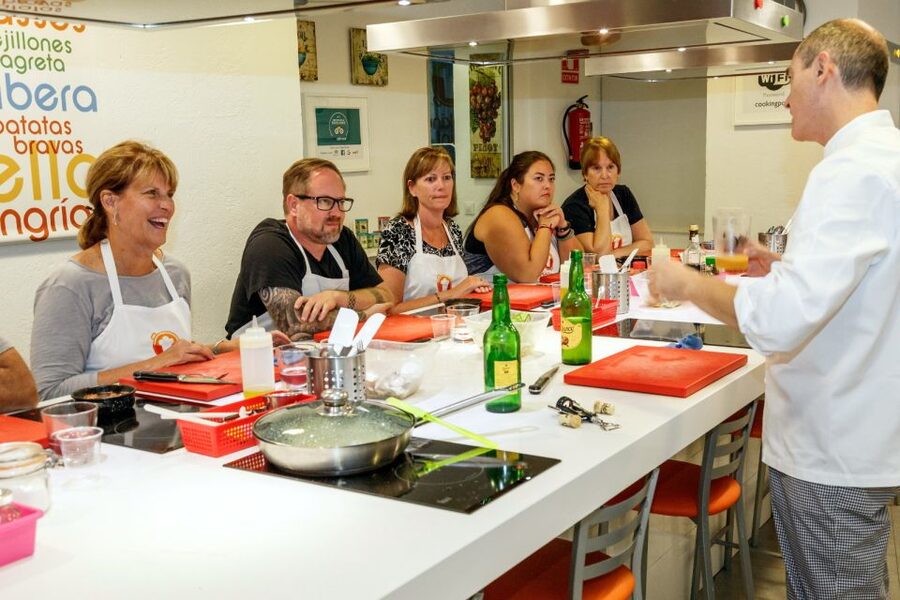
A recipe booklet is included, so you do not have to rely on memory after leaving Madrid. That is especially helpful for paella, where timing and proportions can be easy to forget.
The class focuses on methods you can repeat at home. Participants have singled out the simple ingredients, clear steps, and practical tips. One useful example is the instruction on deveining prawns. Other lessons cover the origins of dishes, Spanish food habits, and the role of particular ingredients.
I like cooking classes that leave you with something useful beyond photographs. Here, the recipes give you a reason to recreate the meal for friends or family. The tapas class is particularly well suited to this because the dishes can be served together as a relaxed dinner.
The class will not turn you into a Spanish chef in four hours. It will, however, give you a guided first attempt and a better sense of how the food is put together.
Kitchen Setup, Group Size, and Pace
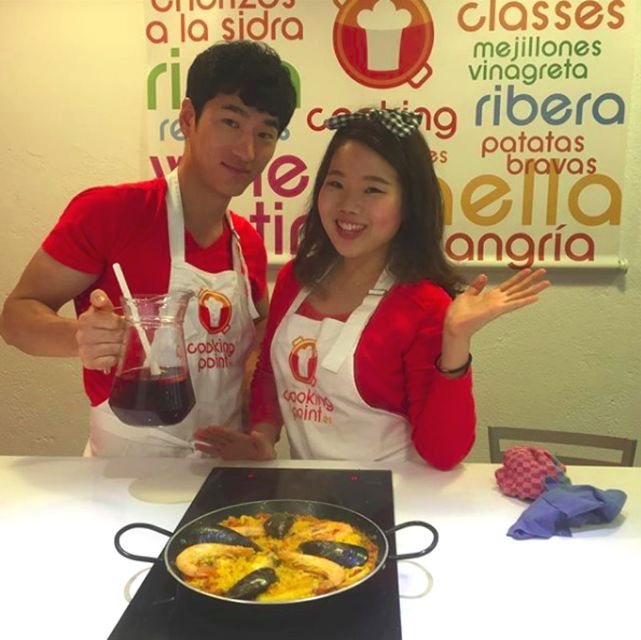
The cooking school has been described as clean, comfortable, and well equipped, with tools available for participants to use. One session had about 12 people, arranged in pairs, which allowed everyone to take part without making the kitchen feel crowded.
Group size can vary, so you should not assume every class will be exactly the same. Still, the pair format gives you a clear role and helps keep the work moving.
The pace is another strong point. The chefs keep the class organized but allow time for questions, preparation, and conversation. The four hours can sound long, especially if you are not a keen cook, but the session is divided among shopping, preparation, cooking, and eating.
If you are an experienced cook, you may find some instructions basic. That is balanced by the chance to learn about Spanish ingredients, market habits, and traditional dishes. If you are a beginner, the step-by-step approach should feel more welcoming than a fast professional kitchen.
Dietary Needs and Family Participation
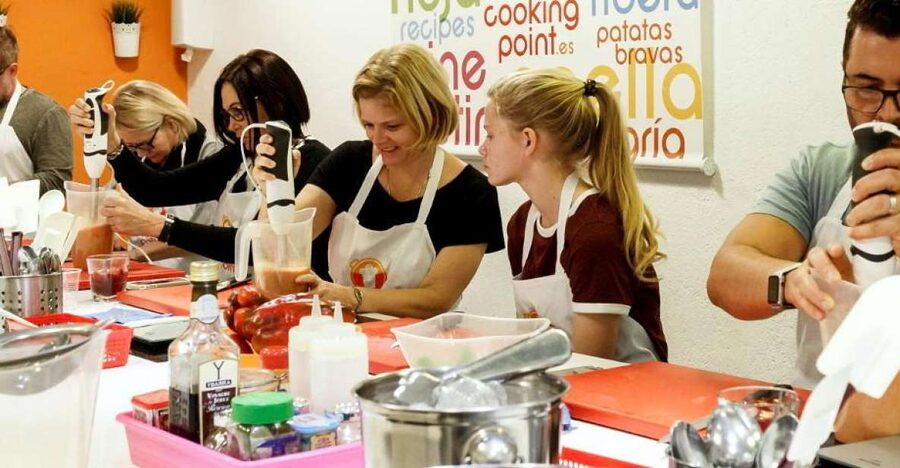
Food allergies, intolerances, and other dietary requirements can be accommodated. You should provide those details when booking so the chef can plan the ingredients and menu properly.
The class is suitable for children and adults, and families have taken part together. The pair format can work well for a parent and child, although the activity still requires attention and participation across several hours.
Solo participants are also welcome. If you do not arrive with a partner, the provider assigns one. A solo booking therefore does not mean standing apart from the rest of the group.
The class is taught in English. That is useful for visitors who want detailed explanations about the recipes, food customs, and market ingredients without relying on gestures or a translation app.
Is $100 a Fair Price in Madrid?
At $100 per person, this class costs more than a normal meal. The right comparison is not only the price of paella or tapas in a restaurant. You are also paying for four hours of instruction, all ingredients and drinks, the recipe booklet, the meal, and the market tour if you select the morning option.
The paella class offers the strongest value because of the market visit. You get a food-focused walk, a cooking lesson, and a full lunch in one booking.
The tapas class still makes sense if you want an evening activity. It replaces a restaurant dinner with a meal you help prepare, and you leave with recipes for six items.
I would call the price fair for someone who values participation and food culture. It is less attractive if you only want to eat Spanish food cheaply or if your schedule allows just a short activity.
Free cancellation is available up to 24 hours before the start time, and you can reserve while paying later. The meeting point varies by option, so check the details for your selected class before setting out. Hotel pickup and drop-off are not included.
Who Should Book This Cooking Class?
I would recommend it to:
- Couples who want a shared activity beyond sightseeing.
- Families looking for something children and adults can do together.
- Solo visitors who enjoy meeting people through food.
- Beginners who want calm, clear instruction.
- Experienced home cooks interested in Spanish methods and ingredients.
- Anyone who wants recipes to recreate after returning home.
I would think twice if you dislike group activities, do not want to cook your own meal, or have only a small window in Madrid. Four hours is a substantial block of time, and the class works best when you are ready to participate.
Should You Book the Madrid Spanish Cooking Class?
Yes, if food is part of the reason you came to Spain. The morning paella option is my first choice because the market visit adds local context before you begin cooking. Choose the evening tapas class if you want a wider menu and a relaxed dinner with several small dishes.
The strongest reasons to book are the clear English instruction, the generous meal, the recipes to take home, and the chance to work with respected teachers such as Angel, Teresa, Eduardo, and Elisa. The main drawbacks are the $100 price, the shared pair work, and the four-hour commitment.
For a hands-on taste of Madrid’s food culture, this is a well-rounded choice. You leave with a full stomach, a few new techniques, and a better idea of why Spanish cooking relies so much on good ingredients, careful timing, and a table full of people.
FAQ
How long does the Madrid Spanish cooking class last?
The class lasts four hours.
How much does the cooking class cost?
The price is $100 per person.
Is the class taught in English?
Yes. The instructor teaches in English.
Can I choose between paella and tapas?
Yes. The morning option focuses on paella and includes a market visit. The evening option focuses on tapas.
What is included in the morning paella class?
The morning class includes a local market visit, ingredients, drinks, recipe booklet, lunch, and preparation of mixed chicken and seafood paella, gazpacho, and sangria.
What is included in the evening tapas class?
The evening class includes ingredients, drinks, a recipe booklet, dinner, and preparation of five tapas, Catalan crème, and sangria.
What tapas will I prepare?
The menu includes Spanish potato omelet, garlic shrimp, chorizo in apple cider, patatas bravas, and tomato bread with ham.
Do I cook my own food?
Yes. The class is hands-on, and you prepare the menu by following the chef’s directions.
Can I take the class alone?
Yes. Cooking is done in pairs, and the provider assigns a cooking partner if you arrive alone.
Can dietary requirements be accommodated?
Yes. Food allergies, intolerances, and other dietary requirements can be accommodated. Provide those details when booking.
Is hotel transportation included?
No. Hotel pickup and drop-off are not included, and the meeting point may vary by the option selected.
Can I cancel the booking?
Yes. You can cancel up to 24 hours in advance for a full refund. You can also reserve now and pay later.
Just added around Spain
- Basque Pintxos and Tapas Cooking Class in Bilbao★ 5.0 · 73 reviews
- Paella and Burnt Basque Cheesecake Cooking Class (in Bilbao)★ 5.0 · 46 reviews
- Small-group Immersive Basque Cooking Class in Bilbao with Open Bar★ 5.0 · 65 reviews
- Pintxos and Tapas Cooking Class in Bilbao★ 5.0 · 38 reviews
- Rooftop Paella Seafood Cooking Class Experience in Barcelona★ 5.0 · 59 reviews
- Private Authentic Paella Cooking Class in Barcelona with Josh★ 5.0 · 3 reviews
- Private Barcelona Market Tour & Paella Cooking Class with Josh★ 5.0 · 4 reviews
- Premium Paella & Tapas Feast: Unlimited Wine & Rambla Views★ 5.0 · 13 reviews
Spanish & Paella Cooking Classes, compared.
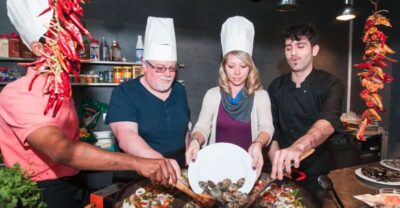
Paella Cooking Experience & Boqueria Market Tour
Read our review →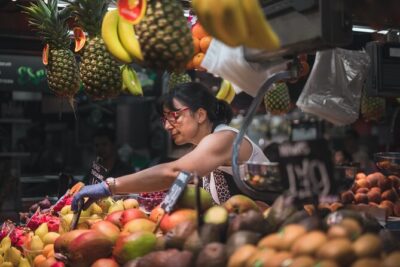
Barcelona Paella Cooking Class with Market Visit, Tapas & Sangria
Read our review →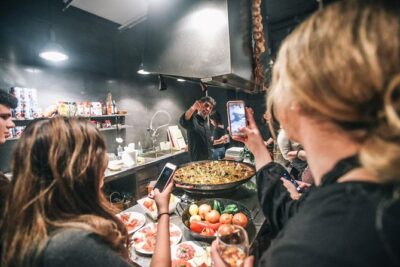
Barcelona Interactive Spanish Cooking Experience
Read our review →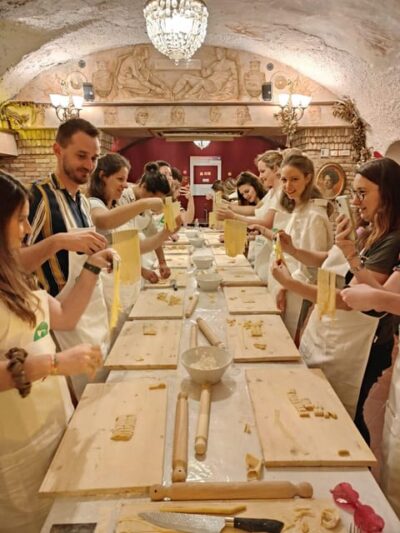
Pasta & Tiramisu Cooking Class near the Spanish Steps
Read our review →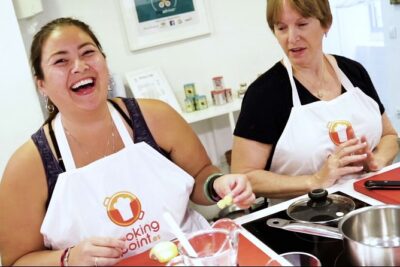
Spanish Cooking Class Paella Tapas and Sangria in Madrid
Read our review →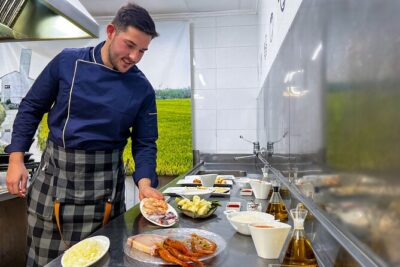
Paella Cooking Class, Wine Tasting & Central Market in Valencia
Read our review →
Paella Cooking Class in Madrid with Bottomless Wine Pairing
Read our review →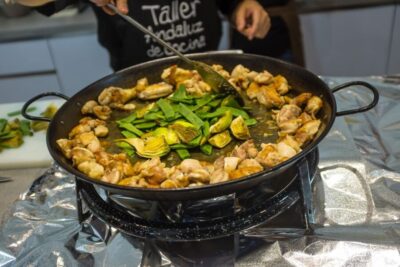
Lists this class appears in