
REVIEW · LUANG PRABANG (PROVINCE), LAOS
Luang Prabang: Bamboo Forest Cooking-class & Farm Visit
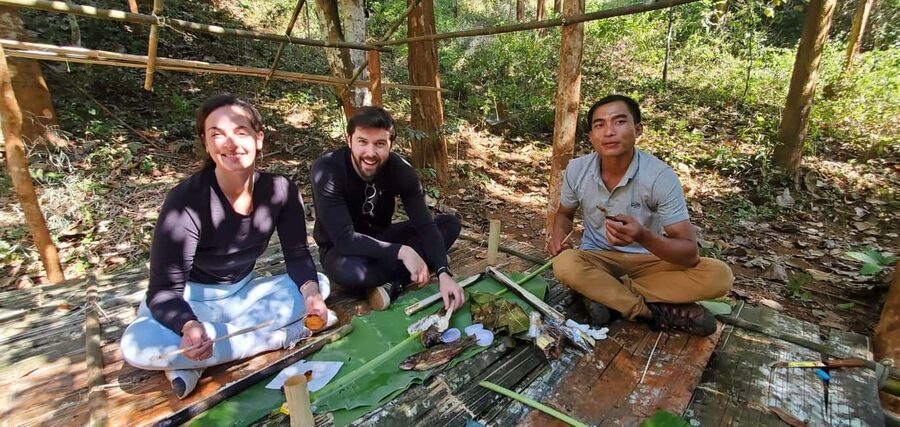
Cut bamboo, then cook lunch. This six-hour Luang Prabang experience takes you from a local farm into the forest, where you gather plants, make simple bamboo tools, and prepare a meal in the Khmu tradition. I especially like the hands-on work and the chance to learn directly from a local guide rather than watch a staged cooking show. I also like that your handmade bamboo cup and chopsticks come home with you.
The main consideration is that this is an active forest outing, not a polished kitchen class. You will need long trousers, suitable walking shoes, mosquito spray, and a hat. If you prefer a quick lesson with ready-made ingredients and a comfortable dining room, this may feel too rustic.
Key points about the forest cooking experience
- A farm-to-fire meal: Pick vegetables and useful plants before cooking them in the forest.
- Khmu cooking methods: Use bamboo to prepare rice, grill meat or fish, and serve lunch.
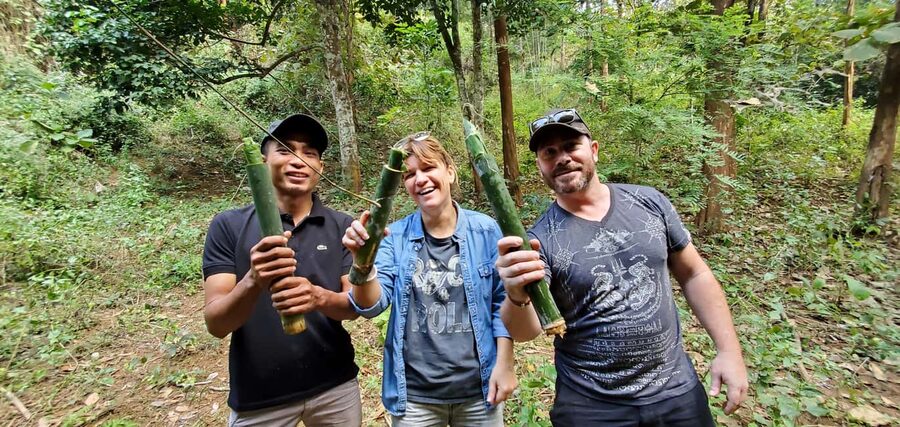
- Make your own tools: Craft a bamboo cup and chopsticks to take home.
- Small-group setting: The group is limited to 10 people, which allows for more personal guidance.
- A six-hour outing: The experience runs from about 9 AM to 3 PM and includes hotel transfers.
- Flexible food planning: Rice, meat, fish, fruit, and drinking water are provided, with dietary needs handled when shared in advance.
Why this is more than a cooking class
I like cooking classes that help me understand a place, not just reproduce a recipe. This outing goes further by showing you how food, plants, tools, and the forest fit together in Khmu daily life.
You do not simply arrive at a prepared cooking station. You help create the station. You collect some of what you will use. You shape bamboo into basic utensils. Then you cook and eat in the same natural setting where the materials were found.
That order matters. It gives you a practical sense of how a meal can begin with the land rather than a market shelf. You will not become an expert in Khmu culture in six hours, but you will see how local cooking methods depend on close attention to plants, bamboo, fire, and available ingredients.
The experience also has a strong personal touch. A guide named Peng has been praised for clear communication and for making the hands-on work enjoyable. Another guide described for this experience is Khmu, grew up living from the land, and holds a degree in agriculture. That combination of lived experience and formal training can make the plant walk especially useful.
More Farm Cooking Classes in the world:
- Half-Day Thai Cooking Class at Organic Farm in Chiang Mai
★ 5.0 · 19,087 reviews - Cooking Class and Lunch at a Tuscan Farmhouse with Local Market Tour from Florence
★ 5.0 · 4,831 reviews - Chiang Mai: Authentic Cooking Class with Market & Farm Visit
★ 4.9 · 4,546 reviews
Starting at the farm near Luang Prabang
Your outing begins with a transfer from your hotel and a visit to an authentic vegetable farm. This is a useful first stop because it gives you a clear starting point for the meal.
You will pick vegetables and plants needed for lunch. Your guide explains which plants are edible, which have medicinal uses, and which serve everyday purposes in the village. The point is not simply to gather free ingredients. It is to learn how local people identify and use plants that may look ordinary to an untrained eye.
I would pay close attention here and ask questions. Plant identification is one of the most valuable parts of the day, but it is also where you should avoid guessing. Only use the plants your guide identifies as suitable.
The farm visit also helps you understand the difference between a commercial cooking class and this experience. The food is not just laid out in bowls for you to chop. You see part of the path from growing and gathering to preparation and eating.
The exact farm setting and distance from your hotel are not specified, so allow for the transfer to be part of the day rather than expecting every minute to be spent cooking. The included transportation keeps the logistics simple.
Entering the forest and choosing bamboo
After the farm visit, you head into primary forest for the cooking portion. This is where the outing becomes unusual.
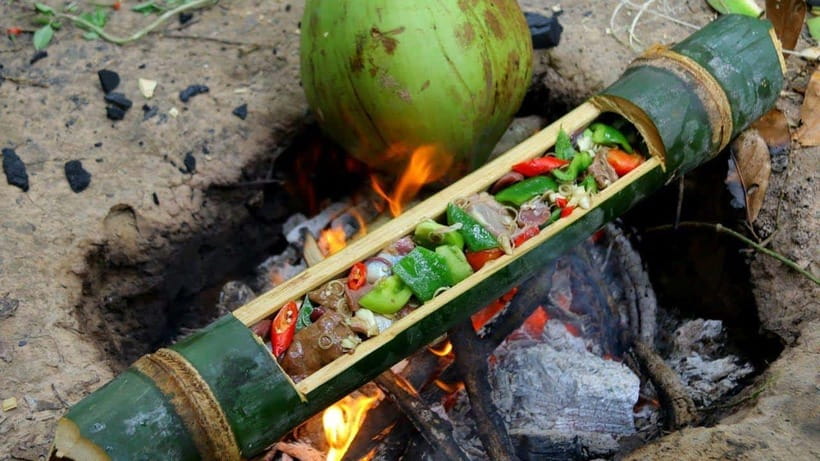
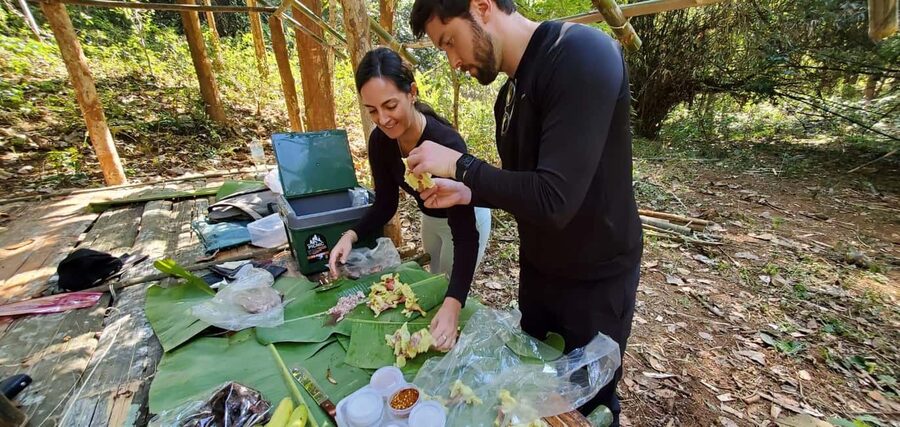
You learn how to select and prepare bamboo for several jobs. Bamboo is used for drinking, eating, cooking, and serving. Instead of treating it as decoration, you use it as a working material.
You can expect to make your own drinking cup and chopsticks. These are practical souvenirs, and they carry more meaning than a factory-made item bought at a market because you make them during the meal itself.
One past participant described the surprise of cutting bamboo in the forest for use in the cooking process. That is a useful warning for anyone expecting a gentle craft activity. You are not only trimming a small piece at a table. The work can feel physical and direct.
The guide controls the pace and explains the process, but your level of participation can vary. You can be as active as you like, or take a more observational role. If you enjoy working with your hands, take the chance to do as much as possible. If you have physical limitations or simply prefer to watch, tell the guide early.
Suitable footwear matters. The tour information specifically recommends shoes for walking in the forest, along with long trousers, mosquito spray, and a cap or hat. Bring any essential medication and other personal items you may need during six hours outdoors.
Cooking rice, meat, or fish with bamboo
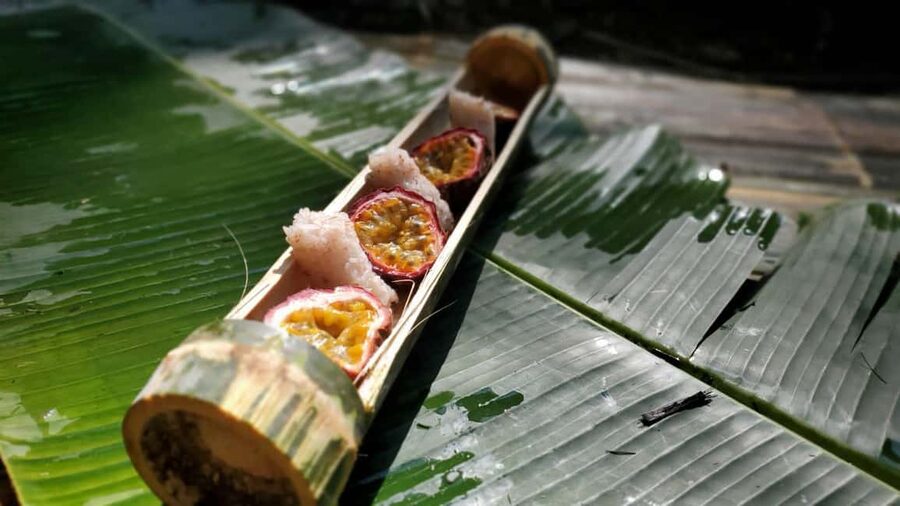
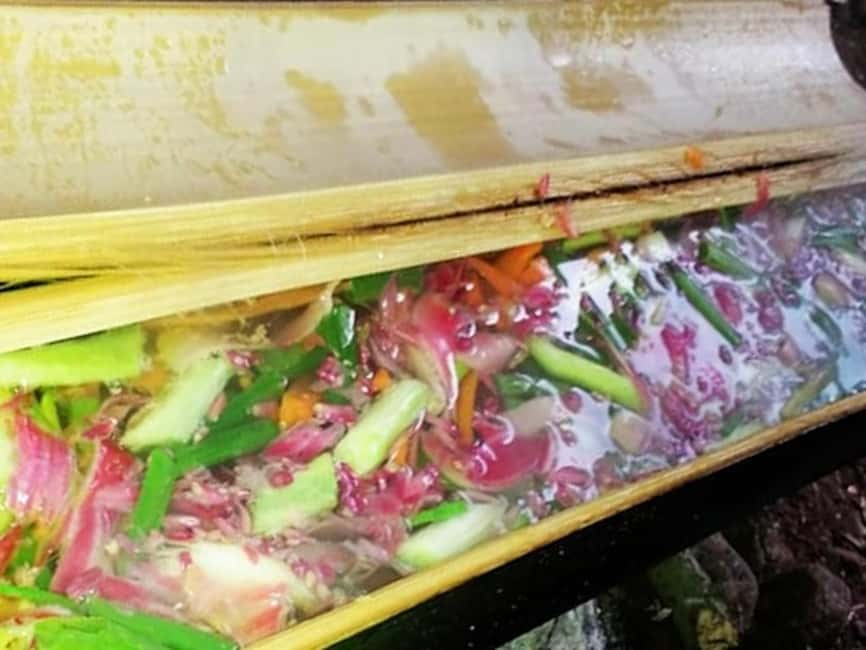
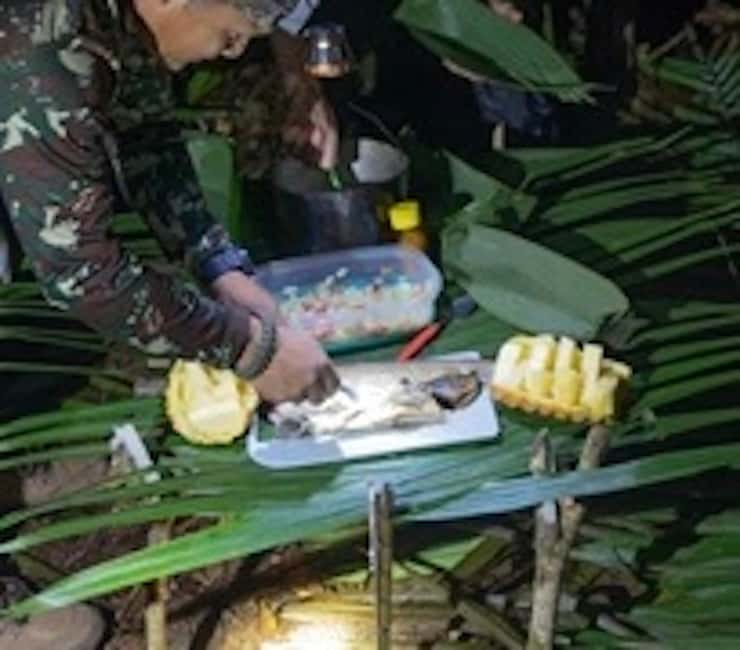
The meal centers on traditional wild-cooking methods. You learn how to use bamboo to prepare fragrant rice and cook meat or fish. The exact menu may vary, so it is best to think of this as a method-based cooking experience rather than a fixed restaurant menu.
That flexibility is part of the appeal. Bamboo becomes part of the cooking equipment, serving ware, and presentation. You see how one natural material can handle several tasks when tools are limited.
The ingredients provided include rice, meat, fish, fruit, and drinking water. Additional food and drink are not included, so do not count on ordering extra items during the outing. If you have dietary preferences or restrictions, share them before the activity so the meal can be adjusted where possible.
I would not book this expecting a formal lesson with printed recipes. The focus is on learning by doing, following the guide, and understanding the process. You will likely remember the feel of preparing bamboo and eating food cooked outdoors more than a list of exact measurements.
The meal itself is an important part of the day. You are not cooking merely to practice. You eat together in the forest, which gives the activity a social purpose and connects the food to the place where you prepared it.
A few more cooking classes around the world worth a look
- Florence: Pasta Cooking Class with Unlimited Wine
★ 4.9 · 10,285 reviews - 3 in 1 Cooking Class near Navona: Fettuccine, Ravioli & Tiramisu
★ 5.0 · 7,376 reviews - Florence: Pasta & Tiramisu Cooking Class with Unlimited Wine
★ 4.9 · 6,708 reviews - Hanoi Cooking Class: Culture, Local Market & Meaning CSR Impact
★ 5.0 · 5,147 reviews
A Khmu perspective on everyday life
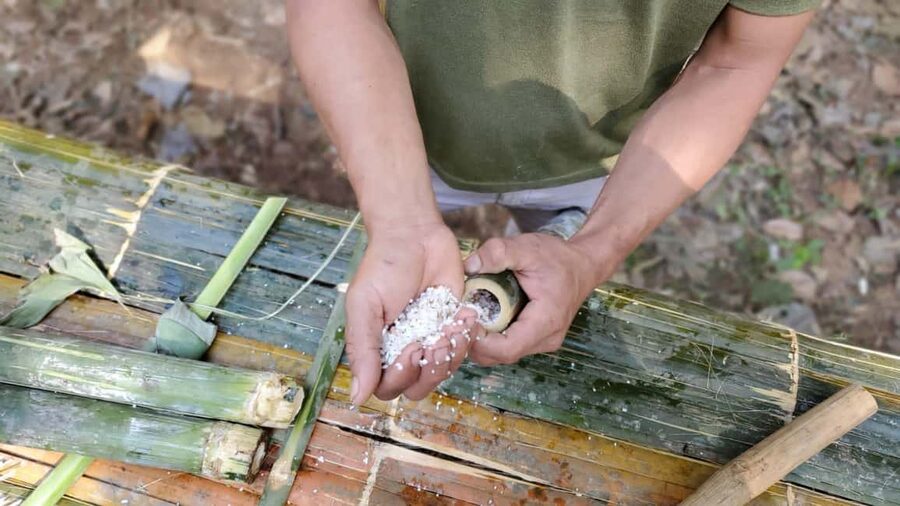
The strongest cultural value here comes from the Khmu focus. The experience introduces you to traditional practices of one of Laos’s ethnic groups through food and materials rather than through a quick talk or a staged performance.
The guide explains plants used for eating, medicine, and everyday village needs. You also learn how Khmu families have used bamboo to cook, eat, drink, and present food. These details make the experience feel grounded in daily life.
I appreciate that the activity does not treat culture as something you only observe. You take part in a few practical tasks, then share a meal. That can create a better understanding of how work and hospitality connect.
Still, keep your expectations sensible. Six hours can provide a meaningful introduction, but it cannot represent every part of Khmu life or every Lao cooking tradition. The experience is specifically centered on forest cooking, plant use, and bamboo craft.
The guide’s role is crucial. The guide languages listed are English, French, Thai, and Lao. If you speak one of these, you should be able to follow the explanations more easily. Ask questions as you go, especially about how plants are used and why bamboo is chosen for each task.
What the small group adds
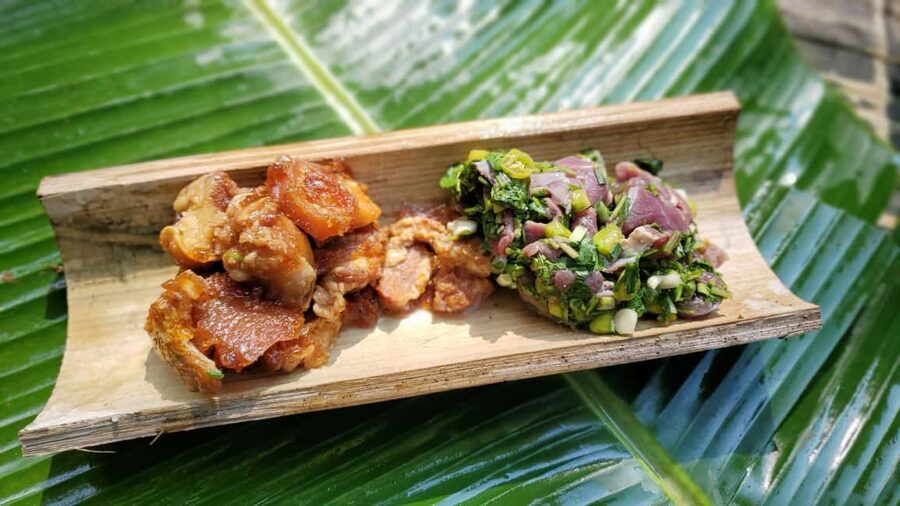
The group is limited to 10 participants. That is a good size for an activity involving tools, plants, bamboo, and cooking over a shared setup.
A smaller group gives you more room to ask questions and more chances to handle the materials. It also reduces the risk that the forest portion feels like a line of people waiting for a turn.
The experience can feel nearly private when the group is small, but do not assume you will always have a private booking. The stated format is a small group, not an automatically private tour.
A hands-on class works best when everyone shares the work. You may need to wait briefly while others make their utensils or complete a task. That is normal for this type of outing, and it can also make the meal more social.
Is $100 a fair price?
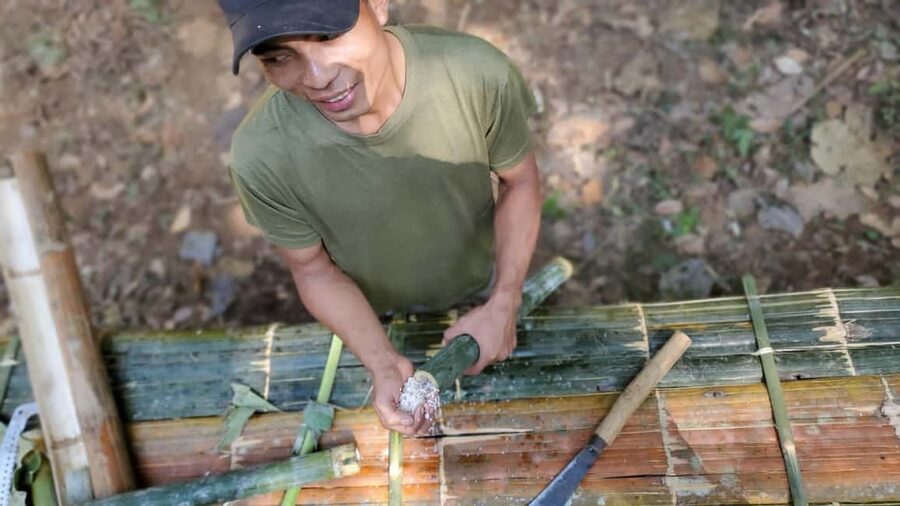
At $100 per person, this is not the cheapest food activity in Luang Prabang. The value depends on what you want from your day.
You are paying for six hours, hotel transfers, a guide, all basic meal ingredients, entrance fees, and the chance to make bamboo items that you take home. You are also paying for a small group and a cultural activity that combines farming, plant education, forest skills, cooking, and lunch.
If you compare it with a standard market tour or a short restaurant cooking class, the price may look high. Those options can cost less and may offer more dishes or a more controlled setting.
I think the price makes better sense if you value personal instruction and cultural context. You are not just eating a meal. You are spending most of the day learning how the meal comes together with local materials.
The value is weaker if you mainly want to master Lao recipes. This is not presented as a recipe-heavy class, and the exact menu can vary. It is a good purchase for a memorable activity, not necessarily for building a complete Lao cooking repertoire.
The craft village option on the way back
An optional stop at a craft village may be available on the way home. Since it is optional, it should not be treated as the main reason to book the experience.
It can be a useful extra if you still have energy and want to see more local craft work after the forest meal. You may also prefer to return directly to your hotel after six hours outdoors. Ask the guide about the timing and whether the stop fits your plans.
Because the craft village is optional, the core experience remains the farm, plant gathering, bamboo work, cooking, and forest lunch. That is where the day’s main value lies.
Who will enjoy this most
I would recommend this experience to you if you enjoy active cultural activities and do not mind getting involved. It suits people who like learning through their hands, asking questions, and spending time outside.
It is also a strong choice if you want a quieter alternative to crowded sightseeing. The small group and forest setting create a more personal outing than a large food tour.
Families and mixed-age groups may need to consider the walking and bamboo work carefully. The activity can be as interactive as you want, but the tour does involve outdoor movement and basic tool use. The available information does not specify an age limit or accessibility details, so ask the provider before booking if those points matter for your group.
You should also choose something else if you want air conditioning, a fixed menu, polished cooking stations, or a short indoor class. This outing asks you to accept mud, insects, uneven ground, and a less predictable schedule, even though those details are not listed as formal conditions.
Practical advice for a better day
Wear long trousers and closed, suitable footwear. Forest clothing is more important here than looking ready for a restaurant.
Bring mosquito spray, a hat, drinking water if you want anything beyond the provided supply, and any essential medication. The basic drinking water is included, but extra food and drinks are not.
Tell the provider about dietary restrictions before the day begins. Rice, meat, fish, fruit, and water are supplied, but advance notice gives the team a better chance to plan around your needs.
Keep your schedule open from roughly 9 AM to 3 PM. The activity lasts six hours, and the hotel transfer and optional craft village stop can affect the exact rhythm of the day.
Finally, be ready to participate. The best part is not simply eating the finished food. It is cutting bamboo, shaping tools, identifying plants, and seeing how the meal takes form.
Should you book the Khmu forest cooking experience?
Book it if you want a hands-on cultural day that connects farming, foraging, bamboo craft, and cooking. The strongest reasons are the small group, the local Khmu focus, the forest meal, and the chance to take home a bamboo cup and chopsticks you made yourself.
Skip it if you want a conventional cooking class with a fixed menu, printed recipes, or a comfortable indoor setting. At $100, the experience needs to match your interests.
For the right person, this is a memorable way to spend a day near Luang Prabang. You come away with a meal, a few handmade objects, and a clearer sense of how local food traditions depend on plants, tools, and shared work.
FAQ
Where does the experience take place?
It takes place in Luang Prabang Province, beginning with a visit to a vegetable farm and continuing into primary forest.
How long does the activity last?
The experience lasts six hours, with the stated schedule running from about 9 AM to 3 PM.
Is hotel transportation included?
Yes. Transfer to and from your hotel is included.
What food and drinks are provided?
Basic ingredients include rice, meat, fish, fruit, and drinking water. Additional food and drink are not included.
Can dietary preferences or restrictions be accommodated?
You should share dietary preferences or restrictions in advance so the meal can be tailored to your needs.
What will I make from bamboo?
You will learn to make bamboo utensils for drinking, eating, and cooking. A bamboo cup and chopsticks are included as take-home items.
How large is the group?
The experience is limited to 10 participants.
Which languages can the guide speak?
Guide languages listed for the activity are English, French, Thai, and Lao.
What should I bring?
Bring long trousers, suitable footwear for walking in the forest, mosquito spray, a cap or hat, and any essential personal medication.
Just added around the world
- Aroidee’s Farm-Fresh Thai Cooking Experience★ 5.0 · 8 reviews
- Signature Thai Cooking Course★ 5.0 · 79 reviews
- Private Half-Day Thai Cooking Class in Chiang Mai★ 5.0 · 4 reviews
- Half Day Guided Thai Cooking Class in Chiang Mai★ 5.0 · 13 reviews
- Online Thai and Akha Cooking Class★ 5.0 · 70 reviews
- Private Virtual Thai Cooking Class★ 5.0 · 9 reviews
- Northern Thai Cooking Class in Chiang Mai in a Countryside Home★ 5.0 · 2 reviews
- 5 Hour Morning Thai Cooking Course★ 5.0 · 31 reviews
Farm & Countryside Cooking Classes, compared.

Half-Day Thai Cooking Class at Organic Farm in Chiang Mai
Read our review →
Cooking Class and Lunch at a Tuscan Farmhouse with Local Market Tour from Florence
Read our review →
Authentic Cooking Class with Market & Farm Visit
Read our review →

Hands-On Cooking Class & Farmhouse Tour on the Amalfi Coast
Read our review →Lists this class appears in