
REVIEW · LISBON DISTRICT, PORTUGAL
Lisbon: Market Experience & Cooking Class
Start with the market, then cook. This three-hour Lisbon food experience links a visit to Algés Market with a hands-on Portuguese cooking class, giving you more than a meal: you learn where the ingredients come from and how local dishes are made. I especially like the small group of up to 10 and the chance to prepare a starter, main course, and dessert rather than simply watching a chef work.
I also like the personal teaching style of Ana and Carina, who explain Portuguese food through stories, regional traditions, and practical techniques. The main caution is clear: this is an exclusive fish and seafood class, so it is not a good fit for vegans, children under eight, wheelchair users, or anyone with food allergies.
Key points at a glance
- Algés Market comes first: You begin at the main entrance of Mercado de Algés, looking at seasonal produce and local food shops before cooking.
- Everyone takes part: The class includes hands-on work, from preparing mussels and filleting fish to making custard.
- Three courses are included: You prepare a starter, main course, and dessert, then sit down to eat what you made.
- Ana and Carina set the tone: Their friendly, professional teaching has helped beginners feel comfortable while still giving experienced cooks useful ideas.
- The seafood focus matters: Vegetarian menus may be possible with at least 72 hours notice, but vegan and allergy-related needs are not accepted.
- The $106 price covers a full food experience: Market visit, instruction, ingredients, and the cooked meal are included, but transport to Algés is not.
Meeting the food of Lisbon at Algés Market
Your starting point is the main door of Mercado de Algés in the Lisbon District. That simple meeting point matters because transportation to and from your accommodation is not included. You will need to arrange your own way there and arrive ready to begin at the scheduled time.
The market visit gives the class a useful setting. Instead of meeting in a kitchen with ingredients already laid out, you first see the food culture behind the recipes. The focus is on seasonal products, their colors and aromas, and the local shopping traditions that shape Portuguese cooking.
You might also find artisan shops connected with Portugal and the Azores. That detail is useful for anyone who wants more than a standard market stop, since it adds a broader view of regional food traditions. The market is not just a scenic prelude. It helps you understand why the dishes use particular ingredients and how Portuguese food connects to place.
I like this opening because it gives the cooking class a sense of purpose. You are not simply told that an ingredient is local. You see it in its market setting, then work with it soon afterward.
The drawback is that the market portion is not described with a fixed list of vendors or a set amount of time at each stall. Seasonal availability can shape what you see. Think of this as a guided food introduction rather than a shopping tour with a detailed vendor-by-vendor plan.
More Cooking Classes with a Market Tour in Portugal
- Porto Local Market Visit & Cooking Class / Showcooking
★ 5.0 · 206 reviews - Lisbon Market and Food Tour with Cooking Class and Lunch
★ 5.0 · 117 reviews - Private Lisbon Market Tour & Portuguese Cooking Class with Paula
★ 5.0 · 89 reviews
Moving from the market into the kitchen
After the market, you continue to the cooking space for the practical part of the experience. The class lasts three hours in total, so the market visit, preparation, cooking, and meal are all part of a fairly compact schedule.
That timing should suit you if you want a focused food activity without giving up an entire day of sightseeing. It is long enough to make several dishes and eat them, but short enough to fit into a Lisbon itinerary. You should not expect a leisurely full-day culinary course with several market stops.
The class is taught in English and Portuguese. Ana and Carina are described as warm, professional hosts, and their approach appears suited to mixed ability groups. Beginners are given room to learn, while confident cooks can pay attention to technique and preparation details.
I particularly like that the instruction is designed to be useful at home. The aim is not merely to produce one good meal in a professional kitchen. You learn methods that can be repeated after your holiday, which gives the $106 cost more value than a meal at a restaurant alone.
Preparing a Portuguese starter, main course, and dessert
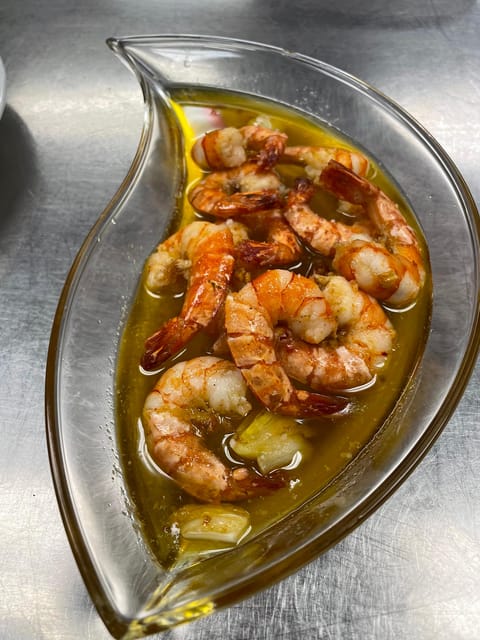
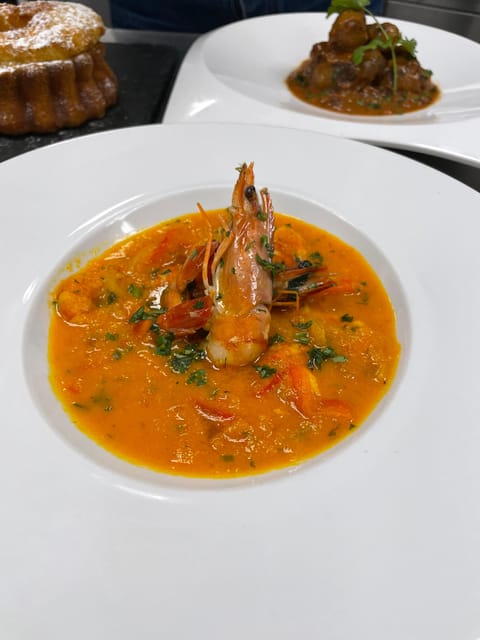
The menu includes three parts: a starter, a main course, and a dessert. The exact dishes are not specified in advance, so you should book this for the hands-on format and Portuguese seafood focus rather than for one particular recipe.
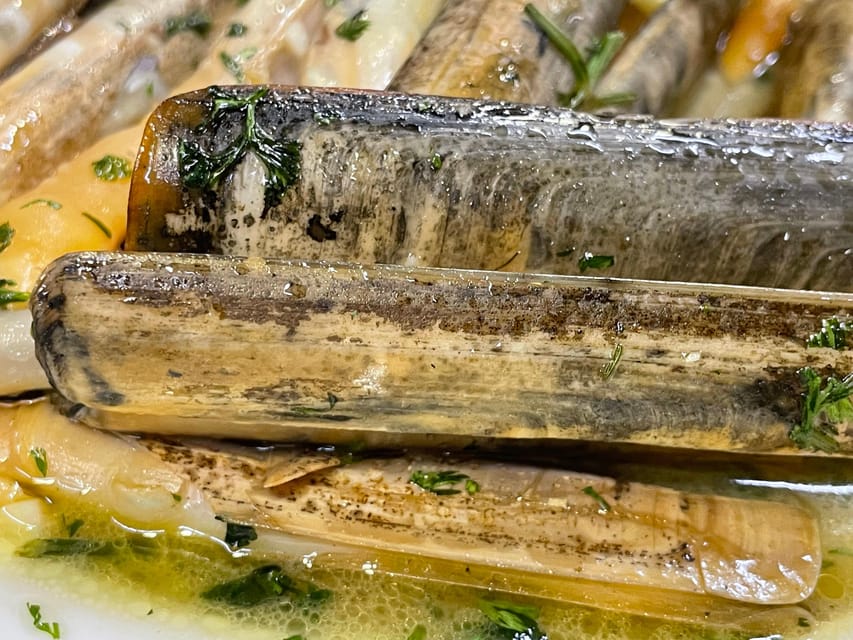
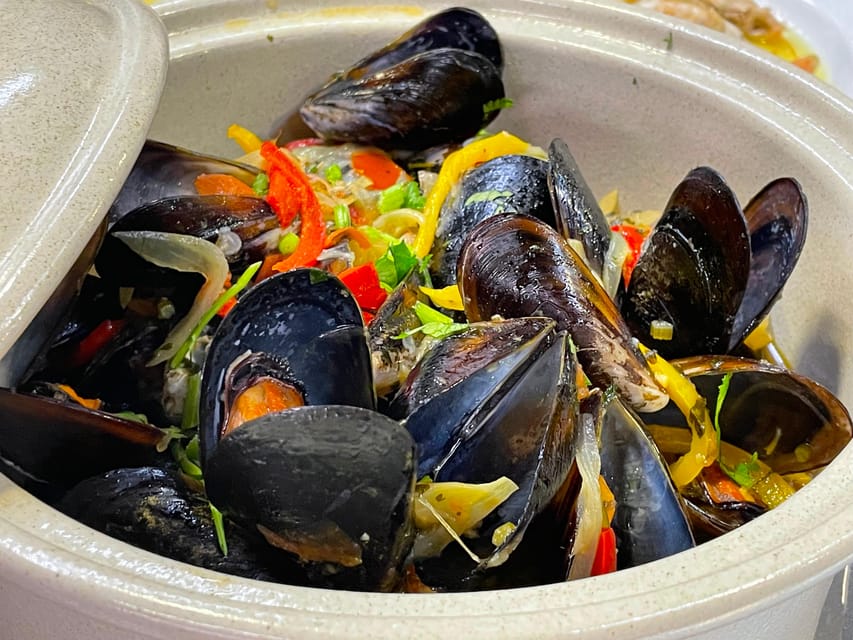
The class can include work as varied as preparing mussels, filleting fish, and making custard. These tasks give you a useful spread of skills. Seafood preparation can feel intimidating if you usually buy fish already cleaned, while custard offers a very different kind of kitchen lesson.
The important point is that you do not simply watch Ana and Carina cook. You take part with the utensils and preparation. That makes the meal at the end more satisfying, since you know how each course came together.
The teaching also goes beyond steps and measurements. Ana and Carina explain culinary techniques, local traditions, and the background of specific dishes. Regional food differences are part of the conversation, helping you connect each recipe with Portuguese culture rather than treating it as a generic European cooking class.
I would expect the dessert portion to be especially accessible for beginners, while the fish preparation may be the most useful section for cooks who want to build confidence with seafood. The exact balance depends on the day’s menu and the ingredients available.
A seafood class with firm limits
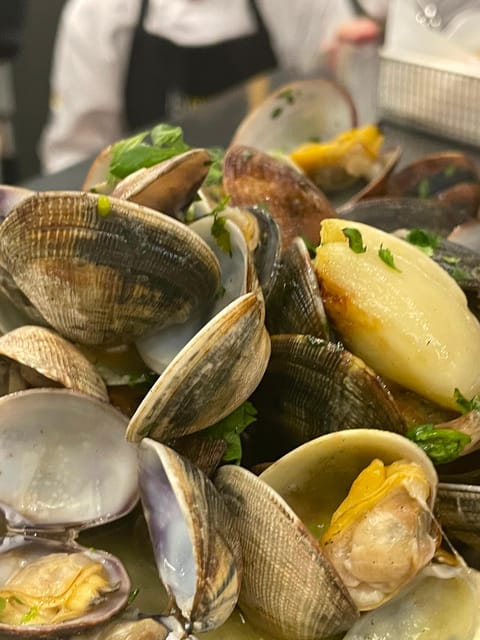
This activity is designed around fish and seafood. That is its main appeal, but also the detail you need to consider before paying.
People with food allergies are listed as not suitable for the experience, even though the instructions also ask participants to communicate allergies or dietary restrictions at least 72 hours before the class. I would not assume that an allergy can be accommodated. Contact the provider before booking if there is any concern, and understand that the published suitability information remains restrictive.
Vegetarian menus may be adaptable if you give at least 72 hours notice. This is not guaranteed as a last-minute change, and you should not arrive expecting the menu to be altered on the spot. Vegans are not suitable for the class.
The food rules also prohibit bringing food or drinks, along with pets, alcohol, and drugs. Those rules are straightforward, but they reinforce the fact that this is a structured kitchen activity rather than a casual market tasting.
Same place, a different thing to cook:
- Lisbon: Pastel de Nata Baking Class
★ 4.9 · 2,106 reviews - Porto: Pastel de Nata Cooking Class with Grandma’s Recipe
★ 5.0 · 1,565 reviews - Porto: Pastel de Nata Cooking Class with Port Wine – Sé
★ 4.8 · 888 reviews - Lisbon: Traditional Portuguese Cooking Class
★ 4.9 · 592 reviews
Learning with Ana and Carina
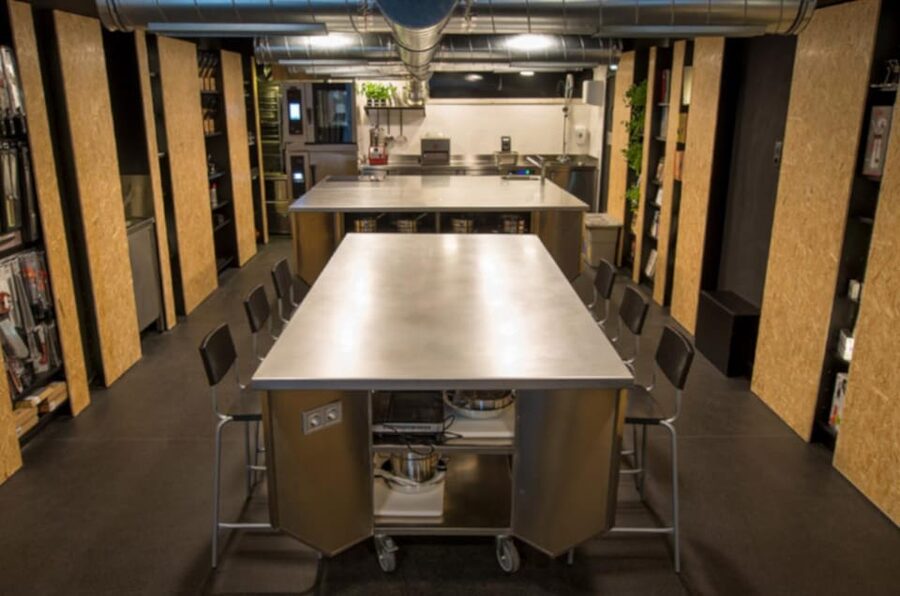
The strongest part of this class appears to be the teaching. Ana and Carina are repeatedly praised for their organization, friendly manner, and ability to make the kitchen feel relaxed.
That matters when a class includes people with different cooking backgrounds. You might be someone who enjoys cooking every day, or someone who is unsure how to handle a whole fish. The format is intended to work for both. One participant specifically described the class as easy for an inexperienced cook, while another highlighted the professional standard of the instruction.
Their personal stories also add something a recipe sheet cannot. You learn about Portuguese food through explanations of family traditions, regional dishes, and cultural background. That kind of context is one reason I would choose this activity over a standard restaurant meal.
The atmosphere is another strength. The class has been described as full of laughter and conversation, with the instructors creating a setting that feels more like cooking with friends than attending a formal demonstration. That does not mean the instruction is loose. The comments about organization and clear explanations suggest a well-run class with a social tone.
The maximum group size is 10 people. That is small enough to make participation realistic, though it is not a private class. If you want one-on-one instruction, you would need to ask the provider if private arrangements are available, since no such option is stated here.
Eating what you prepared
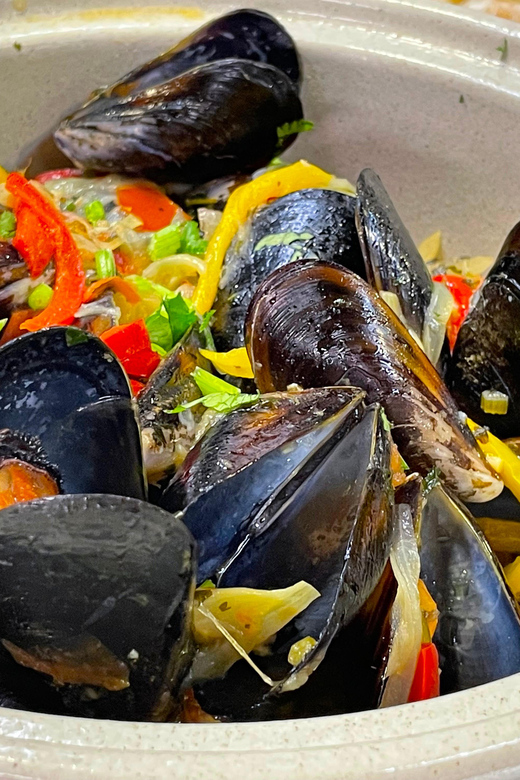
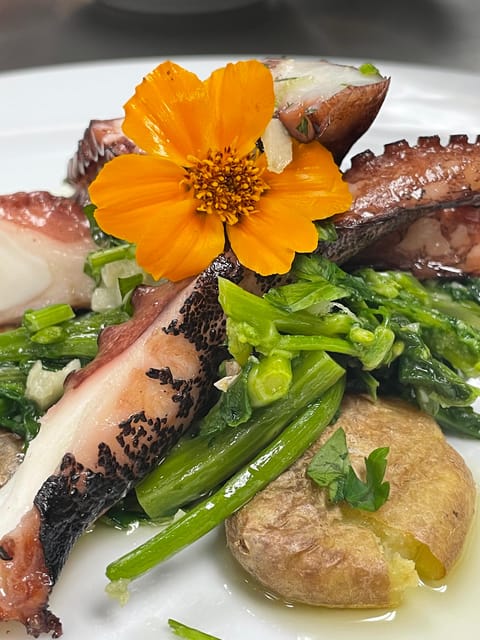
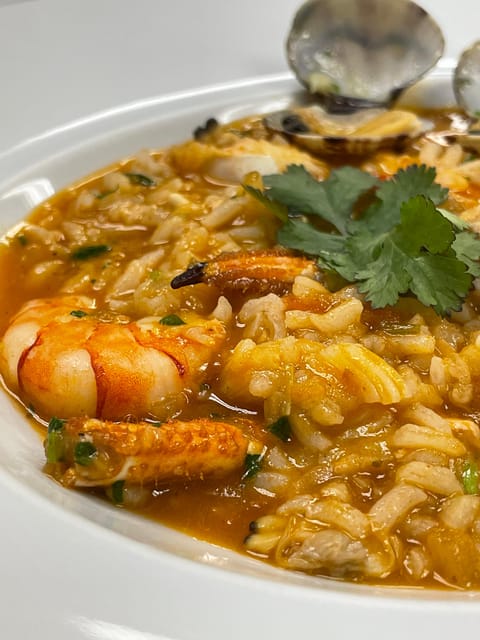
The final meal is part of the experience, not an extra purchase. After preparing the three courses, you eat the food you made and learn how the dishes fit together as a Portuguese meal.
This is where the activity earns value beyond a simple market visit. You receive instruction, use the ingredients, and then share the result. The meal also gives you a chance to taste the effect of the techniques you have just practiced.
Several dishes can be recreated at home, which is an important benefit for a cooking class. You do not leave with only photographs and a pleasant memory. You leave with methods and ideas you can use in your own kitchen, assuming you can find similar ingredients.
The class also makes a good shared activity for a parent and older child, a couple, or a small group of friends. Children under eight are not allowed, so families should check ages carefully. Older children may enjoy it, but the provided rules do not promise a child-specific format.
Is $106 a fair price?
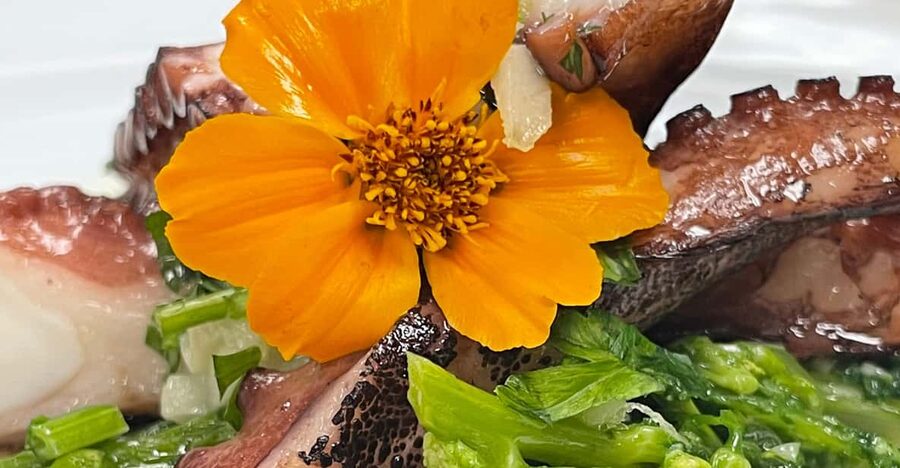
At $106 per person, this is not the cheapest way to eat in Lisbon. You could have a good restaurant meal for less, depending on the menu. But a restaurant meal does not include a market visit, three hours of instruction, hands-on preparation, and a complete meal.
I consider the price reasonable if you value participation and want to understand Portuguese cooking. The strongest value comes from the combination of activities. You see the ingredients at Algés Market, learn how to handle them, prepare multiple courses, and eat the finished food.
The price is less attractive if you mainly want a quick tasting or a market tour. You are paying for time in the kitchen and for the teaching, so you should be ready to work rather than sit back.
Transport is not included, which adds a practical cost if you are staying outside the immediate area. Check your route to the main entrance of Mercado de Algés before booking. The meeting point is clear, but getting there is your responsibility.
A flexible booking policy helps with planning. You can cancel up to 24 hours in advance for a full refund, and the reserve-now, pay-later option lets you hold a place without paying immediately. Those features are useful, but they do not change the need to check the seafood and dietary restrictions first.
Who should book this Lisbon cooking class?
I would recommend it most strongly to people who want a cultural activity built around food. It suits you if you enjoy asking questions, handling ingredients, and eating a meal that you helped create.
It is also a good choice for beginners. You do not need to arrive as a skilled cook, and the instruction is designed to make practical techniques understandable. Experienced cooks can still get value from fish preparation, regional context, and Portuguese methods.
This class may be especially appealing if you have already seen Lisbon’s major sights and want a quieter, more social activity. It gives you a different way to understand Portugal through food rather than monuments.
I would be cautious if you dislike seafood, need strict allergy control, or want a fully vegetarian or vegan class. The class has a clear identity, and that identity is fish and seafood. Vegetarian adaptation may be possible with advance notice, but vegans are not accepted.
FAQ
Where does the cooking experience begin?
It begins at the main door of Mercado de Algés in the Lisbon District.
How long does the experience last?
The activity lasts three hours.
What languages are available?
The instructors teach in English and Portuguese.
What is included in the price?
The price includes the visit to Algés Market and the cooking class, where you prepare a starter, main course, and dessert.
Is transportation included?
No. Transportation to and from your accommodation is not included.
How many people can join the class?
The group is limited to 10 participants.
Is this a fish and seafood class?
Yes. It is an exclusive fish and seafood class.
Can the menu be adapted for vegetarians?
A vegetarian menu may be possible if you communicate the request at least 72 hours before the reserved class.
Can people with food allergies attend?
People with food allergies are listed as not suitable for this experience. The instructions also request advance notice of allergies and dietary restrictions, so you should contact the provider before booking rather than assume an allergy can be accommodated.
Are children allowed?
Children under eight are not suitable for the activity.
Can I cancel for a refund?
Yes. You can cancel up to 24 hours in advance for a full refund.
Should you book it?
Book this class if you want to cook, not just eat. The market visit, three-course meal, small group, and warm instruction from Ana and Carina make it a strong choice for learning Portuguese food in a social setting.
Skip it if you are vegan, have food allergies, dislike seafood, or need wheelchair access. For everyone else, the $106 price is fair when you count the market visit, ingredients, teaching, and meal. Just arrange your own transport to Algés and give any dietary request at least 72 hours of notice.
Just added around Portugal
- Cooking Workshop in Cascais (group of 4 min)★ 5.0 · 13 reviews
- Cooking Class★ 5.0 · 17 reviews
- Terceira Island: Azores Cooking Class Experience★ 5.0 · 14 reviews
- Porto: Portuguese Cooking Class on the Terrace★ 5.0 · 2 reviews
- Porto: Cooking Class with Local Market Visit★ 5.0 · 15 reviews
- Porto: Local Market Tour & Cooking Class/Showcooking★ 4.9 · 32 reviews
- Porto: Coastal Villages Market & Seafood Cooking Tour★ 5.0 · 2 reviews
- Lagos: Market Tour and Cataplana Cooking Class★ 5.0 · 9 reviews
Cooking Classes with a Market Tour, compared.

Hanoi Cooking Class: Culture, Local Market & Meaning CSR Impact
Read our review →
5 Traditional Dishes Hanoi Cooking Class with Market Trip
Read our review →
Cooking Class and Lunch at a Tuscan Farmhouse with Local Market Tour from Florence
Read our review →
Cooking Class, Market & Thai Herbs Garden Tour
Read our review →
Authentic Cooking Class with Market & Farm Visit
Read our review →
Paella Cooking Experience & Boqueria Market Tour
Read our review →
Cooking Class Hoi An:Local Market, Basket Boat, Fishing & Cooking
Read our review →
Hoi An Cooking Class(Market,BasketBoat Crabfishing&Cooking Class)
Read our review →Lists this class appears in