
REVIEW · GREATER MEXICO CITY, MEXICO
Learn to Cook Mexican Bread
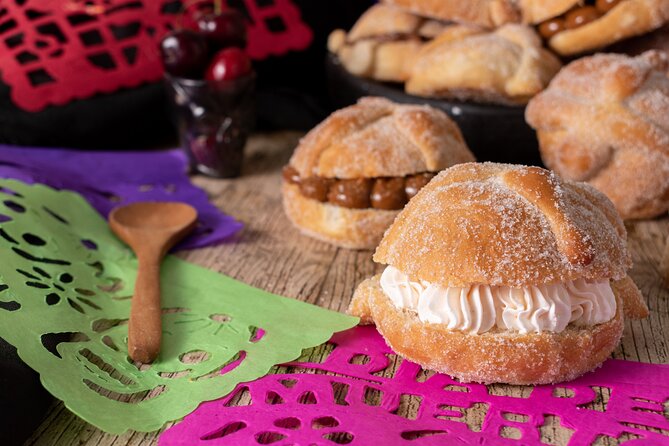
Bread carries a calendar. This $79 Mexican bread class gives you a hands-on way to connect with Day of the Dead traditions in Greater Mexico City. I like the mix of a San Cosme Market visit and practical baking, and I like that Veronica welcomes beginners as well as experienced bakers. You knead, shape, bake, and eat your own pan de muerto instead of simply watching a demonstration.
The main consideration is time. The class lasts 2.5 hours, and some of that time goes into waiting for the dough to rise and bake. That is part of the process, but you should not book this expecting a quick tasting or a full tour of Mexico City. Ask ahead if you want a filling, since chocolate, whipped cream, or dulce de leche must be prepared in advance.
Key points to know before booking
- Meet at San Cosme Market: The class begins at the front of the market in the Tacuba neighborhood.
- Pan de muerto from scratch: You mix, knead, let the dough rise, shape the decorations, and bake the bread.
- Day of the Dead meaning: The bone-shaped pieces and traditional flavors give the baking a cultural purpose beyond the recipe.
- Mexican hot chocolate included: High-cacao hot chocolate pairs with the finished bread.
- Small group setting: The class accepts up to 10 people, with instruction in English or Spanish.
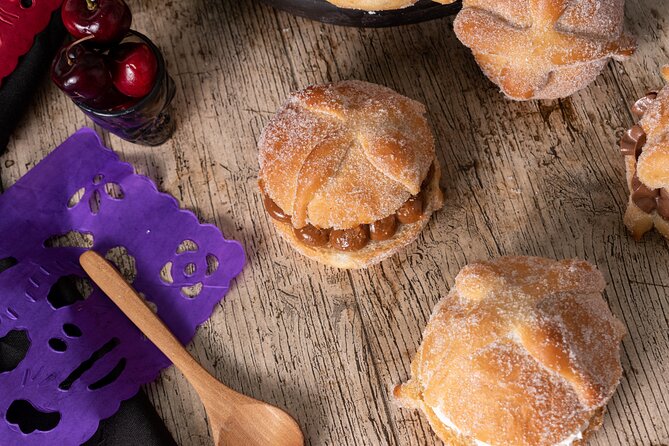
- Choose a filling in advance: Chocolate, whipped cream, or dulce de leche can be added if you send a request before the class.
Why pan de muerto makes a memorable Mexico City activity
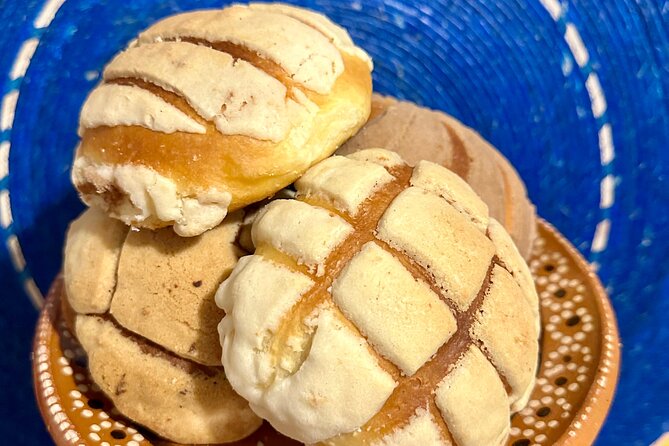
Pan de muerto is not ordinary sweet bread. It is closely linked with Día de Muertos, the Mexican celebration that honors deceased family members and loved ones. The loaf’s rounded shape and bone-like decorations carry symbolic meaning, while orange and anise give it a familiar seasonal flavor.
That combination makes this class more rewarding than a standard baking lesson. You are not only learning how to handle dough. You are learning why this particular bread appears during an important Mexican holiday.
I especially like the fact that the experience keeps the food at the center. The class does not promise a long list of unrelated dishes or a rushed tour of several neighborhoods. You focus on one traditional recipe and have enough time to work with it.
The class also gives you something useful to take home. By the end, you have your own loaf and the basic skills needed to try the recipe again. The experience therefore has a life beyond the afternoon itself, especially if you enjoy baking or want to recreate a Mexican celebration in your own kitchen.
More Baking Classes in Mexico:
- Lisbon: Pastel de Nata Baking Class
★ 4.9 · 2,106 reviews - Paris Croissant Small-Group Baking Class with a Chef
★ 5.0 · 910 reviews - Paris: French Croissant Baking Class with a Chef
★ 4.9 · 712 reviews
Starting at San Cosme Market in Tacuba
Your meeting point is the front of San Cosme Market. The location matters because the class begins with a local neighborhood setting rather than at a hotel or a generic cooking studio. One participant described meeting Veronica in the Tacuba neighborhood before touring the market and walking to her apartment.
The market portion appears to be a short introduction to the area and to the ingredients that help frame the class. Do not expect this to be a dedicated market-food tour with a long list of tastings. Its purpose is to set the scene before you begin baking.
I like this opening because it gives you a little local context before you enter the kitchen. Food feels less abstract when you first meet in a working market area. You can also use the meeting point to get your bearings, since the directions specify the front of the market rather than a broad neighborhood address.
Plan to arrive with enough time to find the correct entrance. The information provided identifies San Cosme Market and the Tacuba neighborhood, but it does not describe parking, hotel pickup, or transportation to the meeting point. You should arrange your own way there and confirm the exact meeting instructions after booking.
Veronica’s home kitchen and the hands-on work
After the market, the class continues in Veronica’s apartment. This home setting is one of the most personal parts of the experience. It is not a large commercial school with rows of strangers watching a chef at the front. The group is limited to 10 people, so the atmosphere should feel more like cooking with a local host.
The session covers the full basic process:
- Selecting and preparing the ingredients
- Mixing the dough
- Kneading it by hand
- Allowing it to rise
- Shaping the main loaf
- Adding the bone-shaped decorations
- Baking the bread
That order gives you a clear picture of how pan de muerto comes together. You are not handed a finished loaf at the end of a short demonstration. You take part in the labor that gives the bread its texture and shape.
The kneading stage is especially useful for beginners. Bread dough can seem simple on paper, but the feel changes as you work it. A teacher can show you what the dough should look and feel like, which is harder to learn from a recipe alone.
The rising period also deserves a realistic note. Dough needs time, so the class cannot move at the speed of a restaurant meal. You may have pauses while the bread develops. That makes the class feel like actual baking, but anyone looking for constant activity should know what to expect.
All kitchen equipment and ingredients are included. That keeps the class straightforward for visitors who do not want to shop for supplies in Mexico City or carry baking tools in their luggage. You only need to arrive ready to work and taste.
Shaping the bread and understanding the symbols
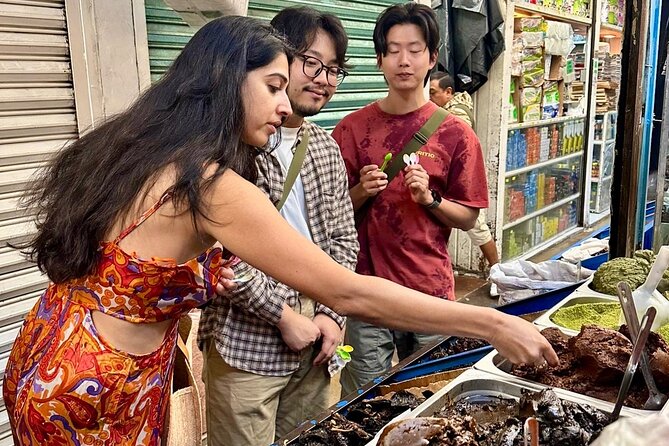
The bone-shaped decorations are the visual feature that makes pan de muerto instantly recognizable. You will learn how to form and place these pieces as part of the baking process.
This is where the cultural side of the class becomes practical. The symbolism is not presented as a detached lecture. You handle the decorations yourself, then see them transform in the oven into part of the finished loaf.
The flavor matters, too. The bread uses orange and anise, a pairing that gives it a gentle citrus note and a distinct herbal sweetness. If you usually eat plain white bread or standard pastries, these flavors may be the part that makes the loaf feel most connected to Mexico.
I would pay attention during this section even if you are mainly interested in the food. The decorations and flavor are the pieces most likely to help you recognize pan de muerto later in a bakery or market. You leave with more than a general memory of making bread. You learn what makes this bread specifically Mexican and specifically tied to Day of the Dead.
More Mexican Cooking Classes in Mexico:
- Cabo San Lucas Mexican Cooking Class Experience and Local Markets
★ 5.0 · 915 reviews - Mexican Cooking from Scratch in a Local Home in Tulum
★ 5.0 · 585 reviews - Authentic Mexican Legacy Cooking Class in Cabo San Lucas
★ 5.0 · 530 reviews - Mexican Cooking Class with Food Market Visit in Mexico City
★ 5.0 · 506 reviews
Choosing chocolate, whipped cream, or dulce de leche
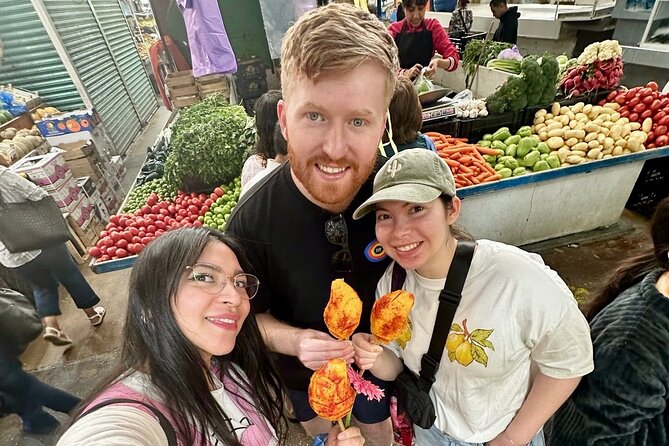
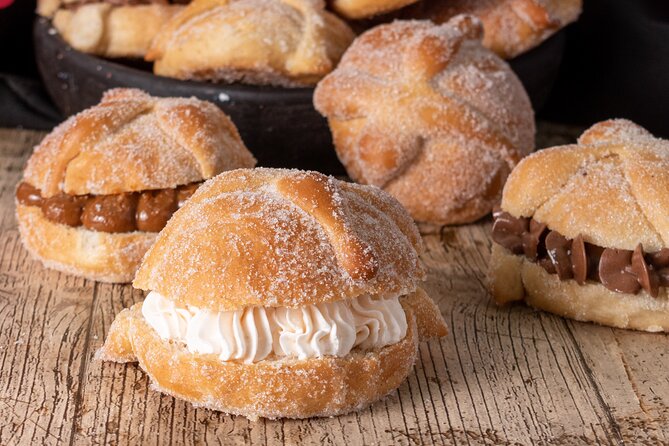
A useful extra is the option to fill your bread. You can choose chocolate, whipped cream, or dulce de leche, but you need to send a message ahead of time so the filling is ready.
That advance request is easy to overlook. If you want a filled loaf, do not wait until you arrive at the market. Contact the provider before the class and state your choice clearly.
The filling option changes the character of the finished bread. Chocolate will appeal to anyone who likes a more intense dessert flavor. Whipped cream gives the loaf a softer, lighter finish, while dulce de leche adds a caramel-like sweetness. The activity information does not specify whether every filling is available on the day without advance notice, so the safest plan is to request your choice when you book.
If you prefer the traditional bread without an added center, you can simply skip the filling. The base loaf already includes the orange and anise flavors and the symbolic decorations.
Mexican hot chocolate with the finished loaf
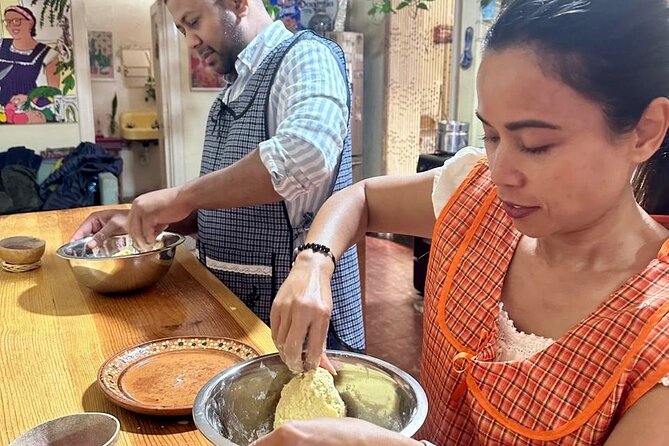
The final food pairing is high-cacao Mexican hot chocolate. This is not a minor add-on. Hot chocolate is one of the classic companions for sweet Mexican bread, and it gives the class a pleasant finish while the baking work comes together.
The pairing also helps you understand how the bread is meant to be enjoyed. You taste the finished pan de muerto with a warm chocolate drink rather than treating the loaf as a take-home item only.
The provided details do not specify the exact chocolate preparation or sweetness level, so I would not book this expecting a particular regional style. What you can count on is a traditional hot chocolate served with the bread you made.
The atmosphere sounds particularly friendly here. Veronica was praised for making the group feel welcome and for explaining the meaning of pan de muerto while serving the chocolate. That combination of explanation and shared food is a big reason this class feels personal instead of purely instructional.
What the $79 price includes
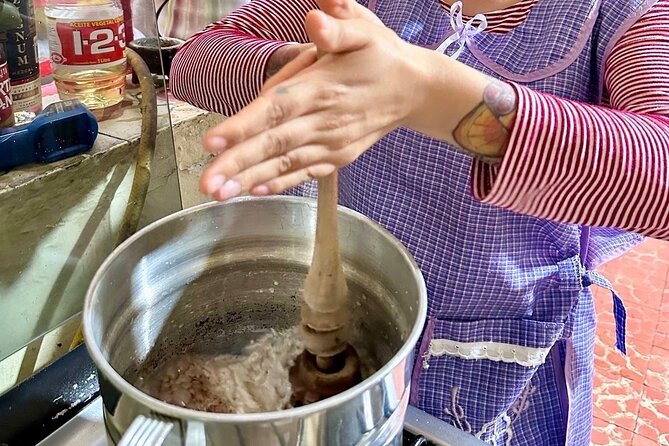
At $79 per person, this class is priced above a simple bakery visit but includes more than a tasting. The fee covers kitchen equipment, ingredients, instruction, the baking session, your finished pan de muerto, and Mexican hot chocolate.
You also receive the experience of working in a small group and learning a recipe you can repeat. For someone who values local contact and active participation, that makes the cost reasonable. You are paying for time with an instructor, not just for a pastry.
The value is less clear if your main goal is to eat as much as possible. This is not advertised as a full meal, and the class centers on one loaf and one drink. If you want a broad survey of Mexican cooking, another cooking class may offer more dishes for a similar amount.
I see the strongest value for people who enjoy food as a way to understand place. You get a neighborhood meeting point, a home kitchen, a seasonal Mexican recipe, and a finished item to remember the day. That is a more personal souvenir than another packaged snack.
Who will enjoy this 2.5-hour class most
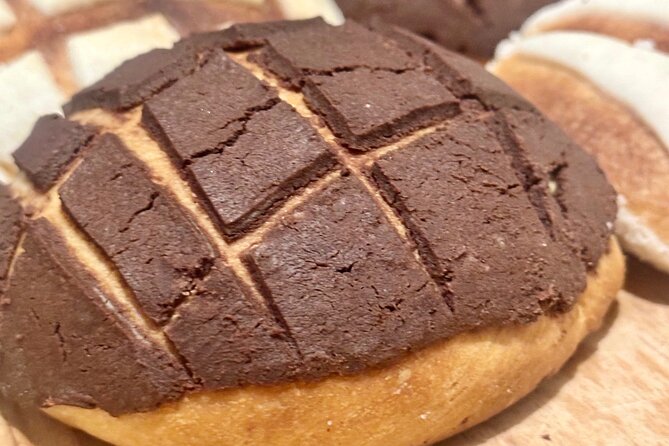
This class suits first-time bakers because the process is taught from the beginning. You do not need to arrive with professional skills, and the format gives you direct practice with mixing, kneading, shaping, and baking.
It also works well for experienced home bakers who want to learn a specific Mexican bread rather than a general bread recipe. The cultural explanation and symbolic design add a purpose that a standard baking workshop may not offer.
Food-focused visitors should find plenty to like. The class combines a market meeting point, local hosting, traditional bread, and Mexican chocolate in one compact activity.
Families and mixed-experience groups may also appreciate the small-group format. The available information does not give an age requirement, so you should confirm that point if you plan to bring children.
This may not be the best choice if you want a large professional kitchen, a formal culinary lesson, or a packed schedule with several recipes. The home setting and single-recipe focus are exactly what make it appealing, but they also define its limits.
Language, group size, and timing
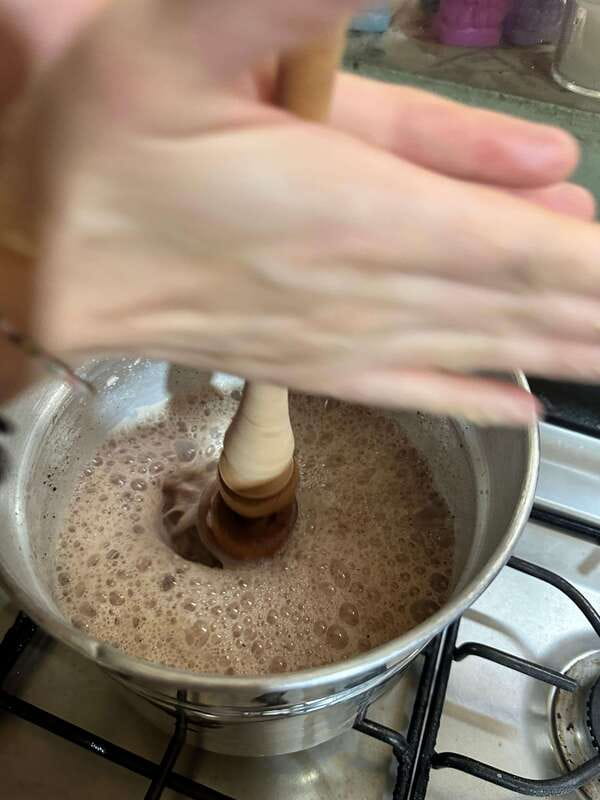
Instruction is available in English and Spanish. That makes the class accessible to visitors who do not speak Spanish, while Spanish speakers can take part in the language most comfortable for them.
The maximum group size is 10 people. That is small enough to make hands-on instruction practical, although the amount of individual attention can vary depending on the final group size.
The duration is 2.5 hours, with morning and afternoon availability usually offered. Check the specific time when you reserve, since the available session may affect how you fit the class around other Mexico City plans.
I would avoid placing this activity immediately before an important timed booking. The dough needs to rise and bake, and the class takes place in a home kitchen after the market meeting. A little spare time will make the experience more relaxed.
Cancellation is flexible up to 24 hours before the activity for a full refund. You can also reserve now and pay later, which helps if your Mexico City schedule is still changing.
What the strongest praise tells you
The most consistent praise centers on the teaching, the welcoming tone, and the finished bread. Veronica is specifically praised for making people feel comfortable and for explaining the meaning behind pan de muerto.
The bread itself receives strong approval, as does the Mexican chocolate served with it. That is important because the class depends on both the process and the result. You want the activity to be enjoyable while you work, but you also want the loaf to taste good at the end.
I would give special weight to the complete sequence described by a participant: market meeting, walk to the apartment, mixing, kneading, rising, baking, cultural explanation, and chocolate. It shows that the appeal is not just a single cooking trick. The class builds a small story around the bread.
The current rating is 5 out of 5 from two ratings. That is encouraging, but the sample is small. I would treat it as a strong early signal rather than proof that every class will be identical.
Practical tips for a smoother visit
Arrive at the front of San Cosme Market, not simply somewhere in the wider Tacuba neighborhood. The meeting point is specific, and being in the wrong part of the market could create an unnecessary scramble.
Send your filling request before the activity if you want chocolate, whipped cream, or dulce de leche. This is the most important preparation detail in the information provided.
Wear something comfortable for kitchen work. The class includes mixing, kneading, shaping, and baking, so you will be participating rather than sitting through a demonstration.
Keep your afternoon or morning reasonably open. The listed duration is 2.5 hours, and the dough’s rising and baking stages are part of the schedule.
If you want to reproduce the bread at home, pay attention to the ingredient choices, the kneading method, and the bone-shaped decorations. Those details are the parts most likely to affect your result later.
Should you book Learn to Cook Mexican Bread?
Book it if you want a small, local food experience with a clear cultural focus. The strongest reasons are the personal setting with Veronica, the visit around San Cosme Market, the chance to make pan de muerto from scratch, and the hot chocolate served at the end.
Think twice if you want a full Mexican meal, a long city tour, or a polished culinary school setting. This is a focused bread class, not a broad introduction to Mexican cuisine.
For most food-focused visitors, the $79 price is fair because equipment, ingredients, instruction, and the finished loaf are included. Add the filling request in advance, allow the full 2.5 hours, and you get an enjoyable way to meet Mexican tradition through your hands and appetite.
FAQ
Where does the bread-making class meet?
The meeting point is at the front of San Cosme Market in the Tacuba neighborhood of Mexico City.
How long does the experience last?
The class lasts 2.5 hours.
How much does the class cost?
The price is $79 per person.
What type of bread will I make?
You will make pan de muerto, a traditional Mexican bread associated with Day of the Dead celebrations.
What flavors are used in the bread?
The bread includes orange and anise flavors.
Is Mexican hot chocolate included?
Yes. The experience includes traditional high-cacao Mexican hot chocolate to enjoy with the finished bread.
Can I choose a filling?
Yes. You can request chocolate, whipped cream, or dulce de leche. You need to send a message in advance so the filling can be prepared.
Is equipment provided?
Yes. Kitchen equipment and ingredients are included.
What languages does the instructor speak?
Instruction is available in English and Spanish.
How many people can join the class?
The group is limited to 10 participants.
Can I cancel for a refund?
Yes. You can cancel up to 24 hours in advance for a full refund.
Can I reserve before paying?
Yes. The reserve-now, pay-later option lets you book your place without paying at the time of reservation.
Just added around Mexico
- Private Pre-Hispanic Cooking Class in Mexico City with Martha★ 5.0 · 19 reviews
- Flavors of Mexico: Cancun Cooking Class & Market Visit★ 4.5 · 5 reviews
- Private Authentic Mexican Cooking Class in Cancun with Alberto★ 5.0 · 3 reviews
- Tasty Mexican Cooking Class with Feast in Riviera Maya★ 5.0 · 99 reviews
- Cancun small group Cooking Class with Local Chef★ 5.0 · 61 reviews
- 4h Cooking Class in Cancun with 8 Recipes & Bottomless Drinks★ 5.0 · 50 reviews
- Cancun Hands-On Mexican Cooking Class★ 4.5 · 95 reviews
- Private Mexican Cooking Class in Your Cabo San Lucas Villa or Condo★ 5.0 · 8 reviews
Baking & Bread Classes, compared.
Paris Croissant Small-Group Baking Class with a Chef
Read our review →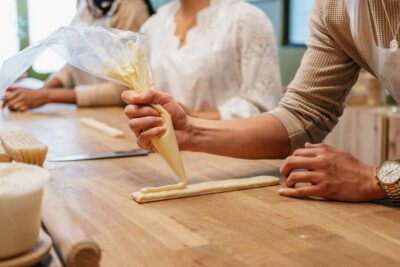
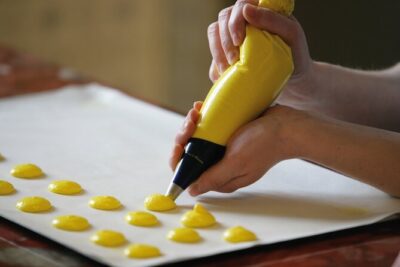
Paris Macarons Small-Group Baking Class with a Chef
Read our review →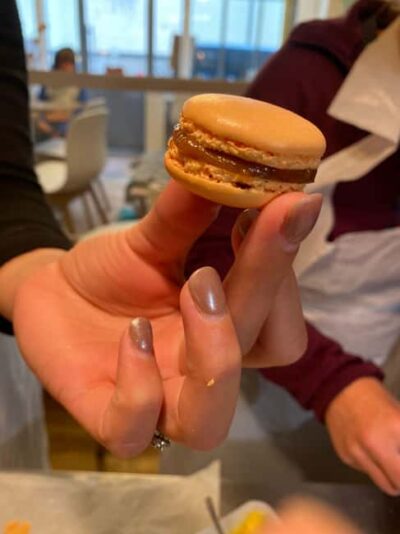
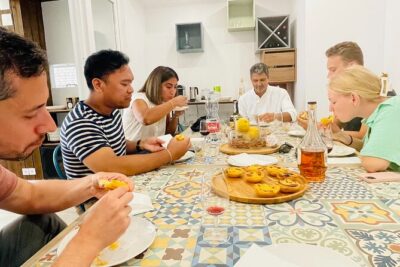
Lists this class appears in