
REVIEW · GJIROKASTER DISTRICT, ALBANIA
Cook Like a Local – Authentic Cooking Class in Gjirokastra
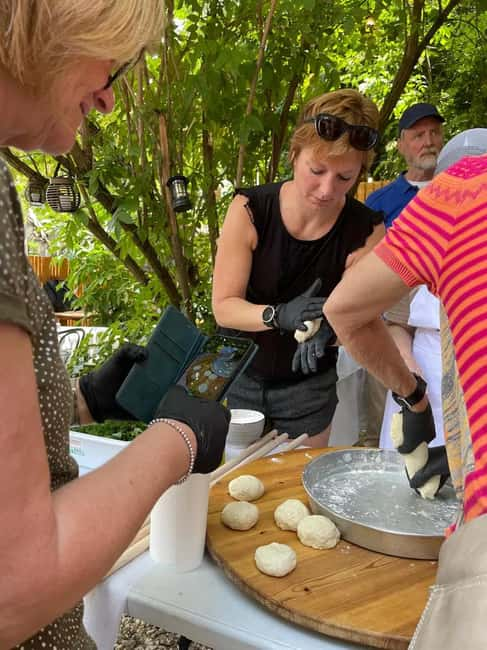
Food tells Gjirokastra’s story. This two-hour cooking class puts you in the Old Bazaar, where you learn to make qifqi rice balls and hand-rolled pasta with lamb while a local host explains the customs behind the meal. I like the use of seasonal ingredients and the chance to cook dishes rarely seen outside southern Albania. I also like that lunch, drinks, and recipe cards are included. The main drawback is the price: at $73 per person, it is not a cheap meal, especially if your main goal is simply to eat.
This is best for you if you enjoy conversation, traditional food, and a small-scale cultural activity rather than a fast sightseeing stop. The class has received mixed overall feedback, with a 3.2 rating from four reviews, but the strongest comments praise the friendly host, the food, and the private feel of the class.
Key points to know before booking
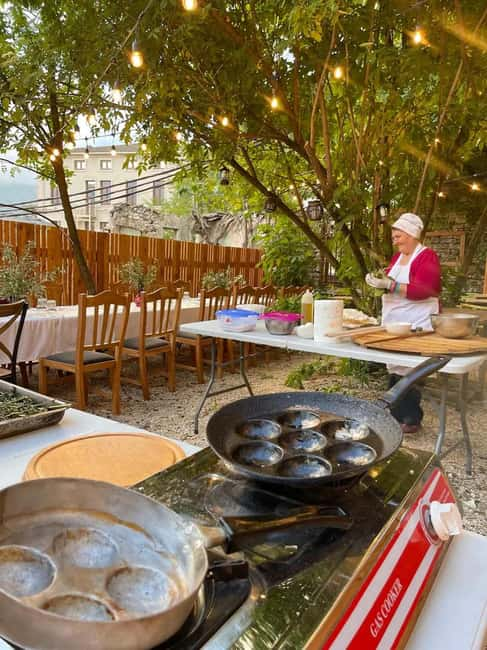
- Qifqi is the star regional dish: You make savory rice balls with herbs such as mint and oregano, then fry them in a traditional cast-iron mold associated with Gjirokastra.
- The main meal includes lamb pasta: The dish called osa me mish qengji combines hand-rolled pasta with tender, slow-cooked lamb and local seasoning.
- The setting is part of the experience: Cooking takes place in or near Gjirokastra’s atmospheric Old Bazaar, a UNESCO World Heritage site with cobbled lanes and Ottoman-era buildings.
- The class is more than a recipe lesson: Your host explains family traditions, hospitality, herb preservation, folklore, and the meaning of food in Albanian life.
- Lunch and drinks are included: You eat the food you prepare with salad, dessert, tea, local wine, or raki.
- You receive recipes to take home: The written recipes give you a practical souvenir, though some ingredients and cooking tools may be hard to match exactly at home.
Why this class fits Gjirokastra so well
Gjirokastra is a town where the setting does much of the talking. Its Old Bazaar is made for slow walks, with stone buildings, narrow cobbled lanes, and Ottoman-era details around every turn. A cooking class here gives you a reason to pause rather than simply pass through on the way to the castle or another viewpoint.
I like food activities that connect a meal to its place. This one focuses on dishes from Gjirokastra and southern Albania, not a general Mediterranean menu that could appear anywhere. The ingredients, tools, and preparation methods help explain local life in a way a restaurant meal often cannot.
The class is also a good choice if you want personal contact without committing to a full-day excursion. Two hours is enough time to cook, eat, and hear the basic stories behind the dishes. It is short enough to fit into a day of sightseeing, though the pace may feel quick if you want a detailed lesson on every technique.
The atmosphere is intended to be warm and informal. The meal may take place in an old stone house or a family-run guesthouse within the bazaar. That setting matters. You are not just sitting in a classroom kitchen, and the food is not separated from the town’s architecture and traditions.
A few more cooking classes around Albania worth a look
- Tirana: Traditional Cooking Class with Wine & Raki Tasting
★ 5.0 · 284 reviews - Cooking Classes and Traditional food tasting in Tirana
★ 5.0 · 282 reviews - Traditional Albanian Cooking Class in Tirana & Raki Tasting
★ 5.0 · 266 reviews
Starting with qifqi, Gjirokastra’s herb-scented rice balls
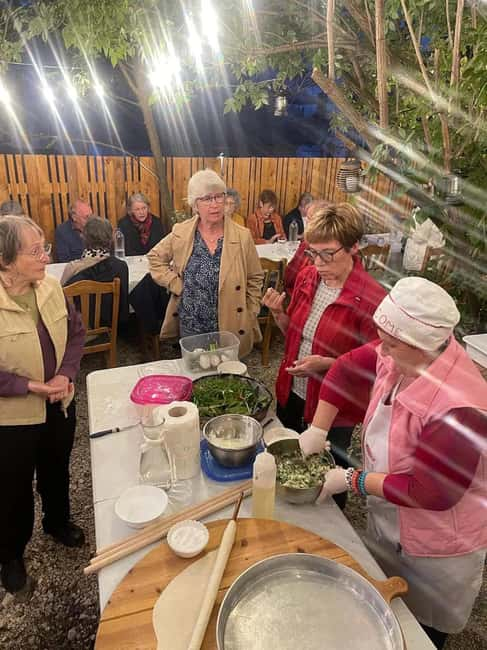
The cooking begins with qifqi, a local specialty made from rice and fresh herbs. Mint and oregano give the rice a bright, savory flavor, while the traditional cast-iron mold gives the dish its distinctive shape and cooking method.
This is the most unusual part of the class for many people. Rice balls are familiar in several food cultures, but qifqi belongs specifically to Gjirokastra’s culinary identity. The cast-iron mold is not just a kitchen tool. It shows how local cooking has developed its own equipment for a dish that families have prepared for generations.
You should expect a hands-on lesson rather than a demonstration where you sit and watch. Your host will guide you through the preparation, seasoning, and frying. The precise amount of work you do can depend on the group and the pace of the class, but the activity is designed for beginners as well as experienced cooks.
The herbs are an important part of the lesson. You learn how local herbs and spices are dried, preserved, and combined to bring out their flavor. That small detail gives the dish more meaning. You are not simply adding seasoning from a jar. You are hearing how ingredients fit into the rhythm of household cooking.
Qifqi is also a useful dish to learn because it can be remembered after the trip. The ingredients are less complicated than the name may suggest, and the recipe card gives you a starting point for trying it at home. The only challenge is reproducing the traditional shape if you do not have the same cast-iron mold.
Rolling pasta for lamb, the heartiest course
The second main dish is osa me mish qengji, a comforting combination of hand-rolled pasta and slow-cooked lamb. It is a heavier and more filling course than qifqi, making it a natural centerpiece for the meal.
The class introduces you to the preparation of the pasta as well as the lamb. Hand-rolled pasta takes more care than opening a packet, and that extra work helps you understand why this type of dish belongs to home cooking. It is food made for time, patience, and a shared table.
The lamb is cooked slowly until tender and seasoned with local spices. The description connects the flavors to Albania’s mountainous southern region, where lamb has long been part of traditional cooking. You will not just learn what goes into the dish. You will hear why the ingredients and cooking style matter locally.
I like that the meal includes a substantial main course rather than limiting the class to snacks or small tastes. After two hours of handling rice, herbs, pasta, and lamb, you get a proper lunch. That makes the $73 price easier to assess, especially if you value both the activity and the meal.
Still, this is not the right class for you if you dislike lamb or prefer a vegetarian menu. The included lunch specifically features pasta with lamb, and no alternative menu is provided in the available details. Ask before booking if dietary restrictions are important to you.
A seasonal dessert and a table full of local food
To finish, you prepare an Albanian dessert based on what is available at the time of year. It might be a fruit compote with local honey and nuts, or a traditional sweet such as sheqerpare.
The changing dessert is a plus for anyone who likes seasonal cooking. You are not promised one fixed dish regardless of the calendar. Instead, the final course can reflect the fruit and ingredients available locally.
It is also one area where you should keep your expectations flexible. Since the dessert depends on season and availability, you will not know the exact recipe ahead of time. If you are choosing the class because you want to master a particular sweet, this may be a limitation.
The completed meal includes the lamb pasta, qifqi, seasonal salad, dessert, and drinks. Tea or raki is included, and local wine may also accompany the meal. Raki is a strong Albanian spirit, so you can treat it as a taste of local hospitality rather than something you need to drink in quantity.
The communal meal is a key part of the experience. Food in Albania is closely tied to welcome and social connection, and the table gives you time to talk with your host and fellow food lovers. If you prefer a quick cooking lesson followed by a private meal, this format may feel more social than expected.
Same place, a different thing to cook:
- Berat Cooking Class
★ 4.9 · 131 reviews - Traditional Albanian Cooking Class in Tirana with Raki Tasting
★ 5.0 · 125 reviews - Tirana Cooking Class – Traditional Albanian Recipes
★ 5.0 · 33 reviews - The secrets of Albanian cuisine: cooking lesson in Tirana
★ 5.0 · 21 reviews
Stories, folklore, and family cooking traditions
The strongest reason to book this class is not simply the food. It is the explanation of how food fits into family life.
As you cook, the host shares stories about recipes passed from one generation to the next. You hear about the symbolism of ingredients, the customs of Albanian hospitality, and the way cooking practices have changed while keeping their traditional roots.
Those details help separate this activity from a standard cooking workshop. You are learning why people make a dish, not only how to prepare it. A recipe becomes easier to remember when it is tied to a family habit, a celebration, or a local custom.
The available instructor languages are English, Italian, Greek, and Albanian. That gives many visitors a practical way to follow the lesson and ask questions. The quality of the experience will still depend on the individual host and the group, but the friendly tone reported in the feedback is encouraging.
One verified booking described the class as very private and the host as friendly. Another praised the friendly host, the food, and the class as a whole. Those comments point to the best version of this experience: a personal, welcoming meal with plenty of conversation rather than a large, formal workshop.
The overall rating of 3.2 from four reviews calls for a realistic view. This is not a heavily documented activity with a long record of consistent feedback. I would book it for the local setting and the chance to cook regional dishes, not because the rating guarantees a polished, professional production.
What the two-hour schedule means for you
Two hours is a compact amount of time for cooking, storytelling, and lunch. The activity likely moves from preparation to cooking and then to the shared meal without much idle time.
That pace is useful if your Gjirokastra visit is short. You can fit the class between sightseeing plans and still have time for the town’s castle, bazaar, or other attractions. It also keeps the experience from becoming an all-day commitment.
The trade-off is depth. You will learn the key steps and ideas, but you may not receive a long technical lesson on every stage of pasta-making, lamb preparation, herb preservation, and dessert cooking. Think of it as a cultural food workshop with a meal, not a professional culinary course.
You should also allow enough time to find the meeting point in the Old Bazaar. The provided details do not state a precise address or transportation arrangement, so check the starting instructions carefully after booking. Gjirokastra’s cobbled lanes and historic buildings are part of the charm, but they can make walking with luggage or mobility equipment difficult.
Is $73 per person a fair price?
At $73 per person, this class costs more than an ordinary lunch in Albania. You are paying for several things at once: instruction, ingredients, a full meal, drinks, a local setting, cultural explanation, and written recipes.
The value is strongest if you would otherwise pay for both a food activity and lunch. You receive qifqi, lamb pasta, salad, dessert, and drinks, along with the chance to prepare the dishes yourself. The recipe cards also give the experience some life after your trip.
The value is weaker if you only want an inexpensive meal or if you already plan to eat at a local restaurant. In that case, the cooking lesson and personal contact must matter to you. If you are unsure about lamb, strongly prefer a fixed dessert, or want a long technical class, the price may feel high.
I would compare it with the cost of your other activities rather than judge it only as a meal. Gjirokastra is a place where local stories and household traditions add meaning to what you eat. If that connection is important to you, the price is reasonable for a short cultural experience.
Who should book this cooking class?
I would recommend it to curious beginners, food-focused visitors, couples, families with older children, and anyone who enjoys meeting local people. You do not need to be an experienced cook. The class is built around participation, and the dishes offer a clear introduction to southern Albanian food.
It also suits visitors who want a break from monuments. Gjirokastra has plenty of stonework and history to absorb, but a shared meal gives you a different view of the town. You learn about ordinary domestic traditions rather than only famous sights.
It may not suit you if you have limited mobility. The activity is not suitable for people with mobility impairments or wheelchair users, and the historic bazaar setting may be difficult for anyone who struggles with cobblestones or uneven surfaces.
It is also less suitable for strict vegetarians, people avoiding lamb, or anyone who wants a highly structured cooking school. The included lunch centers on lamb pasta, and no alternative meal is described.
You can cancel up to 24 hours before the activity for a full refund, and you can reserve now while paying later. Those terms are useful if your Albania plans are still shifting, though they do not change the question of whether the experience itself matches your interests.
Should you book Cook Like a Local?
Book this class if you want to cook regional dishes in a historic setting, eat a full Albanian lunch, and hear the family stories behind the recipes. The friendly host, private feel, qifqi lesson, and take-home recipes are the main reasons I would choose it.
Skip it if you only want the lowest-cost meal, need wheelchair access, or want a long professional cooking course. The 3.2 rating from four reviews suggests you should keep expectations sensible, but the positive feedback on the host and food points to a worthwhile experience for the right kind of visitor.
My practical choice would be to book it early in your Gjirokastra stay. That gives you time to use the recipe cards later in Albania, and it lets you plan the rest of your sightseeing around a relaxed meal in the Old Bazaar.
FAQ
Where does the cooking class take place?
The class takes place in Gjirokastra District, in the atmospheric Old Bazaar area, a UNESCO World Heritage site. The meal may be held in an old stone house or a family-run guesthouse within the bazaar.
How long does the experience last?
The cooking class and meal last two hours. Starting times depend on availability.
What dishes will I prepare?
You will prepare qifqi, savory rice balls made with herbs such as mint and oregano, and osa me mish qengji, hand-rolled pasta served with slow-cooked lamb. You will also prepare a seasonal Albanian dessert.
What is included in the meal?
Lunch includes pasta with lamb, qifqi, seasonal salad, and dessert. Drinks, tea, or raki are included.
Will I receive the recipes?
Yes. You receive written recipe cards for the dishes prepared during the class.
Which languages are available?
The instructor can teach in English, Italian, Greek, or Albanian.
Is the class suitable for wheelchair users?
No. The activity is not suitable for wheelchair users or people with mobility impairments.
Can I cancel the booking?
Yes. You can cancel up to 24 hours in advance for a full refund.
Can I reserve before paying?
Yes. The reserve-now-and-pay-later option lets you hold a place without paying at the time of booking.
Just added around Albania
- Gourmet Lunch Farm Tour with Cooking Class★ 4.5 · 8 reviews
- Family Mandarin Farming Tour with Traditional Cooking Lunch★ 4.5 · 9 reviews
- Tirana Cooking Class – Traditional Albanian Recipes★ 5.0 · 33 reviews
- The secrets of Albanian cuisine: cooking lesson in Tirana★ 5.0 · 21 reviews
- Gjirokastër: Traditional Albanian Vegetarian Cooking Class★ 4.4 · 17 reviews
- Berat: Traditional Cooking Class with Wine Tasting★ 5.0 · 5 reviews
- Berat: Farm-to-Table Cooking Class with Local Family★ 5.0 · 6 reviews
- Berat: Discover Albania with Cooking Class w/ Drink Tastings★ 5.0 · 19 reviews
Cooking Classes, compared.

Half-Day Thai Cooking Class at Organic Farm in Chiang Mai
Read our review →

3 in 1 Cooking Class near Navona: Fettuccine, Ravioli & Tiramisu
Read our review →
Pasta & Tiramisu Cooking Class with Unlimited Wine
Read our review →
Hanoi Cooking Class: Culture, Local Market & Meaning CSR Impact
Read our review →
5 Traditional Dishes Hanoi Cooking Class with Market Trip
Read our review →
Cooking Class and Lunch at a Tuscan Farmhouse with Local Market Tour from Florence
Read our review →
Cooking Class, Market & Thai Herbs Garden Tour
Read our review →Lists this class appears in