
REVIEW · TIRANA DISTRICT, ALBANIA
Tirana: Traditional Cooking Class with Wine & Raki Tasting
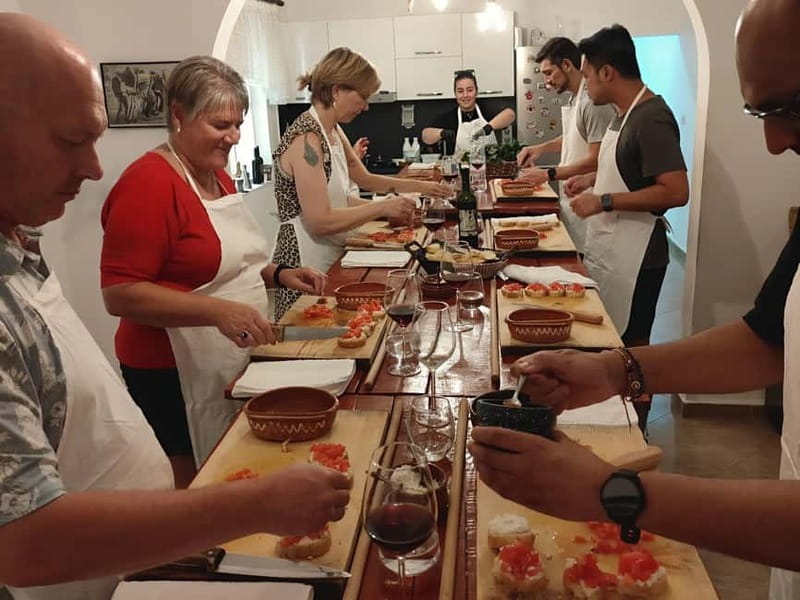
Come hungry, leave with Albanian recipes. This four-hour class in Tirana offers a friendly introduction to home-style Albanian cooking, with tave kosi, lakror, dessert, homemade wine, and raki all part of the afternoon. I especially like the family recipes and the relaxed social setting, where the food matters as much as the conversation.
The class is also good value at $41 per person. Ingredients, equipment, instruction, and drinks are included, so you do not need to shop, plan, or carry anything besides an appetite. The main thing to consider is that you work as part of a group, so you may not personally complete every dish from start to finish.
Sindi is the host most often named by returning customers, and her style sounds warm, clear, and patient. This is not a formal chef school. It is a welcoming Albanian kitchen experience with plenty of food, practical recipes, and a generous helping of local hospitality.
Key details before you book
- Four hours of cooking and eating: Plan this as a full afternoon or evening, not a quick demonstration.
- Tave kosi is the main event: You learn to prepare Albania’s famous lamb and rice dish, linked with Ismail Qemali, the country’s first prime minister.
- Lakror is made from scratch: This Albanian version of byrek gives you hands-on practice with dough, filling, and traditional preparation.
- Sindi earns high praise: Her English, patience, humor, and attention to allergies and dietary preferences are repeatedly singled out.
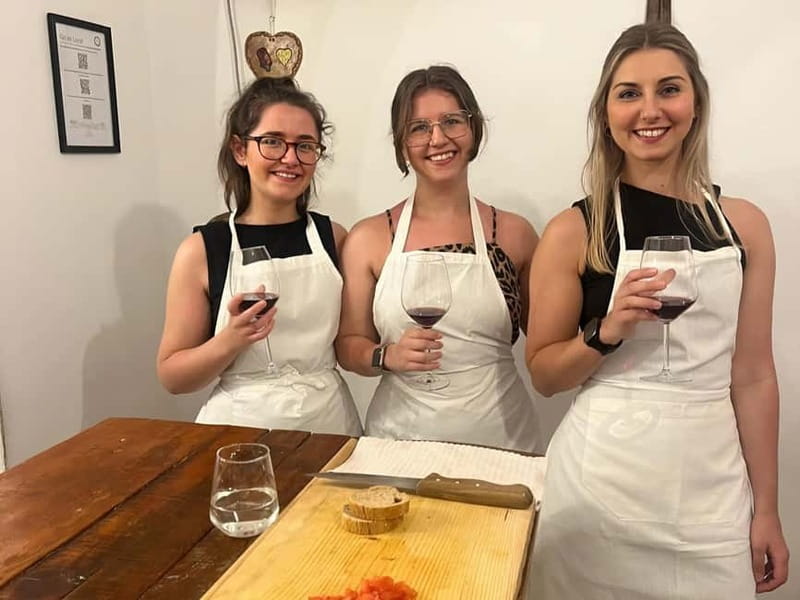
- Homemade drinks are included: You taste local wine and raki while cooking, then sit down to eat what the group has made.
- You receive the recipes: The dishes are designed to be manageable at home, even if you are not a confident cook.
Meeting Sindi and settling into the kitchen
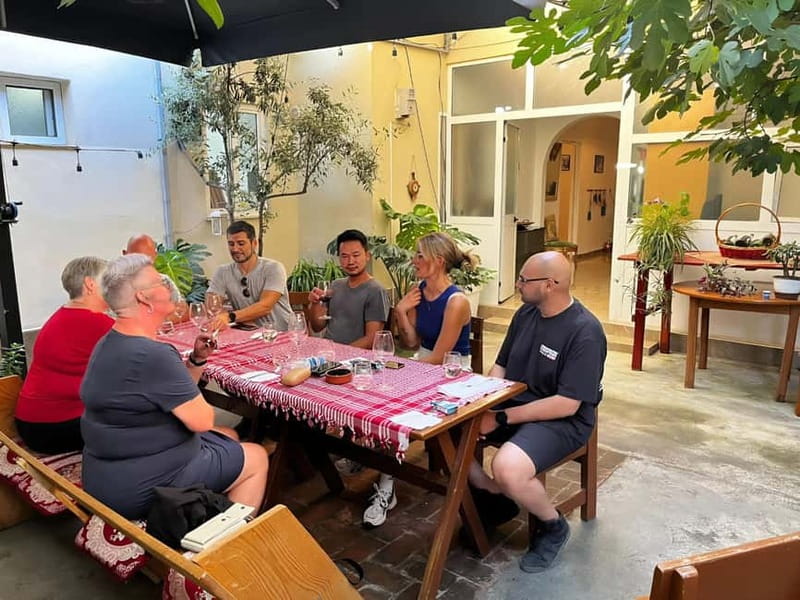
The class begins with introductions to the brother-and-sister team behind the experience. Sindi is the host most frequently mentioned, and she appears to set the tone: welcoming, organized, funny, and comfortable explaining food in English.
That matters. Cooking classes can feel awkward when the instructor rushes through directions or assumes you already know basic techniques. Here, the pace is described as relaxed, with clear step-by-step guidance. Even complete beginners should be able to follow along.
You do not need to bring ingredients or equipment. Everything is ready when you arrive, which keeps the first part simple. Sindi also asks about allergies, intolerances, and vegan preferences when planning the food. If you have a dietary concern, tell the provider in advance so the menu can be handled properly.
The kitchen is described as clean and spacious, with individual work stations available in at least some sessions. Group size can vary. One class had only three people, while another had nine, so the amount of personal space and individual cooking time may depend on the date you choose.
That variation is worth keeping in mind. A small group should give you more direct attention. A larger group may offer more conversation and a livelier social mood, but you may share tasks more often.
More Cooking Classes with Wine Tasting in Albania:
- Berat: Traditional Cooking Class with Wine Tasting
★ 5.0 · 5 reviews - Florence: Pasta Cooking Class with Unlimited Wine
★ 4.9 · 10,285 reviews - Florence: Pasta & Tiramisu Cooking Class with Unlimited Wine
★ 4.9 · 6,708 reviews
Tave kosi, Albania’s famous lamb and rice dish
The first major dish is tave kosi, one of Albania’s best-known foods. It combines lamb and rice with a baked yogurt-based mixture, creating the creamy, savory dish that many people associate with Albanian cooking.
The class also explains why tave kosi is sometimes called the Independence Dish. It was a favorite of Ismail Qemali, Albania’s first prime minister, which gives the recipe a useful link to the country’s modern story. Food becomes more memorable when you know why people care about it.
You learn the cooking rules and habits connected with Albanian food, including where some of those rules came from. The focus is not simply on following a recipe card. Sindi explains the logic behind the preparation, which helps you repeat the dish later instead of treating the class as a one-time performance.
The practical value is high here. Tave kosi may sound elaborate, but the class is designed to make it approachable. You work with a group, and Sindi guides the process carefully. You may not handle every single stage yourself, but you will see how the dish comes together and leave with the recipe.
If you do not eat lamb, check the dietary options before booking. The supplied information confirms that dietary needs are discussed, but it does not promise a specific substitute for every dish.
Rolling out lakror from scratch
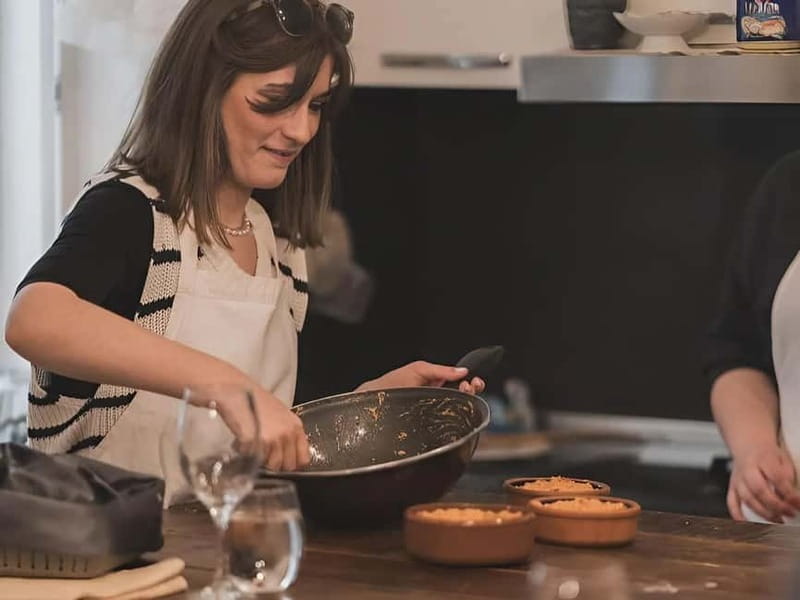
Lakror is the second major lesson. Think of it as Albania’s own version of byrek, with thin dough and a savory filling. The class has included spinach and cottage cheese, though the exact filling may vary with the menu.
This is where the experience feels most hands-on. Making dough from scratch gives you a better sense of Albanian home cooking than simply assembling pre-made pastry. You learn how to use a rolling pin and how the filling fits into the finished dish.
One useful feature is that the recipes are not presented as impossible restaurant projects. Several dishes are described as straightforward enough for beginners to make at home. That makes the class a sensible choice if you want something you can actually cook after your holiday.
The group format has one small drawback. You may divide the work among several people, then eat a dish prepared by someone else. That keeps the class moving, but it means your personal involvement may not be equal in every recipe.
Still, you get the full set of recipes, and you take part in the larger preparation. If you want private, end-to-end control of every dish, this is not that kind of class. If you want a social lesson with several traditional foods, the shared format works well.
Local ingredients and the taste of a family kitchen
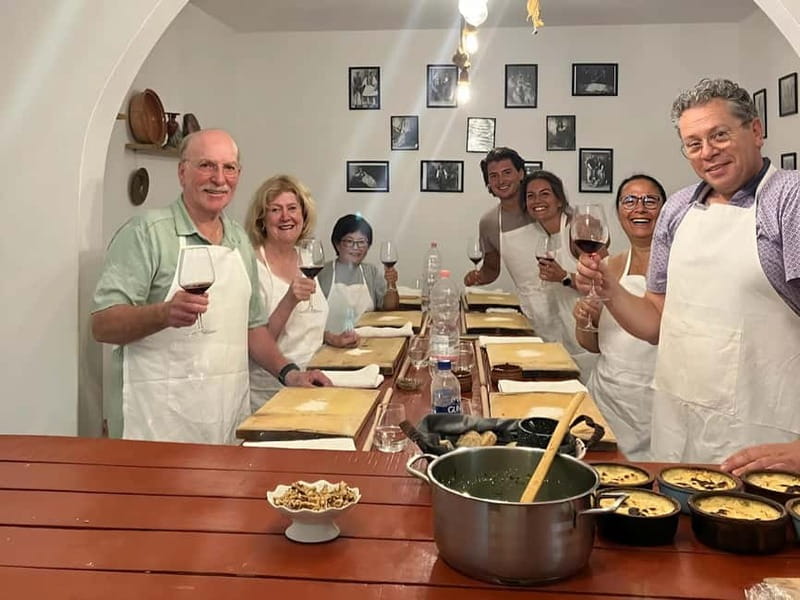
The hosts try to use organic local ingredients whenever possible. Herbs and vegetables may come from the family garden, while the wine and raki are homemade. Some ingredients, including butter and cheese, have also been made at home for the class.
That detail gives the meal a different character from a standard restaurant visit. You are not only sampling Albanian dishes. You are tasting ingredients connected to the family that runs the class.
The food is prepared in a practical, home-style way rather than presented as fine dining. Expect a generous meal with several courses, appetizers, and local sweets. The exact menu can change, but the experience includes tave kosi, lakror, and dessert such as sheqerpare.
Sheqerpare is a syrup-soaked Albanian sweet, and it makes a fitting finish to a meal built around savory baked dishes. You may also taste extra local foods such as sausage and honey before or alongside the main meal.
The portions are substantial. Several people advise leaving dinner plans open, and one sensible tip is to avoid arriving after a large meal. Four hours of cooking, tasting, drinking, and eating can add up quickly.
More Food and Drink Trips in Albania:
- Cooking Classes and Traditional food tasting in Tirana
★ 5.0 · 282 reviews - Traditional Albanian Cooking Class in Tirana & Raki Tasting
★ 5.0 · 266 reviews - Traditional Albanian Cooking Class in Tirana with Raki Tasting
★ 5.0 · 125 reviews - Small Group Cooking Class & Market Food Tour in Florence
★ 5.0 · 1,574 reviews
Wine, raki, and the social side of the class
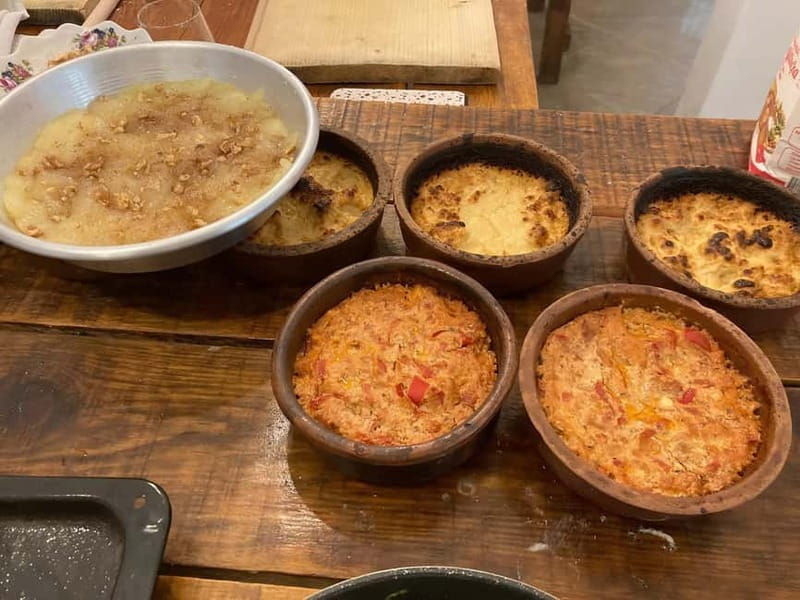
Wine and raki are included in the price. The red wine is homemade by Sindi’s father, and it receives especially warm praise for its flavor. Raki, Albania’s well-known fruit brandy, is also served during the class.
The drinks are not an afterthought. They help turn the lesson into a long Albanian-style meal, with time to talk between tasks. You can expect a social atmosphere, especially if you are traveling alone or want to meet people from different countries.
The generous wine service is a plus for some people and a reason for caution for others. If you do not drink alcohol, confirm the available alternatives before booking because the supplied details only specify wine and raki. If you do drink, pace yourself. The class lasts four hours, and the point is to enjoy the food and conversation, not to treat the kitchen like a bar.
The alcohol also means this class may suit adults looking for a relaxed cultural evening more than families seeking a children-focused activity. The official information does not give an age policy, so check before booking with young children.
Eating the meal you helped prepare
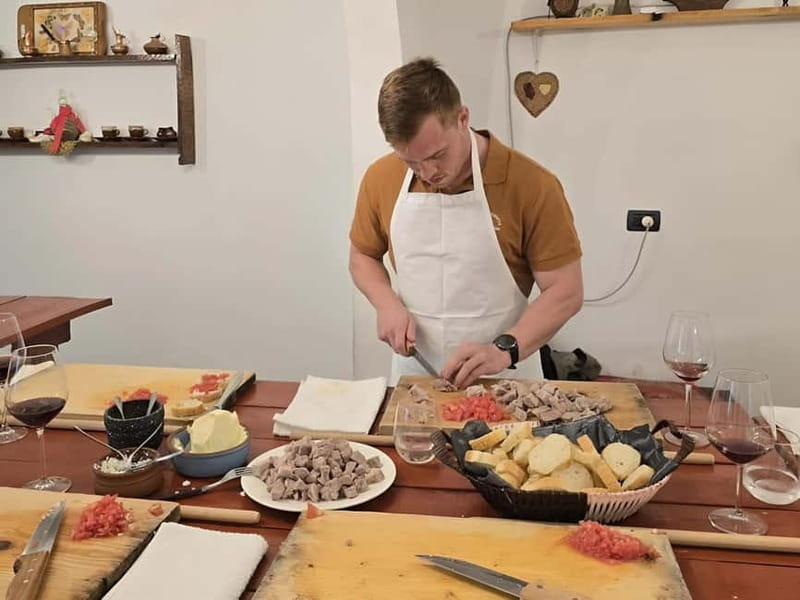
Once the cooking is finished, everyone sits down to eat. This is one of the best parts of the schedule because you get to see the full meal at once rather than sampling one small item and leaving.
The final spread may include three or four courses, appetizers, dessert, wine, and raki. You will likely taste dishes prepared by different members of the group, which adds to the shared feeling of the meal.
I like this format because it gives the class a clear payoff. You are not simply watching a local cook prepare food for you. You spend part of the afternoon working, then sit down to enjoy the results.
The relaxed pace also leaves room for conversation with Sindi. She shares information about Albanian food and customs, and the social time can continue after the cooking is technically finished. One Albanian participant particularly valued the local insight and conversation, which suggests the class can offer more than a standard recipe lesson.
Do not expect a quiet, formal tasting. This sounds like a warm family table, with laughter, questions, stories, and people comparing the dishes they helped make.
How the class handles beginners and dietary needs
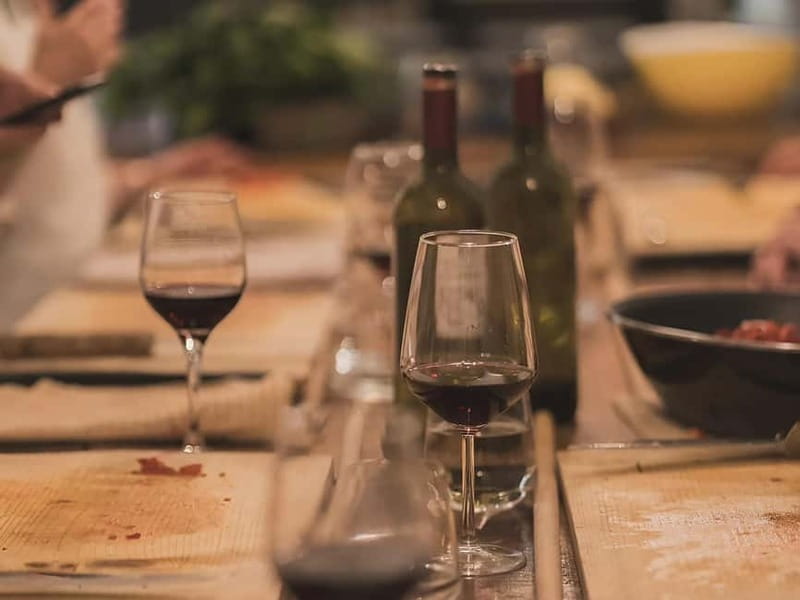
You do not need serious cooking experience. The recipes are described as simple enough for beginners, and Sindi explains the process patiently. People who identify as poor cooks still found the class easy to follow and were pleased with the finished food.
That makes this a good choice for couples, solo visitors, and mixed-ability groups. A confident cook can pick up useful techniques, while a beginner can take part without feeling embarrassed.
Sindi’s attention to allergies and food preferences is another strong point. She checks what people can eat and adjusts the plan when possible. You should still state your needs clearly before the class, especially for serious allergies, vegetarian diets, vegan diets, or restrictions involving lamb, dairy, or alcohol.
The shared work system means you may not be assigned every task. For some people, that is a benefit because it keeps the afternoon easy and social. For others, it may feel less like a traditional lesson. Decide what you want before booking.
Is $41 a fair price?
At $41 per person, the value is strong if you want a full meal and a cultural activity in one booking. You receive four hours of instruction, all ingredients, kitchen equipment, several dishes, dessert, appetizers, wine, and raki.
A restaurant meal alone would not give you the recipes or the cooking practice. A shorter cooking demonstration might cost less, but it would not offer the same amount of hands-on work and shared eating.
The price also covers the atmosphere. You are paying for Sindi’s time, the family recipes, the preparation of local ingredients, and the chance to talk with people from different countries. That is why I would judge this as a food-and-culture experience rather than simply a cooking lesson.
The value is lower if you dislike group activities, do not drink, or want a precise private lesson where you personally prepare every dish. In that case, a private chef class may suit you better, though no private option is described here.
Hotel pickup and drop-off are not included, so you must make your own way to the meeting point. The provider sends clear directions, but allow enough time to find the location and arrive ready to begin.
Timing, cancellation, and who should book
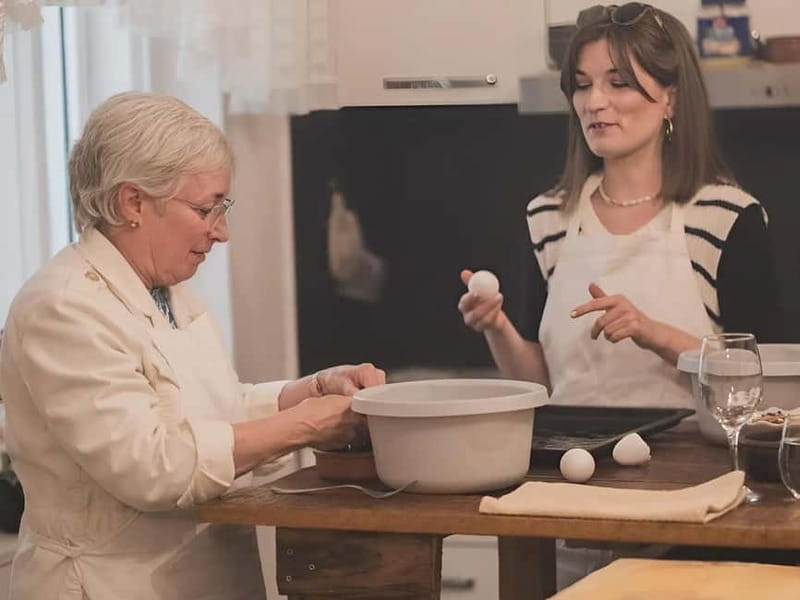
The activity lasts four hours, with starting times available according to the date you choose. It works well on a rainy day, as a break from sightseeing, or as a food-centered evening in Tirana.
You can cancel up to 24 hours ahead for a full refund, and the reserve-now-pay-later option gives you some flexibility. Those terms are useful when your Albania plans are still changing.
I would choose this class if you want:
- A first taste of Albanian food beyond restaurant menus
- Recipes you can make again at home
- A relaxed social activity with wine and raki
- A family-run setting rather than a formal culinary school
- A substantial meal after the cooking
- An activity suitable for beginners
I would think twice if you want a private session, strict control over every task, or a short class with only a quick tasting. The four-hour schedule is part of the appeal, but it is a real block of time.
Final verdict: a very good food experience in Tirana
I would recommend this class to most adults visiting Tirana, especially first-time visitors who want an easy way to connect food with Albanian family life. The combination of tave kosi, lakror, sheqerpare, homemade wine, raki, and personal stories gives you a fuller picture of the country than a meal at a restaurant alone.
Sindi appears to be the heart of the experience. Her patient teaching, humor, English, and care with dietary needs receive the strongest praise. The food is important, but the welcome is what turns the class into a memorable afternoon.
Book it if you want to cook, eat well, meet people, and leave with recipes. Skip it only if you prefer a private, tightly controlled lesson or do not want a long social meal with alcohol. At $41, the generous food and four-hour format make this one of the better-value cultural activities in Tirana.
FAQ
How long does the Albanian cooking class last?
The class lasts four hours. This includes introductions, cooking, tasting wine and raki, eating the prepared dishes, and trying local appetizers and desserts.
What dishes will I learn to prepare?
The class teaches tave kosi, an Albanian lamb and rice dish, and lakror, an Albanian version of byrek. The menu can also include dessert such as sheqerpare.
Are ingredients and cooking equipment included?
Yes. The ingredients, equipment, cooking lesson, instructor, and drinks are included in the price.
Is wine and raki included?
Yes. Local wine and raki are included. The homemade red wine is made by the host’s father.
Is the class suitable for beginners?
Yes. The recipes are designed to be manageable, and the instructor explains each stage step by step. You do not need previous cooking experience.
Can dietary restrictions or allergies be accommodated?
The host asks about allergies, intolerances, vegan preferences, and other dietary needs when planning the food. Tell the provider about your requirements in advance.
Is hotel pickup and drop-off included?
No. Hotel pickup and drop-off are not included, so you need to make your own way to the meeting point. The provider sends directions for finding it.
Just added around Albania
- Gourmet Lunch Farm Tour with Cooking Class★ 4.5 · 8 reviews
- Family Mandarin Farming Tour with Traditional Cooking Lunch★ 4.5 · 9 reviews
- Tirana Cooking Class – Traditional Albanian Recipes★ 5.0 · 33 reviews
- The secrets of Albanian cuisine: cooking lesson in Tirana★ 5.0 · 21 reviews
- Gjirokastër: Traditional Albanian Vegetarian Cooking Class★ 4.4 · 17 reviews
- Cook Like a Local – Authentic Cooking Class in Gjirokastra★ 3.2 · 4 reviews
- Berat: Traditional Cooking Class with Wine Tasting★ 5.0 · 5 reviews
- Berat: Farm-to-Table Cooking Class with Local Family★ 5.0 · 6 reviews
Cooking Classes with Wine Tasting, compared.
Pasta & Tiramisu Cooking Class with Unlimited Wine
Read our review →
Pasta Making Class with Wine, Limoncello, and Dessert
Read our review →
Cooking Class Pasta & Tiramisu Making Unlimited Wine
Read our review →
Fettuccine & Tiramisù: Cooking Class with Wine & Limoncello
Read our review →
Pasta Making & Wine Tasting with Dinner in Frascati from Rome
Read our review →
Rome Cooking Class: Make Pasta, Dine & Drink Wine With Local Chef
Read our review →
Combo Pizza and Pasta Cooking Class with Wine
Read our review →Lists this class appears in