
REVIEW · CHIANG RAI (PROVINCE), THAILAND
Chiang Rai: The Adventure of Trekking & Bamboo Cooking
Jungle trails meet a hot spring. This full-day outing from Chiang Rai combines mountain walking, hill-tribe villages, tea fields, a waterfall swim, and a clever bamboo-cooked lunch. I love the small group of up to nine people, and I like that the day includes real time on foot rather than just a string of roadside stops.
The bamboo cooking is the most unusual part, and the chance to cool off at Huai Kaeo Waterfall is welcome after several hours of walking. The main drawback is the distance: you will cover about 10 to 12 kilometers, with roughly five to six hours on foot, so this is not a gentle sightseeing trip.
Key points to know before booking
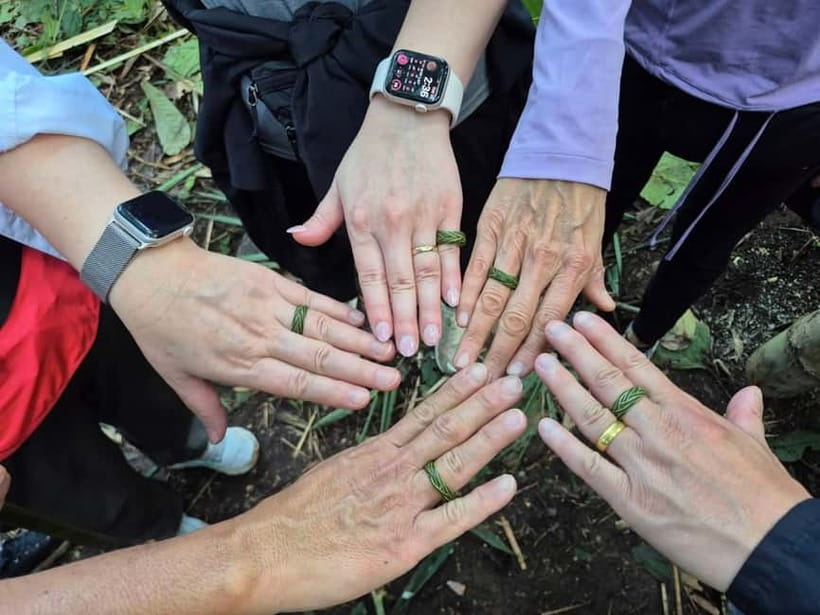
- Bamboo becomes your lunch kitchen: Stop in the forest to learn how food is cooked using bamboo, then eat the meal you help prepare.
- Four hill-tribe communities are included: The route visits Lisu, Chinese, Akha, and Lahu villages.
- Expect a proper trek: The full walking distance is about 10 to 12 kilometers, including mountain and jungle paths.
- Huai Kaeo Waterfall offers a swim: Bring suitable clothing if you want to cool off in the water.
- The day ends with a hot spring soak: Pasoet Hot Spring provides a warm finish after the trek, though the swimming ticket costs about 100 baht.
- Pickup is limited to central Chiang Rai: Hotel collection is available within 3 kilometers of downtown and Bus Station Terminal 1.
A full day beyond Chiang Rai city
The tour lasts about eight hours, with pickup scheduled between 9:00 and 9:30 a.m. You should wait in your hotel lobby five minutes before the arranged time. The morning drive from Mueang Chiang Rai takes around 45 minutes, giving you a short transition from town to the forested hills.
This timing makes the day easy to fit into a Chiang Rai visit. You do not need to arrange a separate taxi to the trailhead, and hotel drop-off is included at the end. Still, pickup is not available everywhere in the province. If your hotel sits outside the 3-kilometer central pickup area, confirm the meeting point before paying.
The guide leads the group in English or Thai. A small group matters here because the day includes walking, village visits, food preparation, and a swim stop. With a maximum of nine participants, the group should be easier to manage on narrow paths than a large bus tour.
A few more cooking classes around Thailand worth a look
- Chiang Rai: Jungle Adventure-Group Trekking & Bamboo Cooking
★ 4.9 · 166 reviews - 1 Day Trekking Group Tour With Bamboo Cooking / Chiang Rai
★ 5.0 · 51 reviews - Chiang Rai Jungle Trek & Bamboo Tube Cooking Adventure
★ 5.0 · 5 reviews
Trekking through bamboo forest and mountain paths
Once you reach the starting point, the day shifts from transport to walking. The route passes through mountain areas and bamboo forest, with an initial guided section lasting about two and a half hours.
You should expect a real outdoor walk, not a short stroll between attractions. The complete route includes five to six hours of walking, and the total distance is approximately 10 to 12 kilometers. That is manageable for people used to hiking, but it can feel long in heat, humidity, or wet conditions.
Wear hiking shoes with a firm sole. Long pants or hiking pants are also a smart choice because the route passes through forest and bamboo. A hat, sunscreen, and your own water belong in your day pack. The tour specifically asks you to bring water and drinks, and beverages are not included.
The practical upside of a long walk is that you get time to see the countryside at walking speed. You are not simply looking at hills through a vehicle window. The practical downside is that the tour gives you little room to opt out of the walking portion. Anyone with limited stamina should think carefully before booking.
Meeting Lisu and Chinese village communities
The route includes visits to Lisu and Chinese villages during the earlier part of the trek. These stops add a human side to the forest setting and give you a reason to pay attention to how the countryside is used and lived in.
The activity description does not promise a formal cultural performance or a long village presentation. That is useful to know. You should approach these visits as brief, guided encounters along a trekking route, not as a full cultural museum experience.
The day later includes Akha and Lahu villages as well. Seeing four different communities within one route gives the outing a broad cultural scope, but the trade-off is that each stop may be fairly short. If you want detailed historical explanation about one specific group, ask the guide questions as you walk.
The strongest praise for the experience focuses on the guides. One French-language comment called the guides fantastic, while another described the day as excellent. That fits the tour’s design: the guide helps connect the trail, the villages, the cooking lesson, and the natural stops into one continuous day.
Tea plantation views and a slower change of pace
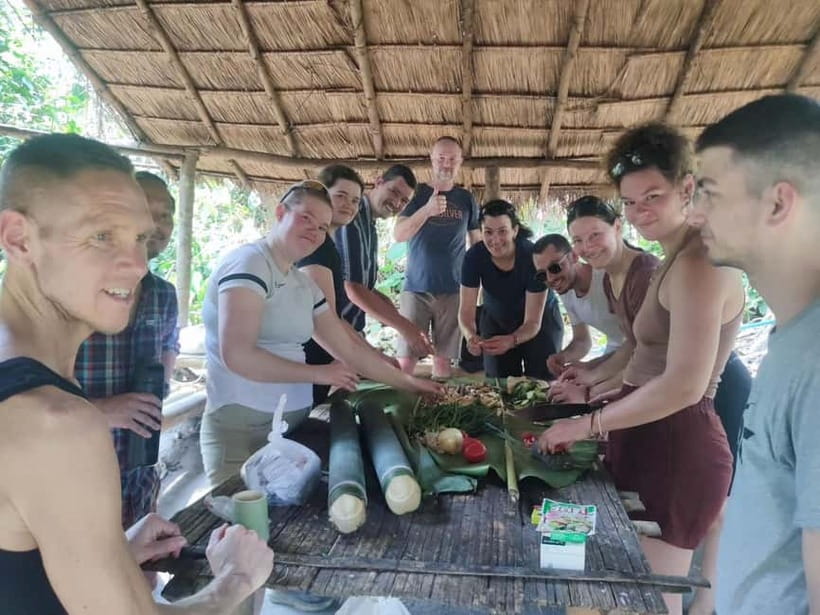
A tea plantation is part of the route, giving you a break from the denser forest and another look at how the hills are used. The visit is included as a tour stop, but the available details do not specify a tasting, a shopping stop, or a particular tea brand.
You can treat this as a scenic and agricultural pause rather than planning your day around a tea ceremony. It also breaks up the walking with a subject that feels different from the villages and waterfall.
Because the tour combines so many elements, the plantation is unlikely to be the main reason to book. It works best as part of the overall rhythm: forest, community, cultivated hills, water, jungle, and hot spring.
Same place, a different thing to cook:
- Half-Day Thai Cooking Class at Organic Farm in Chiang Mai
★ 5.0 · 19,087 reviews - Chiang Mai: Cooking Class, Market & Thai Herbs Garden Tour
★ 4.9 · 4,824 reviews - Chiang Mai: Authentic Cooking Class with Market & Farm Visit
★ 4.9 · 4,546 reviews - Thai and Akha Cooking Class in Chiang Mai
★ 5.0 · 4,358 reviews
Learning bamboo cooking in the forest
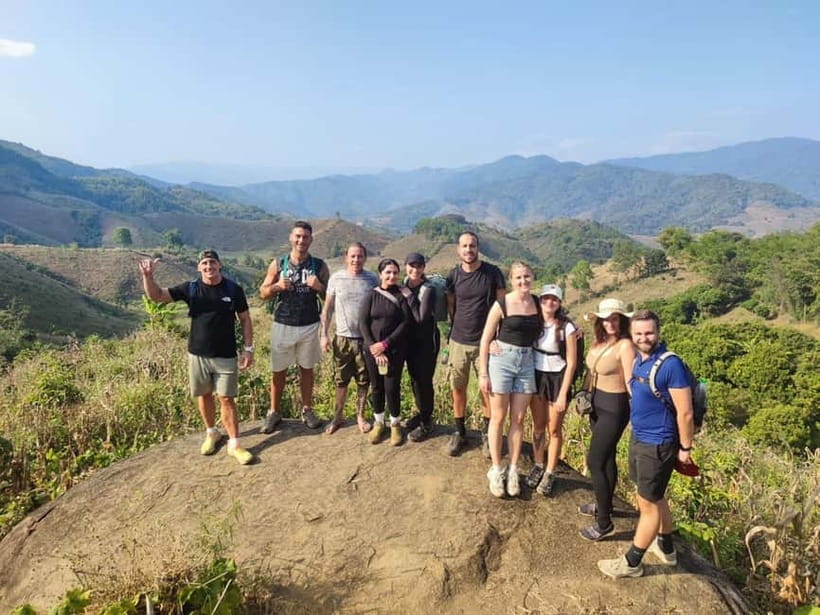
The bamboo cooking stop is the day’s signature activity. Instead of stopping at a restaurant, you learn how to cook lunch using bamboo and then eat the meal in the forest.
This is valuable because it turns lunch into part of the excursion. You are not simply handed food at a fixed rest stop. You get a practical demonstration and a meal connected to the materials around you.
The available information does not give a menu or explain exactly which ingredients are used. Do not book this expecting a cooking school with a long list of recipes. Think of it as a hands-on outdoor lunch lesson, with the added charm of preparing food in a simple forest setting.
Allow about an hour for the break. The meal is included, which improves the value of the $57 price. Drinks are not included, so carry your own water and any other beverage you need. Alcohol and drugs are not allowed.
A French-language comment described the meal cooked in the jungle as good and pleasant. That is a useful signal for setting expectations: the food is part of the appeal, but the setting and the activity matter just as much as the meal itself.
Cooling off at Huai Kaeo Waterfall
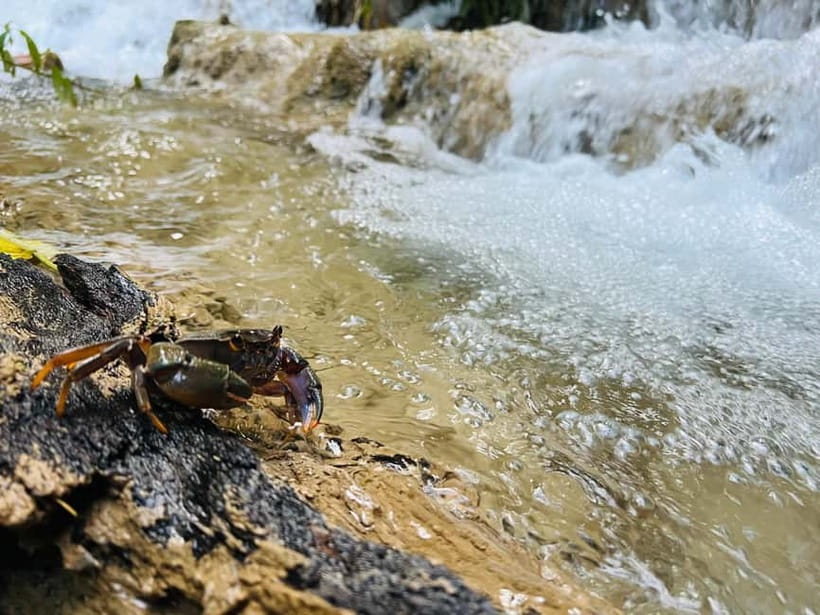
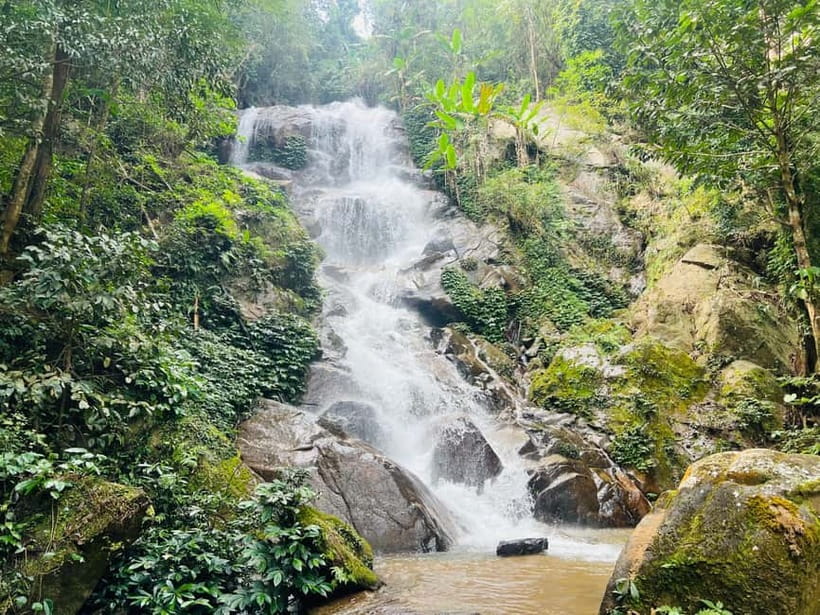
After lunch, the route continues to Huai Kaeo Waterfall. The waterfall visit is planned for about an hour, and swimming is allowed there.
This is the natural reset button in the middle of the day. After several hours of walking, a swim can make the next section feel much easier. Bring clothing suitable for getting wet, and carry a small way to keep dry items separate if you have one.
The waterfall is not just a photo stop. A previous participant specifically praised the swim as a way to cool down after the jungle walk. That makes the stop especially useful in warm weather.
The tour information does not provide details about changing rooms, water depth, or current conditions. Use sensible care and follow the guide’s instructions. If you do not want to swim, the hour still gives you time to rest, but you should not assume there will be a separate attraction scheduled during that break.
Walking on to the Akha and Lahu villages
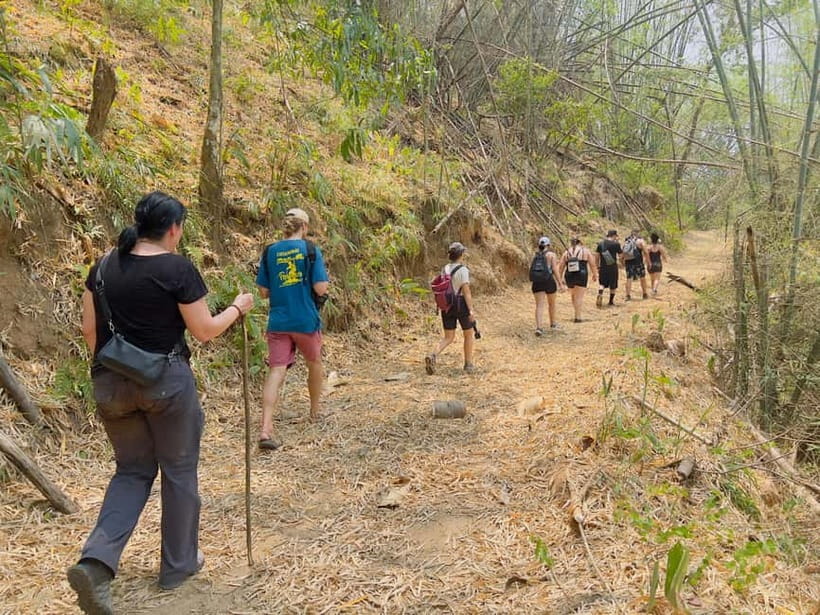
From the waterfall, you continue on foot toward Akha and Lahu villages, then through the jungle to Pasoet Hot Spring. This later section adds another two and a half hours of walking to the day’s schedule.
The order matters. You will have already walked, eaten, and possibly swum before this part begins. The route may feel rewarding because you are moving through several different settings, but it also demands steady energy.
Pack light, but do not leave out water, sun protection, and a snack if you know you need one. Lunch is included, yet the activity does not promise additional food. Good shoes will matter more here than fashionable clothes.
As with the Lisu and Chinese villages, the listed information does not promise a formal workshop or extended village stay. The value is in seeing these communities as part of a route through the hills, with a guide providing context along the way.
Ending at Pasoet Hot Spring
The final major stop is Pasoet Hot Spring. After the jungle walk, you can take a dip in the hot spa pool before the drive back to Chiang Rai.
The contrast is the point. The waterfall offers cool water earlier in the day, while the hot spring provides warmth and rest after the final trail section. It gives the outing a clear finish instead of ending abruptly at the trailhead.
A swimming ticket at the hot spring costs about 100 baht and is not included. Bring cash for this extra, as well as money for drinks if you want them. The tour then includes the 45-minute transfer back to Mueang Chiang Rai.
Because you finish with a soak, this outing may suit you better than a trek that ends with another long drive and no recovery time. Still, do not mistake the hot spring for a substitute for physical preparation. You must complete the walking before you get there.
Is $57 good value?
At $57 per person, the price is reasonable for a full-day small-group outing with hotel pickup and drop-off, a guide, insurance, lunch, village visits, a tea plantation tour, a waterfall stop, and the trek itself.
The value is strongest if you plan to use most of the included features. You receive transport in both directions, guided walking, bamboo cooking, lunch, and several different stops in one day. Booking separate transport, a village visit, a cooking activity, and a waterfall trip could cost more and would require extra planning.
The extra costs are modest but worth noting. Drinks are not included, and the hot spring swimming ticket is about 100 baht. You also need to supply your own water, sunscreen, and suitable clothing.
The price is less appealing if you want a relaxed day with little walking. Much of what you are paying for is the trek itself. If you would skip the village visits, cooking lesson, or swim, another Chiang Rai activity may suit you better.
Who should book this Chiang Rai trek?
I would recommend this outing to active visitors who want several experiences packed into one day. It is especially suitable if you enjoy walking, outdoor meals, waterfalls, village visits, and small groups.
It also works well for people who want a more practical experience than a standard sightseeing loop. Cooking lunch in bamboo gives you something to do, not just something to look at. The guide’s role is important, particularly when the route shifts between forest, villages, plantation, waterfall, and hot spring.
This is not a good match for babies under one year, people over 70, or anyone over 95 kilograms, according to the stated restrictions. It is also a poor choice if you dislike heat, uneven walking, or getting wet.
The minimum booking is two people. Free cancellation is available up to 24 hours before departure, and you can reserve now and pay later, which helps if your Chiang Rai plans are still moving around.
Practical preparation for the day
Wear hiking shoes and long pants. A hat, sunscreen, and plenty of water are essential. The route is long enough that comfort matters more than style.
Keep your belongings simple and secure. You will walk for hours, stop for cooking, visit villages, and possibly swim. A small day bag is more useful than a large suitcase or heavy backpack.
Wait in your hotel lobby five minutes before the pickup time. Collection is available from hotels within 3 kilometers of downtown Chiang Rai and Bus Station Terminal 1.
The tour is offered in English and Thai. If you have questions about the villages, the cooking method, or the route, ask during the walking sections. The guide is likely to have more time for conversation while the group is moving than during the short transfer periods.
Should you book it?
Book this Chiang Rai experience if you want an active, varied day and the idea of cooking lunch in bamboo sounds more appealing than eating at a restaurant. The combination of a small group, four village communities, a tea plantation, waterfall swim, and hot spring gives you plenty for the price.
Skip it if you want a short nature visit or a polished cultural show. The 10 to 12 kilometers of walking is the deciding factor. For fit visitors who pack properly and welcome a bit of sweat, this is a thoughtful way to see the hills outside Chiang Rai, with a memorable lunch in the middle and a hot soak at the end.
FAQ
How long does the Chiang Rai trekking and bamboo cooking experience last?
The experience lasts about eight hours, including transfers from Chiang Rai, the guided trek, stops, and the return journey.
What is the walking distance?
The total walking distance is approximately 10 to 12 kilometers, with an expected walking time of around five to six hours.
What villages are included?
The route includes visits to Lisu, Chinese, Akha, and Lahu villages.
Is lunch included?
Yes. Lunch is included as part of the bamboo cooking experience, where you learn how to cook using bamboo.
Is swimming available?
Yes. You can swim at Huai Kaeo Waterfall and take a dip in the hot spa pool at Pasoet Hot Spring.
Is the hot spring swimming fee included?
No. The swimming ticket at the hot spring costs about 100 baht and is paid separately.
What should I bring?
Bring a hat, hiking shoes, sunscreen, water, drinks, and long pants or hiking pants.
Where is hotel pickup available?
Pickup is available from hotels in Chiang Rai within 3 kilometers of downtown and Bus Station Terminal 1.
What languages does the guide speak?
The live guide speaks English or Thai.
Just added around Thailand
- Aroidee’s Farm-Fresh Thai Cooking Experience★ 5.0 · 8 reviews
- Half Day Guided Thai Cooking Class in Chiang Mai★ 5.0 · 13 reviews
- Signature Thai Cooking Course★ 5.0 · 79 reviews
- Private Half-Day Thai Cooking Class in Chiang Mai★ 5.0 · 4 reviews
- Online Thai and Akha Cooking Class★ 5.0 · 70 reviews
- Private Virtual Thai Cooking Class★ 5.0 · 9 reviews
- Northern Thai Cooking Class in Chiang Mai in a Countryside Home★ 5.0 · 2 reviews
- 5 Hour Morning Thai Cooking Course★ 5.0 · 31 reviews
Cooking Classes, compared.

Half-Day Thai Cooking Class at Organic Farm in Chiang Mai
Read our review →

3 in 1 Cooking Class near Navona: Fettuccine, Ravioli & Tiramisu
Read our review →
Pasta & Tiramisu Cooking Class with Unlimited Wine
Read our review →
Hanoi Cooking Class: Culture, Local Market & Meaning CSR Impact
Read our review →
5 Traditional Dishes Hanoi Cooking Class with Market Trip
Read our review →
Cooking Class and Lunch at a Tuscan Farmhouse with Local Market Tour from Florence
Read our review →
Cooking Class, Market & Thai Herbs Garden Tour
Read our review →Lists this class appears in