
REVIEW · CHIANG MAI, THAILAND
Half-Day Thai Cuisine Cooking Experience in Chiang Mai
Bring your appetite and leave with new skills. This six-hour Chiang Mai cooking class gives you a hands-on way to understand Thai food, from tamarind and palm sugar to curry pastes, herbs, vegetables, and spices. I like the choice of four or six dishes, and I like that each student gets a personal cooking station with a wok, knives, and clean utensils.
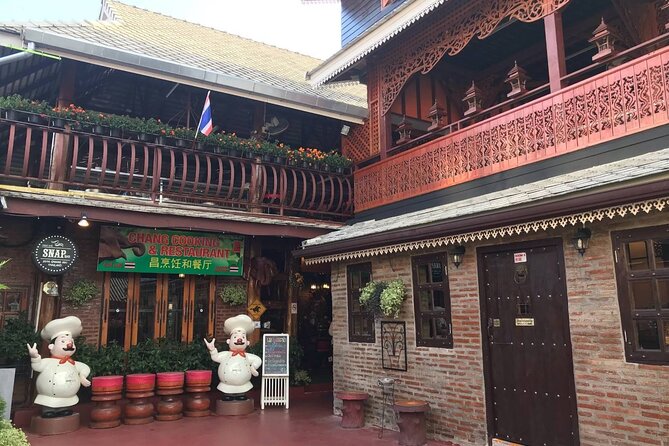
The class takes place near Chiang Mai Gate and the Saturday walking street, in a Lanna-style wooden building with both restaurant-style and open-air kitchens. Hotel pickup and drop-off are offered, which is useful in Chiang Mai’s heat. The main drawback is that the published meeting point is Tha Phae Gate, so you should confirm the pickup arrangement before the day begins.
Key points at a glance
- Choose four or six dishes: Build your own menu from fried dishes, salads, soups, curries, stir-fries, and desserts.
- Cook at your own station: You receive your own knives, wok, utensils, and cooking space rather than simply watching a demonstration.
- Taste Thai ingredients first: Tamarind, palm sugar, herbs, vegetables, and spices are introduced before you start cooking.
- Learn in a Lanna-style school: The wooden building has a restaurant-style kitchen and an open-air kitchen upstairs.
- Small maximum group of eight: A limited class size should allow useful contact with the chef and assistants.
- Eat what you prepare: The class ends with a meal made by your own hands, not a separate restaurant lunch.
A six-hour introduction to Thai cooking
This is not a quick demonstration followed by a token tasting. The scheduled duration is about six hours, giving the class enough time to cover ingredients, preparation, cooking, and eating.
That length matters. Thai food can look simple on a menu, but its flavor depends on balance. Sour tamarind, sweet palm sugar, salty seasonings, aromatic herbs, chilies, coconut, and curry spices all play different roles. A longer class gives you time to see how these parts work together instead of rushing through one recipe.
You should expect a practical lesson rather than a formal culinary course. The school’s message is that anyone can cook, and the setup supports that idea. You work with a chef, prepare your selected dishes, and learn the basics needed to repeat them later.
The class is available in English, Chinese, Japanese, and Thai. That makes it useful for mixed-language groups, though the quality of communication can still depend on the individual class and instructor.
More Thai Cooking Classes in Chiang Mai:
- Half-Day Thai Cooking Class at Organic Farm in Chiang Mai
★ 5.0 · 19,087 reviews - Chiang Mai: Cooking Class, Market & Thai Herbs Garden Tour
★ 4.9 · 4,824 reviews - Thai and Akha Cooking Class in Chiang Mai
★ 5.0 · 4,358 reviews
Starting near Tha Phae Gate and Chiang Mai Gate
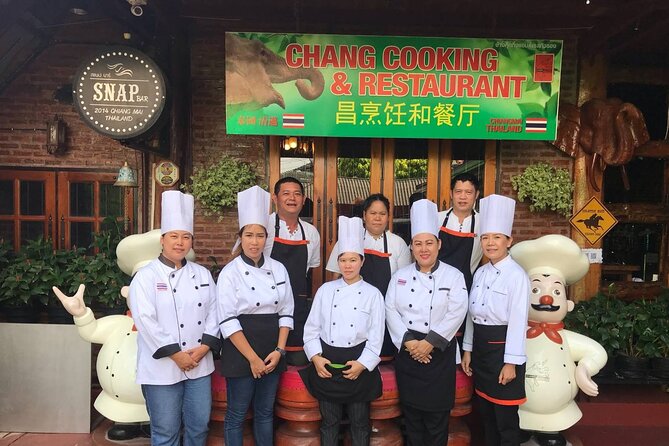
The published meeting point is Tha Phae Gate on Tha Phae Road, a central location close to public transportation. The activity ends back at the meeting point. Hotel pickup and drop-off are also offered, so confirm the exact arrangement when you book, particularly if you are staying away from the central area.
The school is described as being close to Chiang Mai Gate and the Saturday walking street. That location lets you pair the class with other central Chiang Mai plans. If your class falls on a Saturday, you may be able to visit the walking street afterward, though your cooking schedule and the market’s opening hours should guide that decision.
Pickup is one of the more useful practical features. Chiang Mai’s roads can be confusing if you are new to town, and a ride from your hotel removes some of that work. Still, do not assume every hotel transfer works in the same way. The meeting point and pickup information should match your booking details.
Choosing four or six dishes
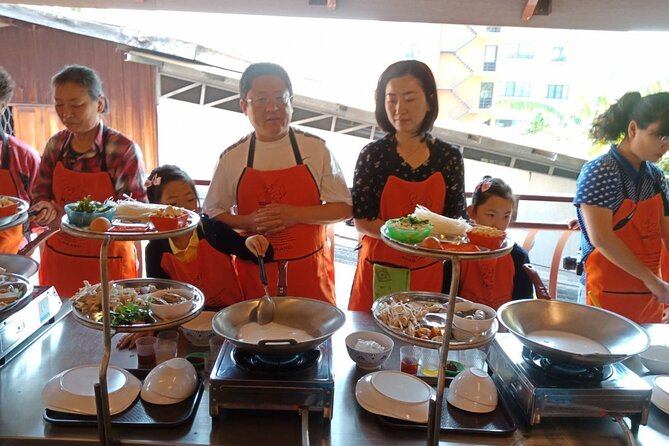
The menu is the heart of the class. You can choose either four or six dishes from several categories. Four dishes should make for a less demanding session, while six gives you a broader tour of Thai cooking and more food at the end.
Your choices include:
- Deep-fried dishes such as spring rolls, golden noodles, fried banana, and fish cakes
- Salads such as glass noodle salad, fruit salad, papaya salad, and raw spring rolls
- Soups including tom kha kai, yellow chicken soup, clear tofu soup, and tom yam gung
- Curries such as panang curry with chicken, Chiang Mai khao soi, Massaman curry with chicken, and green curry with chicken
- Stir-fries including fried rice, pineapple rice, Pad Thai, and chicken with cashew nuts
- Desserts such as mango sticky rice, herbal drink, Khanom Krok coconut cakes, and Thai jelly
This range is especially helpful if you already know what you like. You can build a menu around familiar favorites, or choose dishes that are harder to identify on a restaurant menu.
For a first class, I would choose dishes from different groups. A curry, a salad, a stir-fry, and a dessert show more variety than four similar fried dishes. If you choose six, you can add soup and a second type of curry or dessert.
The menu also gives you a chance to compare cooking methods. A salad teaches a different kind of balance from a curry. A stir-fry demands quick work at high heat, while mango sticky rice is more about texture, sweetness, and timing.
Meeting the ingredients before the heat begins
The class includes an introduction to herbs, vegetables, and spices used in Thai food. You also get to taste ingredients such as tamarind and palm sugar.
That small tasting step is useful. Tamarind provides a sharp sour note, while palm sugar brings a round sweetness. Learning these flavors before they disappear into a finished sauce makes the final dish easier to understand. You begin to see that Thai cooking is not simply a matter of adding more chili.
This is also where a cooking lesson can offer something a restaurant meal cannot. You learn what the ingredients taste like on their own and how they change when combined. That knowledge helps you adjust future recipes at home, even if you cannot find every Thai ingredient in the same form.
The supplied information does not specify a market visit or a separate ingredient-shopping stop, so you should not expect one. The focus is on learning and cooking at the school.
More Half-Day Experiences in Chiang Mai:
- Chiang Mai: HALF-DAY COOKING COURSE at a Thai Cooking Farm
★ 4.9 · 705 reviews - Half-Day Cooking Class with Market Tour
★ 5.0 · 163 reviews - Half-Day Thai Cooking Class on a Local Farm Near Chiang Mai
★ 4.9 · 32 reviews - Half-Day Chiang Mai Cooking Class: Make Your Own Thai Foods
★ 5.0 · 17 reviews
Your own station, knives, and wok
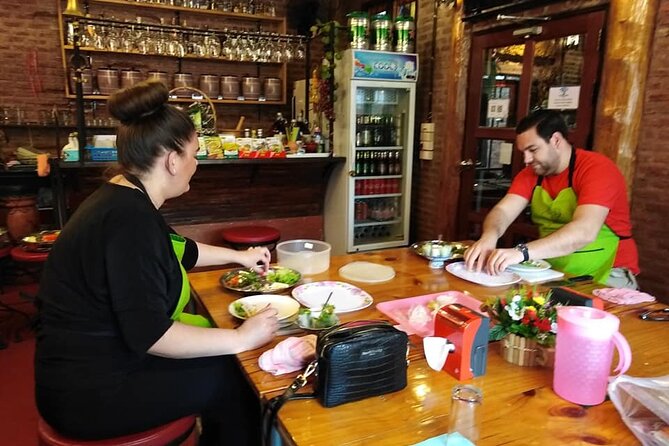
Each student receives an individual cooking station, chef’s knives, woks, and clean utensils. That is a major difference from a class where you stand around one shared counter and watch someone else do the important work.
You should expect to chop, mix, season, stir, and cook under guidance. The cooking station also lets you see how your own choices affect the result. If you add too much sauce or let something cook too long, the outcome belongs to you, which is a useful lesson.
The school has two kitchen styles. One is arranged like a restaurant kitchen, while the other is an open-air kitchen on the first floor. The open-air setup may feel more connected to Chiang Mai’s climate and cooking traditions, though the exact kitchen used can vary.
You do not need to bring cooking equipment. The school provides the basic tools and utensils, so arrive ready to work rather than carrying a kit of your own.
Cooking curries, noodles, salads, and sweets
The curry choices give the class a strong northern Thai angle. Khao soi is particularly relevant in Chiang Mai, where the dish is a local favorite made with noodles and curry flavors. Panang, Massaman, and green curry offer different styles, textures, and spice profiles.
Khao soi also gives you a chance to learn something associated with the city rather than only cooking dishes found across Thailand. If Chiang Mai is your main destination, I would give it serious consideration when selecting your menu.
Tom yam gung and tom kha kai provide another useful contrast. One is known for a sharper hot and sour profile, while the other uses coconut and softer flavors. Clear tofu soup offers a milder choice, which may suit you if you are cautious with spice.
The stir-fry selection is friendly to beginners. Pad Thai, fried rice, pineapple rice, and chicken with cashew nuts are familiar dishes with clear steps. They also cook quickly, so you can see the result without a long wait.
Dessert rounds out the session. Mango sticky rice is the obvious choice if you want a classic Thai finish, while Khanom Krok coconut cakes and Thai jelly offer something less familiar. An herbal drink is also available, giving you a non-dessert way to sample another local flavor.
What the meal at the end is really worth
The final meal is more than a reward. It lets you taste several dishes together and judge the results while the instructions are still fresh.
At $31.30 per person, the price is reasonable for a six-hour activity that includes instruction, equipment, ingredients, and the food you prepare. The value is strongest if you choose six dishes and actively take part at each stage. A shorter class with one recipe might cost less, but it would not offer the same range.
One especially positive sign is the emphasis on the finished food. A previous participant described the meal as one of the best of their trip and praised the chef and assistant for being helpful and the session for being well organized. That points to the two things that matter most in a cooking class: clear support and food worth eating.
Still, the class may not be the best use of $31.30 if you only want to eat Thai food. Chiang Mai has plenty of inexpensive restaurants. Book this if you want the process, the explanations, and the chance to repeat the dishes at home.
Small group size and language support
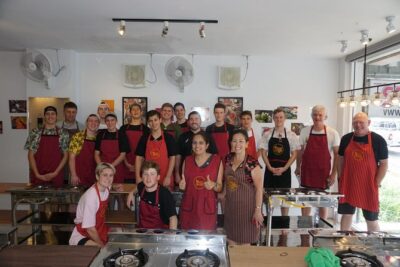
The maximum group size is eight people. That is small enough to make individual help more realistic, especially when you are handling a wok or trying a recipe for the first time.
The class can be offered in English, Chinese, Japanese, and Thai. If you are the only English-speaking person in a session, the arrangement may work in your favor. One English-speaking participant had an individual teacher because of the language mix, which allowed for plenty of explanation and personal help.
That outcome cannot be promised for every class, but it shows why language details are worth sharing when you book. If clear instruction is important to you, state your preferred language in advance.
The presence of both a chef and an assistant is another plus. Cooking several dishes at once can become confusing, particularly when ingredients need to be prepared quickly. Having more than one person available should help keep the class moving.
Who will enjoy this class most
I would recommend this activity to first-time visitors who want a structured introduction to Thai food. It also suits people who have eaten Pad Thai, green curry, or mango sticky rice for years and now want to understand how the dishes are put together.
It works well for couples, families, and small groups because you can compare menu choices and share the final meal. The maximum of eight people keeps it from feeling like a large demonstration.
You should also consider it if you want a rainy-day plan, but weather still matters because the experience requires good conditions. If poor weather causes a cancellation, you are offered another date or a full refund.
This is less suitable if you dislike hands-on work, have only a short window in Chiang Mai, or want a market tour rather than a cooking lesson. Six hours is a meaningful part of your day, so choose it for the activity itself, not just the meal.
Booking advice, timing, and cancellation
The activity is often booked about 17 days ahead, so I would reserve early if your Chiang Mai dates are fixed. Confirmation is provided at booking, and the experience accepts mobile tickets.
Free cancellation is available if you cancel at least 24 hours before the start time. Changes or cancellations inside that window are not refunded. The activity also requires a minimum number of participants, so a cancellation for that reason brings an alternative date, another experience, or a full refund.
Check all booking details carefully. If the number of people, a child’s age or height, or another detail does not match what you present on the day, an additional charge may be due upfront.
Should you book the Chiang Mai cooking class?
Book it if you want to do more than take photos of Thai food. The individual station, wide menu, ingredient tasting, small maximum group, and full meal make this a useful introduction at a fair price.
I especially like the chance to choose khao soi alongside more familiar dishes, and the reports of helpful instruction and strong organization add confidence. Before paying, confirm the pickup point, preferred language, and whether you want four or six dishes.
Skip it if your priority is a market visit, a very short activity, or simply finding the cheapest meal in Chiang Mai. For everyone else, this is a practical, good-value way to spend half a day learning what gives Thai cooking its balance.
FAQ
Where does the cooking class start?
The published meeting point is Tha Phae Gate on Tha Phae Road in Chiang Mai. Hotel pickup is also offered, so confirm the exact pickup details when booking.
Where does the activity end?
The activity ends back at the meeting point.
How long does the cooking experience last?
The experience lasts about six hours.
How many dishes can I choose?
You can choose either four or six dishes from the available menu.
What types of food can I cook?
The menu includes fried dishes, salads, soups, curries, stir-fries, desserts, and an herbal drink.
Is cooking equipment provided?
Yes. Each student receives a cooking station, chef’s knives, a wok, and clean utensils.
What happens if the class is canceled because of weather or low enrollment?
You will be offered a different date, an alternative experience, or a full refund.
Just added around Chiang Mai
- Aroidee’s Farm-Fresh Thai Cooking Experience★ 5.0 · 8 reviews
- Signature Thai Cooking Course★ 5.0 · 79 reviews
- Private Half-Day Thai Cooking Class in Chiang Mai★ 5.0 · 4 reviews
- Half Day Guided Thai Cooking Class in Chiang Mai★ 5.0 · 13 reviews
- Online Thai and Akha Cooking Class★ 5.0 · 70 reviews
- Private Virtual Thai Cooking Class★ 5.0 · 9 reviews
- Northern Thai Cooking Class in Chiang Mai in a Countryside Home★ 5.0 · 2 reviews
- 5 Hour Morning Thai Cooking Course★ 5.0 · 31 reviews
Thai Cooking Classes, compared.

Half-Day Thai Cooking Class at Organic Farm in Chiang Mai
Read our review →
Cooking Class, Market & Thai Herbs Garden Tour
Read our review →
Phuket Thai Cooking Class with Market Tour Option
Read our review →
Tingly Thai Cooking School Half-Day Cooking Class
Read our review →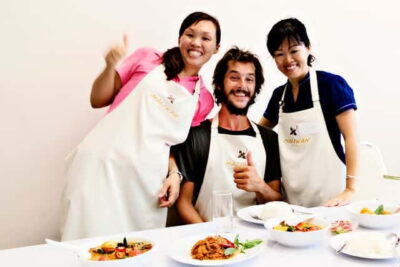
Lists this class appears in