
REVIEW · BARCELONA, SPAIN
Barcelona: Black Ink Seafood Paella Cooking Class
Black paella makes dinner dramatic. This 2.5-hour Barcelona class gives you hands-on time with one of Catalonia’s most striking dishes, plus sangria, cava, jamón, cheese, and a shared meal at the end. I especially like the small maximum of 15 people and the clear focus on participation, not just watching a chef work.
I also like the warm format: you begin with a Catalan welcome, cook alongside a professional chef, then sit down at a candlelit table with wine and the food you helped make. The main consideration is the price, about $87.11 per person, which is fair for a full meal and drinks but may feel high if you only want a quick cooking demonstration.
Key points to know before booking
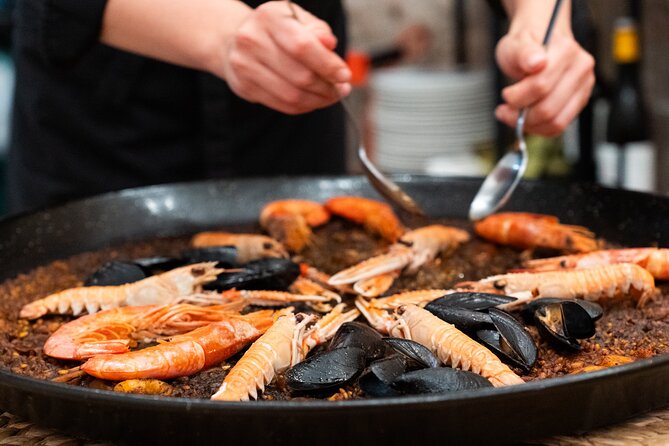
- Black squid ink paella is the main event: You cook with squid, cuttlefish, prawns, Norway lobsters, monkfish, and mussels.
- You make your own sangria: Fresh fruit and Spanish wine turn the opening drink into part of the lesson.
- The class begins with Catalan hospitality: Cava comes with jamón, cheese, fuet, olives, and pan con tomate.
- Maria leads the experience: She is described as a professional chef who is prepared, friendly, and good at making people feel comfortable.
- The class ends with a shared feast: Your paella is served with Spanish wine at a candlelit communal table.
- A Boqueria Market visit may be an upgrade: This is not part of the core description, so confirm whether it is included in your booking.
Why black paella is worth your afternoon
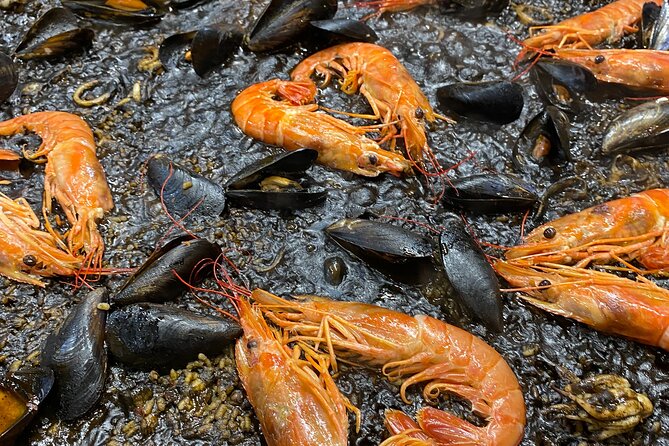
Paella is easy to recognize, but black paella gives the class a more unusual focus. Its dark color comes from squid ink, and the ink also brings a strong sea flavor. This is not the familiar yellow rice many visitors expect. It is darker, brinier, and visually striking when it arrives at the table.
I like this choice because it gives you something specific to learn. You are not simply making a generic Spanish dish with a few local ingredients. You are working toward a dish that depends on seafood, timing, seasoning, and the right handling of the rice.
The seafood list is generous: squid, cuttlefish, prawns, Norway lobsters, monkfish, and mussels. That variety should make the finished paella feel like a proper meal rather than a small tasting. It also gives the chef plenty to explain, from different textures to the role each ingredient plays in the finished pan.
You should keep your expectations sensible. The exact amount of cooking each person does can depend on the group and the way the chef divides the jobs. The class promises hands-on work, and the small group limit helps, but you may not personally handle every ingredient from start to finish.
More Seafood Cooking Classes in Barcelona:
- Barcelona: Paella Seafood Master Cooking Class with Sangria
★ 5.0 · 73 reviews - Rooftop Paella Seafood Cooking Class Experience in Barcelona
★ 5.0 · 59 reviews - Barcelona: Seafood Paella Cooking Class & Boqueria market
★ 4.5 · 2 reviews
Starting with cava, jamón, and pan con tomate
The class opens in the studio kitchen with Catalan sparkling wine and small Spanish bites. The spread includes jamón, local cheese, fuet, marinated olives, and traditional pan con tomate.
This is more than filler while you wait for the cooking to start. It gives you a quick introduction to the flavors that shape a casual Catalan meal. Pan con tomate, bread rubbed or topped with tomato, is simple but central to the region’s table. Jamón and fuet add cured pork, while the cheese and olives give the opening plate some variety.
I like this beginning because it lowers the pressure. You can settle in with a glass of cava before handling seafood or standing at the stove. It also makes the class feel like a social meal from the start, not a school lesson with a rushed snack at the end.
The quality of this opening matters because you are paying for a complete food experience. If you only wanted instruction, you could find a cheaper cooking lesson. Here, the welcome food and drinks are part of the value.
Making sangria with seasonal fruit
Before the paella work gets serious, you make your own pitcher of sangria. The class uses fresh fruit and Spanish wine, and the wording suggests that you take part in mixing the drink rather than receiving a pre-made jug.
That is a useful touch. Sangria looks simple, but the balance between fruit, wine, and sweetness determines whether it tastes fresh or heavy. The class gives you a chance to see how the parts come together and leaves you with a drink to share while the paella cooks.
This portion is also a good fit for people who want a relaxed social activity. You can talk with the other members of your group, taste the appetizers, and ease into the class before the more detailed seafood work begins.
The practical point is that this is an alcohol-centered experience. Cava and wine are included in the meal, and sangria is part of the activity. If you do not drink, you should ask the provider what nonalcoholic alternatives are available, since none are specified in the details provided.
Working with a professional chef
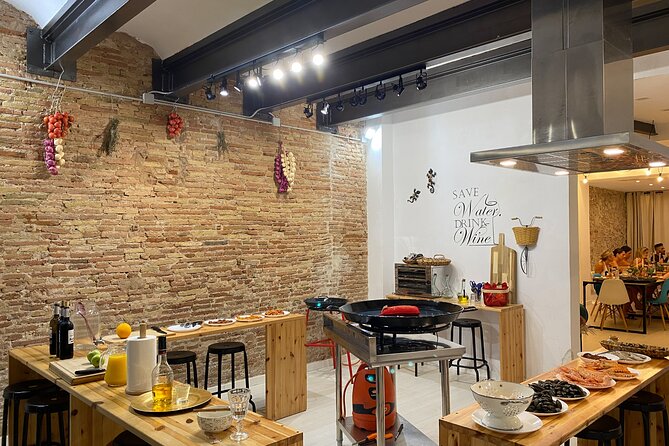
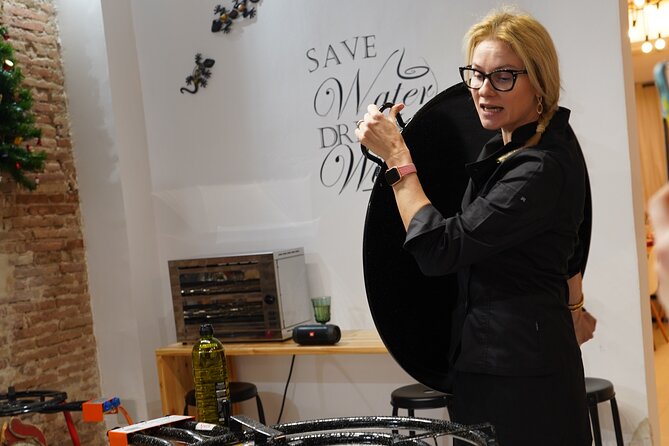
The cooking takes place under the direction of a professional chef. Maria is named as the chef leading the experience, and she is described as passionate, prepared, engaging, and friendly.
Those qualities matter in a class built around seafood. A good chef has to keep the food moving while also explaining what is happening. You need enough guidance to follow the process, but not so much that you spend the entire session watching someone else cook.
One particularly useful feature is the way the work is divided among the group. The class is designed so everyone can participate, rather than leaving one person to stir while the rest stand back. With a maximum of 15 people, the setting should feel more manageable than a large demonstration class.
Still, 15 is not an intimate private lesson. If the class fills, you will be part of a fairly sizable cooking group. That is not necessarily a problem, especially for a communal meal, but your experience may depend on how well the chef organizes the tasks.
More Paella and Spanish Classes in Barcelona:
- Barcelona: Paella Cooking Experience & Boqueria Market Tour
★ 4.8 · 3,661 reviews - Barcelona Paella Cooking Class with Market Visit, Tapas & Sangria
★ 5.0 · 2,531 reviews - Barcelona Interactive Spanish Cooking Experience
★ 4.5 · 2,155 reviews - Barcelona: Paella Cooking Class with Market Visit and More
★ 4.9 · 711 reviews
The Boqueria Market option
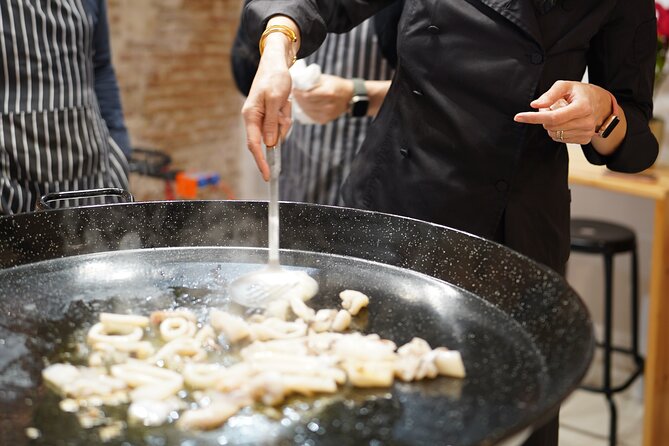
A Boqueria Market visit is described as an upgrade connected with the experience. During that kind of visit, Maria can introduce the ingredients, explain seasonality, and point out products from a local professional’s point of view.
This could be one of the most valuable parts for food-focused visitors. Markets make ingredients easier to understand. Seafood, fruit, cured meats, and other products mean more once you know how local cooks choose and use them.
The important catch is that the market visit is not included in the main two-hour-30-minute description. Treat it as an optional addition unless your booking clearly says otherwise. Ask before you pay if seeing the market is central to your plans.
The listed meeting point is at Carrer de les Carretes, 12, in Ciutat Vella. The class begins and ends there. That makes the experience easy to fit into a day in central Barcelona, and the location is near public transportation.
Cooking the black seafood paella
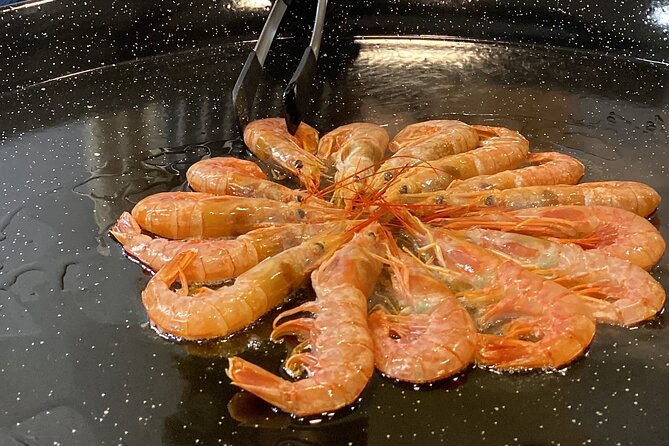
The paella lesson is the heart of the class. You work with squid ink, seafood, and rice under the chef’s direction, then eat the result as your main course.
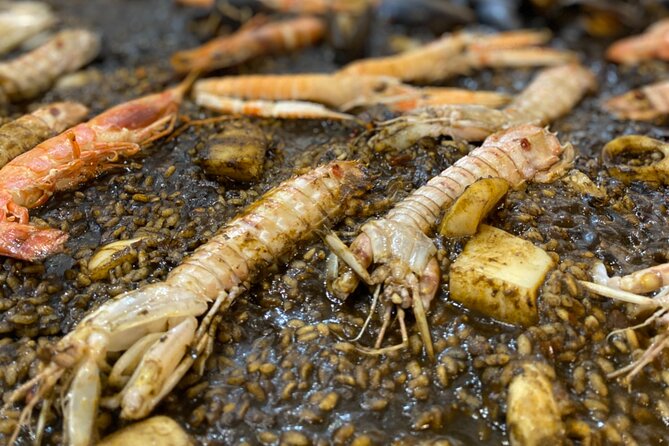
The ingredient list gives the dish a strong coastal identity. Squid and cuttlefish bring the ink and a firm seafood texture. Prawns, Norway lobsters, monkfish, and mussels add different flavors and shapes to the pan. The result should be visually dramatic, but the real test is whether the rice absorbs the seafood flavor without becoming mushy.
This is where the class offers practical value. You do not just learn that squid ink makes paella black. You take part in the process and can later use the digital recipe to repeat it at home.
I would pay close attention to the chef’s instructions about timing. Seafood cooks at different speeds, and paella depends on coordination. The recipe is a useful takeaway, but the memory of seeing and tasting each stage may be just as helpful when you try the dish again.
One limitation is that the details do not specify whether the class can adapt the recipe for allergies, vegetarian diets, or seafood dislikes. Since the main dish includes many types of seafood, ask before booking if anyone in your party cannot eat the listed ingredients.
A candlelit communal meal
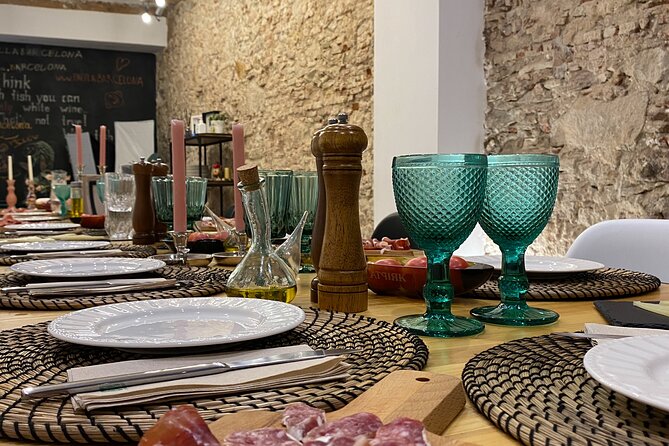
When the paella is ready, you sit around a set table and share the meal with Spanish wine. The candlelit setting gives the class a clear finish. You are not sent away with a recipe and a quick sample. You sit down and eat what the group has made.
That shared meal is one of the strongest reasons to consider this experience. Cooking classes can feel fragmented when people prepare food and then leave. Here, the final dish becomes a common achievement, and the family-style format encourages conversation.
The meal also lets you judge the result while the steps are still fresh. You can taste the seafood, examine the rice, and compare the finished dish with what you expected. If the class is full, the table may be lively rather than quiet, which suits people who enjoy meeting others.
Spanish wine is paired with the paella, and one account of the experience also includes dessert. Dessert is not part of the listed sample menu, so do not book solely on the assumption that it will be served. The confirmed menu includes the cava and appetizers, black paella, sangria, and wine.
What the $87.11 price includes in value
At about $87.11 per person, this is not the cheapest way to eat paella in Barcelona. A restaurant meal will usually cost less if your only goal is to taste the dish.
The comparison changes when you count what is included. You receive cava, appetizers, a hands-on cooking lesson, sangria-making, a seafood main course, Spanish wine, and a digital recipe. You also get roughly two and a half hours of activity, instruction, and social time.
I think the price makes the most sense for someone who wants dinner and an activity in the same booking. It is less convincing for a visitor who wants a serious culinary course with advanced technique or private attention.
The seafood selection also supports the price. Norway lobster, monkfish, prawns, mussels, squid, and cuttlefish are more substantial than a basic rice dish. Still, ingredient costs can vary, and the class size means you should not expect an exclusive chef-to-student format.
The best value comes from using the class as an evening plan. You eat well, learn a recognizable local dish, and leave with a recipe instead of only a full stomach.
Who will enjoy this class most
I would recommend this class to couples, friends, solo visitors who enjoy social activities, and families with older children who can take part in kitchen tasks. The format is friendly and active, but it does not sound like a demanding professional course.
It is especially suitable if you want:
- A meal that feels more personal than eating at a restaurant
- A clear introduction to Catalan and Spanish food
- A chance to cook with seafood and squid ink
- A small enough group for shared participation
- A relaxed setting with wine, appetizers, and conversation
I would be more cautious if you dislike seafood, avoid alcohol, need strict dietary adaptations, or prefer a quiet private lesson. The details do not confirm special menus or alcohol-free choices.
The class is also a good rainy-day plan. Because the cooking and meal take place indoors at the studio kitchen, you get a useful break from sightseeing without giving up a strong Barcelona food connection.
Timing, meeting point, and booking advice
Plan on about two hours and 30 minutes from start to finish. Since the meal is part of the experience, allow enough time afterward rather than booking a tight museum visit or train departure.
You meet at Carrer de les Carretes, 12, in Barcelona’s Ciutat Vella, and return to the same location. The address is near public transportation, so it should be practical to reach from other parts of the city.
The experience is offered in English and uses a mobile ticket. It is often reserved well ahead, with bookings averaging about 41 days in advance. If your Barcelona dates are fixed, I would book early, especially if you want a particular day.
You can cancel for a full refund up to 24 hours before the local start time. Changes or cancellations inside that window are not accepted for a refund. The class also requires a minimum number of people, so an insufficient number can lead to a different date, another experience, or a full refund.
Should you book the black paella class?
Book it if you want to cook, eat, and socialize in one evening. The black squid ink paella gives the class a clear identity, while the cava, tapas, sangria, wine, and communal table make it feel like a full Catalan food occasion.
I especially like the chance to work with a professional chef, the small maximum group size, and the digital recipe you can use afterward. Maria’s friendly, organized approach should help first-time cooks feel at ease.
Before booking, confirm the Boqueria Market option if that visit matters to you, and ask about dietary needs or nonalcoholic drinks. If those points work for your party, the $87.11 price is reasonable for an active meal rather than just another restaurant reservation.
FAQ
Where does the Barcelona black paella class begin?
It begins at Carrer de les Carretes, 12, Ciutat Vella, 08001 Barcelona, Spain.
Where does the experience end?
The activity ends back at the same meeting point on Carrer de les Carretes.
How long does the cooking class last?
The experience lasts approximately two hours and 30 minutes.
What language is the class offered in?
The class is offered in English.
How many people can join the class?
The activity has a maximum of 15 participants.
What food is served at the beginning?
The welcome includes Catalan sparkling wine, Spanish jamón, cheese, fuet, marinated olives, and traditional pan con tomate.
What seafood is used in the black paella?
The listed ingredients include squid, cuttlefish, prawns, Norway lobsters, monkfish, and mussels.
Can I cancel for a full refund?
Yes. You can cancel at least 24 hours before the local start time for a full refund. Cancellations or changes made less than 24 hours before the start time are not accepted for a refund.
Just added around Barcelona
- Rooftop Paella Seafood Cooking Class Experience in Barcelona★ 5.0 · 59 reviews
- Private Authentic Paella Cooking Class in Barcelona with Josh★ 5.0 · 3 reviews
- Private Barcelona Market Tour & Paella Cooking Class with Josh★ 5.0 · 4 reviews
- Premium Paella & Tapas Feast: Unlimited Wine & Rambla Views★ 5.0 · 13 reviews
- Premium Cooking Class in Designer Loft: Paella & Spanish Tapas★ 5.0 · 18 reviews
- Barcelona Tapas Cooking & Cocktail Class with Veronique & Mattias★ 5.0 · 3 reviews
- Paella Cooking Experience & Winery Tour from Barcelona★ 4.5 · 19 reviews
- Barcelona Rooftop Paella Cooking Class with Sangria & Local Host★ 5.0 · 48 reviews
Seafood Cooking Classes, compared.
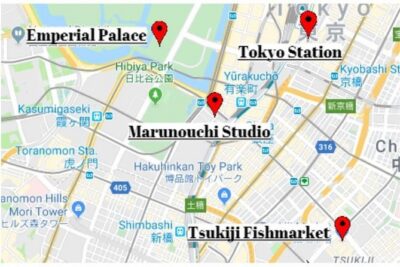
Tokyo Tsukiji Fish Market Tour and Sushi Making Lesson
Read our review →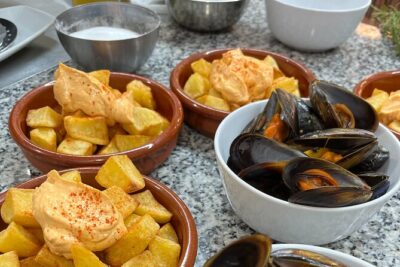
Seafood paella cooking class, tapas and visit to Ruzafa market.
Read our review →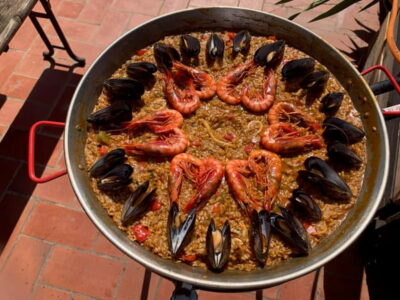
Paella Seafood Master Cooking Class with Sangria
Read our review →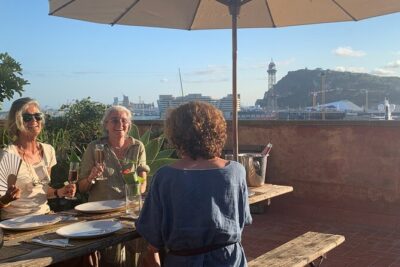
Rooftop Paella Seafood Cooking Class Experience in Barcelona
Read our review →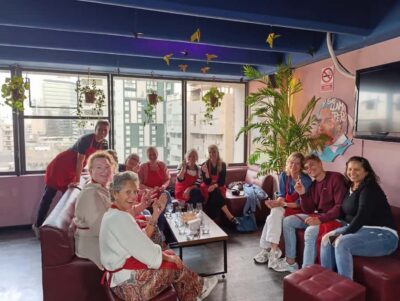
Miraflores: Amazing Peruvian Cooking Class Ceviche Seafood and Pisco Sour
Read our review →
La Spezia: Market Visit and Seafood Cooking Class with Lunch
Read our review →
Lists this class appears in