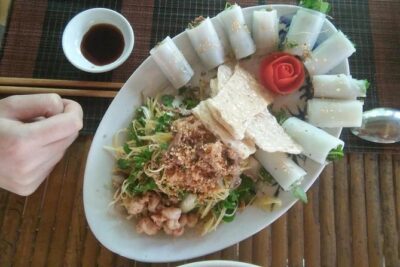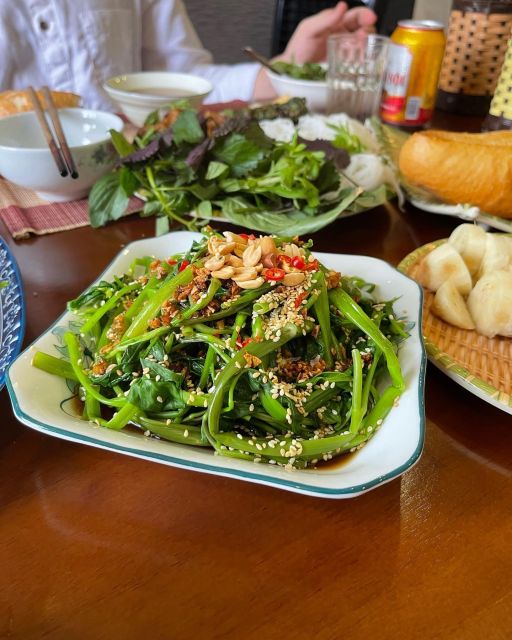
REVIEW · DONG BAC, VIETNAM
Hanoi: 5 Local Dishes Cooking Class with Meal & Market Visit
Start with a market, then eat your homework. This 3.5-hour Hanoi class pairs a visit to a local wet market with hands-on cooking, so you learn how ingredients are chosen before they reach the chopping board. I like the fresh-market lesson and the chance to prepare five dishes rather than watch one demonstration. I also like that vegetarian versions are available for every menu. The main drawback is the pace: five dishes in one session keeps things moving, and you may not get much quiet time for each recipe.
The class meets at Apron Up Cooking Class in Hanoi’s Old Quarter, then returns to the same spot after the meal. At $40 per person, the price includes the market visit, ingredients, equipment, an English-speaking instructor, lunch or dinner, tea, rice whisky, seasonal fruit, a cookbook, and a certificate. That is a fair package if you want both a meal and a useful skill to take home.
Key points at a glance
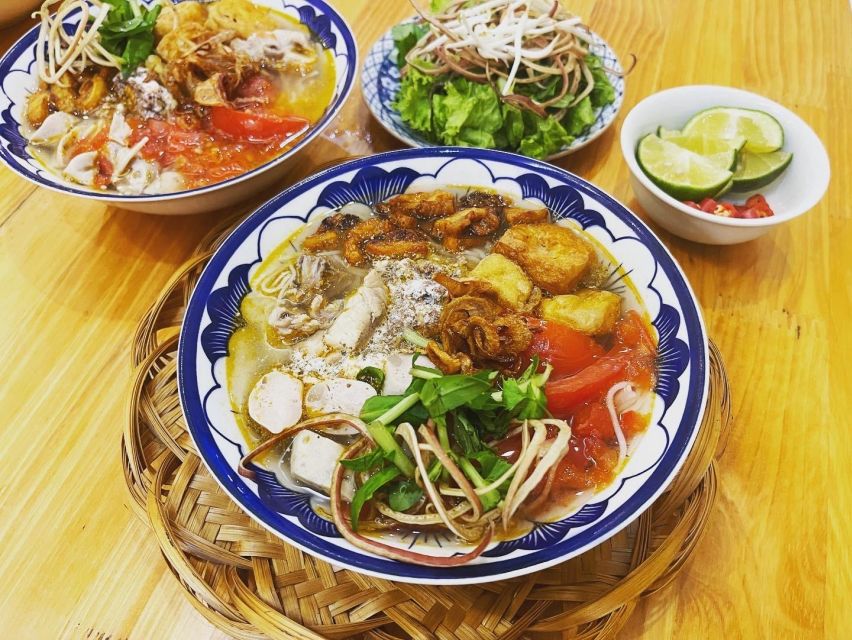
- Two five-dish menus: Choose between a menu with banh xeo, bun cha, noodle soup, fresh rolls, chicken salad, and banana ice cream, or one with pho, bun cha, fried spring rolls, papaya salad, and egg coffee.
- A real wet-market stop: Your instructor selects and buys fresh ingredients while showing you how to shop like a local.
- Hands-on from start to finish: You do more than watch. The class gives you jobs and guides you through each dish step by step.
- Vegetarian cooking is possible: The menus can be adapted, so you can take part without sitting out while others cook meat.
- A social meal follows the work: You sit down with the group, eat what you prepared, and share tea, fruit, and rice whisky.
- Useful take-home extras: The cookbook helps you repeat the recipes, while the certificate makes a cheerful souvenir.
Meeting the chef in Hanoi’s Old Quarter
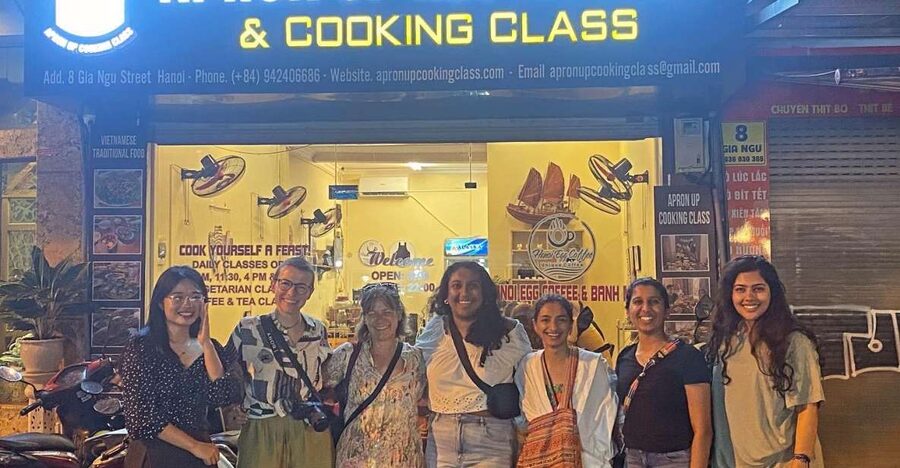
Look for the large Apron Up sign at the cooking school in the Old Quarter. Transportation is not included, so you need to make your own way to the meeting point. Since the class ends there too, it is easy to fit into a day of exploring central Hanoi.
The class lasts about three and a half hours. Starting times vary, so check the schedule when you book. A morning session finishes with lunch, while a later session leads into dinner, depending on the time you choose.
The instructors are a major part of the experience. Names praised in the feedback include Winnie, Vy, Bella, Kim, Ruby, Perla, Ashley, and Vi. Their teaching styles differ, but the repeated pattern is clear: they explain the steps, demonstrate techniques, answer questions, and adjust to different skill levels.
That matters in a cooking class. One person may already know how to roll spring rolls, while another may be holding a knife carefully for the first time. Ruby was especially praised for showing steps more than once when needed, while Vy received strong marks for patience and for helping people with different levels of cooking experience.
English is the teaching language. One person found Bella occasionally difficult to understand, so if English is not your first language, it is sensible to ask for a demonstration whenever a step is unclear. Cooking is hands-on, and watching the motion often explains more than hearing a long description.
More Cooking Classes with a Market Tour in Hanoi
- Hanoi Cooking Class: Culture, Local Market & Meaning CSR Impact
★ 5.0 · 5,147 reviews - 5 Traditional Dishes Hanoi Cooking Class with Market Trip
★ 5.0 · 4,890 reviews - Vietnamese Food Cooking Class in Hanoi with Market Experience
★ 5.0 · 778 reviews
Shopping for ingredients at a local wet market
The market visit gives the class a useful beginning. Instead of arriving at a prepared workstation with every ingredient already measured, you see the instructor select and buy what the group will use.
This is a small but worthwhile lesson. Fresh herbs, vegetables, meat, noodles, fruit, and sauces are central to Vietnamese cooking, and the market helps you see that the food starts with careful buying. Winnie was praised for explaining how to recognize fresh ingredients, while Vy was noted for making the market visit clear and engaging.
You are not simply shopping for entertainment. You get a practical look at how a local cook thinks about quality, season, and preparation. The exact market details and ingredient quantities are not specified, so do not expect a long market tour or a formal lesson on every stall. It is best understood as a focused buying trip tied directly to the dishes you will make.
Wear comfortable shoes. A wet market can have crowded paths and damp floors, and the activity is not suitable for wheelchair users or people with mobility impairments. Children under four are not accepted, and the experience is not suitable for anyone over 95.
Choosing between the two Hanoi menus
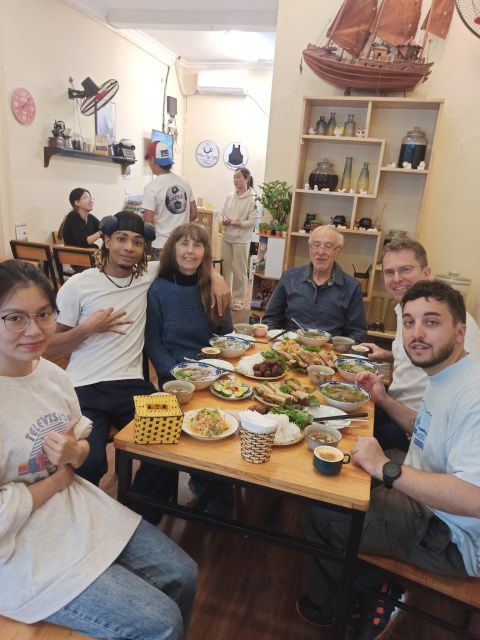
You choose from two set menus. The first offers a broad mix of Hanoi-style cooking:
- Banh xeo pancakes
- Bun cha, grilled pork with noodles
- Pork rib noodle soup
- Beef fresh rolls
- Chicken salad
- Banana ice cream
The description lists six food items here, but the class is advertised as hands-on preparation of five dishes. Ask at the start which five items your session will cover and how the menu is being arranged. That small check avoids confusion, especially if one item is being treated as an alternative or shared component.
The second menu includes:
- Pho
- Bun cha
- Fried spring rolls
- Papaya salad
- Egg coffee
This menu may appeal most if pho and Hanoi’s famous egg coffee are high on your list. The first gives you banana ice cream and fresh rolls, while the second brings together pho, spring rolls, papaya salad, and a distinctly Hanoi-style coffee.
Bun cha appears on both menus. That makes sense. Grilled pork, noodles, herbs, and dipping sauce offer a good lesson in how Vietnamese food balances smoky, salty, fresh, sweet, and sour flavors.
You can also take both classes if you want to learn both menus. That is a better choice for serious food fans staying in Hanoi several days, but most people will get plenty from one session. Five dishes in three and a half hours already makes for a full afternoon or evening.
What you actually do at the cooking station
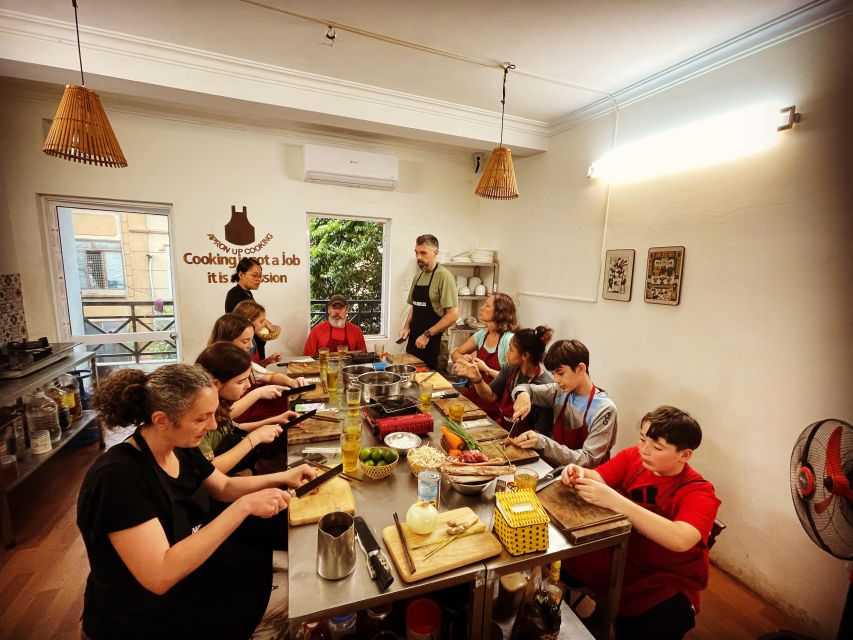
This is not a demonstration where you sit at the back and watch a chef work. You roll up your sleeves and help prepare the food.
Your instructor takes you through the dishes step by step. The exact division of tasks can vary, but the format is designed to keep everyone involved. One person may prepare vegetables, another may mix a dressing, and others may roll, shape, fry, or assemble.
That shared approach has two benefits. First, you learn several techniques in one class. Second, you meet the people cooking beside you. The meal at the end feels more rewarding because the group has worked together rather than simply received plates from a kitchen.
The strongest praise has gone to the instructors’ ability to keep people involved. Vi was singled out for getting everyone to participate and for giving clear instructions. Ruby was praised for patient demonstrations. Perla even helped a 13-year-old learn both the cooking steps and Vietnamese words for the ingredients.
Do not expect to become an expert Vietnamese cook in a single session. You will, however, leave with a working introduction to sauces, herbs, fillings, noodles, pancakes, salads, and coffee preparation. The recipes are designed for home use, and the cookbook gives you a way to repeat the dishes after your trip.
More Cooking Classes with a Market Tour in Vietnam
- Hanoi Cooking Class and Market Tour in Ancient House
★ 5.0 · 379 reviews - Rose Kitchen Hanoi: Market, Cooking & Culture Tour + Free PickUp
★ 5.0 · 342 reviews - Hanoi: Cooking Class in a Local Villa with Market Tour
★ 4.9 · 320 reviews - Hanoi Maya Kitchen: Traditional Cooking Class & Market Tour
★ 5.0 · 287 reviews
The flavors behind the five dishes
The menu is valuable because it shows how different Vietnamese dishes use contrast.
Banh xeo is a crisp, savory pancake. It teaches you how batter, filling, herbs, and dipping sauce work together. Fresh rolls offer a different lesson, with uncooked vegetables and fillings wrapped into a neat package. They are lighter to assemble than fried rolls, but the rolling technique can take a little practice.
Bun cha brings grilled pork, noodles, herbs, and dipping sauce into one bowl or plate. It is a classic Hanoi combination and a good way to understand why sauces matter so much in Vietnamese cooking.
Pho and pork rib noodle soup focus more on broth and noodles. The class gives you a chance to learn the basic process under supervision, but you should keep your expectations sensible. A home class cannot reproduce every detail of a broth that has simmered for many hours in a specialist restaurant.
Fried spring rolls provide a clear hands-on task. You form the rolls, prepare the filling, and learn how they are cooked. Papaya salad and chicken salad bring freshness and crunch, helping balance the richer or fried dishes.
Egg coffee is the most distinctive finish on the second menu. It is more than ordinary coffee with milk. The egg mixture creates a thick, sweet topping, and making it gives you a recipe that is fun to show friends at home.
Banana ice cream offers a simple sweet ending on the first menu. Seasonal fruit is also included, so the final meal is not all fried food, noodles, and sauces.
Vegetarian guests are not left behind
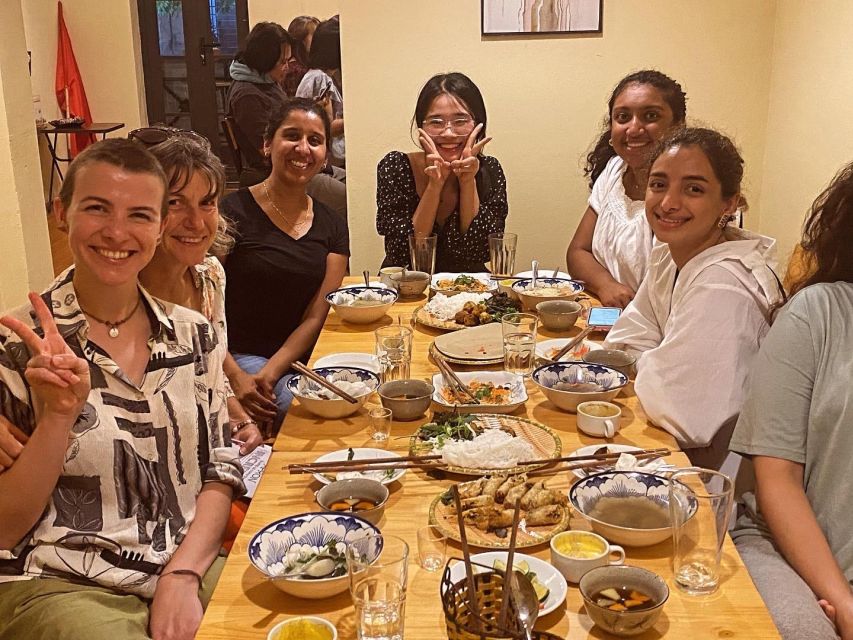
Vegetarians can request adapted versions of the menus. This is one of the strongest practical features of the class because you can still prepare all five dishes rather than watching the meat-based parts from the sidelines.
A vegetarian menu will naturally change the character of dishes such as bun cha or noodle soup. Still, the cooking techniques remain useful: preparing herbs, mixing sauces, shaping rolls, making salads, and balancing sweet, salty, sour, and spicy flavors.
Tell the provider about your dietary needs when booking or at the start of the class. The available information confirms vegetarian adaptations, but it does not provide a separate list of ingredients for allergies or other restrictions. If you have a serious allergy, ask specific questions before paying.
Sitting down to eat what you prepared
The meal is the payoff, but also part of the lesson. You sit with the group and try the dishes made during the session. The social side is not an extra detail. Several people valued meeting fellow food lovers and sharing a meal after working as a team.
The food is served as lunch or dinner, depending on your start time. Tea, rice whisky, and seasonal fruit are included. The rice whisky is a small tasting rather than the focus of the experience, so you can enjoy it at your own pace.
The meal also lets you compare results. Did your pancake crisp properly? Is the salad balanced? Did the fresh roll hold together? A good instructor can use these moments to explain what worked and what you might change at home.
The class has earned a perfect 5 rating from 420 reviews, and the praise is unusually consistent around three points: the food tastes good, the teachers are friendly and patient, and the whole session moves at a good pace. That does not mean every moment will be perfect, but it suggests the format is well organized.
Is $40 good value?
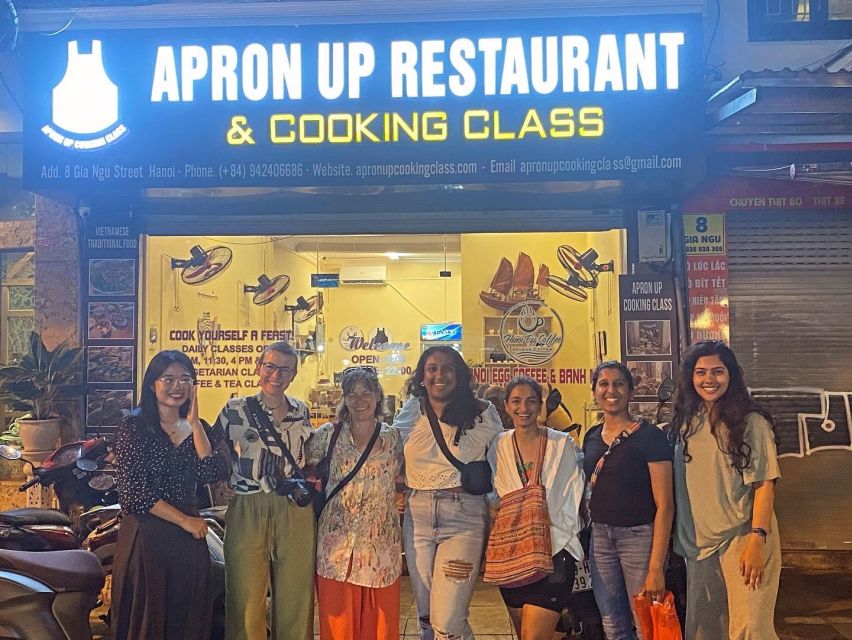
At $40 per person, this is not the cheapest meal you can buy in Hanoi. It is also not merely a meal. The cost covers three and a half hours of instruction, a market visit, all ingredients and tools, five hands-on dishes, the meal, drinks, fruit, a cookbook, and a certificate.
I consider that solid value if you want an activity rather than another restaurant stop. The cookbook is especially useful. You get a lasting reminder of the recipes instead of a souvenir that sits in a drawer.
The price makes less sense if you mainly want to eat pho or bun cha and have little interest in cooking. Hanoi offers cheaper and faster ways to sample local food. This class earns its price through participation, teaching, and the market visit.
One review referred to a premium package that felt expensive, but the standard details given here list the experience at $40 per person. Check exactly which option you are selecting if more than one package appears during booking.
Who should book this class?
I would recommend it to first-time visitors who want an easy introduction to Vietnamese food and to people who enjoy meeting others over a shared task. It suits couples, solo visitors, families with older children, and small groups with mixed cooking ability.
It is also a good early-trip activity. After the class, you will recognize more ingredients and may feel more confident ordering food around Hanoi. The market visit gives context, while the cookbook lets you keep learning after you leave.
You may want to skip it if you dislike group activities, cannot stand for extended periods, or need fully wheelchair-accessible facilities. The experience is specifically not suitable for people with mobility impairments or wheelchair users.
Book both menus only if food is a central reason for your visit and you have enough time. Otherwise, choose the menu that includes the dishes you most want to learn, especially pho and egg coffee on the second menu, or banh xeo and banana ice cream on the first.
Free cancellation is available up to 24 hours before the activity for a full refund, and you can reserve now and pay later. Those terms are helpful when your Hanoi schedule is still shifting.
Should you book the Apron Up cooking class?
Book it if you want to cook, not just eat. The market stop, five dishes, patient English-speaking instructors, shared meal, and cookbook give this experience more substance than a standard food tasting.
Choose one of the two menus based on your priorities, and confirm the exact five dishes at the start. If you are vegetarian, request the adapted menu. If you have mobility limits or want a quiet, slow lesson, this is probably not the right fit.
For most food-focused visitors, $40 is a reasonable price for a lively half-day activity that leaves you with practical skills, a full stomach, and recipes you can try at home.
FAQ
Where does the Hanoi cooking class start?
Meet at Apron Up Cooking Class in Hanoi’s Old Quarter. Look for the large Apron Up sign in front of the venue.
How long does the activity last?
The cooking class and market visit last approximately 3.5 hours. Starting times vary, so check availability for the date you want.
Is transportation included?
No. Transportation is not included. You must make your own way to the meeting point, and the activity ends back there.
What dishes can I learn to make?
The two menu choices include dishes such as pho, bun cha, banh xeo pancakes, fried spring rolls, pork rib noodle soup, fresh rolls, chicken salad, papaya salad, banana ice cream, and egg coffee. The class is designed around five dishes.
Can vegetarians join the class?
Yes. The set menus can be adapted for vegetarian diets. Ask for the vegetarian version when arranging your booking or at the beginning of the class.
What is included in the price?
The $40 price includes an English-speaking instructor, the market visit, ingredients and cooking tools, hands-on preparation of five dishes, lunch or dinner, tea, rice whisky, seasonal fruit, a cookbook, and a certificate.
Can I cancel or pay later?
You can cancel up to 24 hours in advance for a full refund. Reserve now and pay later is also available.
Just added around Hanoi
- Hanoi: Vietnamese Cooking Class- Market Tour with Local Chef★ 5.0 · 2 reviews
- Hanoi: Vegan Vietnamese Cooking Class in a Local Villa★ 5.0 · 42 reviews
- Hanoi: Village Farm Tour and Cooking Class with Lunch★ 5.0 · 7 reviews
- Hanoi Vegan Cooking Class: A Vietnamese Culinary Adventure★ 4.8 · 5 reviews
- Hanoi Food Adventure: Vietnamese Market Tour & Cooking Class★ 4.8 · 5 reviews
- Hanoi’s Culinary: Authentic Cooking Class and Local Market★ 4.8 · 5 reviews
- Hanoi Farm Tour and Cooking Class with Local Family★ 4.9 · 14 reviews
- Hanoi Cooking Class: Pho/Bun Cha/Nem + Free Egg/ Salt Coffee★ 4.9 · 11 reviews
Cooking Classes with a Market Tour, compared.
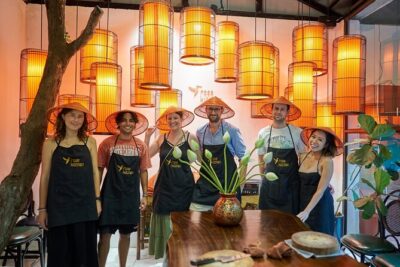
Hanoi Cooking Class: Culture, Local Market & Meaning CSR Impact
Read our review →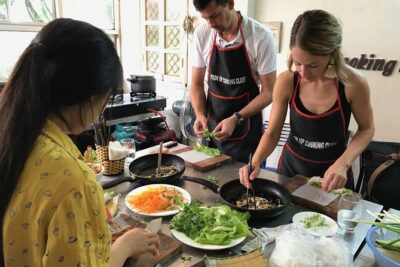
5 Traditional Dishes Hanoi Cooking Class with Market Trip
Read our review →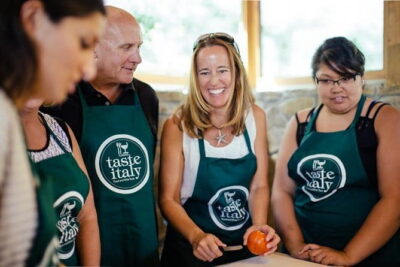
Cooking Class and Lunch at a Tuscan Farmhouse with Local Market Tour from Florence
Read our review →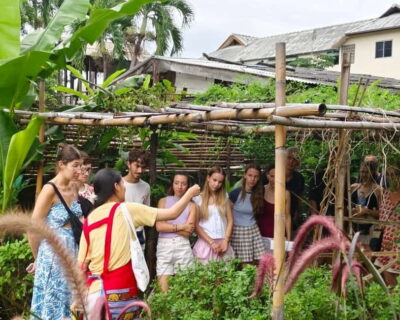
Cooking Class, Market & Thai Herbs Garden Tour
Read our review →
Authentic Cooking Class with Market & Farm Visit
Read our review →
Paella Cooking Experience & Boqueria Market Tour
Read our review →
Cooking Class Hoi An:Local Market, Basket Boat, Fishing & Cooking
Read our review →