
REVIEW · ESCUINTLA DEPARTMENT, GUATEMALA
El Paredón: Traditional Cooking Class with a Local Family
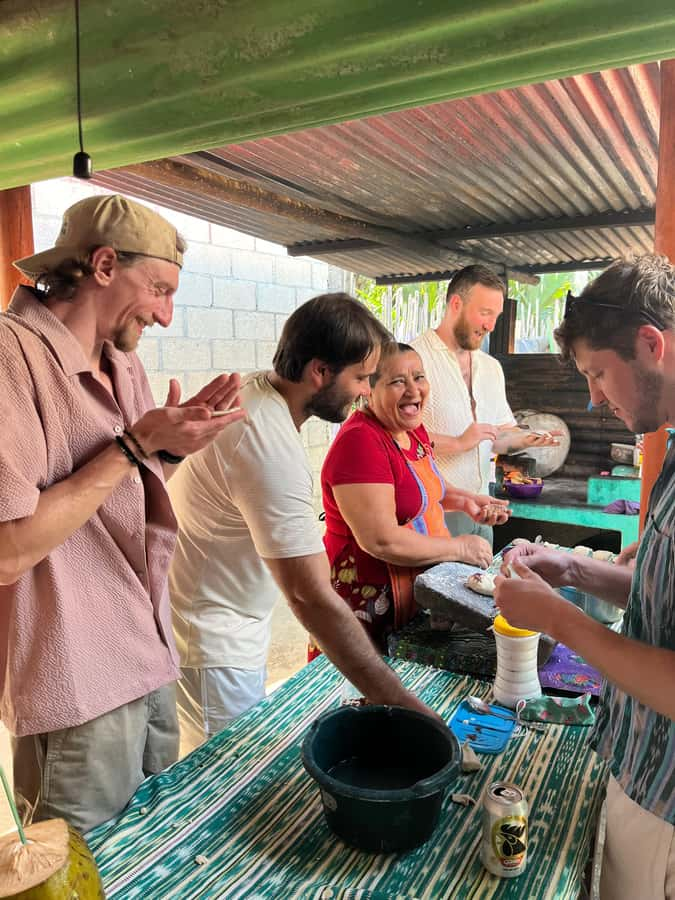
Food is the fastest way into El Paredón. This 90-minute class brings you into the home of Aura and Adelso, where you learn to prepare corn tortillas and empanadas by hand, then sit down for the meal with the family. I like the personal setting and the chance to ask about daily life while cooking, rather than simply watching a demonstration. I also like that the meal includes a traditional salad, giving you a small but useful picture of everyday Guatemalan food.
The main consideration is language. The class is conducted in Spanish, and an English translator is not included. You will also need to make your own way to the family’s home in El Paredón. For many people, those limits are part of the local feel. Still, you should be comfortable with basic Spanish, gestures, or a translation app before booking.
Key points to know before booking
- You cook inside a local family’s home: The class begins and ends at the family’s house in the heart of El Paredón.
- Tortillas are made from scratch: You will work with traditional corn tortilla techniques instead of merely tasting the finished product.
- Empanadas are part of the lesson: The class gives you a second hands-on dish, with the family guiding you through each step.
- The meal is shared with Aura and Adelso: Sitting down together turns the class into a personal cultural exchange.
- Spanish is the only listed language: Ask questions in Spanish, or prepare to use simple phrases and a translation tool.
- The class is private: Your group receives direct attention, and the experience is wheelchair accessible.
Why this El Paredón cooking class feels personal
Many cooking classes take place in a restaurant or formal school. This one starts at a family home, which changes the mood right away. At 1:30 PM, you arrive at the house and receive a warm welcome before the cooking begins.
The opening introduction is brief but useful. You learn about the family’s way of life, local customs, and the place food holds in daily routines. This matters because the dishes are not presented as isolated recipes. They are connected to the family and to the local community of El Paredón.
I like this kind of beginning. You are not rushed straight to a worktable with a long list of instructions. You first have a chance to meet the people who will teach you. That makes it easier to ask questions later, especially if you want to know how a dish fits into family meals or local celebrations.
The class is private, so you are not trying to compete for attention in a large group. That is helpful when you are learning a physical technique, such as shaping tortillas by hand. You can watch closely, try it yourself, and ask for another demonstration if your first attempt looks more like a small corn map than a round tortilla.
More Home Cooking Classes in the world:
- Khmer Cooking Class at a Local’s Home in Krong Siem Reap
★ 5.0 · 2,731 reviews - Local Home Korean Cooking Class & Market Adventure in Seoul
★ 5.0 · 1,024 reviews - Marrakech: Moroccan Cooking Class with a Local Family
★ 4.9 · 668 reviews
Making tortillas the traditional way
The tortilla lesson is likely to be the most memorable part for many people because it is so hands-on. The family shows you how they prepare the dough and how to shape the tortillas using traditional methods. You then practice under their guidance.
The value here is not just learning a recipe. Corn tortillas are a basic part of Guatemalan food, and preparing them by hand gives you a direct connection to the work behind an everyday meal. A tortilla may look simple on the plate, but getting the texture and shape right takes practice.
Pay attention to the family’s hand movements. The technique is passed down through generations, so their instruction comes from repeated household experience rather than a printed classroom formula. You can ask about the ingredients, the preparation, and the role of tortillas in local cooking while you work.
This part also makes the Spanish-language setting less intimidating. Even if you do not understand every sentence, the process is visual. The host can demonstrate, you can copy the movement, and simple questions can carry you a long way. Still, a basic command of Spanish will make the experience more rewarding.
Preparing empanadas and a traditional salad
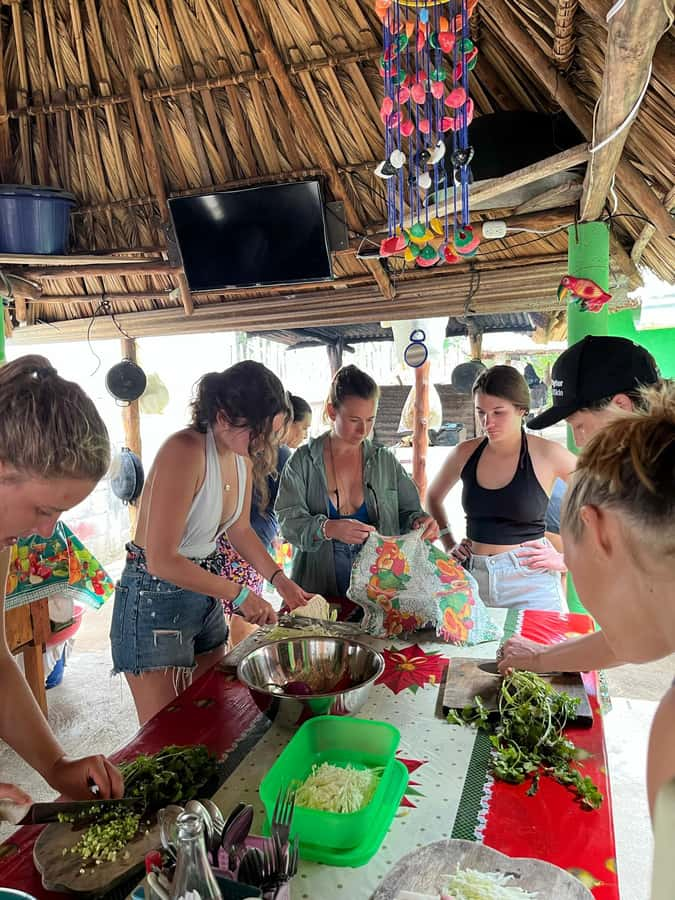
After the tortilla work, you help prepare empanadas from scratch. The family guides you through the preparation of the ingredients and the steps needed to bring the dish together. You should expect a practical session, with chopping, slicing, mixing, and other basic kitchen tasks.
That hands-on structure is important. You are not simply watching a local cook perform. You take part in the preparation, which gives you a better sense of the time and care involved in the finished meal. The family’s demonstrations show not only what to do, but how traditional techniques are handled at home.
The salad adds a fresh element to the meal. Exact ingredients are not specified, so you should not expect a fixed menu beyond the listed dishes. Instead, think of it as a simple traditional side that completes the food you have prepared.
I appreciate the balance of the menu. You learn two dough-based dishes, then prepare a salad to accompany them. It gives the class enough variety without turning a 90-minute visit into an exhausting cooking marathon.
Questions, conversation, and daily life in El Paredón
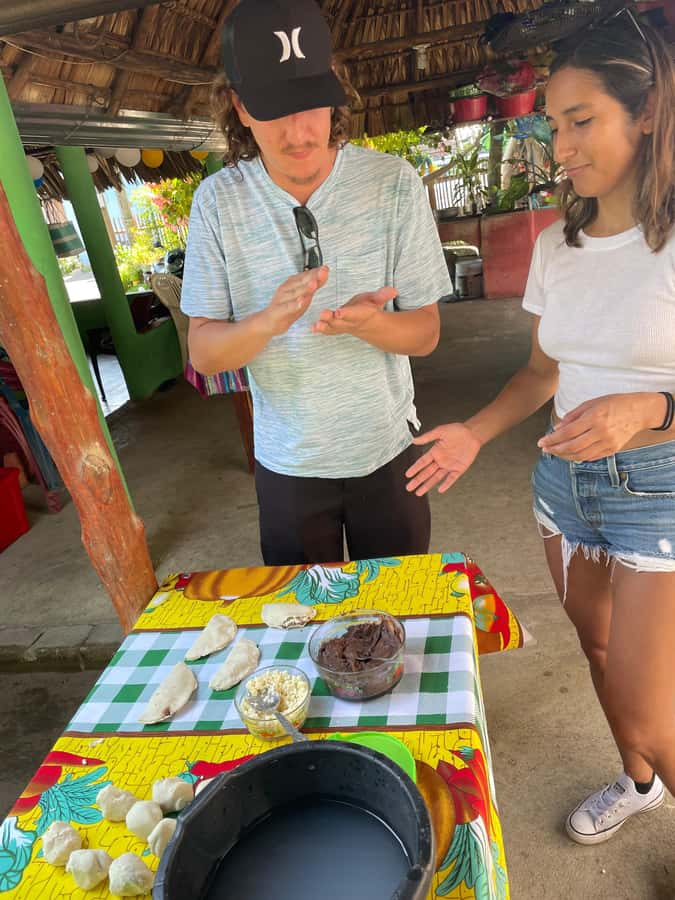
The cooking time is also your chance to talk with the family. You can ask about their daily life, the local area, and the culinary customs they follow. These conversations are a major part of the class, especially if you want more than a short recipe lesson.
Because the activity takes place at home, the cultural exchange feels direct. You see the setting where the family welcomes you and learn about their routines from the people who live them. The description does not promise a tour of the whole village or a broad history lesson, so keep your expectations focused on conversation connected to food and family life.
The Spanish-only format deserves honest attention. The hosts are described as welcoming and able to teach the cooking process, but no English translator is included. If you speak little Spanish, bring a translation app and learn a few useful words for cooking, ingredients, and questions.
You can also treat the language difference as part of the activity. Cooking gives you a common vocabulary of gestures and demonstrations. Still, if your main goal is detailed conversation about Guatemalan culture, you will get more from the class if you can communicate in Spanish.
A few more cooking classes around the world worth a look
- Half-Day Thai Cooking Class at Organic Farm in Chiang Mai
★ 5.0 · 19,087 reviews - Florence: Pasta Cooking Class with Unlimited Wine
★ 4.9 · 10,285 reviews - 3 in 1 Cooking Class near Navona: Fettuccine, Ravioli & Tiramisu
★ 5.0 · 7,376 reviews - Florence: Pasta & Tiramisu Cooking Class with Unlimited Wine
★ 4.9 · 6,708 reviews
Sitting down to eat with the family
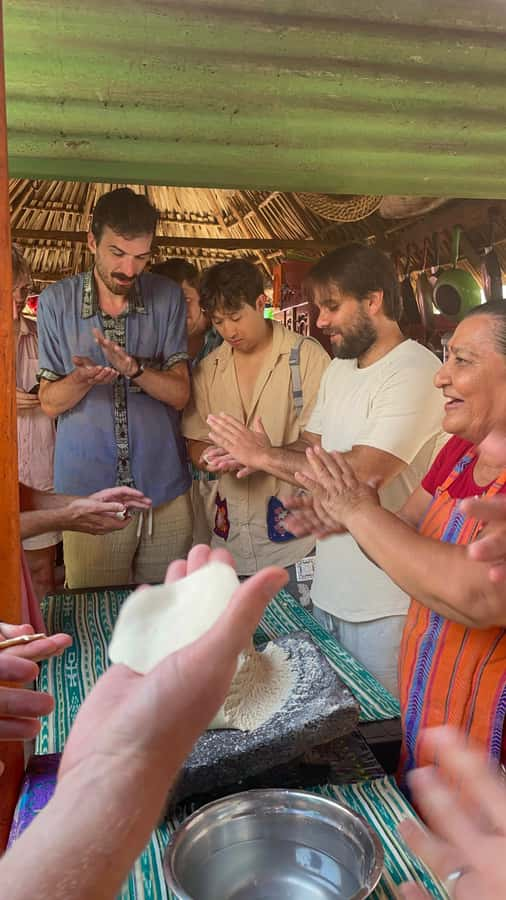
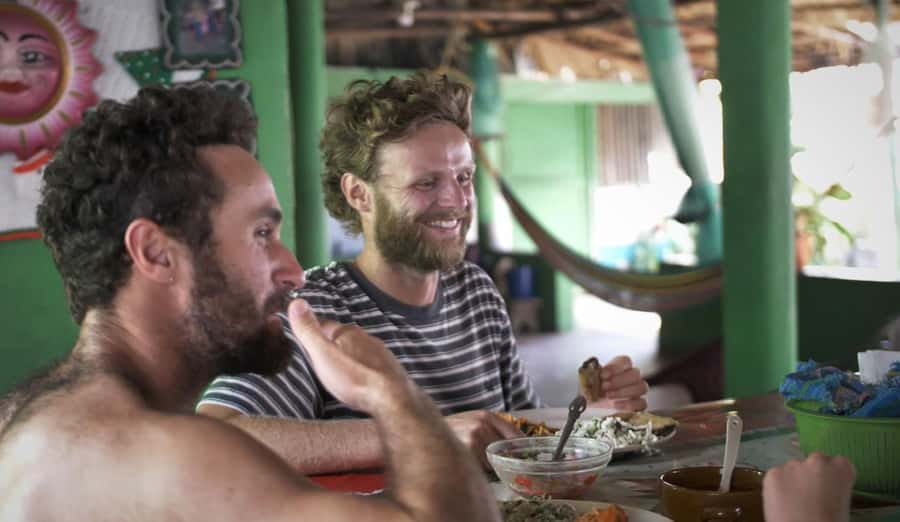
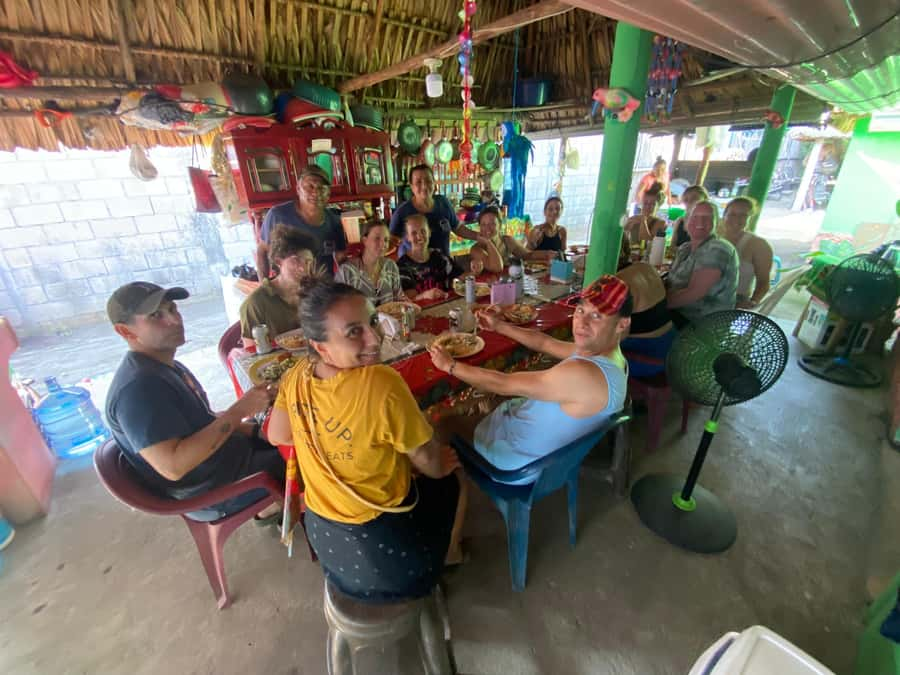
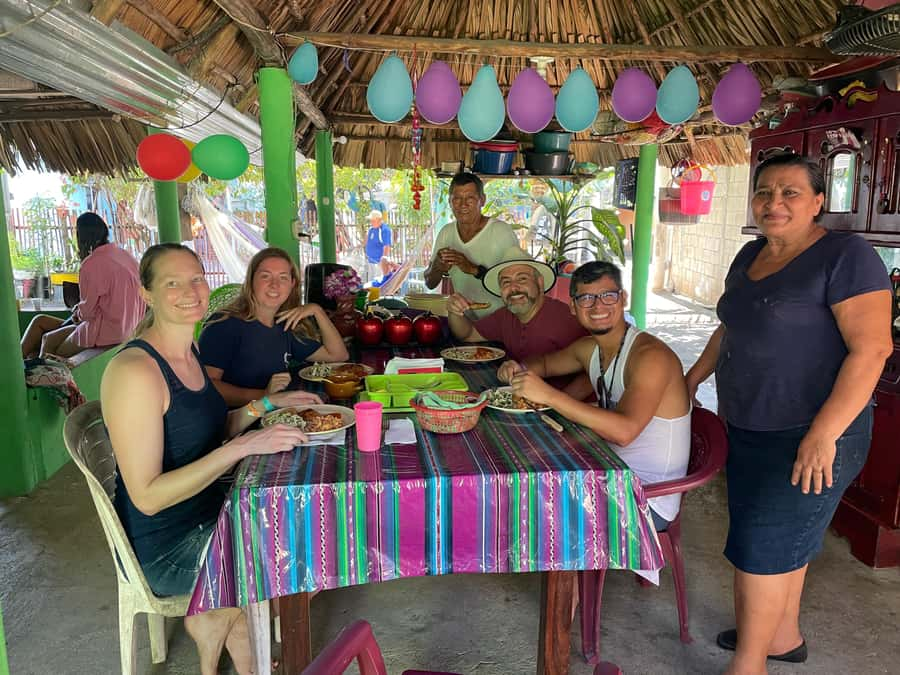
Once the dishes are finished, you sit down together and eat the meal you helped prepare. This shared table is the natural finish to the class. You can taste the tortillas and empanadas with a better understanding of the work behind them, then continue talking with your hosts.
The meal is included, but dessert is not. That is worth remembering if you have a sweet tooth or are planning the class as a full afternoon meal. The listed menu includes tortillas, empanadas, and a traditional salad, so you should not assume that additional courses or drinks are part of the price.
The strongest praise for the experience centers on the family’s welcome, teaching, and food. Jean-Christophe from Canada described the class and family as lovely and considered it a must-do in town. A verified participant from Switzerland highlighted the hosts’ warm smiles, their ability to teach, and the quality of the meal.
Those comments point to the main strength of the class: the people. Recipes matter, but the success of a home cooking visit depends on whether you feel comfortable asking questions and joining the meal. Here, the hosts are described as making people feel at ease, which is exactly what you want in a private class inside someone’s home.
Is $58 a good value?
The price is $58 per person. That is more than the cost of simply ordering a plate of food in El Paredón, but this is not just a meal. The price covers a private visit, instruction, ingredients used during the class, the prepared food, and time with a local family.
I see the value in the combination. You receive a cultural activity and lunch or an afternoon meal in one visit. You also leave with practical knowledge about tortillas and empanadas rather than only a memory of what they tasted like.
The value is strongest for someone who enjoys personal contact and small-scale experiences. If you only want a quick meal or a formal demonstration, $58 may feel high for 90 minutes. If you value direct conversation, hands-on work, and a family setting, the price is easier to justify.
Transport is not included, so you should also factor in the cost and effort of reaching the home. The meeting point is near Hotel Ola Beach House, which makes the location fairly simple to find if you are already in El Paredón. You walk 100 meters west from the hotel and ask outside Aura and Adelso’s family home for the cooking class.
Timing, meeting point, and practical details
The class starts at 1:30 PM. Since it lasts about 90 minutes, you can expect to finish around 3:00 PM, although the exact pace may depend on the cooking and conversation.
The experience starts and ends at the family’s home. There is no included pickup or drop-off, so arrive at the meeting point under your own arrangements. The directions identify Hotel Ola Beach House as the useful landmark: walk west for 100 meters and ask outside the family’s house.
The activity is wheelchair accessible according to the supplied details. Since the class takes place in a private home, you may want to confirm any specific access needs before arrival, especially if you require details about the entrance or kitchen layout. The general accessibility information is positive, but the description does not give measurements or further physical details.
Alcohol and drugs are not allowed. That rule is straightforward and fits the family-home setting.
You can cancel up to 24 hours before the activity for a full refund. A reserve-now, pay-later option is also available, so you do not have to pay at the time of booking. Starting times should be checked when you reserve, although the described session begins at 1:30 PM.
Who will enjoy this class most?
I would recommend this experience to you if you like food as a way to understand a place. It suits couples, families, and small private groups who prefer a calm local visit over a large organized activity.
It is also a good match if you want to learn a skill you can try again at home. Tortillas and empanadas are practical dishes, and the family’s traditional methods give you more to remember than a list of ingredients alone.
The class is less suitable if you need instruction in English. The hosts speak Spanish, and there is no English translator. It may still work if you are comfortable with basic Spanish or willing to communicate through demonstrations, but detailed questions will be easier if you can speak the language.
You should also skip it if you are looking for a long food tour, a market visit, or a broad sightseeing program. The focus is narrow by design: a family home, a few traditional dishes, conversation, and a shared meal.
What to bring and how to prepare
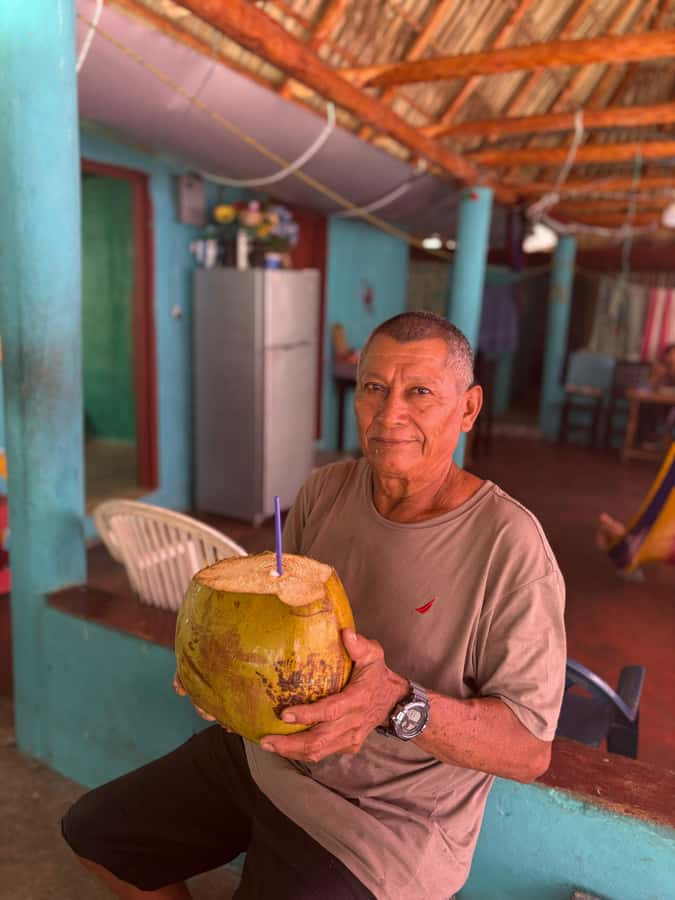
Wear clothing that you do not mind wearing in a working kitchen. The details do not specify dress requirements, but cooking involves handling ingredients, mixing, and shaping dough, so practical clothing makes sense.
Arrive with a little curiosity and a few questions ready. You might ask how the family learned to cook these dishes, when they normally prepare them, and what foods are common in El Paredón. The hosts specifically invite questions about daily life, the local area, and culinary traditions.
If your Spanish is limited, prepare short phrases before you go. A translation app can help with ingredient names and longer questions, but it is useful to remember that the class itself is visual and practical. You will see the technique, copy it, and receive guidance as you work.
Do not plan on dessert being included. You may want to arrange a later snack if this meal will not carry you through the rest of the day.
Should you book the El Paredón cooking class?
Book this class if you want a personal introduction to Guatemalan food and do not mind working around the Spanish-only instruction. The warm family welcome, private format, hands-on tortilla and empanada lessons, and shared meal make the $58 price reasonable for the right kind of visitor.
I would be especially inclined to book it early in an El Paredón stay. The experience gives you a friendly local contact and a better sense of the food you will encounter elsewhere in Guatemala. It also offers a quieter change of pace from other activities in the area.
Skip it if you need English instruction, included transportation, or a longer sightseeing program. For everyone else, this is a focused, human-scale class where the best part is not only what you cook, but who sits down to eat it with you.
FAQ
Where does the cooking class take place?
The class takes place at a local family’s home in the heart of El Paredón. It starts and ends at the family’s house.
What time does the class begin?
The described class begins at 1:30 PM. You should check availability for current starting times when booking.
How long does the experience last?
The cooking class lasts 90 minutes.
What food will I learn to prepare?
You will learn to make Guatemalan corn tortillas, empanadas, and a traditional salad.
Is the meal included?
Yes. After preparing the dishes, you eat the meal together with the family. Dessert is not included.
Is the class offered in English?
No. The listed language is Spanish, and an English translator is not included.
How do I find the meeting point?
Go to Hotel Ola Beach House in El Paredón, then walk west for 100 meters. Ask outside Aura and Adelso’s family home for the cooking class.
Is the activity wheelchair accessible?
Yes. The activity is listed as wheelchair accessible.
Just added around the world
- Aroidee’s Farm-Fresh Thai Cooking Experience★ 5.0 · 8 reviews
- Signature Thai Cooking Course★ 5.0 · 79 reviews
- Private Half-Day Thai Cooking Class in Chiang Mai★ 5.0 · 4 reviews
- Half Day Guided Thai Cooking Class in Chiang Mai★ 5.0 · 13 reviews
- Online Thai and Akha Cooking Class★ 5.0 · 70 reviews
- Private Virtual Thai Cooking Class★ 5.0 · 9 reviews
- Northern Thai Cooking Class in Chiang Mai in a Countryside Home★ 5.0 · 2 reviews
- 5 Hour Morning Thai Cooking Course★ 5.0 · 31 reviews
Home Cooking Classes, compared.
Khmer Cooking Class at a Local’s Home in Krong Siem Reap
Read our review →
Local Home Korean Cooking Class & Market Adventure in Seoul
Read our review →
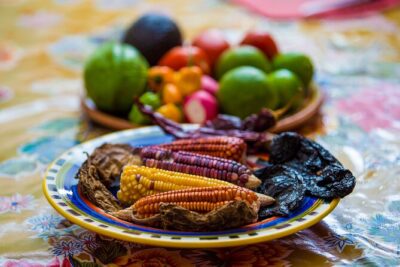
Mexican Cooking from Scratch in a Local Home in Tulum
Read our review →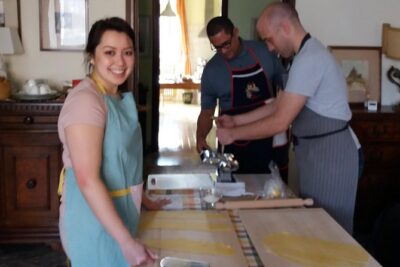
Pastamama, Home Cooking Classes at Grace’s Home
Read our review →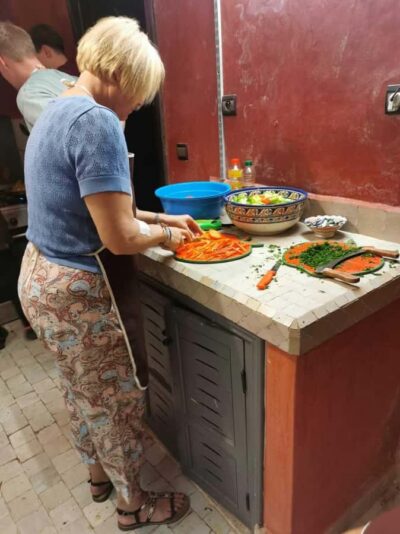
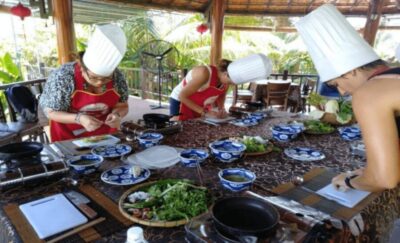
Traditional Cooking Class & meal with Local Family
Read our review →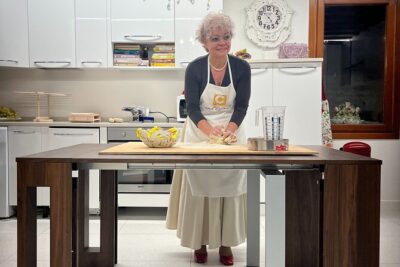
Lists this class appears in