REVIEW · SAN GIMIGNANO, ITALY
3-hour Tuscan Cooking Class with Wine & Oil Tasting
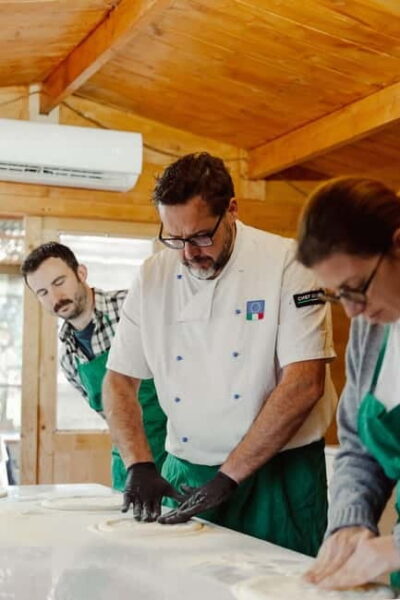
Come hungry, leave with recipes. This three-hour class at Podere La Marronaia near San Gimignano turns a farm visit into a hands-on Tuscan meal, with homemade pasta, seasonal vegetables, organic wine, olive oil, and balsamic vinegar. I like the small groups of no more than six, which give you a better chance to ask questions and work directly with the host.
I also like the practical menu. You make dishes that feel genuinely Tuscan but are not impossibly fussy: pici, ricotta gnocchi, bruschetta, and a traditional dessert. The main drawback is the price, $227.67 per person, which is a serious outlay for three hours. It makes the most sense if you value a full meal, several tastings, and personal instruction rather than a quick demonstration.
The setting adds plenty of appeal. You begin with the farm’s story and production methods, then cook in a rustic kitchen before sitting down to eat what you made. The class is offered in English, and the minimum age is 12, so it can work for families with older children as well as couples.
Key points at a glance
- Six people maximum: A very small group keeps the cooking personal and avoids the crowding common in larger food classes.
- Dessert comes first: You begin by baking a traditional Tuscan dessert, a fun change from the usual class order.
- Two handmade pastas: You prepare both Pici and ricotta gnocchi, each with its own seasonal sauce.
- Four bruschetta variations: Fresh seasonal vegetables form the base of several different starters.
- Wine, oil, and balsamic tasting: The meal is paired with products made or selected at the farm.
- San Gimignano setting: The class takes place at Podere La Marronaia, a biodynamic winery and farm outside the town’s historic center.
Starting at Podere La Marronaia near San Gimignano
Your meeting point is Via Martiri di Citerna, 2, 53037 San Gimignano SI, Italy. The activity begins and ends there, so you should plan your route carefully if you are arriving independently. Hotel pickup and drop-off are not included unless you select an option that specifically offers it.
The first part introduces you to Podere La Marronaia, described as a biodynamic winery and farm. You learn about the property’s history and how its products are made before putting on an apron and entering the kitchen. That opening matters because it connects the food on your plate with the place producing the wine and olive oil.
I like this approach better than a class held in a generic cooking studio. You are not only learning how to mix dough or chop vegetables. You are also getting a sense of the farm’s working life and the products that shape Tuscan cooking.
The location is also part of the value. A visit to San Gimignano can easily become a quick stop for towers, shops, and photographs. This class gives you a reason to slow down and spend time with local food. The grounds have been praised for their beautiful setting, and the wine tasting can take place among the vineyard surroundings, adding a strong sense of place to the meal.
More Cooking Classes with Wine Tasting in Italy
- Florence: Pasta Cooking Class with Unlimited Wine
★ 4.9 · 10,285 reviews - Florence: Pasta & Tiramisu Cooking Class with Unlimited Wine
★ 4.9 · 6,708 reviews - Rome: Pasta Making Class with Wine, Limoncello, and Dessert
★ 4.9 · 3,177 reviews
Dessert first in the rustic Tuscan kitchen
The class begins with dessert. That may sound backwards, but it is a smart way to organize a short session. A baked dessert needs time, so starting with it gives it a chance to cook or set while you move on to the savory dishes.
You follow a traditional Tuscan recipe and prepare the dessert yourself. The exact dessert is not specified, so you should not arrive expecting a particular cake, biscuit, or pastry. The useful part is the method: you get an early, manageable task before tackling fresh pasta.
This is also a nice choice for anyone who normally skips sweets in a cooking class. You get to see the full meal from beginning to end, not just the famous pasta course. If you enjoy taking recipes home, this is one of the dishes worth writing down carefully.
The class is designed to be hands-on, but it is still guided. The host prepares the ingredients and kitchen setup, so you can spend your time cooking rather than waiting for basic equipment or supplies. One French-speaking participant described the organization as easy, with the aprons ready and the ingredients prepared for the work ahead.
Four bruschetta styles with seasonal vegetables
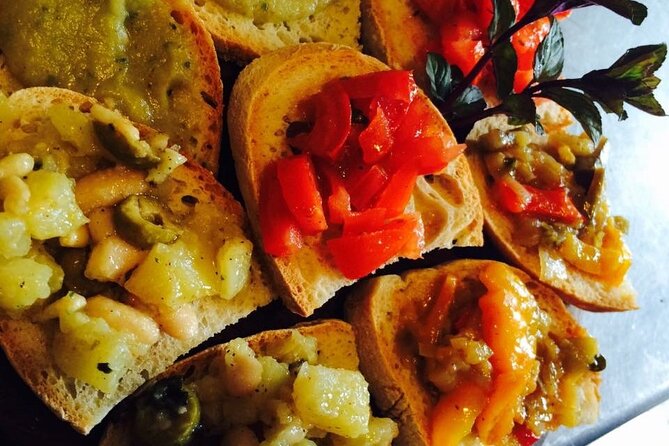
Next comes bruschetta. The menu includes four kinds, with three variations described as using fresh seasonal vegetables. That gives you a useful introduction to one of Italy’s simplest foods: toasted bread, good toppings, and careful seasoning.
Bruschetta is easy to underestimate. It looks simple, but the quality depends on balance. The bread must support the topping, the vegetables need enough flavor, and the olive oil should add character rather than merely make the dish greasy. This part of the class helps you understand why Tuscan food often relies on a few well-chosen ingredients.
The seasonal focus is important. You are not being promised the same produce in every month, and that is a good thing. The toppings can change with the harvest, so the class reflects the time of year instead of forcing a fixed menu.
I would pay attention during the olive oil tasting here. The oil is not just a garnish for the bruschetta. You have a chance to compare its taste on its own and then notice how it changes the vegetable toppings. The tasting also includes balsamic vinegar, giving you another way to adjust acidity and sweetness.
Making Pici by hand
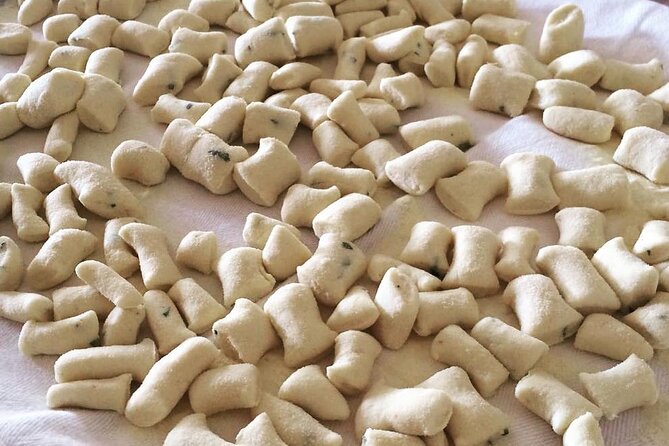
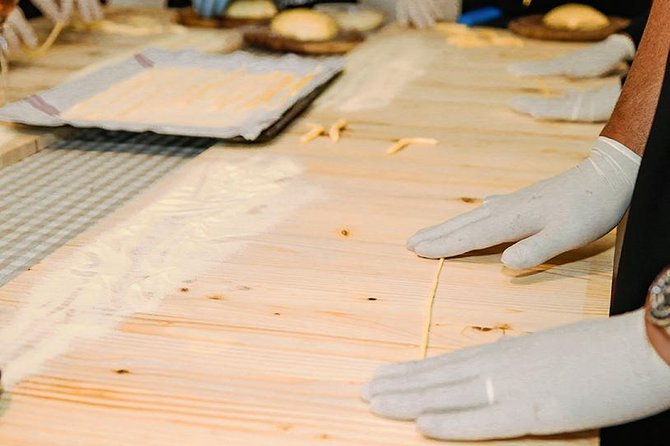
The first main pasta is pici, a thick Tuscan noodle traditionally made by rolling or stretching dough by hand. It is one of the better choices for a short class because the shape is rustic and forgiving. You do not need the precision of a delicate filled pasta to make something satisfying.
You work the dough and form the noodles, then pair them with a seasonal sauce. The sauce is not specified in advance, so the final dish can reflect what is available at the farm. That uncertainty is worth accepting because it keeps the meal tied to local produce.
Pici also gives you a recipe you can realistically repeat at home. You do not need a pasta machine to make it, and the uneven shape is part of its charm. One of the strongest reasons to book this class is that the food is both traditional and approachable. You are learning dishes that can be made for family or friends without turning your kitchen into a professional workshop.
The portion is part of a larger meal, so this is not a single-pasta lesson with an enormous serving. You will also prepare gnocchi, bruschetta, and dessert before sitting down to eat. Pace yourself during the tasting and early courses, since the meal builds quickly.
More Italian Cooking Classes in Italy:
- Cooking Class and Lunch at a Tuscan Farmhouse with Local Market Tour from Florence
★ 5.0 · 4,831 reviews - Tuscan Cooking Class and Dinner in Florence
★ 4.5 · 732 reviews - Rome Pasta Making Class with Italian Sauces and Wine Included
★ 5.0 · 645 reviews - Tuscan Cooking Class
★ 5.0 · 584 reviews
Ricotta gnocchi with a second seasonal sauce
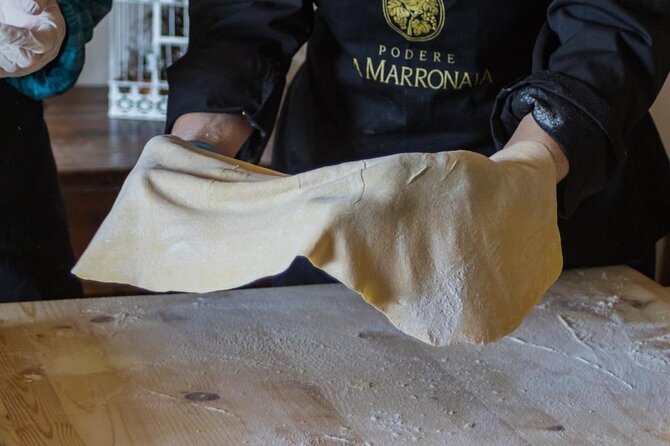
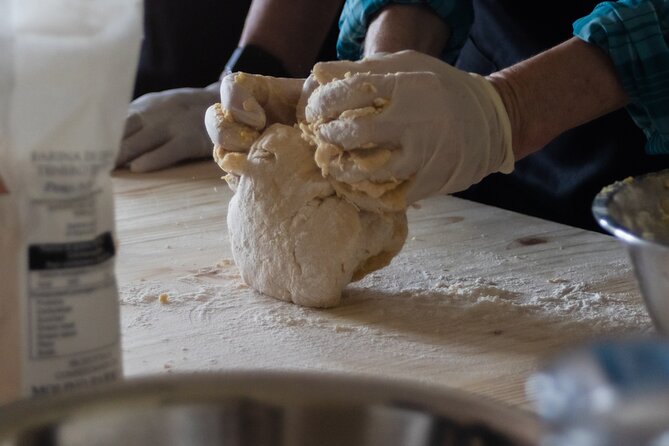
The second main dish is homemade ricotta gnocchi. Compared with pici, this teaches a different kind of pasta technique. The dough is softer, and the finished dumplings depend on a gentle touch. Too much handling can make gnocchi heavy, while careful shaping helps keep them tender.
You prepare the gnocchi with a second seasonal sauce. Having two sauces is a useful detail because it lets you compare how different shapes carry flavor. The pici holds sauce along its long surface, while gnocchi provides soft, rounded bites.
The class does not present pasta as a museum piece. You make it, cook it, and then eat it at the same table. That direct link between instruction and lunch or dinner is one of the best features of the program. The inclusion details describe a meal, and the sample menu includes both pasta courses, so you should expect a substantial sit-down meal rather than a few small samples.
Chef Leonardo has received especially warm praise for his teaching. His style is described as friendly and effective, with recipes simple enough to try again at home. If you are nervous about fresh pasta, that matters. A good instructor can keep the work relaxed while still showing you the small details that affect texture.
Eating under the Tuscan sun
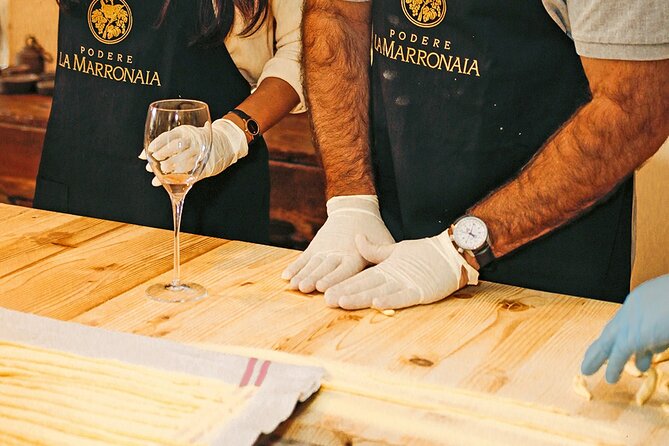
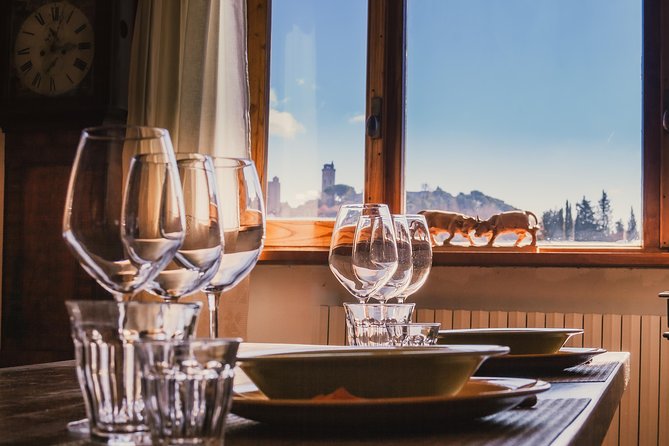
Once the cooking is finished, you sit down and eat the food you prepared. The setting may be the most memorable part of the day: a farm property near San Gimignano, vineyard views, and a meal paired with the products being tasted on site.
The wine tasting includes organic wines from the farm. The minimum drinking age is 18, so underage participants can join the cooking and meal but should not expect to take part in the wine tasting. The experience is offered in English, which keeps the instructions accessible for English-speaking visitors.
Olive oil receives its own tasting, and it has been praised as one of the highlights. This is useful for more than simple enjoyment. Olive oil varies in bitterness, pepperiness, fruitiness, and intensity, and tasting it directly helps you notice why one oil works better with bread, vegetables, or pasta.
Balsamic vinegar is also included in the table pairing. It gives the meal another layer of contrast, especially with bruschetta and possibly dessert, depending on how the host uses it. The exact pours and pairings can change, but the general idea is clear: you are sampling the farm’s products alongside food made in class.
I like that the meal is not an afterthought. You are not rushed out after shaping the pasta. The meal is the payoff, and it gives you time to enjoy the setting and talk with the group. That relaxed finish also helps justify the price more than a short cooking demonstration would.
Group size, timing, and practical details
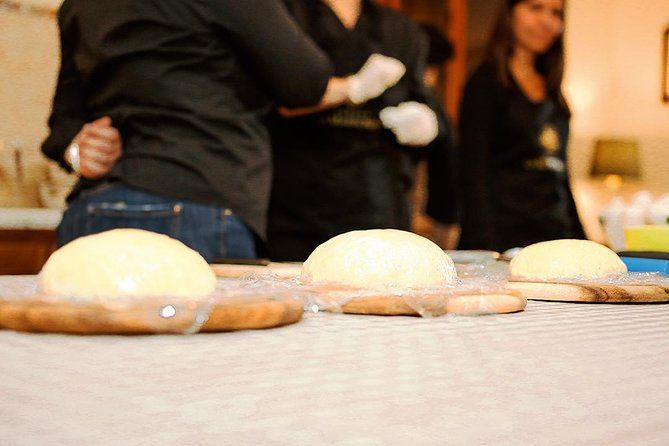
Three hours is enough time for several dishes without taking up an entire day in Tuscany. You get an introduction, dessert, bruschetta, two pastas, tastings, and a sit-down meal. The schedule sounds full, so expect an active class rather than a slow afternoon with long pauses.
The group limit is six people, and at least two people are required for the booking. A small group makes a real difference here. You are more likely to get direct help with dough, ask about ingredients, and see what the host is doing without standing behind a crowd.
The experience is available in English. If you have dietary restrictions, tell the provider when you book. A vegetarian meal option is available, but the supplied details do not spell out every possible substitution, so you should not wait until the cooking begins to explain allergies or restrictions.
The minimum age is 12. That makes the class suitable for families with older children, particularly those who enjoy cooking. It may not suit younger children who need constant entertainment, since the work involves several stages and a meal that lasts over the three-hour period.
Service animals are allowed, and the property is near public transportation. Still, transportation to and from the attraction is not included unless you select the relevant pickup option. Check your route before booking, especially if you are staying in San Gimignano without a car.
You receive confirmation within 48 hours, subject to availability. Since the class averages bookings about 51 days ahead, I would not leave it until the last moment during a busy Tuscany trip.
Is $227.67 a fair price?
At $227.67 per person, this is not a bargain cooking lesson. The price makes more sense when you count everything included: a three-hour class, a full meal, wine tasting, olive oil tasting, balsamic vinegar, an escort or host, and a maximum group size of six.
You are also paying for the setting and the access to a working farm and winery. A cheaper pasta lesson in a city kitchen may teach one dish and offer a small tasting. This class gives you a broader menu and more time at the table.
Still, value depends on your priorities. If you mainly want to learn how to make pici, you may find the cost high. If you want a special food outing near San Gimignano, with a meal and several local products included, the price is easier to defend.
The strongest value comes for couples and small groups who would rather spend an afternoon cooking than visiting another shop or rushing between sights. The small group and personal service also make the cost feel more reasonable than a large group class with limited contact.
Who should book this cooking class?
I would choose this for anyone who wants more than a tasting room visit. You get to handle the food, learn several recipes, and then eat the results in a farm setting.
It is especially well suited to:
- Couples looking for a food-centered outing in Tuscany
- Families with children aged 12 or older
- Pasta lovers who want to make pici and ricotta gnocchi
- Visitors staying near San Gimignano
- People interested in organic wine and olive oil
- Home cooks who want recipes they can repeat without specialist equipment
I would hesitate if you dislike group cooking, cannot drink wine, or want private transportation included. You can still enjoy the class without drinking, but the wine tasting is one of the included features. I would also check the dietary arrangements in advance if you have a serious allergy.
Should you book it?
Book this class if you want a full Tuscan food experience rather than a quick pasta lesson. The strongest reasons are the six-person limit, the two handmade pastas, the seasonal bruschetta, and the chance to taste wine and olive oil at the farm producing them.
The price is the main question. At $227.67, you should be ready to treat this as a special half-day outing. For a couple who values food, scenery, and personal instruction, it offers good value. For a budget-minded visitor who only wants to learn one recipe, it is probably too expensive.
I would reserve well ahead, disclose dietary needs when booking, and confirm your transport to Via Martiri di Citerna. With those details handled, this is a warm, practical introduction to Tuscan cooking, with enough food to make the class feel like a proper meal rather than a staged demonstration.
FAQ
Where does the cooking class take place?
The class takes place at Podere La Marronaia, a biodynamic winery and farm near San Gimignano. The meeting point is Via Martiri di Citerna, 2, 53037 San Gimignano SI, Italy.
How long does the experience last?
The cooking class and tasting experience last approximately three hours. It begins and ends at the stated meeting point.
What food will I prepare?
The menu includes four kinds of bruschetta, homemade fresh pici with sauce, homemade fresh ricotta gnocchi with sauce, and a dessert made from a traditional Tuscan recipe.
Is wine tasting included?
Yes. Wine tasting is included, along with olive oil and balsamic vinegar tastings. The minimum drinking age is 18.
Is a vegetarian meal available?
Yes, a vegetarian meal option is available. You should advise the provider of dietary restrictions when booking.
How many people can join the class?
The experience requires a minimum of two people and allows no more than six participants per booking. The activity itself has a maximum of six travelers.
Is transportation from my hotel included?
Hotel pickup and drop-off are not included unless you select an option that specifically provides them. Transportation to and from the attraction is otherwise your responsibility.
More Three-Hour Classes in Italy
- 3 Hour Private Italian Tradition Cooking Class in Brescia
★ 5.0 · 21 reviews - 3 hour Lasagna Bolognese cooking class
★ 5.0 · 6 reviews - 3-Hour Private Cooking Class in Cortona
★ 5.0 · 2 reviews - Marrakech: 3-Hour Open-Air Moroccan Cooking Course
★ 4.9 · 74 reviews
More Food and Drink Trips in Italy
- Small Group Cooking Class & Market Food Tour in Florence
★ 5.0 · 1,574 reviews - Pasta Making & Wine Tasting with Dinner in Frascati from Rome
★ 5.0 · 1,326 reviews - Rome: Pasta Making with Wine Tasting and Dinner in Frascati
★ 4.9 · 979 reviews - Super Fun Pasta & Gelato Class by Vatican with Wine + Oil Tasting
★ 5.0 · 726 reviews
Just added around Italy
- Cooking Class in a Sicilian countryhouse★ 5.0 · 5 reviews
- Cesarine: Home Cooking Class & Meal with a Local in Catania★ 4.5 · 10 reviews
- Cesarine: Market Tour & Home Cooking Class in Catania★ 4.0 · 6 reviews
- Cooking Class in Taormina with Lunch Included★ 5.0 · 2 reviews
- Cooking Class and Wine Pairing in Capri★ 5.0 · 57 reviews
- Cooking class in Capri for small groups★ 4.0 · 4 reviews
- Private Cooking Class Experience in Reggio Calabria★ 5.0 · 5 reviews
- Lezione di Cucina : Pasta Fresca★ 5.0 · 12 reviews
Cooking Classes with Wine Tasting, compared.
Pasta & Tiramisu Cooking Class with Unlimited Wine
Read our review →
Pasta Making Class with Wine, Limoncello, and Dessert
Read our review →
Cooking Class Pasta & Tiramisu Making Unlimited Wine
Read our review →
Fettuccine & Tiramisù: Cooking Class with Wine & Limoncello
Read our review →
Pasta Making & Wine Tasting with Dinner in Frascati from Rome
Read our review →
Rome Cooking Class: Make Pasta, Dine & Drink Wine With Local Chef
Read our review →