REVIEW · CHIANG MAI PROVINCE, THAILAND
Chiang Mai: Cooking Class with Organic Farm at Mama Noi
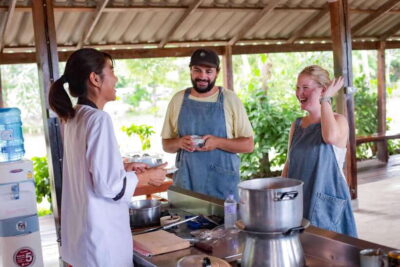
Come hungry, leave with recipes. Mama Noi Cookery School offers a lively four-hour introduction to Thai food, starting at a local market and ending with a full meal you prepare yourself. At $32 per person, I like the mix of market culture and farm produce, plus the freedom to choose dishes rather than follow one fixed menu.
I also like the practical setup: hotel pickup from Chiang Mai city, your own cooking station, English instruction, and a recipe book to take home. The main tradeoff is pace. You cook a lot in four hours, so this feels more like a fun, well-organized food workshop than a slow lesson in Thai culinary theory.
Why This Chiang Mai Cooking Class Gets High Marks
- A local market comes first: You see Thai ingredients where local shoppers buy them, with time to look around and learn what you will use later.
- The organic garden makes the food easier to understand: Herbs and vegetables become more than items on a recipe sheet when you can see and taste them growing.
- You choose much of your menu: The class commonly offers three choices in each category, including soup, stir-fry, and curry.
- You cook a serious amount of food: A typical menu includes three savory dishes, mango sticky rice, and Thai milk tea.
- The instructors bring plenty of energy: Guides such as Nook, Tida, Pam, Ray, Blue, Fern, and Mai are praised for humor, patience, and clear demonstrations.
- The takeaway cookbook is genuinely useful: It includes the recipes you made, so the class can continue in your own kitchen.
From Chiang Mai Hotel Pickup to the Local Market
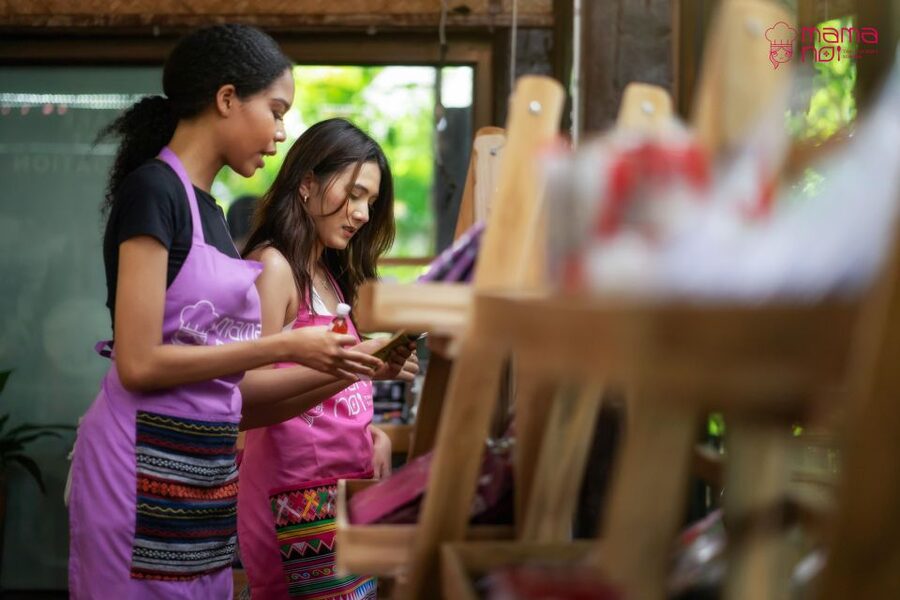
The experience begins with pickup from the Chiang Mai city area. Transport is included, along with a local driver, which makes the morning or afternoon easy to manage. Pickup is often by red songthaew, Chiang Mai’s familiar shared-style truck, though the exact vehicle can vary.
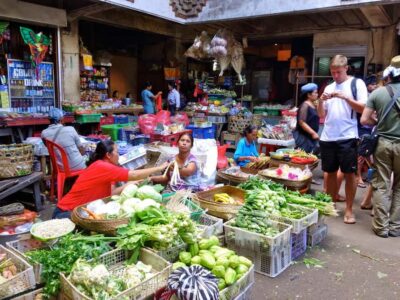
The market visit gives the class a useful start. Instead of meeting the ingredients only after they have been washed and arranged at the school, you see them in a working local market. The point is not simply shopping. Your instructor explains the herbs, vegetables, spices, and other ingredients that appear in Thai cooking.
You also get some time to look around on your own. That small window matters. It lets you take in the smells, colors, and unfamiliar produce without being hurried from one stall to the next.
I especially like this part for first-time visitors to Thailand. A market can feel confusing when you do not know the difference between several types of basil, which chilies are mild, or how curry ingredients are sold. The guide gives you a useful starting point before you begin chopping.
The market is not described as a tourist-only stop. That makes it more interesting, but it also means you should expect a working food market rather than a polished attraction. It may feel busy and unfamiliar at times. That is part of the value.
More Farm Cooking Classes in Chiang Mai
- Half-Day Thai Cooking Class at Organic Farm in Chiang Mai
★ 5.0 · 19,087 reviews - Chiang Mai: Authentic Cooking Class with Market & Farm Visit
★ 4.9 · 4,546 reviews - Full Day Thai Cooking at Farm (Chiang Mai)
★ 5.0 · 1,127 reviews
The Organic Garden Makes the Ingredients Personal
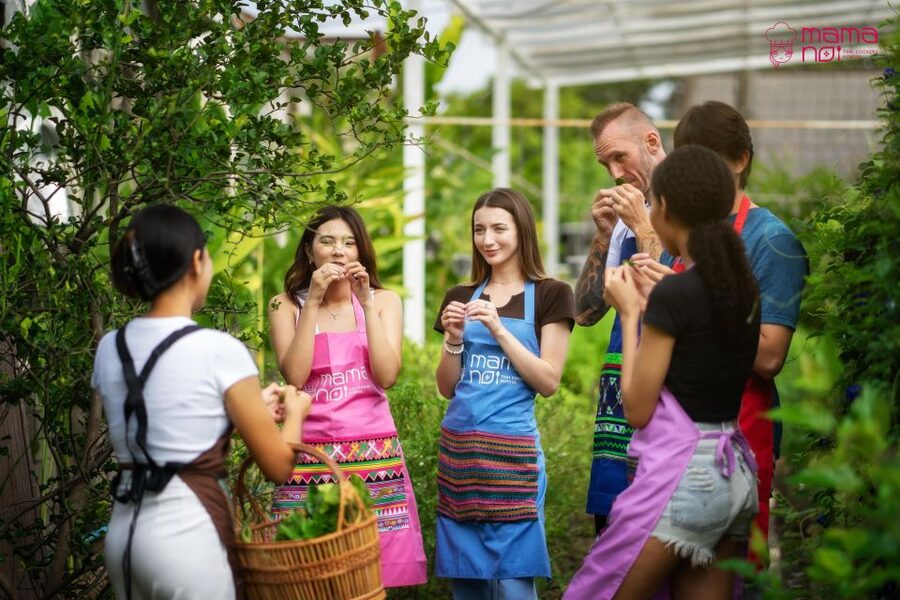
After the market, you continue to Mama Noi’s cooking school and organic garden. The garden is one of the most praised parts of the experience, and it gives the class a pleasant change of pace before the cooking begins.
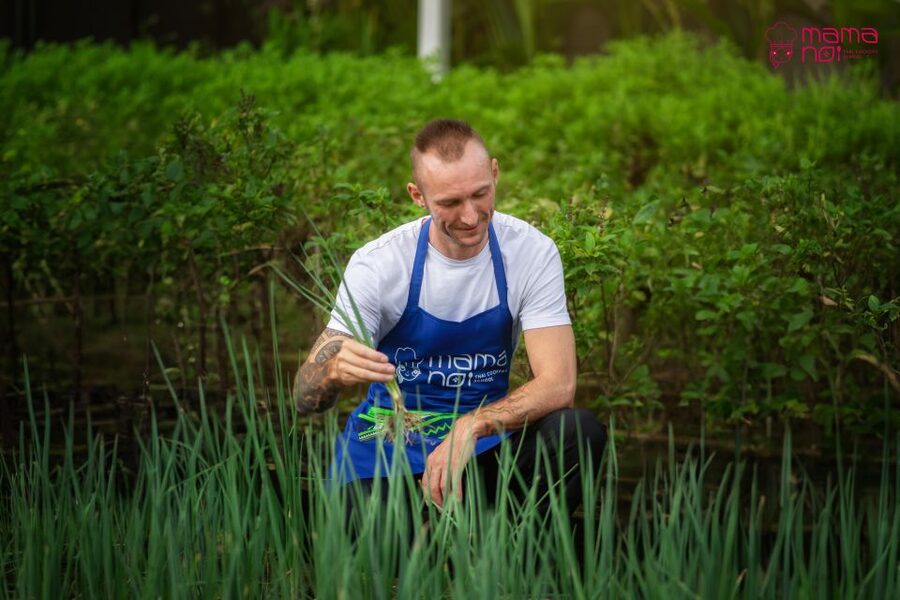
Your guide walks you through the plants used in the school’s menus. You can learn how ingredients are grown, taste some herbs and vegetables, and see the connection between the garden and your plate. Guests have also mentioned the school’s two pet tortoises, a small detail that adds charm, especially for families with older children.
The garden is not just decoration. It helps explain why Thai food depends so much on fresh herbs, aromatic leaves, chilies, and vegetables. When you smell or taste an ingredient at the source, it is easier to remember how it affects the finished dish.
This is also where the setting begins to feel different from a cooking lesson in a city building. The school is described as large and attractive, with clean cooking areas and a pleasant outdoor space. If you want the most scenic part of the activity, this is it.
Choosing Your Thai Menu
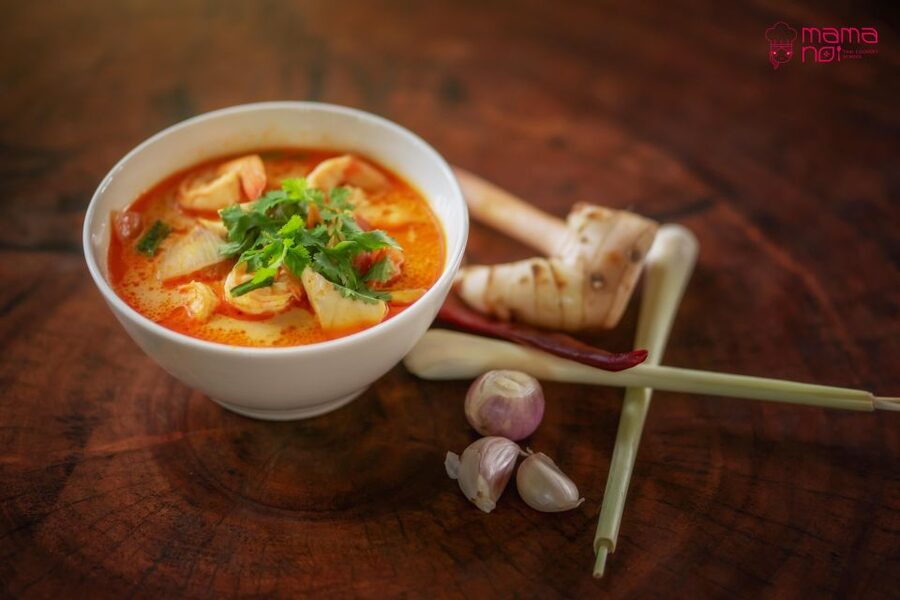
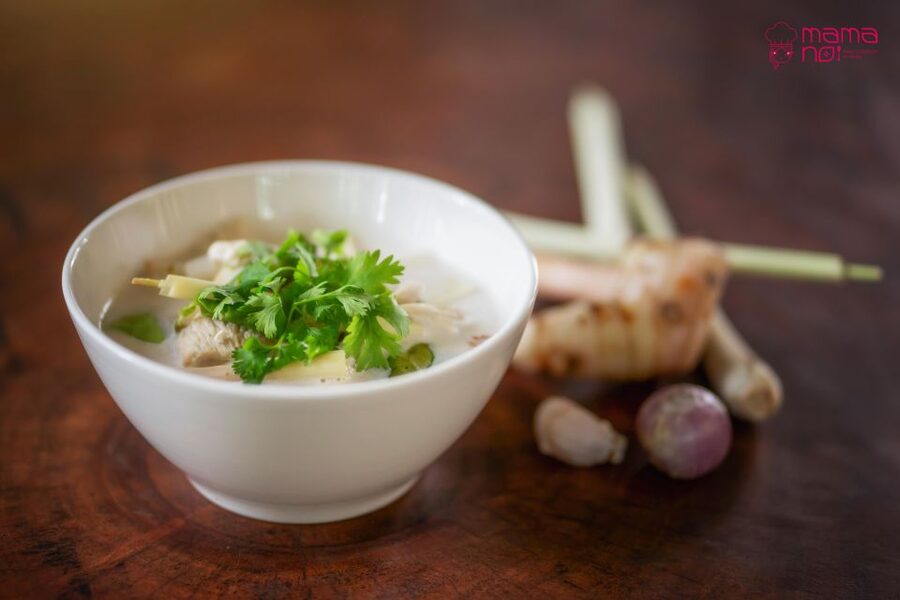
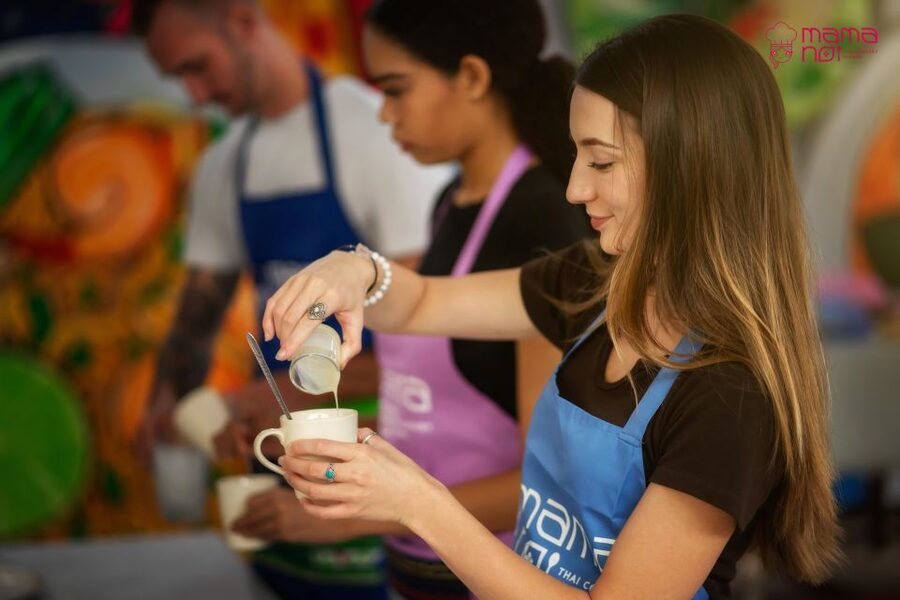
The menu is a strong feature because you are not locked into one set of dishes. The available choices can vary, but the usual structure includes one soup, one stir-fry, and one curry. You may also prepare mango sticky rice and Thai milk tea.
Some of the dishes mentioned include pad Thai, tom som soup, khao soi, and other familiar Thai favorites. Khao soi is an especially good choice in Chiang Mai. This northern Thai curry noodle dish is closely linked with the city, so learning to prepare it gives the class a local flavor rather than presenting only the best-known dishes from central Thailand.
In several sessions, you choose three dishes from a list of nine. That arrangement works well for couples or friends with different tastes. One person can select a curry while another chooses a different soup or stir-fry, then each person prepares their own food.
The menu also gives you a chance to control the level of adventure. If you are cautious with spicy food, ask about the heat before choosing. Thai dishes can be adjusted, and one instructor is specifically praised for catering to dietary needs, but you should raise allergies or restrictions before cooking begins.
The promise of five dishes needs a little explanation. The experience description presents the class as five authentic dishes, while the detailed session pattern is usually three savory dishes plus mango sticky rice and Thai milk tea. In practical terms, you will cook several separate items and finish with a very full meal.
Cooking at Your Own Station
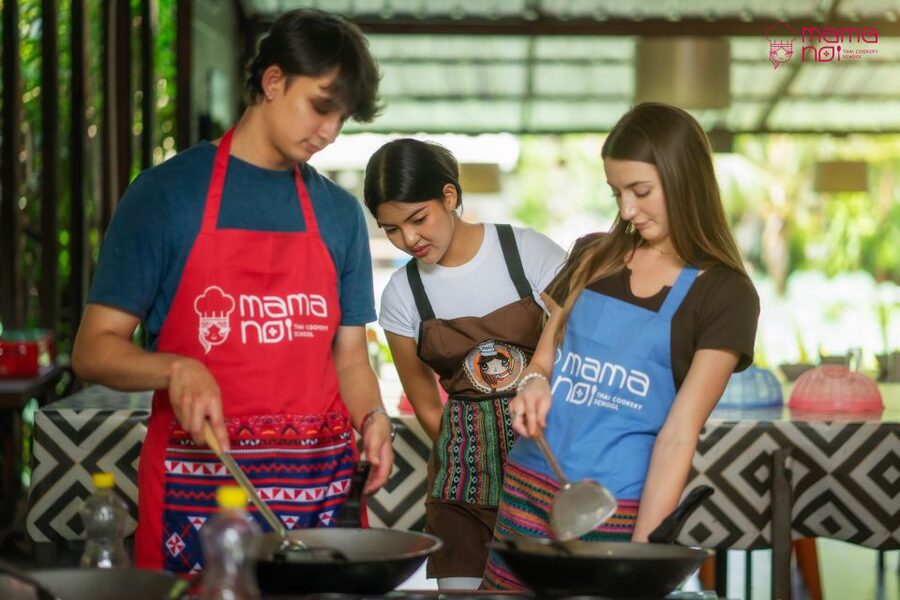
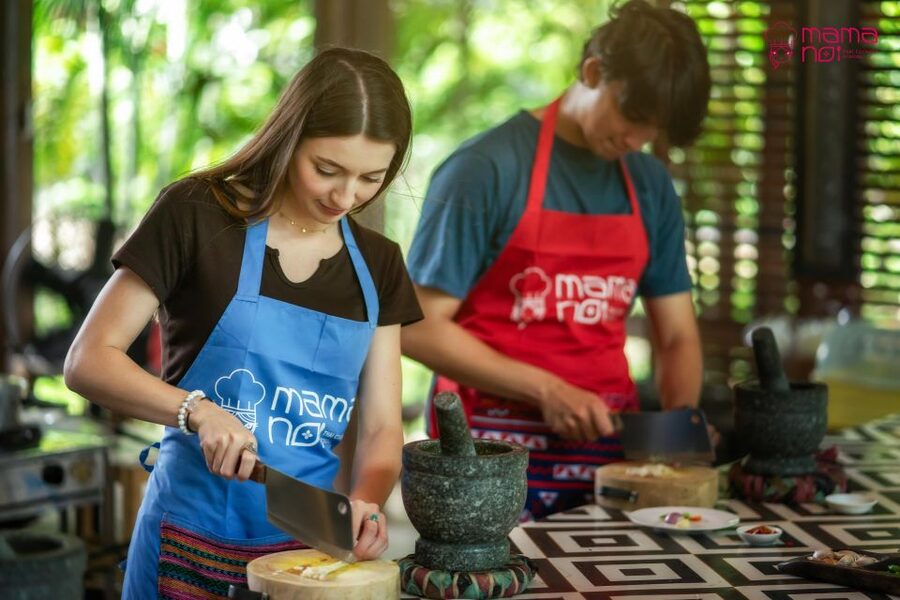
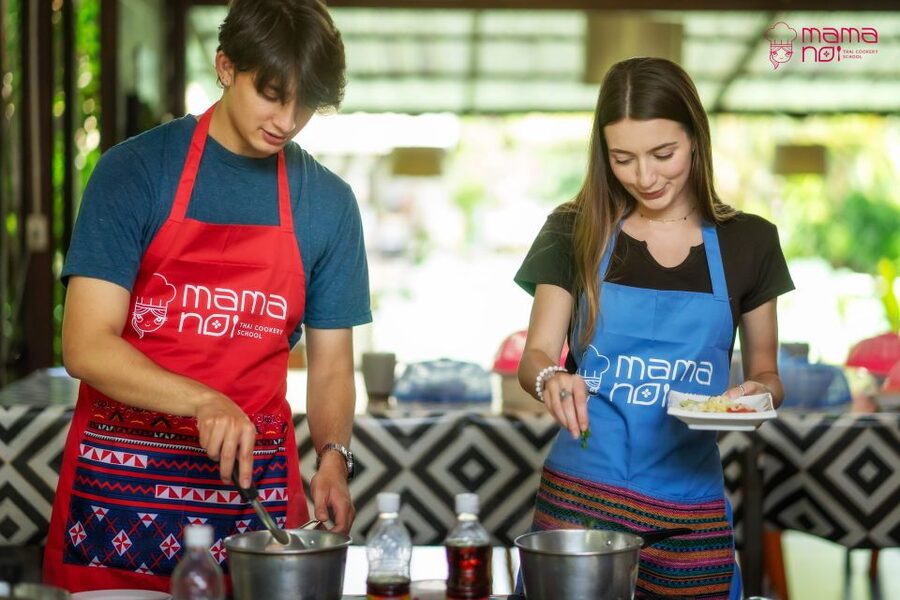
Once the garden visit ends, the class moves into the kitchen. You work at your own cooking station and follow the chef through preparation, seasoning, and cooking.
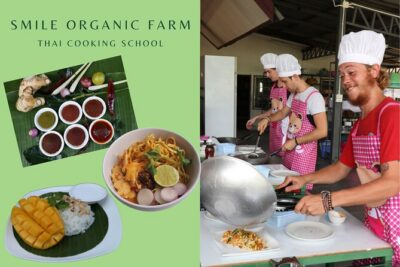
The class focuses on doing rather than watching. You chop vegetables, prepare ingredients, cook in a wok or pan, and assemble the dishes yourself. The instructors first demonstrate the steps, then give you room to work while keeping an eye on the group.
That balance is important. Thai cooking often looks simple once everything is prepared, but the preparation takes attention. Cutting vegetables, measuring sauces, handling curry ingredients, and timing several components can quickly become a lot to manage. The instructors keep the process moving and assistants clear away used woks and utensils so you can start the next dish without a pile of dirty equipment.
The strongest praise goes to the teaching style. Nook is described as patient and funny, Tida as warm and entertaining, and Pam as energetic and informative. Ray, Blue, Fern, and Mai also receive praise for keeping the class relaxed and easy to follow.
The humor helps because cooking in a new style can feel intimidating. You are less likely to worry about making a mistake when the instructor treats the process as a shared activity rather than a test.
Still, the pace is worth noting. You make several dishes in one session, and that leaves less time for a long explanation of Thai culinary principles. You will learn useful techniques and ingredient basics, but you may not receive a detailed lesson on regional food traditions, knife skills, or the science behind every curry paste.
For most people, that is a fair exchange. You get more hands-on cooking and more food. If your main goal is advanced culinary training, you may prefer a smaller, slower class.
More Farm Cooking Classes in Thailand
- Chiang Mai: HALF-DAY COOKING COURSE at a Thai Cooking Farm
★ 4.9 · 705 reviews - Cooking Class with Organic Farm in Chiang Mai at Mama Noi
★ 5.0 · 502 reviews - Evening Cooking Class in Organic Farm with Local Market Tour
★ 5.0 · 394 reviews - Cooking Morning Class Chiang Mai Visit Organic Garden and Market
★ 5.0 · 211 reviews
Eating the Food You Made

At the end, you sit down and eat the meal you prepared. This is more satisfying than simply receiving lunch after a demonstration because you know how each dish came together.
The portions are generous. Several people describe leaving very full, especially during afternoon and evening sessions. I suggest eating lightly beforehand, particularly if you choose the full menu and do not want to waste food.
The cooking format also makes it easier to compare dishes. You can see how a soup differs from a stir-fry, how curry gains its flavor, and how a dessert such as mango sticky rice finishes the meal. Thai milk tea adds a sweet drink to the session.
Alcohol is not included, though it can be purchased. Food and drinks are included as part of the cooking experience when specified, but personal expenses are extra. If you cannot finish everything, ask the staff about a takeaway container. At least one session offered a box, though this may not be guaranteed every time.
This is a useful point for anyone with a small appetite. The class is built around eating what you cook, not taking a small tasting portion. Plan your day accordingly.
The Recipe Book and Certificate
You receive a recipe book after the class. It contains the recipes prepared during your session, making it more useful than a generic souvenir booklet.
The book is also a nice way to keep the experience alive after Chiang Mai. Thai cooking can seem difficult when you first see a long list of herbs and sauces, but the recipes give you a repeatable starting point. You may need to find substitutes at home, yet the method and proportions provide a clear guide.
A certificate is also included after completion. It is a lighthearted souvenir rather than a professional qualification, but it gives the activity a pleasant finish. The cookbook is the more useful item. The certificate is the fun one.
How Much Value Do You Get for $32?
At $32 per person, the price is strong for what is included. You are paying for around four hours of activity, transport from the Chiang Mai city area, a local market visit, the garden tour, instruction, ingredients, a large meal, and a recipe book.
The value improves if you would otherwise pay separately for transport and lunch. You also get more than a demonstration. You actively prepare several dishes, which makes the lesson easier to remember.
The class is not the cheapest way to eat Thai food. A local restaurant meal can cost less, especially if you choose simple dishes. That is not really the comparison that matters. Mama Noi is selling instruction, access to a garden and market, a social activity, and the chance to cook food you might not otherwise attempt.
The group size can be small, depending on availability. That matters because personal attention is what helps the class work. The available feedback points to instructors checking on individual cooks and re-explaining steps when needed.
The only value concern is that the four-hour schedule can feel packed. If you want long conversations with the chef or a quiet, private lesson, this may not be your best fit. If you want to do a lot, eat well, and take home recipes, the price is easy to justify.
Practical Details Before You Book
The activity lasts four hours, but transport is part of the overall schedule. Starting times vary, so check availability for the day you want.
English instruction is provided. The class suits adults and older children who can take part in the cooking. Children under 10 are not suitable for the cooking portion.
A child category is used for a visitor who does not cook. One visitor is allowed per student. That visitor can join the market trip, transportation, and meal, but cannot take part in the cooking class. Children under 10 who accompany a participating adult receive transport and a meal but cannot cook.
This rule is important for families. If your child wants to prepare food, check the age requirement before booking rather than assuming a family ticket includes kitchen access.
You can cancel up to 24 hours before the activity for a full refund, and reserve now while paying later. Luggage storage is available as an add-on, which may help if you are changing hotels or heading onward after the class.
The school offers an air-conditioned room as an option. One participant found it worth choosing, especially in warm weather. If you are sensitive to heat, ask about this option when selecting your session.
Who Will Enjoy Mama Noi Most?
I would recommend Mama Noi to first-time visitors who want a friendly introduction to Thai food without spending a full day in a formal culinary school.
It is particularly good for:
- Couples who want a hands-on activity with plenty of food
- Solo visitors who enjoy meeting people in a small group
- Families with children old enough to cook
- Anyone curious about Thai herbs, curry, and local market ingredients
- Visitors who want to learn dishes such as khao soi and pad Thai
- People who like taking home practical recipes
You may want to choose another style of class if you prefer a private lesson, advanced instruction, or a long, quiet discussion of Thai food traditions. Mama Noi is energetic and organized. It keeps you moving.
The experience also works well as a rainy-day plan. The garden and market remain part of the outing, but much of the hands-on cooking takes place under cover. You get a useful Chiang Mai activity without giving up the chance to eat well.
Should You Book the Mama Noi Cooking Class?
Yes, if you want a well-priced, hands-on introduction to Thai food with transport included. The strongest parts are the local market, the organic garden, the choice of menu, and the amount of cooking you actually do.
Book with realistic expectations. You will not receive an advanced course in Thai culinary history, and the schedule can feel brisk. But you will learn practical dishes, meet an energetic English-speaking chef, eat a large meal, and take home recipes you can use.
With a 4.9 rating from 1,151 reviews, Mama Noi has clearly earned strong approval. I would choose the class early in your Chiang Mai stay if you want to use the market knowledge and cooking ideas during the rest of your trip. Come hungry, choose your dishes carefully, and ask for less heat if needed.
FAQ
How long does the Mama Noi cooking class last?
The activity lasts four hours, including transportation, the local market visit, the organic garden visit, cooking, and the meal.
Is hotel pickup included?
Yes. Hotel pickup and drop-off are included for the Chiang Mai city area.
What dishes will I cook?
The menu can vary, but the class commonly includes one soup, one stir-fry, one curry, mango sticky rice, and Thai milk tea. You can choose dishes from available options.
Is the cooking class taught in English?
Yes. English instruction is provided.
Can children join the activity?
Children under 10 cannot take part in the cooking activities. A visitor who does not cook can join the market, transportation, and meal, with a limit of one visitor per student.
Is the recipe book included?
Yes. You receive a recipe book containing the dishes made during the class.
Can I cancel for a full refund?
Yes. You can cancel up to 24 hours in advance for a full refund.
Just added around Chiang Mai
- Aroidee’s Farm-Fresh Thai Cooking Experience★ 5.0 · 8 reviews
- Signature Thai Cooking Course★ 5.0 · 79 reviews
- Private Half-Day Thai Cooking Class in Chiang Mai★ 5.0 · 4 reviews
- Half Day Guided Thai Cooking Class in Chiang Mai★ 5.0 · 13 reviews
- Online Thai and Akha Cooking Class★ 5.0 · 70 reviews
- Private Virtual Thai Cooking Class★ 5.0 · 9 reviews
- Northern Thai Cooking Class in Chiang Mai in a Countryside Home★ 5.0 · 2 reviews
- 5 Hour Morning Thai Cooking Course★ 5.0 · 31 reviews
Farm & Countryside Cooking Classes, compared.
Half-Day Thai Cooking Class at Organic Farm in Chiang Mai
Read our review →
Cooking Class and Lunch at a Tuscan Farmhouse with Local Market Tour from Florence
Read our review →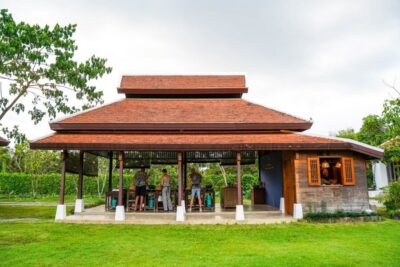
Authentic Cooking Class with Market & Farm Visit
Read our review →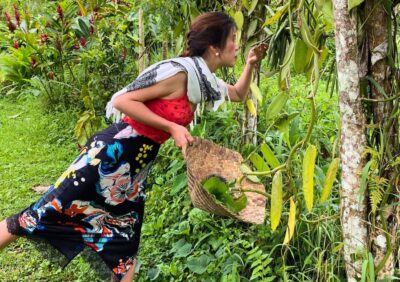

Hands-On Cooking Class & Farmhouse Tour on the Amalfi Coast
Read our review →