
REVIEW · PALERMO, ITALY
Sicilian Cooking Class
Food is Palermo’s best welcome.
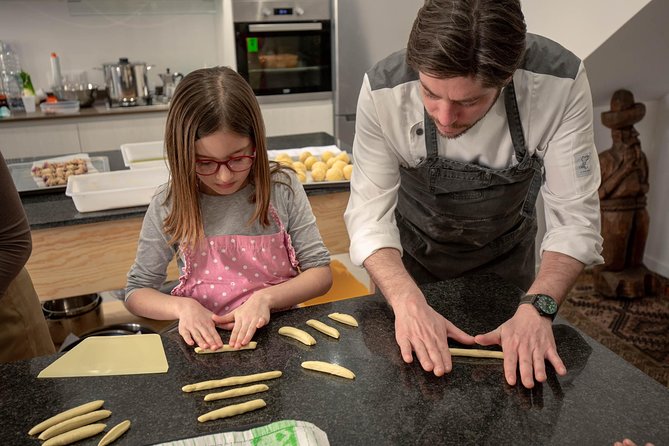
This four-and-a-half-hour experience combines a walk through the Capo Street Market with a hands-on Sicilian cooking lesson led by Michael, an English-speaking chef with a warm, easy teaching style. I like the market visit because you learn what local ingredients look like before they reach the pan, and I like the small-group format, capped at eight people, which gives you room to take part. The main consideration is that the class may involve a steep flight of stairs to the cooking space, and it is not recommended for people with severe food allergies.
The meal is the reward: four courses, Sicilian wine, coffee, and homemade liqueurs. Menus change with the season, so you may prepare dishes such as panelle, pasta con le sarde, fried artichokes, swordfish, cannoli, cassata, or almond granita. This is not a quick demonstration where you watch someone else cook. You handle ingredients, learn the reasons behind each dish, and sit down afterward to eat what the group made.
Key points at a glance
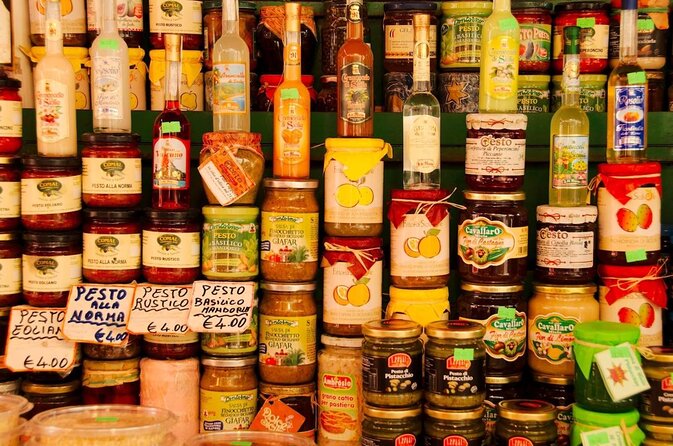
- A market lesson before the cooking begins: Meet near Porta Carini and shop for fresh ingredients at Palermo’s historic Capo Market.
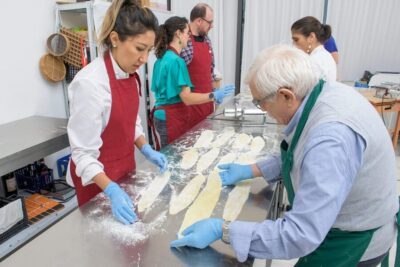
- A genuinely hands-on class: You help clean, prepare, shape, fry, bake, and assemble the food rather than simply watching.
- A four-course Sicilian meal: The menu includes a starter, pasta dish, main course, and dessert, with seasonal changes.
- Michael teaches in clear English: He explains both technique and food culture, with help from assistants such as Elena or Melissa.
- A convivial finish: Sit down with the group for wine, coffee, homemade liqueurs, and the food prepared in class.
- Good value for a food-focused afternoon: At $118.56 per person, the price includes the market outing, instruction, meal, wine, coffee, and liqueurs.
Meeting the class near Palermo’s Capo Market
The experience begins at 10:00 a.m. near Porta Carini, the old entrance to Mercato del Capo. The listed meeting point is at Parcheggio ORLANDO, Piazza Vittorio Emanuele Orlando 49, in central Palermo. From there, the group heads into the market to choose what will be used in the kitchen.
This first stop gives the class a useful local setting. Instead of beginning with bowls and cutting boards, you see the produce, fish, herbs, and other ingredients in the place where Palermitans shop. Michael uses the market to explain what to look for and how seasonal availability affects the menu.
That matters because Sicilian cooking often depends on a few good ingredients treated simply. Fresh sardines, wild fennel, artichokes, almonds, tomatoes, ricotta, and citrus each bring a clear flavor. The market visit helps you understand why the finished food tastes the way it does.
Do not expect a long guided sightseeing walk through Palermo. The market visit is practical and connected to the meal. If rain affects the market, some vendors may be closed, as happened during one particularly wet visit. Still, the shopping portion remains an important part of the class because it links the food on your plate to a real neighborhood market.
More Italian Cooking Classes in Palermo:
- Palermo: Market Tour and Sicilian Cooking Class with Lunch
★ 4.9 · 229 reviews - Wanna be Sicilian: Palermo Cooking Class and Market Tour
★ 5.0 · 197 reviews - Palermo: Exclusive Sicilian cooking class at the home of a well-known Italian chef
★ 5.0 · 75 reviews
From street food to the cooking table
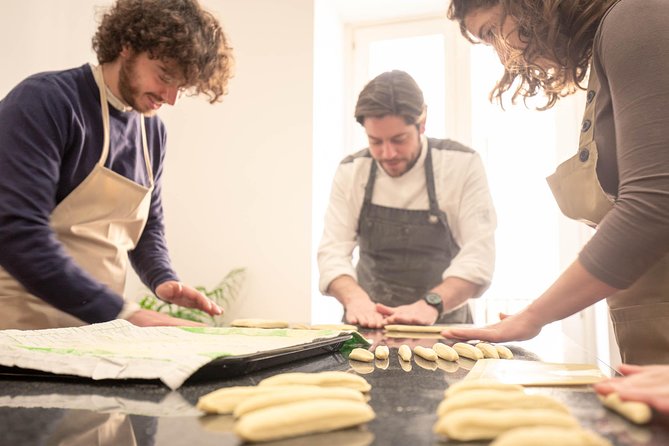
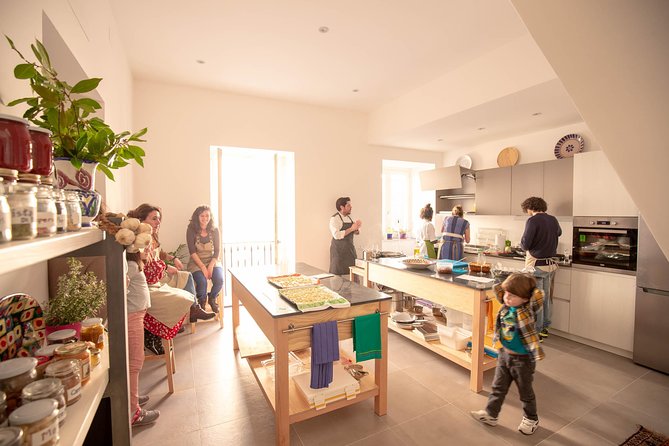
After shopping, the group walks a short distance to an air-conditioned cooking school and dining space. This is a welcome change in Palermo’s heat, especially during the warmer months. The setting is described as quaint and well suited to a small group, with enough room for everyone to assist.
The class has a maximum of eight participants, and several groups have been as small as six. That size makes a real difference. You are less likely to spend the whole lesson standing behind someone else, and Michael can give attention to individual questions and tasks.
The teaching style is active but not frantic. You may learn how to use a knife and scraper correctly, prepare vegetables, make pasta, form filled foods, and work through cooking steps under guidance. The goal is to give you enough practice to repeat the recipes at home, not just to produce lunch in one afternoon.
Michael also explains why a technique works. That may mean discussing how a recipe changes with the season, why breadcrumbs are used in a particular dish, or how Sicilian food reflects ingredients and traditions from across the Mediterranean. His English is described as excellent, so language should not be a major obstacle for English-speaking participants.
The dishes you may prepare
The exact menu depends on what is available. That is a strength, not a weakness. A fixed menu can be predictable, while a seasonal menu gives you a closer look at how Sicilian kitchens actually operate.
Panelle and other Palermo street foods
Panelle are chickpea fritters, fried fresh and served with lemon. They are a Palermo classic and a fine introduction to the city’s fondness for inexpensive, filling street food.
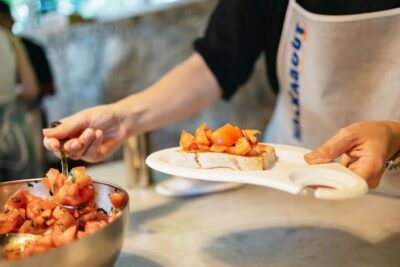
You may also prepare arancine al burro, saffron-colored rice balls filled with ham and cheese, then breaded and fried. Fried artichokes, cleaned, quartered, breaded, and cooked until crisp, are another possible starter.
These dishes teach useful basics: seasoning, shaping, coating, and frying. They also show that Palermo’s best-known street foods are more varied than the usual pizza and gelato stops.
A few more cooking classes around Palermo worth a look
- Palermo: Pizza and Gelato Cooking Class with Dinner and Wine
★ 4.9 · 951 reviews - Palermo: Pasta & Tiramisu Cooking Class at a Local’s Home
★ 4.9 · 74 reviews - Palermo: Half-Day Cooking Class & Market Tour
★ 4.9 · 60 reviews - Market Tour, Traditional Cooking and Limoncello class
★ 5.0 · 35 reviews
Fresh pasta and pasta con le sarde
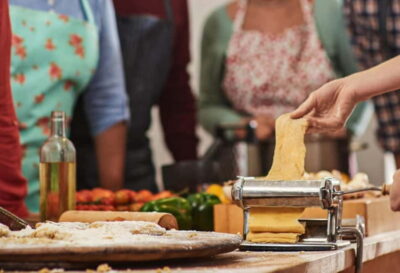
Making fresh pasta is one of the most popular parts of the class. You work the dough with your hands and learn how to prepare a southern Italian style pasta. It may be served with a fresh tomato sauce.
Another possible pasta dish is pasta con le sarde, a Palermitan classic built around fresh sardines, wild fennel, saffron, currants, and pine nuts. Toasted breadcrumbs finish the dish. The combination may sound unusual if your idea of Italian pasta begins and ends with tomato sauce, but it captures Sicily’s mix of sweet, savory, coastal, and herbal flavors.
The lesson gives you more than a recipe. It shows how pantry items such as currants, nuts, saffron, and breadcrumbs can turn a simple pasta dish into something with real character.
Meat and fish courses
The main course may be involtini di carne, thin rolls of meat filled with cheese, breadcrumbs, currants, and almonds. They are skewered, breaded, and roasted, and are described as a family favorite.
Pesce spada panato is another possibility. Slices of swordfish are dipped in extra-virgin olive oil and coated with breadcrumbs seasoned with parsley, mint, and lemon zest. This preparation is straightforward enough to repeat at home, but the quality of the fish and the balance of herbs make it distinctly Sicilian.
The menu gives you a useful range. You might work with meat one day and fish another, depending on the season and the group’s menu. If someone in your party is vegetarian, the class has adjusted the food for a vegetarian participant without changing the meal for everyone else. Still, you should share dietary needs before arrival.
Cannoli, cassata, and almond granita
Dessert is not an afterthought. Cannoli may be made with fried pastry tubes filled with sweet ricotta cream, candied orange peel, and Bronte pistachios.
Cassata, Sicily’s famous decorated cake, combines almond paste, sponge cake, sweet ricotta, and candied fruit. It is a more involved dessert and a good reminder that Sicilian sweets often use nuts, citrus, and ricotta in bold combinations.
Almond granita is simpler: water, sugar, and almonds. Its cool texture makes sense after a warm meal and offers a lighter finish than cassata or cannoli. The possibility of making different desserts also adds variety from one class to another.
Sitting down to eat what you made
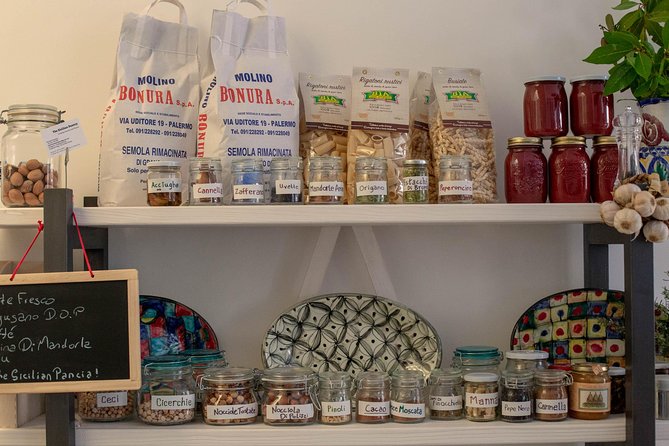
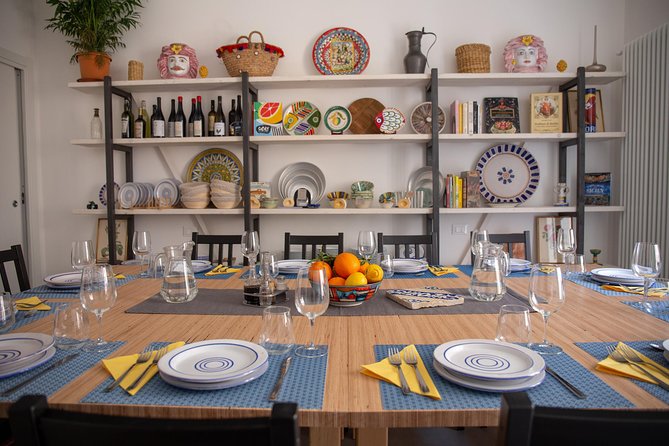
Once the cooking is complete, everyone sits down for a four-course meal. This shared table is one of the strongest parts of the experience because you are not simply handed a plate at the end. You can connect each course to the work you did earlier.
Sicilian wines are served with the meal, followed by coffee and homemade liqueurs. One class included homemade orange liqueur, while another included a special sauce that the chef makes only once a year. These small touches help the meal feel like a generous kitchen gathering rather than a formal school exercise.
The tone is relaxed and social. Michael shares stories from his life and cooking experience, and assistants such as Elena and Melissa help keep the room moving. You can expect conversation among people from different places, with the food providing an easy subject.
The portion is described as satisfying without being excessive. That is useful on a day when you may want to keep exploring Palermo afterward. The class starts at 10:00 a.m., so the meal will likely function as a late lunch or an early afternoon feast.
What makes Michael’s teaching effective
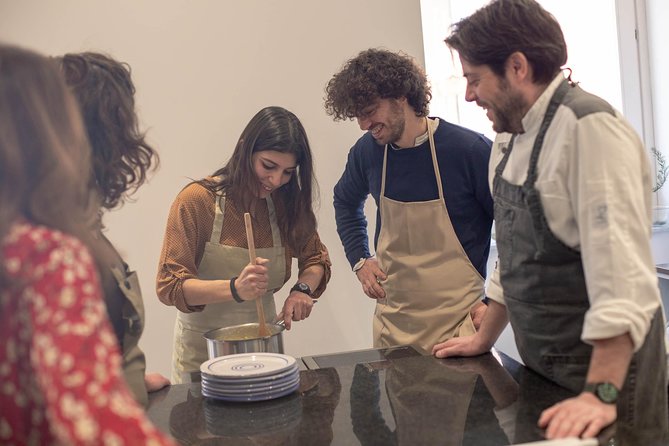
Michael receives especially strong praise for organization, warmth, and practical instruction. He is not presented as a distant chef who performs while the group watches. He explains the steps, answers questions, and makes sure everyone has a task.
His background also adds an interesting layer. He is an Irish chef living in Palermo with his Sicilian wife, so the class brings together professional cooking experience and a close connection to local food culture. That mix can make the explanations more approachable, especially if you are curious about how recipes fit into daily life.
The assistants, including Elena and Melissa, add support and humor. Their presence appears to help the class feel less formal. One young participant, aged 13, also enjoyed the experience, suggesting that the class can work for families as well as adults, provided the young person is interested in cooking.
A cookbook was given to at least one group, but this is not listed as a standard inclusion, so you should not count on receiving one. The reliable takeaway is the practical knowledge: how to prepare the dishes, how to use the tools, and how to adapt to the ingredients available.
Is $118.56 a fair price?
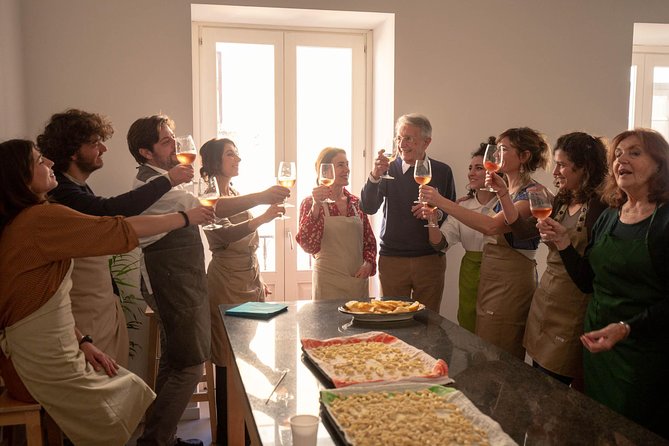
At $118.56 per person, this is not a budget meal. The value comes from what is included: a market visit, fresh ingredients, roughly four and a half hours of instruction, a four-course meal, wine, coffee, and homemade liqueurs.
If you only want to eat Sicilian food, a restaurant meal will cost less. If you want a private lesson, this class may cost more than a larger demonstration. But for a small group experience that combines shopping, cooking, cultural context, and dinner, the price is reasonable for someone who will take an active role.
I would judge the value by your interest in learning. You are paying for time with a chef, not just for the food. The recipes are simple enough to try at home, and the market visit gives you context that a restaurant cannot provide.
Practical details before you book
The experience lasts about four hours and 30 minutes, beginning at 10:00 a.m. It ends back at the meeting point. The activity is offered in English and accepts mobile tickets.
Wear something comfortable for cooking and plan for a morning followed by a substantial meal. Because the cooking space may require a steep flight of stairs, contact the provider if mobility is a concern. Service animals are allowed, and the meeting point is near public transportation.
People with severe food allergies should not book without contacting The Sicilian Pantry first. Dietary requirements can be discussed, and vegetarian adjustments have been made successfully, but the class is built around shared food preparation in a kitchen that handles many ingredients.
Free cancellation is available if you cancel at least 24 hours before the start time. Changes or cancellations made inside that window are not accepted for a refund.
Who will enjoy this class most?
You should book this if you want to understand Palermo through its food and are happy to participate. It suits curious eaters, home cooks, couples, families with interested older children, and anyone who prefers a small group to a large organized tour.
It is also a good choice if you are tired of generic Italian menus. The possible dishes include panelle, pasta con le sarde, fried artichokes, swordfish, cassata, and almond granita, all firmly tied to Sicilian cooking.
This may not suit you if you dislike group meals, have serious allergies, or want a completely predictable menu. The seasonal approach is part of the charm, but it means you cannot assume every listed dish will appear on your date.
Should you book the Sicilian Cooking Class?
Yes, if you want one of Palermo’s most useful food experiences rather than another meal eaten at a table.
The strongest reasons to book are the Capo Market visit, Michael’s clear English instruction, the small group, and the chance to prepare a full four-course meal. You leave with more than a full stomach. You gain techniques, recipes, and a clearer sense of how Palermo cooks.
Book early if your dates are fixed. The experience is often reserved well in advance, with an average booking lead time of about 77 days. For food lovers, this is a strong use of half a day in Palermo, especially if you want local dishes, friendly instruction, and a meal you helped create.
FAQ
Where does the Sicilian Cooking Class begin?
It begins at Parcheggio ORLANDO, Piazza Vittorio Emanuele Orlando 49, Palermo, near Porta Carini and the Capo Market.
What time does the experience start?
The start time is 10:00 a.m.
How long does the cooking class last?
The experience lasts approximately four hours and 30 minutes.
What market does the class visit?
The group visits Capo Street Market, also called Mercato del Capo, in Palermo’s old town.
Is the class offered in English?
Yes. The experience is offered in English, and Michael is described as speaking excellent English.
How many people can join the class?
The maximum group size is eight participants.
What food might be included?
Possible dishes include panelle, arancine al burro, fried artichokes, fresh pasta, pasta con le sarde, meat involtini, breaded swordfish, cannoli, cassata, and almond granita. The menu changes with the season.
Are drinks included?
Yes. The meal includes a selection of Sicilian wines, followed by coffee and homemade liqueurs.
Can dietary requirements be accommodated?
You should contact The Sicilian Pantry in advance with dietary requirements. The class is not recommended for people with severe food allergies, although a vegetarian menu adjustment has been made for a participant.
Just added around Palermo
- Palermo: Sicilian Cuisine Social Cooking Class & Dinner★ 5.0 · 4 reviews
- Palermo: Shopping at Capo Market and Sicilian Cooking Class★ 5.0 · 2 reviews
- Palermo: Pasta & Tiramisu Cooking Class at a Local’s Home★ 4.9 · 74 reviews
- Palermo: Exclusive Sicilian cooking class at the home of a well-known Italian chef★ 5.0 · 75 reviews
- Palermo: Sapore di Strada Cooking Class★ 4.7 · 22 reviews
- Palermo: Authentic Italian Cooking Class★ 4.6 · 15 reviews
- Palermo: Cooking and Limoncello Class★ 4.6 · 14 reviews
- Palermo: Italian Cooking MasterClass with Food & Wine★ 5.0 · 2 reviews
Italian Cooking Classes, compared.
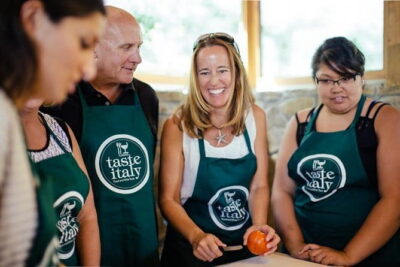
Cooking Class and Lunch at a Tuscan Farmhouse with Local Market Tour from Florence
Read our review →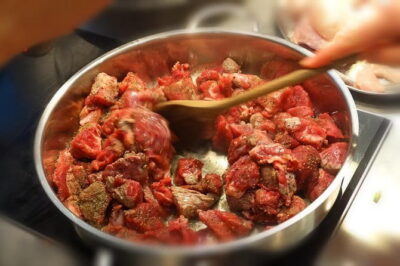
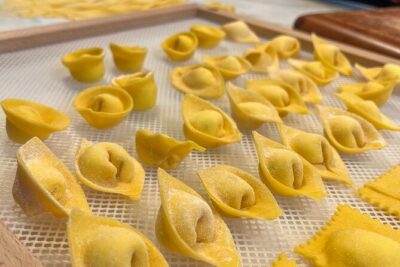
Rome Pasta Making Class with Italian Sauces and Wine Included
Read our review →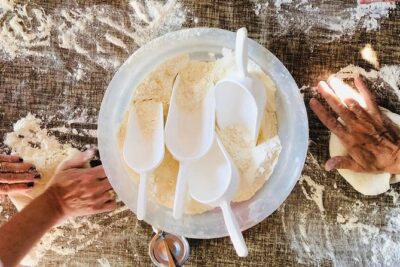
Cooking Class at a Tuscan Farm & Local Market Tour
Read our review →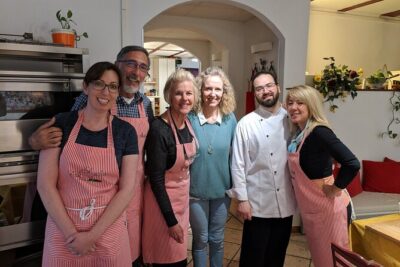
Tuscan cooking class with handmade pasta and wine
Read our review →Lists this class appears in