REVIEW · CENTRAL VIETNAM, VIETNAM
Cooking Class in Tra Que Organic Vegetable Village
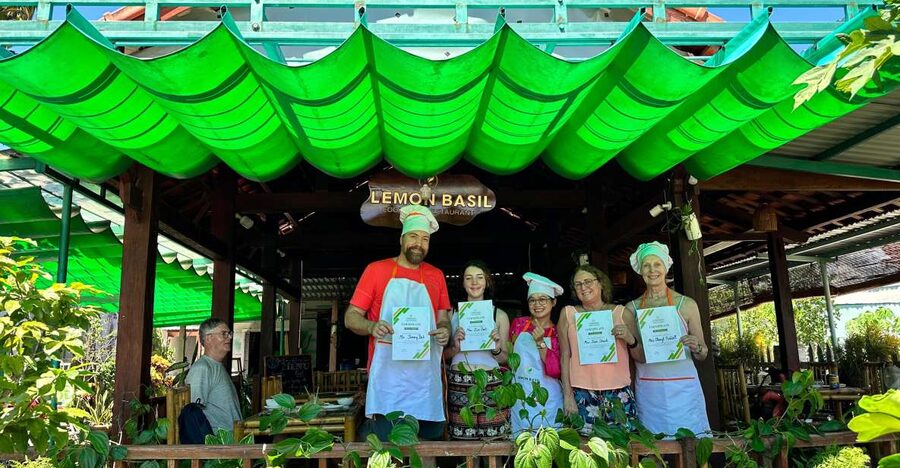
Fresh herbs, local markets, and lunch you cook yourself. This five-hour outing links three very different parts of Hoi An life: shopping at the local market, working in the fields at Tra Que Vegetable Village, and preparing familiar Vietnamese dishes with a local chef. I especially like the hands-on farming and the chance to buy ingredients before cooking, rather than simply watching a demonstration. The traditional herbal foot massage is another welcome touch after working the soil.
The main consideration is pace. This is a half-day activity with several stages, and the farming can be physical in Vietnam’s warm weather. The menu is set around four dishes, although the food can be adjusted for vegetarian, vegan, gluten-free, or allergy needs if you give advance notice.
The best parts of this five-hour experience
- Shopping at Hoi An market: You pick up ingredients with the guide and get practical help with bargaining.
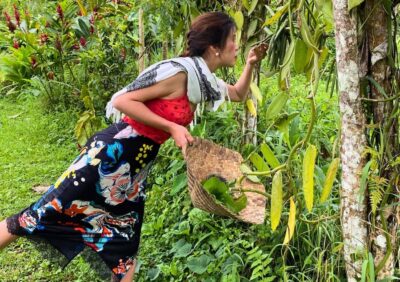
- Working at Tra Que: You hoe soil, collect seaweed, transplant seedlings, and water vegetables with local farmers.
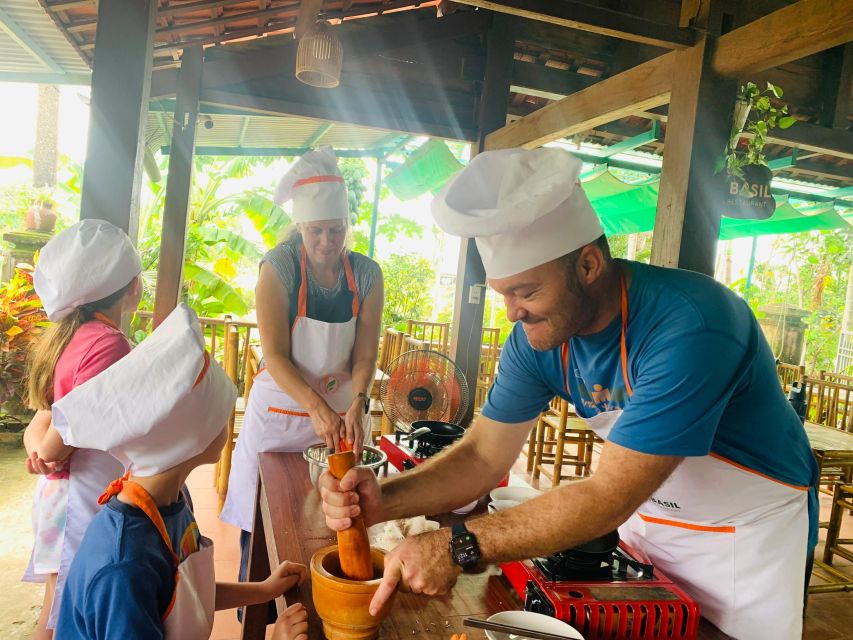
- Cooking four Vietnamese dishes: The usual menu includes fresh spring rolls, banh xeo, banana flower salad, and fish in a clay pot.
- A herbal foot massage: Traditional medicinal herbs provide a restful break between farming and cooking.
- A relaxed family welcome: The experience is designed around a local restaurant and cooking team, with time to prepare each dish without rushing.
Starting at Hoi An’s local market
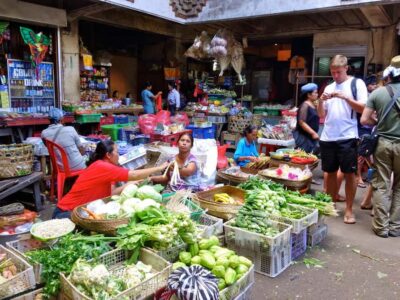
Your day begins with hotel pickup around Hoi An. The guide goes over the plan, then takes you to a local market to buy ingredients for the cooking session.
This opening stop gives the class a useful setting. Instead of receiving a neat basket of preselected food, you see where the ingredients come from and take part in choosing them. You also get direct contact with sellers, which makes the cooking later feel connected to daily life in Hoi An.
The guide can offer tips on bargaining, an everyday skill in Vietnamese markets. You do not need to treat every purchase as a contest. The point is to learn how local shopping works, ask politely, and understand that small negotiations are part of the market experience.
I like this part because it gives you something practical to carry into the rest of your trip. You may spot herbs, vegetables, seafood, or other ingredients that you later see on restaurant menus. The market also adds some sensory energy before the quieter village portion.
Expect a real working market rather than a staged food display. It can feel crowded and noisy, and some shoppers may find the activity intense. Wear shoes that can handle wet floors, and keep your belongings close. The experience does not specify an exact market route or a fixed shopping list, so the ingredients may vary.
More Farm Cooking Classes in Hoi An
- Cocolocal Farm Cooking Class with market tour and basket boat
★ 5.0 · 231 reviews - Full Experience Tour: Cooking Class & Basket Boat at Eco-Village
★ 5.0 · 187 reviews - Hoi An: Tra Que Herb Village Cooking Class
★ 4.5 · 102 reviews
Reaching Tra Que Vegetable Village
After the market, you head to Tra Que Vegetable Village and a local restaurant where the farming and cooking sessions take place. Tra Que is known for vegetable growing, and this experience lets you see the work behind the herbs and greens often used in central Vietnamese food.
The farming section focuses on traditional organic methods. Farmers use materials such as seaweed and manure as fertilizer. You learn about those methods by taking part, not just by listening to a short talk.
The listed activities include:
- Hoeing the soil
- Collecting seaweed
- Transplanting young plants
- Watering the crops
None of these jobs sounds difficult on paper, but they do require bending, lifting, and working outdoors. You should expect dirt on your hands and clothes. The activity suits anyone who enjoys doing something active and ordinary for a few hours, rather than moving from one photo stop to another.
The value here is context. Vietnamese herbs can seem like a small garnish when they arrive beside a bowl of noodles. At Tra Que, you see that growing them takes regular labor, careful watering, and natural fertilizer. That changes how you notice food during the rest of your time in Vietnam.
The experience does not promise a particular crop or a specific amount of time in each farming task. Conditions may depend on the day’s work and the season. For comfort, choose light clothing, sun protection, and footwear that you do not mind getting dirty.
A herbal foot massage before the cooking begins
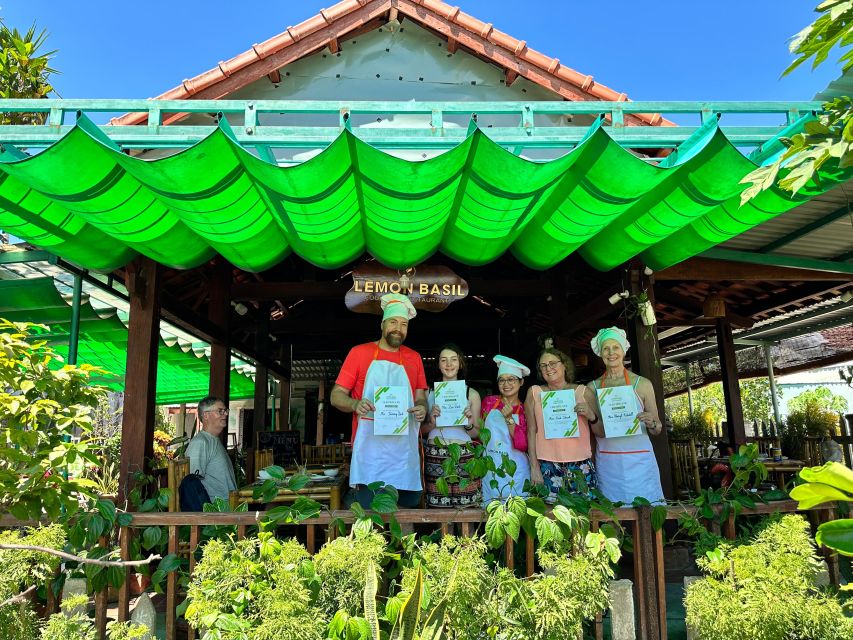
After the farm work, you take a break and receive a traditional foot massage using medicinal herbs. This is a smart transition in the schedule. You get time to cool down before standing at the cooking station.
The massage is described as a traditional health treatment, not as a spa service with a long menu of options. If you want a polished resort-style treatment, keep your expectations modest. Its appeal is simple: you have been outside, working with soil, and now you can sit down before the next activity.
I also like the way this pause keeps the outing from feeling like one long lesson. The day has a clear rhythm: market, farm, rest, kitchen, meal. That makes the five-hour duration feel purposeful rather than padded.
Cooking banh xeo and three more local dishes
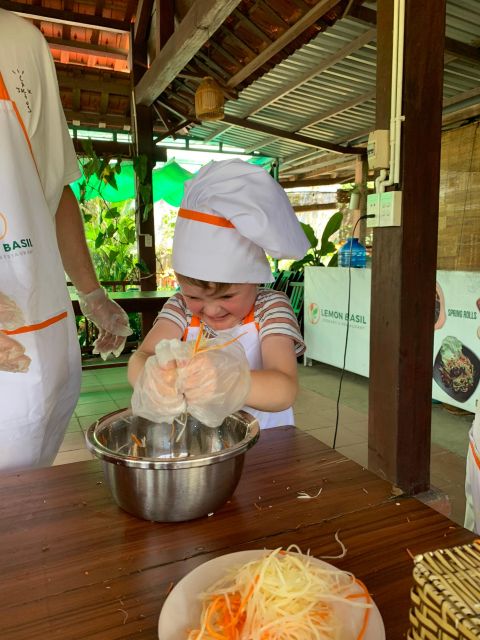
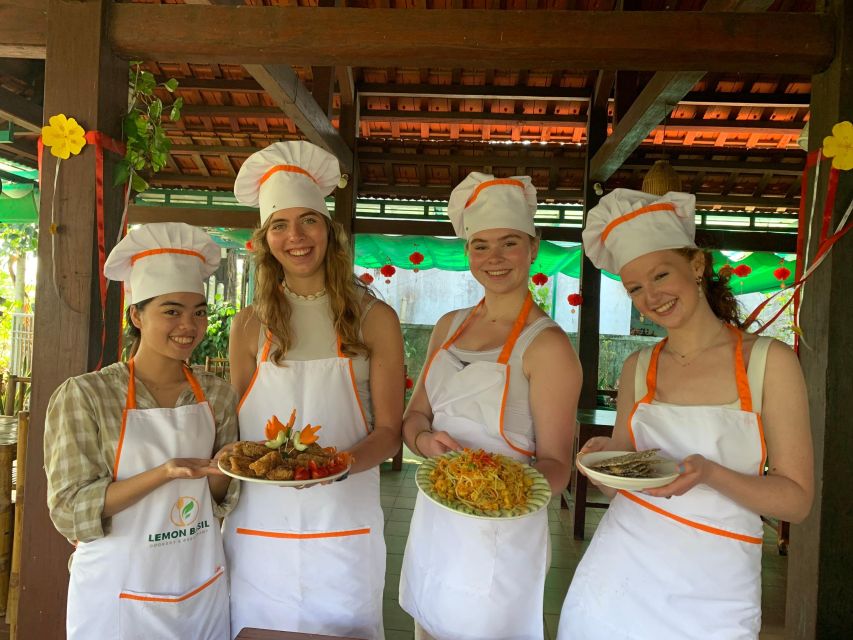
The chef demonstrates the dishes, then you take part in preparing and cooking them. The usual menu includes fresh spring rolls, banh xeo, banana flower salad, and fish in a clay pot.
More Farm Cooking Classes in Vietnam
- Hoi An Local Market and Vegetable Village Cooking Class
★ 5.0 · 93 reviews - Rural Cycle, Market Tour, Basket Boat & Organic Farm Cooking
★ 5.0 · 64 reviews - From Hoi An: Cooking Class at Organic Farm
★ 5.0 · 40 reviews - Hoi An countryside biking – Basket Boat – Vegetable village – Local home Cooking
★ 5.0 · 37 reviews
Fresh spring rolls
Fresh spring rolls introduce the basic balance of Vietnamese cooking: herbs, vegetables, soft rice paper, and a flavorful dipping sauce. The important skill is handling the rice paper without tearing it while keeping the filling neat.
Because you prepare the rolls yourself, you can pay attention to texture and proportion. You may also pick up a useful lesson in wrapping, something that is easy to understand once you have done it with a chef beside you.
Banh xeo
Banh xeo is a crisp rice pancake, usually folded around its filling. It is one of the most enjoyable dishes to make because the pan work matters. You learn how to spread the batter and cook it until the edges develop a light crispness.
This dish also shows why timing matters in Vietnamese cooking. The pancake is best when it reaches the table soon after cooking. A demonstration alone would show you the finished result. Making it yourself explains the difference between a soft pancake and one with the right crisp edge.
Banana flower salad
Banana flower salad gives you a chance to work with an ingredient that may be unfamiliar. Its preparation adds variety to the class, since you are not simply cooking one hot dish after another.
The salad also helps balance the menu. Along with the spring rolls and pancake, it brings fresh textures to a meal that includes a richer clay-pot dish. The menu is not just a collection of famous names. It covers wrapping, pan cooking, salad preparation, and slow-style cooking.
Fish in a clay pot
Fish in a clay pot is the heartier dish on the menu. The clay pot is strongly associated with home-style Vietnamese cooking, where savory flavors are allowed to develop in a compact cooking vessel.
You should tell the team ahead of time if you do not eat fish. The listed menu can be changed, and dietary requests can be handled for vegan, vegetarian, gluten-free, or allergy needs. Contact the provider before the class rather than waiting until you arrive.
Eating what you prepared
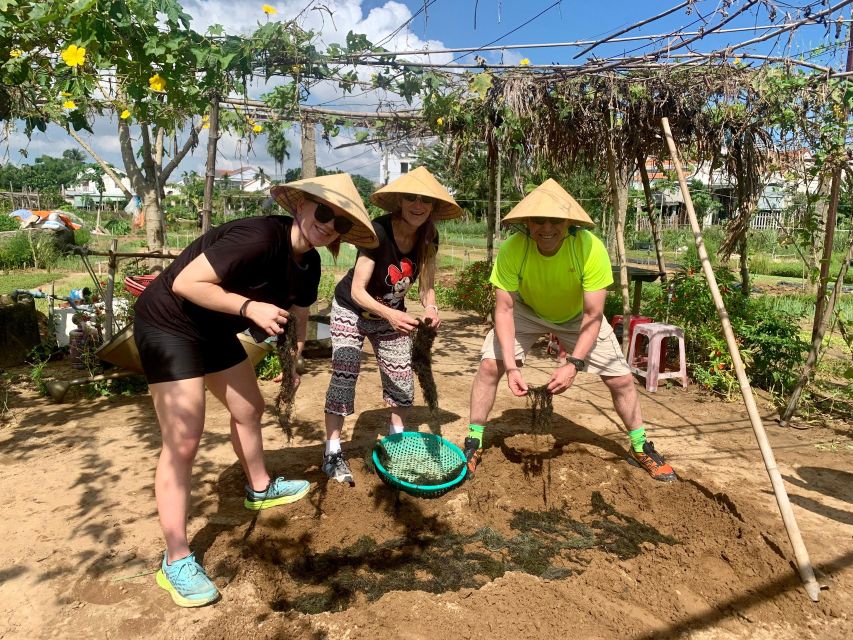
Once the cooking is finished, you sit down and eat the meal you made. This is one of the strongest reasons to choose a cooking class instead of a standard lunch stop.
You have seen the ingredients at the market, handled vegetables at the farm, and worked through the recipes with the chef. By the time the food reaches the table, lunch is also a recap of the day. You can compare the dishes, remember which technique caused trouble, and understand the meal in a more personal way.
The experience is not built around rushing from one recipe to the next. The available account of the outing describes a warm welcome, careful attention from the local family, and dishes prepared one after another at an unhurried pace. Jessica is named as a particularly kind accompanying chef or guide in that account.
That slower rhythm matters. You are more likely to enjoy the meal if you have enough time to finish one dish before beginning another. It also makes the class more suitable for people who want conversation and local contact, not just a quick cooking photo.
What the $38 price includes
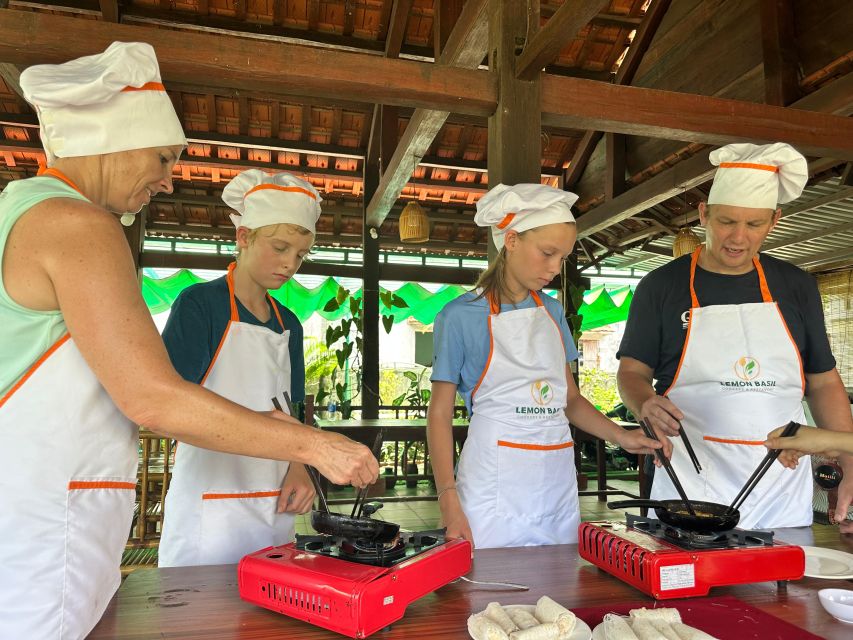
At $38 per person, the price covers more than a cooking lesson. Included are hotel pickup and return within the Hoi An area, an English-speaking guide or local chef, the farming session, the traditional foot massage, mineral water, and lunch or dinner.
That is a fair package for a five-hour outing, especially because transport and a full meal are part of the cost. You are also paying for access to the farm setting, instruction during the market visit, and the labor involved in preparing several dishes.
Extra drinks are not included, so bring some spending money if you want something beyond the provided bottle of mineral water. The meal timing depends on the starting time. Ask about available start times when booking if you need lunch rather than dinner.
The price is strongest for people who value participation. If you only want to taste Vietnamese food, a market tour and restaurant meal may cost less and require less time. If you want to understand how food moves from soil to table, this class gives you more for the half-day.
Transport, timing, and what to wear
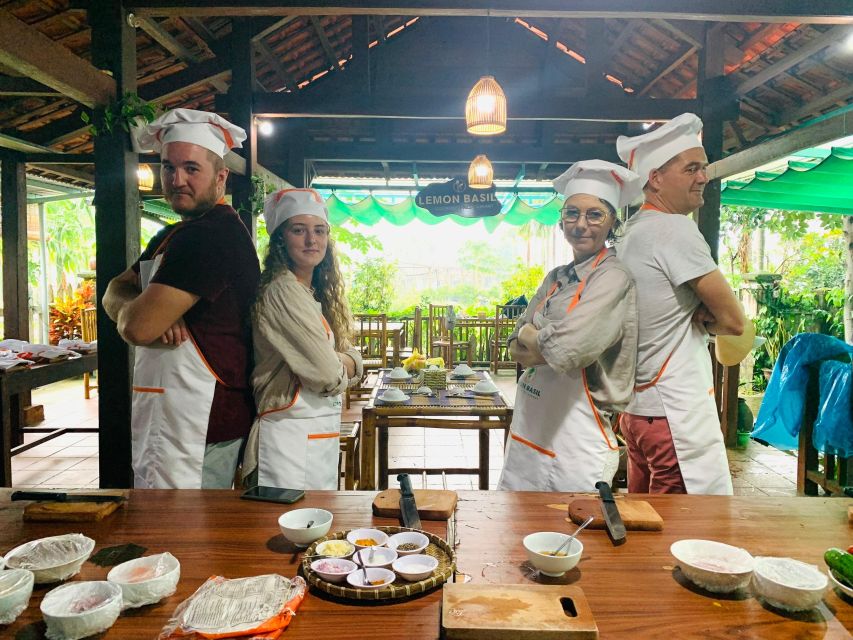
The experience lasts five hours, with starting times based on availability. Pickup and return are offered from hotels in the Hoi An area. You are asked to wait in the hotel lobby ten minutes before pickup.
The transport information mentions hotel pickup by car and also says the guide will pick you up with bicycles and helmets. Since those details describe different arrangements, confirm the transport method when you reserve. Do not assume that every booking follows the same format.
Wear clothes suitable for outdoor farm work and cooking. Closed shoes or sturdy sandals are more useful than delicate footwear, and you should expect contact with soil and water. Sun protection is sensible because part of the outing takes place outside.
Pets are not allowed. The activity is conducted in English, so it is best suited to people comfortable following cooking instructions and asking questions in English.
Who will get the most from this class?
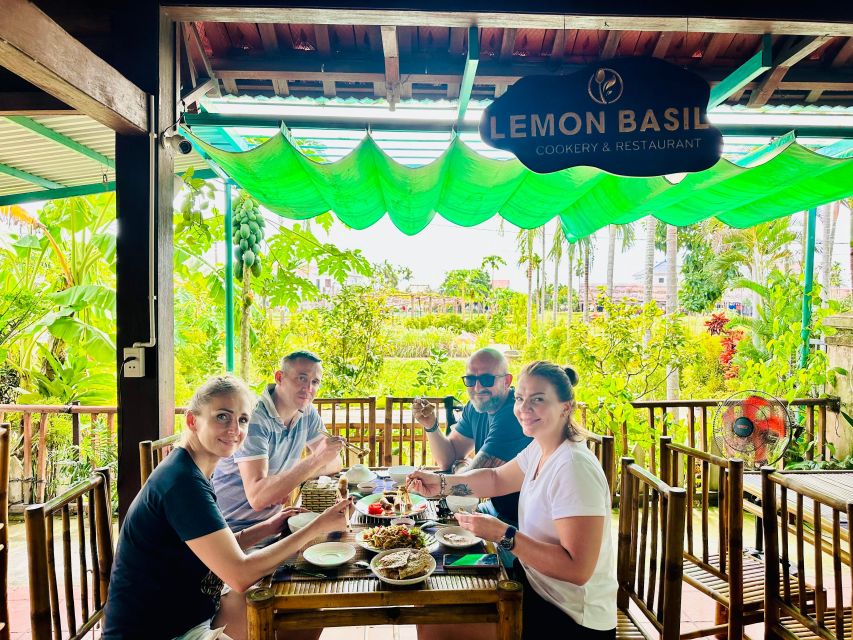
I would choose this experience if you want a local activity with several layers. It works well for couples, families, and small groups who enjoy food but also want to see how vegetables are grown.
It is especially good for:
- People who want a cooking class with real market shopping
- Food lovers interested in herbs, vegetables, and local ingredients
- Visitors who enjoy practical activities rather than passive sightseeing
- Families looking for a gentle cultural activity with a meal included
- Anyone staying in Hoi An for several days and wanting time outside the old town
It may be less suitable if you dislike heat, dirt, bending, or unfamiliar food preparation. The farming section is not a purely scenic walk, and the five-hour schedule requires a reasonable amount of time and attention.
The menu can be adapted, which makes the class more flexible than the standard fish-and-meat menu first suggests. Still, contact the provider about allergies in advance. Do not rely on making a last-minute request at the table.
Should you book the Tra Que cooking class?
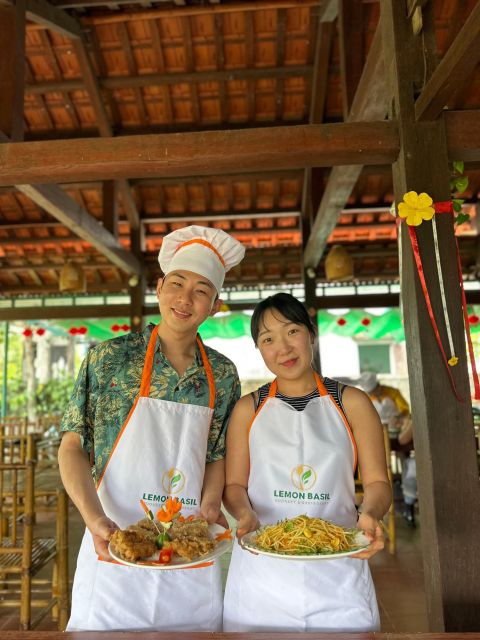
Book it if you want more than a recipe demonstration. The combination of a Hoi An market visit, bargaining tips, farm work, herbal foot massage, and a four-dish meal gives you a fuller picture of Vietnamese food culture.
I would be most likely to recommend it to someone who values friendly local contact and an unhurried schedule. The account involving Jessica is encouraging because the team made a special effort even on Chinese New Year’s Eve, when the booking system should not have been open, and still provided a welcoming experience.
Skip it if you want a short, polished cooking show or if farm work sounds like a chore. For everyone else, $38 is a sensible price for a five-hour outing that connects market ingredients, organic farming, cooking instruction, and lunch in one clear route.
FAQ
How long does the cooking class in Tra Que last?
The experience lasts five hours. Starting times depend on availability.
Is hotel pickup included?
Yes. Pickup and return are included for hotels in the Hoi An area. You should wait in the hotel lobby ten minutes before the scheduled pickup time.
What food is usually prepared?
The usual menu includes fresh spring rolls, banh xeo, banana flower salad, and fish in a clay pot. The menu can be changed if you request an alternative.
Can dietary requirements be accommodated?
Yes. Ingredients can be adapted for vegan, vegetarian, gluten-free, or allergy needs. Contact the provider in advance with details about any food allergy.
Is the tour conducted in English?
Yes. The experience includes an English-speaking guide or local chef.
Are drinks included in the price?
One bottle of mineral water is included. Extra drinks are not included.
Just added around Hoi An
- Rural Cycle, Market Tour, Basket Boat & Organic Farm Cooking★ 5.0 · 64 reviews
- Private cooking class tour with Master Chef★ 5.0 · 5 reviews
- Market Tour – Cooking Class – Coconut Boat Riding★ 4.4 · 43 reviews
- Mad Monkey Hoi An Cooking Class & Bamboo Boats★ 4.5 · 6 reviews
- Hoi An : Lantern Making & Cooking Class With Local Family★ 5.0 · 3 reviews
- Hoi An :Lantern Making – Cooking Class -Coconut Basket Boat★ 4.9 · 17 reviews
- Hoian/Danang: Eco Cooking Class, Cruise Trip, Basket Boat★ 4.9 · 46 reviews
- Hoi An : Vietnamese Cooking Class with Phở and Eco Tour★ 5.0 · 3 reviews
Farm & Countryside Cooking Classes, compared.

Half-Day Thai Cooking Class at Organic Farm in Chiang Mai
Read our review →
Cooking Class and Lunch at a Tuscan Farmhouse with Local Market Tour from Florence
Read our review →
Authentic Cooking Class with Market & Farm Visit
Read our review →