REVIEW · CENTRAL VIETNAM, VIETNAM
Hoi An: Tra Que Herb Village Cooking Class
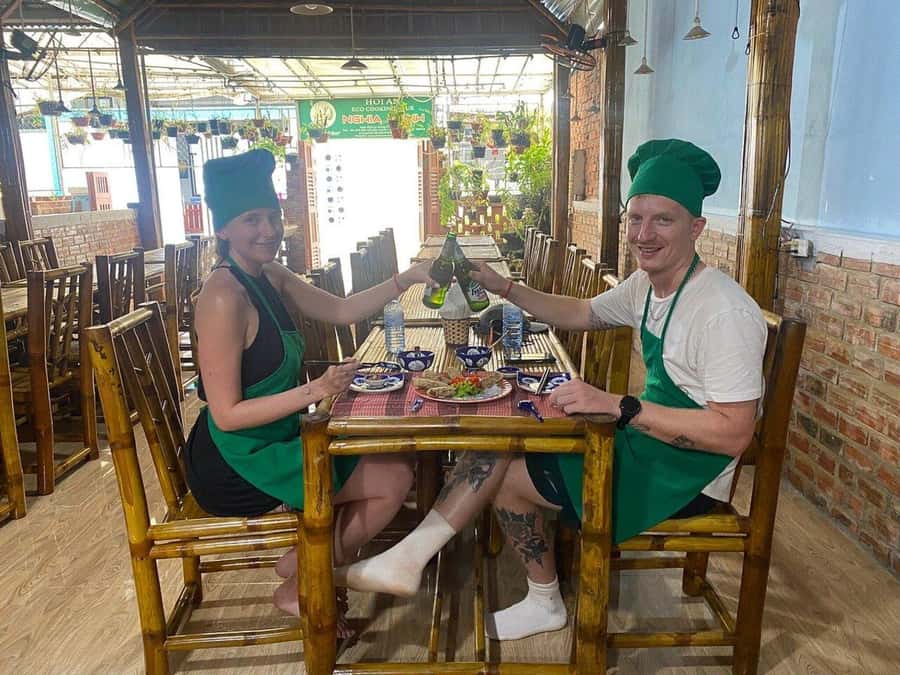
Fresh herbs make better lessons. This 150-minute class brings you into Tra Que Herb Village, where cooking happens among the vegetable beds rather than behind a plain indoor counter. I like the garden setting and the chance to eat the meal you prepare, with four local dishes included for $28 per person.
I also like the friendly, patient teaching style reported from guides such as Sophia, Thanh, and Trang. The main drawback is finding the correct kitchen, so allow extra time before the start. The meeting area has several cooking venues, and some people have arrived late or briefly been sent to the wrong place.
Quick points worth knowing
- Four local dishes in one sitting: You may prepare Hoi An spring rolls, Vietnamese pancakes, and a special vegetable-village dish, with the menu changing when ingredients are unavailable.
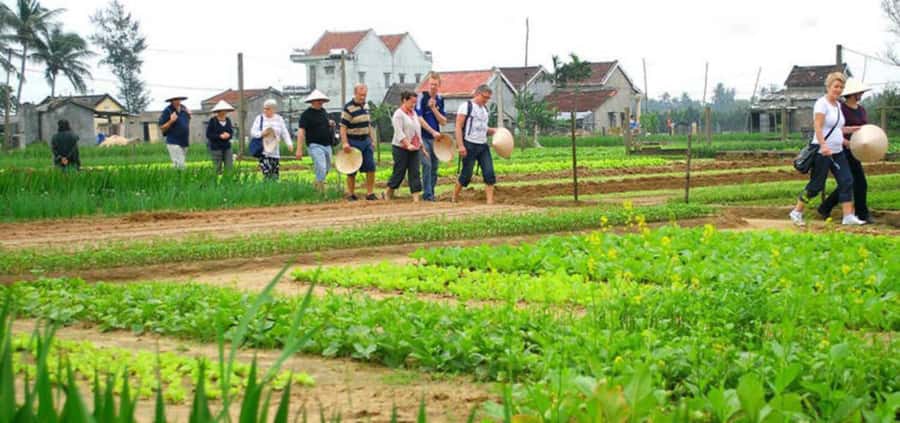
- A garden classroom: The lesson takes place at Tra Que Rural Charm Cooking Class in the herb village, surrounded by growing herbs and vegetables.
- A full meal at the end: You sit down, relax, and eat what you have made, so this is both a lesson and lunch or dinner.
- Small-group feel is possible: Some sessions have had only two or three participants, creating time for questions and close help from the instructor.
- Vegetarian adjustments are possible: Vegetarian and vegan participants have been accommodated, and one participant with gluten and garlic intolerances received suitable changes.
- Plan your route carefully: Hotel pickup is not included, and the cooking venues in Tra Que can be difficult to distinguish.
Cooking among the herbs in Tra Que
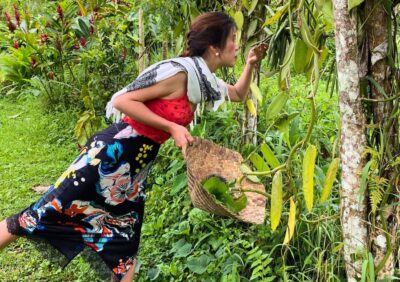
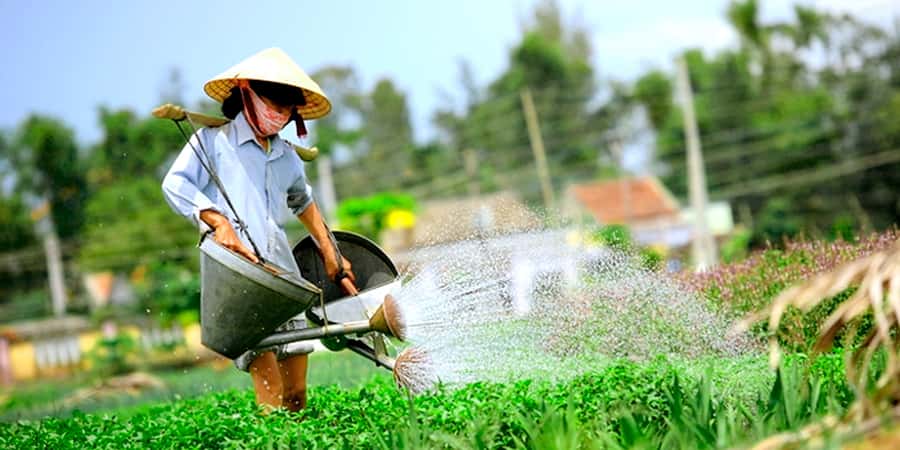
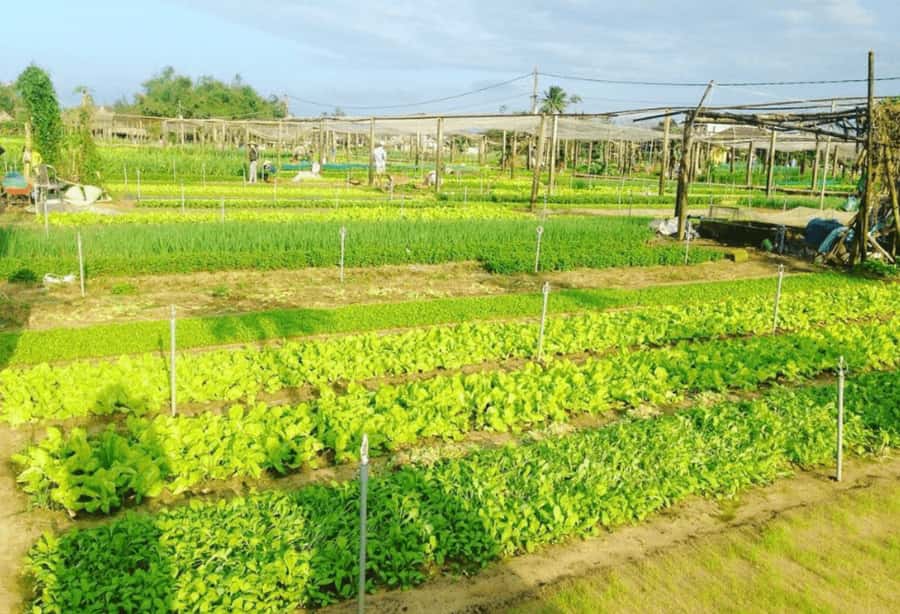
Tra Que is a useful setting for a Vietnamese cooking class because the food and the place are tied together. You meet at Tra Que Rural Charm Cooking Class in Tra Que Herb Village, where herbs and vegetables grow around the cooking area.
That setting gives the lesson more character than a standard indoor demonstration. You can see the garden beds before or after cooking, and the fresh produce feels connected to the dishes rather than appearing as anonymous ingredients on a table. One participant particularly enjoyed walking around the allotments after the meal.
Your first step is a welcome drink. It is a simple start, but it gives you time to get settled, meet the instructor, and look around before the work begins. Drinks beyond the welcome beverage are not included, so bring cash if you want anything else.
The garden setting is one of the strongest reasons to choose this class. You are not simply following a recipe. You are learning in a village known for herbs and vegetables, which gives the food a clear local setting.
One limitation is that the ingredients are prepared in advance. That keeps the 150-minute session manageable and lets you focus on cooking, but it means you should not expect a full farm-to-table workshop. You may see the plants growing, yet the class information does not promise that you will pick your own herbs. In fact, one participant would have preferred to gather the salad greens and herbs directly from the garden.
More Farm Cooking Classes in Hoi An
- Cocolocal Farm Cooking Class with market tour and basket boat
★ 5.0 · 231 reviews - Full Experience Tour: Cooking Class & Basket Boat at Eco-Village
★ 5.0 · 187 reviews - Hoi An Local Market and Vegetable Village Cooking Class
★ 5.0 · 93 reviews
What happens during the 150-minute lesson
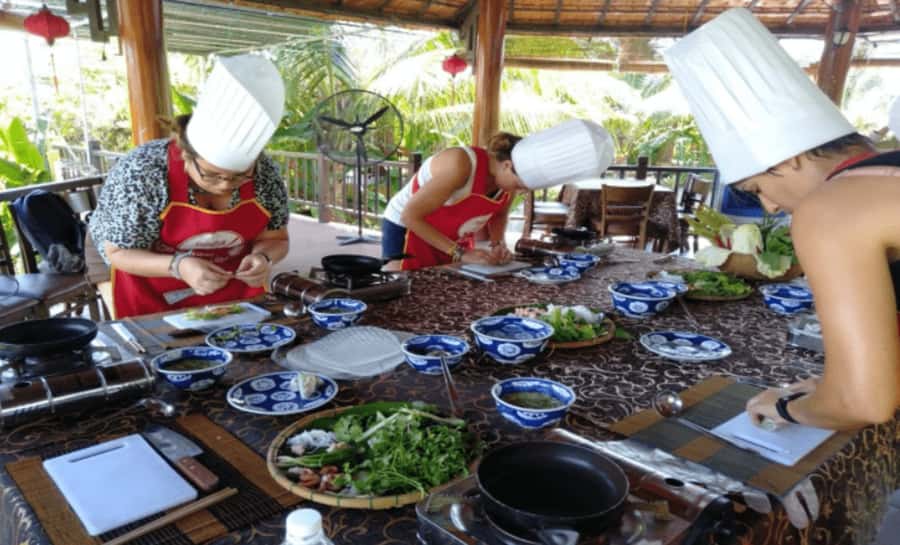
The class begins with an introduction to the ingredients and the dishes. The chef instructor prepares some items beforehand, then guides you through the remaining work. This is a good arrangement for a short class because you spend your time learning useful cooking steps rather than waiting for basic preparation to finish.
You are taught four different local dishes. The stated examples include Hoi An spring rolls, Vietnamese pancakes, and a special dish associated with the vegetable village. The exact menu can change according to the availability of ingredients, so you should treat those dishes as likely examples rather than a fixed promise.
Several participants found the recipes easy enough to try at home. That matters. A cooking class is poor value if the food depends on equipment or ingredients you cannot find again. Here, the recipes are provided, and the teaching focuses on recognizable Vietnamese dishes that you can attempt after returning home.
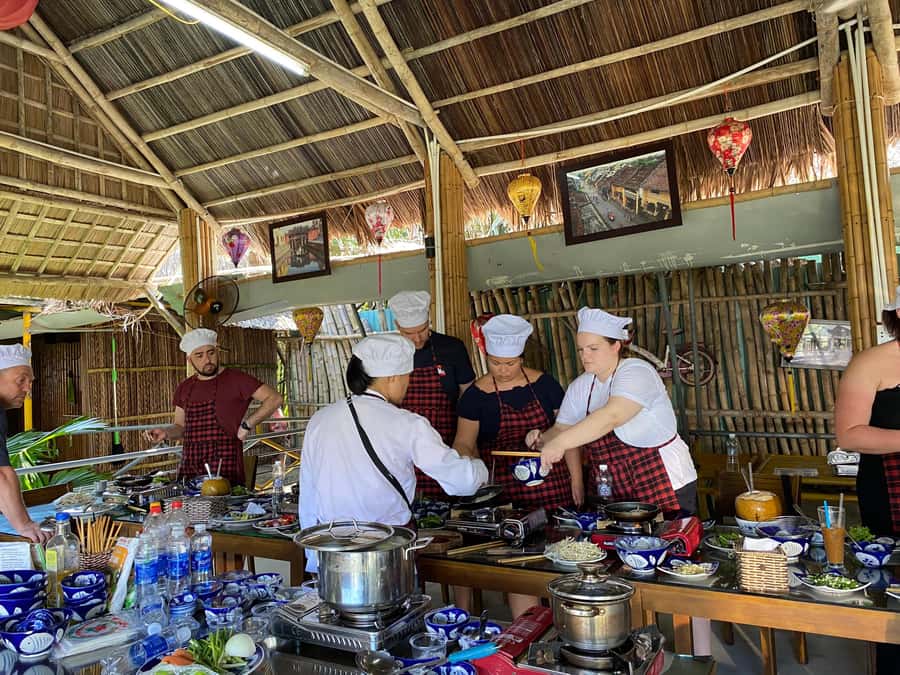
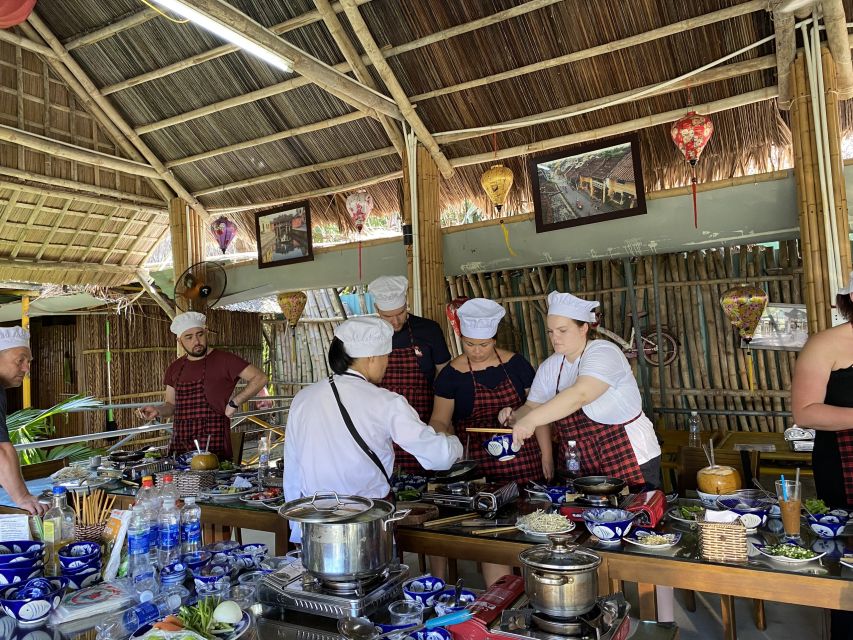
The instructor explains each step and gives you time to take part. The class is not described as a silent demonstration, so expect to handle ingredients and work through the recipes with the group. The pace appears relaxed rather than rushed. One participant specifically appreciated having enough time to cook and eat.
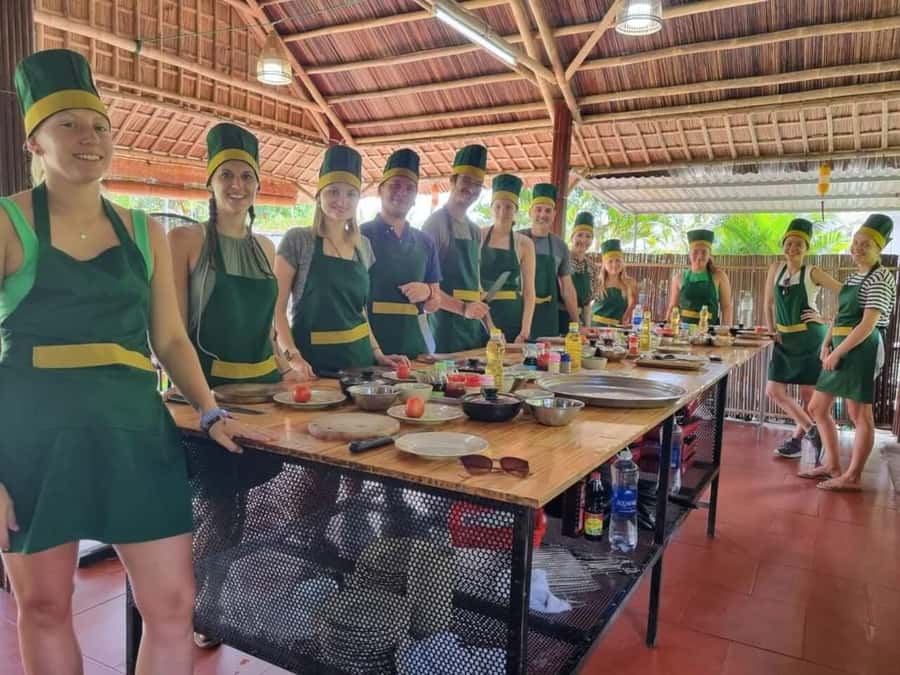
The social side is part of the appeal. You chat with the other people in the class while preparing food, and the relaxed format suits couples, families, and small groups of friends. A class with only two or three participants can feel almost private, though group size can change from one starting time to another.
The chef instructors have received especially warm praise. Sophia has been described as patient, lively, and clear. Thanh was praised for answering questions and making the class fun. Trang, including Trang Le, has also been singled out for her friendly manner, clear explanations, and patience. The exact instructor is not guaranteed, but the teaching style appears to be a major strength.
The dishes and what you actually eat
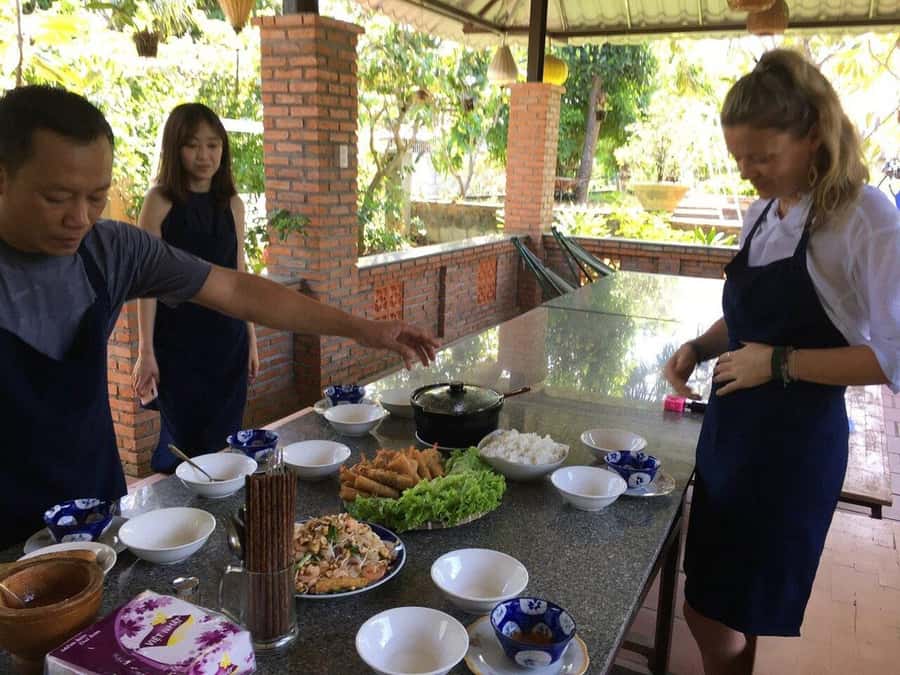
The class is built around a satisfying idea: you cook several dishes, then eat the complete meal. You are not left with a small tasting plate while the staff keeps the main food in the kitchen.
The menu examples point to familiar Hoi An and Vietnamese favorites. Spring rolls teach you how to work with fillings and wrapping. Vietnamese pancakes give you a chance to learn a different style of batter and cooking. The special village dish connects the meal to Tra Que itself.
The ingredients are described as fresh, and that freshness is easy to appreciate in a herb-growing area. The exact contents can vary, so check your preferences with the instructor before starting. Some menus have included pork and shrimp, and one participant noted that there was plenty of food.
That is useful advice: do not arrive after a large meal if you want to enjoy the results. The portions have been generous enough for some people to call the meal substantial. You can sit down at the end, relax, eat what you prepared, and talk through the lesson.
Dietary changes are a real benefit here, but you should raise the issue at the start. Vegetarian and vegan participants have been accommodated, and changes were also made for gluten and garlic intolerances. The information does not promise every possible dietary request, so clear communication is important.
A relaxed class, not a rushed demonstration
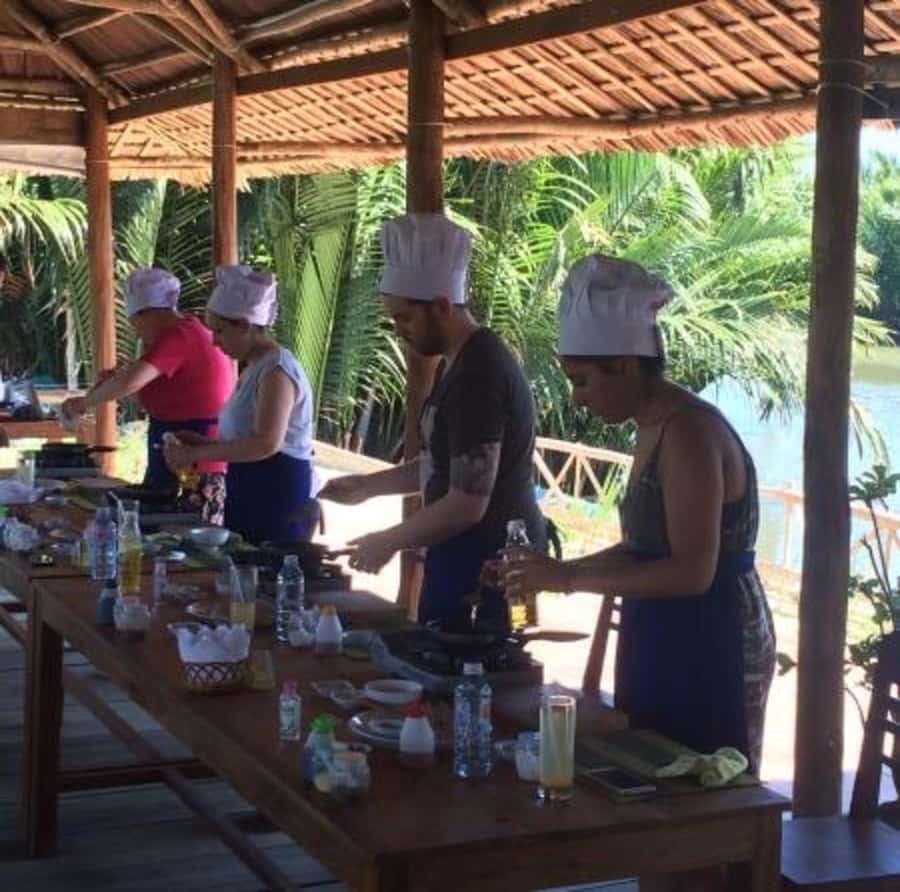
The tone of this experience seems to be one of its best features. You get time to ask questions, repeat a step, and talk with the instructor. That works well if you want more than a quick photo opportunity.
The class also suits families. One family found the hosts funny and welcoming, and the activity gave everyone something practical to do together. Cooking several dishes from scratch creates a shared task without requiring advanced skills.
Couples can enjoy it for the same reason. Some sessions have been very small, including a class with only two participants and another with three. In those cases, you receive more direct attention and can ask questions that might be harder to raise in a large group.
Solo participants should also fit in easily because the class includes conversation with other people. You do not need to arrive with a group of friends. The social setup gives you a natural way to meet others while doing something more engaging than simply sitting at a table.
The only caution is that a friendly class cannot solve every logistical problem. If you arrive late because you could not find the kitchen, you may miss the welcome and early preparation. Give yourself extra time, especially if you are walking or using a driver who does not know the exact venue.
More Farm Cooking Classes in Vietnam
- Rural Cycle, Market Tour, Basket Boat & Organic Farm Cooking
★ 5.0 · 64 reviews - From Hoi An: Cooking Class at Organic Farm
★ 5.0 · 40 reviews - Hoi An countryside biking – Basket Boat – Vegetable village – Local home Cooking
★ 5.0 · 37 reviews - Hoi An : Vegetarian Cooking Class W Optional Coconut Village
★ 4.9 · 28 reviews
Getting to the right cooking venue
Hotel pickup and drop-off are not included. You need to reach the meeting point at Tra Que Rural Charm Cooking Class in Tra Que Herb Village on your own.
This is the least polished part of the experience. The village has several cooking venues, and the meeting point can be hard to identify. One participant arrived late after spending extra time trying to locate the kitchen. Another initially went to a location that appeared to be incorrect and had to wait while the situation was sorted out.
The practical answer is simple: do not cut it close. Choose your starting time with plenty of arrival time built in. If you are booking a morning class, allow extra time before breakfast plans. For an afternoon or evening class, avoid scheduling another activity immediately afterward.
The village location is worth the extra care once you are there. You can look around the herb and vegetable plots, and the setting gives the class its local feel. Still, the meeting instructions should be treated seriously. Several venues may look similar, and a few extra minutes can make the difference between a calm start and a scramble.
What the $28 price includes
At $28 per person, this is good value if you want a meal and a hands-on activity in one package. The price includes the welcome drink, cooking ingredients, English-speaking instructor, and recipes.
You also eat the dishes you prepare. That makes the cost easier to justify than a class that offers only instruction. You are paying for a two-and-a-half-hour activity, a substantial meal, the use of ingredients, and guidance from a local chef.
The strongest value comes from the setting and the amount of food. You get a garden location, several dishes, and time to sit down afterward. If you are comparing this with a short market demonstration or a restaurant meal, this gives you more participation and a recipe collection to take home.
There are a few extra costs to remember. Hotel transportation is not included, and drinks other than the welcome drink are not included. A public holiday brings a surcharge of 100,000 VND per person, payable in cash.
The menu may change because of ingredient availability. That is normal for a local cooking activity, but it means you should book this for the experience of learning Vietnamese cooking rather than for one exact dish.
Who will enjoy this class most
I would recommend this class to you if you want a hands-on food experience with a relaxed pace. It is a good match for people who like to cook, families seeking a shared activity, and couples who want something more memorable than another restaurant meal.
It also works well for vegetarians and vegans because menu changes have been made successfully. Tell the instructor about your needs early. The same applies to garlic, gluten, or other dietary restrictions.
You may want to choose a different activity if you need step-free access. The class is not suitable for wheelchair users. It is also not a good fit if you dislike group activities, although smaller sessions can feel personal.
This is not an activity for pets, which are not allowed. It is also not a hotel-based class, so you need to arrange your own way to Tra Que.
The experience suits a range of starting times. Morning, afternoon, and evening options are available, depending on the schedule. Pick the time that fits your energy and meal plans, and remember that the food at the end can be generous.
How to make the most of your visit
Arrive early. This is the most important tip. Finding the right kitchen can take longer than expected, and the village has several similar-looking venues.
Go with an appetite, but not after a heavy meal. Four dishes can create a large serving, especially when you eat everything at the end.
Tell the chef about dietary needs as soon as you arrive. Vegetarian, vegan, gluten-free, garlic-free, and other adjustments may be possible, but the instructor needs time to plan around the ingredients.
Wear something comfortable for cooking and bring a little cash. The welcome drink is included, but other drinks are not. A public holiday surcharge also needs to be paid in cash.
Keep some time after the class if you can. Walking around the herb and vegetable plots adds to the sense of place and lets you see more of Tra Que instead of leaving as soon as the meal ends.
Finally, keep an open mind about the menu. Ingredient availability can change the dishes, and that flexibility is part of cooking with local produce. The recipes you receive still give you something useful to repeat at home.
Should you book the Tra Que cooking class?
I would book it if you want a reasonably priced, friendly class in an outdoor village setting. The food, the patient instructors, the fresh ingredients, and the chance to eat your own work make this a strong choice in Hoi An.
Book with extra arrival time and accept that the menu may shift. If you need hotel transport, guaranteed dishes, full accessibility, or a polished city-center venue, this may frustrate you.
For everyone else, the class offers a pleasant balance of learning, eating, and local atmosphere. At $28, it gives you more than a meal. You leave with recipes, new cooking skills, and a better sense of how Hoi An food connects with the herbs and vegetables grown around Tra Que.
FAQ
Where does the cooking class take place?
The meeting point is Tra Que Rural Charm Cooking Class in Tra Que Herb Village, near Hoi An.
How long does the class last?
The activity lasts 150 minutes.
What is included in the price?
The price includes a welcome drink, cooking ingredients, an instructor, and recipes.
Is hotel pickup included?
No. You need to make your own way to the meeting point, as hotel pickup and drop-off are not included.
What language is the class taught in?
The live tour guide language is English.
How many dishes will I cook?
The class teaches four local dishes. The menu can change depending on ingredient availability.
What dishes might be on the menu?
Examples include Hoi An spring rolls, Vietnamese pancakes, and a special dish from the vegetable village.
Can the menu accommodate vegetarians or dietary restrictions?
Vegetarian and vegan changes have been accommodated, and changes have also been made for gluten and garlic intolerances. Tell the instructor about your needs before cooking begins.
Is the welcome drink the only drink included?
Yes. Other drinks are not included.
Is there an extra charge on public holidays?
Yes. A surcharge of 100,000 VND per person is payable in cash on a public holiday.
Can I cancel the booking?
You can cancel up to 24 hours in advance for a full refund. Reserve now and pay later is also available.
Is the class suitable for wheelchair users?
No. The activity is listed as unsuitable for wheelchair users.
Just added around Hoi An
- Rural Cycle, Market Tour, Basket Boat & Organic Farm Cooking★ 5.0 · 64 reviews
- Private cooking class tour with Master Chef★ 5.0 · 5 reviews
- Market Tour – Cooking Class – Coconut Boat Riding★ 4.4 · 43 reviews
- Mad Monkey Hoi An Cooking Class & Bamboo Boats★ 4.5 · 6 reviews
- Hoi An : Lantern Making & Cooking Class With Local Family★ 5.0 · 3 reviews
- Hoi An :Lantern Making – Cooking Class -Coconut Basket Boat★ 4.9 · 17 reviews
- Hoian/Danang: Eco Cooking Class, Cruise Trip, Basket Boat★ 4.9 · 46 reviews
- Hoi An : Vietnamese Cooking Class with Phở and Eco Tour★ 5.0 · 3 reviews
Farm & Countryside Cooking Classes, compared.
Half-Day Thai Cooking Class at Organic Farm in Chiang Mai
Read our review →
Cooking Class and Lunch at a Tuscan Farmhouse with Local Market Tour from Florence
Read our review →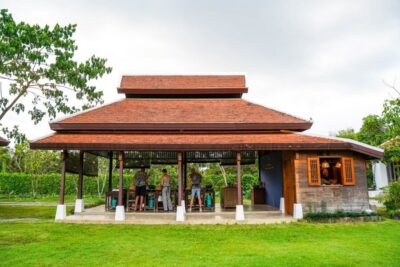
Authentic Cooking Class with Market & Farm Visit
Read our review →