
REVIEW · MILAN, ITALY
Learn to Cook Italian Recipes with an Italian Chef
Skip the restaurant for one evening. This three-hour Milan cooking class gives you a hands-on lesson in preparing a starter, fresh pasta or dumplings, and dessert, followed by a meal made by the group. I like the changing menu, since you do not simply repeat the same tourist-class recipes every day, and I like the direct teaching style, which focuses on how, when, and why each step matters. The one thing to keep in mind is that the class is shared, and the food and wine may not suit every palate.
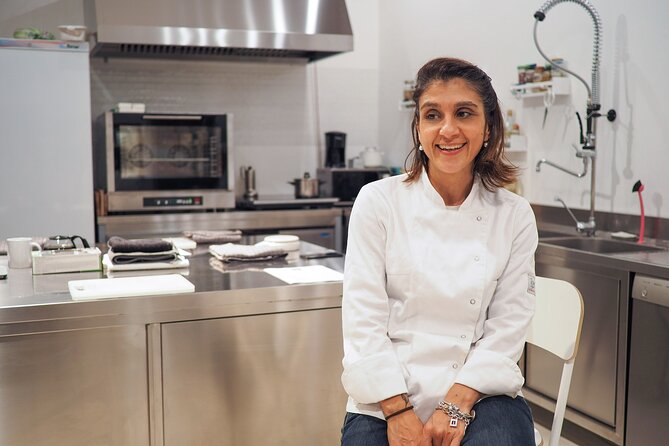
Chef Ilaria receives much of the praise, with several participants describing her as warm, patient, funny, and energetic. Chef Alessandro and Dalia have also led sessions. The food is generally praised for being simple and delicious, though one participant found a class too mild and another found the teaching style tense at times.
Key points before you book
- The menu is a surprise: You may prepare bruschetta, focaccia, eggplant parmigiana, chickpea dishes, gnocchi, tagliatelle, ravioli, tiramisu, cantucci, or Pan Meino.
- You cook from scratch: Pasta, fillings, sauces, starters, and desserts are prepared by hand with guidance from the chef.
- The lesson ends at the table: After cooking, you sit down for a three-course meal with Italian wine.
- Recipes go home with you: You receive the recipes so you can repeat the dishes for friends and family.
- The group can reach 20 people: Smaller sessions have been especially popular, but the class is not always intimate.
- The price covers a lot: At $82.27 per person, the fee includes food, snacks, cooking equipment, an apron, drinks, and the lesson.
Arriving at Chef and the City in Milan
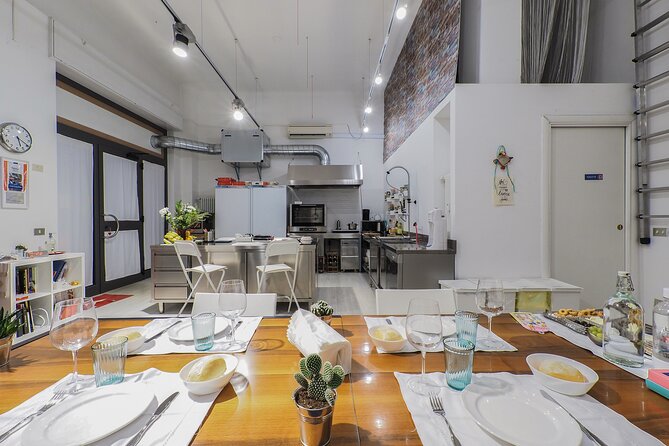
The class meets at Via Laura Ciceri Visconti 4, in Milan’s 20137 postal district. The laboratory is at street level, with three windows marked by the red Chef and the City sign. Ring the front door bell when you arrive.
Public transportation is nearby, so you do not need private transportation to reach the class. Still, allow enough time to find the entrance. One participant arrived a few minutes early and found the shutters still closed until the appointed time. The class eventually went ahead, but this is a good reason not to arrive with a tight onward schedule.
The meeting point is also the end point. Since luggage is forbidden and no luggage storage is provided, this is not a practical activity between hotel checkout and an evening flight unless you have already arranged somewhere to leave your bags.
Smoking is prohibited, and animals are not allowed. These rules are easy enough to follow, but they matter in a working food laboratory.
More Italian Cooking Classes in Milan:
- Milan: Italian Cooking Class with Food and Wine
★ 4.7 · 509 reviews - only in ITALIAN – International aperitif + cooking class in Italian
★ 4.8 · 22 reviews - Cooking Class and Lunch at a Tuscan Farmhouse with Local Market Tour from Florence
★ 5.0 · 4,831 reviews
A changing menu keeps the class fresh
The main difference here is that you do not select a fixed menu in advance. The chef chooses from a group of traditional Italian dishes, so the exact combination is revealed once the class begins.
That can be a real plus. You might make bruschetta, focaccia, eggplant parmigiana, or a chickpea appetizer for the starter. The main course may be gnocchi, tagliatelle, ravioli, or another type of handmade pasta, along with a sauce prepared during the lesson. Dessert could be tiramisu, Tuscan cantucci, Milanese Pan Meino, chocolate tortini, or something similar.
I like this format because it feels closer to a real cooking lesson than a prepackaged demonstration. It also means you may discover a dish you would not have ordered in a restaurant. One participant particularly enjoyed preparing local foods that were not part of their usual restaurant choices.
The tradeoff is simple: do not book this expecting a specific menu. The dishes listed in the description are examples, not promises. If you have your heart set on ravioli or tiramisu, this is not the right class for that reason alone.
The opening lesson: ingredients, tools, and Italian technique
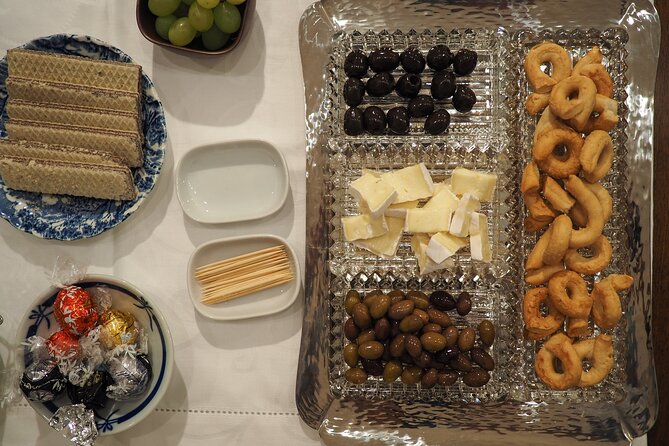
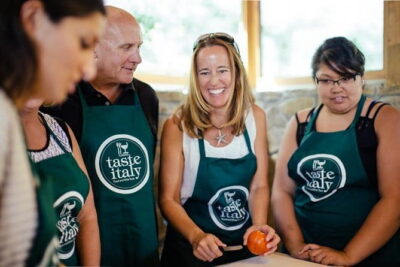
The class begins with Italian-style welcome snacks and refreshments. You receive an apron, and the cooking tools are provided, so you do not need to pack anything beyond your booking details and perhaps a way to take notes.
The teaching is built around technique rather than just copying a recipe. Chef Ilaria explains how ingredients work together and why a particular step must happen at a certain point. Past participants especially valued practical tips, kitchen cleanliness, and the small pieces of food chemistry that can make a plain dish taste better.
That focus is useful for beginners. You do not need to arrive with advanced cooking skills, and the class has worked well for groups with mixed ability. People with little kitchen experience have managed the recipes, while more confident cooks have picked up new methods for pasta, sauces, and desserts.
The lesson is hands-on, but you should understand the group setup. You will work together rather than receiving an entirely private workstation and one-on-one instruction. The chef may pause while the group settles down so everyone can hear the next instruction. That helps the class stay organized, though it may feel strict if you prefer a loose, social cooking session.
Making the starter from scratch
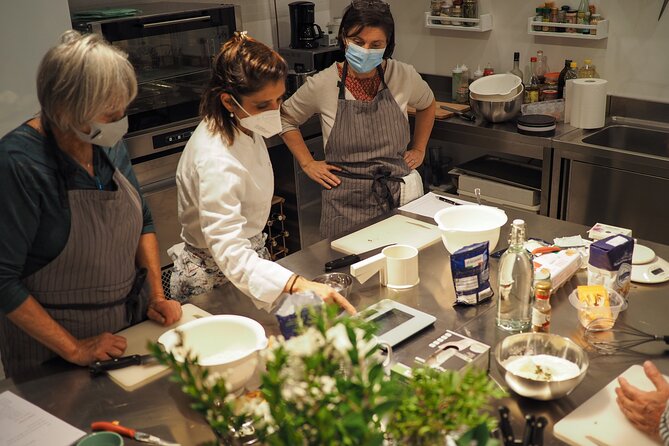
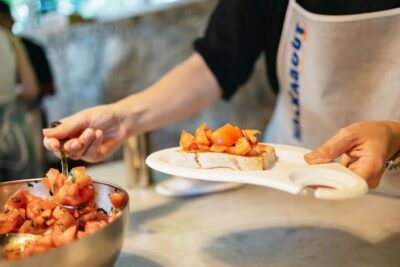
The first course is usually a traditional Italian appetizer. Bruschetta, focaccia, eggplant parmigiana, and chickpea-based dishes are among the possibilities.
This is a useful part of the class because the recipes show how Italian cooking can build flavor from ordinary ingredients. You may work with bread, vegetables, legumes, cheese, herbs, and simple seasonings rather than expensive products. The lesson is less about putting together a fancy plate and more about getting texture, timing, and balance right.
Several participants enjoyed chickpea balls or a chickpea appetizer. Others made eggplant parmigiana or focaccia. One group prepared a starter, gnocchi with sauce, and cantucci, while another made focaccia, ravioli, and amaretti.
The food is usually described as simple and satisfying. I would not expect restaurant-level plating or a highly elaborate tasting menu. One person found the food bland, and another suggested using less chili flake, so the seasoning may be fairly restrained. That can work well for a mixed group, but serious food enthusiasts may want to ask about seasoning preferences during the class.
A few more cooking classes around Milan worth a look
- Milan: Pasta and Tiramisu Cooking Class with Wine
★ 4.8 · 1,106 reviews - Milan: Pasta and Tiramisu Small Group Cooking Class with Wine
★ 5.0 · 660 reviews - Milan Cooking Class: Authentic Pizza & Gelato Making
★ 5.0 · 582 reviews - Milan Culinary Experience: Pasta & Gelato or Tiramisù Class
★ 5.0 · 337 reviews
Handmade pasta is the centerpiece
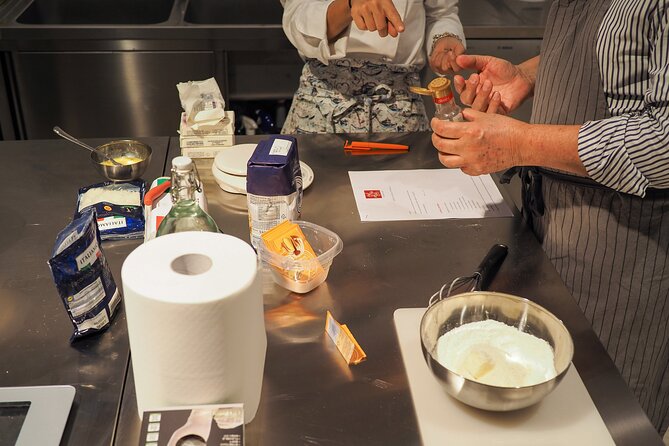
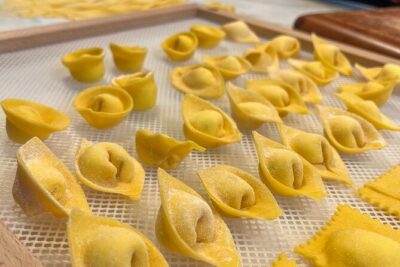
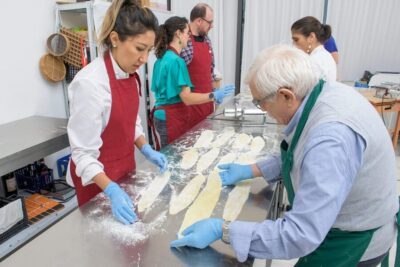
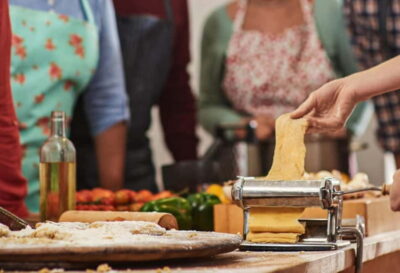
The pasta course is likely to be the highlight. You may roll and shape gnocchi, tagliatelle, ravioli, or another handmade pasta, then prepare the dressing or sauce together.
Making pasta by hand gives the lesson a clear purpose. You are not just watching a chef toss ingredients into a pan. You learn how dough behaves, how to shape it, and how the sauce fits the pasta. The work is active but approachable, which explains why both first-time cooks and experienced home cooks have enjoyed this part.
Gnocchi has been particularly popular, as have stuffed ravioli and fresh pasta. The class may also include handmade dumplings, depending on the menu chosen that day.
The group format affects this course most. You may not personally complete every single task from start to finish, especially in a larger session. The experience works best if you are happy to share jobs, watch closely, ask questions, and take part when the chef assigns the next step.
If you want a private pasta workshop with constant individual attention, this is not that. The maximum group size is 20, although some sessions have been much smaller. An eight-person class was described as especially intimate and enjoyable, while a private session happened when other bookings did not attend. Group size can therefore make a noticeable difference.
Dessert finishes the cooking, not just the meal
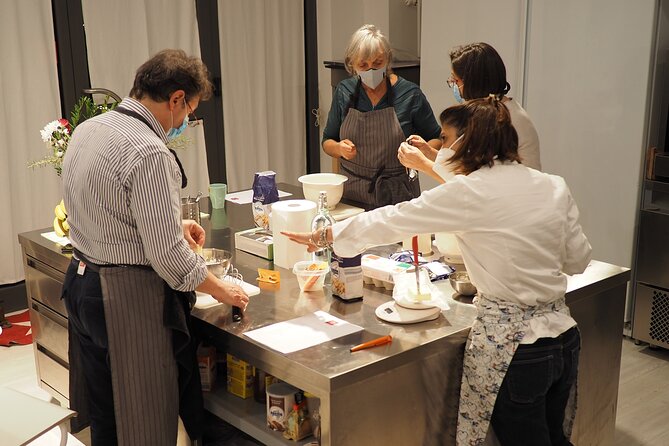
The final dish may be tiramisu, cantucci, Pan Meino, chocolate tortini, or another Italian dessert.
Tiramisu offers familiar appeal, but Pan Meino is a particularly interesting possibility because it is a traditional Milanese sweet. Cantucci also gives you a useful recipe to repeat at home, especially if you enjoy serving biscuits with coffee or after dinner.
Dessert helps round out the lesson. You leave having worked through a full Italian meal rather than learning only one narrow skill. At the same time, you should not expect every listed dessert in one session. The menu changes, and the class normally prepares one dessert.
The recipes are supplied at the end. This is one of the most practical parts of the experience. You can take home the method, not just the memory, and try making the dishes again for family or friends.
Sitting down to eat what you prepared
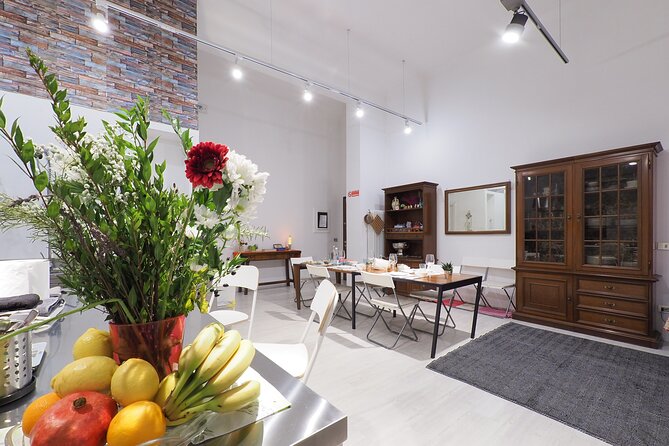
Once the cooking is finished, the class becomes dinner. You sit down and eat the starter, pasta or dumplings, and dessert prepared during the session.
Italian wine is served with the meal, along with bottled still and sparkling water. Coffee, tea, and infusions are also available. Italian welcome snacks and other refreshments are included.
The wine arrangement deserves a clear explanation. The experience is a cooking class with a shared wine tasting, not an unlimited wine event. The provider explains that the shared amount is one bottle for every three people, with additional wine available at extra cost. Everyone should receive wine with the final meal, but wine consumed earlier may be charged separately.
That setup is fair for people who want a glass with dinner, but it may disappoint anyone expecting free-flowing wine throughout the three hours. If wine is a major reason for booking, check the arrangement carefully and budget for extra drinks.
Eating together is also part of the social appeal. Classes bring together people from different countries, and the meal gives everyone time to talk after the practical work is done. Families with teenagers have enjoyed the format, and mixed-ability groups have found it easy to participate.
What the $82.27 price really covers
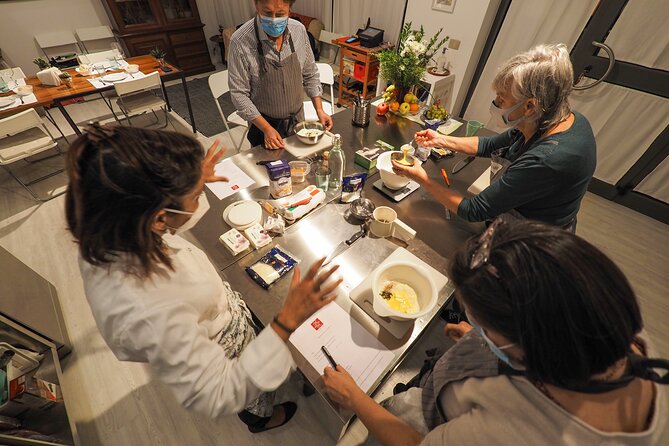
At $82.27 per person, the price is strong for a three-hour activity that includes a full meal. You are paying for instruction, ingredients, an apron, cooking equipment, snacks, water, coffee or tea, and wine with dinner.
A restaurant meal alone could approach a similar amount in Milan, but this experience adds the useful skill of learning to prepare the dishes. The recipes make the value last beyond the evening. If you cook even one of the dishes again at home, the class becomes more than a one-time meal.
The value is best for people who want participation. If you only want to eat Italian food, a restaurant is simpler. If you want a polished chef demonstration with a private instructor, a higher-priced private class may suit you better.
For a shared class, the cost is reasonable. Smaller groups provide better access to the chef, but the maximum capacity of 20 means you should not assume every session will feel personal. The average booking time is 25 days ahead, so popular dates may fill before your Milan plans are final.
Who will enjoy this Milan cooking class?
I would recommend it most strongly to:
- First-time cooks who want clear, practical instruction
- Couples and friends looking for a social evening
- Families with older children or teenagers
- Home cooks who want to learn fresh pasta
- People with a free morning, afternoon, or evening in Milan
- Visitors who enjoy meeting people while preparing a meal
Chef Ilaria’s warmth and humor have been a major part of the experience for many people. She has also helped participants with practical problems, including arranging a taxi after class and allowing a participant with an internet problem to attend another session.
The class can accommodate a gluten allergy, but you should raise dietary needs when booking or before the lesson. Do not assume every restriction can be handled without advance notice.
This is less suitable for someone who wants a guaranteed menu, unlimited alcohol, luxury presentation, or complete quiet while cooking. It is also a poor choice if you need to bring luggage or leave directly for transport afterward.
Practical booking advice for a smoother visit
Book at least several weeks ahead if your schedule is fixed. The class is offered in English, and confirmation is provided at booking.
Wear something comfortable for three hours of standing and food preparation. An apron and tools are supplied, but the experience is still a working kitchen lesson rather than a formal restaurant dinner.
Arrive at the address with time to spare, look for the red Chef and the City signs, and ring the bell. Do not bring suitcases. The laboratory is on street level, which makes entry straightforward, but there is no luggage storage.
The activity has free cancellation up to 24 hours before the start time. Changes or cancellations inside that window are not accepted for a refund. The class also requires a minimum number of participants, so if the provider cancels because that minimum is not met, you are offered another date or experience, or a full refund.
Should you book this cooking class?
Book it if you want to make fresh Italian food, eat your work, and take the recipes home. The changing menu, hands-on pasta work, friendly teaching, and full meal make this a good-value activity in Milan.
Go in with the right expectations. The menu is not fixed, the group may be large, seasoning may be cautious, and the wine is shared rather than unlimited. For most visitors, those are manageable tradeoffs for a practical and sociable evening with an Italian chef.
If you prefer a smaller class, look for a date with limited bookings. If you want a specific dish, contact the provider before reserving. For everyone else, this is a useful way to spend three hours in Milan and return home with more than a restaurant receipt.
FAQ
How long does the cooking class last?
The experience lasts approximately three hours, including the cooking lesson and the meal at the end.
Where does the class meet?
The meeting point is Via Laura Ciceri Visconti 4, 20137 Milan, Italy. Look for three windows with the red Chef and the City sign and ring the front door bell.
What dishes will I cook?
The menu changes. Possible dishes include bruschetta, focaccia, eggplant parmigiana, chickpea appetizers, gnocchi, tagliatelle, ravioli, tiramisu, cantucci, Pan Meino, and chocolate tortini.
Is the menu fixed in advance?
No. The dishes listed are examples, and the exact menu is revealed during the class.
Is wine included?
Italian wine is included with the final meal. The provider describes the shared arrangement as one bottle for every three people. Additional wine may be purchased separately.
Do I need to bring cooking equipment?
No. An apron and all cooking tools needed for the course are provided.
Can I bring luggage to the class?
No. Luggage is forbidden, and luggage storage is not provided. The activity also does not include private transportation.
Just added around Milan
- Small Group Cozy Cooking Class in a Typical Milanese Home★ 4.8 · 27 reviews
- Pizza and Tiramisu Cooking Class with Wine in Milan★ 4.9 · 80 reviews
- only in ITALIAN – International aperitif + cooking class in Italian★ 4.8 · 22 reviews
- Milan: Private Cooking Class at a Local’s Home★ 5.0 · 9 reviews
- Milan: Market and Cooking Class at a Local’s Home★ 4.0 · 5 reviews
- Milan: Cooking Class for Families with Children★ 5.0 · 5 reviews
- Milan: Pasta, Gnocchi and Tiramisù Cooking Class with Wine★ 5.0 · 117 reviews
- Milan: Homemade Pasta, Sauce, and Tiramisu Cooking Class★ 5.0 · 3 reviews
Italian Cooking Classes, compared.
Cooking Class and Lunch at a Tuscan Farmhouse with Local Market Tour from Florence
Read our review →
Rome Pasta Making Class with Italian Sauces and Wine Included
Read our review →
Cooking Class at a Tuscan Farm & Local Market Tour
Read our review →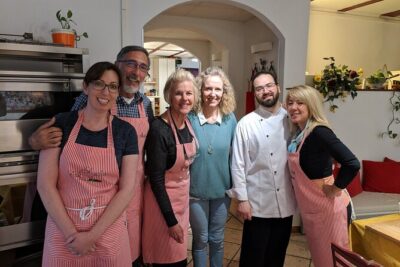
Tuscan cooking class with handmade pasta and wine
Read our review →Lists this class appears in