
REVIEW · APULIA, ITALY
Brindisi: Cooking Class and Tasting in the Olive Grove
Fresh pasta tastes better when you shape it yourself. This 2.5-hour class takes you into the Puglian countryside, where a typical rural house, old olive trees, and cultivated fields provide the setting for making two local pasta styles: orecchiette and strascinati. The hands-on format gives you more than a meal. You learn the basic craft behind dishes found across Apulia.
I especially like the small group of no more than 10 people, since pasta shaping is much easier when the instructor can watch your hands. I also like that lunch or dinner, local wine, water, and an olive-oil tasting are included. The main consideration is transport: hotel pickup and drop-off are not provided, and the meeting point is marked by a signboard along the way.
Antonella receives especially warm praise for her teaching and friendly manner. She explains how to make orecchiette and other pasta types, and her enthusiasm adds a personal touch to the lesson. If you want a polished restaurant meal with no participation, this is not the right choice. If you are happy to make a few imperfect pasta pieces before eating them, it offers a more personal taste of Puglia.
Key details before you book
- Shape two classic Puglian pastas: Learn the shell-like form of orecchiette and the rougher, handmade shape of strascinati.
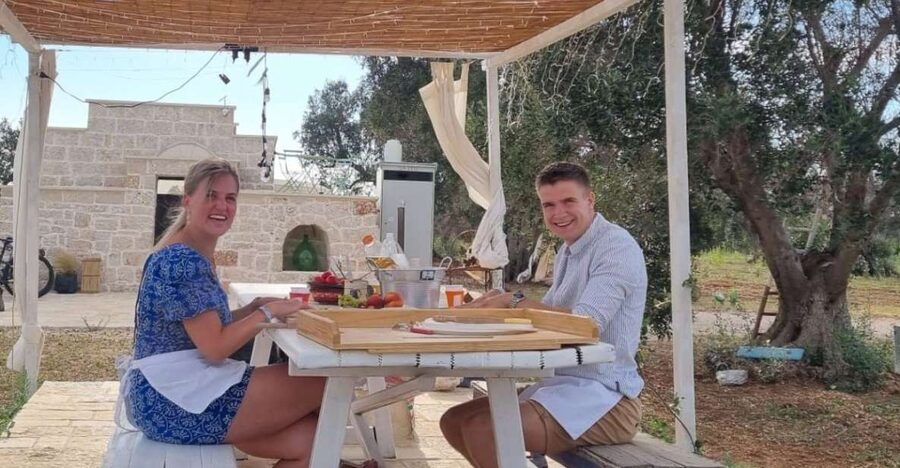
- Cook in a rural olive grove setting: The class takes place at a typical country house surrounded by centuries-old olive trees and cultivated fields.
- Eat what you make: Your homemade pasta becomes the main lunch or dinner, rather than a practice batch that disappears into the kitchen.
- Taste local olive oil: The oil tasting adds a useful link between Puglian agriculture and the food on your plate.
- Keep the group personal: A maximum of 10 participants gives the instructor room to help with shaping techniques.
- Plan your own route: There is no hotel transportation, and you will look for the activity signboard at the meeting point.
Why handmade pasta is the point of the class
Puglia is closely associated with simple pasta made by hand. The shapes are not designed to look perfect in the factory-made sense. Their charm comes from the movement of your fingers, the texture of the dough, and the small differences from one piece to the next.
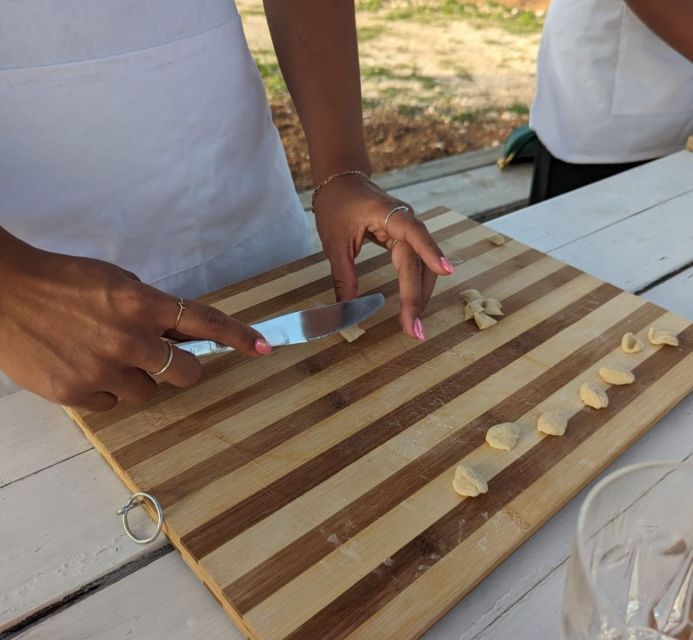
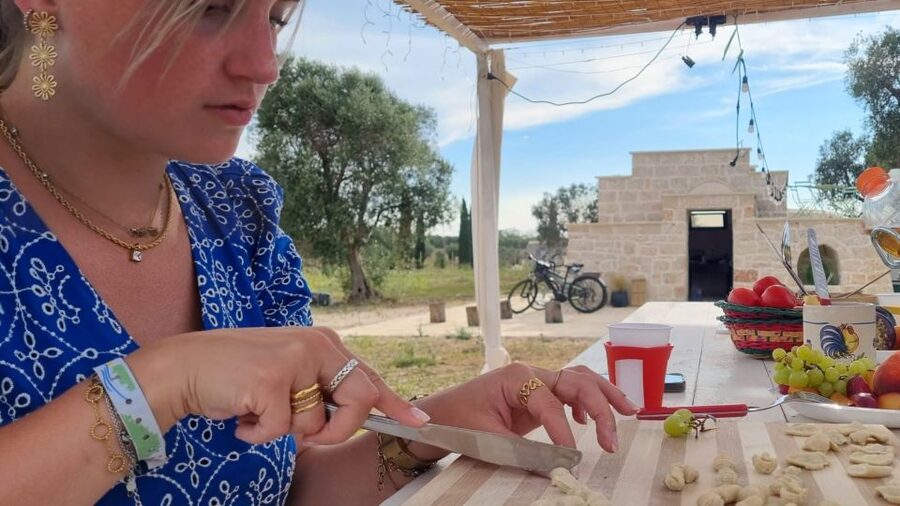
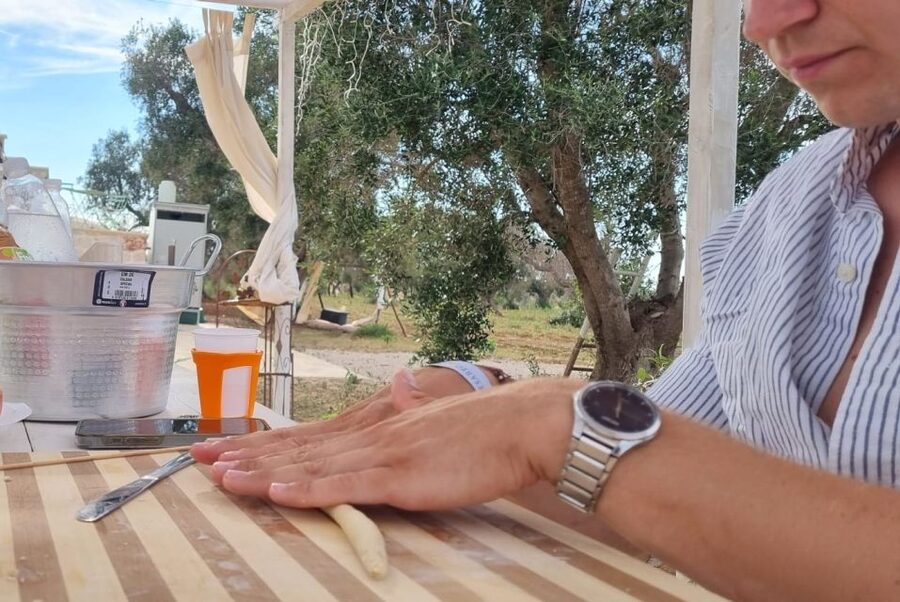
Orecchiette means little ears, a fitting name for the small pasta shells you will form. The goal is to create a thin center with a slightly thicker rim, giving the piece its familiar curved shape. That sounds simple until you try to repeat the motion several times. A good instructor can show you how much pressure to use and how to move the dough without tearing it.
Strascinati have a more rugged appearance. Their name relates to the way the dough is dragged or drawn across a surface, leaving a rougher look than the neat little cups of orecchiette. This contrast makes the lesson worthwhile. You are not learning one shape twice. You are seeing how different hand movements produce different kinds of pasta.
I like classes that explain the technique instead of simply handing you a finished dish. Here, the process is the meal. You can expect to work with the raw materials, follow the preparation from the beginning, and then eat the results with the group.
Do not worry if your first pieces look uneven. Handmade pasta is forgiving, and the rustic appearance is part of the appeal. The class is aimed at cooking enthusiasts and curious beginners, not only people who already know how to make pasta.
More Farm Cooking Classes in Italy
- Cooking Class and Lunch at a Tuscan Farmhouse with Local Market Tour from Florence
★ 5.0 · 4,831 reviews - Hands-On Cooking Class & Farmhouse Tour on the Amalfi Coast
★ 5.0 · 956 reviews - Florence: Cooking Class at a Tuscan Farm & Local Market Tour
★ 4.9 · 354 reviews
A country house among old olive trees
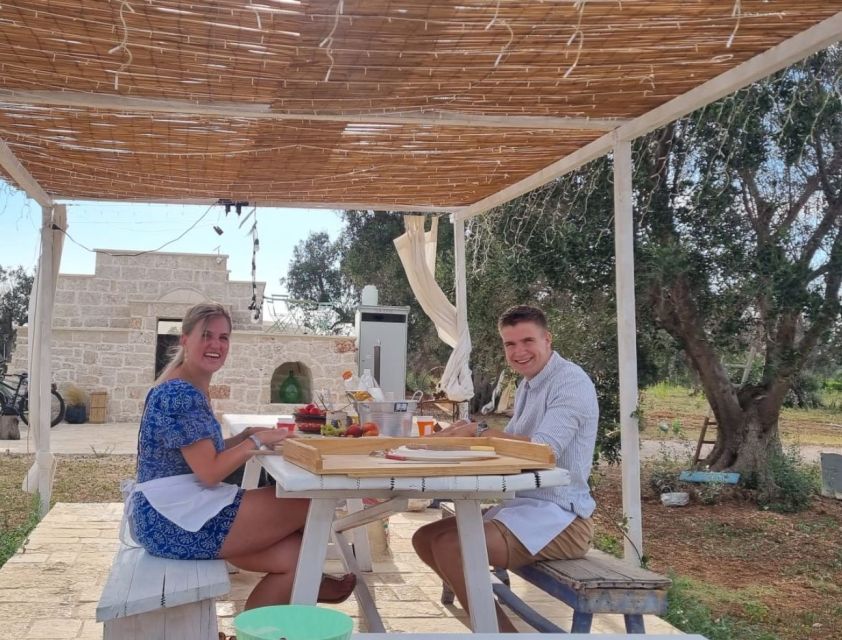
The setting gives this activity its sense of place. You will meet at a typical rural house surrounded by centuries-old olive trees and cultivated fields. That matters because the class connects food preparation with the countryside that produces many of the ingredients associated with Puglia.
This is not a cooking demonstration inside a city restaurant. The outdoor country setting provides a slower pace and a clear break from sightseeing in Brindisi. You can expect a rustic atmosphere rather than a formal culinary school environment.
The olive trees are also important to the oil tasting later in the experience. The trees are not just decoration around the house. They help you understand why olive oil is such a central part of Puglian cooking and why a tasting belongs beside a pasta lesson.
The information provided does not specify how far the house is from central Brindisi or how you should reach the meeting point. You should check the exact location before booking and allow time to find the signboard along the way. Since there is no hotel pickup or drop-off, transportation is your responsibility.
The first lesson: mixing and preparing the dough
The class begins with the basic preparation of the pasta. You will work through the early steps, including mixing the ingredients and handling the dough before shaping it. This part may seem less exciting than forming the pasta, but it helps you understand why the final texture matters.
A pasta class can become frustrating if the dough is not prepared properly. Too firm, and shaping takes more effort. Too soft, and the pieces may lose their form. The instructor guides you through the process so you can pay attention to the feel of the dough instead of following a recipe without context.
The available details do not give a full ingredient list or a precise recipe to take home. What is clear is that raw materials are included, and the instructor teaches the process from start to finish. If you want exact quantities for recreating the meal later, it would be sensible to ask during the class.
This hands-on start also makes the activity suitable for a range of skill levels. You do not need to arrive as an experienced cook. You only need enough patience to repeat the motions and accept that handmade pasta will not look identical piece by piece.
Shaping orecchiette with your hands
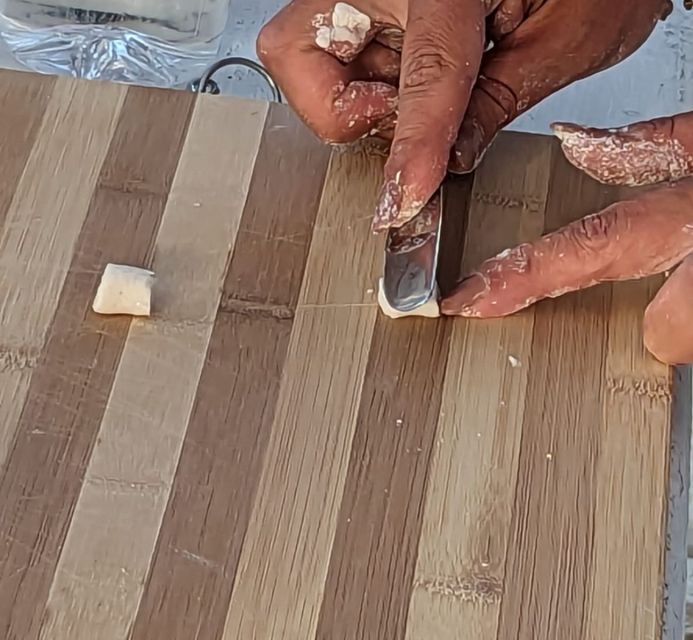
The orecchiette lesson is likely to be the most recognizable part of the class. You will be shown how to mold each piece into its characteristic shell shape. The technique depends on small, controlled movements rather than complicated equipment.
The instructor can demonstrate how to create the thin center and curled edge, then help you adjust your pressure and speed. This is where the group size matters. With no more than 10 participants, you have a better chance of receiving individual guidance than you would in a large demonstration.
Antonella is praised for being an excellent teacher and for explaining the pasta-making process with enthusiasm. She also shares information while teaching, including methods for making other noodle types. That suggests the lesson is not limited to a quick visual demonstration. You get practical instruction as you work.
Your pasta may not look like the instructor’s at first. That is normal. The useful question is not if every piece is identical. It is if you understand the movement well enough to keep improving. By the end, you should have a clearer idea of why orecchiette has its shape and how to attempt it again at home.
Same place, a different thing to cook:
- Florence: Pasta Cooking Class with Unlimited Wine
★ 4.9 · 10,285 reviews - 3 in 1 Cooking Class near Navona: Fettuccine, Ravioli & Tiramisu
★ 5.0 · 7,376 reviews - Florence: Pasta & Tiramisu Cooking Class with Unlimited Wine
★ 4.9 · 6,708 reviews - Rome: Pasta Making Class with Wine, Limoncello, and Dessert
★ 4.9 · 3,177 reviews
Making strascinati, the rougher partner
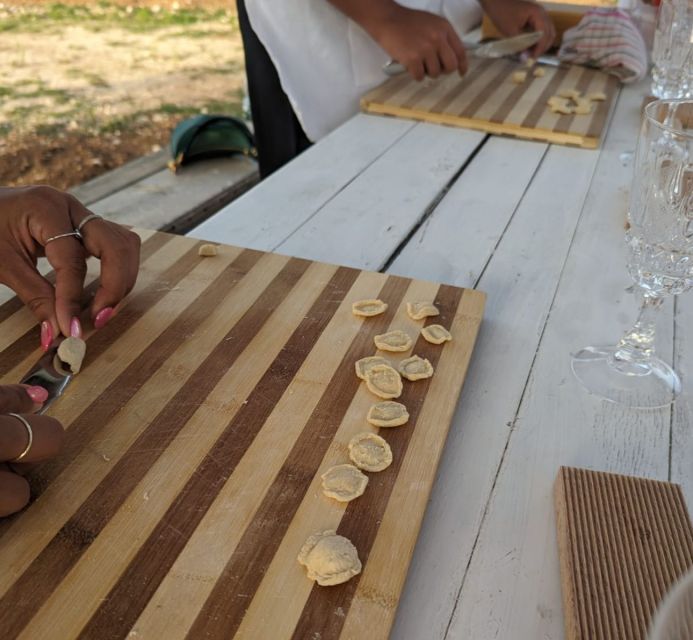
The second pasta shape gives the lesson a different feel. Strascinati have a rough, artisanal appearance, and their preparation shows how a simple change in technique creates another traditional form.
The rough surface is part of the appeal. It makes the pasta look handmade and helps distinguish it from the rounded orecchiette. You will learn to use your hands to create this shape, rather than relying on a machine or a ready-made product.
I like the decision to teach both pastas in one session. A class focused only on orecchiette could feel repetitive, especially for people who are new to pasta making. Two forms keep the work varied and give you a better sense of Puglian pasta traditions.
The lesson is still only 2.5 hours, so expect an introduction rather than an advanced pasta course. You will practice the two featured shapes and may hear about additional noodle types, but the stated focus remains orecchiette and strascinati.
Eating the pasta you made
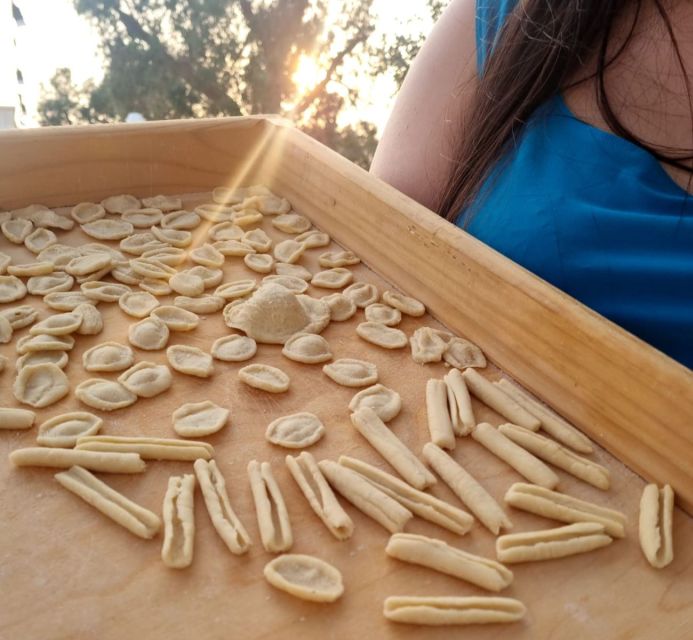
The best part comes after the shaping. Your orecchiette and strascinati are prepared as lunch or dinner, and you eat the pasta made during the class. This turns the lesson into a complete food experience instead of a craft session followed by a separate meal.
There is a small psychological reward in eating something that took your own hands to produce. Uneven edges suddenly look charming, and a piece that seemed misshapen during the lesson becomes part of the story. You will also have a better sense of texture because you handled the dough from the start.
Local wine and water are included with the meal. The wine adds a traditional touch and makes the experience feel more like a shared country meal than a classroom exercise. The available information does not identify the wine, the sauce, or the exact menu, so do not book this expecting a specific dish beyond the homemade orecchiette and strascinati.
This is also the part where the length of the activity feels well judged. Two and a half hours gives enough time for instruction, shaping, cooking, and eating without taking up an entire day. Check the available starting times before you commit, especially if you are fitting the class around other plans in Brindisi.
What the olive-oil tasting adds
The oil tasting gives the experience another layer. Puglia is known for olive cultivation, and the class takes place among old olive trees. Tasting the oil beside a homemade pasta meal lets you pay attention to an ingredient that can otherwise disappear into the background.
You may notice differences in aroma, flavor, or intensity, though the supplied details do not specify how many oils are served or how the tasting is conducted. The important point is that oil is treated as something worth tasting on its own, not just as a cooking ingredient.
For me, this is valuable because it connects the meal to the countryside around the house. You are not only learning a recipe. You are also considering how local agricultural products shape everyday food in Puglia.
The oil tasting should not be the sole reason to book. The main activity is the pasta class, and the tasting works as a companion to it. Still, if you enjoy food experiences that explain ingredients as well as techniques, it adds value to the price.
Price, group size, and what is included
The listed price is $104.22 per person. That is not a budget meal, but the value depends on how you use the experience. You are paying for instruction, raw materials, the pasta you prepare, an included lunch or dinner, an olive-oil tasting, local wine, and water.
A restaurant meal would likely cost less if you only wanted to eat pasta. It would not give you the country-house setting, hands-on instruction, or the chance to make the shapes yourself. If you would normally book both a food activity and a meal, combining them here makes the price easier to justify.
The maximum group size of 10 is another factor in the value. A small class makes it more likely that you can see the technique clearly and receive help when your orecchiette refuse to look like little ears.
The experience is conducted in Italian and English. That is useful for English-speaking visitors, though the quality of a cooking lesson also depends on watching hand movements and following demonstrations. You should still feel comfortable asking for a repeat explanation if a shaping step moves too quickly.
Cancellation is flexible, with a full refund available when you cancel at least 24 hours in advance. You can also reserve now and pay later, which helps if your Brindisi plans are still changing.
Who should book this Brindisi food experience?
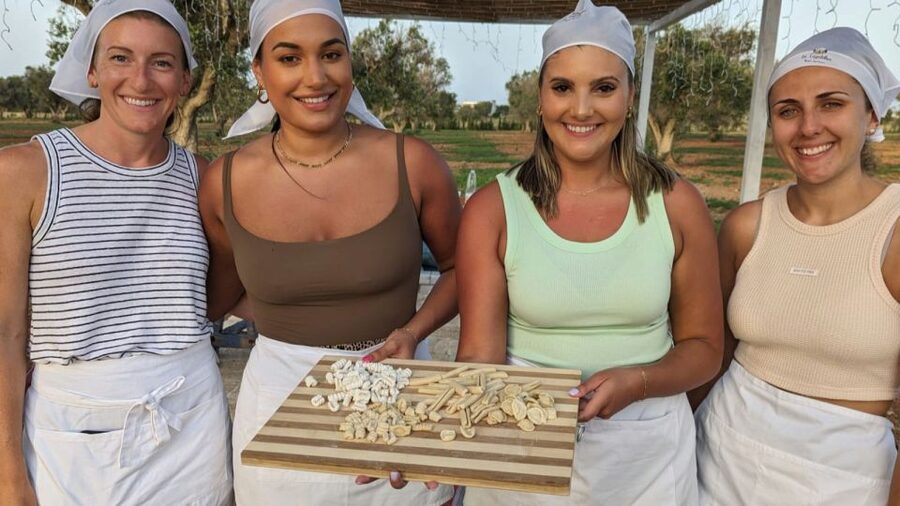
I would recommend this class to people who want a direct connection with Puglian food. It suits couples, friends, solo participants, and families who enjoy making things together and do not mind a little flour or a few imperfect pasta shapes.
It is especially good for:
- First-time pasta makers who want clear instruction.
- Food-focused visitors looking for more than a restaurant meal.
- People who enjoy rural settings and local ingredients.
- Small groups that prefer personal guidance.
- Anyone interested in orecchiette, strascinati, and olive oil.
It may be less suitable if you need hotel transportation, dislike participatory activities, or want a highly structured professional cooking course. The meeting point requires your own transport, and the activity takes place in a countryside setting rather than at a central Brindisi venue.
Antonella’s warm teaching style is a strong reason to choose it. She is described as sweet, passionate about her work, and able to explain more than one kind of pasta. That personal contact is central to the experience.
Practical advice for your afternoon or evening
Allow time to find the signboard at the meeting point. The instructions say you will see it along the way, but they do not provide hotel pickup, drop-off, or detailed transport arrangements.
Wear something suitable for hands-on food preparation. The provided information does not state a dress code, but you will be mixing, shaping, and handling pasta, so comfort matters more than dressing formally.
Check the starting time before booking. The activity lasts 2.5 hours, but several start times may be available. An evening session includes dinner, while a daytime session can fit naturally into a day exploring the Brindisi area.
Bring a patient attitude. Your first orecchiette may look more like a small pebble than a shell. That is part of the fun, and the final meal gives you a reason to keep practicing.
Should you book the class?
Book it if you want to make traditional pasta in a real Puglian country setting and then sit down to eat your work with local wine and olive oil. The strong points are clear: a small group, hands-on instruction, two pasta shapes, an experienced teacher named Antonella, and a complete meal included.
Skip it if you want a short tasting with no cooking, need hotel transportation, or prefer a city-center activity. At $104.22, the price makes the most sense when you value the lesson and setting as much as the food.
For most food-focused visitors staying near Brindisi, this is a personable way to spend 2.5 hours. You leave with more than a full stomach. You gain a practical understanding of how two familiar Puglian pasta shapes are made by hand.
FAQ
Where does the cooking class take place?
The class takes place at a typical rural house in the Puglian countryside, surrounded by centuries-old olive trees and cultivated fields.
How long does the experience last?
The cooking class and tasting last 2.5 hours. Starting times depend on availability.
What pasta will I learn to make?
You will learn to prepare orecchiette and strascinati. Orecchiette are shaped into a characteristic shell form, while strascinati have a rougher, artisanal appearance.
Will I eat the pasta I make?
Yes. Lunch or dinner with the orecchiette and strascinati prepared during the class is included.
Is an olive-oil tasting included?
Yes. An oil tasting is included in the experience.
Are drinks included?
Yes. Local wine and water are included.
Is hotel pickup provided?
No. Hotel pickup and drop-off are not included. You must make your own way to the meeting point.
How will I find the meeting point?
You will see the activity signboard along the way. The activity ends back at the meeting point.
What languages are available?
The instructor can teach in Italian and English.
How many people can join the class?
The class is limited to 10 participants, making it a small-group activity.
More Food and Drink Trips in Italy
- Small Group Cooking Class & Market Food Tour in Florence
★ 5.0 · 1,574 reviews - Pasta Making & Wine Tasting with Dinner in Frascati from Rome
★ 5.0 · 1,326 reviews - Rome: Pasta Making with Wine Tasting and Dinner in Frascati
★ 4.9 · 979 reviews - Super Fun Pasta & Gelato Class by Vatican with Wine + Oil Tasting
★ 5.0 · 726 reviews
Just added around Italy
- Cooking Class in a Sicilian countryhouse★ 5.0 · 5 reviews
- Cesarine: Home Cooking Class & Meal with a Local in Catania★ 4.5 · 10 reviews
- Cesarine: Market Tour & Home Cooking Class in Catania★ 4.0 · 6 reviews
- Cooking Class in Taormina with Lunch Included★ 5.0 · 2 reviews
- Cooking Class and Wine Pairing in Capri★ 5.0 · 57 reviews
- Cooking class in Capri for small groups★ 4.0 · 4 reviews
- Private Cooking Class Experience in Reggio Calabria★ 5.0 · 5 reviews
- Lezione di Cucina : Pasta Fresca★ 5.0 · 12 reviews
Farm & Countryside Cooking Classes, compared.

Half-Day Thai Cooking Class at Organic Farm in Chiang Mai
Read our review →
Cooking Class and Lunch at a Tuscan Farmhouse with Local Market Tour from Florence
Read our review →
Authentic Cooking Class with Market & Farm Visit
Read our review →
Hands-On Cooking Class & Farmhouse Tour on the Amalfi Coast
Read our review →Lists this class appears in