
REVIEW · AGRIGENTO, ITALY
Sicilian Cooking Course in Agrigento
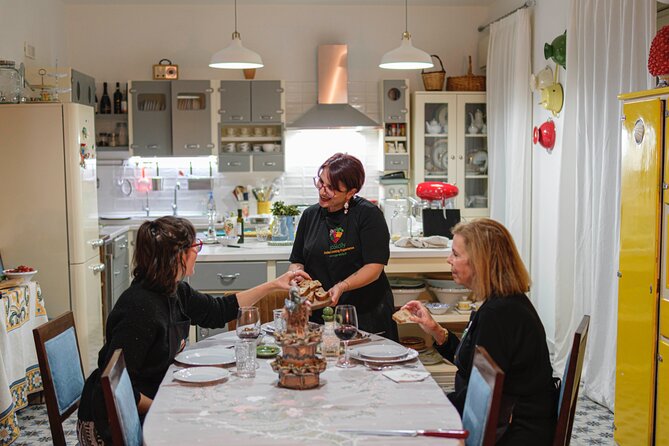
Your best Sicilian souvenir may be edible. In Favara, near Agrigento, Annalisa welcomes you into her home for a four-hour cooking course built around old family methods and fresh local food. I love the hands-on approach, especially making pasta from scratch, and I like the setting, where vintage objects and family-style hospitality make the lesson feel personal rather than commercial.
The food is simple, traditional, and tied to Sicily’s home kitchens. You may prepare cavatelli with tomato sauce, eggplant caponata, and cubaita, a Sicilian almond nougat, while a reported session also included swordfish. The main consideration is the price, $216.74 per person, which is a serious meal budget, though lunch, instruction, wine, and the four-hour visit help explain the cost.
Key things to know before booking
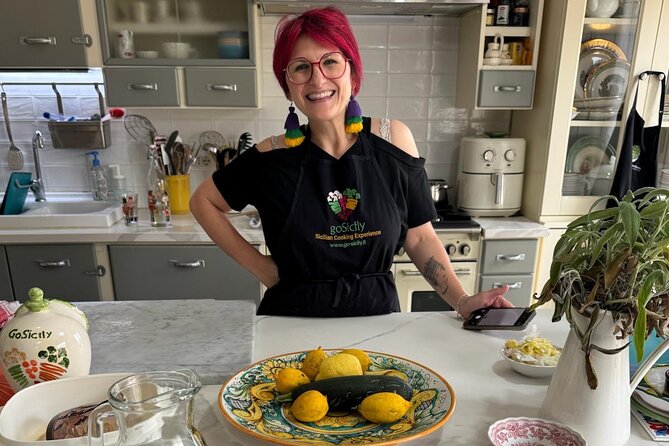
- You cook in Annalisa’s home: This is a personal kitchen visit, not a large culinary school.
- Fresh pasta is a central hands-on lesson: You learn to make pasta from scratch using traditional southern Italian methods.
- The menu centers on Sicilian classics: Cavatelli, tomato sauce, eggplant caponata, and cubaita are listed, with swordfish included in one reported meal.
- Ingredients may come from the garden: Fresh, organic produce and home-grown ingredients are part of the appeal.
- Lunch and local wine are included: You eat what you prepare in a family-style setting.
- The group is capped at 12 people: That keeps the class smaller than a standard food tour, though the experience can still vary by group size.
Entering Annalisa’s home in Favara
The meeting point is Via Roma, 27, in Favara, Agrigento province. The class begins and ends at this same point, so you should plan your own way there and back. Public transportation is nearby, but no transfer service is listed.
That simple arrangement is useful. You are not spending part of the four hours chasing a guide through several stops. Instead, the visit is centered on one home, one kitchen, and one shared meal. For you, that means less sightseeing logistics and more time with the food.
Annalisa’s home is meant to feel like a family kitchen from an earlier Sicily. Vintage objects help create a post-war atmosphere, when meals depended on straightforward ingredients, patient preparation, and recipes passed from one generation to the next. This is not just decoration. It gives the cooking a sense of place.
I like that the setting is domestic. You are not being shown a polished restaurant kitchen designed for tourists. You are being welcomed into the kind of room where family recipes make sense. That can be especially meaningful in Sicily, where food often carries stories about relatives, regions, seasons, and household habits.
More Italian Cooking Classes in Italy:
- Cooking Class and Lunch at a Tuscan Farmhouse with Local Market Tour from Florence
★ 5.0 · 4,831 reviews - Tuscan Cooking Class and Dinner in Florence
★ 4.5 · 732 reviews - Rome Pasta Making Class with Italian Sauces and Wine Included
★ 5.0 · 645 reviews
Making cavatelli from scratch
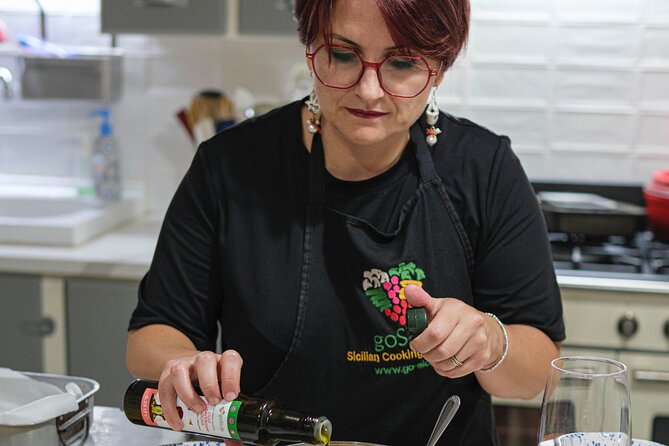
The pasta lesson is likely the practical heart of the class. Cavatelli is a small, handmade pasta with a shape that holds sauce well. You learn to work the dough yourself rather than simply watching Annalisa prepare it.
That distinction matters. A demonstration can be entertaining, but your hands remember more than your camera does. Rolling, shaping, and handling fresh pasta gives you a skill you can try again at home. It also shows why southern Italian cooking is often less about complicated equipment and more about technique, texture, and repetition.
The supplied menu lists cavatelli with tomato sauce as a main course. It is a modest dish on paper, but that is part of its strength. You get to see how a few good ingredients can carry a meal. The cooking is not built around elaborate sauces or restaurant tricks.
One practical point: the class is offered in English, so you can follow the instruction without needing Italian. The atmosphere is still rooted in Sicilian tradition, but the language barrier should not prevent you from taking part.
The exact food served can change. One reported session featured fresh pasta along with swordfish, rather than only the listed cavatelli dish. You should see the published menu as a guide, not a promise that every group will prepare precisely the same meal.
Learning why caponata matters in Sicily
Eggplant caponata is another listed main dish, and it gives the class a stronger connection to Sicilian cooking. Caponata brings together eggplant and other ingredients in a sweet-sour preparation that is closely associated with the island.
The value here is not simply learning a recipe. You get a feel for the balance that makes Sicilian food distinctive. The dish asks you to pay attention to texture and flavor rather than relying on heavy seasoning. Annalisa’s approach focuses on traditional methods and seasonal ingredients, so the lesson should help you understand how the dish works in a home kitchen.
If you are unfamiliar with caponata, this is a useful introduction because it is both distinctly Sicilian and practical to recreate. You can serve it as part of a larger meal, and its vegetable base makes it a good choice for cooks who want more than pasta lessons.
The class may be a good match if you enjoy learning through food rather than collecting a list of monuments. You will spend time preparing, tasting, and talking. That pace is slower than a standard sightseeing stop, but it gives you room to notice how ingredients are handled and how a recipe becomes part of a shared meal.
Finishing with cubaita and almond nougat
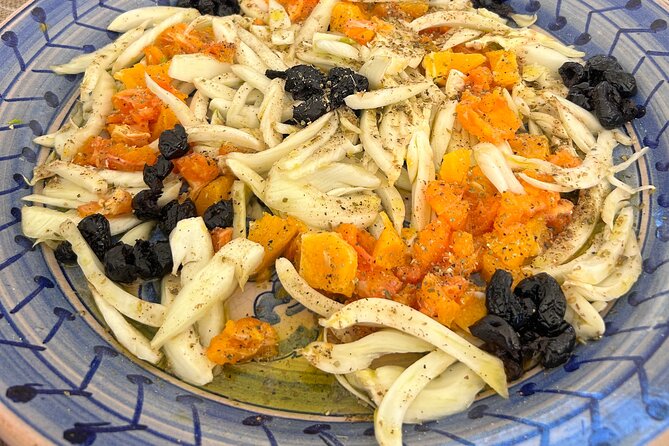
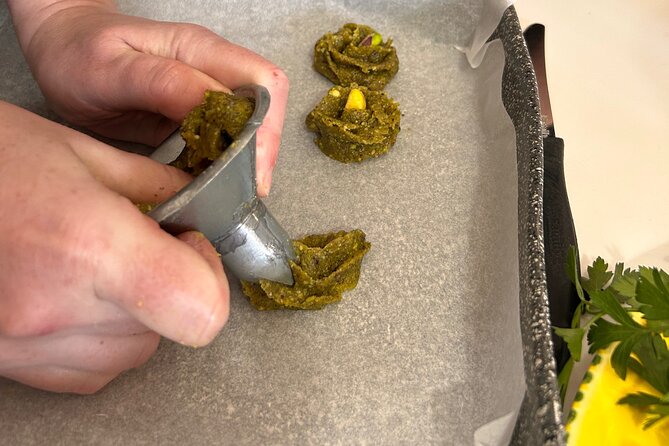
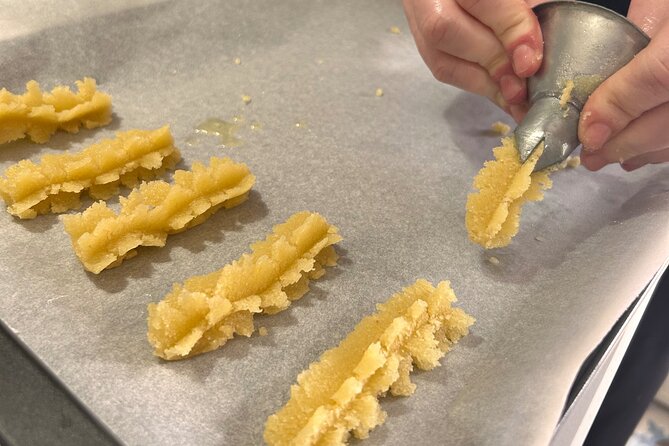
Dessert is listed as cubaita, a Sicilian almond nougat. This offers a sweet finish and introduces a traditional treat rather than a generic pastry chosen for convenience.
The dish also suits the character of the class. Almonds, simple ingredients, and old-fashioned preparation fit the wider theme of Sicilian home cooking. In one reported session, almond nougat was praised as the perfect ending after the savory dishes. You should expect dessert to be part of the meal, not an afterthought.
Because the class runs for about four hours, the schedule allows time for preparation and eating. You are not rushing through a quick lesson before being sent away. The food is the main event, and lunch is included in the price.
Come hungry. You will be eating the dishes you help prepare, and the meal may also include additional food such as swordfish, depending on the day’s menu. Tips are not included, so you should set aside a little extra if you feel the instruction and hospitality deserve it.
A few more cooking classes around Italy worth a look
- Florence: Pasta Cooking Class with Unlimited Wine
★ 4.9 · 10,285 reviews - 3 in 1 Cooking Class near Navona: Fettuccine, Ravioli & Tiramisu
★ 5.0 · 7,376 reviews - Florence: Pasta & Tiramisu Cooking Class with Unlimited Wine
★ 4.9 · 6,708 reviews - Rome Cooking Class: Make Pasta and 3 Spritz Cocktails
★ 5.0 · 2,937 reviews
A meal built around fresh, local ingredients
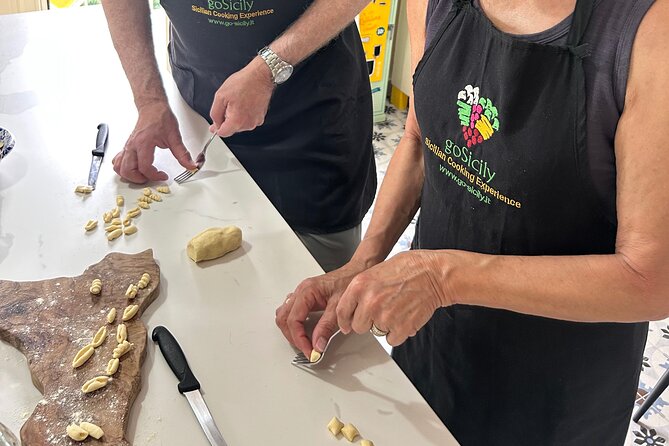
The use of ingredients from Annalisa’s own garden adds a personal touch. One reported class used fresh, organic produce, with some items picked directly from the garden. That gives the meal a stronger connection to the home and the season.
You should not expect a fixed restaurant menu with identical ingredients all year. Seasonal cooking means the food may reflect what is available. That can be a benefit if you want a more genuine taste of local home cooking, though it also means the final dishes may not match every detail you imagined when booking.
The cooking is described as traditional, delicious, and simple. I consider that an important strength. Sicily’s best food does not need a long ingredient list to make an impression. Fresh produce, pasta made by hand, and a recipe used with care can tell you more about the place than an expensive tasting menu.
You also get the chance to ask questions as you work. Annalisa is generous with cooking tips and family methods, which makes the course useful beyond the meal itself. Pay attention to small instructions about dough, vegetables, and timing. Those are often the parts that are hardest to learn from a recipe card.
Wine, conversation, and the family-kitchen mood
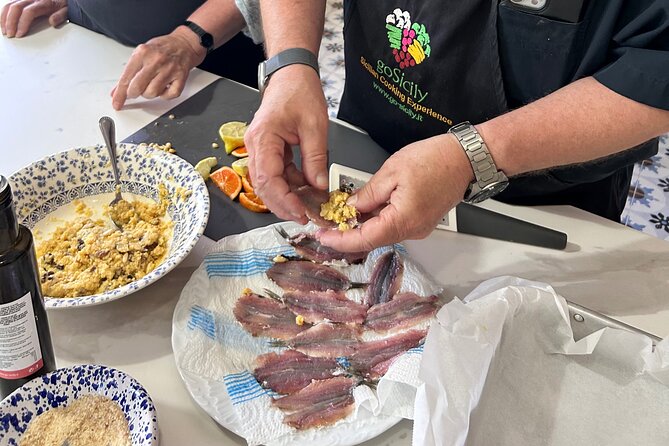
After the cooking, you sit down to eat with local wine and fresh fruit. This shared meal is a key part of the experience. It turns the class from a lesson into a social visit.
The atmosphere is meant to be warm and familiar. You are welcomed as a special guest, and the vintage household objects help create a link to earlier generations. If you enjoy meeting a local host and learning through conversation, this setting will likely feel more rewarding than a formal classroom.
The group limit is 12 people. That is small enough to keep the focus on the cooking, but it is not necessarily an intimate one-on-one lesson. If the group fills, you may be working alongside several other people. That can add energy and make lunch more social, although anyone seeking a private class should confirm the arrangement before booking.
The food provides an easy way to connect. Even if your cooking skills differ from those of the people beside you, everyone has a task, a plate, and a reason to talk. The class works best when you are comfortable taking part rather than standing back.
Is $216.74 a fair price?
At $216.74 per person, this is one of the more expensive food activities you might consider in Agrigento. You are paying for more than ingredients. The fee covers about four hours, English-language instruction, lunch, local wine, a home setting, and access to Annalisa’s personal cooking methods.
The price makes more sense for someone who values a hosted cultural experience. If you only want a quick meal or a basic pasta demonstration, it may feel high. If you want a long, hands-on visit with food you prepare and eat, the value is stronger.
The group size also matters. A maximum of 12 people prevents the event from becoming a huge class, though the price is still substantial. You should book it because the personal setting and cooking time appeal to you, not simply because lunch is included.
A useful way to judge the cost is to ask what you want from your day in Agrigento. If your priority is seeing as many archaeological sights as possible, four hours in a kitchen may not fit your plans. If you want a slower activity that connects you with Sicilian food and a local host, this can be a worthwhile use of half a day.
The experience is currently booked about 28 days ahead on average. That suggests you should not leave it until the last minute if the date matters to you, particularly during a busy visit to Sicily.
Who will enjoy this cooking course most?
I would recommend this course to you if you enjoy:
- Learning by doing, especially making fresh pasta by hand
- Traditional food rather than restaurant-style presentation
- Small-group activities with a local host
- Long meals with conversation and wine
- Seasonal ingredients and simple recipes
- Food experiences that connect cooking with family traditions
It should suit families, couples, and small groups of friends. One father and son reportedly found the session especially enjoyable, in part because they were learning together and sharing a new activity.
You do not need to be an expert cook. The point is to take part and learn. You should, however, be ready for a relaxed session that may involve handling dough, preparing vegetables, and sitting down for a full meal.
This may not be the best choice if you dislike group activities, have very limited time, or want a tightly fixed menu. The published dishes are clear, but the swordfish session shows that the food can vary. Ask before booking if a particular dish is essential to your plans.
The experience allows service animals and is near public transportation. Confirmation is received at booking. Free cancellation is available up to 24 hours before the start time, while changes or cancellations inside that window are not accepted. If the minimum number needed is not reached, you are offered another date or experience, or a full refund.
Should you book the Sicilian Cooking Course?
Book it if you want to spend a half-day cooking in a real home, learning fresh pasta, caponata, and a traditional almond sweet from Annalisa. The warm welcome, garden ingredients, local wine, and shared lunch give the class more substance than a short recipe demonstration.
Think twice if $216.74 feels too high for a food activity or if you need a guaranteed, tightly controlled menu. For everyone else, this is a strong choice in the Agrigento area, especially if you want a personal taste of Sicily that you can carry home in your own cooking.
FAQ
Where does the Sicilian cooking course take place?
The course begins at Via Roma, 27, 92026 Favara AG, Italy. The activity also ends back at the meeting point.
How long does the cooking course last?
The course lasts approximately four hours.
What language is the course offered in?
The experience is offered in English.
What dishes may I learn to prepare?
The listed menu includes cavatelli fresh pasta with tomato sauce, eggplant caponata, and cubaita, a Sicilian almond nougat. A session may also include swordfish, so the exact menu can vary.
Is lunch included?
Yes. Lunch is included, along with local wine and fresh fruit as part of the meal.
How many people can join the class?
The activity accepts a maximum of 12 travelers.
Can I cancel for a full refund?
Yes. You can cancel at least 24 hours before the experience start time for a full refund. Cancellations or changes made less than 24 hours before the start time are not accepted.
Just added around Italy
- Cooking Class in a Sicilian countryhouse★ 5.0 · 5 reviews
- Cesarine: Home Cooking Class & Meal with a Local in Catania★ 4.5 · 10 reviews
- Cesarine: Market Tour & Home Cooking Class in Catania★ 4.0 · 6 reviews
- Cooking Class in Taormina with Lunch Included★ 5.0 · 2 reviews
- Cooking Class and Wine Pairing in Capri★ 5.0 · 57 reviews
- Cooking class in Capri for small groups★ 4.0 · 4 reviews
- Private Cooking Class Experience in Reggio Calabria★ 5.0 · 5 reviews
- Lezione di Cucina : Pasta Fresca★ 5.0 · 12 reviews
Italian Cooking Classes, compared.

Cooking Class and Lunch at a Tuscan Farmhouse with Local Market Tour from Florence
Read our review →
Rome Pasta Making Class with Italian Sauces and Wine Included
Read our review →
Cooking Class at a Tuscan Farm & Local Market Tour
Read our review →
Tuscan cooking class with handmade pasta and wine
Read our review →Lists this class appears in