
REVIEW · CENTRAL MACEDONIA, GREECE
Thessaloniki: Greek Cooking Class, Market Visit and Lunch
Fresh food makes the best souvenir. This 3.5-hour cooking experience takes you from Aristotelous Square to Kapani and Modiano markets, then into a traditional tavern kitchen for a Greek meal you help prepare. I like the market shopping, where you choose vegetables and taste olives, and I like the friendly, personal guidance from cooks such as Maria. The one drawback is that the class may not provide as much hands-on cooking as serious home cooks expect.
This is a good pick if you want more than a restaurant meal. You get a look at daily food shopping in central Thessaloniki, learn the basics of several familiar Greek dishes, and sit down to eat what you made. At $108 per person, the price is fair for a guided market visit, cooking lesson, lunch, and local food introduction, though the value depends on how much active cooking time you receive.
Key points to know before booking
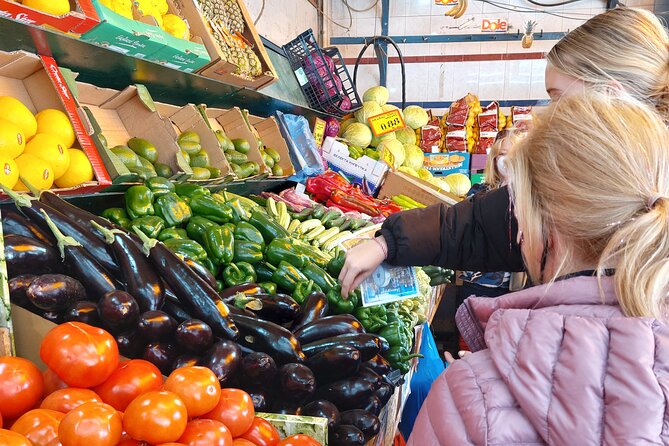
- Kapani comes first: Shop for vegetables and sample Greek olives in Thessaloniki’s central market.
- Modiano adds a cheese stop: The route includes a visit to Modiano Market and a taste of local cheese.
- Maria earns special praise: Her warm manner, clear explanations, and helpful approach are a major part of the experience.
- The menu is classic Greek comfort food: Expect tzatziki, dolmadakia, Greek salad, stuffed peppers and tomatoes, and chocolate salami.
- Lunch is part of the lesson: Your group eats the appetizers, salads, main courses, and dessert in a traditional tavern.
- The class is best for curious eaters: It suits people who want Greek food, market culture, and social cooking more than advanced culinary training.
Meeting in Aristotelous Square
The experience begins in Aristotelous Square, in front of the Electra Palace Hotel. This is a practical meeting place in central Thessaloniki, and it puts you close to the markets and the city’s main pedestrian areas.
I like starting here because the tour gets you into the food scene quickly. There is no long transfer out of town and no need to arrange a taxi to a distant cooking school. You meet your English-speaking guide, get oriented, and then head toward the market streets.
The full experience lasts 3.5 hours, so expect a compact morning or afternoon rather than a full-day food tour. That timing works well if you also want to see Thessaloniki’s waterfront, Roman sites, churches, or upper-town neighborhoods on the same day.
The meeting point is easy to identify, but I would still arrive a few minutes early. A market tour works best when the group can begin together and make the most of the short schedule.
More Cooking Classes with a Market Tour in Greece
- Athens: Classic Cooking Class with Market Visit and Wine
★ 5.0 · 1,101 reviews - Athens: Food Market Visit and Cooking Class with Wine
★ 4.9 · 1,087 reviews - Athens Market Tour and Cooking Class in a Beautiful Garden
★ 5.0 · 122 reviews
Choosing ingredients at Kapani Market
Kapani is the heart of the shopping portion. This central market is where locals buy everyday groceries, so the visit gives you a useful glimpse of food shopping in Thessaloniki rather than a polished showroom made only for tourists.
The first taste is Greek olives. It is a small start, but a smart one. Olives are central to Greek cooking, and tasting them before shopping helps you pay attention to differences in flavor, texture, and saltiness. You are not simply walking past stalls while someone lists ingredients. You begin by tasting something familiar in a very Greek setting.
At Kapani, you choose the vegetables that will go into the meal. The selection connects the market visit directly to the cooking lesson. You see the raw ingredients, hear how they are used, and later help turn them into lunch.
I especially like this part because it explains the food before you sit down to eat it. A Greek salad, stuffed vegetable, or yogurt dip feels different when you have seen the produce being selected and have learned how it fits into the meal.
Your guide also helps explain the ingredients and recipes. Maria is repeatedly praised for being kind, friendly, and clear, with one person noting that she explained the origins of ingredients and recipes. That kind of context matters. You are not just collecting a recipe card. You are learning why these foods belong together.
The main limitation is time. Kapani is a real working market, but this is still one part of a 3.5-hour experience. You should expect a guided introduction and ingredient shopping, not an unhurried morning spent examining every stall.
A cheese taste at Modiano Market
The experience also includes Modiano Market and a taste of local cheese. This gives the food walk another angle, since the tour is not focused only on vegetables and cooking ingredients.
The cheese stop is useful for anyone who wants to understand Greek food beyond the most familiar dishes. Cheese is a major part of the country’s everyday table, and a tasting lets you try something local before the meal begins.
The two markets serve different purposes in the itinerary. Kapani connects you with everyday produce shopping and the vegetables used in your class. Modiano adds a short taste of another part of Thessaloniki’s food trade.
The information provided does not specify which cheese you will taste or how long you spend at Modiano. I would treat this as a focused tasting stop rather than a full market tour. If you are especially interested in food shopping, ask your guide questions while you are there.
Cooking Greek dishes with a professional cook
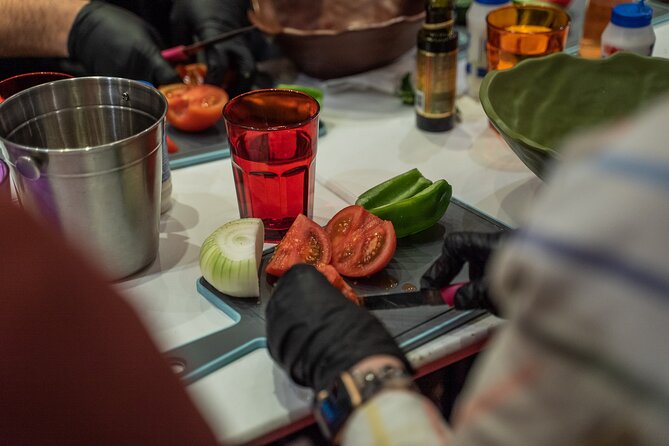
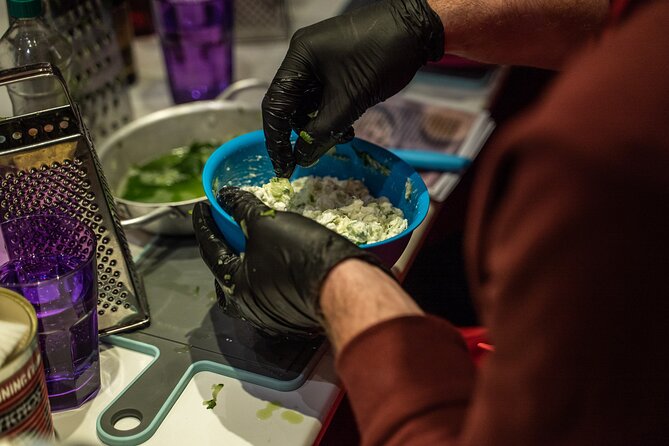
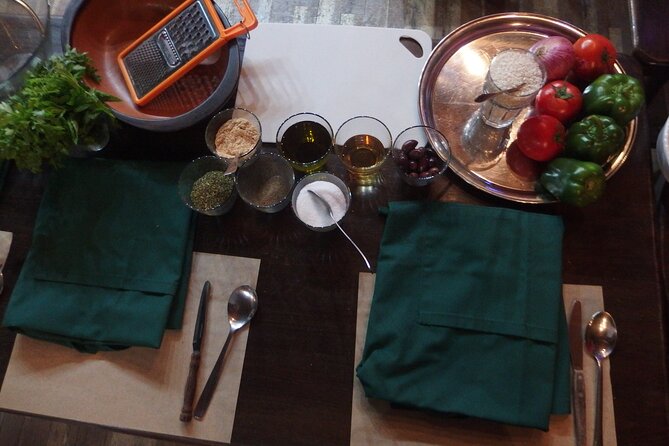
After the market visit, you move into the cooking portion with a professional cook and facilitator. The emphasis is on traditional home-style dishes, not restaurant-level techniques or complicated pastry work.
The menu includes:
- Tzatziki made with yogurt, cucumber, and garlic
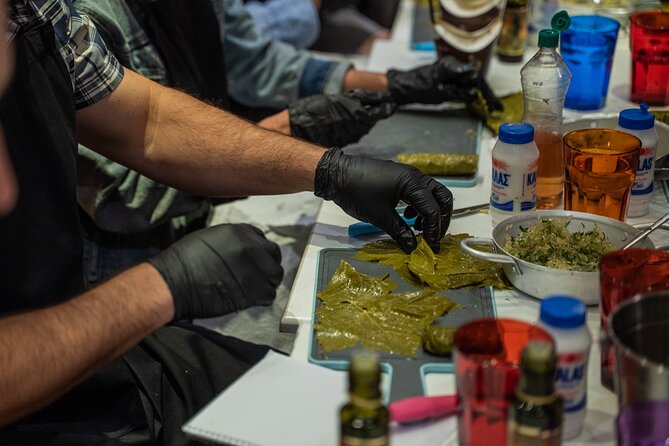
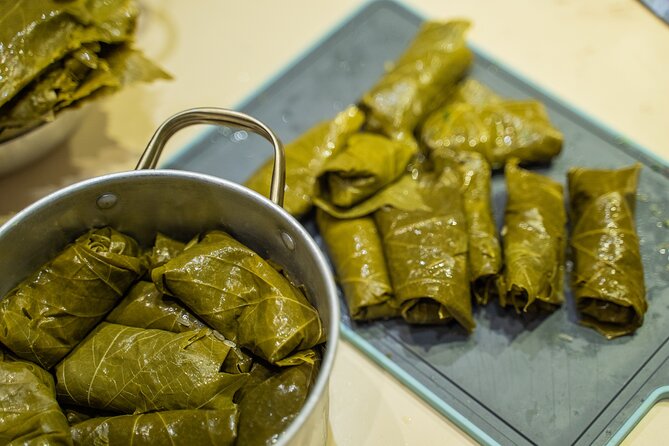
- Stuffed vine leaves, known as dolmadakia
- Greek salad
- Stuffed peppers and tomatoes
- Chocolate salami for dessert
This is a sensible menu for a short class. Tzatziki gives you a quick lesson in balancing yogurt, cucumber, garlic, and seasoning. Dolmadakia introduce a classic Greek preparation that many visitors enjoy ordering but rarely learn to make. Stuffed vegetables offer a more substantial main course, while chocolate salami provides an easy, playful finish.
I like the spread because it covers several parts of a Greek meal. You get a dip, a salad, a vegetable-based main course, and dessert. It is not just one recipe repeated in different forms.
You also leave with recipes and methods that you can try at home. The dishes are familiar enough to be useful, but they still offer a taste of Greek cooking traditions. Tzatziki, in particular, is an accessible recipe for recreating a Greek meal after your trip.
The hands-on element deserves a realistic explanation. The experience says you prepare the dishes with guidance from the cook, but one person wanted more active cooking and a more complex menu, perhaps involving filo dough. That is an important point for deciding if this is right for you.
You should book this class if you want to participate, learn, and eat. You should not book it expecting an intensive chef-training session where you personally complete every stage of every recipe. In a short group class, the guide may demonstrate some steps while participants share others.
More Greek Cooking Classes in Greece:
- Greek Cuisine Cooking Class in Santorini with Recipes and Wine
★ 5.0 · 969 reviews - Greek Cooking Class in Athens Including Rooftop Dinner with Acropolis View
★ 5.0 · 826 reviews - Greek Small-Group Athens Cooking Class & Dinner
★ 5.0 · 574 reviews - Athens: Greek Cooking Class & Dinner on a Rooftop
★ 5.0 · 383 reviews
What the meal tells you about Greek cooking
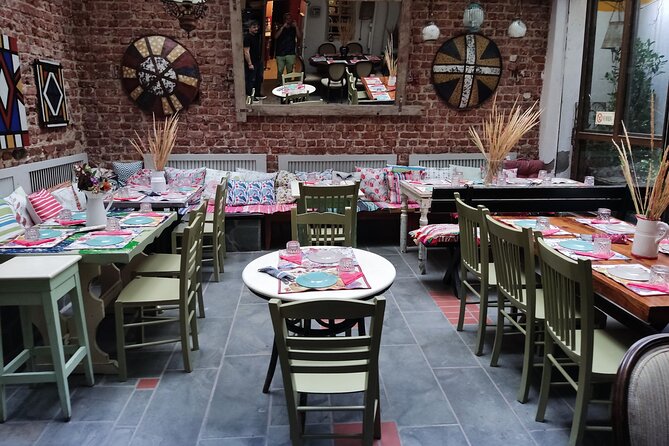
The lunch is served in a traditional tavern in the heart of Thessaloniki. This setting gives the class a proper finish. You are not preparing food and then leaving with a small sample. You sit down and eat the completed meal.
That changes the pace of the experience. After the market and cooking work, lunch gives you time to enjoy the food and talk with the guide and other people in the group. The meal also lets you taste the recipes as they are meant to be served together.
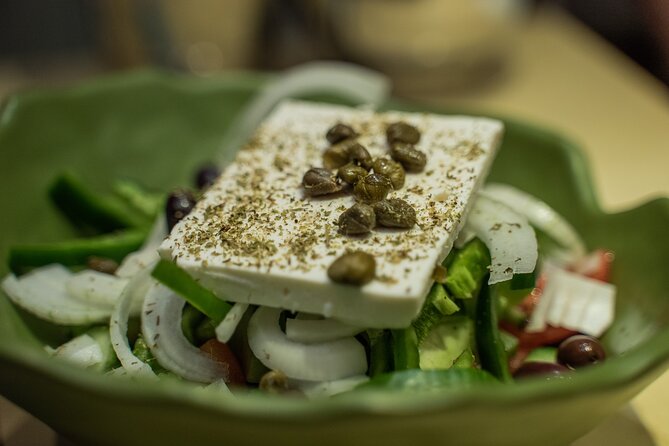
The menu has a strong home-cooking feel. Tzatziki works as a cool, garlicky dip. Greek salad brings fresh vegetables to the table. Dolmadakia and stuffed peppers or tomatoes add the cooked, filled dishes that make the meal more substantial.
Dessert is chocolate salami, a no-bake sweet made to look somewhat like a sliced salami. It is a memorable choice because it is different from the pastries many people expect from Greece. It also fits a short cooking class better than an elaborate dessert that needs hours to prepare.
The tavern staff are described as attentive and friendly, which adds to the comfort of the lunch. Still, the central point is the food you helped prepare. If you prefer formal restaurant service and a long tasting menu, this is not that kind of meal. It is more personal and casual.
Maria, Ellie, and the value of a good guide
The guide can make or break a market and cooking experience. Maria receives especially warm praise for making people feel at ease, explaining Greek life, and helping throughout the class. That combination is important because the tour moves between several activities in a short time.
A good guide needs to do more than name vegetables. The guide has to explain how ingredients are used, keep the cooking moving, answer questions, and make the group comfortable in the kitchen. Maria appears to handle that people-focused side particularly well.
Ellie also receives praise for her outgoing manner, her explanations in the market, and the points of interest she shared along the route. That suggests the experience can offer more than recipes. You get some local orientation as you walk through central Thessaloniki.
The guide also helps bridge the gap between food and daily life. When you learn about ingredient origins and recipes, you gain a small window into how Greek meals are built. That is more useful than memorizing a list of dishes without understanding their place at the table.
The class is offered in English. That makes the explanations accessible to English-speaking visitors, and the guide’s communication is a major part of the value. If you have questions about ingredients or cooking steps, ask them during the market and kitchen portions rather than waiting until lunch.
Is $108 a fair price?
At $108 per person, this is not the cheapest way to eat lunch in Thessaloniki. You can order a Greek meal for far less. The price makes more sense when you count the market visit, olive and cheese tastings, guided shopping, cooking instruction, recipes, and the meal in the tavern.
I see the strongest value in the combination of activities. A standard food walk may let you taste several products but not cook. A cooking class may teach recipes but skip the connection with local markets. This experience links the two.
The price is also easier to justify if you use what you learn later. Tzatziki, Greek salad, stuffed vegetables, and chocolate salami are all recipes you can recreate at home. The lesson becomes a travel memory and a practical souvenir.
Still, the value depends on your expectations. If you want a long, technical cooking session with advanced methods, $108 may feel high, especially if the active cooking is shared among participants. If you want an easygoing food outing that includes lunch and local guidance, the price is more reasonable.
I would compare it with the cost of booking a separate market tour, food tasting, and restaurant lunch. Here, those pieces are combined into one organized experience over 3.5 hours.
Who will enjoy this most?
I recommend it most strongly to first-time visitors who want an introduction to Greek food without spending a full day on a formal food program. The itinerary is easy to understand, the dishes are recognizable, and the market setting adds local character.
It should also suit couples, friends, and families who enjoy eating together. The shared preparation and tavern lunch create a social experience rather than a solitary lesson.
You do not need advanced cooking skills. The menu is approachable, and the professional cook provides guidance. People who simply want to learn how tzatziki or dolmadakia are made will probably find plenty to enjoy.
I would be more cautious if you are a serious cook looking for precise technique, extensive knife work, or challenging pastry. The menu does not include filo dough, and the experience is designed around several dishes, market shopping, and lunch within a limited time.
It may also be a good choice on the first or second day of your Thessaloniki visit. The market location and central meeting point help you get familiar with the city center, and the food knowledge can make later restaurant visits more rewarding.
Practical details for planning your day
The meeting point is in Aristotelous Square, in front of the Electra Palace Hotel. The tour is conducted in English, and starting times vary, so check the available schedule before planning other activities.
You can reserve now and pay later, which helps if you are still arranging a wider Greece itinerary. Cancellation is allowed up to 24 hours before the experience for a full refund.
Plan your day around the 3.5-hour duration. Do not schedule a museum, ferry, or long-distance trip too tightly afterward. The markets, cooking, and lunch are all part of the experience, and rushing away would undercut the relaxed meal at the end.
Wear something comfortable for walking and cooking, although no special clothing requirement is provided. The tour includes market movement before the kitchen session, so practical shoes are a sensible choice.
The available information does not give a group size, kitchen layout, or details about dietary accommodations. If you have food restrictions, contact the provider before booking rather than assuming the menu can be changed.
Should you book this Thessaloniki cooking class?
Book it if you want market culture, Greek recipes, and a shared lunch in one short outing. Maria’s friendly style, the ingredient shopping at Kapani, the cheese tasting at Modiano, and the traditional tavern meal give the experience a strong local feel.
Skip it if your main goal is advanced cooking instruction or a highly technical menu. The class may leave you wishing for more hands-on time, especially if you already cook often.
For most visitors, I think the balance is good. You get enough cooking to understand the dishes, enough market time to connect them to local food shopping, and a full meal to enjoy at the end. At $108, it is best seen as a combined food tour, lesson, and lunch rather than simply a cooking class.
FAQ
How long does the Thessaloniki cooking experience last?
The experience lasts 3.5 hours, including the market visits, cooking class, and lunch.
Where is the meeting point?
You meet in Aristotelous Square, in front of the Electra Palace Hotel.
Is the experience offered in English?
Yes. The live tour guide and activity language are English.
Which markets are included?
The experience includes Kapani Market, Thessaloniki’s central market, and Modiano Market.
What food will I prepare?
The menu includes tzatziki, stuffed vine leaves called dolmadakia, Greek salad, stuffed peppers and tomatoes, and chocolate salami for dessert.
Is lunch included?
Yes. You eat the appetizers, salads, main courses, and dessert you prepare in a traditional tavern in central Thessaloniki.
Can I cancel or pay later?
You can cancel up to 24 hours in advance for a full refund. You can also reserve your place and pay later.
More Lunch Trips in Greece
- Santorini: Cooking Class with Lunch and Wine Tasting
★ 4.8 · 289 reviews - Traditional Greek cooking class and lunch or dinner with an Acropolis view
★ 5.0 · 250 reviews - Half-Day Greek Cooking Class of Zakynthian Culture with Lunch
★ 5.0 · 215 reviews - Oia: Greek Cooking Class and Lunch with a Local Grandmother
★ 4.9 · 208 reviews
Just added around Greece
- Authentic and Traditional Cooking Class in Chania Crete★ 5.0 · 5 reviews
- Private Cooking Class – A Culinary Journey in Argostoli★ 5.0 · 2 reviews
- Chania Cooking Class in Crete with rustic, delicious and homely Cretan food!★ 4.5 · 14 reviews
- Private Greek Cooking Class in Athens-Learn to Cook with Angelina★ 5.0 · 3 reviews
- Cook with Katerina: Authentic Greek Home Cooking Class in Athens★ 5.0 · 15 reviews
- Private Walking Meze Cooking Course★ 5.0 · 6 reviews
- Cooking Class in Athens: Learn the Art of Phyllo with Christina★ 5.0 · 24 reviews
- Greek Cooking Class with Acropolis View★ 5.0 · 76 reviews
Cooking Classes with a Market Tour, compared.

Hanoi Cooking Class: Culture, Local Market & Meaning CSR Impact
Read our review →
5 Traditional Dishes Hanoi Cooking Class with Market Trip
Read our review →
Cooking Class and Lunch at a Tuscan Farmhouse with Local Market Tour from Florence
Read our review →
Cooking Class, Market & Thai Herbs Garden Tour
Read our review →
Authentic Cooking Class with Market & Farm Visit
Read our review →
Paella Cooking Experience & Boqueria Market Tour
Read our review →
Cooking Class Hoi An:Local Market, Basket Boat, Fishing & Cooking
Read our review →
Hoi An Cooking Class(Market,BasketBoat Crabfishing&Cooking Class)
Read our review →Lists this class appears in