
REVIEW · SICILY, ITALY
Syracuse: Traditional Cooking Class & Ancient Market Visit
Taste Sicily with your hands. This four-hour Syracuse experience pairs a guided visit to Ortigia’s Ancient Market with a practical cooking class, so you see where the ingredients come from before sitting down to eat what you helped prepare. I especially like the market access and the chance to shape the menu around your tastes. The main consideration is that the exact dishes depend on the day’s produce, your preferences, and the chef’s choices.
The small group, capped at eight, gives the class a friendly feel rather than a factory-line lesson. Chef Ettore receives the highest praise for his warmth, market connections, and teaching, while some sessions have included his daughter or another chef. The meeting point at Bar Cristina in Piazza Pancali can be a little vague because the bar is large, so arrive early and keep an eye out for the chef.
Key points at a glance
- Shop with a chef who knows the Ortigia vendors: Ettore is familiar with many stallholders and can explain what looks best that day.
- Your meal is shaped by the market and your preferences: Seafood, pasta, tuna, pistachio pesto, arancini, vegetables, and desserts have all appeared in different classes.
- This is a hands-on lunch, not a demonstration: You help prepare the dishes, then eat the results.
- The class stays small: With no more than eight participants, you should have a better chance to ask questions and take part.
- Sunday changes the plan: The Ortigia Market is closed, so the chef guides you through the island streets to buy local products instead.
- The $134.81 price covers a full half-day: Market guiding, ingredients for lunch, instruction, cooking, and the meal are included, though extra food and drinks outside the planned menu are not.
Why this Syracuse food experience works
Syracuse is easy to admire from the outside. You can walk Ortigia’s stone lanes, look at the old buildings, and eat in a restaurant without learning much about the food itself. This class gives you a reason to pay attention to the ingredients, the sellers, and the small decisions behind a Sicilian meal.
The order of the experience matters. You do not begin in a kitchen with a prewritten recipe and a pile of anonymous ingredients. You first walk through the market, see the fish and produce, taste a few items, and help decide what makes sense for lunch.
That approach makes the cooking feel connected to Syracuse. The menu is not simply a fixed tourist performance. It can shift toward seafood, meat, vegetables, or pasta depending on what looks good and what you enjoy eating.
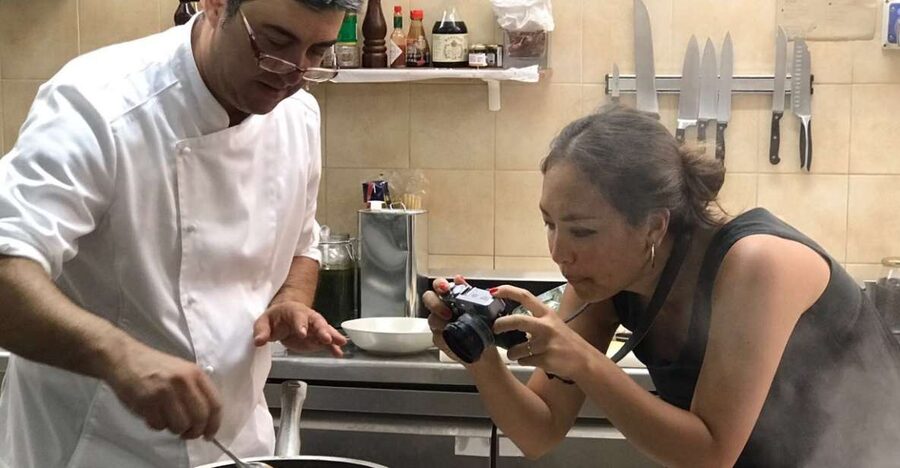
Chef Ettore is the central personality. He knows many of the market sellers and is often greeted like a local, which gives the visit more life than a basic shopping stop. He can point out fresh fish, red prawns, pistachio products, mortadella, fruit, and other Sicilian ingredients while explaining how they might be used.
More Cooking Classes with a Market Tour in Italy
- Cooking Class and Lunch at a Tuscan Farmhouse with Local Market Tour from Florence
★ 5.0 · 4,831 reviews - Small Group Cooking Class & Market Food Tour in Florence
★ 5.0 · 1,574 reviews - Pasta and Tiramisu Cooking Class with optional Local Market Tour
★ 5.0 · 515 reviews
Meeting Chef Ettore at Piazza Pancali
The listed meeting point is Bar Cristina, at Piazza Pancali 24. This is a practical location on Ortigia, but the instructions could be clearer because the bar is large. One participant found it unsettling not to know exactly whom to look for or where inside the bar to wait.
I would arrive a few minutes early and remain near the agreed meeting point. If you have a booking message with the chef’s name or contact details, keep it open on your phone. The chef is described as speaking Italian and English, and Ettore’s English has been praised as good enough for clear instruction and conversation.
The group limit of eight is important. Cooking classes can become crowded when everyone is reaching for the same cutting board or asking questions at once. Here, the smaller group should give you a more active role, though the amount of hands-on time will still depend on the menu and the size of your party.
The experience lasts four hours and ends back at the meeting point. A transfer from the market to the cooking location is arranged if needed. The class may take place in a restaurant kitchen or another local kitchen space, and some sessions have been held at Cortile di Bacco or in a rugby club kitchen.
Walking through Ortigia’s Ancient Market
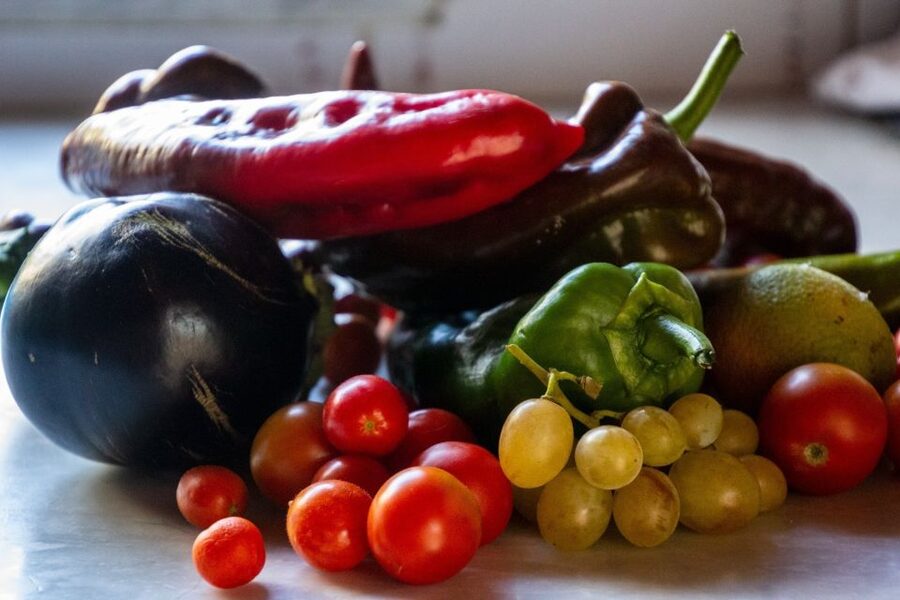
The market visit is the best reason to choose this class over a standard cooking lesson. You are not just told that Sicilian cooking uses fresh seafood, citrus, pistachios, tomatoes, and herbs. You see the raw materials in front of you and watch the chef make decisions.
Expect the market to be full of color, strong smells, stallholders calling out to customers, and displays of fish and produce. Ettore’s relationships with the vendors add a local touch. He may stop to chat, arrange tastes, or explain why one item is a better choice than another.
The market is also where you can have some influence. Past menus have shifted toward seafood when participants wanted it, while fish-free preferences have been accommodated too. You might help choose ingredients for fresh pasta, a sauce, tuna, vegetables, or a dessert.
The produce can lead to unexpected dishes. Classes have included shrimp bisque made from shells and olive oil, pistachio pesto, pasta with mussels and squid, tuna with peppers and onions, fried mullet, eggplant with tomatoes and cheese, and cuttlefish-ink pasta with meatballs. That variety is a strength, but it also means you should not book this expecting one guaranteed recipe.
Sunday is the exception. The Ortigia Market is closed that day, so the chef cannot provide the regular market visit. Instead, he guides you through Ortigia’s streets to buy local products. This keeps the food-shopping part of the experience alive, but anyone specifically interested in the market should choose another day.
From market ingredients to Sicilian cooking
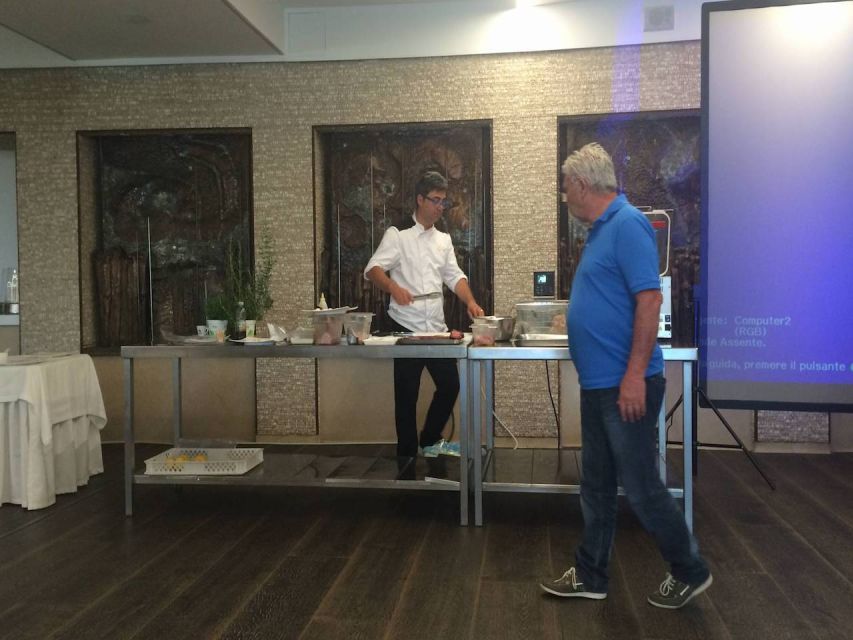
Once the shopping is finished, you move to the cooking location. The transfer is arranged according to where the class is held, so you do not need to plan a separate taxi between the market and the kitchen.
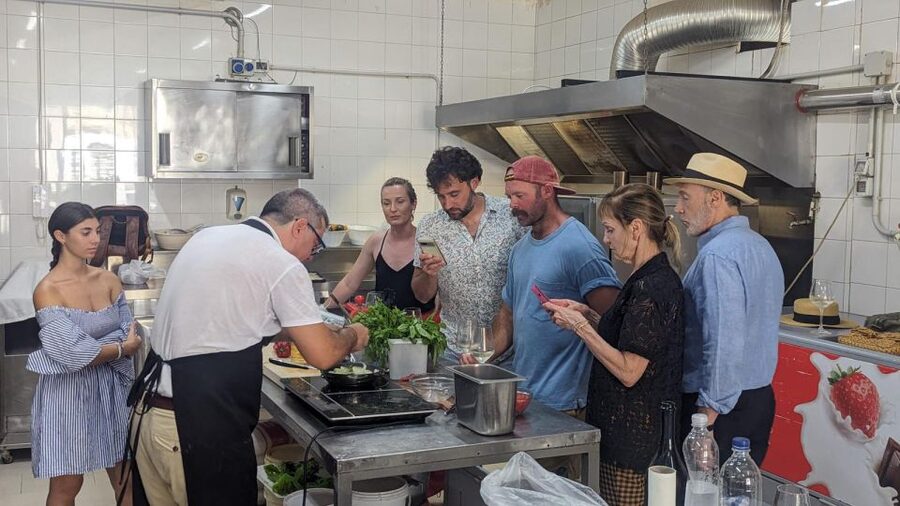
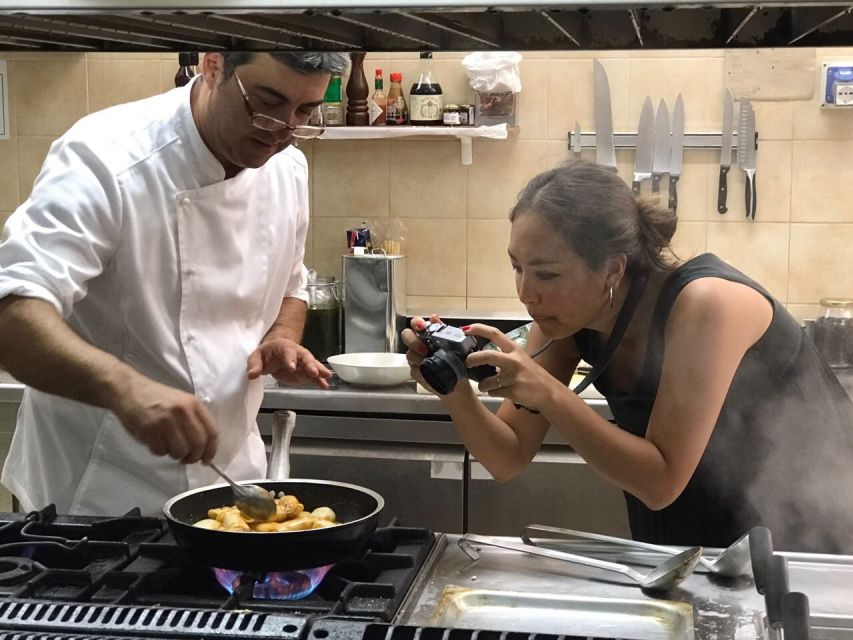
This is a working class, not just a seated tasting. You help prepare the meal with the chef’s direction. The lessons can include making fresh pasta, building a sauce from shrimp shells, preparing pistachio pesto, shaping arancini, cooking seafood, and putting together simple salads or vegetable dishes.
One particularly appealing detail is the speed of the pasta lesson. A class can show you how fresh pasta comes together in about seven minutes, which is useful for home cooks who assume pasta-making takes half a day. The value is not only in copying a recipe. You see how a Sicilian cook handles texture, seasoning, and the balance between a strong ingredient and a simple sauce.
Ettore’s background adds weight to the teaching. He previously worked as a pasta chef at a two-Michelin-star restaurant, according to the information shared about his career. That does not mean the class becomes formal or fussy. The strongest descriptions paint him as generous, funny, and willing to share practical tips.
The class also appears flexible about food preferences. Seafood-heavy menus are possible, but participants who did not care for fish were offered other options. You should still state your dislikes and dietary needs when booking or at the start of the class, since the market purchases shape the meal.
Same place, a different thing to cook:
- Florence: Pasta Cooking Class with Unlimited Wine
★ 4.9 · 10,285 reviews - 3 in 1 Cooking Class near Navona: Fettuccine, Ravioli & Tiramisu
★ 5.0 · 7,376 reviews - Florence: Pasta & Tiramisu Cooking Class with Unlimited Wine
★ 4.9 · 6,708 reviews - Rome: Pasta Making Class with Wine, Limoncello, and Dessert
★ 4.9 · 3,177 reviews
What might land on your plate
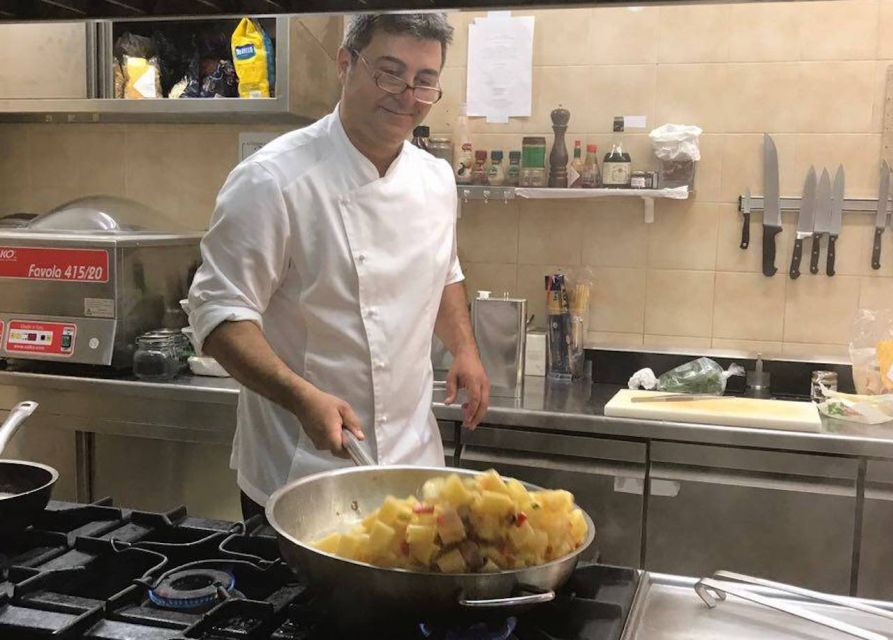
There is no single menu, and that is both the charm and the one source of uncertainty. Your lunch might include two pasta dishes, a fish course, meat, vegetables, fruit, bread, or a Sicilian dessert.
Past combinations have included pistachio pasta and seafood pasta, tuna with sweet peppers, onions, capers, and tomatoes, and cavatelli with mussels and squid. Other classes prepared veal involtini, strawberry salad, fresh bread, fried mullet, and eggplant with tomato and cheese.
Dessert may be as simple as a fruit salad with apricots and strawberries, or it may include cannoli and ricotta-filled brioche. Arancini have also been part of the experience, along with charcuterie and market tastings.
The meal is the payoff, but it is not a restaurant tasting menu. You are eating the dishes you helped make, with the pleasure and occasional rough edges that come with a real lesson. If you want polished service and a fixed sequence, book a restaurant meal instead. If you enjoy seeing how lunch is built, this format offers more.
Some sessions have included wine, limoncello, or additional tastings. These are not guaranteed as part of the listed inclusions, so treat them as possible extras rather than a promised feature. Food and drinks outside the planned menu are not included.
The value of $134.81
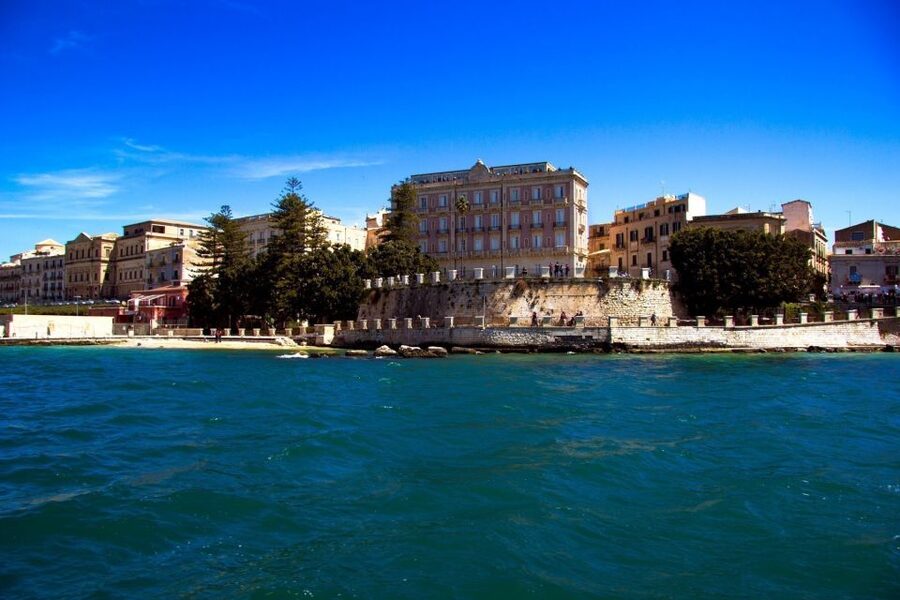
At $134.81 per person, this is not the cheapest way to have lunch in Syracuse. A simple plate of pasta or seafood will cost much less. The comparison is not really restaurant lunch versus restaurant lunch, though.
The price covers a four-hour experience, a guided market visit, a local chef, the ingredients used for the class, hands-on instruction, the cooking session, and the meal. It can also include the transfer from the market to the kitchen when required. For visitors who would otherwise pay separately for a market tour and a cooking class, the package makes reasonable sense.
The value is strongest if you ask questions, take part in the preparation, and care about Sicilian ingredients. It is weaker if you mainly want to eat and do not enjoy chopping, mixing, shaping, or waiting while a dish comes together.
The small-group limit helps justify the cost. Eight people is still enough for a social class, but not so many that you should be left watching from the back. The price also includes an experience tied to Ortigia rather than a generic Italian cooking lesson that could take place anywhere.
Who will enjoy this class most
I would recommend it to couples, families with older children, solo food lovers, and small groups who want a social activity with a clear local connection. It is especially good for anyone who wants more than a market photo and a restaurant meal.
The experience suits curious eaters who are open to changing the menu. If you want to taste red prawns, fresh fish, pistachio, local cured meats, or unusual pasta sauces, the market can make the afternoon feel full of discovery.
It also works well for repeat visitors to Sicily. You may have already seen Ortigia’s main sights, but shopping for ingredients with a local chef gives the island a different rhythm. You learn how a meal begins, not just how it looks when it reaches the table.
I would be more cautious if you need a guaranteed menu, dislike seafood, have strict dietary restrictions, or want a quiet, highly organized lesson. Fish-free preferences have been accommodated, but the menu remains linked to the day’s shopping and the chef’s setup.
Practical details before you book
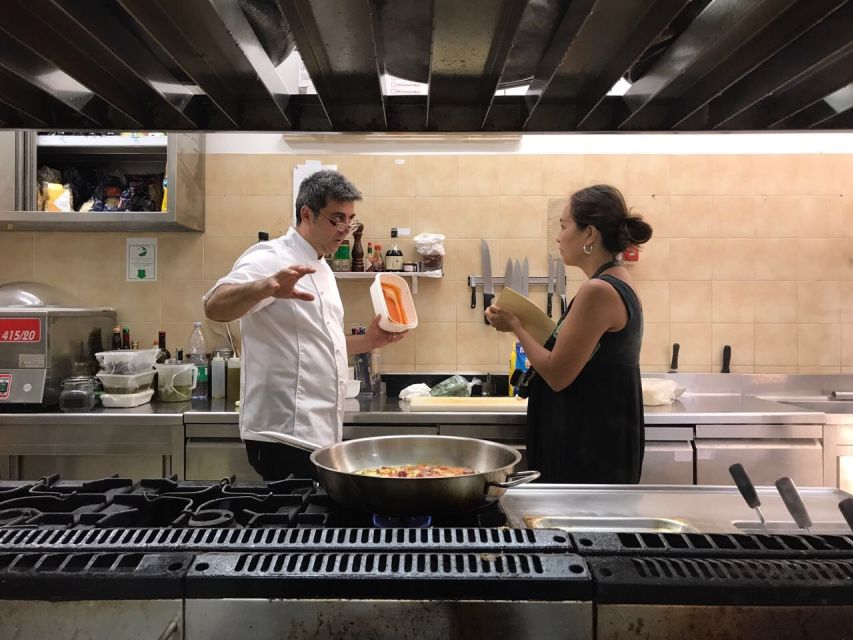
Choose a weekday or Saturday if visiting the actual Ortigia Market matters to you. On Sunday, the market is closed, and the chef substitutes a walk through the island streets to buy local products.
The activity is offered in Italian and English. Four hours is a substantial block of the day, so avoid booking it immediately before a time-sensitive excursion or dinner reservation. The class ends where it began, which makes it easier to plan the rest of your time in Ortigia.
The experience has a 4.9 rating from 72 reviews, a strong signal that the combination of chef personality, market access, and food quality is working for most participants. The repeated praise focuses on Ettore’s warmth, his relationships with stallholders, his cooking background, and his willingness to adjust the meal.
Free cancellation is available up to 24 hours before the activity for a full refund, and you can reserve now and pay later. Those policies help if your Syracuse schedule is still shifting.
Should you book the Syracuse cooking class?
Book it if you want a half-day built around real ingredients, direct contact with a local chef, and a meal you helped create. The market visit is the key feature, while Ettore’s teaching and flexibility make the kitchen portion more personal than a fixed demonstration.
I would choose this over a generic pizza class if you want to understand Sicilian seafood, pasta, pistachios, sauces, and market shopping. I would skip it only if you need a set menu, cannot take part in kitchen work, or are visiting Syracuse on Sunday mainly for the market itself.
For most food-focused visitors, $134.81 is fair value for four hours of guiding, cooking, and lunch in a group of no more than eight. Arrive early at Bar Cristina, confirm who you are meeting, and tell the chef what you do and do not eat. Then let the market help decide what is for lunch.
FAQ
Where does the cooking class begin?
It begins at Bar Cristina, Piazza Pancali 24, in Syracuse.
Where does the activity end?
The activity ends back at the meeting point.
How long does the experience last?
The experience lasts four hours.
What languages are available?
The host or greeter speaks Italian and English.
How many people can join the class?
The group is limited to eight participants.
Is the Ortigia Market visited every day?
No. The Ortigia Market is closed on Sunday.
What happens if the market is closed?
If the market cannot be visited, the chef guides you through Ortigia’s streets to purchase local products.
Is transportation included between the market and the kitchen?
A transfer from the market to the cooking class is arranged if needed, depending on the kitchen’s location.
Are food and drinks included?
Lunch and the dishes prepared in the class are included. Food and drinks outside the planned menu are not included.
Just added around Italy
- Cooking Class in a Sicilian countryhouse★ 5.0 · 5 reviews
- Cesarine: Home Cooking Class & Meal with a Local in Catania★ 4.5 · 10 reviews
- Cesarine: Market Tour & Home Cooking Class in Catania★ 4.0 · 6 reviews
- Cooking Class in Taormina with Lunch Included★ 5.0 · 2 reviews
- Cooking Class and Wine Pairing in Capri★ 5.0 · 57 reviews
- Cooking class in Capri for small groups★ 4.0 · 4 reviews
- Private Cooking Class Experience in Reggio Calabria★ 5.0 · 5 reviews
- Lezione di Cucina : Pasta Fresca★ 5.0 · 12 reviews
Cooking Classes with a Market Tour, compared.
Hanoi Cooking Class: Culture, Local Market & Meaning CSR Impact
Read our review →
5 Traditional Dishes Hanoi Cooking Class with Market Trip
Read our review →
Cooking Class and Lunch at a Tuscan Farmhouse with Local Market Tour from Florence
Read our review →
Cooking Class, Market & Thai Herbs Garden Tour
Read our review →
Authentic Cooking Class with Market & Farm Visit
Read our review →
Paella Cooking Experience & Boqueria Market Tour
Read our review →
Cooking Class Hoi An:Local Market, Basket Boat, Fishing & Cooking
Read our review →
Hoi An Cooking Class(Market,BasketBoat Crabfishing&Cooking Class)
Read our review →Lists this class appears in