
REVIEW · SICILY, ITALY
Noto: Highlights Experience tour Cooking from Farm to Fork
Fresh ingredients make better stories. This four-hour private cooking lesson takes you into the Sicilian countryside near Noto, where you harvest produce, cook with professional chefs, and sit down to eat what you made. I like the farm setting, with olive, citrus, grape, tomato, and vegetable plants around you. I also like the useful zero-waste training, which turns leftovers into gels, powders, and crisp chips for a polished presentation. The main consideration is transport: getting to the farm is not included, so you need your own way there.
The course is led by chefs Rabbi and Giusi, who bring more than 20 years of industry experience. A separate account praises Jose for his professional but playful teaching, with family members adding their own Sicilian tips. That suggests this is a warm, family-run experience rather than a formal cooking school. It is best for people who want a relaxed meal and practical skills, not a tightly timed professional kitchen course.
Key points to know before booking
- Harvest before you cook: You collect vegetables and eggs from the farm, then use the seasonal supply in the kitchen.
- A private four-hour session: The private-group format suits families, couples, or friends who want personal attention.
- Sicilian classics with a polished finish: You may prepare handmade pasta, ravioli, cannoli, a traditional dessert, and another seasonal dish.
- Zero-waste skills are part of the lesson: Leftovers can become gels, powders, chips, or other useful additions to a dish.
- Lunch is included: You eat your own creations in the farm restaurant, with non-alcoholic drinks and lemonade provided.
- Come ready for a country setting: Wear suitable clothing and closed shoes, and arrange transport to and from the farm.
A Sicilian farm kitchen outside Noto
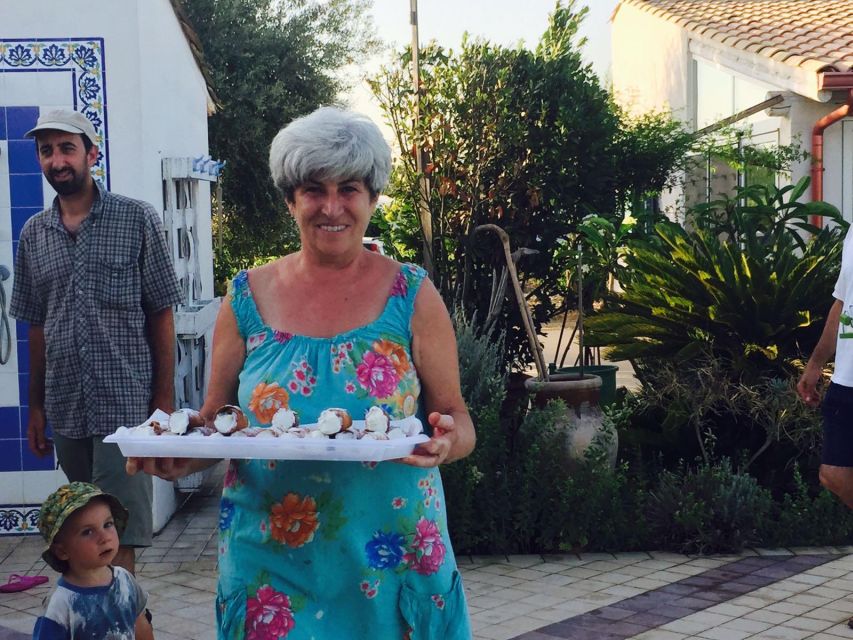
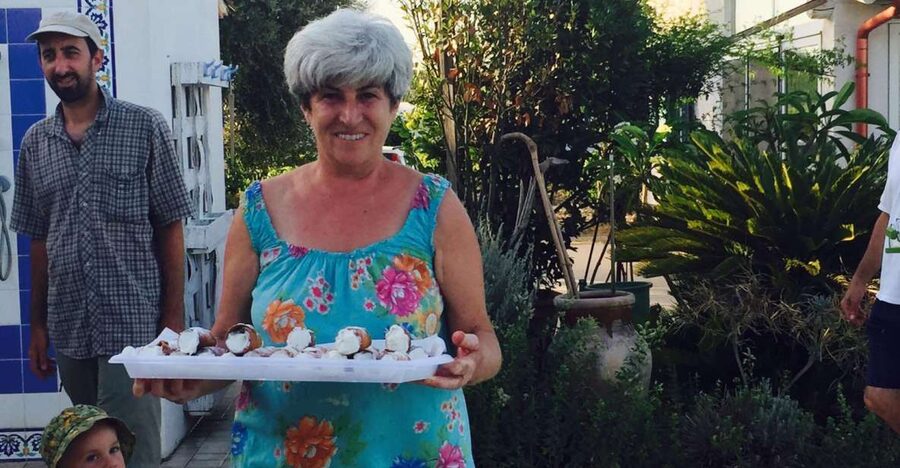
Noto is famous for its Baroque streets and honey-colored stone, but Sicilian food makes more sense when you see where its ingredients begin. This experience moves away from the town center and into farmland planted with olive, orange, and lemon trees, a vineyard, tomato plants, and a vegetable garden.
That setting matters. You are not simply handed a bowl of premeasured ingredients in a classroom. You begin by gathering vegetables and eggs from the farm, then take those ingredients into the kitchen. The exact dishes depend on the season and what the garden provides, so the menu has a local connection rather than a fixed restaurant-style script.
I especially like this link between garden and table. It gives children a clear reason to care about vegetables, and it helps adults understand why Sicilian cooking often depends on freshness, timing, and simple preparation. The farm also has animals, pets, and birds, and pets are welcome. Pet food can be prepared on request, which is an unusual and useful detail for families traveling with an animal.
The countryside setting will not suit everyone. If you want a central Noto activity that you can reach easily on foot, this is not it. Transport is not included, and the rural location means you should plan the journey before booking your cooking time.
More Farm Cooking Classes in Italy
- Cooking Class and Lunch at a Tuscan Farmhouse with Local Market Tour from Florence
★ 5.0 · 4,831 reviews - Hands-On Cooking Class & Farmhouse Tour on the Amalfi Coast
★ 5.0 · 956 reviews - Florence: Cooking Class at a Tuscan Farm & Local Market Tour
★ 4.9 · 354 reviews
Gathering vegetables and eggs before the lesson
Your first activity is a trip into the garden. You collect vegetables and eggs that will be used during the lesson. This short farm visit gives the cooking class a natural beginning and helps you see the ingredients as part of a working property, not just items on a shopping list.
The garden also gives the chefs room to adjust the menu. You may work with what is ready that season, rather than expecting one identical set of dishes every day. That can be a benefit if you like food with a sense of place, although it also means you should not assume that a particular vegetable or recipe will always be available.
The experience description says you can choose dishes in advance. That is worth clarifying when you reserve, especially if you have a family favorite, a dietary concern, or a strong interest in pasta, cannoli, or dessert. The available menu still depends on the season and the farm’s supply.
For children, this first stage may be the most important part. Picking food from the garden gives them something active to do before the cooking begins. The course is specifically presented as suitable for young children, with the aim of helping them develop an interest in vegetables and a healthy diet.
Handmade pasta, ravioli, cannoli, and seasonal dishes
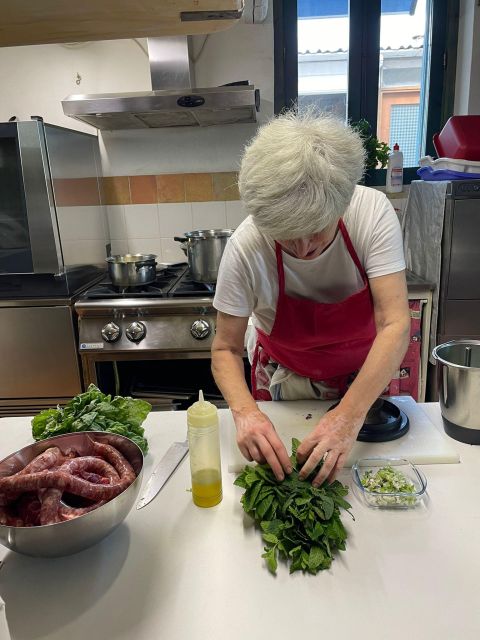
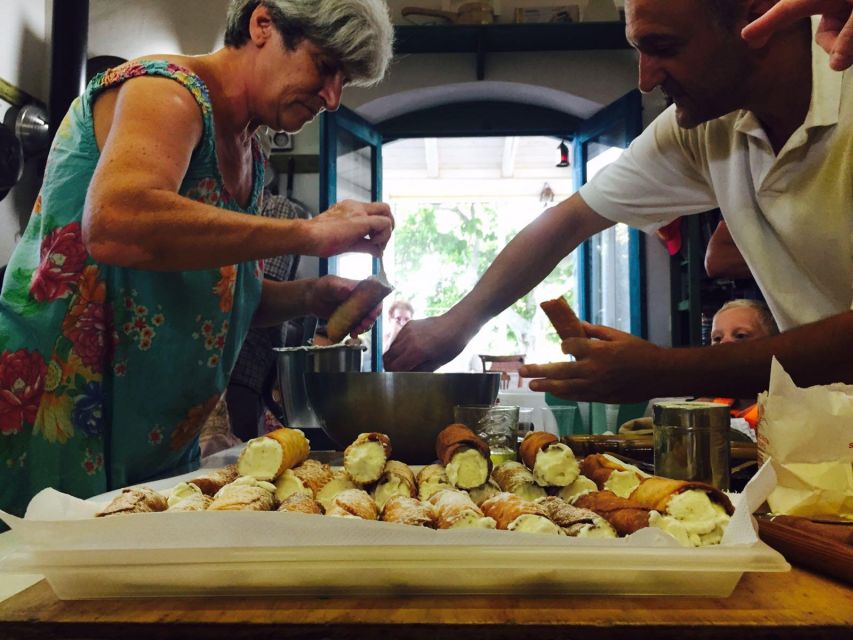
Once you move into the kitchen, the chefs teach you how to prepare handmade pasta and another dish based on the season. The pasta portion may focus on ravioli, while cannoli or a traditional Sicilian dessert can also be part of the lesson.
The exact format is flexible, so think of this as a guided family cooking session rather than a fixed examination of Sicilian cuisine. You will receive the recipes and use the kitchen equipment supplied for the class. Aprons are provided for everyone attending, which saves you from worrying about bringing protective clothing.
The instruction is designed for beginners. No culinary experience is required, and the chefs share practical tips from more than two decades in the industry. You can expect help with preparation, cooking times, and ways to organize several dishes without letting one part sit too long.
That practical advice may be more valuable than a list of recipes. A good home cook often needs to know when to start the sauce, how to manage pasta preparation, and how to use ingredients efficiently. The course aims to cover those everyday decisions, not just the final presentation.
One point to keep in mind is that professional guidance still requires you to follow instructions. Food safety and personal hygiene are part of the rules. Wear clothing you do not mind cooking in and closed shoes, especially because this is a working farm rather than a polished city studio.
Learning the zero-waste tricks
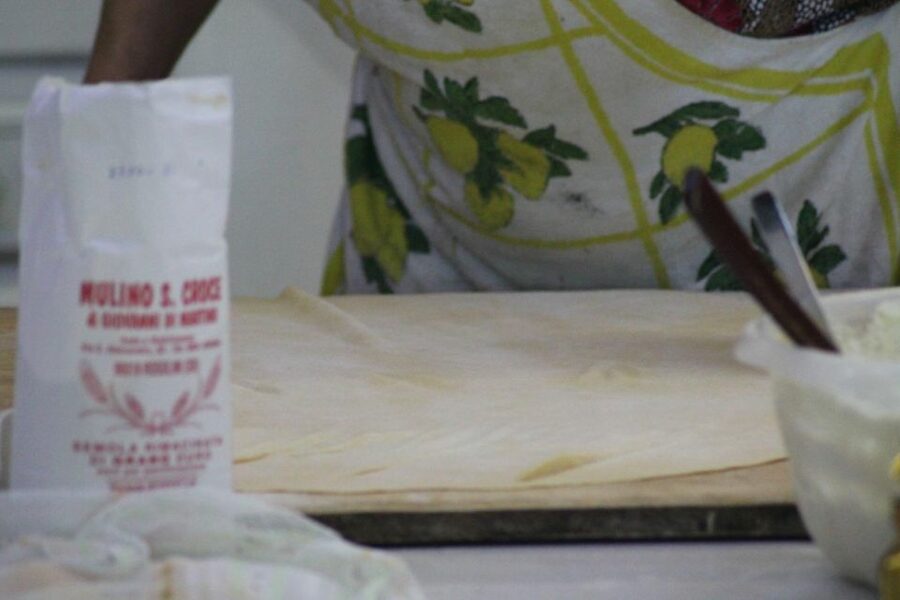
The most distinctive part of the lesson is its focus on reducing waste. The chefs show you how leftovers can be transformed into gels, powders, and chips for a more polished dish.
That may sound elaborate, but the principle is practical. Instead of throwing away useful scraps or extra ingredients, you learn to give them another purpose. The techniques also introduce you to the way a professional kitchen thinks about texture and presentation.
This is not only about making food look fancy. It can help you use more of what you buy at home. If you return from Sicily with recipes but no change in your kitchen habits, you have missed part of the point. The useful lesson is to look at leftover ingredients as building blocks for another dish.
The gourmet presentation is a bonus. Traditional Sicilian flavors remain at the center, but the chefs add a more refined finish. You can expect a balance between old family methods and restaurant-style ideas rather than a purely rustic meal.
Because the session lasts about four hours, there is time for explanation and hands-on work. Still, the schedule will depend on the dishes selected and the number of preparations involved. A private group should have more room for questions and adjustments than a large class.
Same place, a different thing to cook:
- Florence: Pasta Cooking Class with Unlimited Wine
★ 4.9 · 10,285 reviews - 3 in 1 Cooking Class near Navona: Fettuccine, Ravioli & Tiramisu
★ 5.0 · 7,376 reviews - Florence: Pasta & Tiramisu Cooking Class with Unlimited Wine
★ 4.9 · 6,708 reviews - Rome: Pasta Making Class with Wine, Limoncello, and Dessert
★ 4.9 · 3,177 reviews
Snacks, lemonade, and lunch made by you
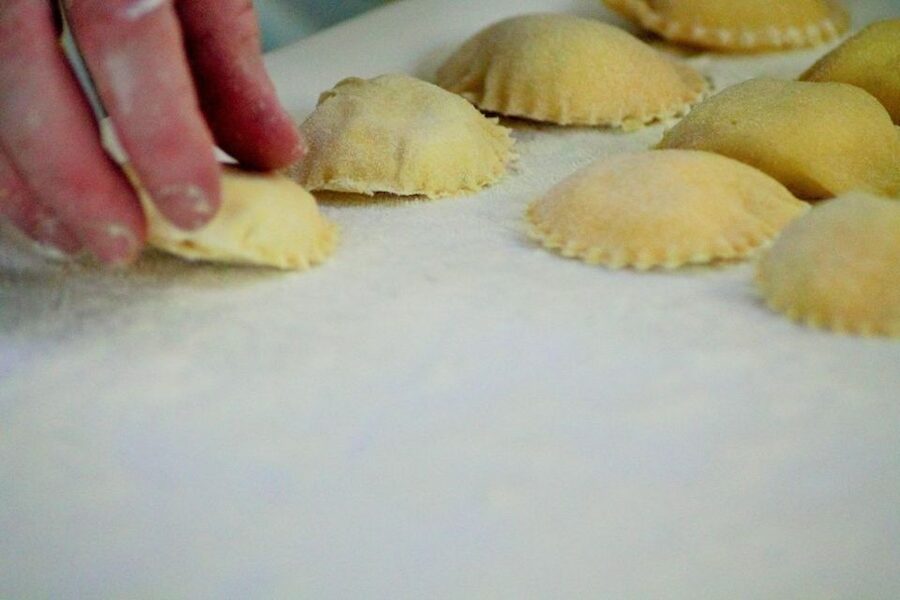
While the dishes are being prepared, you receive a few appetizers and lemonade. These small servings keep the lesson from feeling like a long wait for lunch, and they give you a chance to taste local flavors before the main meal.
At the end, lunch is served in the farm’s in-house restaurant. You eat the food prepared during the lesson, which gives the meal a satisfying purpose. You are not merely watching a chef cook and then receiving a separate restaurant plate. Your own work becomes the meal.
Non-alcoholic drinks are included. Wine from the farm’s own vineyard is available to buy as an extra, so wine is not part of the stated price. This is useful to know if you are comparing the experience with a full wine-and-food package.
The restaurant setting also makes the activity easier for families. You can finish the cooking portion, sit down, and eat without having to pack up your dishes or find another place for lunch. At the same time, the meal may feel less like a restaurant tasting menu and more like a shared family table. That is a strength if you want warmth and participation, but less so if you expect formal service.
The French-language feedback describes a private, friendly lesson that felt like cooking with family. That captures the tone you should expect: personal, social, and relaxed. Another account praises Jose for being professional while keeping the session fun, with friends and family contributing additional Italian tips. These details point to a teaching style with plenty of conversation alongside the formal instruction.
What the private format means
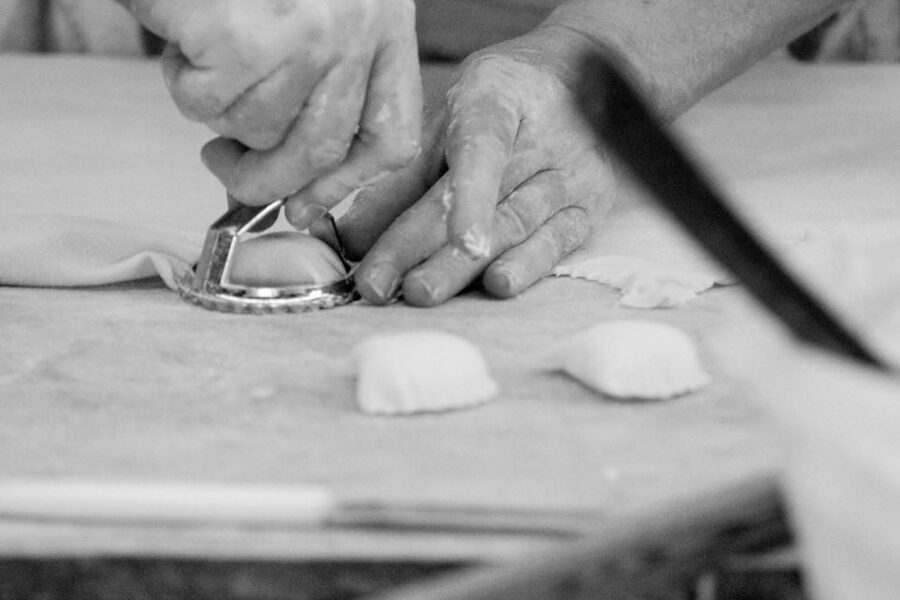
The price is $158.60 per person for four hours. That is not a cheap lunch, but it includes a farm visit, ingredients, equipment, an apron, instruction, recipes, appetizers, lemonade, and the meal you prepare.
The private-group format is the key value point. You are paying for more than food. You are also paying for time with the chefs, a quieter setting, and the ability to shape parts of the menu. For a couple or family that wants a personal activity, the cost can make sense.
It is less compelling if you only want to eat Sicilian food. Noto has restaurants where a meal costs much less, and this experience requires extra time and transport. The price works best when you value the cooking instruction and the farm setting as much as the lunch itself.
The rating is 4.9 from eight reviews, which is a very strong result but based on a small number of responses. I would treat it as encouraging evidence of a well-liked personal experience, not as a guarantee that every session will feel identical. Much depends on the menu, the teaching team present, and how actively your group wants to participate.
Who will enjoy this most
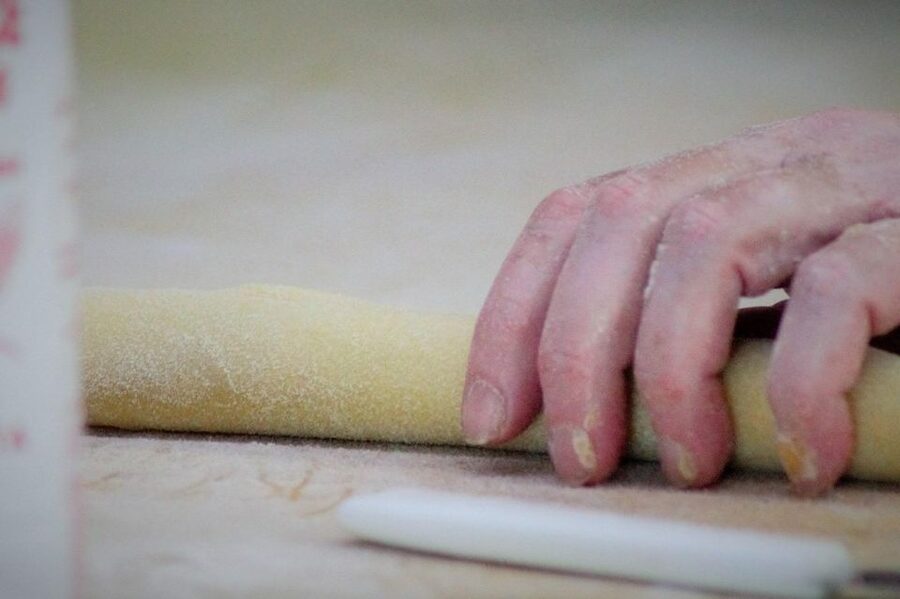
This is a strong choice for families. Children can help gather ingredients, see farm animals, and take part in preparing food. The lesson’s focus on vegetables and healthy eating gives the activity more value than a simple pizza-making session.
It also suits couples and friends who want a private activity away from Noto’s busy sightseeing streets. You can learn together, share the work, and finish with a meal that has a story behind it.
Food-focused visitors will appreciate the mix of traditional recipes and gourmet presentation. The zero-waste element adds something different from a standard Sicilian cooking class, especially if you enjoy learning methods you can use at home.
I would be more cautious if you have strict dietary requirements, since the provided information does not explain how allergies, vegetarian menus, or other special diets are handled. You should ask about this when arranging the dishes. The same applies if you need a particular recipe, since the menu changes with the season and garden supply.
The experience is wheelchair accessible, but the information does not explain every surface or movement between the garden, kitchen, and restaurant. If you need detailed access information, contact the provider before confirming.
Practical advice for a smooth visit
Plan your transport first. Travel to and from the location is not included, and the activity takes place in the countryside. The starting time varies, so check availability and allow enough time to reach the farm without rushing.
Wear closed shoes and comfortable clothing. You will be moving between the garden and kitchen, handling food, and working for several hours. An apron is supplied, but ordinary clothing can still pick up flour, sauce, or garden dirt.
Follow the chefs’ instructions on food safety and personal hygiene. This is especially important when collecting eggs and preparing several dishes at once. The lesson is friendly, but it remains a working kitchen.
If you are interested in wine, ask about the farm’s own bottles. Wine is available for an additional purchase, while the included meal comes with non-alcoholic drinks and lemonade.
The booking terms are flexible: you can reserve now and pay later, and cancellation is free up to 24 hours before the activity for a full refund. Those terms help if your Noto schedule is still changing.
Should you book the Farm to Fork experience?
Book it if you want a personal Sicilian food experience that connects the garden, kitchen, and table. The strongest reasons are the private format, the chance to collect ingredients yourself, the family atmosphere, and the practical zero-waste ideas. Families with children should find plenty to keep young hands busy.
Skip it if you only want a quick meal, do not want to arrange rural transport, or prefer a fixed menu with a formal cooking-school structure. The menu changes by season, and the experience depends on active participation.
For most food-minded visitors with four hours to spare near Noto, I think the price is justified. You leave with recipes, cooking habits, and a meal you helped create. That is a better souvenir than another photograph of a plate.
FAQ
Where does the cooking experience take place?
It takes place in the Sicilian countryside near Noto, at a farm with olive, orange, lemon, grape, tomato, and vegetable plants.
How long does the activity last?
The experience lasts four hours. Starting times vary, so you need to check availability for the date you want.
What is included in the price?
The price includes kitchen equipment, ingredients, recipes, aprons, appetizers, lemonade, non-alcoholic drinks, and the meal prepared during the lesson.
Is transport included?
No. Transport to and from the farm is not included.
Do I need cooking experience?
No. The activity is designed for people without culinary experience, and the chefs provide instruction and practical tips.
What will I cook?
You will learn to make handmade pasta, which may include ravioli, as well as cannoli or a traditional Sicilian dessert and another seasonal dish. The exact menu depends on the season and garden produce.
Can I choose the dishes?
The experience allows dishes to be chosen in advance, but the available choices depend on the season and what the garden provides.
Is wine included?
No. Non-alcoholic drinks and lemonade are included. Wine from the farm’s vineyard is available to purchase separately.
Is the experience suitable for children?
Yes. It is recommended for young children, with activities intended to help them become more interested in vegetables and healthy food.
Is the activity wheelchair accessible?
Yes, the activity is listed as wheelchair accessible. The experience is also offered for private groups and taught in Italian and English.
Just added around Italy
- Cooking Class in a Sicilian countryhouse★ 5.0 · 5 reviews
- Cesarine: Home Cooking Class & Meal with a Local in Catania★ 4.5 · 10 reviews
- Cesarine: Market Tour & Home Cooking Class in Catania★ 4.0 · 6 reviews
- Cooking Class in Taormina with Lunch Included★ 5.0 · 2 reviews
- Cooking Class and Wine Pairing in Capri★ 5.0 · 57 reviews
- Cooking class in Capri for small groups★ 4.0 · 4 reviews
- Private Cooking Class Experience in Reggio Calabria★ 5.0 · 5 reviews
- Lezione di Cucina : Pasta Fresca★ 5.0 · 12 reviews
Farm & Countryside Cooking Classes, compared.

Half-Day Thai Cooking Class at Organic Farm in Chiang Mai
Read our review →
Cooking Class and Lunch at a Tuscan Farmhouse with Local Market Tour from Florence
Read our review →
Authentic Cooking Class with Market & Farm Visit
Read our review →

Hands-On Cooking Class & Farmhouse Tour on the Amalfi Coast
Read our review →Lists this class appears in