
REVIEW · SABAH, MALAYSIA
Sabah Traditional Authentic Cuisine Cooking Class 3 Hours
Sabah tastes better when you cook it yourself. This three-hour class takes you beyond restaurant menus and into local food culture, with Auntie Winnie, Auntie Cindy, or Chef Bonny explaining the ingredients, methods, and stories behind traditional Sabah dishes. I like the friendly local teaching and the chance to use ingredients such as bunga kantan, lemongrass, jungle garlic, fresh fish, and garden vegetables. The main drawback is that ingredients are prepared before class, so you focus on cooking rather than shopping, cleaning, or full dish preparation from scratch.
I also like the small-scale, personal setting. Some sessions take place at a host’s home, front porch, terrace, or garden, rather than in a polished cooking studio. That makes the food feel connected to daily life in Sabah, though the setting may be more informal than some people expect. Come hungry, because you eat the meal you prepare for lunch.
Key points at a glance
- Three hours from 10:00am to 1:00pm: The schedule fits neatly into a Kota Kinabalu morning and finishes with lunch.
- Local chefs with personal teaching styles: Auntie Winnie, Auntie Cindy, and Chef Bonny explain local ingredients, food customs, and cooking methods.
- Fresh ingredients with real local character: Depending on the menu, you may work with bunga kantan, lemongrass, jungle garlic, fish, vegetables, and produce from a host’s garden.
- Cooking in a local home setting: Some sessions happen on a porch, terrace, or in a garden, giving the class a more personal feel than a commercial kitchen.
- Recipes to take home: You receive copies of the recipes, so the class can continue in your own kitchen.
- Flexible arrangements: The experience can accommodate vegetarian, no-pork, gluten-free, and other dietary needs when arranged in advance.
Why this Sabah cooking class is worth your morning
At $50 per person, this is not simply a meal with a short demonstration attached. You get three hours of instruction, prepared ingredients, a cooked lunch, local food background, and recipes to keep. Free pickup from hotels in downtown Kota Kinabalu is included, which adds real value and removes one common hassle.
The strongest part is the human contact. Auntie Winnie is described as warm, funny, relaxed, and patient. Auntie Cindy and Chef Bonny also host sessions, and the class has welcomed people from Singapore, Australia, Germany, the United Kingdom, Belgium, the Netherlands, the United States, Taiwan, Japan, and other places. That broad mix suggests the class is built to explain unfamiliar foods clearly, not assume you already know how Sabah cooking works.
I would not book this expecting restaurant-school precision or a highly choreographed professional kitchen. You may cook at a local home, and the exact host, menu, and setting can vary. That is part of the appeal, but it also means the experience has a family-hosted feel rather than a fixed luxury format.
More Three-Hour Classes in the world:
- Marrakech: 3-Hour Open-Air Moroccan Cooking Course
★ 4.9 · 74 reviews - 3-Hour Cooking Class overlooking the Blue City
★ 5.0 · 36 reviews - 3-hour Tuscan Cooking Class with Wine & Oil Tasting
★ 4.5 · 36 reviews
Your morning begins with pickup or a local meeting point
The standard workshop runs from 10:00am to 1:00pm. Free pickup is available from hotels in downtown Kota Kinabalu only, so check your accommodation before booking if you are staying farther out. Transportation was praised as easy in one account, while another person had trouble with the taxi ride before reaching the cooking location. The lesson is simple: confirm the pickup details carefully and allow a little patience for the road portion.
The class is primarily indoors, but the actual setting can feel wonderfully open and informal. Auntie Winnie’s session took place on a front porch and in her kitchen. Other classes used a terrace or garden, including a setting described as tropical and close to the jungle. One host’s garden supplied some of the ingredients, which gave the cooking a direct connection to the home and its surroundings.
That setting matters. You are not only learning how to combine ingredients. You are seeing how food fits into a Sabahan household, where produce may come from a garden and cooking can happen in a shaded outdoor space. If you prefer air-conditioned rooms, spotless demonstration counters, and a set studio menu, this may feel less polished. If you want a personal introduction to local food, the informal setting is a strong point.
Getting to know Sabah through its ingredients
The lesson begins with an explanation of the food itself. Your chef discusses the history, culture, ingredients, cooking style, and taste of the dishes. This is where the class earns its keep, because several ingredients may be new to you.
Bunga kantan, often called torch ginger, brings a sharp floral note. Lemongrass gives dishes a fresh, citrus-like fragrance. Jungle garlic adds another local layer of flavor. These are not just decorative additions. Learning what they taste like and how they work together gives you a better chance of recreating the meal at home.
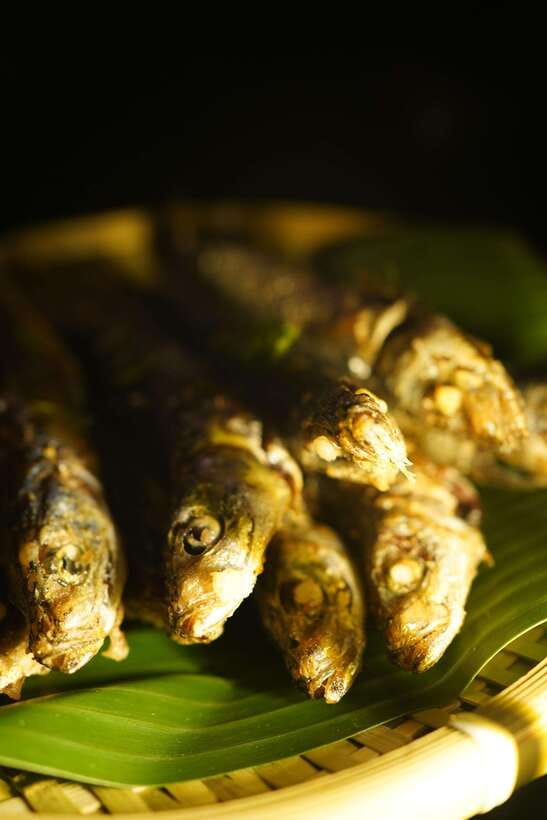
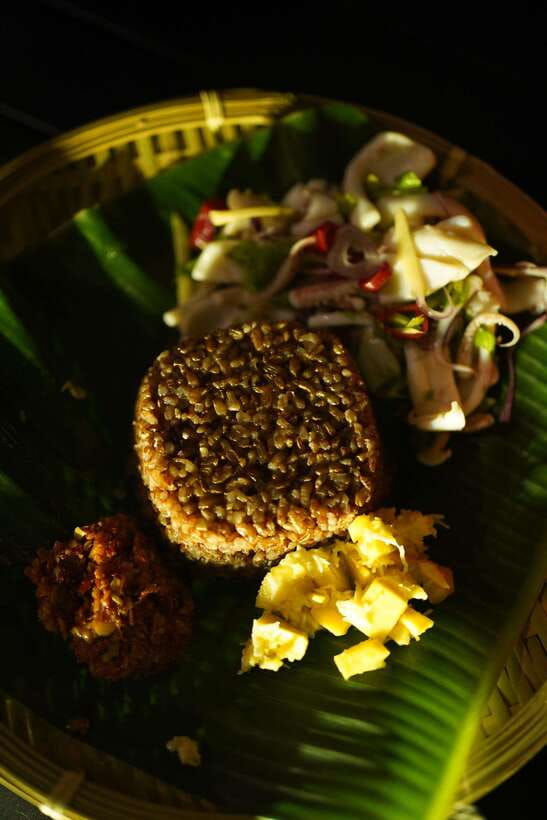
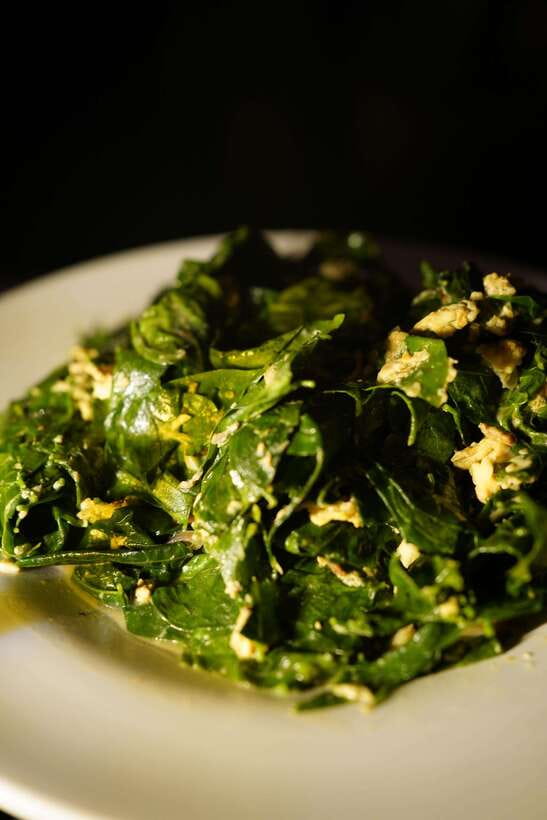
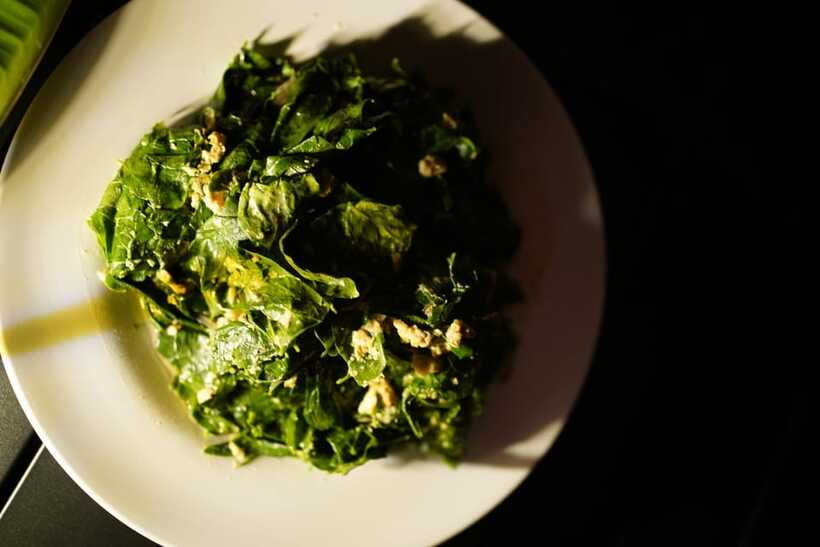
Fresh fish and vegetables also feature in the cooking. One session produced a meal centered on fish and vegetables, while another prepared more than five Sabah dishes. The exact menu is not stated as a fixed list, so you should think of this as a traditional cuisine workshop rather than a single-recipe class.
I like that the ingredients are described carefully before they go into the pan. You learn what each item is, where it may come from, and how it changes the dish. That kind of explanation is more useful than simply following a recipe card without context.
The hands-on cooking session
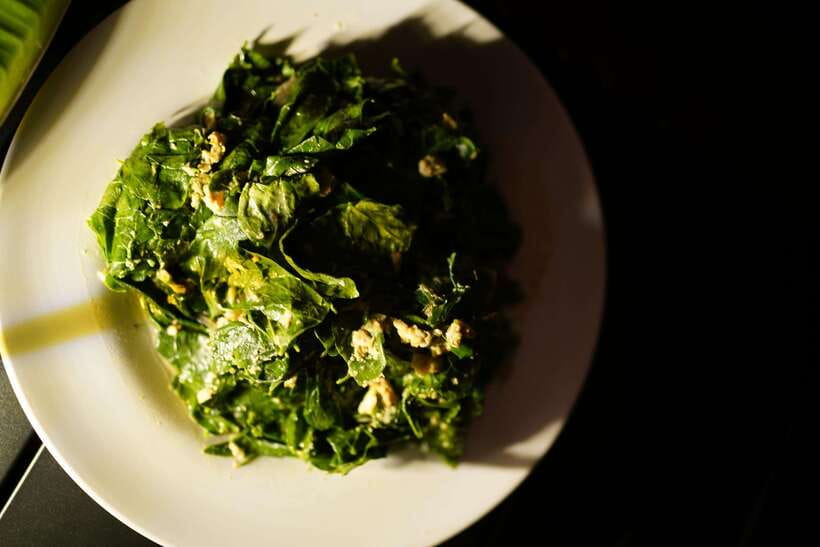
The ingredients are prepared before you arrive. This keeps the three-hour class focused on cooking, flavor, and technique. You will not spend the morning peeling every vegetable or washing a mountain of dishes, but you also will not get a full farm-to-table preparation session.
The chef guides you step by step. Auntie Winnie’s teaching has been described as clear and helpful, with explanations of each ingredient and how it will be cooked. Auntie Cindy, Chef Bonny, or another local host may lead your particular class, so the tone can change slightly from one session to another.
Expect plenty of participation. You make the dishes rather than simply watch someone cook them. The class is designed to explain the process in detail and let you prepare the food with guidance. That makes it suitable even if you are not confident in the kitchen, provided you are happy to ask questions and follow instructions.
Several people specifically praised the hosts for being kind, welcoming, and patient. One class included help from Gregory and Gunnar, and another involved a host named Judith, Auntie Winnie, Auntie Cindy, and Chef Bonny. These extra personal touches can make the class feel like an invitation into a local family setting rather than a standard activity built around a stopwatch.
The tradeoff is that the pace may be relaxed. This is a social cooking experience, not a professional qualification course. You will learn practical methods and local flavor combinations, but you should not expect technical training in advanced knife work, pastry, or restaurant management.
A few more cooking classes around the world worth a look
- Half-Day Thai Cooking Class at Organic Farm in Chiang Mai
★ 5.0 · 19,087 reviews - Florence: Pasta Cooking Class with Unlimited Wine
★ 4.9 · 10,285 reviews - 3 in 1 Cooking Class near Navona: Fettuccine, Ravioli & Tiramisu
★ 5.0 · 7,376 reviews - Florence: Pasta & Tiramisu Cooking Class with Unlimited Wine
★ 4.9 · 6,708 reviews
Lunch is the reward at the end
Once the dishes are ready, you eat your own cooking for lunch. This is a simple idea, but it gives the class a satisfying shape. You arrive, learn the ingredients, cook with help, and then sit down to taste the result.
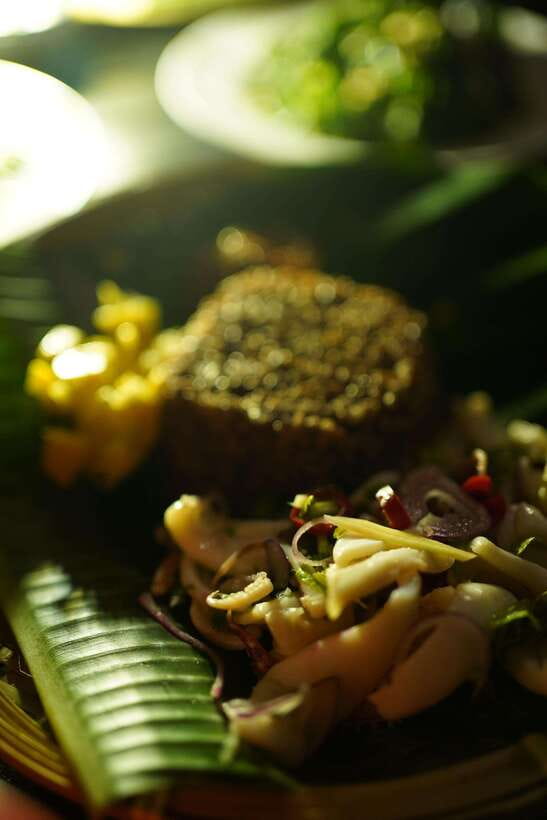
The meals have included fish, vegetables, and more than five traditional Sabah dishes. The food is described as delicious, healthy, unique, and full of unfamiliar flavors. You may try ingredients that are difficult to find on an ordinary restaurant menu, which is one reason this experience adds something different to a Kota Kinabalu itinerary.
Come hungry. One person offered the practical advice not to eat pizza three hours before the class. That may sound obvious, but a three-hour cooking session followed by your prepared lunch is best enjoyed with a real appetite.
You may also take the food with you or eat it at the location. If you are continuing with a busy day, confirm how this will work when arranging the class. The stated option is useful, but the practical details may depend on the food and the host’s setup.
The local-home setting is the main attraction
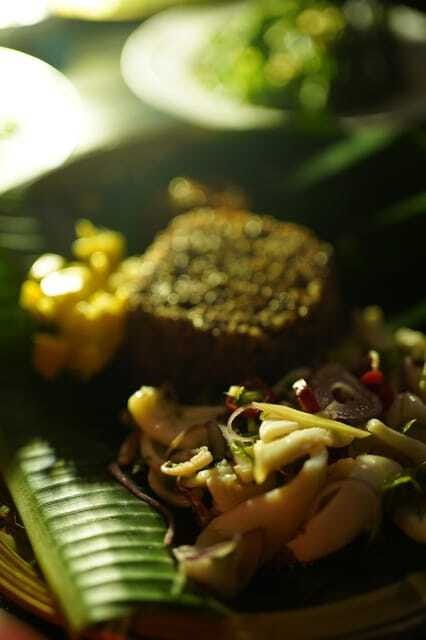
Auntie Winnie’s home appears repeatedly in the experience details, and that tells you what kind of activity this is. You may cook on a front porch, in a kitchen, or in a garden surrounded by tropical greenery. The setting is part of the lesson.
One class took place in a back garden described as being in the middle of the jungle. Another used a local village home. These descriptions point to a more grounded experience than a standard downtown cooking school. You get a glimpse of the places and people connected to the food.
This also creates a few practical limits. A home kitchen may not have the same amount of counter space, seating, or equipment as a cooking school. Utensils and crockery are not included, so you should not expect a full equipment package to take home. The class provides what you need for the session, but the experience is about food and instruction, not kitchen gear.
The host-family approach is especially good for people who enjoy conversation and cultural exchange. One session included time with Auntie Winnie and her family. Another host photographed and filmed the experience and even helped arrange a birthday cake for a participant’s wife. Those details are not guaranteed, but they show how personal the arrangements can become.
What you take home besides lunch
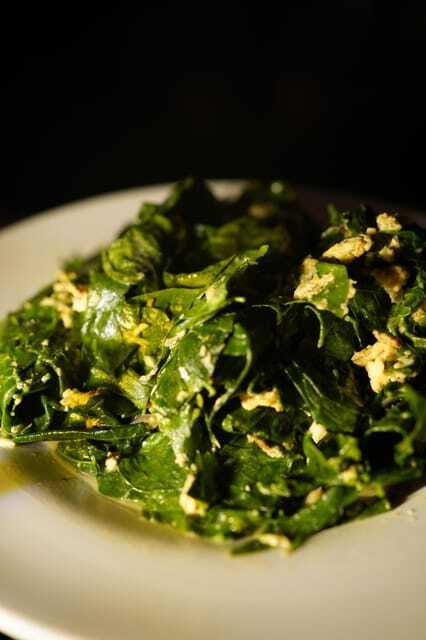
The recipe copies are important. Without them, a cooking class can become a pleasant memory that is hard to repeat. Here, you receive recipes to keep, giving you a useful chance to recreate Sabah flavors at home.
Do not assume every ingredient will be easy to find after you return. Bunga kantan, jungle garlic, and some local produce may require a specialty market or a substitute. Still, the class gives you a clear starting point and helps you understand what the original ingredients contribute.
The explanations about taste are just as valuable as the printed recipes. If you know why lemongrass is used, how a local herb changes a dish, or how the chef balances flavors, you can make sensible substitutions later. That is the difference between copying instructions and learning how a cuisine works.
Who will enjoy it most
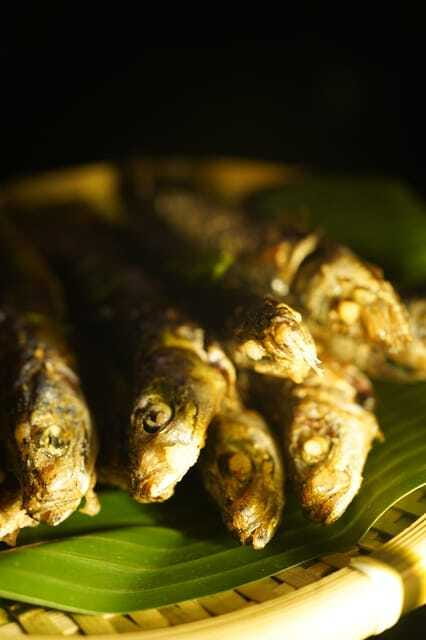
I would recommend this class to you if you want a personal introduction to Sabah food and prefer meeting local people over sitting in a formal demonstration kitchen. It suits couples, small groups, solo participants, and anyone who plans to cook after returning home.
It is also a good choice for a slower morning during a longer Borneo trip. One participant called it a recovery day in the middle of a three-week adventure, which makes sense. The session gives you a break from constant sightseeing while still offering something distinctly connected to Sabah.
Food-focused visitors will get the most from the ingredients and explanations. Families may also appreciate the hands-on format, though the available information does not specify a minimum age. Ask before booking if children will attend.
Dietary needs can be accommodated, including vegetarian, no-pork, gluten-free, and other diets, but you must mention them beforehand. This is particularly important in a class built around local ingredients and a prepared menu.
You may want to skip it if you dislike informal home settings, cannot eat the planned meal, or want to choose every dish yourself. The class is designed around the host’s traditional menu and teaching style, not a private cooking consultation built entirely around your preferences.
Practical value at $50 per person
The $50 price is fair when you use the full package. You receive a three-hour activity, local instruction, prepared ingredients, a meal, recipe copies, and downtown hotel pickup. The cultural setting adds value because you are learning from people who cook this food as part of local life.
The price is less attractive if you mainly want a cheap lunch. You could likely eat for less elsewhere, but that would not include the instruction, personal stories, cooking practice, or recipes. Think of the meal as the final part of a class, not the whole product.
The free cancellation option allows you to cancel up to 24 hours before the activity for a full refund. You can also reserve now and pay later, which helps if your Kota Kinabalu schedule is still changing. The class is wheelchair accessible, and instruction is available in English, Malay, Chinese, and Traditional Chinese.
Special arrangements may be possible for a night class or an outdoor or campsite session. These are not part of the standard morning format, so ask in advance rather than assuming they are available on demand.
Should you book the Sabah traditional cooking class?
Book it if you want to taste Sabah through local homes, family-style teaching, and ingredients you may not meet elsewhere. Auntie Winnie receives especially warm praise for her humor, patience, and careful explanations, while Auntie Cindy and Chef Bonny bring the same local focus to other sessions.
The class offers strong value for $50, especially with downtown pickup and lunch included. Just arrive hungry, tell the operator about dietary needs, confirm your transport, and expect an informal home setting rather than a polished culinary school.
I would choose this experience for an authentic food morning in Kota Kinabalu, particularly if you want recipes and stories you can carry into your own kitchen. If you need a fixed menu, formal equipment, or restaurant-level training, choose a different class.
FAQ
How long does the Sabah cooking class last?
The class lasts three hours, normally from 10:00am to 1:00pm.
How much does the cooking class cost?
The listed price is $50 per person.
Where does the cooking class take place?
The workshop is primarily indoors, but sessions may take place in a local home, kitchen, front porch, terrace, garden, or similar setting in Sabah.
Is hotel pickup included?
Free pickup is included from hotels in downtown Kota Kinabalu only.
Which languages are available?
The instructors can teach in English, Malay, Chinese, and Traditional Chinese.
Can dietary requirements be accommodated?
Yes. Vegetarian, no-pork, gluten-free, and other dietary needs can be accommodated when you provide notice beforehand.
Can I cancel or pay later?
You can cancel up to 24 hours in advance for a full refund. You can also reserve your place and pay later.
Just added around the world
- Aroidee’s Farm-Fresh Thai Cooking Experience★ 5.0 · 8 reviews
- Signature Thai Cooking Course★ 5.0 · 79 reviews
- Private Half-Day Thai Cooking Class in Chiang Mai★ 5.0 · 4 reviews
- Half Day Guided Thai Cooking Class in Chiang Mai★ 5.0 · 13 reviews
- Private Virtual Thai Cooking Class★ 5.0 · 9 reviews
- Northern Thai Cooking Class in Chiang Mai in a Countryside Home★ 5.0 · 2 reviews
- Online Thai and Akha Cooking Class★ 5.0 · 70 reviews
- 5 Hour Morning Thai Cooking Course★ 5.0 · 31 reviews
Cooking Classes, compared.

Half-Day Thai Cooking Class at Organic Farm in Chiang Mai
Read our review →

3 in 1 Cooking Class near Navona: Fettuccine, Ravioli & Tiramisu
Read our review →
Pasta & Tiramisu Cooking Class with Unlimited Wine
Read our review →
Hanoi Cooking Class: Culture, Local Market & Meaning CSR Impact
Read our review →
5 Traditional Dishes Hanoi Cooking Class with Market Trip
Read our review →
Cooking Class and Lunch at a Tuscan Farmhouse with Local Market Tour from Florence
Read our review →
Cooking Class, Market & Thai Herbs Garden Tour
Read our review →Lists this class appears in