
REVIEW · LAZIO, ITALY
Rome: Traditional Pizza Cooking Class near Piazza Navona
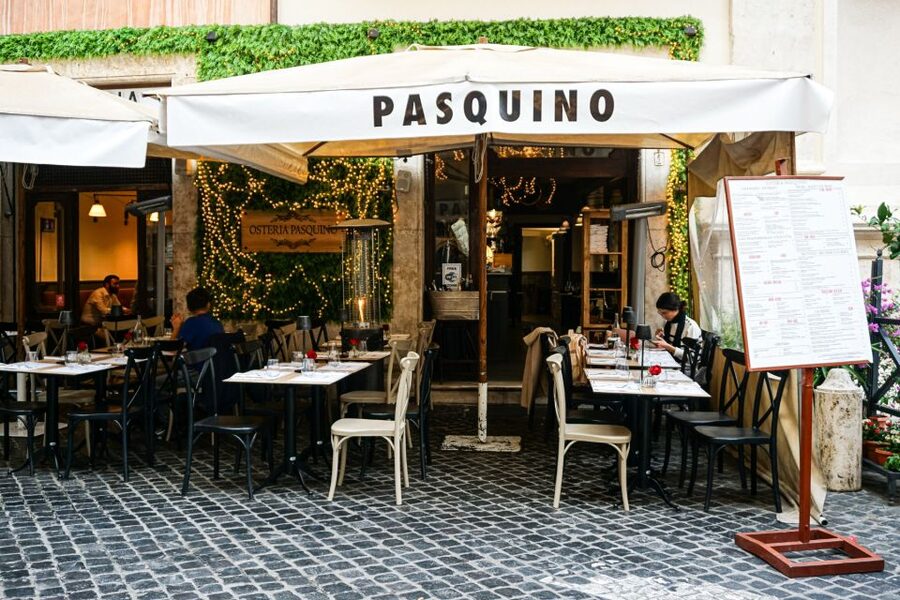
Pizza tastes better when you make it. This two-hour class near Piazza Navona gives you hands-on practice with Roman pizza, followed by a relaxed meal at Osteria Pasquino, an inviting restaurant on Piazza di Pasquino. I especially like the small group size, limited to 10 people, and the fact that the meal includes drinks, bruschetta, and either coffee or limoncello.
The instructors, including Luca, Elisa, Simone, Sara, and Georgia, are praised for keeping the class friendly and easy to follow. The main thing to consider is that the class can run shorter than the advertised two hours, and drink arrangements should be clarified if you skip the welcome prosecco.
Key points to know before booking
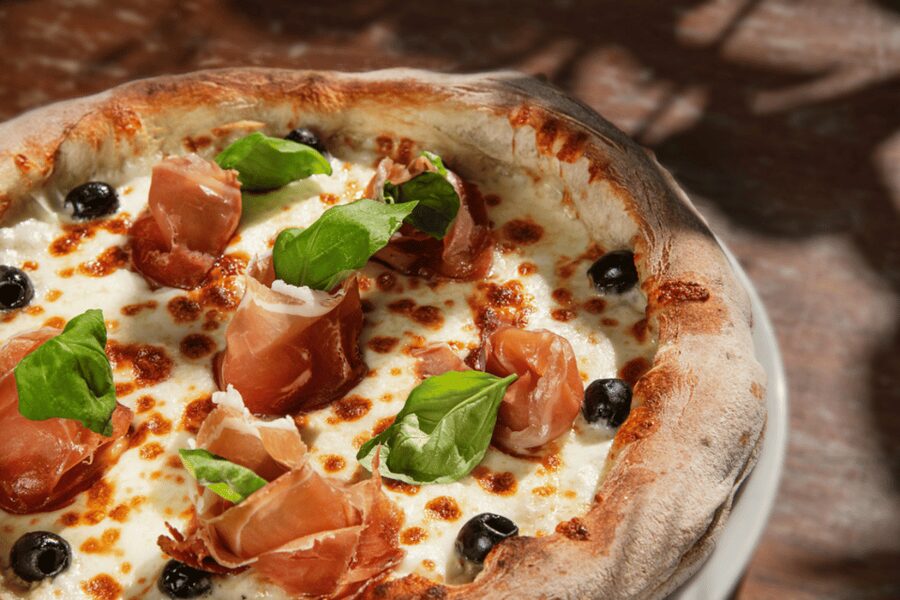
- You make Roman pizza from scratch, working with flour, yeast, water, dough, and your choice of toppings.
- The class takes place at Osteria Pasquino, on Piazza di Pasquino 1, a short walk from Piazza Navona.
- Your meal includes more than pizza, with bruschetta, bottled water, wine, beer, or soda, plus coffee or limoncello.
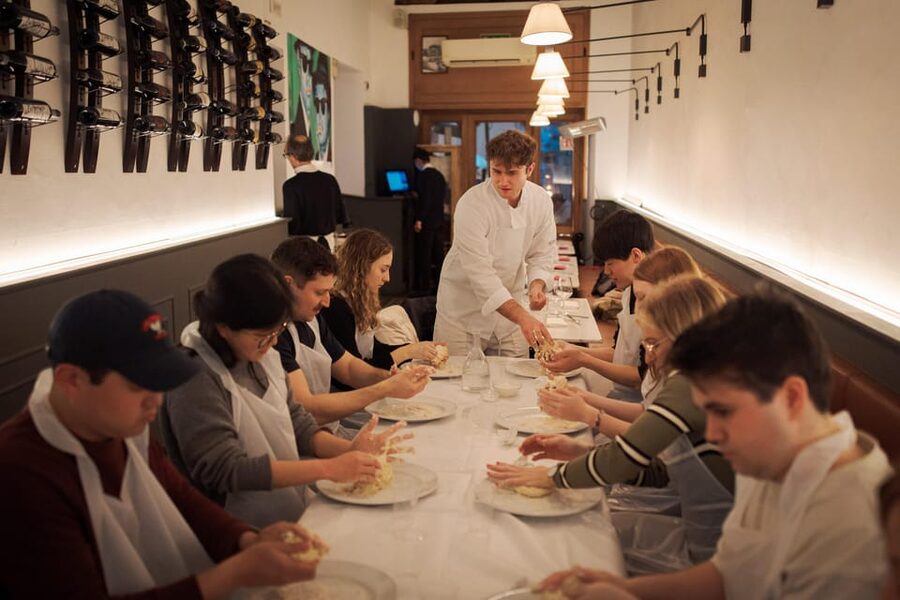
- Groups are capped at 10 people, giving the instructor time to help with stretching, flour, toppings, and baking.
- Children aged five and older can join, and families with children and teenagers have enjoyed the class.
- Gluten-free participants cannot join, though vegetarian and other dietary needs can be supported if arranged in advance.
Starting at Osteria Pasquino on Piazza di Pasquino
The meeting point is inside Osteria Pasquino, at Piazza di Pasquino 1. When you arrive, ask a waiter to direct you to the class. The restaurant is close to Piazza Navona, so this works well as part of an afternoon or evening in central Rome.
One small practical point: the class meeting spot may not be obvious from outside. Give yourself a few extra minutes, especially if you are arriving during a busy meal period. One participant had to wait outside before finding a waiter, so asking directly inside is the simplest approach.
The setting is part of the appeal. You are not heading to an anonymous cooking school on the edge of town. You begin in a Roman osteria on a charming square, with the restaurant atmosphere already in place around you. That makes the class feel connected to Rome rather than separated from it.
The welcome usually includes complimentary prosecco from the restaurant. If you do not drink prosecco, you may request a soda or another option, but ask how that affects the drink included with your meal later. One person was charged for an additional soda after choosing a soft drink at the beginning, so clear communication here can prevent an unpleasant surprise.
More Pizza Making Classes in Rome
- Cooking Class in the Heart of Rome: Pizza and Tiramisu Making
★ 5.0 · 1,330 reviews - Rome: Combo Pizza and Pasta Cooking Class with Wine
★ 4.6 · 1,180 reviews - Pizza Cooking Class in Rome – Near Piazza Navona
★ 5.0 · 1,001 reviews
Mixing dough and learning Roman pizza basics
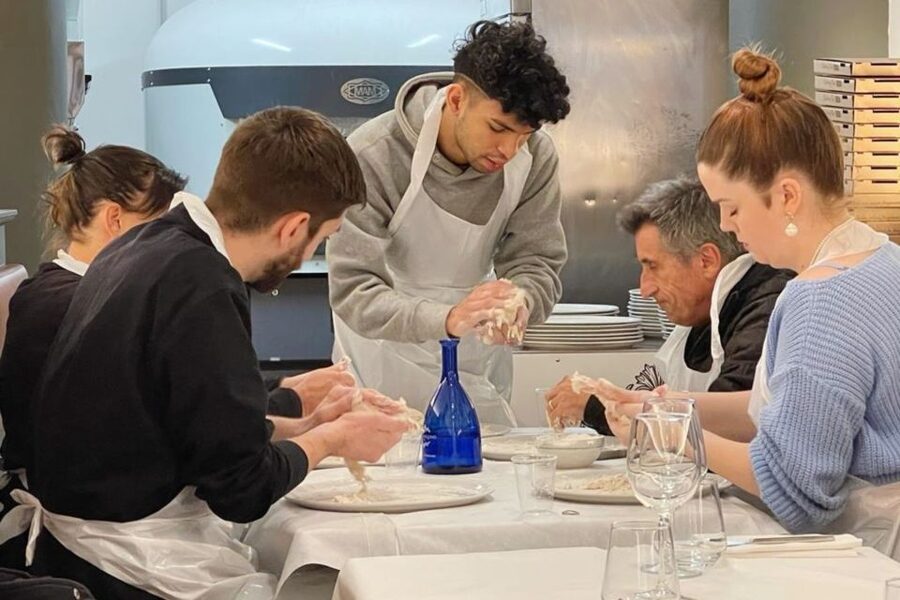
The class starts with the foundations: flour, yeast, and water. You are not simply handed a finished base and told to decorate it. The instructor explains how the dough comes together and gives you a chance to take part in the early stages.
That hands-on work is useful even if you never plan to become a serious home baker. You learn why dough needs time, how flour affects the texture, and how a pizza base changes as you work it. One instructor also explains the science behind dough and the different types of pizza found in Italy.
The class is taught in English. Instructors such as Luca, Elisa, Simone, Sara, and Georgia are repeatedly praised for making the process relaxed and entertaining. Their style appears to be informal rather than technical. You get practical advice, but you also get stories, jokes, and a bit of Italian food culture along the way.
Some sessions include dough that has already had time to rise, allowing you to shape and bake pizza during the same visit. The dough you start yourself may not be ready to eat that day, since a proper rise can take 24 to 48 hours. One thoughtful detail is that this extra dough may later be used to feed people experiencing homelessness.
Stretching, tossing, and choosing your toppings
After the dough lesson, you work with prepared dough for the pizza you will eat. This is where the class becomes especially practical. You stretch the dough into a thin Roman-style base, using your hands and a rolling pin as needed.
You may also learn the simple tossing movement used to remove excess flour. Do not expect a circus performance from yourself on the first try. The point is to get the dough thin and even without tearing it, and the instructor helps you correct the shape.
The topping stage gives you some freedom. You choose from the available ingredients and build your own pizza rather than copying one fixed recipe. That is a nice touch for families and mixed groups, since everyone can make something slightly different.
I like this part because it shows how much of pizza making depends on restraint. A heavy pile of toppings can work against a thin Roman base. The instructors guide you through the process, so you are not left guessing how much sauce, cheese, or topping the dough can handle.
The class is suitable for beginners. You do not need cooking experience, and several families have enjoyed it with children and teenagers. The minimum age is five, though younger children may find the dough work less exciting than the eating part. For children who enjoy making things with their hands, this can be a welcome break from monuments and museums.
Baking your pizza and sitting down to eat
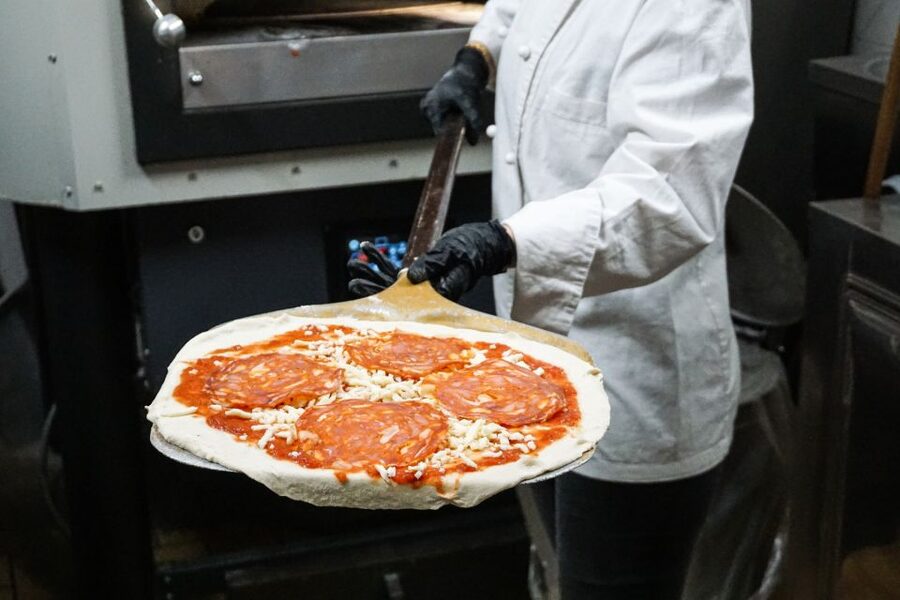
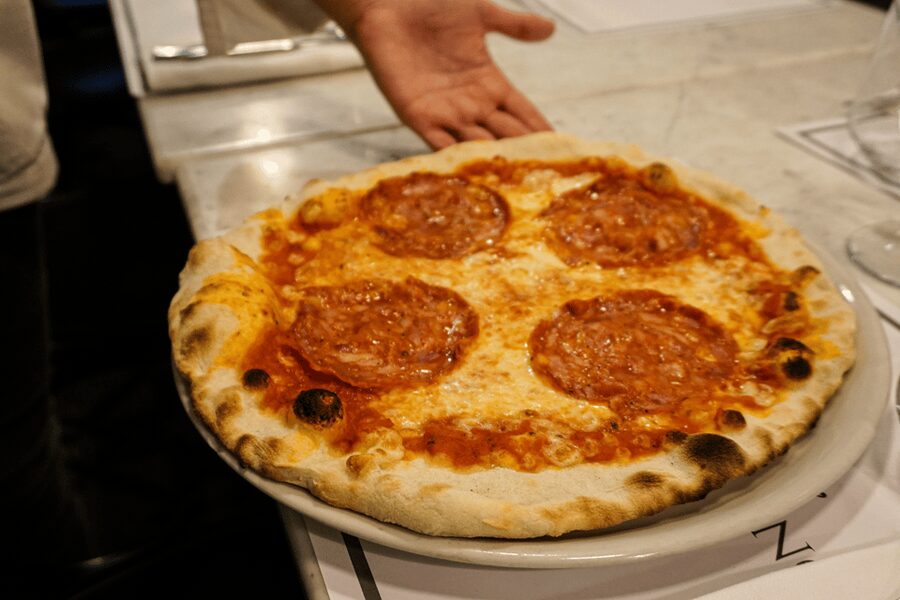
Once your pizza is assembled, it goes into the oven. The baking stage is quick, and the finished pizza is served at the restaurant. This is not a demonstration where somebody else cooks while you watch. You get to eat the result of your own work.
The meal is more generous than the basic class description might suggest. Along with your pizza, you can expect bruschetta, bottled water, and a glass of wine, a small beer, or a soda. Coffee or limoncello comes afterward. The initial prosecco is offered as a welcome drink, separate from the meal service in the usual arrangement.
The restaurant staff serve you after the cooking portion, which changes the mood from lesson to dinner. You move from flour-covered activity to sitting outside or in the restaurant, depending on the setup and weather, with your pizza in front of you.
That combination is the strongest part of the experience. You get the fun of making food, then the pleasure of being looked after. Several people particularly appreciated eating outside in the square. The restaurant setting also makes this feel more like a Roman evening than a short kitchen workshop.
The meal can be relaxed and social. In a full group, you may meet people from several countries and share the experience around the same table. In a quieter session, you may have more time with the instructor. One family even found itself alone in the class, which allowed for plenty of personal attention.
Same place, a different thing to cook:
- 3 in 1 Cooking Class near Navona: Fettuccine, Ravioli & Tiramisu
★ 5.0 · 7,376 reviews - Rome: Pasta Making Class with Wine, Limoncello, and Dessert
★ 4.9 · 3,177 reviews - Rome Cooking Class: Make Pasta and 3 Spritz Cocktails
★ 5.0 · 2,937 reviews - Rome: 3-in-1 Fettuccine, Ravioli, and Tiramisu Cooking Class
★ 4.9 · 2,704 reviews
What the instructors add to the experience
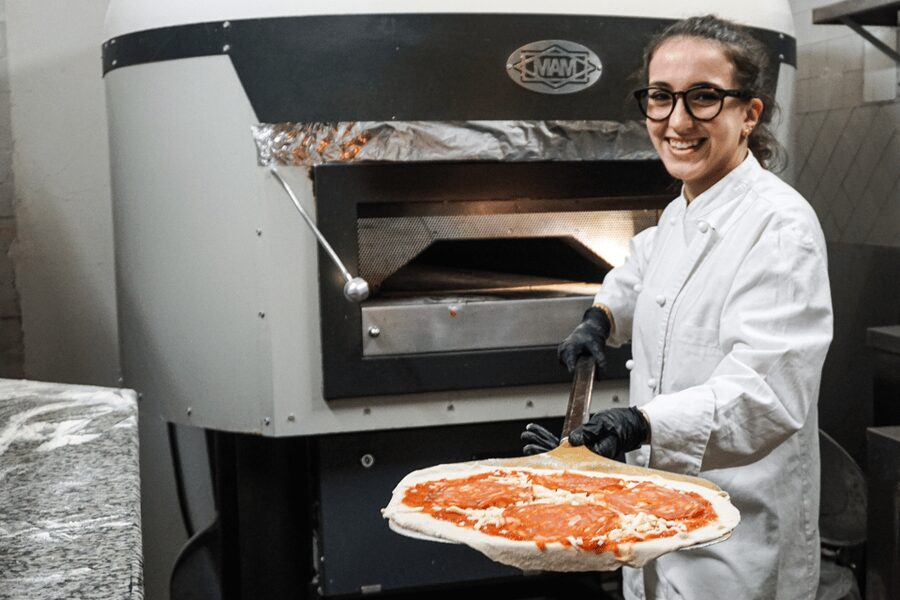
The instructors are central to the quality of this class. Names that come up often include Luca, Elisa, Simone, Sara, Georgia, Alessandra, and Ana. Their personalities differ, but the common theme is a warm, calm teaching style.
Luca is praised for being both a strong teacher and good company. Elisa is described as welcoming, funny, and attentive to the people in her group. Simone mixes practical instruction with humor, while Sara is noted for being friendly and clear. Georgia has also been praised for making the session lively.
That matters because pizza dough can become frustrating if nobody corrects you. A good instructor can show you how to stretch it, explain why it is sticking, and keep the mood light when your dough looks more like an oval than a circle.
The class also includes more than technique. You may hear about the history and variations of pizza, the science of dough, and small stories about Italian eating habits. These details give the activity a bit of context without turning it into a lecture.
The group limit of 10 is a good size. It is large enough to meet other people but small enough for individual help. If you want a private lesson, do not assume that is guaranteed. Smaller bookings may occasionally create a nearly private class, but the advertised format is a small shared group.
Price and what you receive for $46
At $46 per person, this is not the cheapest pizza meal in Rome. You could buy a slice or a simple pizza for much less. The value comes from combining food, instruction, drinks, a restaurant setting, and a social activity in one two-hour booking.
I think the price works best for families and first-time visitors who want an evening activity rather than another restaurant meal. You are paying for the class, but you are also receiving your dinner and several drinks. The bruschetta, wine or beer, bottled water, and coffee or limoncello make the total easier to justify.
The price is less compelling if you only want a serious culinary lesson. The class is designed for enjoyment and basic instruction, not professional training. You will learn useful techniques, but you should not expect a long study of flour types, fermentation schedules, or restaurant-level pizza production.
It also offers good value for parents. Children can take part in the activity, eat what they make, and enjoy the setting. That can be more rewarding than asking them to sit quietly through another formal meal.
One point needs attention: included drinks should be explained clearly at the start. If you replace the welcome prosecco with a soda, ask whether that counts as your included drink later. A surprise charge can take the shine off an otherwise good-value experience.
The drawbacks to keep in mind
The main limitation is timing. The advertised duration is two hours, but one person reported a class lasting about 45 minutes. That may reflect a shorter cooking portion followed by the meal, but you should not assume every minute will be filled with instruction.
If you want a slow, detailed workshop, ask questions and take your time with the dough. The instructors appear willing to explain the process, but the pace can vary by group size, instructor, and how quickly everyone works.
The class is not suitable for people with gluten intolerance. The available information also says vegetarian and other dietary needs can be supported if you tell the provider when booking. Gluten-free participation is specifically excluded, so do not rely on a last-minute request.
The restaurant can be busy, and the class entrance may not be clearly marked. Arrive with the address ready and ask a waiter for help. Also remember that this is a working restaurant, not a purpose-built cooking studio. That gives it atmosphere, but the experience may feel less controlled than a dedicated school.
Finally, this is a Roman pizza class, not a full tour of Piazza Navona. The location is excellent, but sightseeing is not part of the activity. Plan your walk through the historic center before or after the class.
Who should book this Rome pizza class?
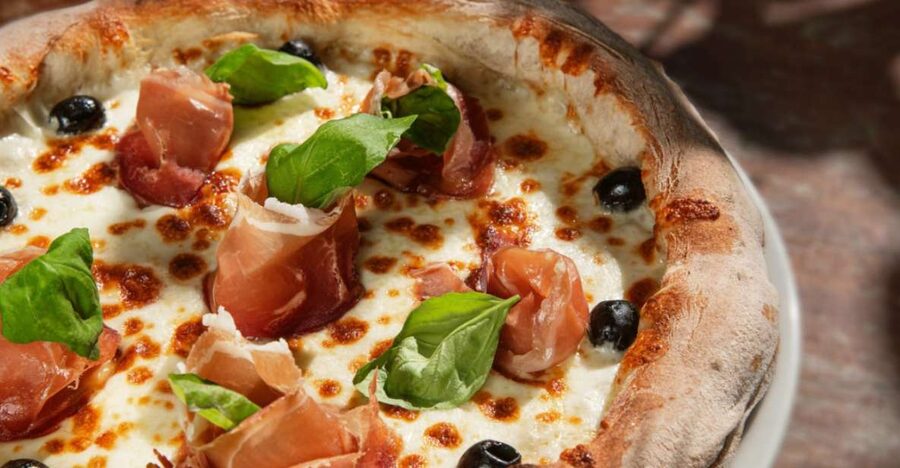
I would recommend it to families, couples, and solo visitors who enjoy food with a social side. Children aged five and older can join, and teenagers seem particularly well suited to the mix of practical work, humor, and dinner.
It also fits a first visit to Rome. You get a taste of local restaurant culture without giving up an entire day. The central location makes it easy to pair with time around Piazza Navona and the surrounding historic center.
Book it if you want to learn a simple skill and eat a meal you helped create. It is also a good choice if you like meeting people from different countries in a relaxed setting.
I would choose another activity if you need gluten-free food, want a quiet private lesson, or expect a highly technical baking course. You should also ask about the drink arrangement at the beginning and allow for some variation in the class length.
For most people, the best reason to book is the complete package: make pizza, sit in a Roman osteria, enjoy a drink, and finish with limoncello or coffee. At $46, that is a fair deal for an experience that gives you both a meal and a story to take home.
FAQ
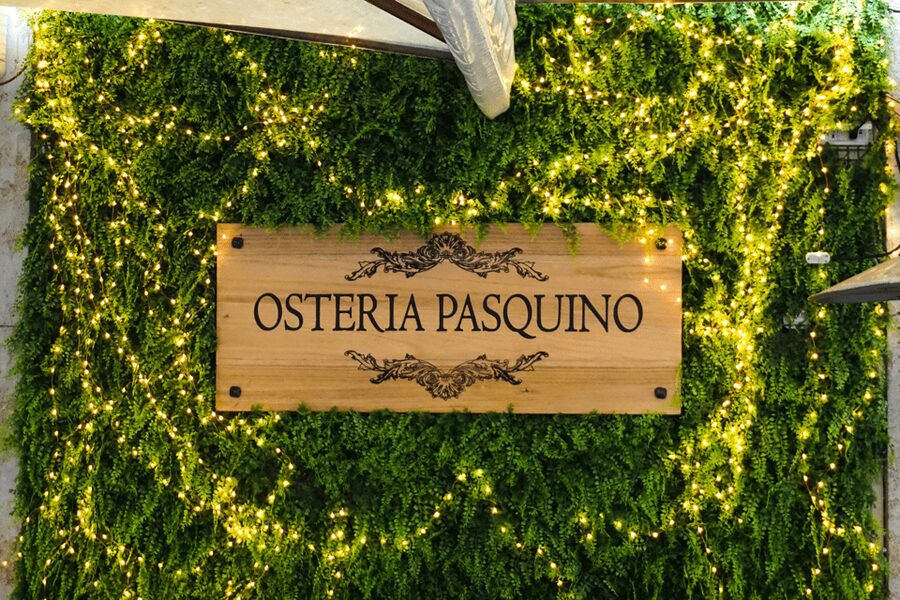
Where does the pizza class meet?
It meets inside Osteria Pasquino at Piazza di Pasquino 1. Once you arrive, ask a waiter to escort you to the class.
How long does the activity last?
The advertised duration is two hours. The exact amount of hands-on cooking time can vary, and one participant reported that the cooking portion lasted about 45 minutes.
Is the class taught in English?
Yes. The instructor language is English.
What food and drinks are included?
The experience includes your pizza, bruschetta, bottled water, and a glass of wine, a small beer, or a soda. Coffee or limoncello is included afterward, and complimentary prosecco is offered as a welcome drink.
Can children join the class?
Children under five cannot join. Children aged five and older are allowed, and the activity has been enjoyed by families with children and teenagers.
Can people with dietary restrictions participate?
Vegetarian and other dietary options are available if you inform the provider when booking. People with gluten intolerance cannot participate.
Is the class wheelchair accessible?
Yes, the activity is listed as wheelchair accessible.
Just added around Rome
- Testaccio: Home Cooking Cacio e Pepe, Amatriciana, Carbonara★ 4.9 · 57 reviews
- Super Fun Pasta and Gelato Cooking Class by the Vatican★ 5.0 · 6 reviews
- Spritz and Spaghetti Traditional Cooking Class in Rome★ 4.9 · 30 reviews
- ROME:Hands-On Lasagna & Marsala Tiramisu Cooking Experience”★ 5.0 · 3 reviews
- Rome: Trastevere Pasta Making Class★ 4.9 · 33 reviews
- Rome: Traditional Pasta and Tiramisu Cooking Class★ 5.0 · 4 reviews
- Rome: Vatican Food Tours, Cooking classes & Free Tours★ 4.9 · 11 reviews
- Rome: Small Group Pasta cooking class near Piazza Navona★ 4.9 · 8 reviews
Pizza Making Classes, compared.
Florence Cooking Class The Art of Making Gelato & Authentic Pizza
Read our review →
Cooking Class in the Heart of Rome: Pizza and Tiramisu Making
Read our review →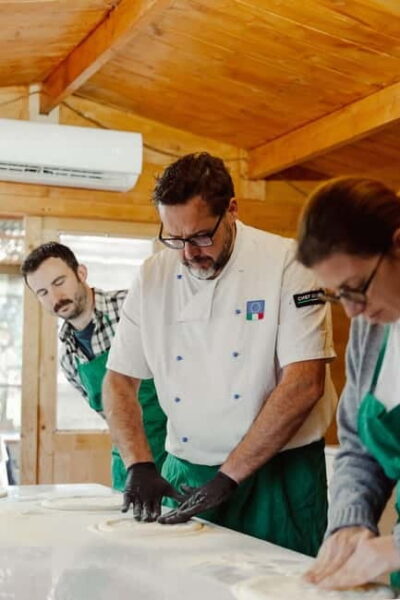
Combo Pizza and Pasta Cooking Class with Wine
Read our review →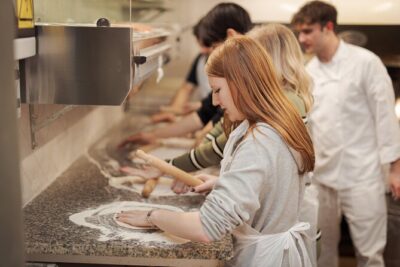
Pizza Cooking Class in Rome – Near Piazza Navona
Read our review →
Pizza and Gelato Cooking Class with Dinner and Wine
Read our review →
Rome Cooking Class: Make Pizza and Pasta with Wine & Dessert
Read our review →
Milan Cooking Class: Authentic Pizza & Gelato Making
Read our review →
Hands-On Pasta Cooking Class in Florence with optional Pizza
Read our review →Lists this class appears in