REVIEW · LAZIO, ITALY
Rome: Traditional Pasta and Tiramisu Cooking Class
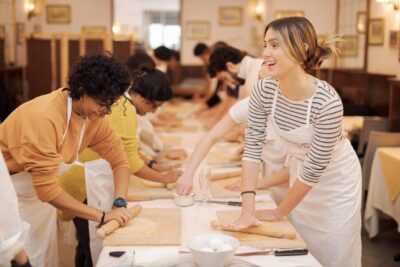
Pasta tastes better when you make it. This 2.5-hour cooking class gives you a practical introduction to fresh pasta and traditional tiramisu, with a professional chef guiding each step. I like the mix of hands-on cooking and simple food history, and I like that the group is limited to 10 people. The main consideration is that the class is not suitable for people with food allergies or wheelchair users.
You begin with prosecco, then prepare tiramisu before moving on to fresh pasta dough and homemade sauce. I also like that you eat what you make, rather than watching a demonstration and leaving hungry. Previous participants especially praised Estefanie for her patient, friendly teaching, with one family enjoying the class so much that a parent and 7-year-old both took part successfully.
Key details before you book
- You make both pasta and tiramisu: The class covers a basic fresh pasta dough, a matching homemade sauce, and traditional tiramisu.
- The class starts with prosecco: You get a drink while hearing about the history of pasta and tiramisu.
- You eat the finished dishes: The tasting is part of the experience, not an extra purchase.
- Groups are limited to 10 people: That gives you a better chance to ask questions and receive help while cooking.
- Estefanie has earned strong praise: Her clear explanations, friendly manner, and careful instruction were major highlights for families and first-time cooks.
- The meeting point is central and specific: Your instructor waits at GOAT Gallery, Via dei Capocci, 26.
Meeting at GOAT Gallery on Via dei Capocci
The class begins at GOAT Gallery, at Via dei Capocci, 26. Your cooking instructor waits there, so check the address carefully before leaving for the class. Transportation is not included, and you make your own way to the venue.
That matters in Rome, where a short address can still take time to reach. Give yourself room for a wrong turn, especially if you are coming from another sightseeing stop. You do not want to arrive flushed and hurried, since the class works best when you have the energy to stand, mix, shape, and taste.
Wear comfortable clothes and shoes. Cooking can be messy, and you should avoid bringing luggage or large bags. Bare feet are not allowed, so proper shoes are required.
The class is offered in English and Spanish. If you need a class in another language, this is not the right match. The small group size, capped at 10, should help keep instructions easy to follow, even when several people are working at once.
More Pasta Making Classes in Rome
- 3 in 1 Cooking Class near Navona: Fettuccine, Ravioli & Tiramisu
★ 5.0 · 7,376 reviews - Rome: Pasta Making Class with Wine, Limoncello, and Dessert
★ 4.9 · 3,177 reviews - Rome Cooking Class: Make Pasta and 3 Spritz Cocktails
★ 5.0 · 2,937 reviews
Prosecco, pasta stories, and the first kitchen lesson
The opening is relaxed rather than rushed. You receive a glass of prosecco and hear a short introduction to the history of pasta and tiramisu. This gives the food some context before you start handling ingredients.
I like this beginning because it sets the tone for a social class. You are not simply handed a recipe and told to copy the chef. The drink gives you a chance to settle in, listen, and get comfortable with the group.
The introduction also helps explain why ingredient choice matters. The class focuses on the secrets behind good pasta and tiramisu, so you learn more than a list of quantities. You get a sense of how the ingredients affect the finished dish and why traditional preparation calls for care at each stage.
Do not expect a long food lecture. The emphasis is on getting you cooking quickly. That is a plus if you want an active afternoon rather than a formal culinary history lesson.
Making tiramisu before the pasta dough
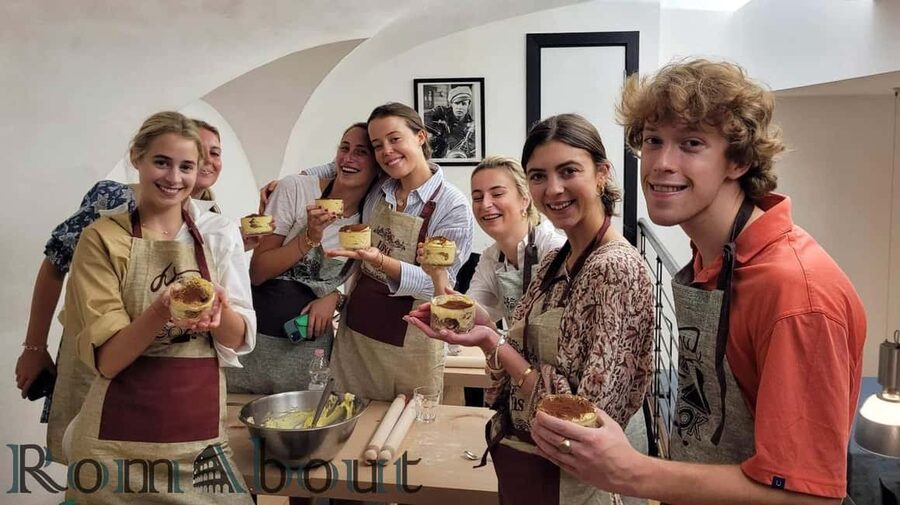
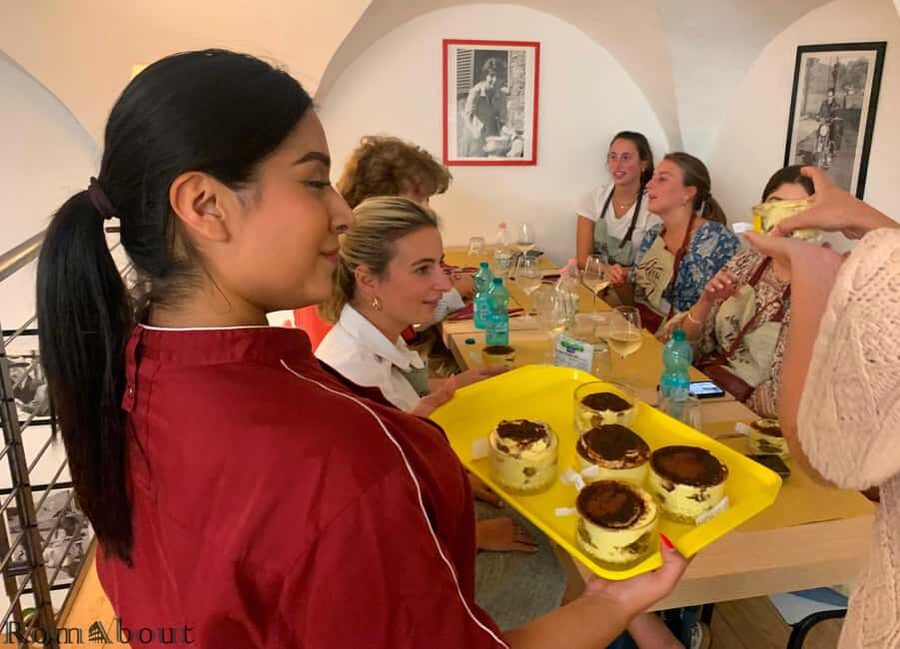
Tiramisu comes first. With the chef’s help, you follow a step-by-step recipe and prepare the dessert before setting it aside to rest.
This order makes practical sense. Tiramisu needs time to set, so preparing it first lets you work on the pasta while the dessert develops. It also gives you a quick early success before you tackle the dough.
For a beginner, this is useful. Tiramisu looks simple, but getting the texture right depends on following the method carefully. The chef walks you through the process instead of assuming you already know how the dessert should come together.
The class describes the tiramisu as traditional, which makes it a good choice if you want a familiar Italian recipe to repeat at home. You can take the technique back to your own kitchen, then adjust the dessert later once you understand the basic method.
The praise for Estefanie centers on this kind of clear instruction. She was described as friendly, attentive, and precise, with each step explained carefully. That matters more than a flashy demonstration. A good cooking teacher watches how you are working and helps before a small mistake turns into a large one.
Rolling up your sleeves for fresh pasta
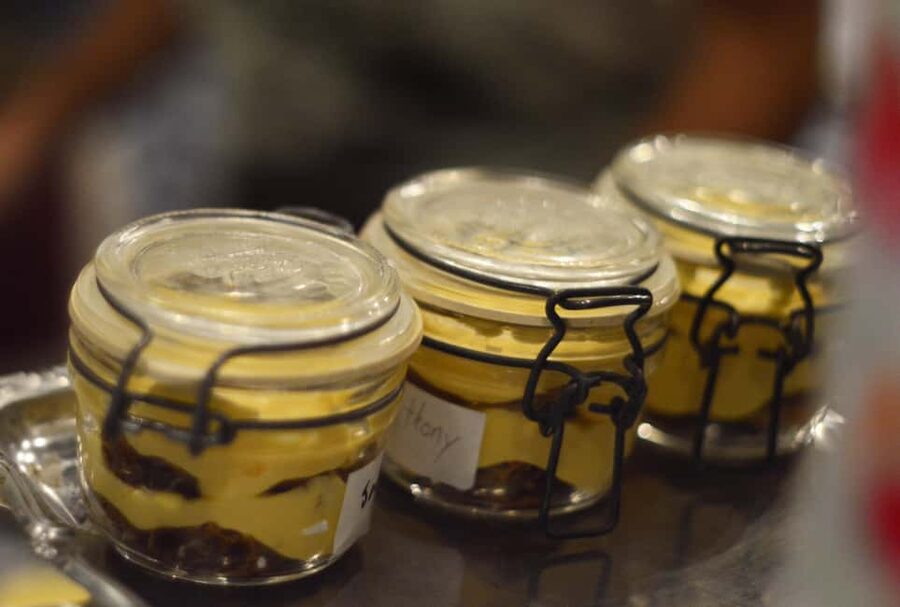
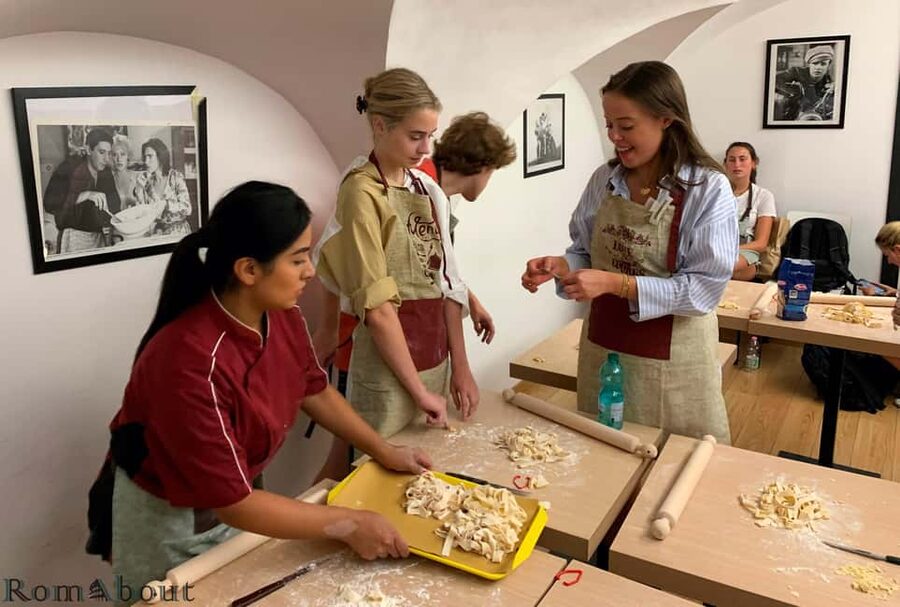
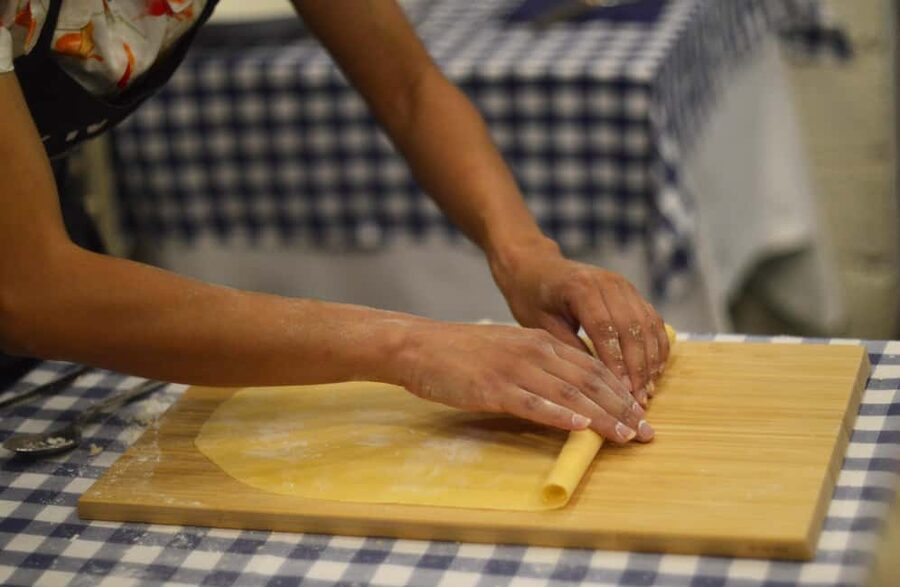
Once the tiramisu is set aside, the focus shifts to fresh pasta dough. You learn the basic process step by step, from combining the ingredients to working the dough and shaping the pasta.
This is the heart of the class. Dried pasta is easy to buy, but fresh pasta teaches you something about Italian home cooking that a restaurant meal cannot. You handle the dough yourself and see how a few basic ingredients become a meal.
The class does not require previous experience. All cooking levels are welcome, and the instruction is designed for beginners as well as people who already cook at home. You should still expect to work. This is not a sit-back-and-watch session.
The group size is important here. With no more than 10 people, you have a reasonable chance to ask for help with the dough, shaping, or sauce. A larger class could make this part feel like a public demonstration. The limited group keeps it more personal.
A family can also make this work. One 7-year-old took part alongside a parent and enjoyed the class, which suggests that children who can follow instructions and safely participate may have a good time. The formal age limit is important, though: children under 4 are not permitted.
More Tiramisu and Dessert Classes in Rome
- Rome: 3-in-1 Fettuccine, Ravioli, and Tiramisu Cooking Class
★ 4.9 · 2,704 reviews - Fettuccine & Tiramisù: Cooking Class with Wine & Limoncello
★ 4.9 · 2,103 reviews - Rome: Pasta & Tiramisu Cooking Class near the Spanish Steps
★ 4.8 · 1,395 reviews - Cooking Class in the Heart of Rome: Pizza and Tiramisu Making
★ 5.0 · 1,330 reviews
Choosing the homemade sauce
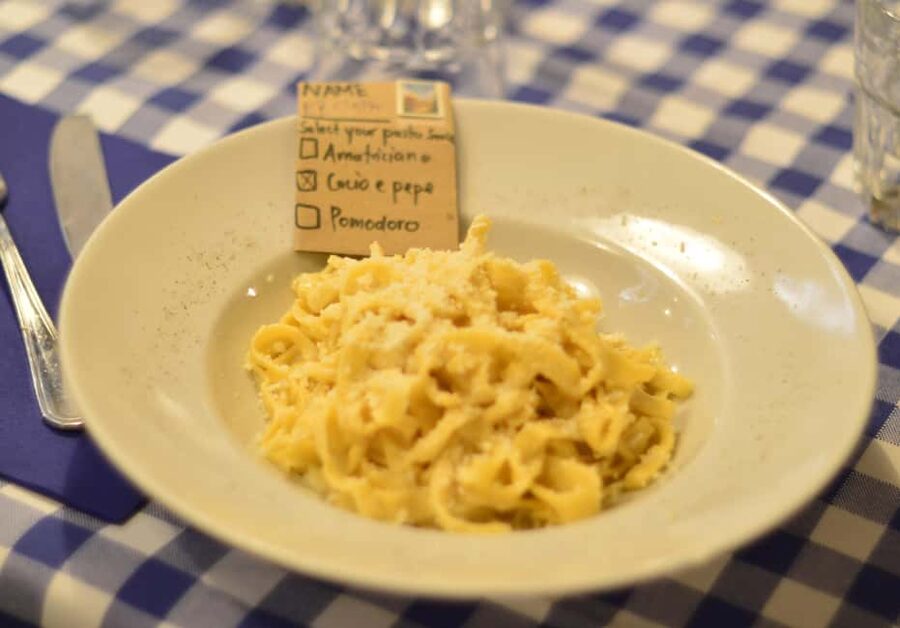
After shaping your pasta, you select the homemade sauce to serve with it. This adds a useful decision to the lesson. You are not only learning a basic dough, but also thinking about how the pasta and sauce work together.
That choice is valuable because sauce can hide or highlight fresh pasta. A well-matched sauce lets you notice the texture of the noodles rather than treating the pasta as a plain base. The chef helps you choose the suitable option, so you are not left guessing.
The exact sauce choices are not specified, so do not book this class expecting a particular recipe. The appeal is the chance to learn a fresh pasta method and pair it with a homemade sauce during the same session.
I like this part because it moves the class closer to real home cooking. You learn a repeatable process, not just one fixed plate. Once you understand the pasta and sauce pairing, you can use the same approach with other ingredients later.
Eating the food you prepared
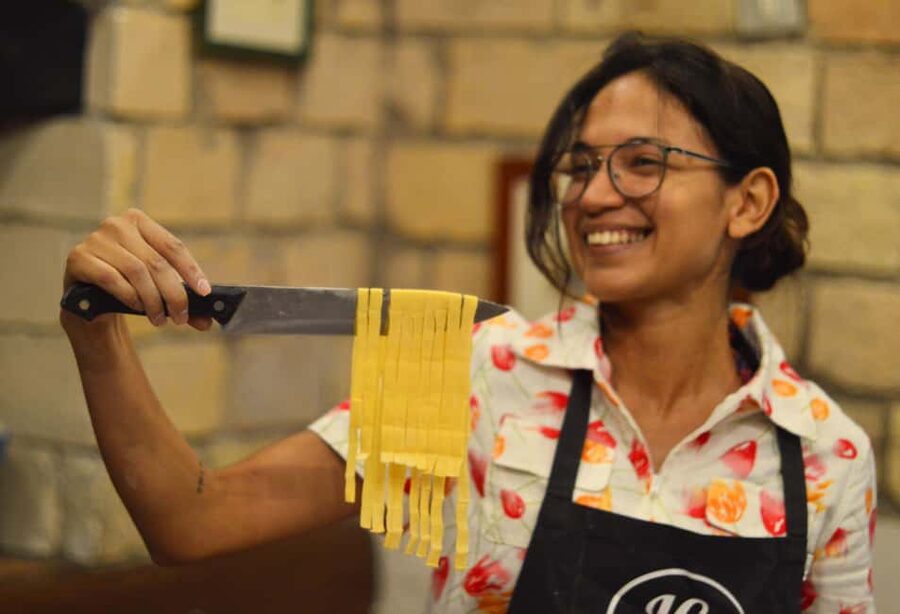
The class ends with a tasting of the dishes you made. You receive a glass of wine and a bottle of water, in addition to the prosecco served at the start.
This is a strong part of the value. You are not paying only for a lesson and then buying dinner somewhere else. The pasta and tiramisu become your meal, which makes the class feel like both an activity and a food stop.
The tasting also gives you a clear sense of what your work produced. You can check the texture of the pasta, taste the sauce, and compare the finished tiramisu with the result you hope to recreate at home.
Do keep your expectations practical. The class lasts 2.5 hours, so it is a focused cooking lesson rather than a full multi-course culinary workshop. Additional food and drinks are not included. The provided wine, prosecco, water, and prepared dishes cover the planned experience, but anything beyond that costs extra.
What the $88 price includes
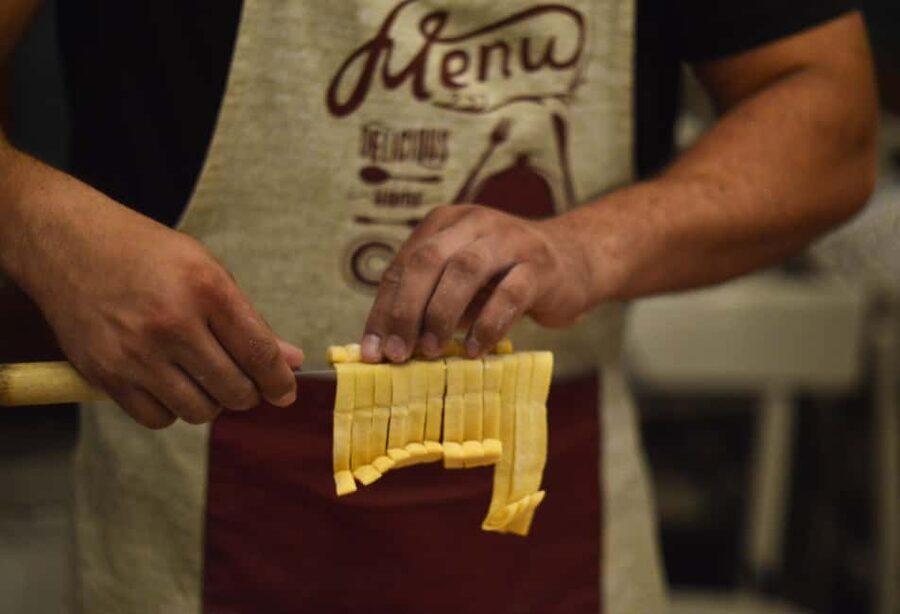
At $88 per person, this is not the cheapest way to eat pasta in Rome. A restaurant meal may cost less, especially if you choose a simple dish. The comparison is not quite fair, though, because this price includes instruction, ingredients, utensils, drinks, and the meal you prepare.
I see the best value for people who want to take home a skill. You receive guidance from a professional chef, practice fresh pasta, learn a traditional tiramisu, and eat the results. If you only want a quick lunch, the class will feel expensive and time-consuming. If you want an active food experience, the price is easier to justify.
The group limit also helps the value. Ten people is small enough for personal questions without promising private instruction. If you want a one-to-one lesson, this is not that. If you want more contact with the chef than a large demonstration provides, the format makes sense.
The class includes all ingredients and utensils, so you do not need to buy supplies or carry equipment. That is especially useful during a Rome trip, when your schedule and luggage are already full.
Who will enjoy this class most
I would recommend this experience to several kinds of visitors:
- First-time cooks: The step-by-step format and professional guidance make the class approachable.
- Pasta lovers: You get to work with fresh dough rather than simply ordering another plate.
- Families with older children: A 7-year-old successfully enjoyed the activity with a parent, while children under 4 are not accepted.
- Couples and friends: Prosecco, shared preparation, and a final meal give the class a social feel.
- Food-focused visitors: You learn recipes you can repeat at home instead of taking away only a memory.
- People with a free afternoon: The 2.5-hour length gives the experience enough time to feel substantial without taking an entire day.
You may want to skip it if you dislike hands-on activities, have very limited time, or want a private class. It is also not suitable for people with food allergies, and the venue is not suitable for wheelchair users.
What the strongest praise tells you
The clearest positive theme is the teaching. Estefanie is described as pleasant, friendly, helpful, and careful in her explanations. That is exactly what you want in a beginner cooking class, where a rushed instructor can make simple steps feel confusing.
The family experience is another useful clue. The class worked for both an adult and a 7-year-old, and the child enjoyed the activity. That does not mean every young child will have the same patience for dough and instructions, but it does show that the class can suit families with children old enough to participate.
The food itself also earns strong praise. Participants specifically valued learning a basic pasta recipe and making traditional tiramisu. The point is not advanced restaurant technique. It is learning dependable recipes that you can try again at home.
The small group can make a major difference. One session had only two participants, which made the experience feel especially personal. The normal limit is 10, so you should not assume a private class, but the format still leaves room for individual help.
Practical tips for a smoother afternoon
Arrive at GOAT Gallery with comfortable shoes and clothes that allow you to work easily. Leave large bags and luggage elsewhere, since they are not allowed in the class.
Bring your appetite. You will taste the food you prepare, and the class includes wine, prosecco, and water. Additional food and drinks are not included, so plan accordingly if you expect to need more than the scheduled tasting.
Tell yourself that the goal is learning, not producing perfect restaurant pasta on the first attempt. The chef is there to guide you through the process. Ask questions while you are working, especially if the dough feels unfamiliar.
If you are booking for a family, remember the age rule. Children under 4 cannot attend, while older children are welcome as long as they can take part safely and follow instructions.
The activity offers free cancellation up to 24 hours before the start time, with a full refund. You can also reserve now and pay later, which is useful if your Rome schedule is still changing.
Should you book the Rome pasta and tiramisu class?
Book it if you want a friendly, hands-on food lesson with a meal at the end. The strongest reasons are the small group, patient instruction, fresh pasta practice, traditional tiramisu, and included drinks.
At $88, the class is best viewed as a cooking activity plus lunch or dinner, not simply a meal. You pay more than you would for a basic plate of pasta, but you leave with techniques you can use again.
Skip it if you have food allergies, need wheelchair access, dislike cooking, or prefer a quick restaurant stop. For everyone else, this is a sensible choice for a free afternoon in Rome, especially if you like the idea of turning a classic Italian meal into a skill you can carry home.
FAQ
How long does the cooking class last?
The class lasts 2.5 hours.
Where does the class meet?
The meeting point is GOAT Gallery at Via dei Capocci, 26.
What will I cook?
You will prepare fresh pasta, choose a homemade sauce to serve with it, and make traditional tiramisu.
Is food included?
Yes. You taste the pasta, sauce, and tiramisu prepared during the class.
Are drinks included?
Yes. The class includes a glass of prosecco, a glass of wine, and a bottle of water.
What languages does the instructor speak?
Instruction is available in English and Spanish.
How many people can join the class?
The small group is limited to 10 participants.
Are children allowed?
Children under 4 are not allowed. Older children can attend, and a 7-year-old has taken part successfully.
Is the class suitable for people with food allergies or wheelchair users?
No. The activity is not suitable for people with food allergies or wheelchair users.
Just added around Rome
- Testaccio: Home Cooking Cacio e Pepe, Amatriciana, Carbonara★ 4.9 · 57 reviews
- Super Fun Pasta and Gelato Cooking Class by the Vatican★ 5.0 · 6 reviews
- Spritz and Spaghetti Traditional Cooking Class in Rome★ 4.9 · 30 reviews
- ROME:Hands-On Lasagna & Marsala Tiramisu Cooking Experience”★ 5.0 · 3 reviews
- Rome: Trastevere Pasta Making Class★ 4.9 · 33 reviews
- Rome: Vatican Food Tours, Cooking classes & Free Tours★ 4.9 · 11 reviews
- Rome: Small Group Pasta cooking class near Piazza Navona★ 4.9 · 8 reviews
- Rome: Traditional Cooking Class in the Jewish Ghetto★ 4.9 · 75 reviews
Pasta Making Classes, compared.


3 in 1 Cooking Class near Navona: Fettuccine, Ravioli & Tiramisu
Read our review →
Pasta & Tiramisu Cooking Class with Unlimited Wine
Read our review →
Pasta Making Class with Wine, Limoncello, and Dessert
Read our review →
Rome Cooking Class: Make Pasta and 3 Spritz Cocktails
Read our review →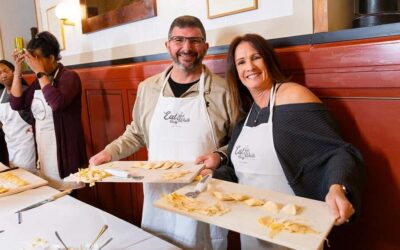
3-in-1 Fettuccine, Ravioli, and Tiramisu Cooking Class
Read our review →