REVIEW · LAZIO, ITALY
Rome: Pizza and Tiramisu Cooking Class Near the Colosseum
Rome tastes better when you make dinner. This 150-minute class near the Colosseum brings pizza, tiramisu, and a friendly local chef together in a small kitchen setting. I especially like the hands-on format and the way child-safe tools let young cooks take part instead of watching from the sidelines.
I also like the relaxed social mood, with music, prosecco, and time to eat what you make. The main consideration is dietary: the class cannot accommodate vegan or gluten-free diets, celiac disease, or infants who need their own seat and workspace.
Five things to know before booking
- The Colosseum is close by: The class is a handy food break during sightseeing around the Roman Forum and Colosseum.
- Pizza making is practical but not fully dough-focused: You help shape and top the pizza, while the dough needs resting time before use.
- Tiramisu is made as a group: Children can enjoy a coffee-free version, while adults can prepare the classic recipe.
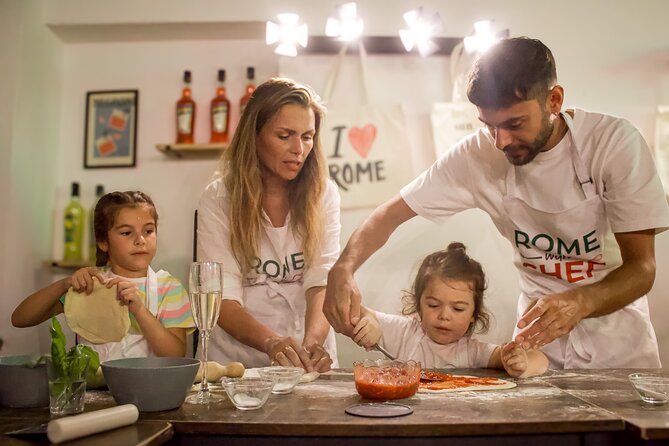
- Children receive real jobs: Safe tools, simple steps, and plenty of encouragement make this suitable for young cooks.
- The $69 price covers a full meal: Ingredients, equipment, water, soft drinks, prosecco for adults, instruction, and a recipe are included.
A food break near the Colosseum
The location does much of the early work. After a morning among ancient stones, crowded lanes, and Roman traffic, you can step into a kitchen and trade sightseeing for flour, tomato, mascarpone, and conversation. The class is described as being just steps from the Colosseum, and one participant placed it about a 15-minute walk from the Roman Forum.
That makes the timing useful. You do not need to give up a whole day or cross the city for a cooking lesson. It fits neatly between major sights, or it can serve as an easy evening plan when everyone has had enough of monuments.
Look for the Rome with Chef logo at the entrance. Arrive 10 minutes early. This matters because late arrivals may not be able to join once the activity has started, and the cooking works best when everyone begins together.
The setting is a cosy kitchen rather than a large culinary school. That is part of its appeal. The class feels social and informal, with music, fresh ingredients, and a chef moving around the room to keep people involved. Some sessions have included up to about 12 people, while one account described the space as especially comfortable for 10 or fewer.
More Pizza Making Classes in Rome
- Cooking Class in the Heart of Rome: Pizza and Tiramisu Making
★ 5.0 · 1,330 reviews - Rome: Traditional Pizza Cooking Class near Piazza Navona
★ 4.7 · 1,241 reviews - Rome: Combo Pizza and Pasta Cooking Class with Wine
★ 4.6 · 1,180 reviews
Mixing, shaping, and topping the pizza
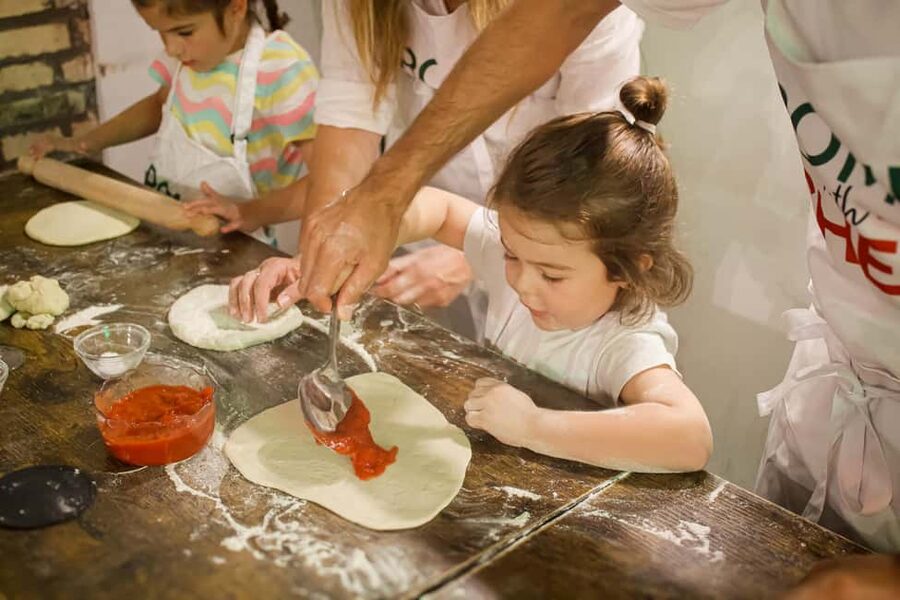
The pizza section begins with the basic building blocks of the dish. You learn about the dough, work with the ingredients, and then get to the part children and adults usually enjoy most: shaping and choosing toppings.
There is one useful detail to understand before booking. The experience is presented as pizza made from scratch, but the dough must rest for a significant period before it can be baked. In practice, the hands-on part may be closer to shaping, stretching, and decorating prepared dough than making a fresh dough ball and baking it immediately.
That is not a serious flaw, but it is worth knowing if your main aim is a technical lesson on fermentation. You will still take part in the process and receive practical advice for recreating the recipe at home. The focus is less on perfect dough science and more on making a good pizza together.
You choose your toppings, so the result feels personal. Children can make an unusual shape, pile on favorite ingredients, or simply enjoy the freedom of decorating their own dinner. One child apparently produced a pizza shaped like Italy, which tells you something about the relaxed spirit of the class.
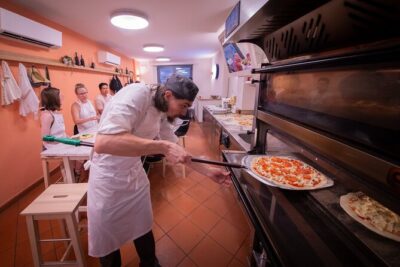
The best part is the immediate reward. After the pizza goes into the oven, you do not sit through a long lecture. The group moves on to tiramisu, keeping the pace lively and giving the class a natural rhythm.
Tiramisu with a child-friendly choice
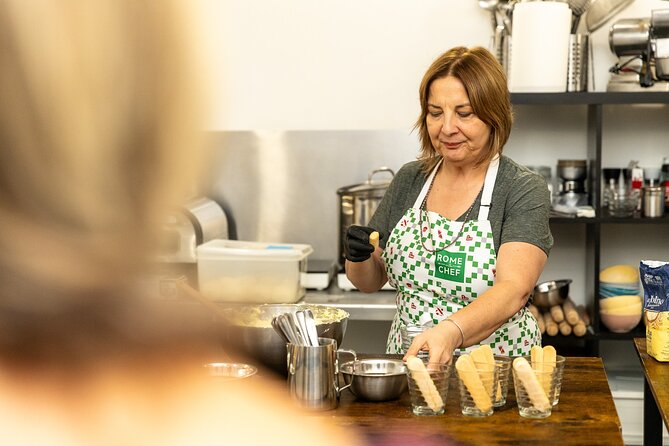
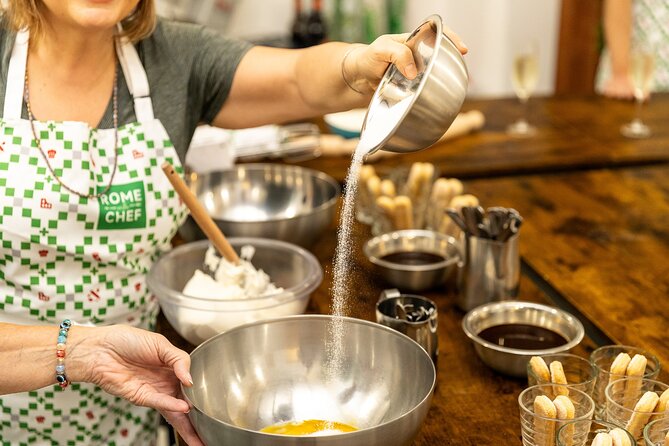
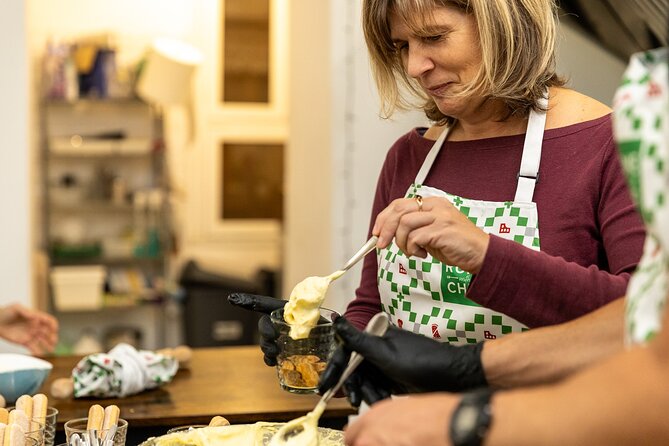
Tiramisu is the second main project, and it may be the stronger reason to book for many adults. The recipe is simple enough for first-time cooks but still gives you useful details to take home, including how to avoid soaking the biscuits in too much espresso.
Adults can make the classic coffee version. Children can have a safer coffee-free variation, which allows younger family members to create their own dessert without being pushed toward an adult flavor.
The preparation is shared, but everyone gets a chance to participate. In some sessions, individual portions were labeled so each person could enjoy their own creation later. That is a small touch, but it solves a common problem in group cooking classes: one person does all the work while everyone else watches.
Expect a creamy, sweet dessert rather than a pastry-school challenge. The appeal is the combination of easy steps, a familiar Italian recipe, and a result that feels impressive when you serve it at home.
For families, this part also gives children a clear finish line. They can layer, dust, and assemble their dessert, then wait for the final meal. The activity stays manageable because the chef handles the more complicated kitchen tasks while still giving everyone a turn.
Why families rate this so highly
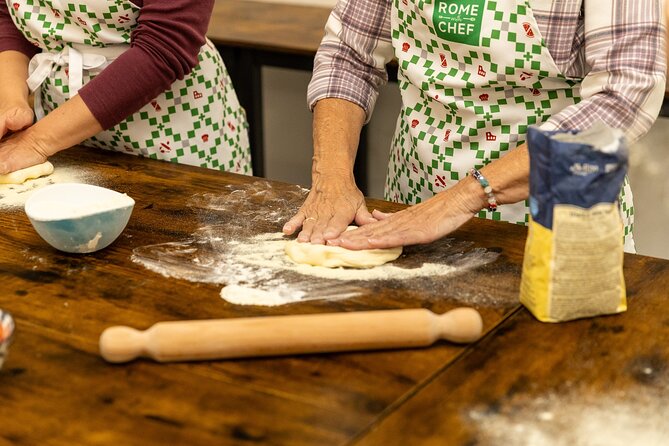
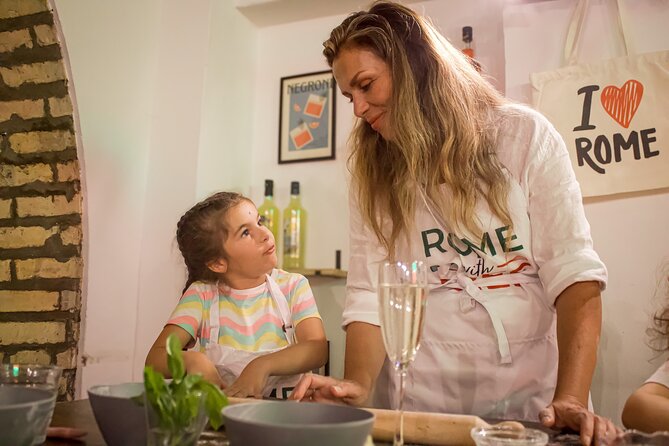
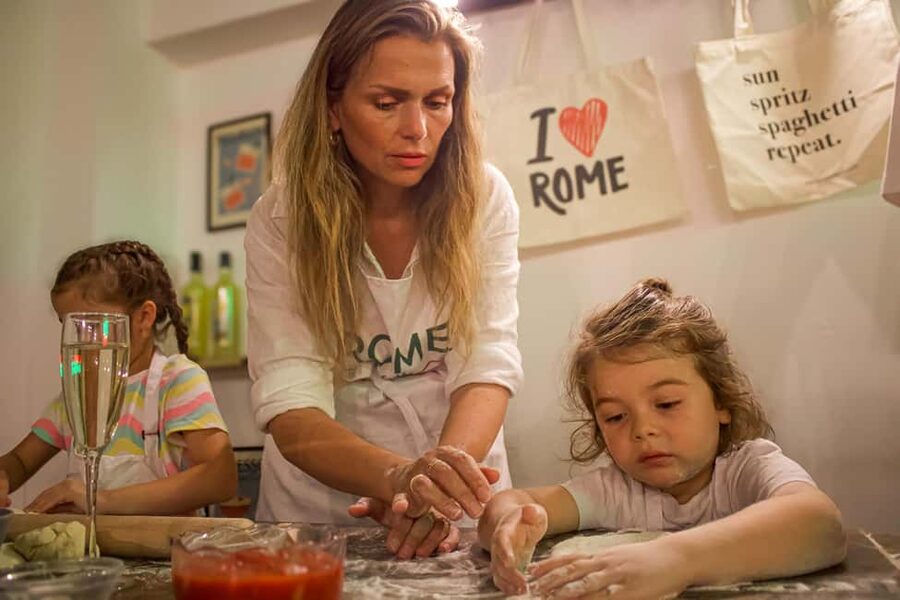
The class is built around participation, not perfection. Children can use child-safe kitchen equipment, and the chef keeps the tone playful and patient. Parents do not need to know anything about cooking before arriving.
The strongest pattern in the feedback is the warmth of the instructors. Different sessions have featured hosts including Giovanna, Sunny, Gio, Benjamin, Larissa, Mary, Aria, and others. Names and staff can vary by date, but the teaching style is consistently described as kind, funny, attentive, and easy to follow.
That matters more than fancy equipment. A six-year-old may lose interest during a long explanation, while an older child may want to do more than sprinkle toppings. The instructors adjust the level of help and treat children as part of the group. Two girls aged eight and ten were described as being treated like head chefs, while families with children aged four, eleven, and fourteen found something for everyone.
Younger children are not simply placed at a separate table with a coloring sheet. They are part of the cooking. That can make this one of the more useful family activities in central Rome, especially if your children need a break from churches, museums, and ancient ruins.
There is a limit, however. The experience is not suitable for infants who need a separate chair or workspace. If an infant joins, the child must remain on an adult’s lap. That setup may be manageable for a short period, but it is not the same as having baby facilities.
More Tiramisu and Dessert Classes in Rome
- 3 in 1 Cooking Class near Navona: Fettuccine, Ravioli & Tiramisu
★ 5.0 · 7,376 reviews - Rome: Pasta Making Class with Wine, Limoncello, and Dessert
★ 4.9 · 3,177 reviews - Rome: 3-in-1 Fettuccine, Ravioli, and Tiramisu Cooking Class
★ 4.9 · 2,704 reviews - Fettuccine & Tiramisù: Cooking Class with Wine & Limoncello
★ 4.9 · 2,103 reviews
A good choice for adults and solo visitors too
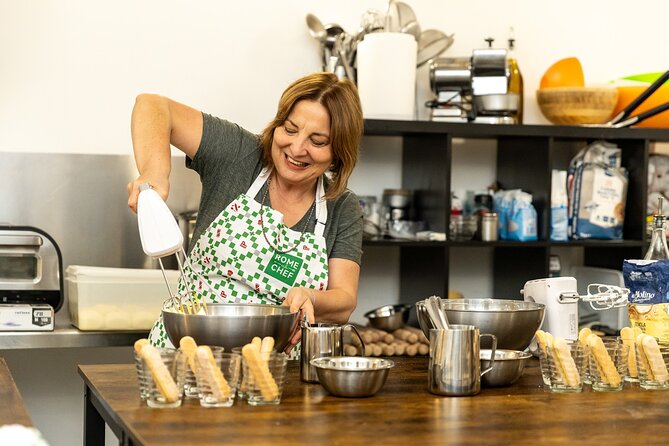
Do not assume this is only a children’s activity. Adults can enjoy the class on its own terms, especially if you want a meal, a glass of wine, and a social evening without committing to a formal restaurant.
The kitchen atmosphere is warm rather than stiff. Music often plays while people cook, and the chef keeps conversation moving between steps. Prosecco is available for adults, along with local wine, water, soft drinks, and alcohol-free drinks on request.
Alcohol is served only to people aged 18 and above. That is straightforward, but families should keep it in mind if older teenagers are joining the group.
Solo visitors can also fit in well. The class naturally gives you something to do with your hands and easy conversation with the people beside you. One solo participant found the group welcoming despite arriving alone. That is a real benefit in a city where many food experiences assume you have a dining partner.
Couples and small groups should like the balance of instruction and free interaction. You are not expected to perform for the room, and you are not trapped in a long demonstration. The chef explains the step, people try it, and the class moves on.
A private group is available if you want the kitchen experience kept among family or friends. The shared format may offer more social energy, while a private booking gives your group more control over the mood.
Sitting down to eat what you made
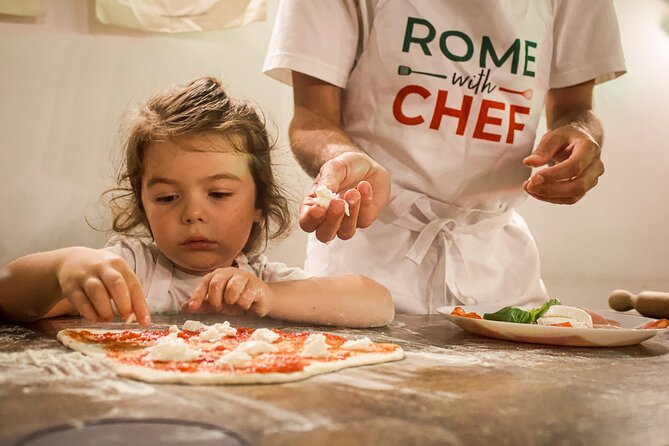
The final meal is the payoff, and it is more substantial than a quick tasting. You sit down with the group and eat the pizza and tiramisu you prepared.
That shared meal changes the feel of the class. You are not merely collecting a recipe or taking a photograph beside a bowl of flour. You have spent time making something, then get to enjoy it while the chef offers further tips and conversation.
The food itself is deliberately simple. Pizza and tiramisu rely on familiar ingredients, but good timing and balance make a difference. Fresh toppings, well-handled dough, and restraint with espresso can turn basic components into a satisfying meal.
I would not book this expecting a refined restaurant dinner. You are eating your own work in a teaching kitchen, and results can vary slightly from person to person. That is part of the charm. A lopsided pizza still tastes good when you made it yourself.
The meal also helps justify the price. At $69 per person, you receive a 150-minute activity, all ingredients, use of the tools, instruction, two dishes, drinks, and a recipe to take home. Near the Colosseum, where a quick meal can become expensive without offering much connection to the city, this gives you both food and an activity.
What you take home besides leftovers
The printed or shared Italian recipe is one of the more useful inclusions. Pizza and tiramisu are practical dishes to recreate because the ingredients are widely available outside Italy.
You also leave with small pieces of kitchen advice. The tiramisu process helps you judge how much coffee to use, while the pizza section gives you a better sense of shaping, topping, and timing. It is not a professional certification, nor should it be. It is a friendly introduction that can make your next home meal more confident.
The class can also change how you look at Italian food. Pizza and tiramisu are often treated as simple tourist staples, but the lesson shows how much enjoyment comes from technique, pacing, and sharing. You learn by doing rather than listening to a history lecture.
That is particularly useful in Rome. You get a local food experience without needing to speak Italian or arrange a day trip outside the city. The instruction is in English, and the atmosphere is designed for mixed ages and skill levels.
Dietary limits and practical cautions
Vegetarian food is available, and alcohol-free drinks can be requested. You should report allergies or other dietary needs in advance so the kitchen can advise what is possible.
The important restriction is that the class cannot accommodate vegan or gluten-free diets or people with celiac disease. Since both pizza dough and classic tiramisu involve ingredients that may not fit those needs, this is not a safe choice for those diets.
The class also includes alcohol for adults, so tell the organizers in advance if your group needs a completely alcohol-free setup. Water and soft drinks are provided, and the experience can still work without alcohol.
Wear something comfortable enough for kitchen work. The supplied information does not specify a dress code, but you should expect flour, toppings, and active preparation. The main practical rule is simple: arrive early, follow the chef’s instructions, and do not count on joining after the start.
Is the $69 price fair?
For a basic cooking demonstration, $69 would be a lot. This is more than a demonstration, though. You take part in making two dishes, eat a full meal, receive drinks, use the ingredients and equipment, and spend two and a half hours in a central Rome location.
The value is strongest for families. A child who might resist another guided visit can stay engaged, and adults get a meal while spending time with their children. The activity also replaces the cost of finding a separate lunch or dinner for the group.
Couples and solo visitors receive good value if they enjoy social activities. If you only want the cheapest pizza in Rome, a restaurant will cost less and take less time. If you want a memory, a recipe, and an easy way to meet people, the class earns its price.
The main value limit is for serious home cooks. If you already make excellent pizza dough and tiramisu, the technical instruction may feel introductory. You may still enjoy the setting and company, but the class is aimed at beginners and mixed groups rather than advanced cooks.
Who should book this class?
I would recommend it to families with school-age children, couples looking for a relaxed food activity, and solo visitors who like meeting people through shared meals. It is also a smart choice for a group that wants something lighter and more social after a day of Roman sightseeing.
Book it if your priorities are friendly teaching, child participation, a central location, and a meal you make yourself. Go in knowing that the pizza dough may already be rested and that the lesson is more about enjoyment and useful home cooking than advanced technique.
Skip it if you need vegan, gluten-free, or celiac-safe food, or if you want a formal culinary course. For everyone else, the mix of pizza, tiramisu, wine, and a welcoming chef makes this an easy way to add a little everyday Italian life to a Colosseum visit.
FAQ
Where does the cooking class take place?
It takes place in a cosy kitchen near the Colosseum in Rome. Look for the Rome with Chef logo at the entrance.
How long does the class last?
The class lasts 150 minutes, or two and a half hours.
What food will I make?
You will make pizza and tiramisu with guidance from a local chef. The pizza includes your choice of toppings.
Is the class suitable for children?
Yes. The class is designed to be family-friendly and includes child-safe kitchen tools. Children can take part in the cooking and make a coffee-free tiramisu variation.
Is the class taught in English?
Yes. The instructor language is English.
Are drinks included?
Yes. Water, soft drinks, and prosecco for adults are included. Alcohol-free beverages are available on request.
Can the class accommodate special diets?
Vegetarian meals can be provided, and you should report allergies or dietary restrictions in advance. The class cannot accommodate vegan or gluten-free diets or people with celiac disease.
Can infants attend the class?
Infants are not considered suitable for the activity. If an infant joins, they must remain on an adult’s lap because no separate seat or workspace is available.
Just added around Rome
- Testaccio: Home Cooking Cacio e Pepe, Amatriciana, Carbonara★ 4.9 · 57 reviews
- Super Fun Pasta and Gelato Cooking Class by the Vatican★ 5.0 · 6 reviews
- Spritz and Spaghetti Traditional Cooking Class in Rome★ 4.9 · 30 reviews
- ROME:Hands-On Lasagna & Marsala Tiramisu Cooking Experience”★ 5.0 · 3 reviews
- Rome: Trastevere Pasta Making Class★ 4.9 · 33 reviews
- Rome: Traditional Pasta and Tiramisu Cooking Class★ 5.0 · 4 reviews
- Rome: Vatican Food Tours, Cooking classes & Free Tours★ 4.9 · 11 reviews
- Rome: Small Group Pasta cooking class near Piazza Navona★ 4.9 · 8 reviews
Pizza Making Classes, compared.
Florence Cooking Class The Art of Making Gelato & Authentic Pizza
Read our review →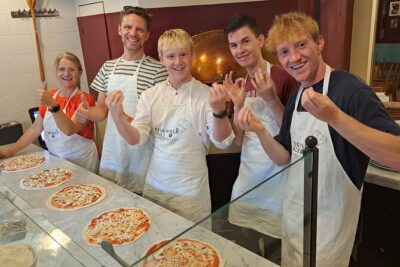
Cooking Class in the Heart of Rome: Pizza and Tiramisu Making
Read our review →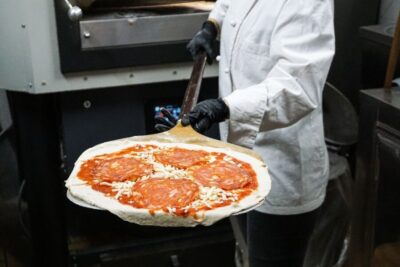
Traditional Pizza Cooking Class near Piazza Navona
Read our review →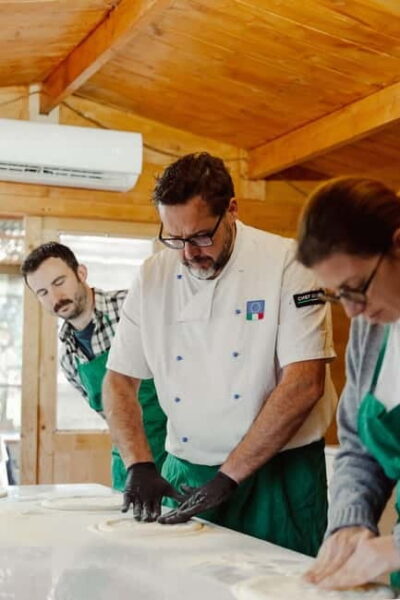
Combo Pizza and Pasta Cooking Class with Wine
Read our review →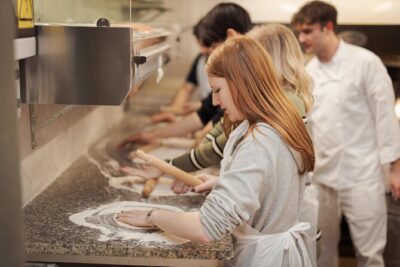
Pizza Cooking Class in Rome – Near Piazza Navona
Read our review →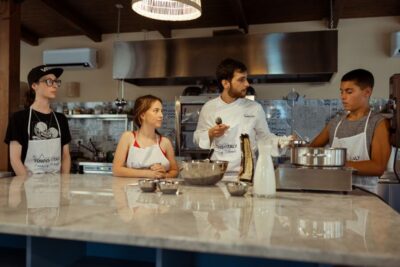
Pizza and Gelato Cooking Class with Dinner and Wine
Read our review →
Rome Cooking Class: Make Pizza and Pasta with Wine & Dessert
Read our review →