
REVIEW · LAZIO, ITALY
Rome: Gourmet Pizza Cooking Class (SHARED)
Pizza brings Rome to the table. This 90-minute cooking class gives you a hands-on way to make Roman pizza from scratch, with wine, snacks, and guidance from an English-speaking local chef. I like the warm aperitivo-style welcome and the chance to work with seasonal ingredients instead of simply watching someone else cook. I also like that the lesson explains how Roman pizza differs from the softer, thicker style associated with Naples.
The main drawback is the short format. You will learn the key steps and eat your own pizza, but this is not a long, detailed culinary course. The class costs $93 per person, so it makes the most sense if you value a social food activity, a meal, and useful kitchen tips in one Rome outing.
Key points at a glance
- Roman pizza has a thinner, crunchier base: You learn how it differs from Neapolitan pizza and shape your own dough.
- The class begins with aperitivo: Welcome drinks and snacks help set a relaxed Italian mood before the cooking starts.
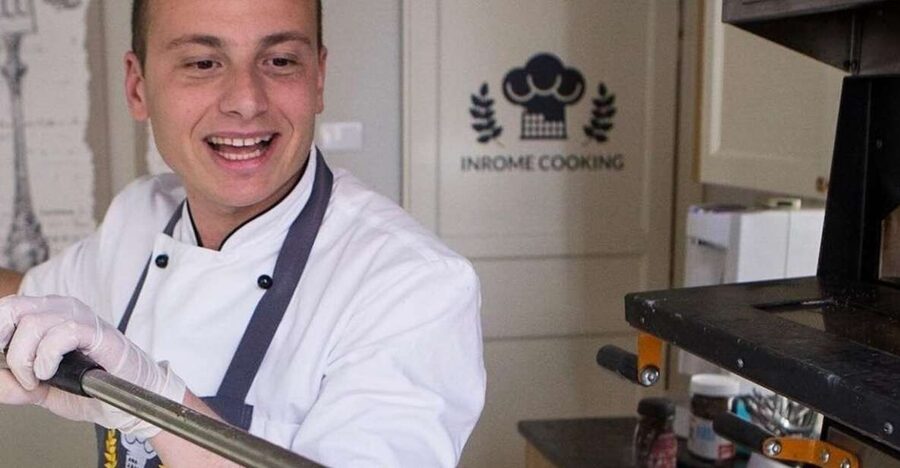
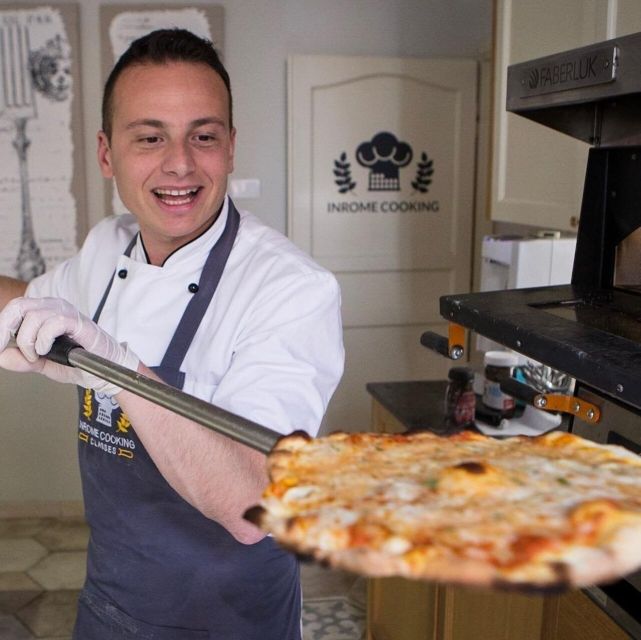
- Chef Marco has earned special praise: His easygoing teaching style and practical pizza tips are a big part of the class appeal.
- Toppings change with the season: You might work with mozzarella, prosciutto, zucchini flowers, olives, tomato sauce, or other fresh ingredients.
- The meeting point is central: The class takes place at Corso del Rinascimento 65, near Piazza Navona, with another cooking school close to the Pantheon.
- It suits food lovers who like to participate: You make dough and choose toppings, rather than sitting through a demonstration.
What this Roman pizza class is really like
This is a shared cooking class in central Rome, led in English by a local chef. The short schedule keeps the activity easy to fit between sightseeing stops, but it also means the lesson moves at a steady pace.
I would think of it as part cooking lesson, part social meal, and part introduction to Roman food customs. You will not simply receive a prepared pizza. You will handle the dough, decide on toppings, and learn how the parts come together.
The class starts with drinks and small snacks in the style of an Italian aperitivo. That matters because the opening is not just a practical wait before cooking begins. Aperitivo is a social ritual in Italy, a time to have a drink and a bite before a meal. Here, it gives you a chance to settle in and meet the tone of the kitchen before flour appears.
The available information does not specify the exact drinks or snacks, so do not book this expecting a full appetizer course. Think of them as a welcome and a small taste of the local dining rhythm.
More Pizza Making Classes in Rome
- Cooking Class in the Heart of Rome: Pizza and Tiramisu Making
★ 5.0 · 1,330 reviews - Rome: Traditional Pizza Cooking Class near Piazza Navona
★ 4.7 · 1,241 reviews - Rome: Combo Pizza and Pasta Cooking Class with Wine
★ 4.6 · 1,180 reviews
Starting with dough, not a prepared base
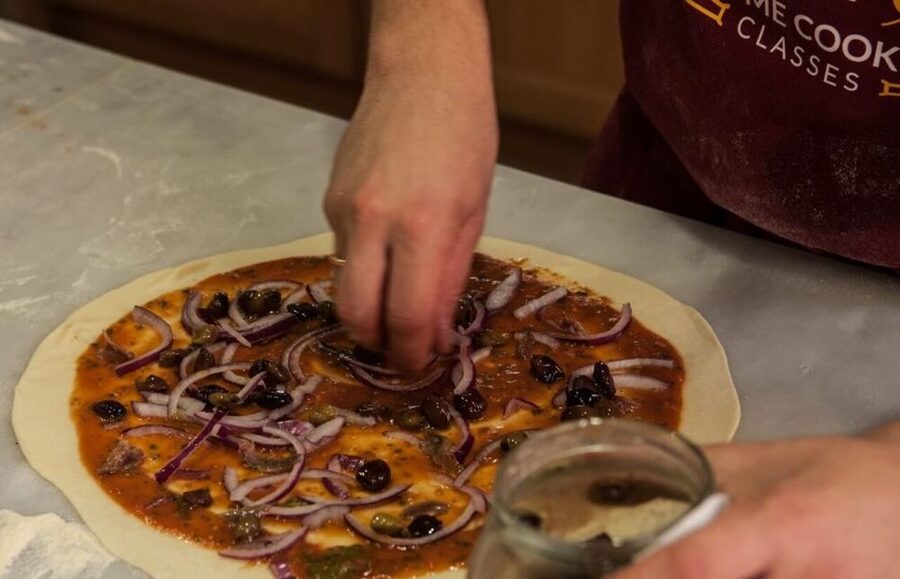
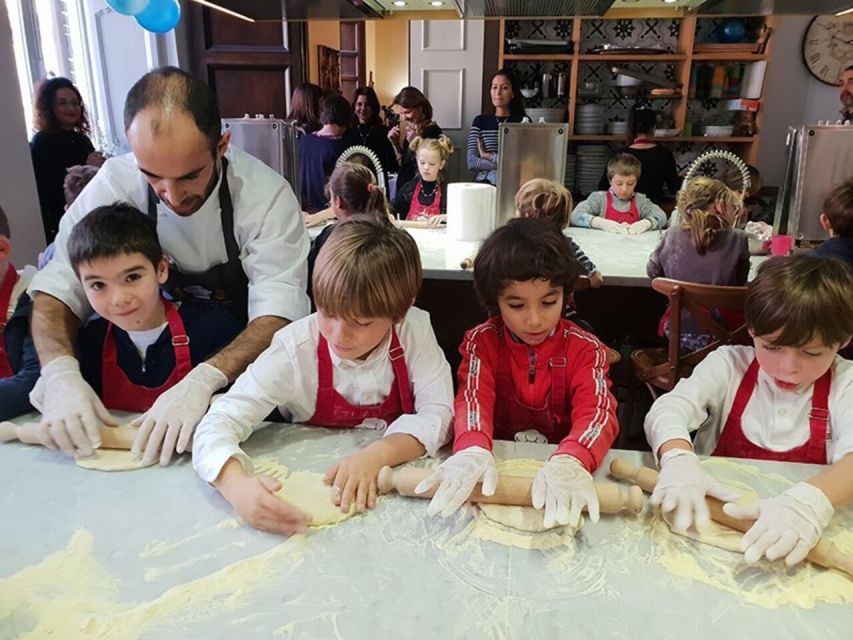
The heart of the lesson is making your dough from scratch. That is the part I value most, since it gives you something useful to remember after the class ends. You will work toward a dough that can be rolled into your own pizza base, with the chef offering tips along the way.
The goal is not to make every pizza look identical. Your base may be perfectly round, or it may have the charmingly uneven shape that tells everyone it was made by hand. That is part of the fun.
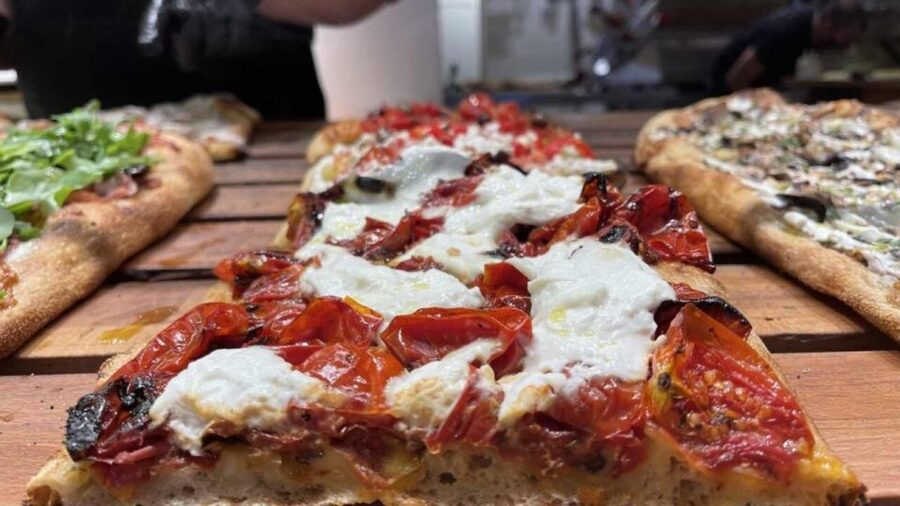
You will also learn about the difference between Roman and Neapolitan pizza. Roman pizza is described as thinner and crunchier, while Neapolitan pizza is generally associated with a softer, thicker base. The distinction gives the class some food context instead of treating pizza as one single Italian style.
That comparison is especially useful if you plan to eat pizza at several places during your stay. Rome has its own pizza traditions, and this lesson helps you notice texture rather than judging every pizza by the same standard.
The chef’s practical tips are likely to be most useful for people who cook at home. The information promises guidance on dough, sauce, balance, and toppings, rather than just a recipe card. You should leave with a better sense of how the dough and toppings work together.
Choosing between pizza rosso and pizza bianca
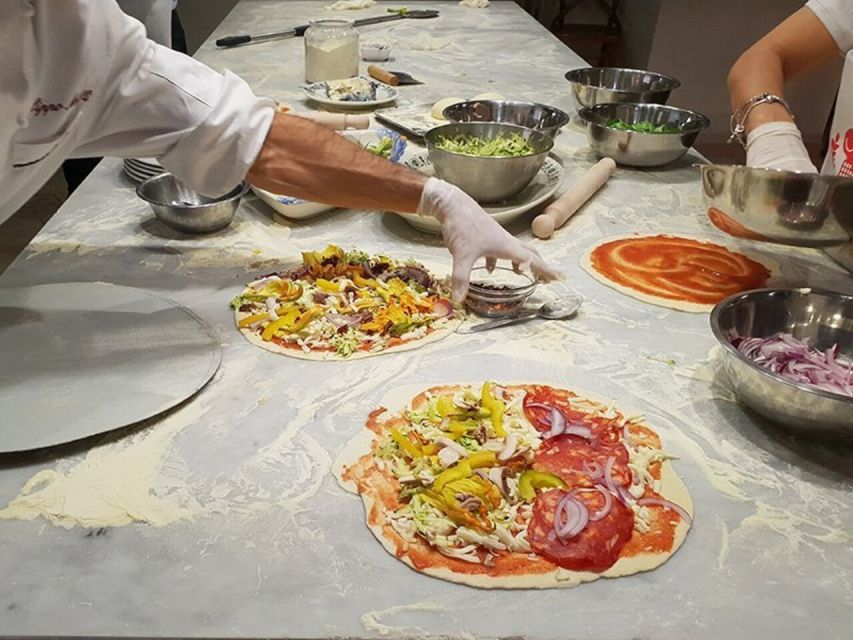
Once your dough is ready, the class turns to toppings. You may choose pizza rosso, made with tomato sauce, or pizza bianca, which keeps the base simple without tomato.
That choice is small but revealing. Pizza rosso gives you the familiar combination of tomato, cheese, and toppings. Pizza bianca lets the dough and other ingredients play a larger role. If you usually cover pizza with sauce and cheese, trying the simpler option can help you notice the base and the quality of the toppings.
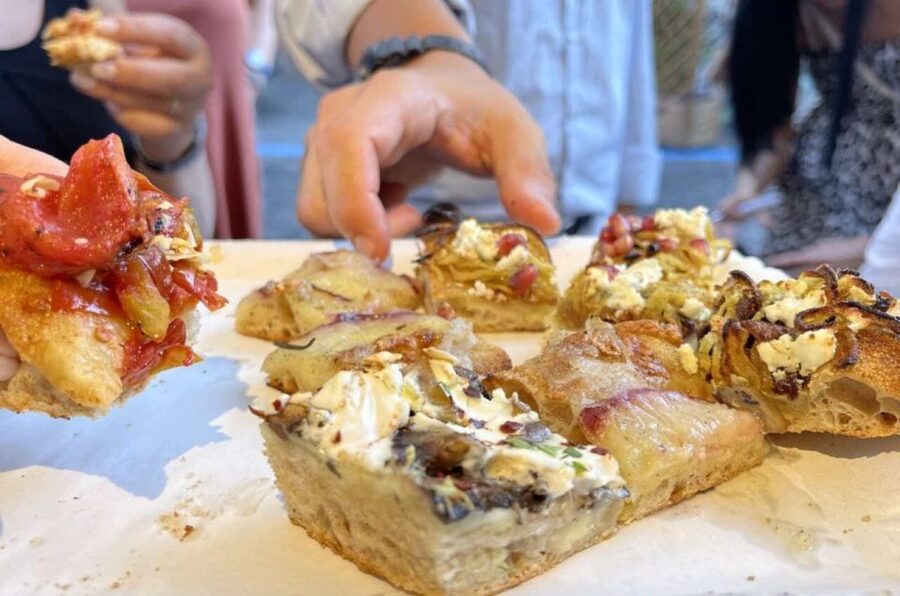
Mozzarella is part of the selection, and you can build from there. Possible ingredients include prosciutto, black olives, zucchini flowers, and other seasonal produce. The exact choices can change because the cooking schools use ingredients based on the time of year.
This seasonal approach is a good sign for a short food class. You are not being shown a fixed menu that ignores what is available in Rome. Zucchini flowers, for example, offer a delicate vegetable choice, while olives provide a salty contrast and prosciutto adds a fuller, meatier flavor.
You should not expect every topping listed above at every class. The selection varies, and that is the point. The chef works with what is freshest rather than promising one rigid combination.
Baking and eating your own pizza
After the dough and toppings are ready, your pizza goes into the oven. The supplied details do not state the oven type or the precise baking time, so I would not book this for a technical lesson on oven temperatures and professional equipment.
The clear payoff is eating the pizza you helped make, along with wine. That closing meal gives the class a pleasant sense of completion. You have made something, tasted the result, and had time to enjoy it rather than rushing straight back into Rome’s streets.
The wine pairing is also part of the value. At $93 per person, the class is not cheap if you think of it as a simple pizza meal. But the price includes instruction, welcome food and drinks, ingredients, the cooking activity, and the finished pizza. It becomes easier to justify if you want an activity rather than only lunch or dinner.
I would compare the cost with other hands-on food classes in Rome, not with the price of a pizza at a neighborhood restaurant. A restaurant meal may cost far less, but it will not show you how to make the dough or explain Roman and Neapolitan styles.
Same place, a different thing to cook:
- 3 in 1 Cooking Class near Navona: Fettuccine, Ravioli & Tiramisu
★ 5.0 · 7,376 reviews - Rome: Pasta Making Class with Wine, Limoncello, and Dessert
★ 4.9 · 3,177 reviews - Rome Cooking Class: Make Pasta and 3 Spritz Cocktails
★ 5.0 · 2,937 reviews - Rome: 3-in-1 Fettuccine, Ravioli, and Tiramisu Cooking Class
★ 4.9 · 2,704 reviews
The central location near Piazza Navona
The meeting point is Corso del Rinascimento 65. You should ring the doorbell marked InRome Cooking. The location is near Piazza Navona, placing the class in a part of central Rome that fits easily into a day of sightseeing.
The provider also operates another cooking school close to the Pantheon. Your booking details should make clear which location applies, since the supplied meeting point is Corso del Rinascimento 65.
No hotel pickup or drop-off is included. That is not much of a problem for a central Rome activity, but you need to make your own way there and allow time to find the doorway. The doorbell instruction is simple, yet easy to miss if you arrive distracted by the traffic, monuments, and crowds around central Rome.
Because the class lasts only 1.5 hours, location matters. You can place it before or after a visit to Piazza Navona, the Pantheon, or nearby streets, assuming the start time fits your day. Check the available starting times before committing to a sightseeing plan.
How the chef affects the experience
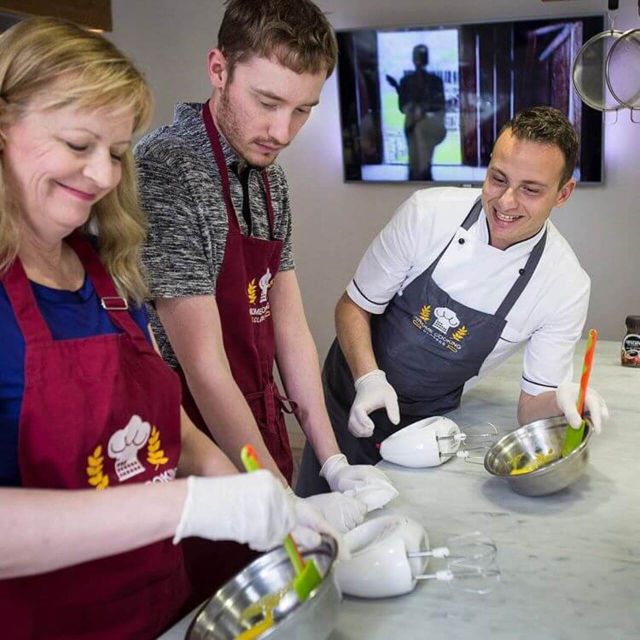
A cooking class rises or falls on the person leading it. Here, the teaching is described as friendly, easygoing, and practical. Marco receives specific praise for sharing useful pizza secrets and making the lesson enjoyable.
That kind of instruction suits people who do not want a stiff culinary lecture. You can expect the chef to guide you through the process, offer tips, and help you understand why the dough, sauce, and toppings need balance.
The class is taught in English. That removes a major barrier for English-speaking visitors, especially when the lesson involves timing and technique. Food preparation can be hard to follow through gestures alone, so clear spoken instructions matter.
You should still expect a shared setting rather than a private lesson. The experience is labeled shared, and the format is designed to be social. If you want one-on-one attention or a quiet cooking session built around your own menu, this may not be the right choice.
On the other hand, the shared format can make the hour more enjoyable for solo visitors, couples, and small groups who like meeting people over food. The exact group size is not provided, so I would not assume that the class will be intimate.
Who will get the most from this class
I think this is a strong choice for food lovers who want to do something active in Rome. You will get more from it if you enjoy kneading, shaping, tasting, and making decisions about toppings.
It also suits people who have already seen many of Rome’s major sights. A cooking class gives your day a different pace, with time spent at a work surface instead of in front of another monument.
Families may enjoy the hands-on format, but the activity is not listed as suitable for people with mobility impairments. Anyone with mobility concerns should take that warning seriously and ask for more details before booking.
Couples can treat it as a casual food date, while solo visitors may appreciate the shared setting. The English instruction makes it accessible to a wide range of visitors.
This is less suited to someone seeking a formal chef training session. The duration is short, the menu is centered on pizza, and the focus is on an enjoyable introduction rather than advanced technique.
What the $93 price means
The $93 price per person needs a fair reading. It is high for a pizza meal, but the class is not priced as a meal alone.
You are paying for:
- Welcome drinks and snacks
- An English-speaking local chef
- Dough made from scratch
- Instruction on Roman and Neapolitan pizza styles
- Fresh and seasonal toppings
- Your finished pizza
- Wine enjoyed with the meal
The value depends on how you spend your time in Rome. If your main goal is the cheapest possible lunch, skip the class and order pizza. If you want an activity that teaches you something, includes food, and takes place in central Rome, the cost is more reasonable.
I especially like that the class includes the making of the dough. A demonstration where you merely watch a chef stretch a prepared base would offer much less value. Here, you take part in the work that makes the pizza yours.
Timing, cancellation, and small practical details
The class lasts 1.5 hours, with starting times depending on availability. That length is enough for a focused activity, but not enough for a relaxed, multi-course cooking workshop.
You can cancel up to 24 hours in advance for a full refund. A reserve-now, pay-later option is also available, which helps if your Rome schedule is still changing.
No hotel transportation is included. Plan to reach Corso del Rinascimento 65 yourself and ring the InRome Cooking doorbell. Since the class is near Piazza Navona, it is practical to connect it with central sightseeing, but you should not assume the meeting point is the Pantheon location.
The activity is conducted in English. Ingredients change with the season, so the pizza you make in spring may not be identical to one prepared later in the year.
Is the Rome pizza class worth booking?
I would book this class if you want a lively, practical food experience and do not mind paying more than the price of a normal pizza. The best parts are the dough made from scratch, the Roman pizza lesson, the seasonal toppings, and the chance to sit down with wine and eat what you made.
I would skip it if you want a long technical course, a private chef, or a bargain meal. The 1.5-hour schedule keeps the class convenient, but it limits how much detail the chef can cover.
For most food-focused visitors, this is a good use of a short Rome afternoon or evening. Chef Marco’s friendly approach, the aperitivo opening, and the simple pleasure of eating your own thin, crisp Roman pizza give the activity a clear sense of place.
FAQ
How long does the Rome gourmet pizza class last?
The class lasts 1.5 hours.
How much does the pizza cooking class cost?
The listed price is $93 per person.
Where does the class meet?
The meeting point is Corso del Rinascimento 65. Ring the doorbell marked InRome Cooking.
Is the class taught in English?
Yes. The instructor language is English.
What is included in the experience?
The class includes welcome drinks and snacks, guidance from local professional chefs, dough made from scratch, and fresh seasonal toppings.
Is hotel pickup or drop-off included?
No. Hotel pickup and drop-off are not included.
Can I cancel for a refund?
Yes. You can cancel up to 24 hours in advance for a full refund.
Just added around Rome
- Testaccio: Home Cooking Cacio e Pepe, Amatriciana, Carbonara★ 4.9 · 57 reviews
- Super Fun Pasta and Gelato Cooking Class by the Vatican★ 5.0 · 6 reviews
- Spritz and Spaghetti Traditional Cooking Class in Rome★ 4.9 · 30 reviews
- ROME:Hands-On Lasagna & Marsala Tiramisu Cooking Experience”★ 5.0 · 3 reviews
- Rome: Trastevere Pasta Making Class★ 4.9 · 33 reviews
- Rome: Traditional Pasta and Tiramisu Cooking Class★ 5.0 · 4 reviews
- Rome: Vatican Food Tours, Cooking classes & Free Tours★ 4.9 · 11 reviews
- Rome: Small Group Pasta cooking class near Piazza Navona★ 4.9 · 8 reviews
Pizza Making Classes, compared.
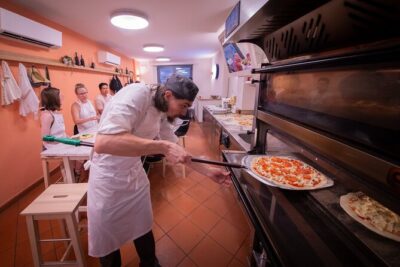
Florence Cooking Class The Art of Making Gelato & Authentic Pizza
Read our review →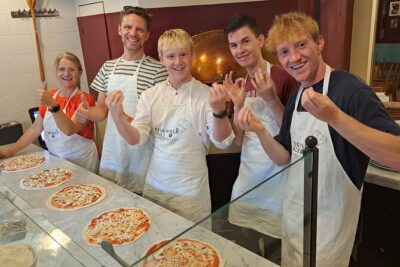
Cooking Class in the Heart of Rome: Pizza and Tiramisu Making
Read our review →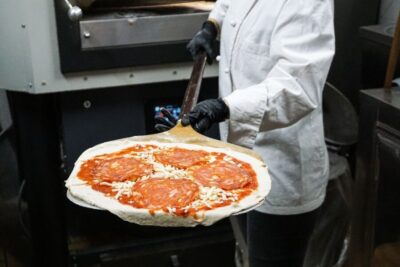
Traditional Pizza Cooking Class near Piazza Navona
Read our review →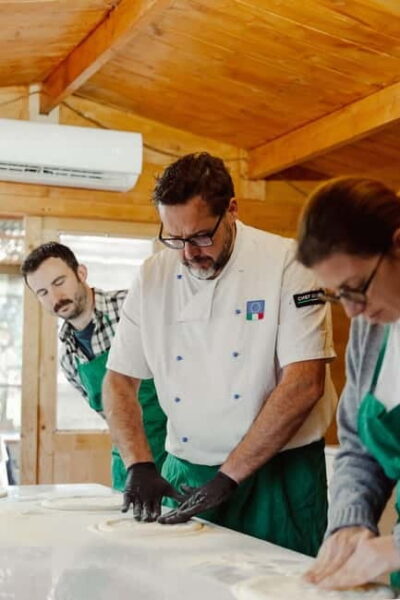
Combo Pizza and Pasta Cooking Class with Wine
Read our review →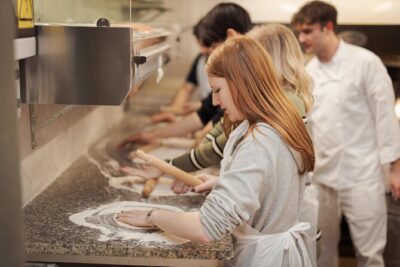
Pizza Cooking Class in Rome – Near Piazza Navona
Read our review →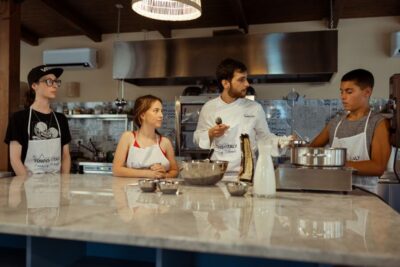
Pizza and Gelato Cooking Class with Dinner and Wine
Read our review →
Rome Cooking Class: Make Pizza and Pasta with Wine & Dessert
Read our review →
Milan Cooking Class: Authentic Pizza & Gelato Making
Read our review →Lists this class appears in