
REVIEW · LAZIO, ITALY
Exclusive cooking class in Roman countryside with local chef
Slow food starts just outside Rome. This 3.5-hour cooking class takes you to Zagarolo, where Claudia and Bruno welcome you into their home for a traditional Italian Sunday lunch. I like the hands-on pasta making and the chance to eat food prepared with local eggs, flour, herbs, and seasonal ingredients. I also like the small group limit of eight, which gives the class a personal feel. The main drawback is the meeting point: you need to arrange the train from Rome carefully, and the first pickup instructions may feel a little unclear.
You will make several courses, not just a quick plate of pasta. Depending on the season, that can include vegetable fritters, bruschette, handmade lasagne, ravioli or fettuccine, a meat course or vegetarian dish, and dessert. I especially like that the meal is treated as an Italian Sunday ritual rather than a basic cooking demonstration. Still, the class works best for people who enjoy a relaxed country outing and do not mind giving much of the day to a meal.
Key points at a glance
- Zagarolo gives you a countryside break: The class takes place in the Roman countryside, in a town set between two valleys and away from the city center.
- Claudia teaches a full Italian Sunday lunch: You help prepare several courses, including fresh pasta and dessert.
- Season changes the menu: Summer may bring sorbets and ice cream, while winter can mean sfogliatelle and stuffed pasta.
- Bruno handles the station transfer: He meets you at Zagarolo Station, drives you to the house, and returns you to the station afterward.
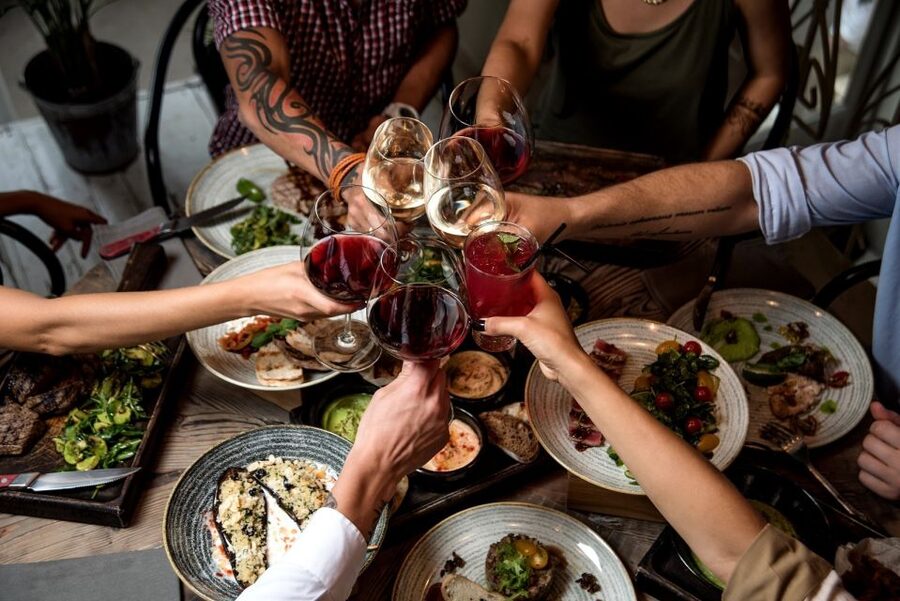
- Homemade wine and a garden meal complete the visit: After cooking, you eat together in the living room or outside under the pergola.
- The group stays small: With no more than eight participants, you should have a better chance to work directly with the chef.
Leaving Rome for Zagarolo
The journey begins at Rome Termini Station. For the morning option, the listed train is number 12703 at 9:14, with arrival at Zagarolo after about 25 minutes. Bruno waits in the station square in a gray car and drives you to Claudia’s home.
This transfer is an important part of the plan. You are not expected to find the house on your own, and the drive turns the class into a simple countryside outing rather than a complicated independent trip. At the end, the hosts take you back to Zagarolo Station.
I would buy your return train ticket before leaving Rome. The suggested return is train number 12610 at 14:05, but schedules can vary, especially on weekends and holidays. Check the current Trenitalia timetable and the activity’s available start time before booking. The instructions say you do not need to validate these tickets at the station.
The meeting point deserves care. One person initially found the instructions confusing, particularly before reaching the market and the house. That problem appears to have faded once the pickup happened, but I would save the station name, train number, pickup description, and host contact details before departure. A few minutes of preparation here can prevent a nervous start.
More Farm Cooking Classes in Italy
- Cooking Class in Rome’s Countryside
★ 5.0 · 271 reviews - Mazzano Romano: Cooking Lesson and Lunch in the Countryside
★ 5.0 · 15 reviews - Cooking Class and Lunch at a Tuscan Farmhouse with Local Market Tour from Florence
★ 5.0 · 4,831 reviews
A home kitchen instead of a restaurant classroom
The heart of the experience is Claudia’s home in Zagarolo. This setting changes the tone completely. You are not sitting at a long counter in a commercial cooking school, watching an instructor perform a polished routine. You put on an apron, work through the recipes, and later eat the meal in the same home.
Claudia’s cooking has received attention from major newspapers, including The Guardian and The Wall Street Journal. That detail may interest food-focused visitors, but the more useful point is how her class is structured. She teaches recipes connected to Italian home cooking and local seasons, rather than offering a single fixed menu all year.
Her garden also adds something special. You may walk through it and learn about the herbs by seeing and smelling them before using them in the meal. That small step helps explain why the food feels tied to the place. You are not just adding generic seasoning from a jar. You are seeing the ingredients in their everyday setting.
Bruno adds a warm social touch. One particularly memorable part of the experience can be his music. He has been known to sing and play a keyboard while the meal is being prepared. That may not be the reason you book a cooking class, but it helps explain why the visit can feel more like an afternoon with an Italian family than a formal lesson.
Making the Italian Sunday lunch
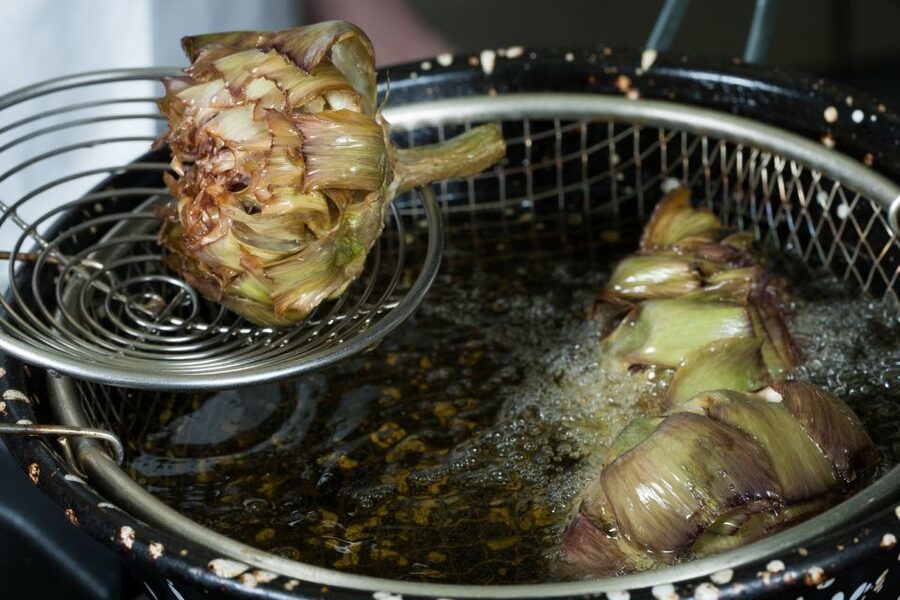
Italian Sunday lunch is more than a meal. It is a long family occasion, and this class gives you a small part of that tradition. The menu can begin with vegetable fritters or savory strudel, followed by bruschette topped with vegetables and cheese.
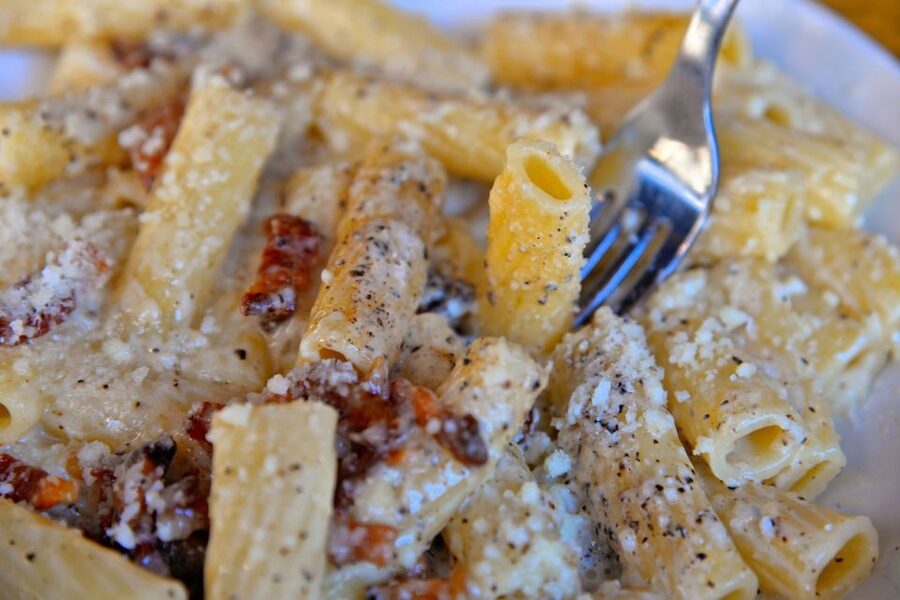
The pasta course is the main hands-on lesson. Flour comes from a local mill, and the eggs are supplied by a farmer. You may prepare lasagne, ravioli, or fettuccine, then make the sauce to go with it. The exact dish depends on the season and the day’s plan, so you should not book expecting one fixed recipe every time.
That variety is a strength for repeat visitors and anyone interested in real home cooking. It also means the experience is less predictable than a class promising one specific pasta shape. If you have your heart set on ravioli, ask ahead rather than assuming it will be on the table.
A typical second course may be rolls or saltimbocca. Vegetarians can receive a special dish, but you should tell the host about dietary needs in advance. The same advice applies to allergies and other restrictions. The hosts state that they can accommodate dietary requirements when notified ahead of time, but the class is built around several courses, so early notice matters.
Dessert finishes the meal. Depending on the plan, you may make a parfait or tart with the other participants. You leave with recipes, which is a useful touch. The class does not end when the plate is cleared. You can try the dishes again at home and recreate at least part of the afternoon for friends.
Seasonal cooking gives the class variety
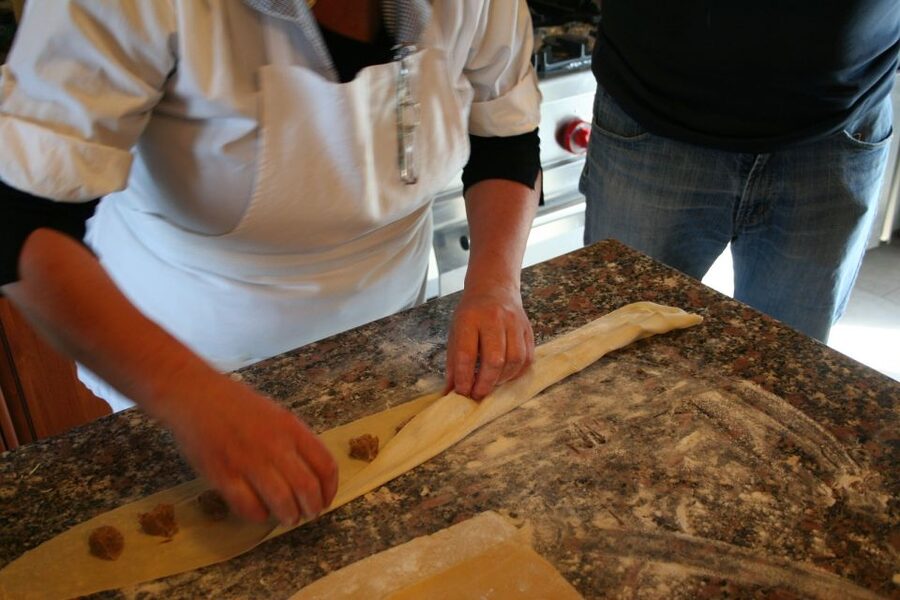
One of the strongest features here is the seasonal menu. In summer, the class may include sorbets and ice cream. In winter, you might prepare sfogliatelle or stuffed pasta.
This matters because Italian cooking is closely tied to what is available at a particular time of year. A seasonal class gives you a more honest picture than a menu that serves the same dishes in every month. It also keeps the experience from feeling like a repeated performance.
The tradeoff is that you cannot fully predict the menu from the booking page. If you have food preferences, tell Claudia in advance and ask what is likely to be prepared during your visit. You can still expect a multi-course meal, but the exact dishes may change.
More Farm Cooking Classes in Rome:
- Half-Day Thai Cooking Class at Organic Farm in Chiang Mai
★ 5.0 · 19,087 reviews - Chiang Mai: Authentic Cooking Class with Market & Farm Visit
★ 4.9 · 4,546 reviews - Ubud: Balinese Cooking Class at an Organic Farm
★ 5.0 · 1,786 reviews - From Ubud: Authentic Cooking Class in a Local Village
★ 4.9 · 1,325 reviews
Eating under the pergola with homemade wine
After the practical lesson, you sit down to eat what you made. The setting may be the romantic living room or the garden, including a meal outside under the pergola when conditions allow. You also receive homemade wine, bottled water, and other alcoholic beverages as part of the experience.
This shared meal is where the cooking class earns its price. Many cooking activities give you a small sample of one recipe and send you away. Here, you prepare several courses and then receive lunch or dinner as part of a wider social visit.
The wine is homemade, so do not expect a formal tasting with a long explanation of vintages. Think of it as a generous part of a family-style meal. If you do not drink alcohol, the class also includes bottled water, and you can focus on the food and conversation.
The garden view and music can make the meal feel leisurely. That is a pleasure, but it is also why the schedule should not be treated as a tight city tour. The listed duration is 3.5 hours, yet you will want enough breathing room for the train, pickup, cooking, eating, and return transfer.
What $112.15 buys you
At $112.15 per person, this is not the cheapest way to eat near Rome. You could find a less expensive lunch in the city. But the price includes more than a restaurant meal: station transfers, a hands-on class, a multi-course lunch or dinner, wine and other alcoholic beverages, bottled water, and recipes to take home.
I see the value in the combination of food and access. You are paying for time in a private home, direct instruction, several dishes, and transport between the station and the house. The group size, limited to eight, also helps keep the class from turning into a crowded demonstration.
The value is strongest if you care about cooking and local contact. It is weaker if you only want a short tasting or a simple meal. You should also consider the cost of getting to Zagarolo from Rome, since the listed price does not state that your train ticket is included.
The overall rating is 4.2 out of 5 from 23 ratings. That suggests a very good experience with a few practical issues rather than a flawless one. The praise focuses on the warmth of Claudia and Bruno, the food, the family atmosphere, and the personal teaching. The main caution is not about the meal itself. It is about meeting instructions and transport planning.
Who will enjoy this most
I would recommend this class to couples, families, and small groups who want more than a standard Rome food tour. It also suits anyone who likes learning by doing. You should be willing to roll up your sleeves, prepare several dishes, and share a long meal with people you may have just met.
It is a good choice if you have already seen Rome’s major sights and want a change of pace. Zagarolo offers a quieter setting, and the short train trip makes the countryside reachable without arranging a full private day tour.
Food-focused visitors will get the most from the seasonal recipes, local flour, farmer’s eggs, garden herbs, and homemade wine. The class also works well for people who want recipes they can use at home rather than a one-time food memory.
I would be more cautious if your schedule is packed or if you dislike uncertain menus. The train and pickup require attention, and the cooking class is not designed as a quick stop between major attractions. Participants with dietary restrictions should contact the host early and explain exactly what they need.
Practical tips for a smoother visit
- Buy your Rome to Zagarolo return tickets in advance through Trenitalia.
- Check the current train times for weekends and holidays rather than relying only on the listed morning schedule.
- Save the pickup instructions: Bruno waits in the square at Zagarolo Station in a gray car.
- Arrive ready to cook. The class includes an apron and practical kitchen work.
- Tell Claudia about dietary restrictions before the visit.
- Ask about the likely seasonal menu if a particular dish matters to you.
- Leave extra time around the stated 3.5-hour duration for the train and transfer.
- Bring the recipes home and use them soon, while the techniques are still fresh.
Free cancellation is available up to 24 hours before the activity for a full refund, and you can reserve now and pay later. Those terms help if your Rome plans are still changing, but they do not remove the need to check the train schedule before committing to a morning departure.
Should you book this Roman countryside cooking class?
Book it if you want a personal, food-centered outing with real cooking, a multi-course Sunday lunch, homemade wine, and time in a local home. The strongest reasons are Claudia’s seasonal recipes, Bruno’s warm hosting, the small group, and the chance to eat outdoors in the garden when conditions allow.
Skip it if you want a tightly scheduled activity in central Rome, a guaranteed menu, or a short tasting with no transport planning. For everyone else, the $112.15 price is fair for the amount of food, instruction, and hosting included. Plan the train carefully, notify the hosts about dietary needs, and you should get a memorable taste of Roman countryside life.
FAQ
Where does the cooking class take place?
The class takes place in Zagarolo, in the Roman countryside between two valleys. Bruno meets you at Zagarolo Station and drives you to Claudia’s home.
How do I reach Zagarolo from Rome?
For the morning option, take train number 12703 from Rome Termini at 9:14. The journey takes about 25 minutes, after which you get off at Zagarolo Station.
Is transportation from Zagarolo Station included?
Yes. Transfer from Zagarolo Station to the chef’s home is included, and the hostess brings you back to the station at the end.
What food will I prepare?
The menu can include vegetable fritters or savory strudel, bruschette, handmade lasagne, ravioli or fettuccine, a second course such as rolls or saltimbocca, and dessert. Seasonal options may include sorbets, ice cream, sfogliatelle, or stuffed pasta.
Can dietary restrictions be accommodated?
Yes, dietary restrictions can be accommodated when you notify the host in advance.
How large is the cooking class?
The class is limited to eight participants. The host or greeter speaks English and Italian.
Just added around Rome
- Testaccio: Home Cooking Cacio e Pepe, Amatriciana, Carbonara★ 4.9 · 57 reviews
- Super Fun Pasta and Gelato Cooking Class by the Vatican★ 5.0 · 6 reviews
- Spritz and Spaghetti Traditional Cooking Class in Rome★ 4.9 · 30 reviews
- ROME:Hands-On Lasagna & Marsala Tiramisu Cooking Experience”★ 5.0 · 3 reviews
- Rome: Trastevere Pasta Making Class★ 4.9 · 33 reviews
- Rome: Traditional Pasta and Tiramisu Cooking Class★ 5.0 · 4 reviews
- Rome: Vatican Food Tours, Cooking classes & Free Tours★ 4.9 · 11 reviews
- Rome: Small Group Pasta cooking class near Piazza Navona★ 4.9 · 8 reviews
Farm & Countryside Cooking Classes, compared.

Half-Day Thai Cooking Class at Organic Farm in Chiang Mai
Read our review →
Cooking Class and Lunch at a Tuscan Farmhouse with Local Market Tour from Florence
Read our review →
Authentic Cooking Class with Market & Farm Visit
Read our review →
Hands-On Cooking Class & Farmhouse Tour on the Amalfi Coast
Read our review →Lists this class appears in