
REVIEW · NORTE REGION, PORTUGAL
Porto: Cooking Class with Local Market Visit
Shop first, cook second, eat best. This Porto cooking class turns a meal into a hands-on lesson in Portuguese food, starting with local shops or an organic garden before you prepare a full menu at the host’s home. I especially like the market visit, where you help choose fresh ingredients, and the small group limit of eight, which gives you more time at the stove. The main consideration is that you must make your own way to the meeting point, and the experience is not suitable for wheelchair users.
I also like that nothing is frozen or pre-prepared. Nuno Miguel Ferreira Silva leads the class in Portuguese or English, explaining the food’s background as you cook. He can adapt the meal for most diets, but you need to share allergies or dietary restrictions before arrival. At $106 per person for 3.5 hours, this is not a cheap meal, but it offers shopping, instruction, dinner, wine, and cultural context in one sitting.
Key Details Before You Book
- Nuno’s local shopping route: You may visit small grocery shops, a bakery, a street butcher, or an organic garden to select the ingredients together.
- A complete meal from scratch: You help prepare appetizers, a main course, and dessert rather than watching a cooking demonstration.
- Pastel de nata practice: The famous Portuguese custard tart can be part of the dessert lesson, giving you a recipe to try at home.
- Portuguese food beyond cod: The class explains influences from Asia, Africa, South America, and Jewish food traditions such as alheira.
- Wine, port, and olive oil: Tastings add useful food lessons before you sit down to eat the meal you made.
- Small and personal: With no more than eight participants, you get a better chance to ask questions and work directly with the host.
Meeting Nuno and Starting With Real Ingredients
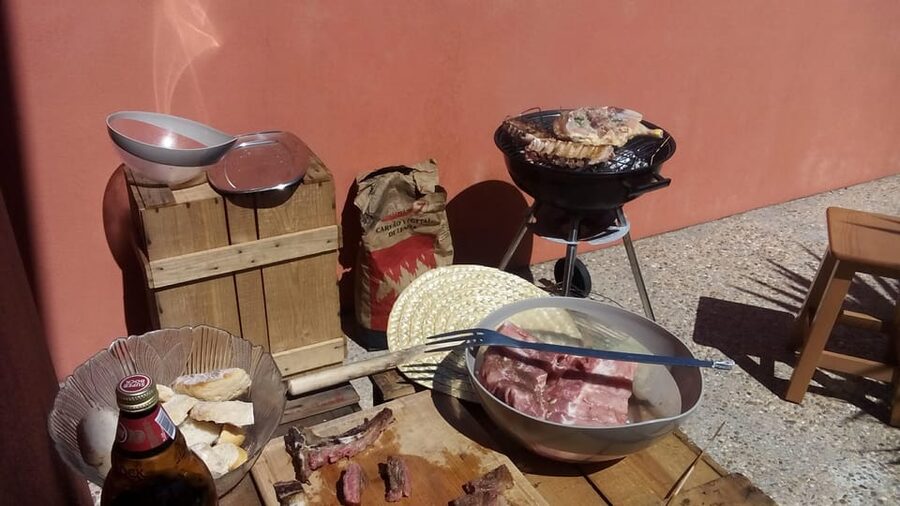
The experience begins at Nuno’s home, not at a formal cooking school. From there, you go together to local food shops, a bakery, a street butcher, or possibly his organic garden. The exact stop depends on the day and the ingredients needed for the menu.
That opening walk is one of the strongest parts of the class. In a restaurant, a dish arrives finished and its ingredients seem disconnected from daily life. Here, you see the buying process first. You can ask why one fish, olive oil, or cut of meat is chosen, and you get a closer look at the kinds of places local residents use.
Nuno also uses the shopping time to explain Portuguese food and culture. He has been praised for bringing in subjects beyond recipes, including architecture, Portuguese tiles, and the country’s past. That makes the experience feel less like a cooking lesson squeezed into a holiday and more like a relaxed afternoon with a local host.
The shops are small local businesses rather than a grand food hall. That is good news if you want ordinary Porto life, but it also means the experience may feel less polished than a purpose-built culinary studio. You should expect a practical outing, not a staged market show.
More Cooking Classes with a Market Tour in Portugal
- Porto Local Market Visit & Cooking Class / Showcooking
★ 5.0 · 206 reviews - Lisbon Market and Food Tour with Cooking Class and Lunch
★ 5.0 · 117 reviews - Private Lisbon Market Tour & Portuguese Cooking Class with Paula
★ 5.0 · 89 reviews
Why the Shopping Stop Matters
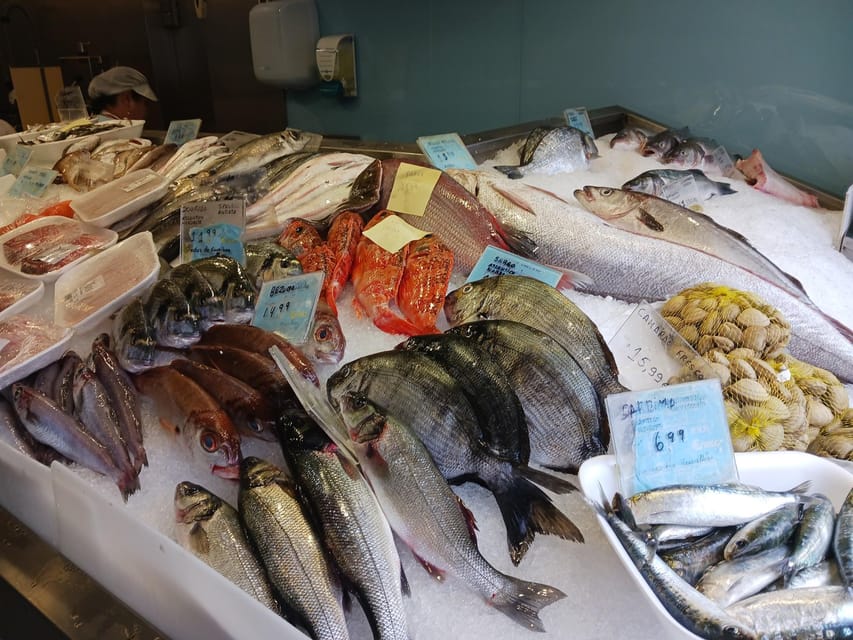
The market portion gives you a useful lesson in freshness and regional habits. Nuno cares about the ingredients that go into the meal, and that attention carries through the rest of the class. You may taste olive oil, learn about Portuguese sardines, and discuss how products are selected before cooking begins.
One particularly useful detail is the focus on the best sardines. Portugal has a strong connection to sardines, and a good explanation of how they are bought and served adds more value than simply seeing them on a menu. You get to connect the product in the shop with the finished dish on your plate.
You might also visit an organic garden. The activity does not promise that every group will do so, since the route can include shops, a bakery, a butcher, or the garden. Still, the possibility adds variety and reinforces the class’s main idea: Portuguese cooking starts with ingredients, not shortcuts.
The main practical issue is walking and moving between the meeting point and food stops. Transportation to and from the meeting point is not included, so allow enough time to reach Nuno’s home independently. The exact starting time varies, and you need to check availability for the date you want.
Cooking a Full Portuguese Menu
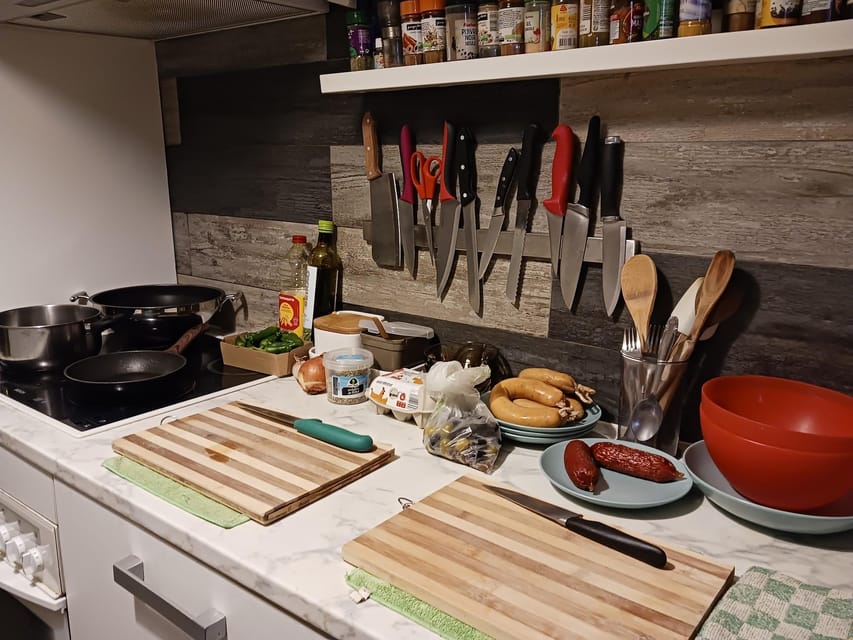
Back at the house, you help prepare a complete meal from scratch. This is not a demonstration where you sit and watch a professional do everything. The class is hands-on, with guidance as you prepare appetizers, a main course, and dessert.
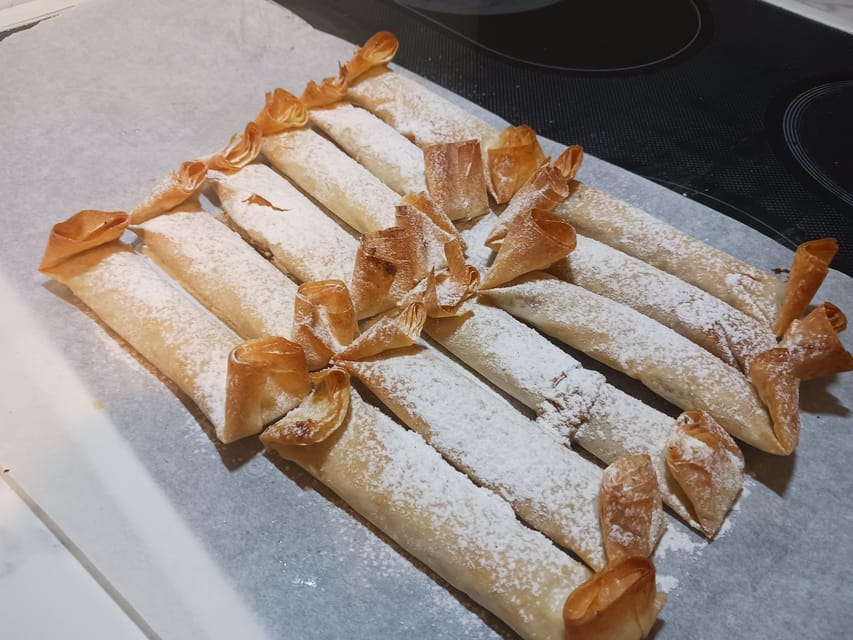
The menu can include fish, and one class featured a fish entrée along with appetizers and pastel de nata. The specific dishes are not fixed in the information provided, so you should not expect one guaranteed menu on every date. That flexibility is part of the appeal, since the food can follow the ingredients available that day.
I like the way this format connects cooking technique with food traditions. As you prepare each dish, Nuno explains where the ingredients and methods fit into Portuguese culture. Portuguese cuisine reflects contact with Asia during the time of the discoveries, as well as connections with former territories in Africa and South America.
The class also points to less familiar traditions. Alheira, for example, reflects Jewish food history in Portugal and gives you a reminder that Portuguese cooking is not just cod, grilled sardines, and custard tarts. You get a wider view of the country’s table without turning the lesson into a lecture.
Because everything is prepared during the session, the 3.5-hour length matters. You have time to shop, cook, talk, and eat, but the schedule is still compact enough to fit into a Porto sightseeing day. You should avoid booking it directly before another fixed activity, since cooking and conversation can take the full time.
Learning From Wine, Port, and Olive Oil
Food explanations continue at the table. Wine is included as a pairing, and the experience can also include tastings of port and olive oil. These additions are useful because they show how Portuguese meals are built, not just how individual dishes are cooked.
The wine component is not a separate winery visit. It is part of the meal and food lesson at Nuno’s home. You can compare the drink with the dishes you have prepared and ask questions in a more relaxed setting.
The olive oil lesson is another nice touch. Olive oil often appears on Portuguese tables without much explanation, but tasting it directly helps you notice differences in flavor and quality. Nuno also has a strong interest in ingredients, so the tasting fits naturally with the shopping and cooking.
Alcohol is part of the experience, but alcohol and drugs are not allowed outside the intended wine and tasting service. If you do not drink, you may want to ask ahead about alternatives, since the activity specifically includes wine pairing.
Same place, a different thing to cook:
- Lisbon: Pastel de Nata Baking Class
★ 4.9 · 2,106 reviews - Porto: Pastel de Nata Cooking Class with Grandma’s Recipe
★ 5.0 · 1,565 reviews - Porto: Pastel de Nata Cooking Class with Port Wine – Sé
★ 4.8 · 888 reviews - Lisbon: Traditional Portuguese Cooking Class
★ 4.9 · 592 reviews
Sitting Down to Eat What You Made
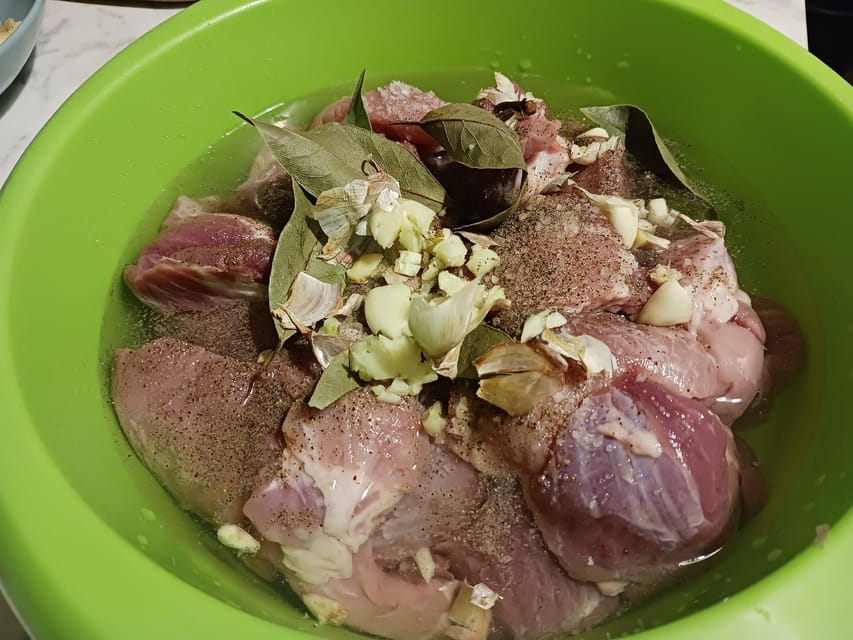
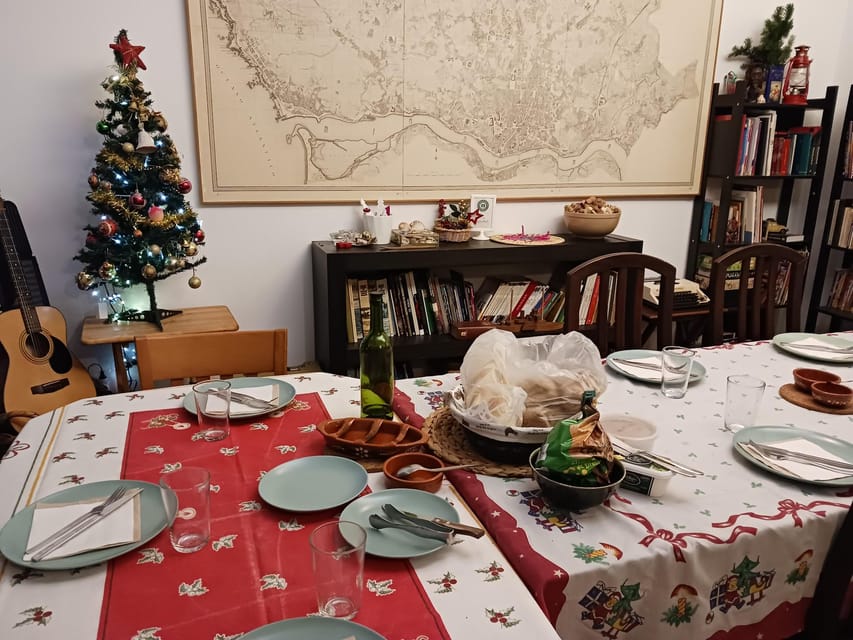
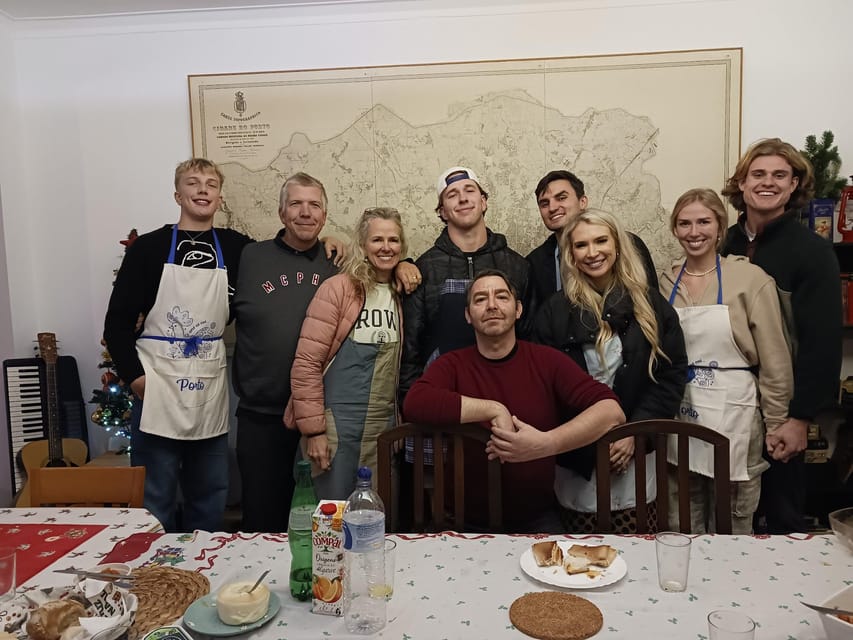
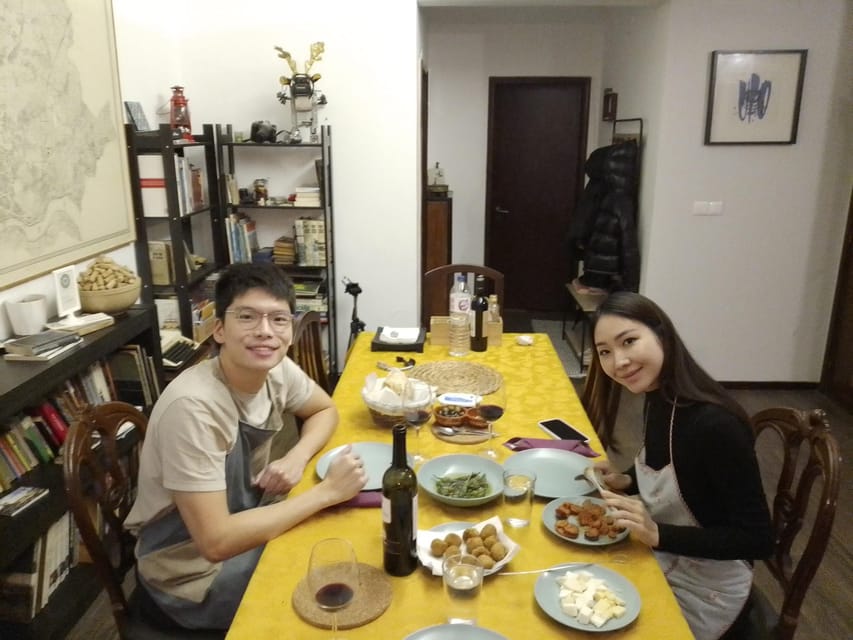
The final meal is served around Nuno’s table, with the food you prepared together. That gives the class a satisfying finish: you do not simply leave with a recipe card, you eat the result while the cooking steps are still fresh in your mind.
This shared meal is also where the small group size pays off. With a maximum of eight participants, conversation can stay manageable, and you have a better chance to ask Nuno about ingredients, recipes, and Portugal. The setting is more personal than a large group workshop.
The menu may be particularly rewarding for anyone who wants to recreate Portuguese dishes at home. Several parts of the class are designed to be practical, and the recipes are taught in a way that can help you repeat them later. Pastel de nata is a good example: making it yourself gives you a stronger sense of the process than simply buying one from a bakery.
Still, you should be realistic about the format. This is a social meal as well as an instructional class. If you want a fast, highly technical cooking course with professional kitchen equipment and advanced methods, this may feel too casual. If you want food, conversation, and a local setting, the relaxed approach is a benefit.
Dietary Needs and Physical Access
Adaptations are possible for most diets, but you must notify Nuno about allergies or restrictions in advance. This is especially important because the class involves shopping for ingredients and preparing the food from the beginning. Last-minute changes may be harder when the group has already chosen the menu.
The experience does not use frozen products or pre-prepared ingredients. That is a strength for anyone interested in traditional cooking, but it also means the class depends on what is available and suitable for the group’s needs.
The class is not suitable for wheelchair users. The activity includes moving between the home and local food shops or other stops, and no wheelchair-accessible format is promised. Anyone with limited mobility should ask for more details before booking rather than assume the route will work.
Pets are not allowed. The class is conducted in Portuguese and English, so you should be comfortable following cooking instructions in one of those languages.
Is $106 a Good Value?
At $106 per person, this experience costs more than simply eating a Portuguese meal in Porto. That comparison, however, misses what you are paying for. The price covers a local shopping trip, a 3.5-hour cooking class, all meal preparation, the finished meal, and wine pairing.
You are also paying for Nuno’s time and personal guidance. The class includes explanations of food, wine, olive oil, culture, architecture, and Portuguese history. If you value direct contact with a local host, the price is easier to justify.
The value is strongest for people who would otherwise book a food tour and a meal separately. You get some market access, cooking instruction, and dinner in one experience. It is also a good choice if you want a souvenir you can use, such as recipes and cooking methods rather than another photograph.
The value is weaker if you mainly want to eat and do not enjoy cooking. You will be expected to take part, handle ingredients, and spend several hours with the process. This is not a shortcut to dinner. It is dinner with work attached, though the work is part of the fun.
Who Will Enjoy This Class Most?
I would recommend this experience to food-focused visitors who want a personal introduction to Portuguese cuisine. It suits couples, solo participants, and small groups who enjoy asking questions and sharing a table with other people.
It is also a good pick for repeat visitors to Porto. If you have already seen the main sights, a local shopping route and home-cooked meal can show you a less familiar side of the city.
Families may appreciate the hands-on format, though the provided details do not specify a minimum age. Ask before booking if children are part of your group. Anyone with serious allergies should contact Nuno ahead of time and explain exactly what must be avoided.
You should skip it if you need wheelchair access, dislike wine-centered meals, or prefer a short restaurant stop. You should also avoid scheduling it when you need to be somewhere else at a precise time.
Should You Book This Porto Cooking Class?
Book it if you want more than a plate of Portuguese food. The strongest reasons are the local shopping, the from-scratch cooking, the small group, and Nuno’s wide range of explanations. The class can introduce you to food traditions, wine, port, olive oil, and everyday local shops in one afternoon.
I would especially choose it for a first visit to Porto when you want a friendly cultural experience that does not feel like a standard sightseeing stop. Go prepared to participate, share the table, and spend the full 3.5 hours. If that sounds like your kind of afternoon, the $106 price is reasonable for the amount of food, instruction, and local contact included.
FAQ
Where does the cooking class meet?
You meet at the host Nuno Miguel Ferreira Silva’s home. Transportation to and from the meeting point is not included.
How long does the experience last?
The cooking class and related activities last 3.5 hours. Starting times vary, so you need to check availability for your chosen date.
What languages does Nuno speak?
The experience is offered in Portuguese and English.
How many people can join the class?
It is a small-group activity limited to eight participants.
Do I visit a local market?
You go with Nuno to local grocery shops, a bakery, a street butcher, or possibly his organic garden to collect fresh ingredients. The exact stop can vary.
Is the food made from scratch?
Yes. The class uses no frozen products and no pre-prepared ingredients. You help prepare the meal from the beginning.
Can dietary restrictions be accommodated?
Adaptations are possible for most diets. You must tell Nuno about dietary restrictions or allergies in advance.
Is wine included?
Yes. Wine pairing is included with the meal. The experience may also include tastings of port and olive oil.
Is the class wheelchair accessible?
No. The experience is not suitable for wheelchair users.
Can I cancel for a full refund?
You can cancel up to 24 hours in advance for a full refund. You can also reserve now and pay later.
Just added around Portugal
- Cooking Workshop in Cascais (group of 4 min)★ 5.0 · 13 reviews
- Cooking Class★ 5.0 · 17 reviews
- Terceira Island: Azores Cooking Class Experience★ 5.0 · 14 reviews
- Porto: Portuguese Cooking Class on the Terrace★ 5.0 · 2 reviews
- Porto: Local Market Tour & Cooking Class/Showcooking★ 4.9 · 32 reviews
- Porto: Coastal Villages Market & Seafood Cooking Tour★ 5.0 · 2 reviews
- Lagos: Market Tour and Cataplana Cooking Class★ 5.0 · 9 reviews
- Lisbon: Traditional Portuguese Cooking Class★ 5.0 · 41 reviews
Cooking Classes with a Market Tour, compared.

Hanoi Cooking Class: Culture, Local Market & Meaning CSR Impact
Read our review →
5 Traditional Dishes Hanoi Cooking Class with Market Trip
Read our review →
Cooking Class and Lunch at a Tuscan Farmhouse with Local Market Tour from Florence
Read our review →
Cooking Class, Market & Thai Herbs Garden Tour
Read our review →
Authentic Cooking Class with Market & Farm Visit
Read our review →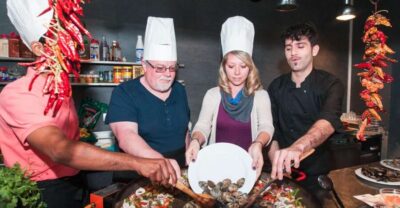
Paella Cooking Experience & Boqueria Market Tour
Read our review →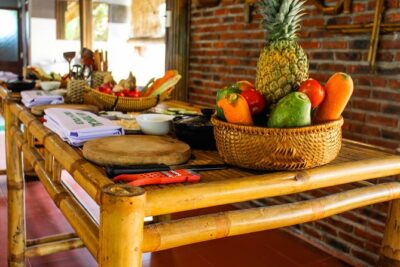
Cooking Class Hoi An:Local Market, Basket Boat, Fishing & Cooking
Read our review →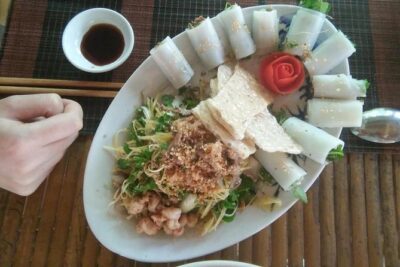
Hoi An Cooking Class(Market,BasketBoat Crabfishing&Cooking Class)
Read our review →Lists this class appears in