REVIEW · BALI, INDONESIA
Bali: Cooking Class with Monkey Forest and Art Village Tour
Come hungry and leave with a better feel for Bali. This eight-hour experience combines a traditional market visit, a hands-on cooking class, a Balinese home, Ubud’s Monkey Forest, and an art village in one full day. I like the way the cooking is tied to local life rather than treated as a stand-alone kitchen lesson, and I like that your meal includes five dishes and one dessert, plus recipes to take home.
The tour also offers hotel pickup in many of Bali’s main resort areas, a private air-conditioned car, bottled water, and an English-speaking driver. The main caution is the amount of ground covered. Market shopping, cooking, monkeys, rice terraces, and artisan workshops make for a busy day, and traffic can add to the time in the car.
- Market-to-kitchen format: You choose fresh meat, fish, poultry, spices, and tropical fruit before cooking with them.
- Open-air Balinese cooking: Learn sauces, spice pastes, side dishes, main courses, and dessert in a garden setting.
- A full Ubud outing: The day includes a guided visit to Sacred Monkey Forest Sanctuary.
- Local craft traditions: See batik, wood carving, and gold and silver work in the Celuk area.
- Useful take-home material: You receive a free recipe booklet and a PDF recipe collection.
- Flexible hotel pickup: Pickup is offered from Ubud, Kuta, Seminyak, Canggu, Legian, Jimbaran, Nusa Dua, Sanur, and Tabanan Regency.
A Morning Market Before the Cooking Begins
The day starts with pickup at your hotel. The available pickup areas cover much of southern Bali, along with Ubud and Tabanan Regency. Your English-speaking driver meets you in the hotel lobby, then takes you by private air-conditioned car to the cooking class area.
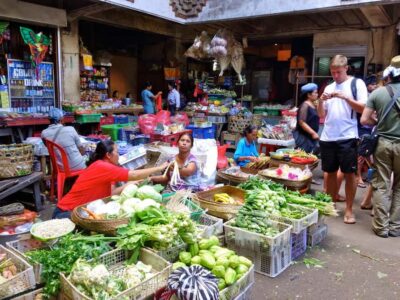
The first real stop is a traditional morning market. This is an important part of the experience because you do not simply arrive at a prepared kitchen and follow instructions from a printed menu. You first see the kinds of ingredients that shape Balinese cooking.
You may choose from meat, fish, poultry, spices, and tropical fruit. The exact ingredients depend on the day’s supply and the class menu, but the point is clear: Balinese food begins with fresh produce and fragrant seasoning pastes, not with a jar from a supermarket shelf.
I like this opening because it gives you a practical way to understand local food. You can look at the raw ingredients before tasting the finished dishes. It also gives the cooking class a stronger sense of place.
The market can be a lively and sensory stop, but you should expect an active public market rather than a polished food hall. If you prefer a slow morning, the full schedule may feel brisk. Bring your camera if you enjoy photographing produce, spices, and local daily life, but be respectful when taking pictures of people.
Cooking in an Open-Air Balinese Kitchen
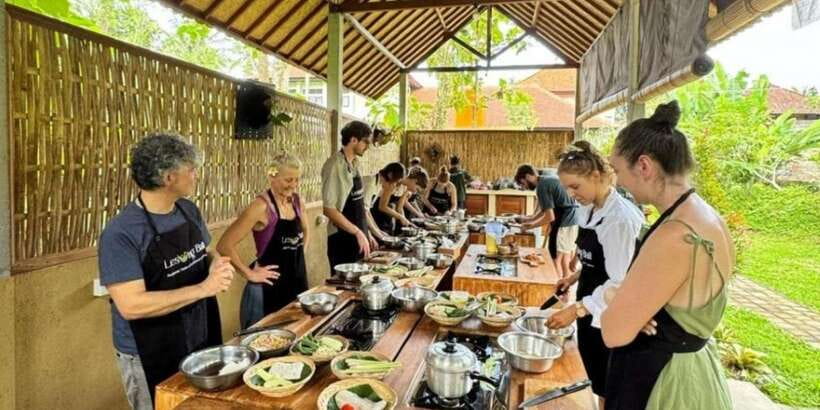
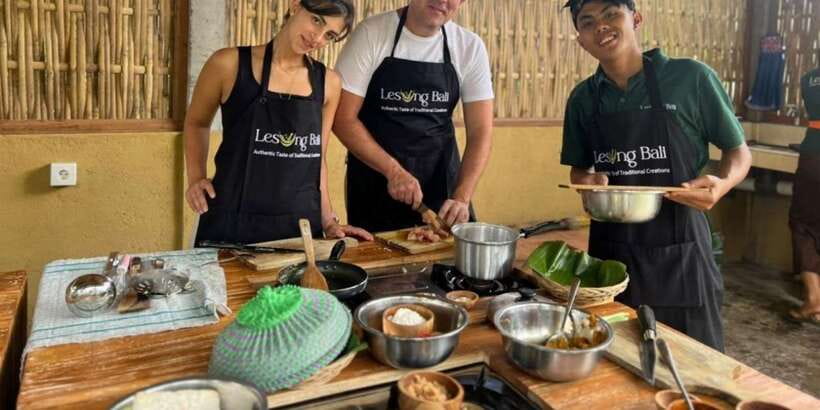
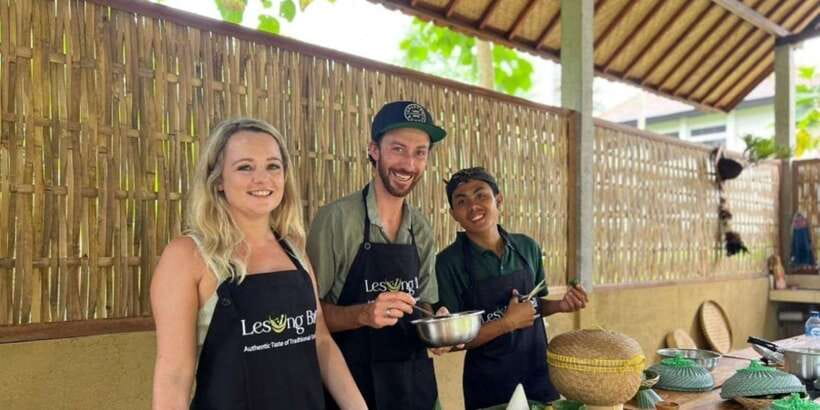
After the market, you head to Lesung Bali Cooking Class. The cooking portion is described as lasting about three to three and a half hours, giving you enough time to work through several recipes instead of rushing through one demonstration.
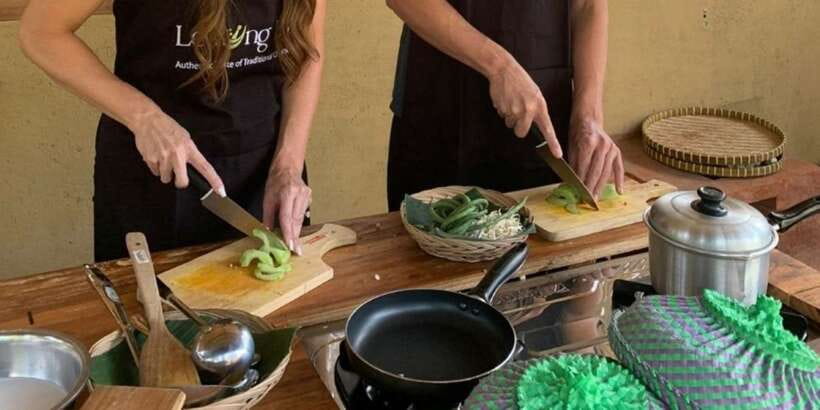
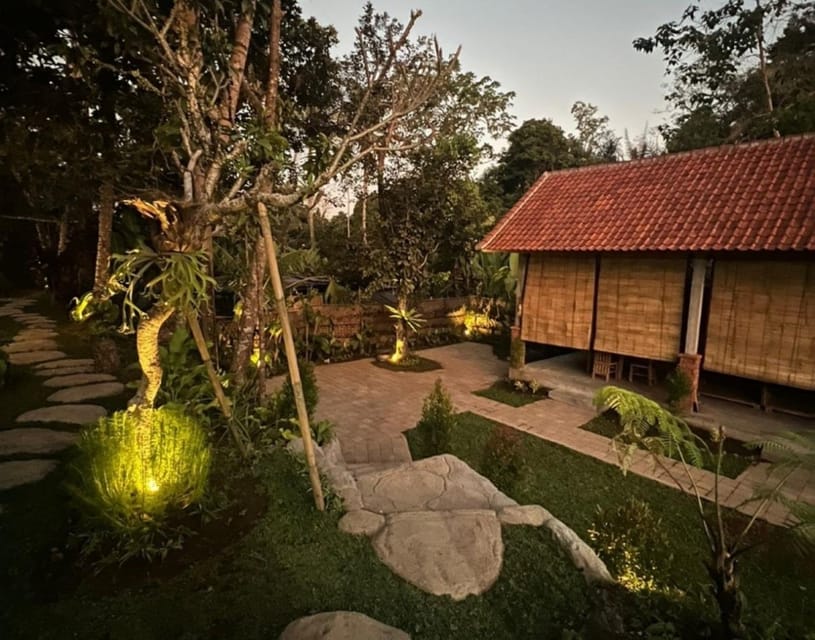
The class takes place in an open-air kitchen, with a Balinese garden setting around you. A welcome drink and snacks are provided before the main work begins. You then learn how to prepare sauces and spice pastes, along with side dishes, main courses, and dessert.
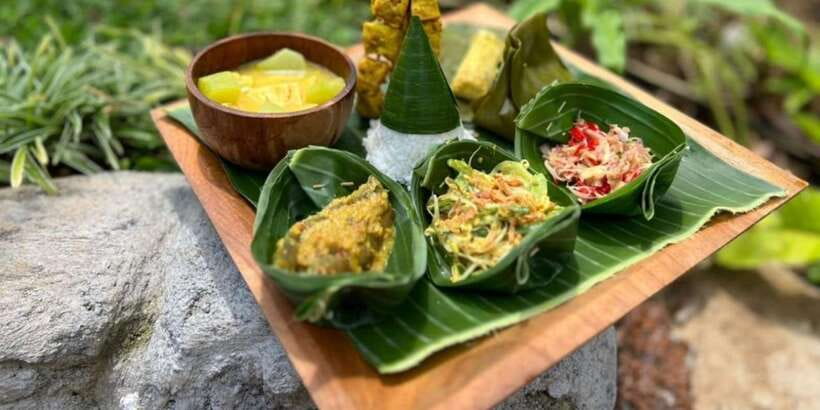
The menu includes five dishes and one dessert. The description also refers to six authentic Balinese meals, so the practical takeaway is that you should expect a six-part cooking experience rather than a single plate. All ingredients and the food you prepare are included in the price.
The class is hands-on. You are not only watching a chef chop, stir, and season. You take part in preparing the food, then sit down to eat what you have made. That makes the lesson useful for home cooks who want techniques they can repeat, especially the preparation of Balinese pastes and sauces.
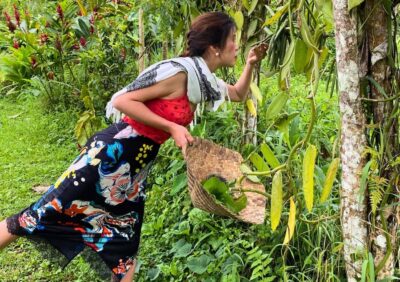
A particularly appealing detail is the farm tour and visit to a Balinese house. These parts connect the recipes to the setting where local food is grown, prepared, and shared. The experience is not limited to a kitchen counter. You get a look at household and farming life as part of the day.
A professional cook who attended with his wife described the chef as passionate, humorous, and deeply connected to Balinese traditions. That is a good sign for anyone who wants more than a mechanical recipe lesson. The cooking appears to include cultural explanation and personal warmth, not just measurements and cooking times.
Still, you should allow for some variation. A local cooking class can be informal, and the pace may depend on the group, the market, and the number of dishes being prepared. If you want a highly technical culinary course, this may feel relaxed. If you want to learn food that you can cook at home while meeting local people, it is a better fit.
More Farm Cooking Classes in Indonesia
- Balinese Farm Cooking Class by Pemulan Bali
★ 5.0 · 410 reviews - From Ubud: Authentic Bali Farm Cooking School & Organic Farm
★ 5.0 · 122 reviews - Balinese Cooking Class at Organic Farm
★ 5.0 · 51 reviews
What You Actually Learn to Cook
The class focuses on the foundation of Balinese cooking: seasoning pastes, sauces, fresh herbs, side dishes, and main courses. You should expect the cooking to involve several stages, with ingredients prepared before they are combined into finished dishes.
The value here is repetition. By working through multiple recipes, you get a clearer sense of how flavors are built across Balinese food. One dish may teach you about a paste, another about a sauce, and another about balancing the main ingredients with side dishes.
You also eat the food you prepare. That matters because tasting the final result helps you understand how the different components work together. It is easier to remember a recipe when you have made it, tasted it, and connected it with the market where the ingredients came from that morning.
The recipe booklet and PDF recipe are practical extras. You do not have to rely on memory after returning home. Keep the booklet with your travel notes, and save the PDF somewhere easy to find before leaving Bali.
The class is taught in English. That makes the food preparation and explanations easier to follow for English-speaking visitors, although the exact depth of instruction may depend on the group and the chef.
A Balinese House and Farm Visit
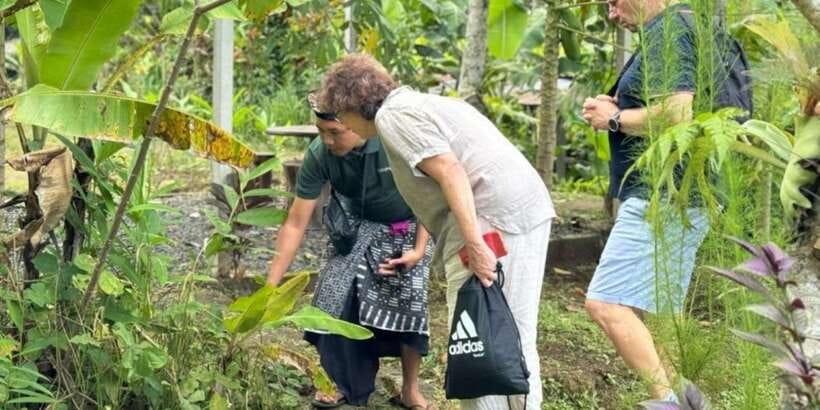
The Balinese house visit adds cultural context to the cooking. You are given a chance to see local life beyond the main tourist areas, although the supplied details do not specify the exact house layout or the length of this stop.
The farm tour is another useful addition. It helps explain where some cooking ingredients come from and why fresh herbs, spices, and tropical produce are central to the food. You might find this part especially interesting if you enjoy seeing how meals connect to homes and gardens.
These stops are not presented as formal museum visits. They are part of a working local setting, so keep your expectations practical. You are getting a short look at daily life during a packed day, not an extended village stay.
Monkeys and Jungle Paths at Sacred Monkey Forest
After lunch and the cooking class, the tour continues to Sacred Monkey Forest Sanctuary in Ubud. The planned visit lasts about two hours and includes a guided walk.
The forest gives the day a change of pace. After the market and kitchen, you move into a wooded setting where monkeys swing through the trees and move around the paths. The tour description emphasizes walking through the jungle and watching the animals in their natural surroundings within the sanctuary.
The entrance fee is included, which makes the stop straightforward. Your driver and guide also help keep the day organized as you move between the different parts of Ubud.
You should follow the sanctuary’s instructions around the monkeys. Keep food and loose items secure, and do not treat the animals like tame pets. The tour information does not list special safety equipment, so sensible behavior is your best protection.
The Monkey Forest is a famous Ubud attraction, and that fame brings a drawback: it may feel less quiet than the cooking portion. If you want a secluded nature walk, this is not that kind of stop. It is better suited to you if you want to combine a forest setting with one of Ubud’s best-known sights.
More Farm Cooking Classes in Ubud
- Small-Group Farm Tour & Balinese Cooking Class in Ubud with Kadek
★ 5.0 · 16 reviews - Ubud: Organic Farm Harvest, Bali Cooking Class by Pemulan
★ 4.8 · 12 reviews
Rice Terraces Along the Way
The route also includes a visit to rice terraces. The available schedule does not give a separate duration for this stop, so the exact amount of time may depend on the day and traffic.
The terraces provide another view of rural Bali and fit naturally with the farm and food parts of the tour. After seeing ingredients at the market and learning how they are prepared, you get a chance to see the agricultural setting that helps define the island’s countryside.
Do not plan around a long, quiet terrace walk unless your operator confirms the timing. The cooking class and Monkey Forest are the clearest timed components, while the terrace visit appears to fit into the drive between major stops.
Bottled mineral water is included. Bring your own extra water if you tend to get thirsty in tropical weather, and wear clothing that is comfortable for walking and cooking.
Celuk and Bali’s Craft Traditions
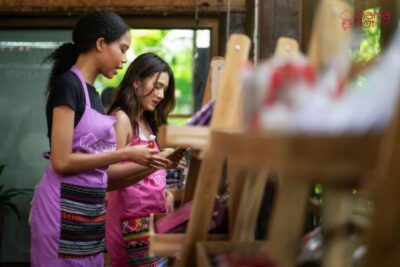
The final major stop is Celuk, an area associated with Balinese artisan work. You can see local makers producing traditional handicrafts, including batik, wood carving, and gold and silver items.
This stop gives you a look at another important part of Balinese culture: skilled handwork passed through local communities. You may see artisans at work and browse finished pieces, depending on the day’s arrangements.
The art village visit lasts about two hours. That is enough time for a proper look, but it also makes the day long. If you are not interested in shopping or crafts, you may find this section less engaging than the market or cooking class.
You should also keep your budget in mind. The tour includes the class, ingredients, food, Monkey Forest entrance, transport, water, and recipes, but other expenses are not included. Any purchases at the art village are extra, as are personal spending and unspecified costs.
The best approach is to treat Celuk as a cultural visit first and a shopping stop second. Look at the work, ask questions through your guide, and buy only if you genuinely want something. A handmade item can be a meaningful reminder of Bali, but you should not feel pressured to purchase.
Is $70 a Good Value?
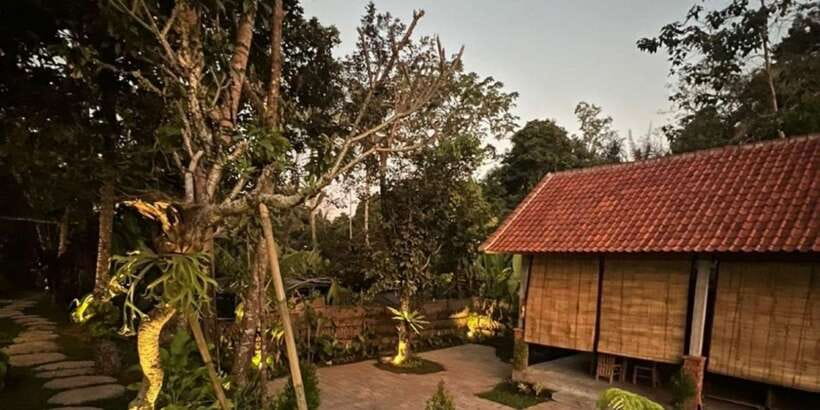
At $70 per person, this is a solid value if you want several Bali experiences in one private day. The price covers private air-conditioned transport, an English-speaking driver, pickup from a wide range of hotel areas, the cooking class, market visit, Balinese house, farm tour, welcome drink, snacks, bottled water, all cooking ingredients, your meal, recipe materials, and Monkey Forest admission.
The strongest value comes from combining activities that would otherwise require separate planning. You get food, culture, nature, transport, and crafts in one package. Private transport also matters in Bali, where distances can take longer than they appear on a map.
The price is less compelling if your main goal is only a cooking lesson. A focused class without the Ubud sightseeing could offer a slower pace. Here, you are paying for the full day and the convenience of having a driver connect the stops.
The tour has received a top rating from the two available written assessments, with special praise for the kind staff, excellent food, organization, and the chef’s passion and humor. That praise fits the structure of the experience: its strongest feature is the human side of the cooking class.
Who Will Enjoy This Full-Day Combination?
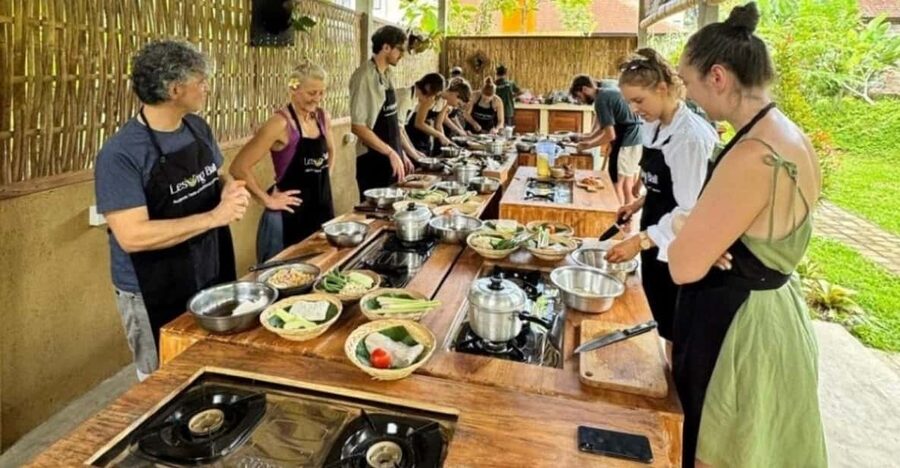
I would recommend this tour to first-time visitors who want a broad introduction to Bali in one day. It suits you if you enjoy cooking, local food, short cultural visits, animal attractions, and artisan work.
It is also a good match for couples and small private groups who want their own vehicle rather than joining a large shared bus. Families with older children may enjoy the mix of food preparation, monkeys, and crafts, though babies under one year old are not considered suitable for the activity.
Food lovers will get the most from the market and kitchen. You can compare the ingredients before and after cooking, then take the recipes home. The experience also suits anyone who wants an activity with more local contact than a standard sightseeing drive.
You may want to choose something else if you dislike full schedules, long road transfers, or shopping-oriented stops. The day includes several distinct activities, and each one receives only part of the eight-hour schedule.
Pickup is included from Ubud, Kuta, Seminyak, Canggu, Legian, Jimbaran, Nusa Dua, Sanur, and Tabanan Regency. Confirm your exact pickup point and starting time when booking, since the schedule varies by availability. Free cancellation is available up to 24 hours in advance, and you can reserve now and pay later.
My Verdict: Book It for Food and Variety
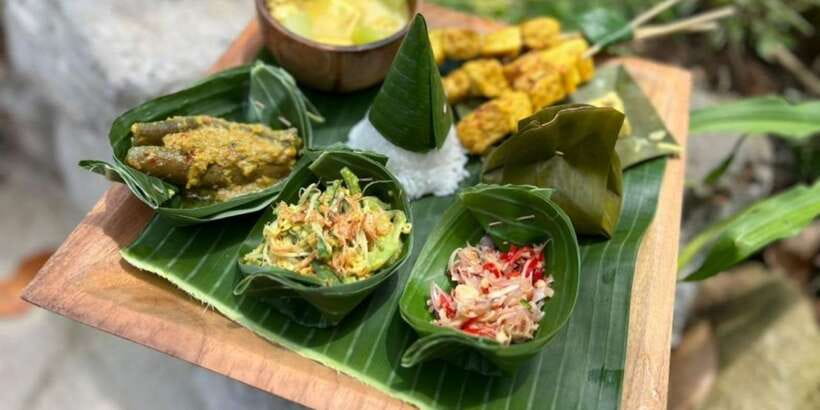
I would book this experience if I wanted one busy but well-rounded day in Bali. The cooking class is the main reason to go, especially because it begins with market shopping, includes a Balinese house and farm visit, and ends with food you have prepared yourself.
The Monkey Forest and Celuk craft visit make the day more useful for a first visit, but they also make it less relaxed. Choose it for variety, convenience, and a friendly cooking experience. Skip it if you want to spend an entire day slowly exploring one village or taking an advanced culinary course.
FAQ
How long does the Bali cooking and sightseeing experience last?
The activity lasts about eight hours. The cooking class takes approximately three to three and a half hours, and the Monkey Forest visit is planned for about two hours.
What food is included in the cooking class?
The class includes five dishes and one dessert. All ingredients and the food you cook are included.
Is the cooking class taught in English?
Yes. The instructor and activity language are listed as English.
Is hotel pickup included?
Yes. Pickup is included from Ubud, Kuta, Seminyak, Canggu, Legian, Jimbaran, Nusa Dua, Sanur, and Tabanan Regency.
Is the Monkey Forest entrance fee included?
Yes. The entrance fee for Sacred Monkey Forest Sanctuary is included.
What should I bring?
Bring a change of clothes and a camera. Bottled mineral water is provided.
Can I cancel the booking?
You can cancel up to 24 hours in advance for a full refund. You can also reserve now and pay later, subject to the booking conditions.
Just added around Ubud
- The Authentic Balinese Cooking Experience★ 5.0 · 4 reviews
- Ubud: Organic Farm Harvest, Bali Cooking Class by Pemulan★ 4.8 · 12 reviews
- packages cooking class and romantic dinner in a local home★ 5.0 · 4 reviews
- Jambangan bali cooking class with morning market tour★ 5.0 · 35 reviews
- Ubud: Balinese Cooking Class with Hotel Transfers★ 4.8 · 17 reviews
- Balinese cooking class/Go shopping at the market, cook, eat★ 5.0 · 12 reviews
- PRIVATE Ubud Market Tour & Balinese Cooking Class with Putu★ 5.0 · 125 reviews
- From Ubud: Authentic Bali Farm Cooking School & Organic Farm★ 5.0 · 122 reviews
Farm & Countryside Cooking Classes, compared.

Half-Day Thai Cooking Class at Organic Farm in Chiang Mai
Read our review →
Cooking Class and Lunch at a Tuscan Farmhouse with Local Market Tour from Florence
Read our review →
Authentic Cooking Class with Market & Farm Visit
Read our review →