REVIEW · CENTRAL VIETNAM, VIETNAM
Viet Garden Cooking Class (Countryside and Market tour)
Fresh food tastes better when you shop for it. Viet Garden Cooking Class combines a local market visit with a countryside tour, then brings you to Chef Dat’s family home to prepare and eat three Vietnamese dishes. I like the personal feel of the day, and I like that the stops show ordinary work, from noodle-making to rush-mat weaving. The possible drawback is that the menu is flexible rather than fixed, so you should be ready to discuss what you want to cook.
The tour runs about six hours, from a 9 AM hotel pickup to a return around 3 PM. The $75 price covers transport, an English-speaking guide, and the cooking-class food. It is good value if you want more than a restaurant meal, though less so if your main goal is simply to see Nha Trang’s countryside quickly.
Key Points at a Glance
- Shop before you cook: Visit a local market with Chef Dat and select ingredients for your meal.
- See everyday rural work: Meet people connected with rush mats, noodles, bread, coffee, gardens, and small family businesses.
- Three dishes, cooked by you: The class is hands-on, with the menu shaped around your interests and available ingredients.
- Coffee with a story: Learn about Vietnamese coffee, condensed milk, and the local fascination with Weasel coffee.
- A family-home setting: Cook, eat, and relax at Chef Dat’s countryside home, with an organic garden and bonsai trees.
- Simple daytime timing: Pickup begins at 9 AM, and you should be back at your central Nha Trang hotel at about 3 PM.
Why This Nha Trang Cooking Tour Feels Different
Many cooking classes begin at a kitchen and end with lunch. This one gives you a better sense of where the ingredients and food traditions come from first. You move through the countryside, visit working places, stop at a market, and only then begin cooking.
I like that order. It gives the meal a setting and a story. You are not just shown a finished spring roll or noodle dish. You see the raw ingredients, learn how some staple foods are made, and then use what you have chosen.
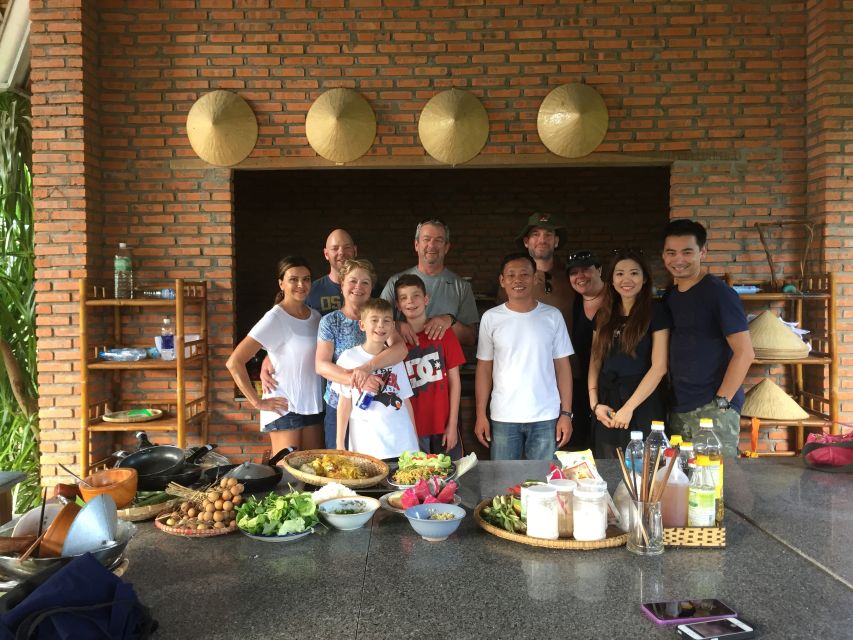
The day is also personal. Chef Dat hosts the cooking portion at his family house, rather than in a large demonstration kitchen. That makes the experience feel closer to a home visit, although it also means the exact rhythm of the class can depend on conversation, preferences, and the group.
The tour is based around Nha Trang and picks you up from central hotels. The supplied schedule starts at 9 AM and ends around 3 PM, leaving your evening free. Six hours is enough time for several stops without turning the day into a rushed checklist.
More Cooking Classes with a Market Tour in Vietnam
- Hanoi Cooking Class: Culture, Local Market & Meaning CSR Impact
★ 5.0 · 5,147 reviews - 5 Traditional Dishes Hanoi Cooking Class with Market Trip
★ 5.0 · 4,890 reviews - Cooking Class Hoi An:Local Market, Basket Boat, Fishing & Cooking
★ 5.0 · 3,660 reviews
Leaving the City at 9 AM
Your morning starts with hotel pickup and a drive toward the rural part of Central Vietnam. The main appeal is not a grand monument. It is the chance to see the working side of the area and learn how local families make, grow, and sell everyday products.
You should expect the countryside portion to be informal. The tour visits family businesses and small food producers, so this is not a polished museum visit with a fixed display. That is part of its value. You see practical skills in use, and Chef Dat can explain how they fit into daily life.
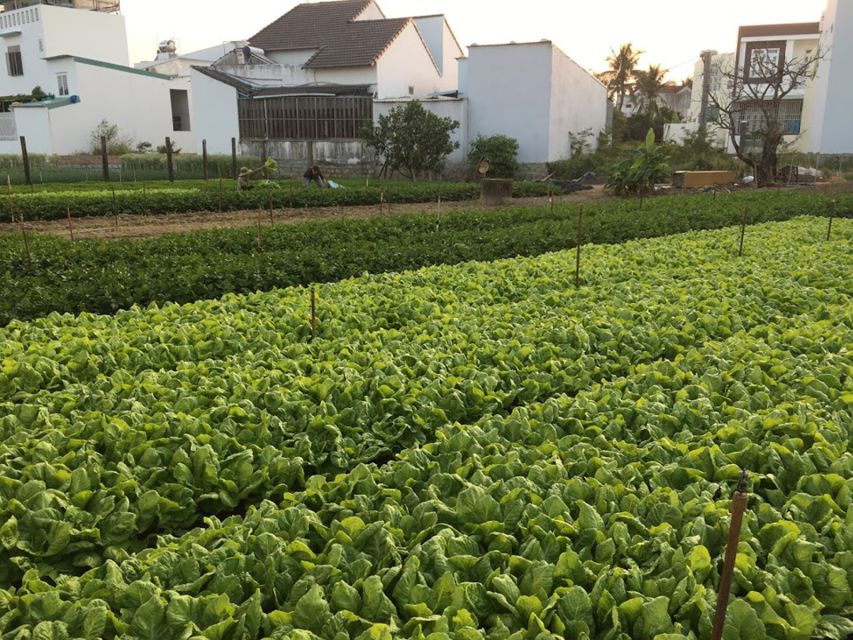
The route includes a bakery, a rush-mat workshop, a noodle factory, coffee time, a garden, and a local market. The stops have a common thread: they connect food with the people and work behind it.
If you prefer a tightly timed sightseeing tour with major landmarks, this may feel modest. If you enjoy seeing how ordinary products are made, the pace should suit you well.
Rush Mats and the Work of a Family Business
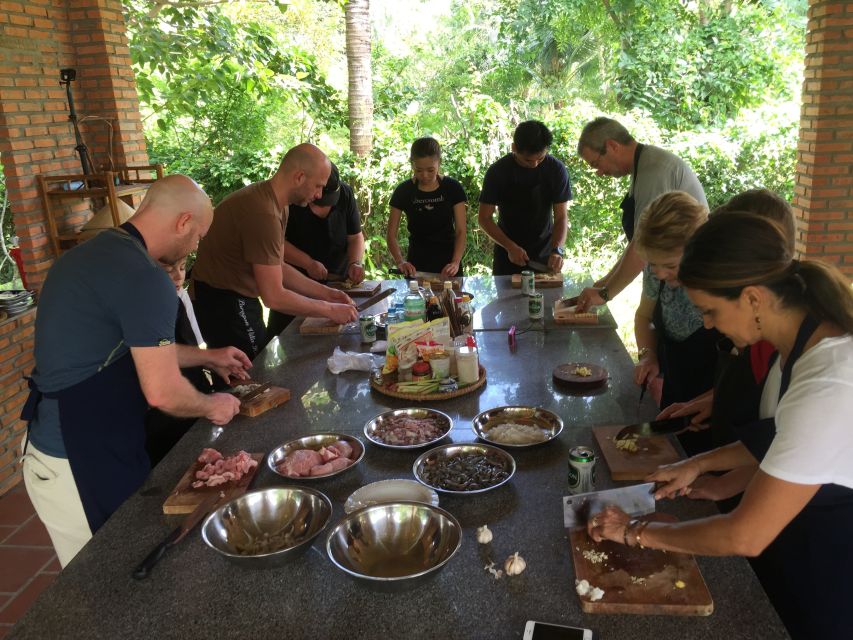
One stop introduces you to the weaving of rush mats at a family business. This is a useful reminder that countryside craft is often part of household work and local income, not just a performance arranged for visitors.
The visit gives you something different from the food stops. Cooking classes often focus so closely on recipes that the wider rural economy disappears. Here, you get a short look at handwork and the patience it requires.
Do not expect a long craft workshop unless the guide offers one as part of the visit. The information provided describes learning how the mats are woven, not making a mat yourself. Still, it adds variety and helps break up the food-focused part of the day.
Bread, Coffee, and Vietnamese Food Culture
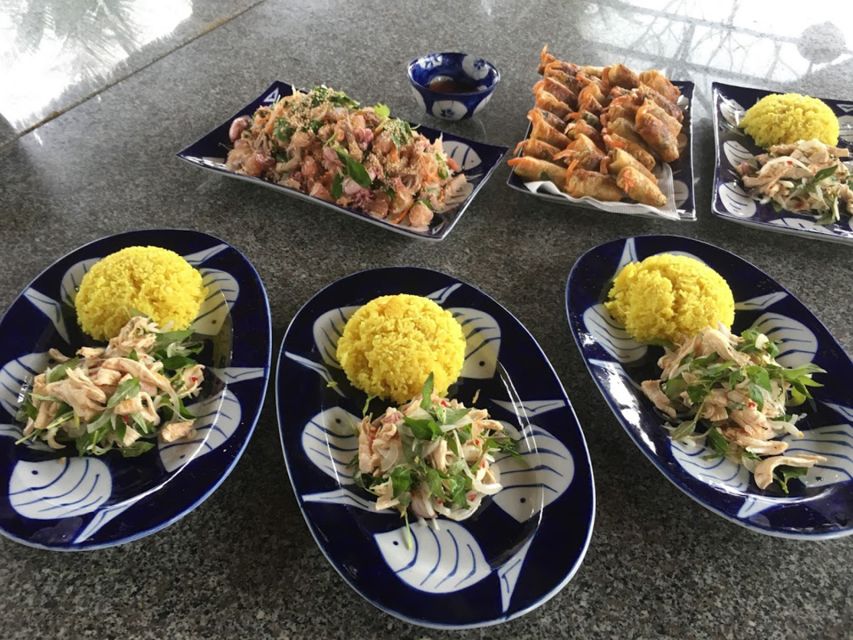
At a local bakery, you learn how Vietnamese-style French baguettes are made. The lesson points to one of the country’s most familiar food connections: bread arrived through French influence, but the Vietnamese use of baguettes has become part of local eating culture.
The tour also includes local coffee and coconut juice along a country road. This is a small detail, but it helps the day feel less like a series of scheduled stops. You get time to pause, drink something local, and listen to explanations about coffee growing in Vietnam.
Chef Dat also talks about Weasel coffee and why many Vietnamese people drink coffee with condensed milk. The condensed milk is especially useful context for anyone who has only encountered Vietnamese coffee as a sweet drink in a cafe. You learn that the taste is tied to local habits, ingredients, and the way coffee is enjoyed.
The coffee stop is educational rather than a formal tasting program. The information does not promise a full farm visit or a detailed cupping session. If coffee is your main interest, keep your expectations focused on the story and the local custom.
More Farm Cooking Classes in Vietnam
- Mekong Day Trip Explore Village Bicycle CookingClass Group 12 Pax
★ 5.0 · 705 reviews - Cocolocal Farm Cooking Class with market tour and basket boat
★ 5.0 · 231 reviews - Full Experience Tour: Cooking Class & Basket Boat at Eco-Village
★ 5.0 · 187 reviews - Hoi An: Tra Que Herb Village Cooking Class
★ 4.5 · 102 reviews
Inside a Noodle Factory
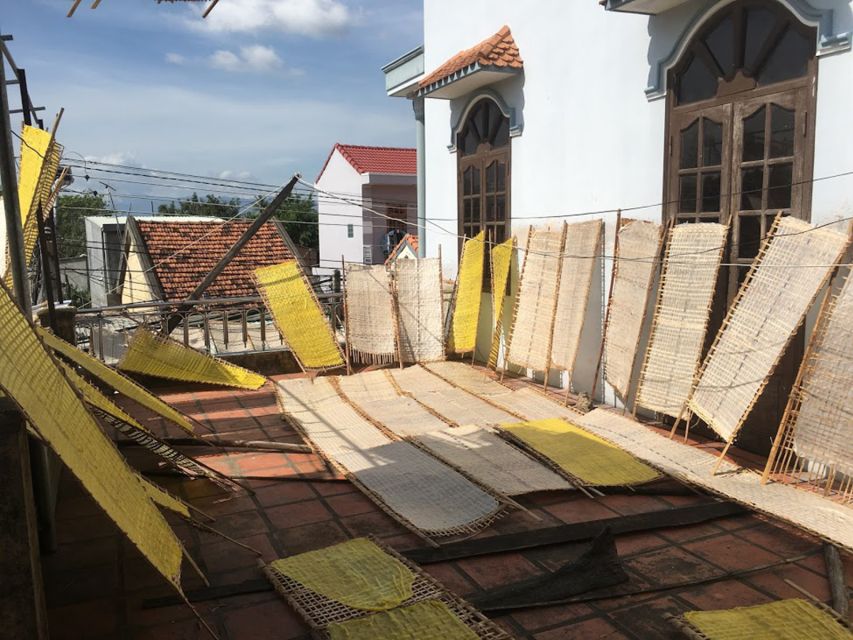
The noodle-factory visit shows the local process used to make noodles for pho. This is one of the more relevant stops because noodles are central to Vietnamese cooking, yet the finished bowl often hides the work involved.
You can connect what you see here with the cooking class later in the day. Instead of treating pho noodles as an anonymous ingredient, you learn that they pass through a local production process before reaching a market or restaurant.
The description does not give a factory size, a production schedule, or the exact machinery used. It is best to think of this as a working food stop with an explanation, not a full industrial tour.
Shopping at the Local Market
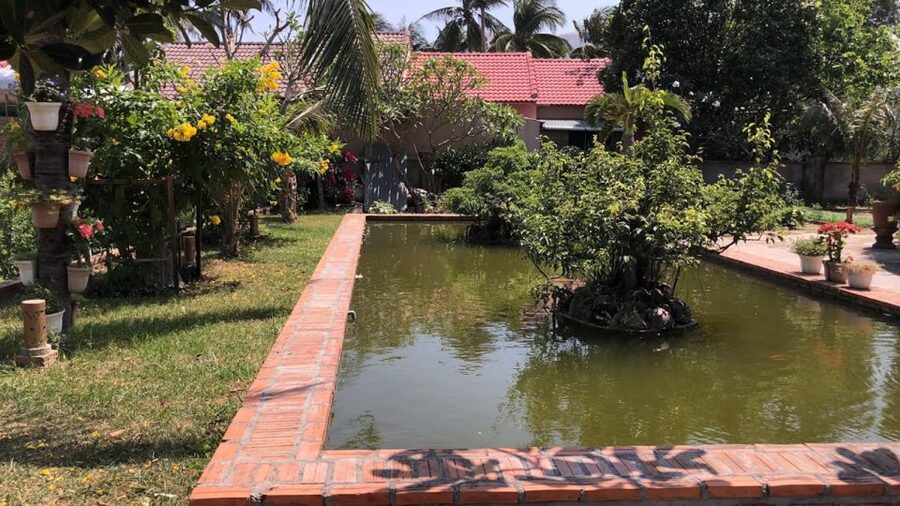
The market visit is the practical heart of the excursion. You shop for the ingredients you will later prepare at Chef Dat’s home, with your guide helping you make choices.
This is where the cooking class becomes more personal. You are not simply handed a premeasured box of ingredients. You see what is available locally and take part in deciding what will become lunch.
The menu depends on what you are interested in cooking. If you already have a Vietnamese dish in mind, tell Chef Dat. If you do not, he can suggest dishes and focus on recipes with ingredients you can find at home.
That last point matters. A cooking class is more useful when the recipes are practical after your holiday. Chef Dat’s approach is aimed at giving you ideas you can repeat for family and friends, rather than leaving you with a dish that depends on ingredients unavailable outside Vietnam.
A market can also be lively and crowded, and this stop may feel less comfortable for anyone who dislikes close quarters or spontaneous shopping. The tour data does not specify the market’s size or exact facilities, so go with a flexible attitude.
Cooking Three Vietnamese Dishes at Chef Dat’s Home
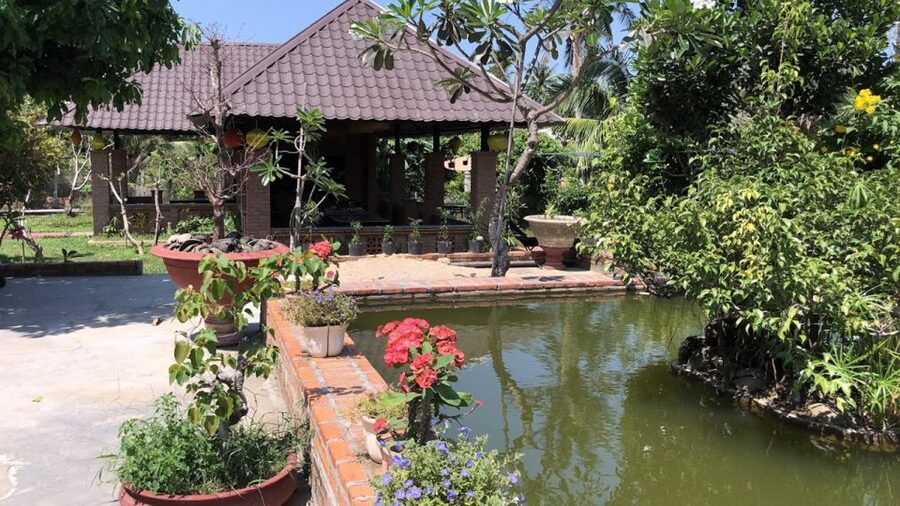
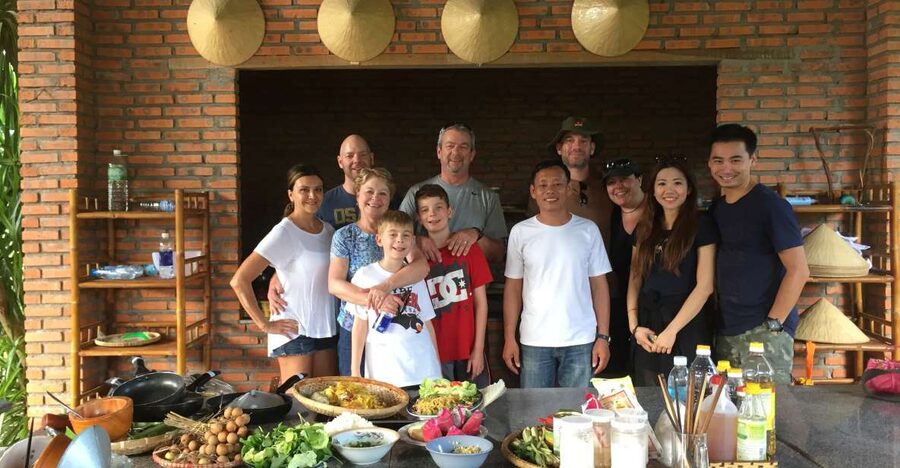
The second half of the day takes place at Chef Dat’s family house in the countryside. The home includes an organic garden and bonsai trees, giving you a quieter setting for the cooking and meal.
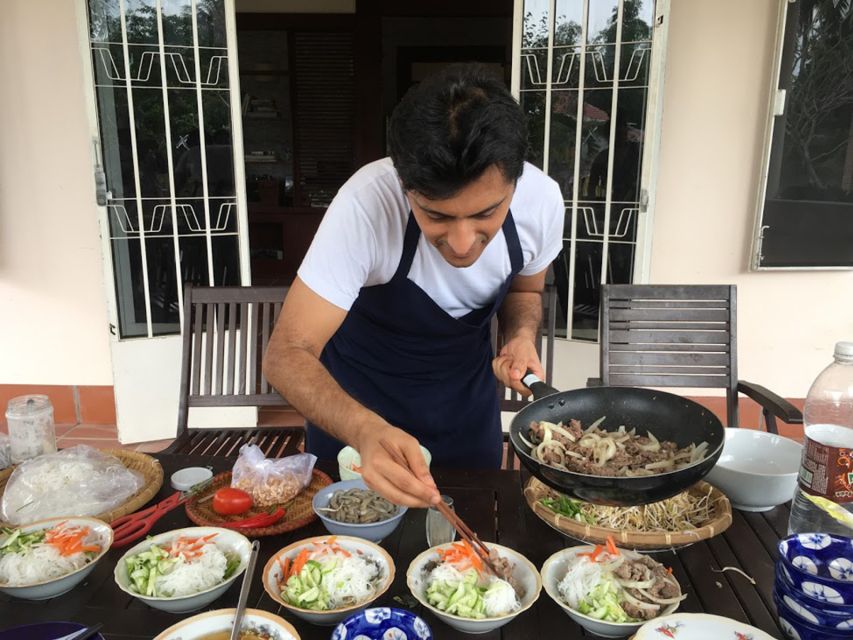
You prepare three Vietnamese dishes with guidance from Chef Dat. The class is described as hands-on from start to finish, so you should expect to take part rather than sit back while someone cooks in front of you.
The menu is not fixed in advance. That is a strength for some people and a mild weakness for others. Flexibility lets you match the meal to your interests, but it also means you cannot judge the class by a specific advertised menu.
Chef Dat can suggest options if you are unsure. He also aims to choose ingredients that you can locate in your home town, which makes the class more useful for home cooks.
The supplied feedback gives Chef Dat particular credit for his guidance and for creating a cozy cooking setting. I would treat that as an important part of the experience. This is not only a lesson in cutting and mixing. It is also a chance to ask about local life, food habits, and the choices behind each dish.
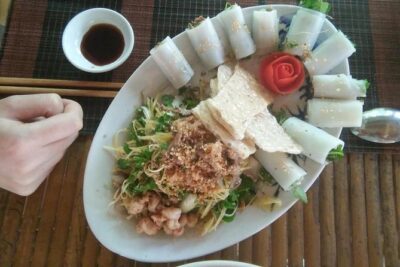
The class ends with lunch made from your own work. That meal is the payoff, but the process matters just as much. You get to see whether the flavors and techniques make sense to you before trying them again at home.
A Personal Day, Not a Big Group Production
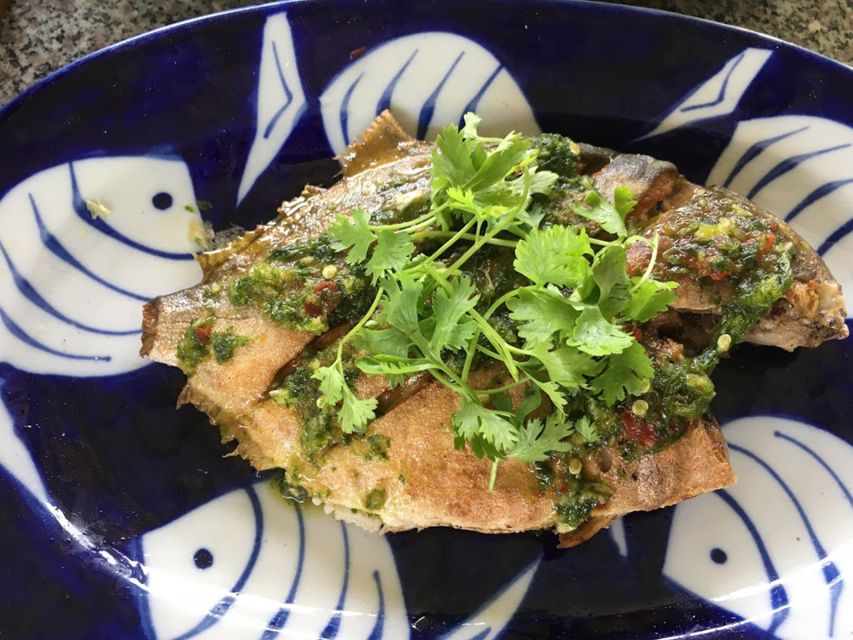
The strongest feature here is the personal contact. The available feedback repeatedly praises the guide’s passion, the relaxed cooking, the local market shopping, and the chance to talk about Vietnamese life.
You should not read that as a promise of a private tour unless your booking says so. Group size is not provided. Still, the family-home setting and flexible menu suggest a more direct format than a large class designed for a crowd.
That personal approach can make the day feel warm and generous. It can also mean that timing is not perfectly rigid. If you need every stop to run to the minute, ask about the schedule before booking.
The English-speaking guide is included, and English is the listed tour language. The guide’s explanations are important because much of the value comes from context: why coffee is served a certain way, how noodles are made, and how the local community works.
Is $75 a Fair Price?
At $75 per person, the tour costs more than a standalone cooking lesson. The price includes transportation, the guide, and the food used in class, but not personal expenses or travel insurance.
I think the value is reasonable if you want a full half-day with several rural stops and lunch. You are paying for the combination of transport, guiding, market shopping, food education, and a three-dish cooking experience. Buying a meal alone would give you only the final part.
The price is less compelling if you mainly want a formal cooking course with a known menu and extensive recipe instruction. Since the dishes are chosen around your interests, you should ask questions and take notes during the class if you want to recreate them accurately.
The organic garden, bonsai trees, and family setting also add atmosphere, but the real value is the direct contact with local food production and home cooking. That is what separates this from a standard restaurant meal.
Who Should Book This Experience?
I would recommend it to people who enjoy food, local work, and conversation more than a rapid list of sights. It suits couples, families, and small groups who want to cook together and do not mind a flexible schedule.
It is also a good choice if you are curious about Vietnam beyond the city center. The mat weavers, bakery, noodle factory, market, coffee discussion, and garden each offer a small window into local life.
Families should note that the tour is wheelchair accessible, which is useful information when planning. The available details do not explain the accessibility of every individual stop, so anyone with specific mobility needs should confirm the route before booking.
You may want another kind of outing if you dislike markets, are not interested in cooking, or want a fixed menu. The day is built around participation. Sitting back will give you less of what makes it worthwhile.
Free cancellation is available up to 24 hours before the tour for a full refund, and you can reserve now and pay later. Those policies make it easier to fit the class into a changing Nha Trang schedule.
Should You Book Viet Garden Cooking Class?
Book it if you want a food day with context, not just a recipe lesson. The best parts are the market shopping, the small rural production stops, Chef Dat’s personal guidance, and the meal you prepare yourself.
I would especially choose it for a first visit to Nha Trang when you want to see how food connects with ordinary provincial life. The flexible menu is the one point to consider carefully. Tell Chef Dat what you hope to learn, and ask for recipes you can make with ingredients at home.
At $75, this is a fair full-day value for an English-guided countryside outing with transport, lunch, and cooking instruction. It is a practical, friendly choice for anyone who believes the best way to understand a place is to eat what you helped make.
FAQ
Where does the Viet Garden Cooking Class take place?
The experience takes place in Central Vietnam and includes countryside areas near Nha Trang. Pickup is included from central Nha Trang hotels.
How long does the tour last?
The tour lasts about six hours. Pickup begins at 9 AM, and the return to your hotel is planned for around 3 PM.
What is included in the price?
The $75 price per person includes transportation, an English-speaking guide, and the food used for the cooking class.
Is lunch included?
Yes. You prepare the dishes during the class and then enjoy your homemade meal.
How many dishes will I cook?
You will prepare three Vietnamese dishes. The exact menu depends on your interests and the suggestions made by Chef Dat.
Can I choose what to cook?
Yes. You can discuss the dishes you want to learn. If you are unsure, Chef Dat can suggest options and focus on ingredients you may find in your home town.
What places are visited during the tour?
The itinerary includes a local market, a bakery, a rush-mat family business, a noodle factory, a vegetable and herb garden, and countryside areas where you can enjoy coffee and coconut juice.
Is the tour conducted in English?
Yes. The live guide and listed tour language are English.
Is the tour wheelchair accessible?
Yes, the activity is listed as wheelchair accessible.
Can I cancel the booking?
You can cancel up to 24 hours in advance for a full refund. The activity also allows you to reserve now and pay later.
Just added around Vietnam
- Can Tho Cooking Class in the countryside – Vegetarian available★ 5.0 · 10 reviews
- Biking and Cooking Class in Can Tho Rural★ 5.0 · 5 reviews
- Full-Day Experience in Mekong Cycling and Authentic Home Cooking★ 5.0 · 89 reviews
- Cooking, Farming and Waterfall In Vietnam Countryside★ 3.0 · 6 reviews
- Cooking class & Vibrant Market by Scooter/Tuktuk (Half-Day)★ 5.0 · 55 reviews
- Top Home Cooking Class with Stunning River View AC Kitchen★ 5.0 · 25 reviews
- Tam Coc Cooking Class with Unique Experience★ 4.3 · 13 reviews
- Street Food Walking Tour with a Cooking Instructor★ 5.0 · 5 reviews
Cooking Classes with a Market Tour, compared.

Hanoi Cooking Class: Culture, Local Market & Meaning CSR Impact
Read our review →
5 Traditional Dishes Hanoi Cooking Class with Market Trip
Read our review →
Cooking Class and Lunch at a Tuscan Farmhouse with Local Market Tour from Florence
Read our review →
Cooking Class, Market & Thai Herbs Garden Tour
Read our review →
Authentic Cooking Class with Market & Farm Visit
Read our review →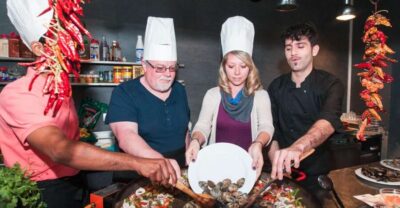
Paella Cooking Experience & Boqueria Market Tour
Read our review →
Cooking Class Hoi An:Local Market, Basket Boat, Fishing & Cooking
Read our review →