
REVIEW · ANDALUSIA, SPAIN
Malaga: Authentic Paella Cooking Class with Sangría
Good food makes Malaga easier to understand. This three-and-a-half-hour cooking class links the city’s market, olive oil, wine, and home-style dishes in one friendly outing. I especially like the morning visit to Atarazanas Market and the chance to prepare your own paella rather than simply watching a chef work. The modern Kulinarea kitchen in the Soho District is another strong point.
The main consideration is timing. The market visit is available only on morning sessions from Monday through Saturday. Evening classes, Sundays, and listed holidays go straight to the kitchen, so you will miss the market portion. At $77 per person, the class is good value if you enjoy the food, drinks, instruction, and social side of the experience, but less so if you only want a quick paella demonstration.
Why this Malaga class earns attention
- A real Atarazanas Market visit: Morning groups explore Malaga’s central food market and see the produce used in local cooking.
- Hands-on paella preparation: You do more than watch. The chef gives everyone a task while the rice dish comes together.
- More than one recipe: The class includes homemade gazpacho or salmorejo, sangría, and often extras such as churros or a roasted pepper salad.
- Olive oil tasting: A short tasting introduces the different flavors of Andalusian extra virgin olive oil.
- Wine and relaxed social time: Regional wines, beer, and soft drinks are available while you cook and eat.
- A useful souvenir: You take home a Kulinarea apron, along with recipes and cooking tips you can use later.
Starting at Atarazanas Market in central Malaga
For a morning class, the experience begins with a short walk to Atarazanas Market. This is not just a shopping stop added to fill time. It gives you a look at the ingredients behind Andalusian cooking, including fresh produce, olives, almonds, seafood, and other local foods.
Guides such as Elise, Javi, Felipe, and Anais have explained the market’s past, the history of the building, and how Malaga has changed around it. One guide even discussed how parts of the city were built over areas that were once covered by water. That sort of local context makes the market visit more useful than a quick pass through the stalls.
I like that the tour includes tastings along the way. Several visitors particularly enjoyed sampling olives and almonds before returning to the kitchen. You get a small taste of the region before you start cooking, and you can ask questions about ingredients you may not recognize.
The market stop also helps explain why fresh produce matters in Spanish cooking. Peppers, onions, tomatoes, greens, fruit, and seafood are not abstract ingredients on a printed recipe. You see them in their natural setting, then use them at the class.
There is one important catch. Atarazanas Market is closed during evening sessions, Sundays, and the listed national and local holidays. On those dates, the experience begins directly at the kitchen, with a guide sometimes offering extra information about Malaga, paella, wine, or the city instead.
More Paella and Spanish Classes in Spain:
- Barcelona: Paella Cooking Experience & Boqueria Market Tour
★ 4.8 · 3,661 reviews - Barcelona Paella Cooking Class with Market Visit, Tapas & Sangria
★ 5.0 · 2,531 reviews - Barcelona Interactive Spanish Cooking Experience
★ 4.5 · 2,155 reviews
The Kulinarea kitchen in the Soho District
The meeting point is Kulinarea, at Av Manuel Agustín Heredia 24. It sits near the market and close to Malaga’s port area. If you are driving, Parking de La Marina is an underground garage across from the meeting point.
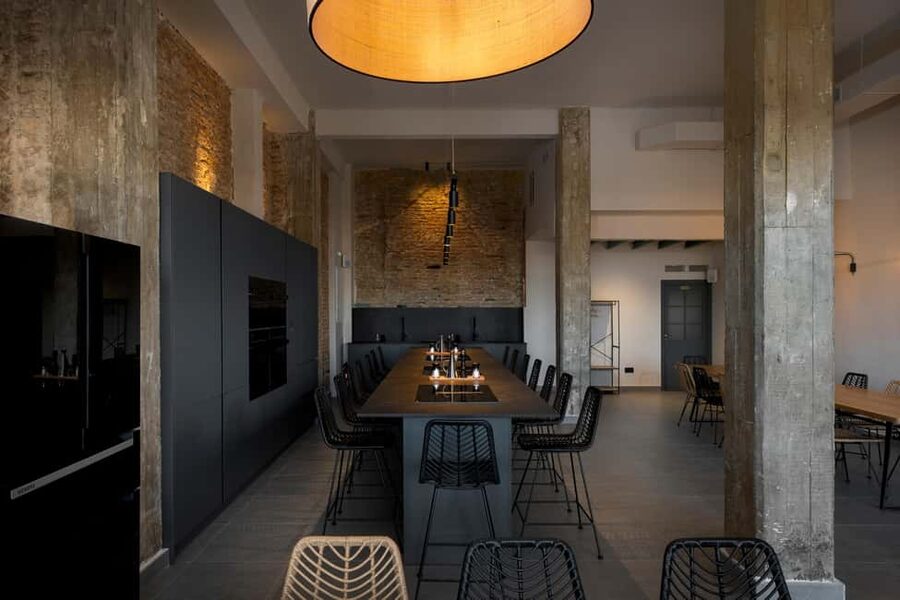
The kitchen is one of the class’s strongest practical features. It is modern, spacious, clean, and well equipped, with enough room for people to work without feeling packed around one small counter. That matters during a cooking class. You want to chop, stir, and watch the chef without fighting for elbow room.
The class is taught in English. The exact chef and guide can vary, but names appearing in recent sessions include Alba, Alma, Pepo, Pepe, Jorge, Jose, Carmen, Anais, Elise, Javi, and Felipe. Alba receives especially warm praise for her patient instruction, while several guides are remembered for their Malaga tips and friendly manner.
Do not expect a formal culinary school setting. The mood is social and easygoing. You may be paired with other couples, families, or small groups, and part of the pleasure comes from sharing the meal afterward. One family with two teenage boys found that the boys became much more interested once the cooking started.
The group atmosphere can affect your day. A lively group makes the class feel like a shared dinner party, while a very small group may finish the cooking early. One small group noted that the session ended sooner than expected because there were only two couples. That is a minor point, but it is worth knowing if you value a full social event.
Olive oil tasting before the cooking begins
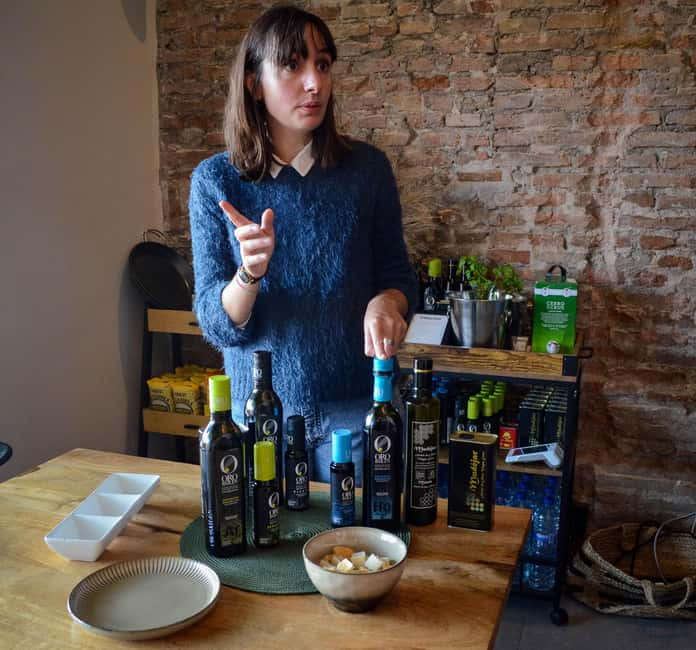
Before the main cooking work, you taste extra virgin olive oil with traditional snacks. This is a short activity, but it adds real value because olive oil is central to so much Spanish food.
You can compare the oils and notice that they are not all identical. Some may taste grassy, peppery, mild, or fruity. The tasting also gives the chef a useful opening to discuss how oil affects flavor in salads, gazpacho, and paella.
I appreciate this part because it encourages you to pay attention to an ingredient that is often treated as background noise. After tasting several oils, you are more likely to understand why a simple salad or soup can taste different depending on the oil used.
The tasting is not a full olive-growing seminar. It is brief and practical, which suits the pace of the class. You get enough information to sharpen your palate without losing the afternoon to a lecture.
Making sangría, gazpacho, and paella
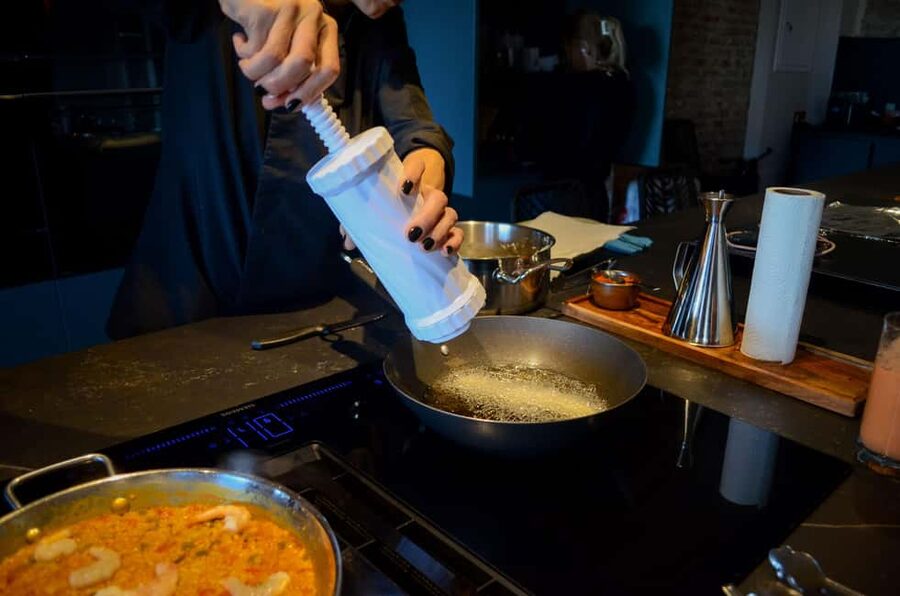
The central activity is hands-on cooking with an expert local chef. You help prepare the ingredients, follow instructions, and take part as the paella comes together. The chef works to give everyone something to do, which is important in a group class where one confident cook can otherwise take over.
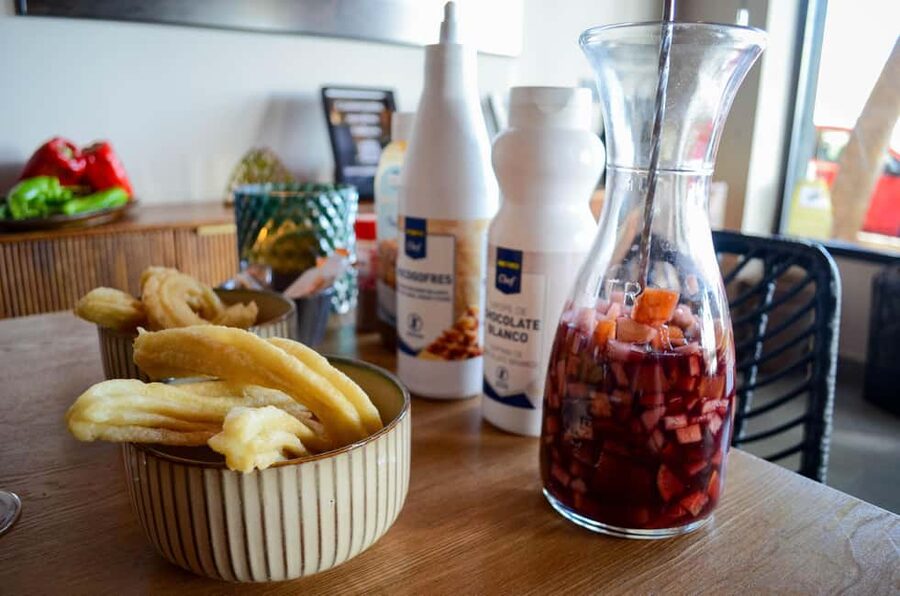
Sangría is often prepared early, giving the drink time to take on flavor. The process is simple enough for everyone to join, but the chef can still explain useful details about balance and preparation. Regional wine, beer, and soft drinks are also available during the session.
Next comes a homemade gazpacho or salmorejo. These cold Andalusian dishes show how a few good ingredients can produce a satisfying meal. The exact version may vary, but the class gives you a practical way to recreate one of Malaga’s familiar flavors at home.
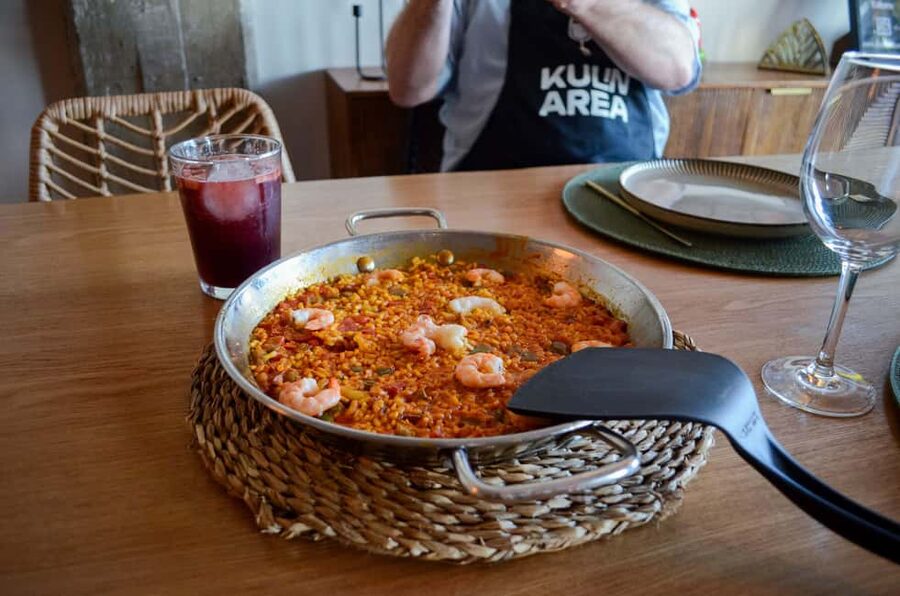
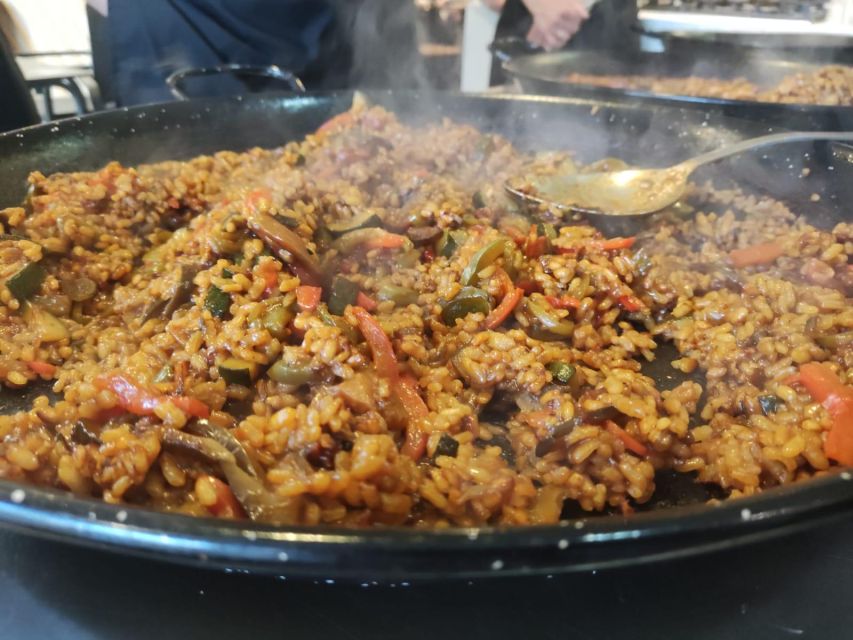
The paella is the main event. You work with the ingredients, prepare the base, and learn when to add the rice and liquid. The chef’s guidance matters here because paella is less forgiving than it looks. Timing, heat, and patience all affect the final texture.
One useful detail from the class is that different groups can produce paellas with slightly different flavors, even when working from the same general method. That is not a failure. It shows how small choices in seasoning, cooking time, and ingredient proportions shape the result.
Dietary needs require advance notice. The team asks you to share restrictions before the day of the class, and it may not be possible to accommodate a request made at the last minute. One pescatarian participant was able to enjoy a seafood version without meat, and one chef took care with an allergy, but you should still contact the provider ahead of time.
A few more cooking classes around Spain worth a look
- Spanish Cooking Class Paella Tapas and Sangria in Madrid
★ 5.0 · 1,340 reviews - Paella Cooking Class, Wine Tasting & Central Market in Valencia
★ 5.0 · 1,150 reviews - Paella Cooking Class in Madrid with Bottomless Wine Pairing
★ 5.0 · 985 reviews - Seville: Spanish Cooking Class with Dinner
★ 4.9 · 900 reviews
The meal, drinks, and unexpected extras
Once the cooking is finished, you sit down to eat what you prepared. The meal typically includes the paella, sangría, gazpacho or salmorejo, and regional wine, beer, or soft drinks. Several sessions also included churros, and guests repeatedly singled them out as a welcome surprise at the end.
Some groups prepared a roasted pepper salad as well. The exact dishes may vary slightly, so do not book expecting a fixed restaurant-style menu with every extra guaranteed. The main promise is paella, drinks, olive oil tasting, and a homemade cold soup.
The portions are described as ample, and the class is likely to replace a meal rather than merely provide a snack. That improves the value of the $77 price. You are paying for instruction and an organized food experience, but you are also eating a substantial lunch or dinner.
The shared table is part of the appeal. You have time to compare the different paellas, talk with the other cooks, and ask the chef about techniques. If you prefer a quiet private lesson, this may feel too social. If you enjoy meeting people over food, it is a natural fit.
The class also gives you a chance to ask about Malaga restaurants and local dishes. Javi, for example, was praised for offering restaurant suggestions and ideas for enjoying the city. Those tips can be as useful as the recipe, especially if this is your first visit.
What the $77 price really includes
At $77 per person, the price is fair for a 210-minute experience with several moving parts. You receive a market visit on eligible morning dates, an olive oil tasting, chef-led cooking, a full meal, sangría, regional drinks, and a Kulinarea apron to take home.
A comparable restaurant meal might give you paella and a drink, but not the market context or the chance to prepare the food yourself. A basic cooking demonstration might cost less, but it would not offer the same level of participation.
The value depends on what you want from your Malaga day. If you are hungry, curious about Spanish food, and happy to spend several hours with a group, the price works well. If you are looking only for the cheapest meal or a short activity between sightseeing stops, it may feel expensive.
The apron adds a useful personal touch. It is not a luxury souvenir, but it is practical and tied to the experience. You can use it when you try the paella, gazpacho, or churros at home.
Who should book this experience
I would recommend the class to couples, families with older children, solo visitors who enjoy meeting people, and anyone who wants a break from sightseeing. It also works well for food-focused birthdays or a relaxed first activity in Malaga.
Families should note that children under four are not suitable for the class, and babies under one are not allowed. Older children and teenagers can enjoy it, especially when the chef gives them a clear task. The class is conducted in English, so participants should be comfortable following spoken instructions in that language.
It is also a good choice for people who enjoy learning by doing. You will not simply sit at a demonstration counter while someone else prepares the meal. The experience is designed around participation, teamwork, and eating the results.
You may want to skip it if you dislike group activities, have serious dietary restrictions that were not communicated in advance, or need a tightly timed schedule. Three and a half hours is a meaningful block of your day, and the social meal at the end is part of the plan.
Practical details for planning your day
The meeting point is Kulinarea at Av Manuel Agustín Heredia 24. Pick-up and drop-off are not included, so you need to make your own way there. The port area and nightlife are nearby, making it easy to continue exploring Malaga afterward.
Morning sessions from Monday through Saturday include the Atarazanas Market walk. Evening sessions, Sundays, and the listed holidays go directly to the kitchen. Check the start time carefully, especially if the market visit is important to you.
The experience lasts 210 minutes. You can reserve now and pay later, and free cancellation is available up to 24 hours in advance for a full refund. Those terms help if your Malaga plans are still shifting.
Kulinarea also offers other cooking classes, although not all are held in English. If you are interested in another style of cooking, ask about language availability before booking.
Should you book the Malaga paella class?
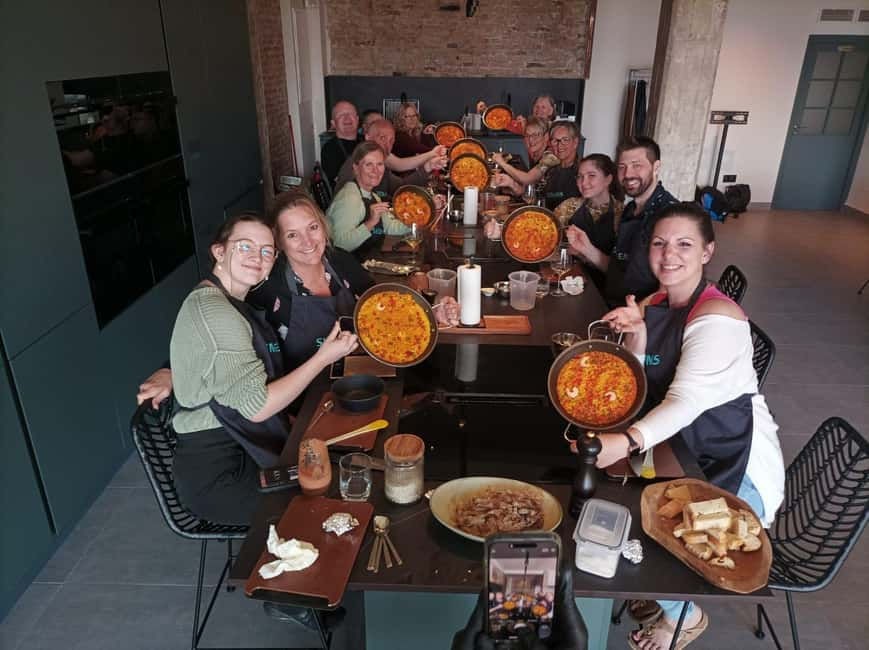
Book it if you want food, local context, and active participation in one outing. The market visit gives the class a sense of place, while the kitchen turns that context into a meal you help prepare. The chef instruction, generous food, drinks, clean facilities, and take-home apron make the $77 price reasonable.
For the best version, choose a morning from Monday through Saturday so you can visit Atarazanas Market. Tell Kulinarea about allergies or dietary restrictions in advance, arrive ready to work with a group, and leave enough time for the full 210 minutes.
Skip it only if you want a short, private, or strictly fixed-menu experience. For most food lovers visiting Malaga, this is a warm and useful way to spend half a day, with recipes and practical cooking ideas that stay with you after the sangría is gone.
FAQ
Where does the Malaga paella class meet?
The class meets at Kulinarea, located at Av Manuel Agustín Heredia 24 in Malaga. Parking de La Marina is an underground parking garage across from the meeting point.
How long does the experience last?
The class lasts 210 minutes, or three and a half hours.
Is the Atarazanas Market visit included?
The market visit is included in daytime tours from Monday through Saturday. The market is closed for evening classes, Sundays, and listed holidays, so those sessions go directly to the kitchen.
What food and drinks are included?
The experience includes paella, homemade gazpacho or salmorejo, sangría, an olive oil tasting, and regional wine, beer, or soft drinks. Some sessions also prepare dishes such as churros or roasted pepper salad.
Is the class taught in English?
Yes. The listed language for the class is English.
Can dietary restrictions be accommodated?
You must notify Kulinarea about dietary restrictions in advance. Restrictions may not be accommodated if you mention them on the day of the class.
Are children allowed to attend?
Children under four years old are not suitable for the class, and babies under one year old are not allowed.
Is transportation included?
No. Pick-up and drop-off are not included, so you must travel to and from Kulinarea independently.
Can I cancel the booking?
You can cancel up to 24 hours in advance for a full refund. You can also reserve now and pay later, which keeps your plans flexible.
Just added around Spain
- Basque Pintxos and Tapas Cooking Class in Bilbao★ 5.0 · 73 reviews
- Paella and Burnt Basque Cheesecake Cooking Class (in Bilbao)★ 5.0 · 46 reviews
- Small-group Immersive Basque Cooking Class in Bilbao with Open Bar★ 5.0 · 65 reviews
- Pintxos and Tapas Cooking Class in Bilbao★ 5.0 · 38 reviews
- Rooftop Paella Seafood Cooking Class Experience in Barcelona★ 5.0 · 59 reviews
- Private Authentic Paella Cooking Class in Barcelona with Josh★ 5.0 · 3 reviews
- Private Barcelona Market Tour & Paella Cooking Class with Josh★ 5.0 · 4 reviews
- Premium Paella & Tapas Feast: Unlimited Wine & Rambla Views★ 5.0 · 13 reviews
Spanish & Paella Cooking Classes, compared.
Paella Cooking Experience & Boqueria Market Tour
Read our review →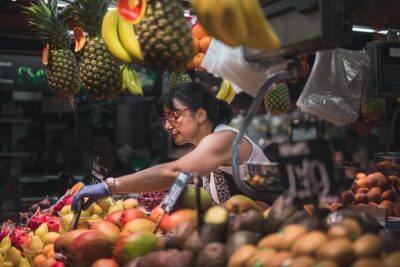
Barcelona Paella Cooking Class with Market Visit, Tapas & Sangria
Read our review →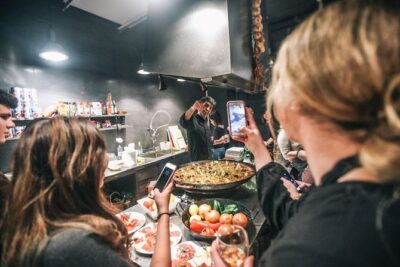
Barcelona Interactive Spanish Cooking Experience
Read our review →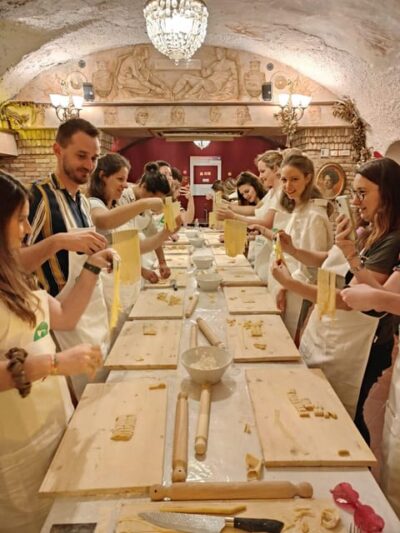
Pasta & Tiramisu Cooking Class near the Spanish Steps
Read our review →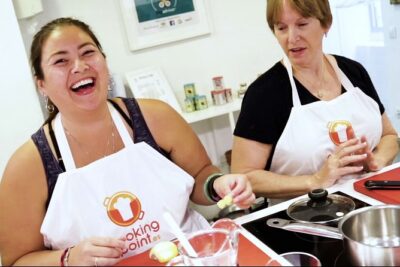
Spanish Cooking Class Paella Tapas and Sangria in Madrid
Read our review →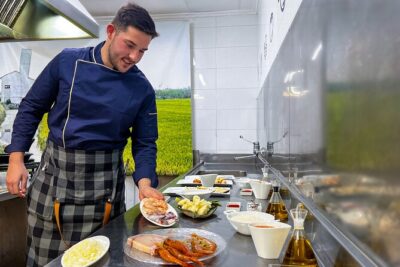
Paella Cooking Class, Wine Tasting & Central Market in Valencia
Read our review →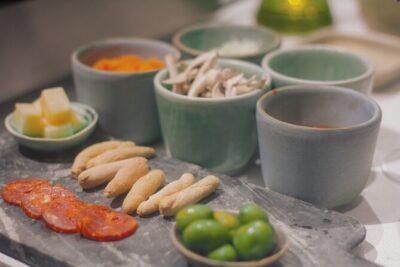
Paella Cooking Class in Madrid with Bottomless Wine Pairing
Read our review →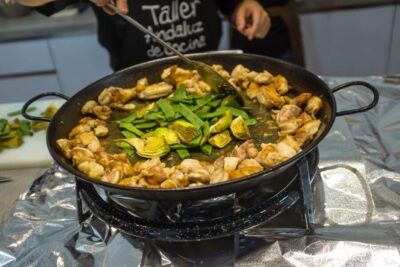
Lists this class appears in