
REVIEW · KAMPOT PROVINCE, CAMBODIA
Khmer Food Culture Cooking Class in Kampot
Cambodia tastes better when you cook it. This four-hour class combines a guided market visit with hands-on cooking in a traditional colonial house near Kampot’s river. I like the chance to choose a starter, main dish, and dessert, and I like that the chef explains each step in English rather than simply putting a plate in front of you. The one concern is that the exact dishes and group size can vary, so you may want to confirm your preferred recipes when booking.
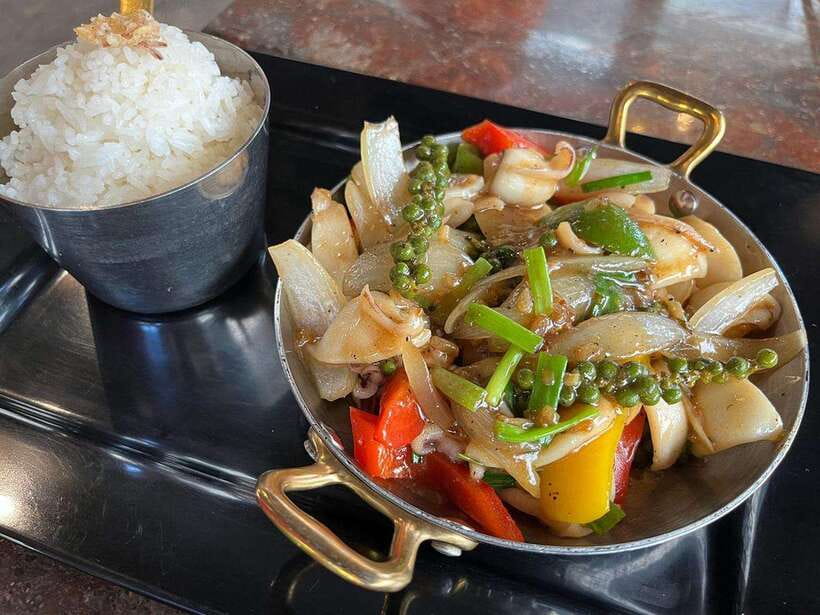
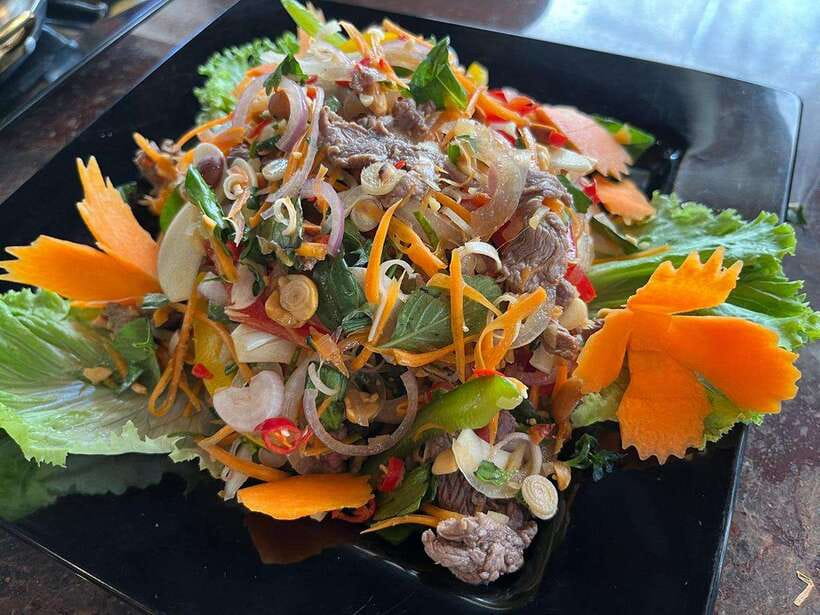
The class also gives you a useful taste of Kampot pepper, one of the area’s best-known ingredients. Previous participants cooked everything from spicy beef salad and lok lak to mango sticky rice, while others chose dishes such as larb, papaya salad, and amok. If you want a relaxed food activity with a meal at the end, this is a strong choice.
Key points at a glance
- A chef-led market visit starts the lesson: You learn about the ingredients before they reach the cooking table.
- You choose three dishes: Pick a starter, main course, and dessert, with choices that may include larb, papaya salad, amok, lok lak, and mango sticky rice.
- The setting is central and atmospheric: Cooking takes place in a traditional colonial house near the Kampot river.
- The teaching is personal: Lyna is praised for being kind and helpful, while another participant received a one-on-one lesson when attending alone.
- The price covers the practical basics: At $42 per person, you get round-trip transfer, food, ingredients, water, Wi-Fi, the market visit, VAT, and instruction.
- It suits food lovers who want skills, not just lunch: You leave with recipes and methods you can try at home.
A four-hour introduction to Khmer cooking
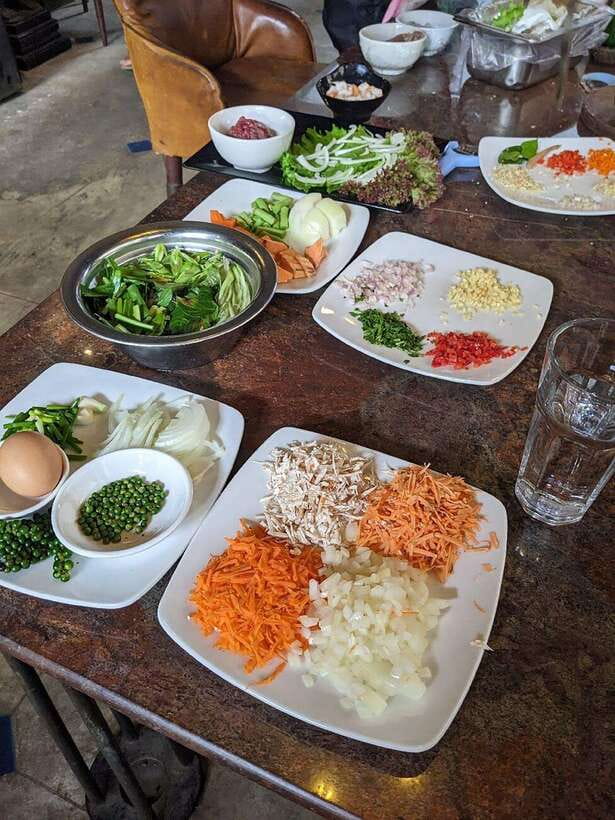
This is more than a quick demonstration followed by a meal. The class is built around participation. You visit a local market with a professional chef, select or discuss ingredients, then return to the cooking space and prepare three dishes.
The format matters. Cambodian food can look simple on the plate, but its flavor depends on fresh produce, herbs, sauces, spices, and careful balance. Seeing ingredients at the market helps you understand what the chef is using and why it matters.
You should plan for about four hours from pickup through the end of the meal. That gives enough time for the market stop, instruction, cooking, and eating without turning the day into an exhausting marathon.
The class is conducted in English. That is especially useful when you are learning techniques rather than only watching someone cook. You can ask about ingredients, seasoning, and preparation as you work.
More Food and Drink Trips in Cambodia:
- Small Group Cooking Class & Market Food Tour in Florence
★ 5.0 · 1,574 reviews - Pasta Making & Wine Tasting with Dinner in Frascati from Rome
★ 5.0 · 1,326 reviews - Paella Cooking Class, Wine Tasting & Central Market in Valencia
★ 5.0 · 1,150 reviews
Starting at Kampot’s local market
The market visit is the first part of the class, and it gives the lesson a sense of place. Instead of beginning in a classroom with ingredients already measured, you see the shopping stage first.
Your chef guide leads you through the market and helps you understand the produce and other items used in Khmer cooking. The provided information does not give a fixed market name or a detailed shopping list, so you should not expect a set route or identical ingredients every time.
That flexibility is useful. Cambodian cooking often depends on what looks fresh and what is available that day. You may see the ingredients for salads, meat dishes, desserts, and pepper-based recipes before learning how they work together.
The market can also be the most sensory part of the outing. It puts everyday Cambodian food in context, rather than presenting it as a polished restaurant product. If you enjoy food markets, this opening section will likely be one of the highlights.
There is one practical point to keep in mind. A market is not a museum, and the visit is part of a working shopping trip. The value comes from the chef’s explanations and your connection to the later recipes, not from a long sightseeing stop.
Cooking inside a colonial house near the river
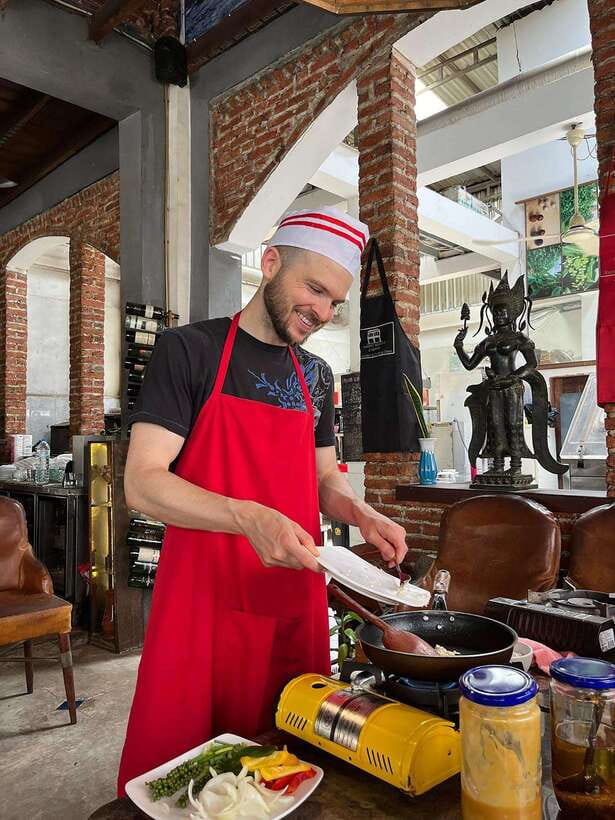
After the market, you move to a traditional colonial house in central Kampot, close to the river. The setting gives the lesson a local feel without asking you to travel far outside town.
This is a good match for a half-day in Kampot. You can pair the class with a walk near the river or other central sights before or after, although the class itself includes round-trip transfer. Pickup is included, and you should wait in your hotel lobby from 10 minutes before the scheduled time.
The house is wheelchair accessible, which makes the activity more practical for many visitors. The information does not specify the exact kitchen layout or whether every cooking station is adapted for every mobility need, so it is sensible to ask for details if you require particular equipment or space.
The class has a private-group format, but the number of people can differ. One participant had a one-on-one lesson, while another described a group of six as comfortable and not too large. That means the experience may feel very personal, though you should not assume that every booking will be one-on-one.
Choosing your starter, main, and dessert
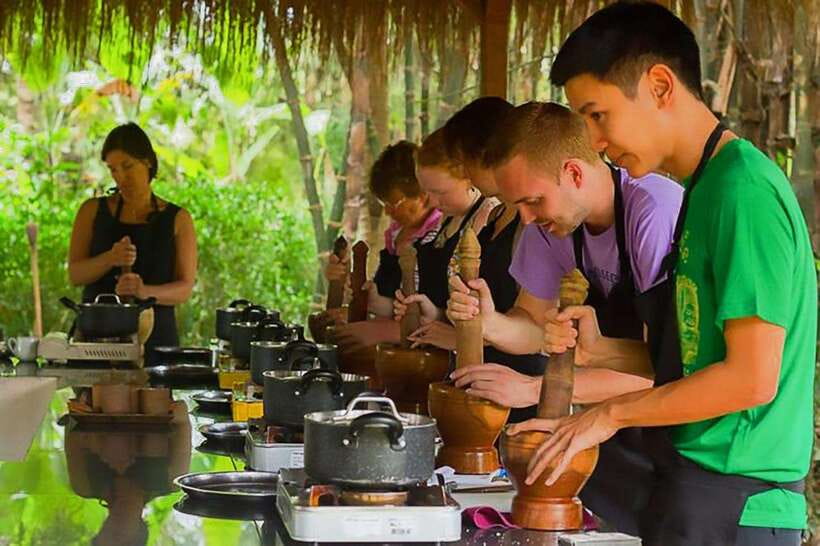
You choose three Khmer dishes: one starter, one main course, and one dessert. This is one of the best features because it lets you shape the meal around your own appetite and curiosity.
Possible dishes include larb, papaya salad, and amok. The classes have also included spicy beef salad, lok lak beef, and mango sticky rice. These examples show the range of the menu, from fresh and sharp salads to filling meat dishes and a sweet finish.
Papaya salad offers a good introduction to the balance of Cambodian flavors. Larb and spicy beef salad bring herbs, seasoning, and heat into the meal. Lok lak gives you a hearty main course, while amok represents one of the best-known Cambodian preparations.
Mango sticky rice makes a pleasant dessert choice if you want something familiar and comforting. It also gives the class a clear ending after the savory dishes.
Your choices may depend on the day and the group. One participant specifically appreciated being able to select recipes, while another cooked the three dishes they wanted during a solo session. To avoid disappointment, ask about the available dishes before the class begins.
The three-course format is generous for four hours. You are not simply preparing one recipe and waiting around. You get a proper meal and several different techniques to practice.
More Food Trips in Cambodia:
- Athens: Food Market Visit and Cooking Class with Wine
★ 4.9 · 1,087 reviews - Undiscovered Charleston: Half Day Food, Wine & History Tour with Cooking Class
★ 5.0 · 948 reviews - Vietnamese Food Cooking Class in Hanoi with Market Experience
★ 5.0 · 778 reviews - Milan: Italian Cooking Class with Food and Wine
★ 4.7 · 509 reviews
Learning the role of Kampot pepper
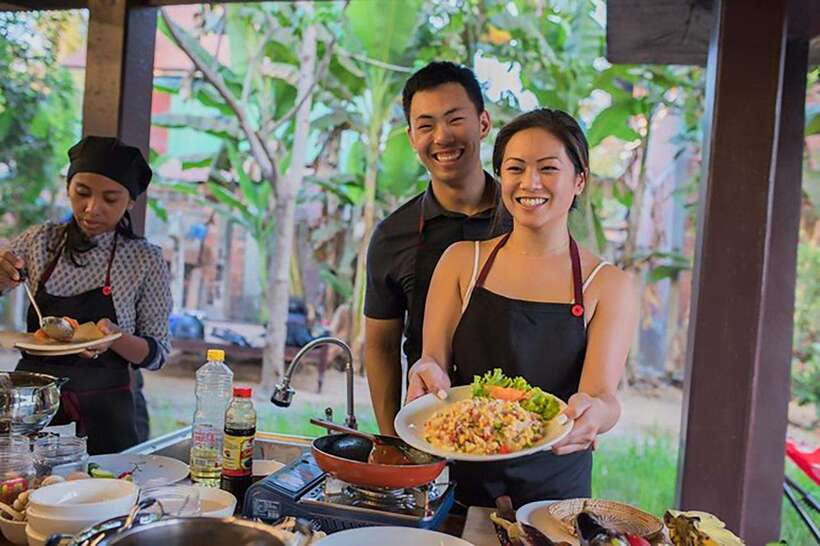
Kampot pepper receives special attention in this class. The course uses it as a key local ingredient and shows how Cambodian dishes can be built around its flavor.
The information provided does not specify the exact pepper variety, tasting format, or amount used in each recipe. Still, its inclusion makes sense. Kampot is closely associated with pepper, and cooking with it gives you a direct connection to the province rather than a generic Cambodian food lesson.
Pay attention to how the chef uses the pepper with meat, salads, or sauces. The point is not simply to add heat. Pepper can shape the aroma and finish of a dish, and the right amount can make other ingredients taste clearer.
If you enjoy cooking at home, this is one of the most useful parts of the class. You can take the general method back with you even if you cannot find every Cambodian ingredient in your local shop.
Patient instruction and a personal pace
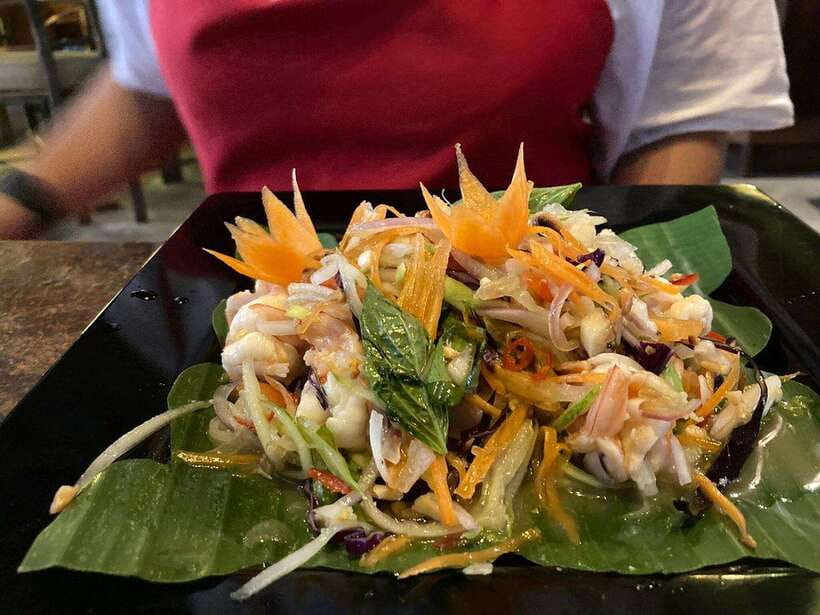
The strongest praise centers on the teaching. One participant described a kind and helpful chef named Lyna. Another praised a friendly and patient cook who explained everything calmly and step by step.
That matters because cooking classes can vary widely. Some move too quickly, leaving you to copy motions without understanding them. Here, the comments point to patient guidance and clear demonstrations.
The class is conducted in English, and the chef tutor is there to help you work through the recipes. You should expect to chop, mix, season, and prepare the food yourself rather than watch from the side.
The private-group arrangement can also help. If you attend alone and no one else books the same session, you may receive individual attention. If you attend with family or friends, you can share the work while still having room to ask questions.
A group of six was described as manageable and friendly. That is a useful size for a cooking class: large enough to make the meal social, but not so large that you disappear at the back of the room.
The main uncertainty is consistency in group size and individual attention. The class can be private, but the supplied information does not promise a fixed number of participants or a guaranteed solo lesson.
Eating what you prepare
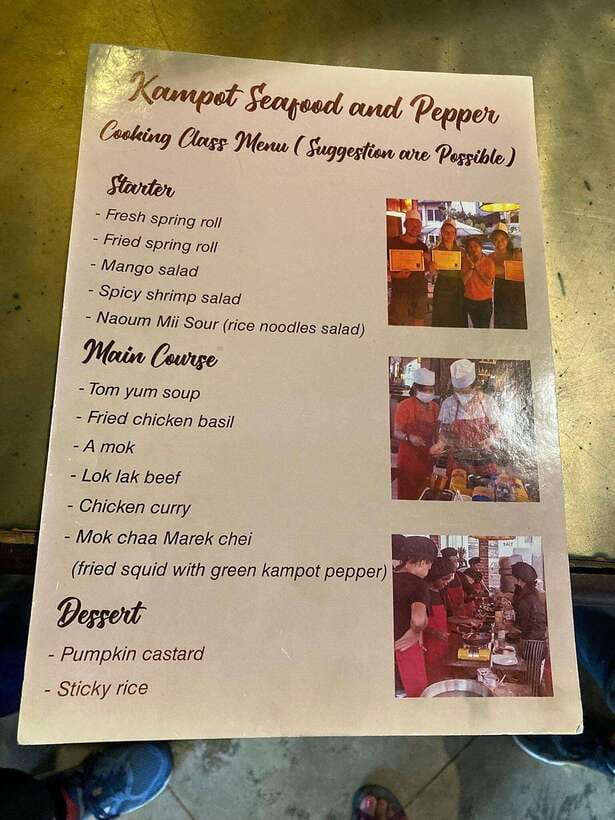
The reward comes at the end, when you sit down to eat the dishes you made. Food is included, along with all ingredients and water, so you do not need to plan a separate lunch or dinner around the class.
I like this format because the meal has a purpose. You can taste the effect of your own seasoning and see how the separate dishes work together. It is also easier to remember a recipe after you have prepared and eaten it yourself.
Extra drinks are not included. Alcoholic drinks can be purchased, but the price does not cover them. If you want anything beyond the included water, bring some extra money or ask what is available at the venue.
The food portion may be substantial, since you prepare a starter, main course, and dessert. You should arrive ready to eat, but not necessarily expecting a restaurant-style menu with unlimited alternatives.
The class also gives you a practical souvenir. Instead of taking home another object, you take home methods, ingredient ideas, and a better feel for Khmer flavor combinations.
Is $42 a fair price in Kampot?
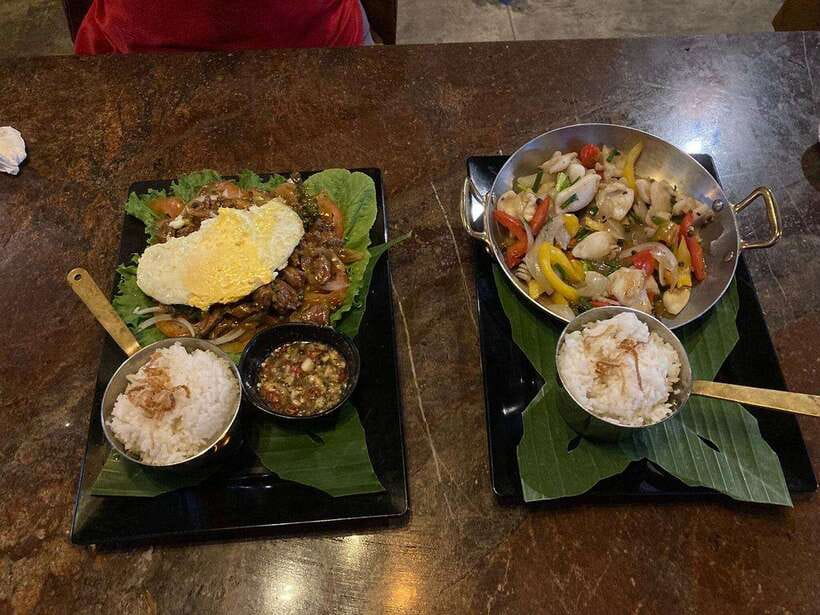
At $42 per person, this is not the cheapest meal you can buy in Kampot. It offers better value if you think of it as a half-day activity rather than lunch alone.
The price includes round-trip transfer, the market tour, all ingredients, the meal, water, Wi-Fi, VAT, and an English-speaking instructor. You are paying for the chef’s time, the market visit, the cooking space, and the chance to prepare three dishes.
The transfer adds convenience. You do not need to arrange separate transport to the market or the colonial house, and pickup is included from your hotel. Wait in the lobby from 10 minutes before the scheduled time so the driver can find you without delay.
The value is strongest for people who enjoy food and want a useful activity. If you only want to eat Khmer dishes, a local restaurant will cost less. If you want to understand how the dishes are made and repeat them later, the class makes more sense.
The included Wi-Fi and VAT are small additions, but they keep the price clear. You will still need to pay for extra drinks or alcohol, and insurance is not included.
Who should book this class?
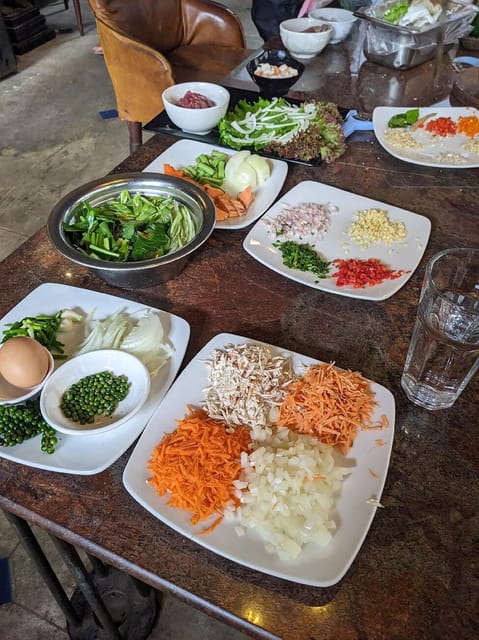
I would recommend it most strongly to couples, friends, solo visitors, and small families who enjoy hands-on activities. You have enough choice to make the menu personal, and the private-group format can create a relaxed pace.
It is also a good fit if you are staying in Kampot for several days and want something beyond the usual sightseeing routine. The class connects the market, local ingredients, cooking, and food in one activity.
Solo visitors should not rule it out. One person received a one-on-one lesson and was able to choose the recipes they wanted. That said, the private format does not automatically mean you will be alone, so ask about the group arrangement if personal instruction is important to you.
You should have realistic expectations. This is a four-hour cooking lesson, not a full survey of Cambodian cuisine. You may learn several dishes well, but you will not cover every regional style or technique.
The class is wheelchair accessible, and English instruction is available. If you have food allergies or strict dietary needs, the provided details do not explain how substitutions are handled. Ask before booking rather than assuming a recipe can be changed.
Booking, cancellation, and practical details
You can reserve now and pay later, which helps if your Kampot plans may change. Free cancellation is available up to 24 hours in advance for a full refund.
The class lasts four hours, but starting times depend on availability. Pickup is included, and you should be ready in your hotel lobby 10 minutes before the arranged time.
The experience is offered in English. The recorded rating is 5 out of 5 from seven ratings, with praise focused on friendly staff, patient explanations, flexible dish selection, and the quality of the meal.
Should you book the Khmer Food Culture Cooking Class?
Book it if you want to do more than sample Cambodian food. The market visit, chef-led instruction, choice of three dishes, and focus on Kampot pepper give the class a clear local connection.
I would especially choose it if you value personal teaching. Lyna and the other cooks are praised for being kind, patient, and helpful, and the class can offer one-on-one attention when the group is small.
Skip it if your main goal is the lowest-cost meal, or if you need a guaranteed menu, fixed group size, or confirmed allergy substitutions. For everyone else, $42 is a sensible price for a four-hour activity that feeds you well and gives you something useful to take home.
FAQ
How long does the Khmer cooking class last?
The class lasts four hours, including the market visit, cooking instruction, and meal.
Where does the cooking take place?
Cooking takes place in a traditional colonial house in central Kampot near the river.
Is transportation included?
Yes. Round-trip transfer and pickup are included. You should wait in your hotel lobby from 10 minutes before the scheduled pickup time.
Which dishes can I cook?
You choose three Khmer dishes: a starter, a main course, and a dessert. Possible dishes include larb, papaya salad, amok, spicy beef salad, lok lak beef, and mango sticky rice.
Is the class taught in English?
Yes. The instructor language is English.
Can I cancel for a full refund?
Yes. You can cancel up to 24 hours in advance for a full refund.
Just added around Cambodia
- Siem Reap: Morning Cooking Class & Market Tour★ 5.0 · 7 reviews
- Siem Reap: Khmer Cooking Class at a Local’s Home★ 5.0 · 2 reviews
- Siem Reap Khmer Cooking Class and Local Market Tour★ 4.1 · 4 reviews
- Siem Reap: Guided Day Trip to Local Village & Cooking Class★ 5.0 · 3 reviews
- Siem Reap: Half-Day Cambodian Cooking Class★ 4.9 · 6 reviews
- Siem Reap: Cambodian Desserts Cooking Lesson with Tastings★ 4.8 · 9 reviews
- Sambo cooking class★ 5.0 · 3 reviews
- Kampot : Cooking Class in a Local Chef with Market Tour★ 5.0 · 2 reviews
Cooking Classes, compared.

Half-Day Thai Cooking Class at Organic Farm in Chiang Mai
Read our review →

3 in 1 Cooking Class near Navona: Fettuccine, Ravioli & Tiramisu
Read our review →
Pasta & Tiramisu Cooking Class with Unlimited Wine
Read our review →
Hanoi Cooking Class: Culture, Local Market & Meaning CSR Impact
Read our review →
5 Traditional Dishes Hanoi Cooking Class with Market Trip
Read our review →
Cooking Class and Lunch at a Tuscan Farmhouse with Local Market Tour from Florence
Read our review →
Cooking Class, Market & Thai Herbs Garden Tour
Read our review →Lists this class appears in