REVIEW · NORTHERN VIETNAM, VIETNAM
Hanoi: Maya Traditional Cooking Class & Market Tour
Bring an appetite and a curious mind. This three to four-hour Hanoi experience combines a walk through Yen Thai Market with a hands-on lesson in Vietnamese cooking. I like the way you see the ingredients first, then use them in the kitchen. I also like the small-group limit of 10, which gives you a better chance to roll, mix, fry, and ask questions instead of simply watching.
The main consideration is timing. The market is usually active in the morning, so an afternoon class may include less market time or a market visit that is not possible. You also eat at the end, not throughout the lesson, so plan a light meal before you arrive.
Key points at a glance
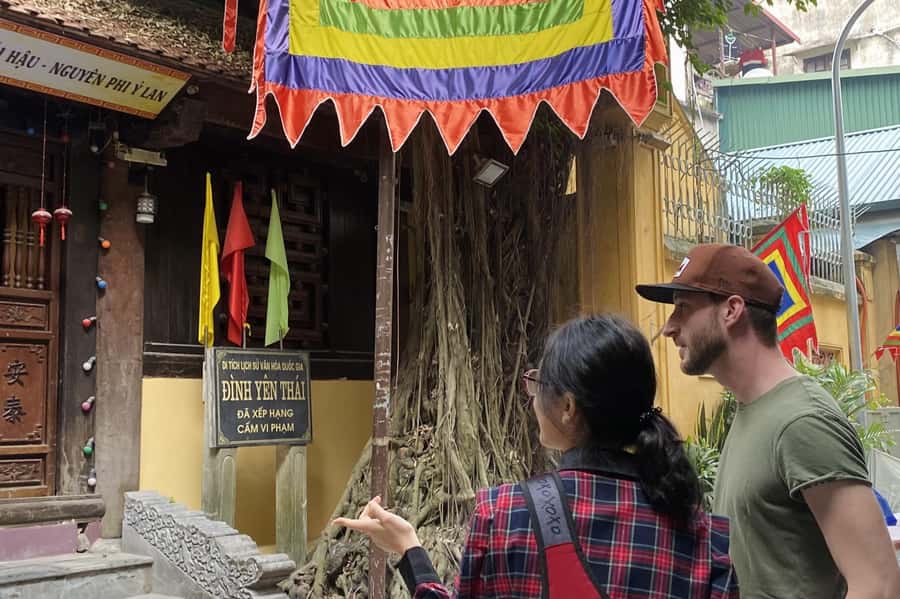
- Yen Thai Market comes first: See local produce, choose ingredients, and learn what Vietnamese cooks use at home.
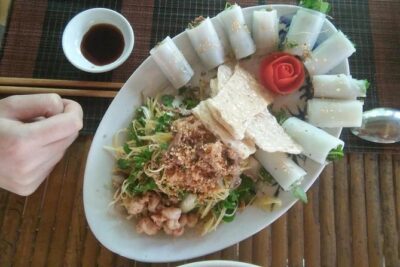
- Four dishes are made by hand: Prepare mixed pho, pho rolls, fried spring rolls, and papaya salad.
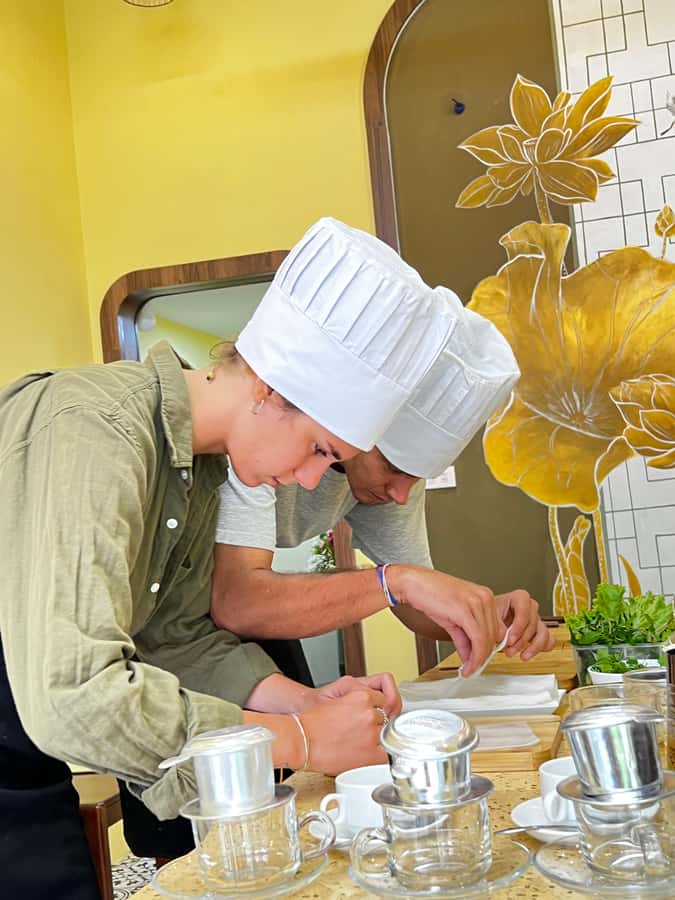
- Egg coffee is part of the lesson: Learn Hanoi’s famous creamy coffee drink, not just the savory dishes.
- The class is genuinely hands-on: Guides give step-by-step help, including advice on rolling, seasoning, and preparation.
- Your meal is included: Sit down after cooking to eat the dishes you made, with seasonal fruit and drinks.
- Recipes go home with you: The cooking instructions make it possible to repeat the meal after your trip.
What the Maya class is really like
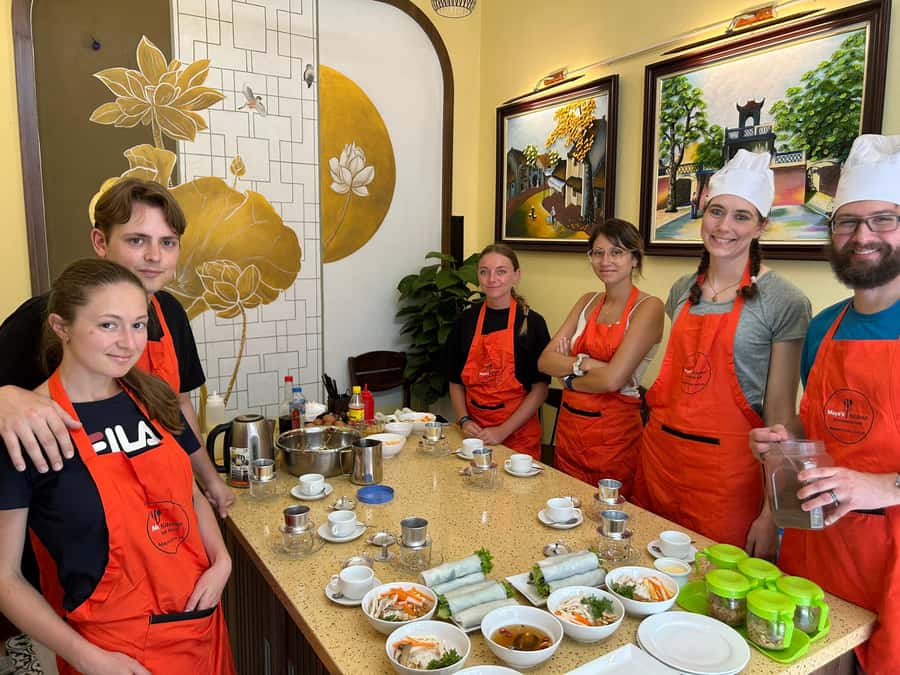
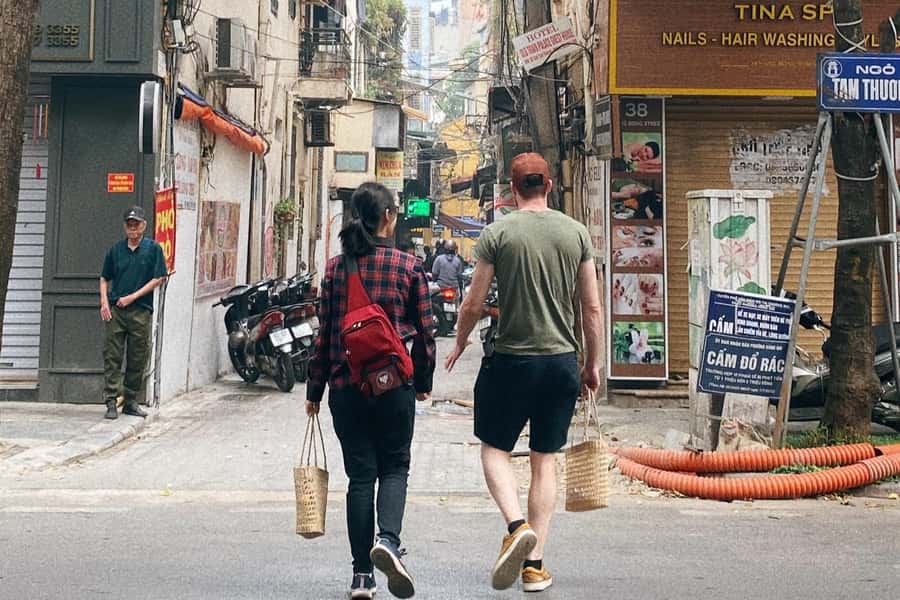
The class begins at the Crossing Vietnam Tour office, the meeting point for the activity. From there, you head to nearby Yen Thai Market with your English-speaking guide and cooking instructor.
The experience is small, with no more than 10 people. That matters in a cooking class. You are not left at the back of a large room while someone prepares everything at the front. The guides are expected to involve you directly, and the strongest feedback repeatedly praises their patience, friendliness, and clear explanations.
Different instructors lead the class on different dates. Names praised in the booking feedback include Iris, Ruby, Stephanie, Evelyn, Lena, Devin, Yuu, Ashley, Anne, and Aurora. Iris receives especially warm comments for her patience and clear English, while Ruby and Stephanie are often praised for their energy and ability to make beginners feel comfortable.
The tone is friendly rather than formal. You come to cook, but you also get explanations about food customs, local ingredients, and daily life in Hanoi.
More Cooking Classes with a Market Tour in Hanoi
- Hanoi Cooking Class: Culture, Local Market & Meaning CSR Impact
★ 5.0 · 5,147 reviews - 5 Traditional Dishes Hanoi Cooking Class with Market Trip
★ 5.0 · 4,890 reviews - Vietnamese Food Cooking Class in Hanoi with Market Experience
★ 5.0 · 778 reviews
Yen Thai Market: the useful first stop
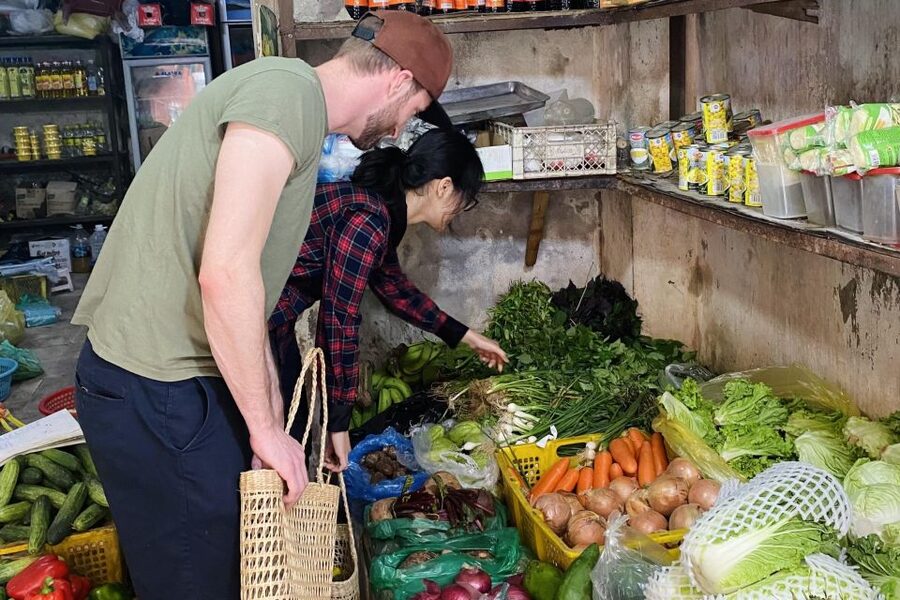
The market visit is not just a quick shopping errand. It gives you a short introduction to the ingredients used in Vietnamese food and helps explain why the dishes taste fresh, sharp, sweet, and balanced.
You can expect to see fresh food and local produce while your guide explains ingredients and possible substitutes. Some sessions include choosing fruit to taste later. This is a good chance to ask about unfamiliar items before you meet them on a plate.
The market portion also gives context to the cooking class. Vietnamese recipes often depend less on a long list of complicated techniques than on the right combination of herbs, vegetables, noodles, dipping flavors, and fresh produce. Seeing those ingredients in their everyday setting makes the kitchen lesson easier to understand.
I would not expect a long market tour. One person specifically wished for more time at the market and felt that most of the activity took place in the kitchen. That is a fair point. The market is an introduction, not a full food tour, so book this experience for the cooking rather than for extended shopping.
Morning is the safer choice if the market visit matters to you. Local markets usually operate in the morning, and the afternoon session may have limited market availability on some days.
The kitchen lesson: four dishes, one full meal
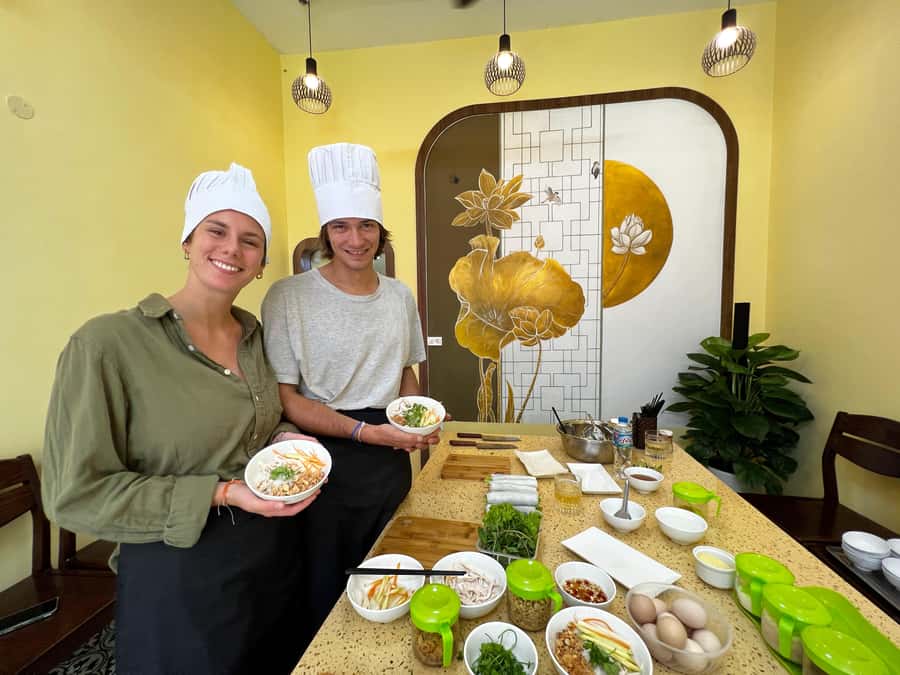
After the market, you go to the cooking space and begin preparing the meal. The class teaches four Vietnamese dishes, each showing a different skill and style of eating.
The menu is:
- Pho tron, mixed pho
- Pho cuon, pho rolls
- Nem ran, fried spring rolls
- Nom du du, papaya salad
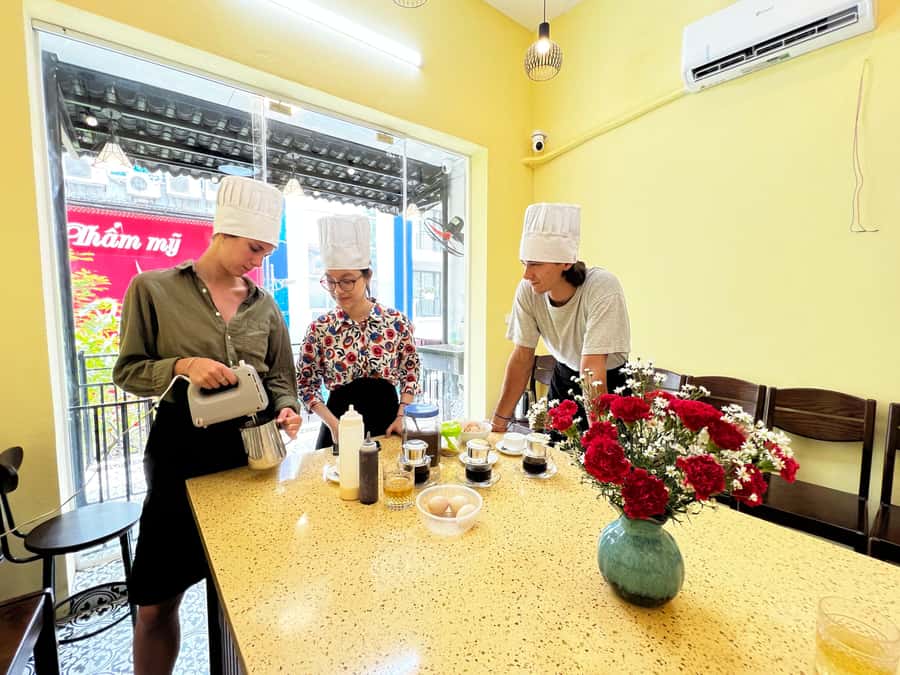
- Ca phe trung, Vietnamese egg coffee
- Seasonal fruit for dessert
This is a smart menu for a short class. You get noodles, rolls, fried food, salad, and a Hanoi specialty drink. The dishes are varied enough to keep the session interesting, but they are also practical enough to recreate at home.
Fried spring rolls and the art of an even roll
Fried spring rolls come first. They are presented as a traditional dish for holidays and family gatherings, which gives the recipe a place in Vietnamese food culture beyond its familiar appearance on restaurant menus.
Your instructor shows you how to fill and roll them. The key challenge is using your hands with enough control to make the rolls even and firm without packing them too tightly. It is a small technique, but it makes a difference when the rolls are fried.
This is one of the most hands-on parts of the class. You will not simply watch the guide shape one perfect example. You get to practice the movement yourself, with help when needed.
The finished rolls provide the satisfying part of the lesson: crisp food that you helped make from the start. If you have never prepared spring rolls before, this alone gives you a useful skill to take home.
More Cooking Classes with a Market Tour in Vietnam
- Hanoi: 5 Local Dishes Cooking Class with Meal & Market Visit
★ 5.0 · 420 reviews - Hanoi Cooking Class and Market Tour in Ancient House
★ 5.0 · 379 reviews - Rose Kitchen Hanoi: Market, Cooking & Culture Tour + Free PickUp
★ 5.0 · 342 reviews - Hanoi: Cooking Class in a Local Villa with Market Tour
★ 4.9 · 320 reviews
Papaya salad and the sour-sweet balance
Next comes papaya salad, built around sour and sweet flavors. The dish shows how Vietnamese food often aims for balance rather than a single strong taste.
Your guide explains the preparation step by step, including how the ingredients come together. This is a good dish for understanding how a few fresh components can produce a lively result without a heavy sauce.
The salad also breaks up the richer fried food. You get a fresh contrast on the plate, which helps the final meal feel varied instead of repetitive.
Pho rolls and mixed pho
Pho rolls and mixed pho give you two different ways to use Vietnam’s famous rice noodles.
Pho cuon, or pho rolls, turn the familiar pho noodle into a soft wrapper. You prepare the rolls and learn how the ingredients work together without the broth associated with a traditional bowl of pho.
Pho tron, or mixed pho, is another useful surprise for anyone who knows pho only as soup. The noodles are combined with the other ingredients rather than served in a bowl of broth. One person who took the class particularly enjoyed the mixed pho because it offered a different take on a well-known Vietnamese staple.
These dishes also make the menu more useful for home cooking. They do not depend on spending hours preparing a large pot of broth, which means you have a better chance of making them again after your holiday.
Egg coffee, Hanoi’s sweet specialty
Ca phe trung is the drink that makes this more than a general Vietnamese cooking class. Egg coffee is closely associated with Hanoi, and the class shows you how to prepare this sweet, creamy drink at home.
The drink is served as part of the meal rather than treated as an optional extra. If you like coffee and desserts, this may be your favorite part of the session. If you prefer unsweetened coffee, keep in mind that egg coffee is a rich specialty rather than a plain cup of morning caffeine.
Seasonal fruit follows the meal. The exact fruit can change, and the market visit may give you a chance to choose or try something unfamiliar.
Eating what you cooked
The meal comes after the cooking. You sit down and eat the dishes prepared during the class, along with the egg coffee, seasonal fruit, and included drinks.
This order is worth knowing before you book. You will not snack your way through the lesson, so do not arrive extremely hungry. A small meal beforehand is sensible, especially for the morning session.
The portion design appears practical. One booking comment noted that the four dishes were served in sizes that allowed the diner to try everything without becoming uncomfortably full. Other sessions produced enough food for leftovers, which the guide packed up for later.
The meal also gives you time to talk with the instructor. That relaxed conversation is one of the more valuable parts of the experience. You can ask about ingredients, Vietnamese customs, Hanoi, or how to adapt the recipes at home.
The guides make the difference
A cooking class can be technically sound and still feel flat if the instructor rushes or does all the work. Here, the people leading the class are a major reason the activity earns its strong 4.9 out of 5 rating from 243 bookings.
The most consistent praise goes to the guides’ patience, warmth, clear English, and willingness to answer questions. Evelyn is repeatedly described as positive, chatty, and good at explaining both the city and the recipes. Iris is praised for making people feel comfortable and for giving detailed instructions in an easy way.
Ruby is another frequently praised instructor. Her sessions are described as professional, funny, and welcoming, with recipes sent afterward through WhatsApp. Stephanie is often singled out for her friendly energy and careful attention to each participant.
The guide can also help with food needs. One participant with a nut allergy received suitable care, and another class adjusted the menu for dietary requirements. You should still tell the provider about allergies before cooking begins, since the exact adjustment will depend on the ingredients available that day.
What the class teaches about Vietnamese food
The class is valuable because it connects recipes to habits and traditions. You learn that fried spring rolls are linked with holidays and shared meals. You see how fresh produce shapes the menu. You taste the sweet and sour balance of papaya salad, then compare it with the texture of noodles and fried rolls.
The market visit adds a practical layer. You can ask about ingredients, see possible substitutes, and understand why local cooks shop for fresh produce rather than relying only on packaged items.
This is not a formal history lesson, and the market stop is short. Still, the guides provide cultural background alongside the cooking. For a first day in Hanoi, that combination helps you get oriented through food rather than through a standard city lecture.
Price, group size, and what you get for $22
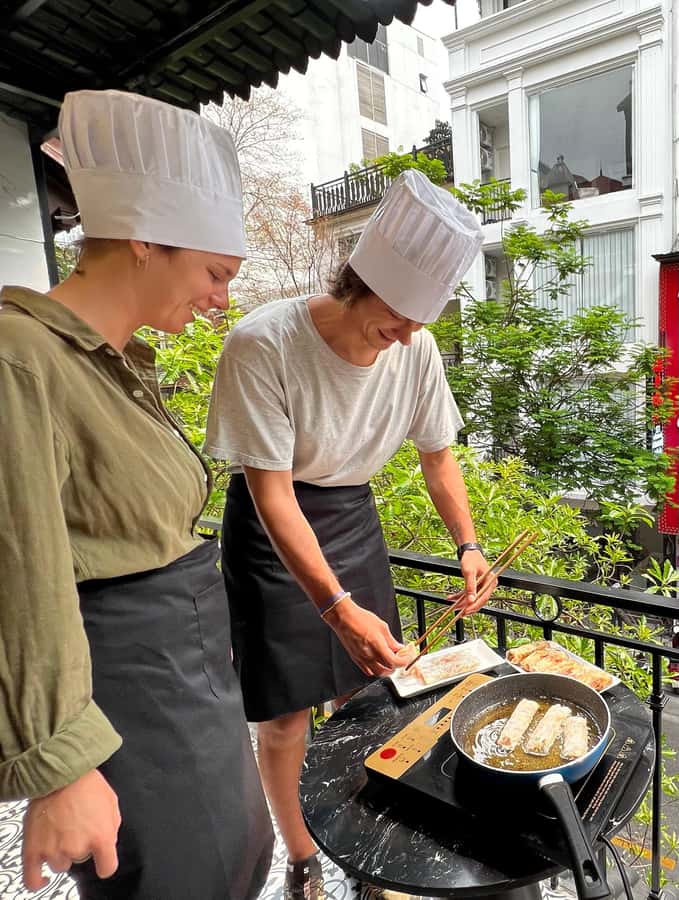
At $22 per person, the class offers good value for a three to four-hour activity. The price covers the market tour, ingredients bought for the class, the instructor, all food and drinks, drinking water, seasonal fruit, the recipes, and a local wine tasting.
The value is strongest if you want an activity that functions as both lunch or dinner and a lesson. You are not paying only for a meal. You receive instruction, ingredient information, cultural context, and recipes you can use later.
The small group also improves the value. With a maximum of 10 people, you have a fair chance to take part in every stage. Some morning sessions have been especially intimate, including private classes when only two people booked.
There is no hotel pickup or drop-off, so you need to make your own way to the Crossing Vietnam Tour office. The provided details do not state a fixed start time, so check availability for your chosen date.
Small drawbacks to keep in mind
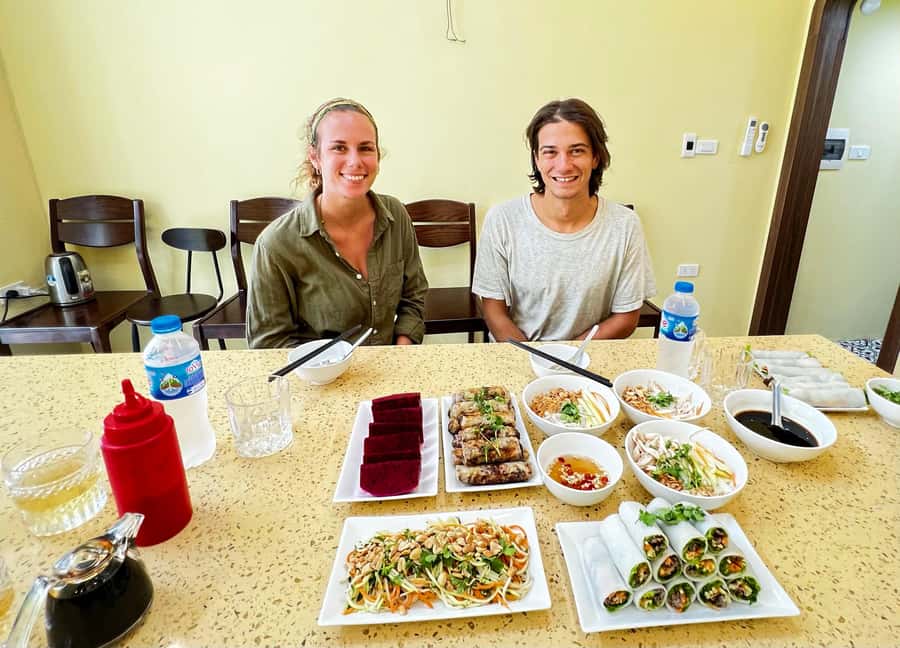
The market stop may be shorter than you hope. If your main goal is to browse a Hanoi market at length, choose a morning session and treat this class as a cooking experience with a market introduction.
The class also involves several dishes in a limited time. That is good for variety, but it means the focus is on practical home preparation rather than a slow, detailed study of one recipe.
You may also find that the session feels different depending on the guide and group size. The feedback is very strong across many instructors, but the personality of your guide will shape the pace and tone.
Finally, the eating happens at the end. Plan around that simple fact, especially if you are booking an early class or traveling with children.
Who should book the Maya cooking class?
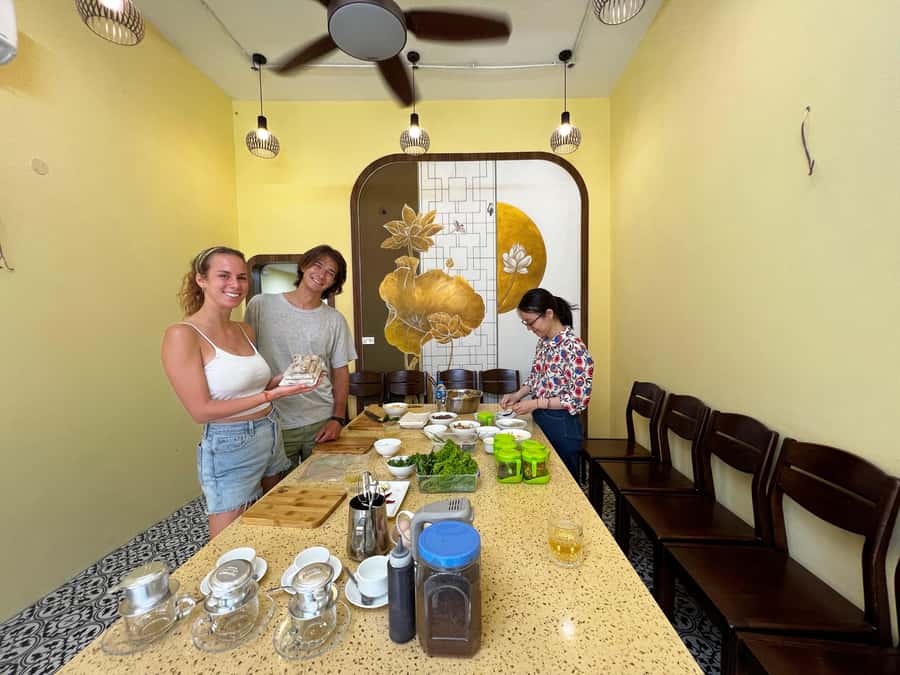
I would choose this for first-time visitors who want a friendly introduction to Hanoi food without committing to a full-day tour. It also suits couples, solo visitors, families with older children, and small groups who enjoy making things rather than only looking at them.
It is a strong pick if you want to learn recipes you can repeat at home. The spring rolls, papaya salad, pho rolls, and mixed pho offer enough variety to keep experienced cooks interested while remaining approachable for beginners.
The class may be less suitable if you want a long market walk, a highly technical chef-led course, or a meal that begins as soon as you arrive. It is also not a hotel-based activity, since transportation is not included.
Free cancellation is available up to 24 hours before the activity for a full refund, and you can reserve without paying immediately. Those terms are useful if your Hanoi schedule is still shifting.
Should you book it?
Book it if you want to cook, eat, and learn the food culture behind a short Hanoi menu. The mix of market ingredients, hands-on preparation, egg coffee, and a shared meal gives you more than a standard restaurant visit for $22.
Choose a morning session if Yen Thai Market is important to you. Arrive ready to work with your hands, tell the instructor about allergies, and remember that the meal comes at the end. If those details suit your plans, this is an easy activity to recommend, especially for anyone who wants to bring a little Hanoi home in the form of recipes.
FAQ
How long does the Maya cooking class and market tour last?
The activity lasts approximately three to four hours.
Where does the experience begin?
You meet at the Crossing Vietnam Tour travel agency office before walking to nearby Yen Thai Market.
What dishes will I prepare?
You prepare mixed pho, pho rolls, fried spring rolls, and papaya salad. The class also includes Vietnamese egg coffee and seasonal fruit for dessert.
Is the market visit included?
Yes. The market tour is included, along with the purchases made at the market for the cooking class.
Is food and drink included?
Yes. The price includes all food and drinks, drinking water, seasonal fruit, and a local wine tasting.
Is hotel pickup included?
No. Hotel pickup and drop-off are not included, so you need to reach the meeting point yourself.
Is the class suitable for people with food allergies?
Dietary requirements and allergies can be discussed with the instructor, and the menu may be adjusted. You should provide this information before cooking begins.
What happens if I book an afternoon session?
The market may not be available on some afternoons because local markets usually take place in the morning. Choose a morning session if the market visit is a priority.
Just added around Hanoi
- Hanoi: Vietnamese Cooking Class- Market Tour with Local Chef★ 5.0 · 2 reviews
- Hanoi: Vegan Vietnamese Cooking Class in a Local Villa★ 5.0 · 42 reviews
- Hanoi Vegan Cooking Class: A Vietnamese Culinary Adventure★ 4.8 · 5 reviews
- Hanoi Food Adventure: Vietnamese Market Tour & Cooking Class★ 4.8 · 5 reviews
- Hanoi: Village Farm Tour and Cooking Class with Lunch★ 5.0 · 7 reviews
- Hanoi’s Culinary: Authentic Cooking Class and Local Market★ 4.8 · 5 reviews
- Hanoi Farm Tour and Cooking Class with Local Family★ 4.9 · 14 reviews
- Hanoi Cooking Class in Haven of Tranquility – Thom culinary★ 5.0 · 3 reviews
Cooking Classes with a Market Tour, compared.
Hanoi Cooking Class: Culture, Local Market & Meaning CSR Impact
Read our review →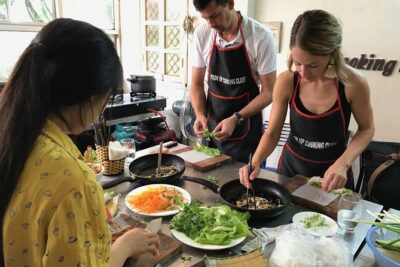
5 Traditional Dishes Hanoi Cooking Class with Market Trip
Read our review →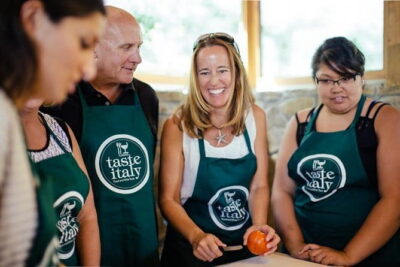
Cooking Class and Lunch at a Tuscan Farmhouse with Local Market Tour from Florence
Read our review →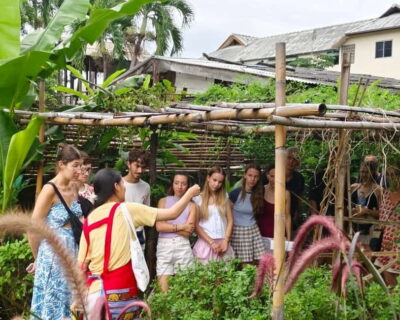
Cooking Class, Market & Thai Herbs Garden Tour
Read our review →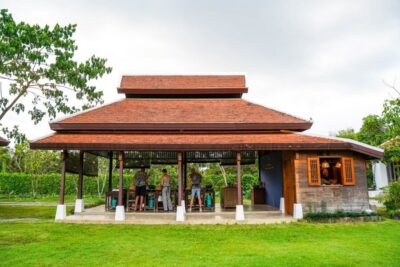
Authentic Cooking Class with Market & Farm Visit
Read our review →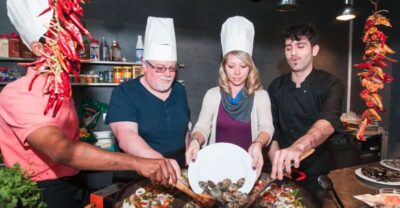
Paella Cooking Experience & Boqueria Market Tour
Read our review →
Cooking Class Hoi An:Local Market, Basket Boat, Fishing & Cooking
Read our review →