
REVIEW · DALMATIA, CROATIA
The story of Soparnik – Cooking class
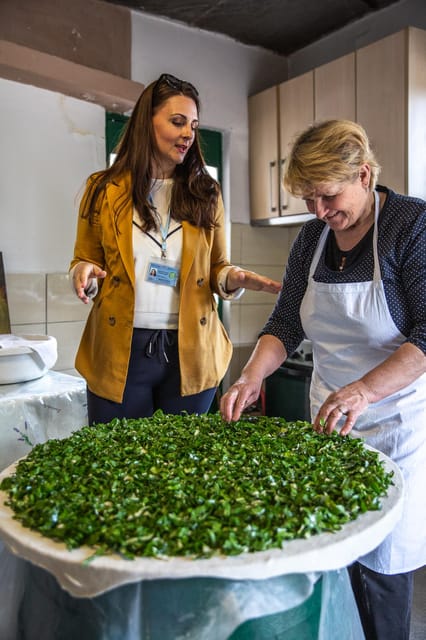
Food can tell a village story. In Gata, you learn to make soparnik, a thin chard pie cooked over hot coals, with guidance from Nikolina and her family. I like the hands-on format, since everyone gets a real task instead of watching a demonstration from the sidelines. I also like the mix of food, local history, wine, and family hospitality.
The main thing to consider is the short 70-minute schedule. You make one soparnik as a group, so this is more of a focused introduction than a long cooking course. The price is $94 per person, which is fair if you value the personal setting and tasting, but less attractive if you only want a quick snack.
Key points at a glance
- Make a Croatian heritage dish: Soparnik comes from the Poljica region and carries Croatia’s intangible cultural heritage designation and an EU geographical origin label.
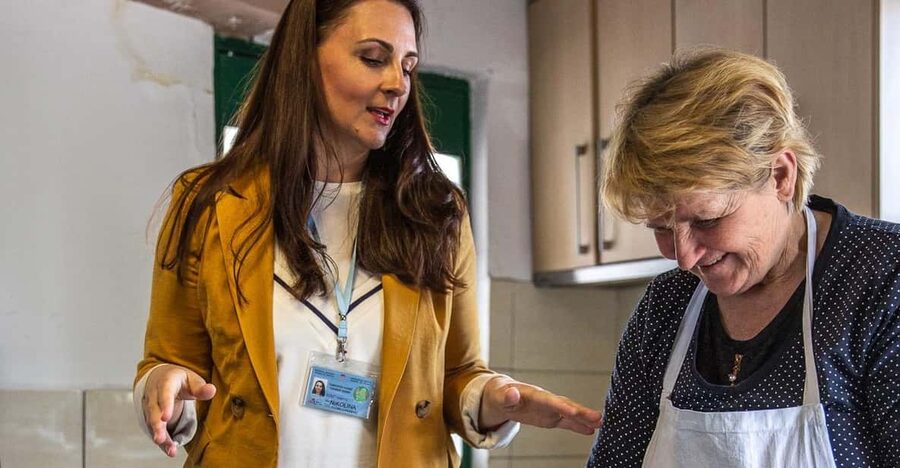
- Work with a master soparnik maker: You take turns cutting chard, rolling dough, twisting the edges, and helping prepare the pie.
- Visit a family farm in Gata: The activity takes place at Gospe od Smova 50, with the guide waiting at the exact address.
- Taste more than the main dish: Your visit begins with an aperitif and local dessert, then ends with soparnik and a glass of Plavac mali wine.
- Enjoy a private, accessible experience: The class is for a private group and is listed as wheelchair accessible.
- Keep the booking flexible: You can cancel up to 24 hours before the activity for a full refund, and reserve now while paying later.
Why Soparnik Matters in Dalmatia
Soparnik is not simply a vegetable pie. It is a traditional dish from the Poljica region, an area of Dalmatia with a strong local identity and long-standing food customs. The dish has been recognized as part of Croatia’s intangible cultural heritage, and it carries an EU geographical origin label.
That recognition gives the cooking class useful context. You are not just learning how to combine ingredients. You are learning how a particular dish belongs to a particular place.
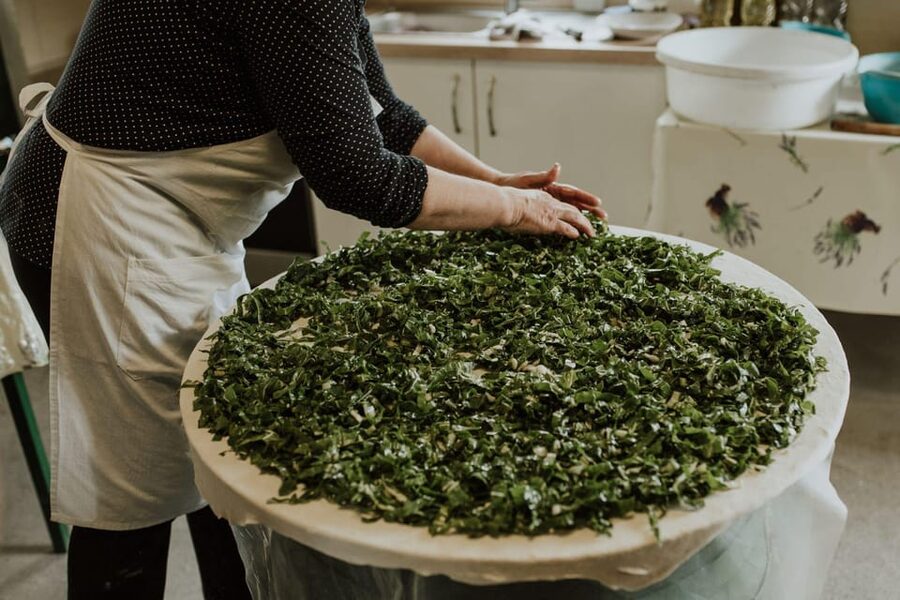
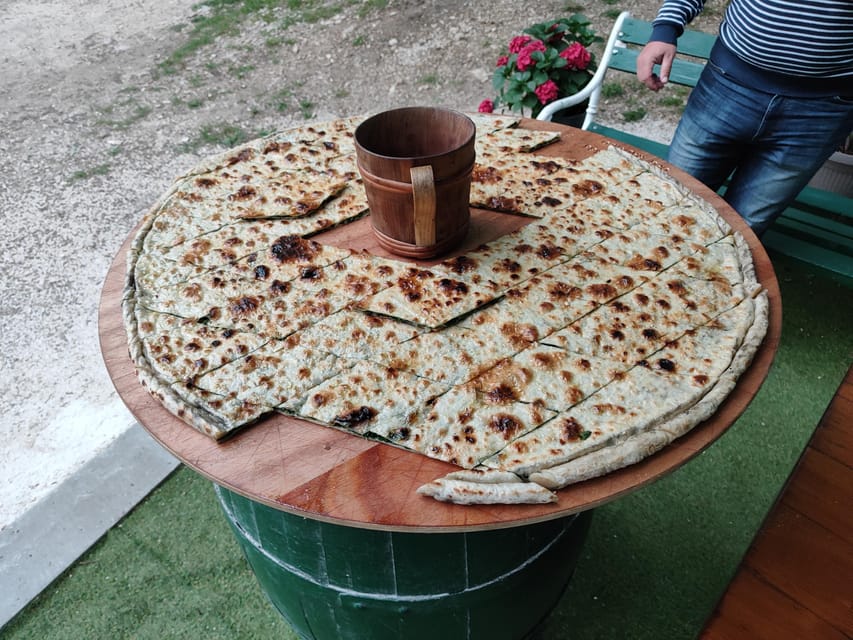
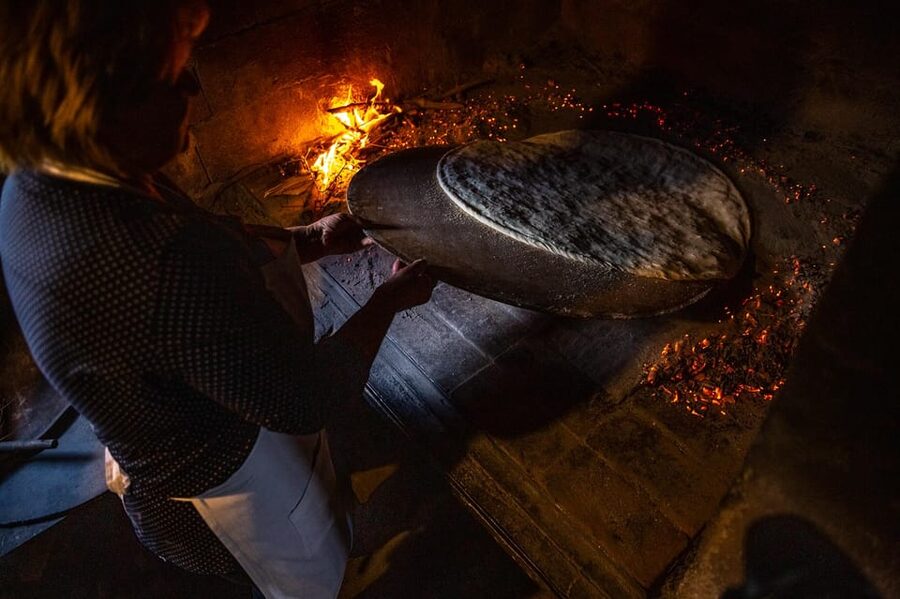
The recipe is wonderfully plain. Soparnik uses thin dough, Swiss chard, onion, extra virgin olive oil, and garlic. Its flavor depends on careful preparation and hot cooking rather than a long list of ingredients. The finished pie is baked on an open fire and covered with hot coals, which gives the class a clear connection to older cooking methods.
I find that kind of food lesson especially useful in Dalmatia. It shows how local cooking can be practical, seasonal, and tied to family habits. You leave with a better sense of why the dish matters, not just what it tastes like.
A few more cooking classes around the world worth a look
- Half-Day Thai Cooking Class at Organic Farm in Chiang Mai
★ 5.0 · 19,087 reviews - Florence: Pasta Cooking Class with Unlimited Wine
★ 4.9 · 10,285 reviews - 3 in 1 Cooking Class near Navona: Fettuccine, Ravioli & Tiramisu
★ 5.0 · 7,376 reviews
Arriving at the Family Farm in Gata
The meeting point is Gospe od Smova 50 in Gata, and the guide waits for you at the exact address. Since no transfer is included, you need to arrange your own way there. This is the most important practical detail to settle before booking.
Once you arrive, the experience begins with an aperitif and a local dessert. That opening gives the visit a relaxed rhythm. Instead of rushing straight into instructions, you have time to settle in and begin hearing about the setting and the tradition.
The family element is central. Nikolina and her relatives host the activity, creating a more personal atmosphere than you would get in a large culinary school. I like that the family connection is part of the experience rather than a decorative detail. The food is being explained by people who welcome you into their own working environment.
The setting also makes this feel different from a standard city food workshop. You are visiting a family farm in Gata, not simply sitting at a commercial cooking counter. The available information does not promise a farm tour or a long visit outdoors, so you should book this for the family setting and food lesson, not for a full agricultural excursion.
Learning the Story Before You Cook
Before you begin making the soparnik, the guide explains its story, history, and place in local tradition. This introduction matters because the cooking tasks make more sense once you know what you are preparing.
The guidance is available in English and Croatian. The activity is led by a live guide, and professional instruction is part of the program. That should help if you have little cooking experience or are unfamiliar with the dish.
The class is designed around participation. One soparnik is made, and each person receives a different task. You might cut the chard, roll the dough, twist the edges, or take another turn in the preparation. The group can rotate through the jobs, so you are not limited to one small action.
That shared format has a clear advantage: you get to see the full process from start to finish. The tradeoff is that you are not making an individual pie to take home. If you want detailed practice with every stage, ask yourself how much hands-on time you need. For a short introduction, the arrangement works well.
Cutting Chard, Rolling Dough, and Shaping Soparnik
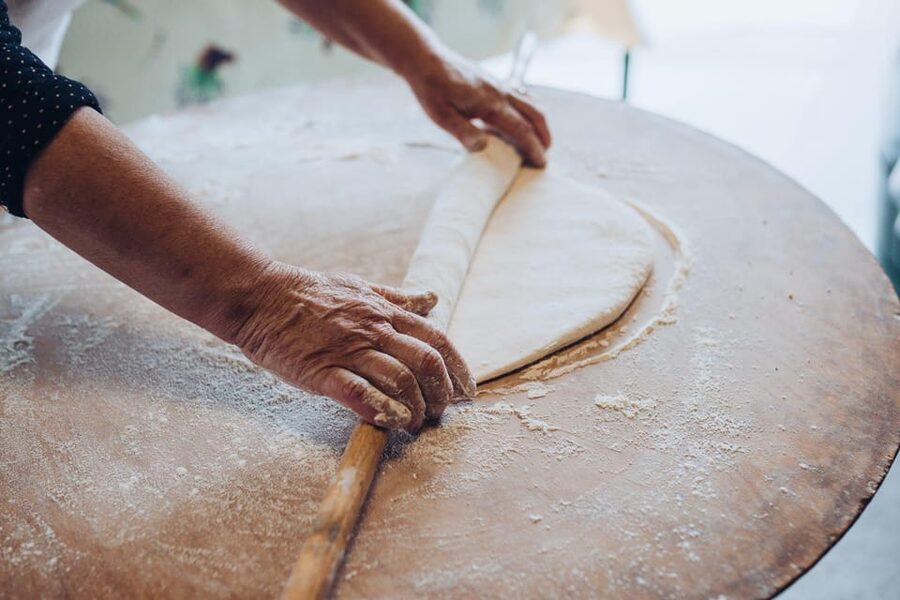
The ingredients are simple, but the technique gives the dish its character. Cutting the chard and onion is the easy part. Rolling the dough thinly and shaping the edges require more care, which is where the master soparnik maker becomes valuable.
You can expect the group to work under direction rather than simply follow a printed recipe. The guide demonstrates the method, then helps each person complete a stage. I like this approach because it keeps the class social and makes room for different levels of cooking ability.
Twisting the ends is a small detail, but it is part of the dish’s traditional appearance. Rolling the dough is another useful moment, since a thin pie depends on getting the pastry to the right texture and thickness. You may find that the process looks easier than it feels once you start handling the dough.
The class lasts 70 minutes, so the pace is likely to be steady. You will not spend an entire afternoon slowly preparing several dishes. Instead, you focus on one important local specialty and see it through to the tasting.
That short format suits an itinerary with limited time in the area. It also means you should arrive ready to participate. If you prefer long, relaxed cooking sessions with several recipes, this may feel brief.
Same place, a different thing to cook:
- Florence: Pasta & Tiramisu Cooking Class with Unlimited Wine
★ 4.9 · 6,708 reviews - Hanoi Cooking Class: Culture, Local Market & Meaning CSR Impact
★ 5.0 · 5,147 reviews - 5 Traditional Dishes Hanoi Cooking Class with Market Trip
★ 5.0 · 4,890 reviews - Cooking Class and Lunch at a Tuscan Farmhouse with Local Market Tour from Florence
★ 5.0 · 4,831 reviews
Cooking the Pie Over Hot Coals
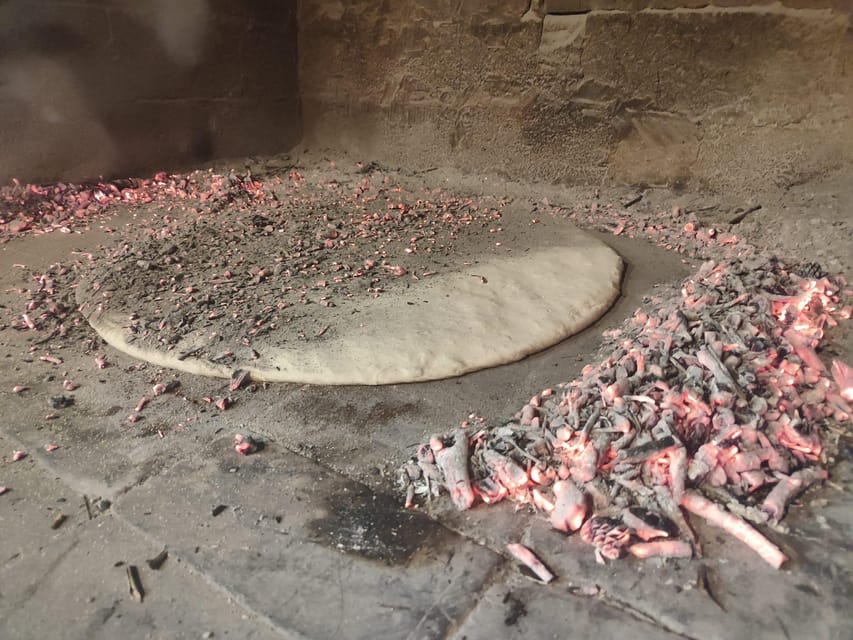
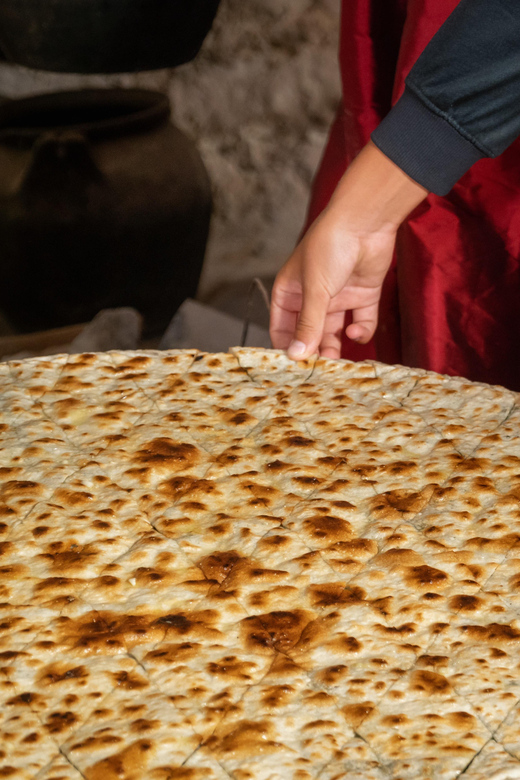
The finished soparnik is cooked on an open fire covered with hot coals. This is one of the most distinctive parts of the experience. The heat comes from the traditional cooking method, not from a modern kitchen oven.
Once baked, the pie is seasoned with extra virgin olive oil and garlic. Those finishing ingredients are modest, but they suit the dish. The result is a thin pie filled with chard and onion, with the cooking method adding a deeper character.
The coal cooking also gives the class a practical link to the past. You can see how a basic set of ingredients becomes a complete meal through skill, heat, and timing. The activity does not present local cuisine as something complicated or precious. It shows the value of doing a few things carefully.
The provided details do not specify how long the soparnik cooks or exactly where you stand during the fire portion. If you have mobility or fire-safety concerns, the class is listed as wheelchair accessible, but it is still sensible to mention any needs when booking.
Tasting Soparnik With Plavac Mali
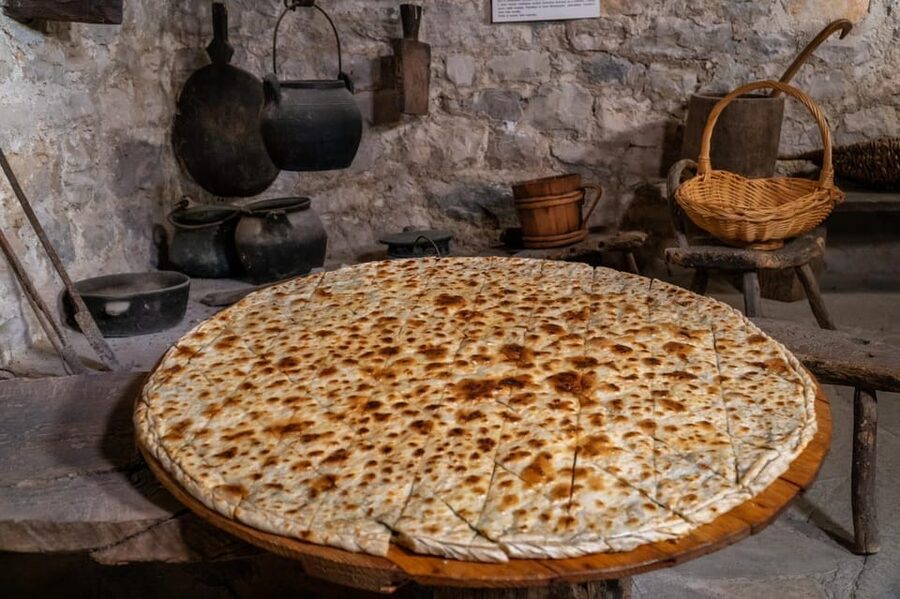
After the pie is ready, you taste the soparnik you helped make. The tasting includes a glass of Plavac mali from Wine House Skaramuča on the Pelješac peninsula.
This pairing adds value to the class. You are not only sampling the finished dish, you are also connecting it with Croatian wine. Plavac mali is a familiar Dalmatian grape, and tasting it alongside a regional specialty gives you a fuller picture of local food culture.
The experience begins with an aperitif and local dessert, then moves through the cooking lesson and finishes with soparnik and wine. That creates a small but complete food program in 70 minutes.
I would not book this expecting a full meal with several courses. The included food is better understood as a welcome tasting, one traditional dish, and a wine sample. If you have a large appetite, plan your next meal separately.
What the $94 Price Really Buys
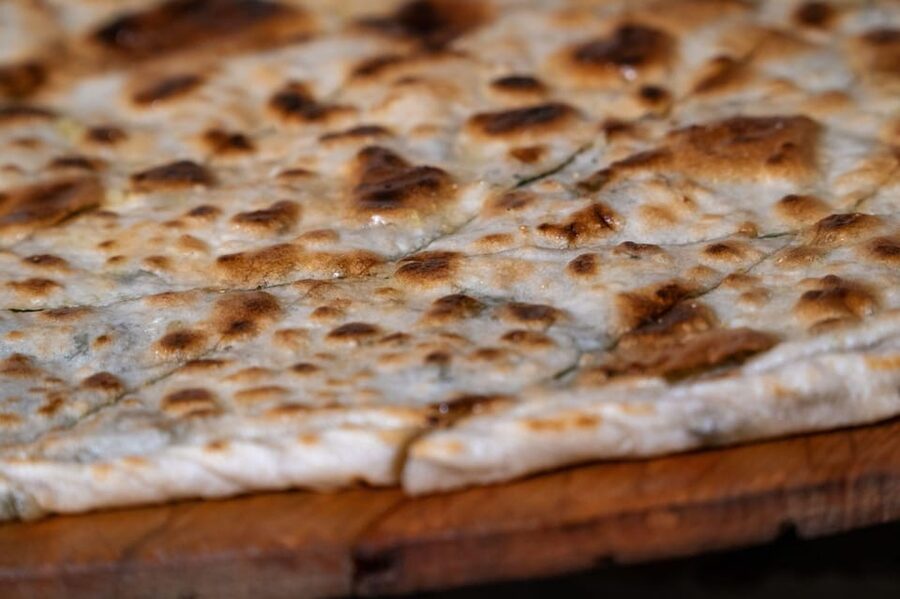
At $94 per person, this is not the cheapest food activity in Croatia. The value depends on what you want from a cooking class.
You are paying for a private group format, professional guidance, storytelling, an aperitif, dessert, the cooking activity, soparnik tasting, and wine tasting. You also receive the benefit of a family-hosted setting and access to a traditional dish that is not as familiar to many visitors as štrukli, pasticada, or fresh seafood.
The price makes more sense for a small family or private group that wants a personal activity. It is also easier to justify if you care about local customs and want a food experience with cultural context.
The value is weaker if you only want to sample soparnik. In that case, finding the dish at a local restaurant could cost much less, although you would miss the instruction, the family setting, and the story behind it.
Two five-star ratings support the strongest parts of the experience: the warm welcome from Nikolina and her family, the history of the dish, and the pleasure of eating something you helped prepare. I would put those points ahead of the food alone when deciding if the price works for you.
Who Will Enjoy This Most
I would recommend this class to families, couples, food-focused visitors, and anyone who prefers a personal activity over a large organized tour. It works particularly well for a group with older teenagers, since the tasks are practical and the cultural explanation gives the visit more substance.
A family group of five, with the youngest participant aged 17, found the class especially rewarding. That suggests the activity is well suited to older teens and adults who can take part in shared food preparation.
You should also consider this if you have already visited Croatia several times and want something beyond the usual coastal sightseeing. The family hosts, local dish, and village setting offer a different view of Dalmatia.
This is less suitable if you want to cook many recipes, spend several hours at a farm, or receive an individual portion to prepare from beginning to end. You also need to handle your own transport to Gata, since transfers are not included.
Timing, Group Size, and Access
The program lasts 70 minutes, with starting times available according to the date you choose. That makes it easy to fit around other plans, but you should allow extra time for getting to Gospe od Smova 50 and leaving afterward.
The group is private. That is a real advantage for families and friends, since you can work at your own group’s pace and ask questions without a large audience. It also supports the personal tone that makes this activity appealing.
The guide speaks English and Croatian. The class is listed as wheelchair accessible, which gives it a wider reach than many traditional food activities. Still, accessibility can depend on the exact route and working area, so tell the provider about any specific needs before you arrive.
Free cancellation is available up to 24 hours in advance for a full refund. You can also reserve now and pay later, which helps if your Dalmatian schedule is still changing.
The Warm Welcome Is Part of the Meal
The cooking matters, but the hospitality is just as important. Nikolina and her family are repeatedly praised for making people feel at home, welcoming them into the kitchen, and teaching with care.
That personal contact is the strongest reason to choose this over a simple restaurant tasting. You get a direct connection to the people who preserve and explain the dish. The experience feels grounded in family tradition rather than designed only for quick consumption.
I also like that the hosts do not separate the food from its background. The history of soparnik and the story of the local region are woven into the activity. By the time you taste the pie, you understand why it is worth preserving.
The class has received two five-star ratings, and both highlight the same qualities: warm hosts, useful cultural context, and the pleasure of tasting the group’s own soparnik. With such a small number of ratings, I would not treat that score as a guarantee, but the praise is consistent and specific.
Should You Book This Soparnik Class?
Book it if you want a short, private, family-hosted food experience with a strong local connection. The chance to help make a Croatian heritage dish, hear its story, and taste it with Plavac mali gives the 70 minutes a clear purpose.
I would especially choose it for a family with older children, a couple seeking an activity away from the main sightseeing route, or a repeat visitor who wants a closer look at Dalmatian traditions.
Skip it if you are mainly looking for a cheap meal, a long cooking school, or included transportation. The $94 price is justified by the private setting, instruction, storytelling, and hospitality, not by the amount of food served.
If you can reach Gata easily and appreciate food with a strong sense of place, this is a worthwhile addition to a Dalmatian itinerary.
FAQ
Where does the soparnik cooking class take place?
The class takes place in Gata at Gospe od Smova 50. The guide waits for you at the exact address.
How long does the activity last?
The program lasts 70 minutes. Starting times are shown when you check availability.
How much does the experience cost?
The listed price is $94 per person.
What food and drinks are included?
The experience includes an aperitif, a local dessert, soparnik tasting, and a glass of Plavac mali wine from Wine House Skaramuča on Pelješac.
Do I make the soparnik myself?
You help make one soparnik as part of the group. Tasks can include cutting chard, rolling the dough, twisting the edges, and other preparation steps. Participants can take turns.
Is transportation to Gata included?
No. Transfer is not included. You must arrange your own transportation to and from Gospe od Smova 50.
What languages are available?
The live guide provides the activity in English and Croatian.
Is the class private and wheelchair accessible?
Yes. The activity is offered for a private group and is listed as wheelchair accessible.
Can I cancel or pay later?
You can cancel up to 24 hours in advance for a full refund. You can also reserve your place and pay later.
Just added around the world
- Aroidee’s Farm-Fresh Thai Cooking Experience★ 5.0 · 8 reviews
- Signature Thai Cooking Course★ 5.0 · 79 reviews
- Private Half-Day Thai Cooking Class in Chiang Mai★ 5.0 · 4 reviews
- Half Day Guided Thai Cooking Class in Chiang Mai★ 5.0 · 13 reviews
- Online Thai and Akha Cooking Class★ 5.0 · 70 reviews
- Private Virtual Thai Cooking Class★ 5.0 · 9 reviews
- Northern Thai Cooking Class in Chiang Mai in a Countryside Home★ 5.0 · 2 reviews
- 5 Hour Morning Thai Cooking Course★ 5.0 · 31 reviews
Cooking Classes, compared.

Half-Day Thai Cooking Class at Organic Farm in Chiang Mai
Read our review →

3 in 1 Cooking Class near Navona: Fettuccine, Ravioli & Tiramisu
Read our review →
Pasta & Tiramisu Cooking Class with Unlimited Wine
Read our review →
Hanoi Cooking Class: Culture, Local Market & Meaning CSR Impact
Read our review →
5 Traditional Dishes Hanoi Cooking Class with Market Trip
Read our review →
Cooking Class and Lunch at a Tuscan Farmhouse with Local Market Tour from Florence
Read our review →
Cooking Class, Market & Thai Herbs Garden Tour
Read our review →Lists this class appears in