
REVIEW · GEORGIA
Tbilisi: Georgian Cooking Class with Khinkali and Khachapuri
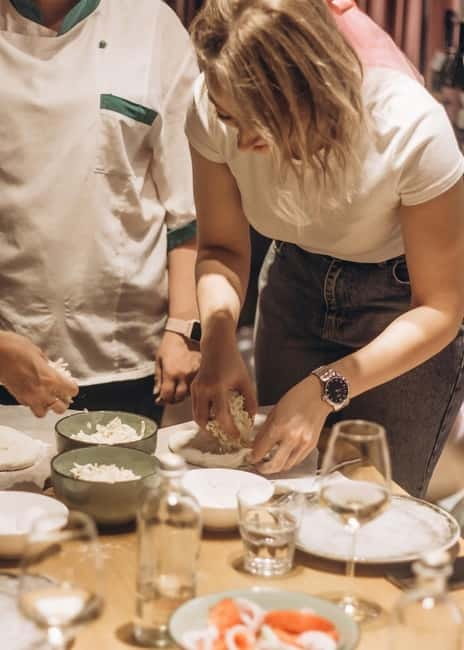
Come hungry, leave with recipes. This 2.5-hour class at St. Bunny gives you a friendly way to understand Georgian food by making it yourself, not just ordering another plate at a restaurant. I especially like the hands-on cooking and the generous spread of cheese, salad, wine, and finished dishes.
I also like the setting, a characterful Georgian courtyard inside a historic building near Rustaveli Avenue. The main consideration is that this is not held in a working kitchen, and the class can feel more like a hosted meal with cooking than a formal chef-school lesson.
The price is $28 per person, which is strong value for a full meal, wine tasting, instruction, and recipes to take home. Group size can vary, and some sessions may feel almost private, while larger groups may mean taking turns at parts of the preparation.
Key points at a glance
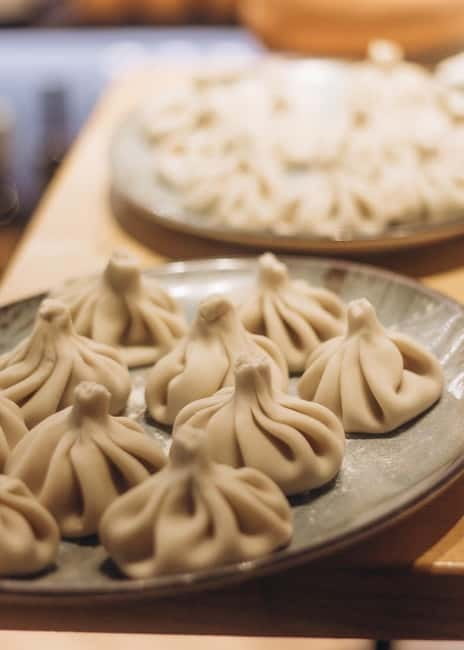
- You make two Georgian classics: Learn the dough, filling, shaping, and cooking methods for khinkali and Imeretian khachapuri.
- The class is held at St. Bunny: Find the restaurant on the third floor of the Merani shopping center, reached from Rustaveli Avenue or Alexander Griboyedov Street.
- Food arrives before the main cooking: Expect local cheeses, Georgian tomato and cucumber salad, Kakheti aromatic oil, and homemade wine.
- The chef stays close by: Instruction is described as patient, funny, and easy to follow, with chefs including Artem, Nina, Seva, George, and Nino.
- You eat what you prepare: The class ends around a shared table with your khinkali and khachapuri, usually leaving people very full.
- You get a social evening as well: Solo visitors, couples, friends, teens, and work groups can all fit the format.
Why khinkali and khachapuri are the right Georgian introduction
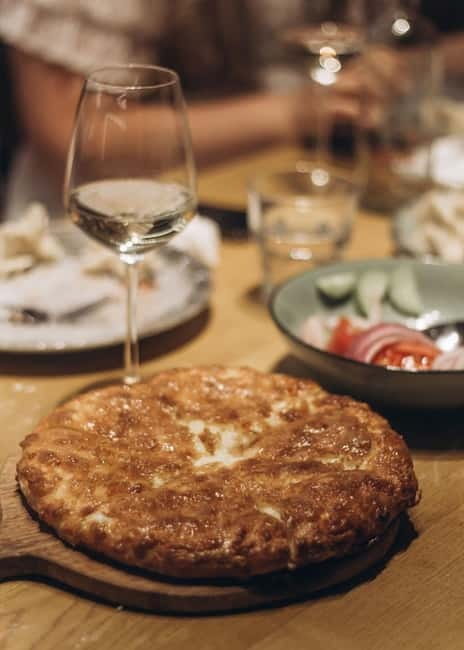
Georgian food is made for the table. Khachapuri is bread filled with cheese, while khinkali are pleated dumplings usually filled with meat and broth. They are simple to recognize, but the technique matters. A good khinkali needs a sealed top and enough filling to stay juicy. A good khachapuri needs dough that cooks properly around its cheese center.
That makes these dishes useful classroom subjects. You are not learning an obscure regional recipe that will be hard to repeat at home. You are learning two of the most familiar foods in Georgia, dishes you will see all over Tbilisi and beyond.
The class focuses on Imeretian khachapuri, a round, enclosed cheese bread rather than the more famous boat-shaped Adjarian version. One participant expected a different style, so it is worth keeping that distinction in mind. If you have your heart set on Adjarian khachapuri with an egg and butter in the middle, this may not be the class for you.
A few more cooking classes around the world worth a look
- Half-Day Thai Cooking Class at Organic Farm in Chiang Mai
★ 5.0 · 19,087 reviews - Florence: Pasta Cooking Class with Unlimited Wine
★ 4.9 · 10,285 reviews - 3 in 1 Cooking Class near Navona: Fettuccine, Ravioli & Tiramisu
★ 5.0 · 7,376 reviews
Arriving at St. Bunny near Rustaveli Avenue
St. Bunny is on the third floor of the Merani shopping center. You can enter from central Rustaveli Avenue or from parallel Alexander Griboyedov Street. Allow a little time to find the restaurant inside the shopping center, particularly if you are meeting the group at a busy time.
The venue is part of the experience. The class takes place in a cozy restaurant setting with a Georgian courtyard feel and an artistic interior. It is attractive enough that people often take photos before or after cooking.
This is not a behind-the-scenes kitchen tour. You will not be watching restaurant cooks work during a normal service. Instead, you gather in a prepared area of the restaurant, where the chef can explain each stage and help you work through the recipes.
That arrangement has advantages. You get a comfortable table, easy conversation, and a proper place to sit down for the meal. The tradeoff is that anyone hoping for a professional kitchen environment or a market visit will find the format more limited.
The welcome: wine, cheese, and Georgian produce
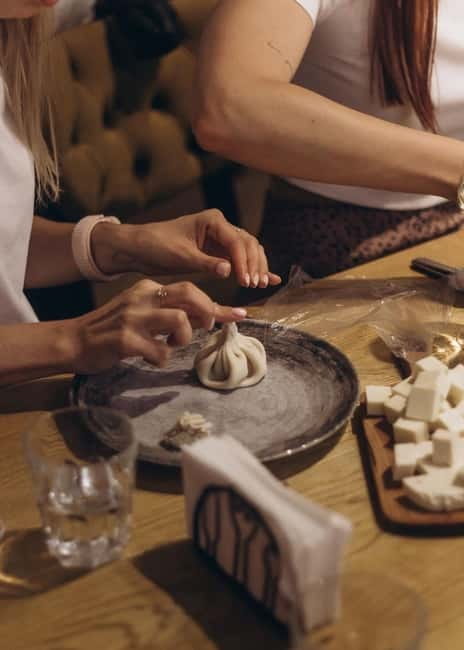
The experience starts with a glass of Georgian homemade wine and a plate of local cheeses. The cheese gives you an immediate taste of the country’s food culture, where simple dairy products and fresh bread are central to a shared meal.
You also receive a salad of ripe Georgian tomatoes and cucumbers dressed with aromatic oil from Kakheti. This is a useful contrast to the heavier dishes that follow. The vegetables bring freshness, while the oil adds a distinctly local touch.
There is plenty of salad, and you may have some to take home. That detail helps explain the value of the class. Your $28 is not paying only for a short demonstration followed by a small tasting. You are receiving several courses, wine, and the food you prepare yourself.
Additional wine or food ordered from the restaurant is not included. If you want extra drinks or another dish, plan to pay for those separately.
Making khinkali, one pleat at a time
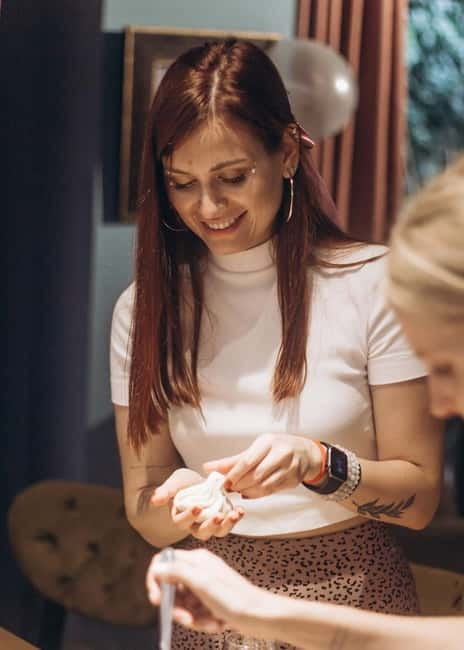
The khinkali section is the most hands-on part for many people. The chef explains how to work with the dough and filling, then shows you how to fold the dumpling into its familiar pleated shape.
This is where the instructor makes a real difference. Artem is praised for being patient and clear, while chefs such as Seva, Nina, George, and Nino are also described as friendly and attentive. The repeated pattern is simple: the chef demonstrates, you copy the movements, and help is available when your dumpling begins to look less like a neat parcel and more like a small dough accident.
Khinkali making can be social and surprisingly calming. You have a clear task, plenty to talk about, and a satisfying result at the end. The pleating takes practice, but the instructions are designed for beginners rather than experienced cooks.
One practical point is that the amount of food can be substantial. The dough, filling, salad, cheese, wine, and khachapuri together create a very large meal. If you are attending later in the day, skip a heavy lunch.
The format may not give every person equal time with every step in a larger group. One participant would have preferred more direct work on both recipes. In a small group, that issue is less likely, and some sessions have had only four people or even operated as a private experience.
Same place, a different thing to cook:
- Florence: Pasta & Tiramisu Cooking Class with Unlimited Wine
★ 4.9 · 6,708 reviews - Hanoi Cooking Class: Culture, Local Market & Meaning CSR Impact
★ 5.0 · 5,147 reviews - 5 Traditional Dishes Hanoi Cooking Class with Market Trip
★ 5.0 · 4,890 reviews - Cooking Class and Lunch at a Tuscan Farmhouse with Local Market Tour from Florence
★ 5.0 · 4,831 reviews
Preparing Imeretian khachapuri
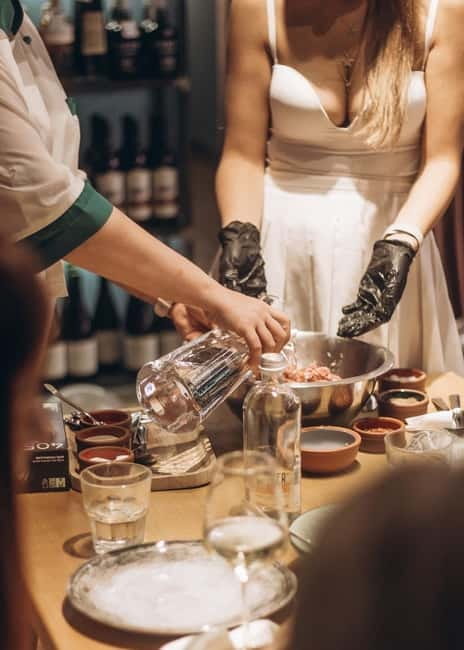
Khachapuri gives the class a second kind of cooking lesson. Instead of folding a small dumpling, you work with dough on a larger scale and learn how to enclose Georgian cheese in a round loaf.
The filling is the star, so the local cheese tasting at the beginning is more than a snack. It gives you a point of comparison before you use cheese in the dish. You can better appreciate how the same broad ingredient becomes part of a warm, filling bread.
The chef walks you through the process, watches the group, and corrects mistakes as needed. Several participants found the instructions easy to follow, even when they had little experience with Georgian cooking. That makes this a good activity for couples or friends with different levels of kitchen confidence.
The final khachapuri is usually served with the khinkali you have made. You do not simply watch a demonstration and receive a small sample. You work toward a full meal, which is one reason the class feels generous for the price.
Keep the style in mind. The promised dish is Imeretian khachapuri, and the session may not match the exact version you have eaten elsewhere in Georgia. That is not a flaw, but it is a useful expectation to set before you arrive.
Stories about Tbilisi while the dough rests
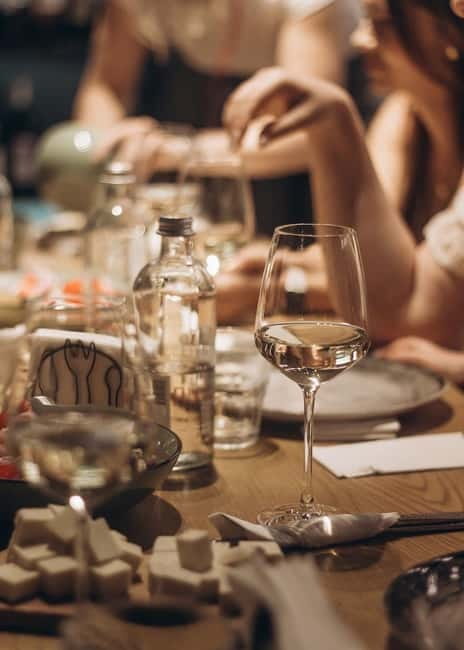
The class is not limited to measurements and folding techniques. The chef or host adds stories about Tbilisi and explains cultural details connected with Georgian food.
The conversation is part of the appeal. Solo visitors can meet people from several countries without having to force small talk, while couples and friends get a shared activity that is more engaging than another restaurant dinner. The group atmosphere is often warm and informal.
The class is available in English or Russian. That is important because timing matters in cooking. You need to understand when to fold, fill, seal, and stop. English instruction is offered, and the chef stays involved rather than leaving participants to guess what comes next.
Different chefs may lead different sessions, so the style can vary slightly. The consistent strength is the close guidance. The class is better suited to people who like an encouraging instructor than to cooks who want to work independently with little interruption.
Sitting down to eat your own Georgian meal

After the cooking, the room changes from classroom to shared table. You eat the khinkali and khachapuri you have prepared, with the earlier salad, cheeses, and wine alongside them.
This is the payoff. The food tastes better when you remember the folding, pinching, and flour-covered work behind it. It also gives you a clearer idea of how Georgian meals are meant to function: several dishes, shared freely, with wine and conversation filling the gaps between courses.
The portions can be too large for some people. That is good news if you arrive hungry, but less good if you dislike leaving food behind. You can ask about the amount at the start, though the supplied details do not promise smaller portions.
The post-cooking conversation can continue for a while in the relaxed setting. Some people use the time to trade suggestions for the rest of their Tbilisi stay. The staff, including manager Jana in one particularly warm account, have also been praised for offering local tips and talking with the group.
What $28 gets you in Tbilisi
At $28, this is one of the better-value food activities in the city. The price includes:
- Instruction for khinkali and Imeretian khachapuri
- Local Georgian cheeses
- Tomato and cucumber salad with Kakheti aromatic oil
- Homemade Georgian wine
- The food you prepare
- A 2.5-hour hosted experience
- Recipes or recipe links after the class in some sessions
The value is strongest if you want both dinner and an activity. A standard restaurant meal may cost less, depending on what you order, but it will not teach you how the dishes are made or give you the same chance to meet other people.
It is also a useful choice for a first evening in Tbilisi. You get an introduction to two major foods, a taste of Georgian wine, and some basic cultural context without committing to a full-day excursion.
The price does not include extra wine or a la carte food. It also does not include transport, so you need to make your own way to St. Bunny. The central location near Rustaveli Avenue makes that fairly practical, but the shopping center entrance can take a moment to identify.
Who will enjoy this class most
I would choose this experience for:
- Solo visitors who want an easy way to meet people
- Couples looking for an evening activity beyond sightseeing
- Families with older children or teens who can follow cooking instructions
- First-time visitors to Georgia who want context for the food they will see everywhere
- Food lovers who prefer making a dish to simply tasting it
- Small groups wanting a relaxed shared activity
It is less suitable if you want a professional culinary-school course, a market tour, or advanced instruction. It may also disappoint you if you expect to make several different styles of khachapuri or spend the full session working alone.
The class is wheelchair accessible, and the available teaching languages are English and Russian. Free cancellation is available up to 24 hours before the start, and you can reserve without paying immediately if you need to keep your schedule flexible.
Should you book the St. Bunny cooking class?
Yes, if you want a friendly, affordable introduction to Georgian food and do not mind that the cooking happens in a restaurant setting rather than a working kitchen. The combination of clear instruction, local cheese, fresh produce, wine, and a full meal makes the $28 price easy to justify.
Book it especially if you are traveling alone, arriving in Tbilisi with an appetite, or hoping to meet people without joining a formal sightseeing group. Go with moderate expectations about technique: this is a social, hands-on food experience, not an intensive chef qualification.
Before booking, confirm that Imeretian khachapuri is the style you want and expect a generous amount of food. If those details suit you, this is a cheerful and practical way to get acquainted with Georgia through your hands and your plate.
FAQ
Where is the cooking class held?
The class takes place at Restaurant St. Bunny on the third floor of the Merani shopping center. You can enter from Rustaveli Avenue or Alexander Griboyedov Street.
How long does the experience last?
The cooking class lasts approximately 2.5 hours.
Which dishes will I learn to make?
You will learn to prepare khinkali and Imeretian khachapuri.
Is food and wine included?
Yes. The package includes local Georgian cheeses, a salad of tomatoes and cucumbers with Kakheti aromatic oil, homemade Georgian wine, and the dishes you prepare. Extra wine or a la carte food costs more.
Is the class available in English?
Yes. Instruction is available in English and Russian.
Can I cancel the booking?
You can cancel up to 24 hours in advance for a full refund. Reserve now and pay later is also available.
Just added around the world
- Aroidee’s Farm-Fresh Thai Cooking Experience★ 5.0 · 8 reviews
- Signature Thai Cooking Course★ 5.0 · 79 reviews
- Private Half-Day Thai Cooking Class in Chiang Mai★ 5.0 · 4 reviews
- Half Day Guided Thai Cooking Class in Chiang Mai★ 5.0 · 13 reviews
- Private Virtual Thai Cooking Class★ 5.0 · 9 reviews
- Northern Thai Cooking Class in Chiang Mai in a Countryside Home★ 5.0 · 2 reviews
- Online Thai and Akha Cooking Class★ 5.0 · 70 reviews
- 5 Hour Morning Thai Cooking Course★ 5.0 · 31 reviews
Cooking Classes, compared.
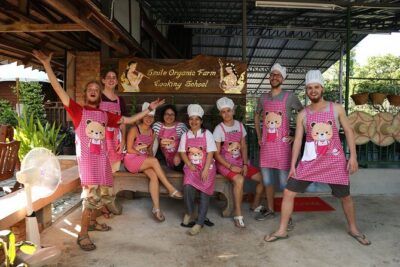
Half-Day Thai Cooking Class at Organic Farm in Chiang Mai
Read our review →
3 in 1 Cooking Class near Navona: Fettuccine, Ravioli & Tiramisu
Read our review →
Pasta & Tiramisu Cooking Class with Unlimited Wine
Read our review →
Hanoi Cooking Class: Culture, Local Market & Meaning CSR Impact
Read our review →
5 Traditional Dishes Hanoi Cooking Class with Market Trip
Read our review →
Cooking Class and Lunch at a Tuscan Farmhouse with Local Market Tour from Florence
Read our review →
Cooking Class, Market & Thai Herbs Garden Tour
Read our review →Lists this class appears in