
REVIEW · TBILISI, GEORGIA
Small-Group Khinkali and Khachapuri Cooking Class in Tbilisi
Come hungry and ready to fold dumplings. In about two hours, this central Tbilisi class introduces you to two Georgian staples: juicy khinkali and cheesy Imeretian khachapuri. I like the friendly, social setting, where wine, salad, and farm cheese turn a lesson into a relaxed meal. I also like the low price of $27.50, which gives you food, instruction, and a local culinary experience in one sitting. The main concern is group size: the experience is advertised for up to six people, but some sessions have had nine to fourteen participants, and one report described an even larger group.
The class takes place at St.Bunny31 on Griboedov Street, in a restaurant hall rather than a working kitchen. That makes it comfortable and easy to reach, but it also means you will not handle every stage of the cooking. The khinkali dough may already be prepared, and the hot cooking is done by restaurant staff.
At a glance
- Shape Georgian dumplings: Learn the pleated, cinched form of khinkali and hear the tricks behind keeping the filling inside.
- Make Imeretian khachapuri: Prepare dough and cheese filling for the round, cheese-filled version rather than the more famous boat-shaped style.
- Eat a full spread: Wine, Georgian tomato salad, farm cheeses, khinkali, and khachapuri are included.
- Meet in central Tbilisi: The class starts and ends at St.Bunny31, Griboedov Street, near public transportation.
- Expect a restaurant-table lesson: You cook at tables in the dining area, not inside the kitchen.
- Allow for variable group sizes: The stated maximum is six, though busy dates have exceeded that number.
Why these two Georgian dishes matter
Khinkali and khachapuri are not just convenient dishes chosen for a tourist class. They are among the foods that define a Georgian table.
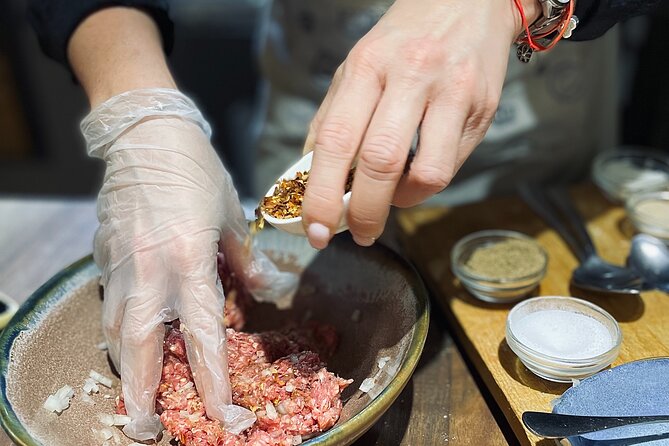
Khinkali are pleated dumplings traditionally filled with meat, though this class may also offer cheese or mushroom fillings. The goal is not simply to seal a dumpling. You learn how the dough should hold a juicy filling and how to pinch the top into the familiar gathered shape.
The eating technique matters, too. Khinkali are generally picked up by the top knot, bitten carefully, and eaten without wasting the broth inside. The class focuses on shaping and preparation, so you get a useful introduction to the dish even if the chef handles the boiling.
Khachapuri means Georgian bread with cheese, but styles vary widely from region to region. Here you make Imeretian khachapuri, a round, cheese-filled bread associated with western Georgia. It is less theatrical than Adjarian khachapuri, the boat-shaped bread topped with egg and butter, but it is a classic and practical style to learn at home.
That choice is useful for a short class. You prepare the dough and filling, spread the cheese, and bring the bread to readiness. You leave with a better idea of how Georgian cooks turn simple flour and cheese into something generous enough for a table of friends.
A few more cooking classes around the world worth a look
- Half-Day Thai Cooking Class at Organic Farm in Chiang Mai
★ 5.0 · 19,087 reviews - Florence: Pasta Cooking Class with Unlimited Wine
★ 4.9 · 10,285 reviews - 3 in 1 Cooking Class near Navona: Fettuccine, Ravioli & Tiramisu
★ 5.0 · 7,376 reviews
Arriving at St.Bunny31 on Griboedov Street
The meeting point is St.Bunny31, Griboedov Street, in central Tbilisi. The activity ends at the same place, so you do not need to arrange a second pickup or find your way across town after eating.
The restaurant setting gives the class a casual feel. You sit at tables in the dining hall, with the instructor demonstrating and participants working in front of them. Some people appreciate this arrangement because it combines a cooking lesson with the atmosphere of a restaurant. It is also a practical choice for sanitary reasons, since the class is not held in the kitchen.
Still, set your expectations correctly. This is not a behind-the-scenes restaurant tour, and you will not move through a professional kitchen station by station. The class shows you the process at the table, while boiling, baking, and other hot work happen elsewhere.
The location is near public transportation, and confirmation is provided at booking. Since this is a central meeting point, it works well as a midday or early evening plan between sightseeing stops.
The opening spread: wine, cheese, and Georgian tomatoes
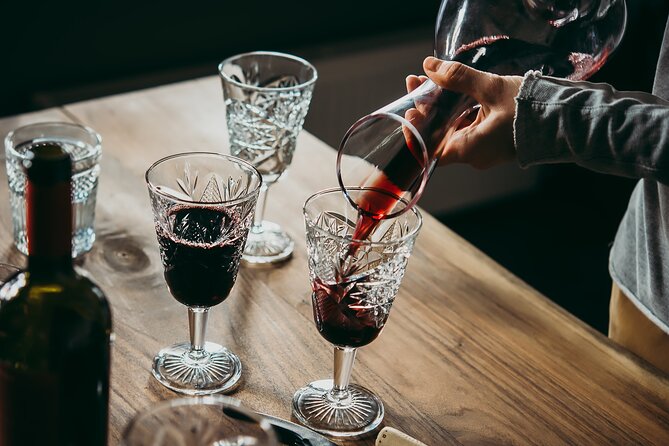
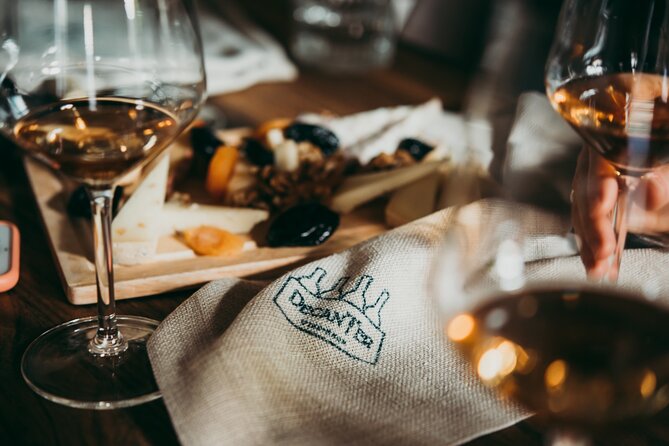
The session begins with a relaxed table of Georgian food and drink. Wine is included, along with a vegetable salad made with Georgian tomatoes and a plate of farm cheeses.
This is more than decoration. The wine and shared plates give you something to enjoy while ingredients are being arranged or while dough rests. Several sessions have been praised for their friendly mood, generous wine, and easy conversation with people from different places.
You should note one limitation. The available wine may not be your choice. One participant reported that only red wine was offered, with no white option. If you cannot drink red wine, do not assume that a substitute will be available.
The salad and cheese are best viewed as accompaniments, not the main meal. Portions can feel modest when the class is larger than planned. The real meal arrives with the dumplings and bread.
Preparing khachapuri from dough to cheese
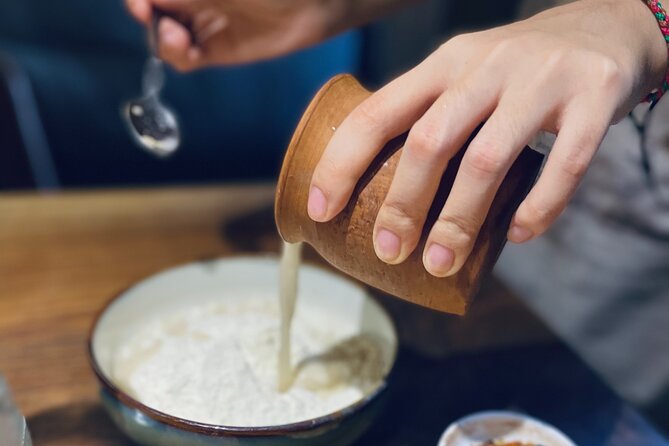
The khachapuri portion gives you more hands-on work than the khinkali portion. The cook explains the dough, and participants prepare the dough and cheese filling. You spread the cheese, shape the bread, and help bring it to readiness.
That sequence gives you the practical basics without turning the class into a long baking course. You see how the dough behaves, how much cheese it can carry, and how the finished bread is formed. The Imeretian style is especially useful for home cooking because it is round, portable, and easy to share.
The class does not focus on Adjarian khachapuri, so do not book it expecting a boat-shaped bread with an egg in the middle. You are learning the Imeretian version instead.
The cooking can be shared among participants. In a larger group, you may take turns preparing part of the dough or filling rather than making every element from start to finish. That is one of the biggest differences between a six-person session and a crowded one.
Same place, a different thing to cook:
- Florence: Pasta & Tiramisu Cooking Class with Unlimited Wine
★ 4.9 · 6,708 reviews - Hanoi Cooking Class: Culture, Local Market & Meaning CSR Impact
★ 5.0 · 5,147 reviews - 5 Traditional Dishes Hanoi Cooking Class with Market Trip
★ 5.0 · 4,890 reviews - Cooking Class and Lunch at a Tuscan Farmhouse with Local Market Tour from Florence
★ 5.0 · 4,831 reviews
Folding khinkali with the chef
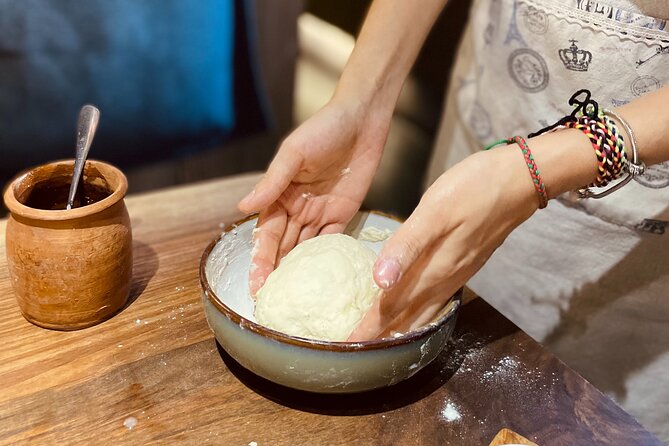
The khinkali lesson is the most memorable part for many people. The instructor explains the dough and filling, then demonstrates how to bring the wrapper up around the meat, cheese, or mushroom filling. You practice forming the gathered top, a skill that looks easy until the first dumpling opens in your hands.
The cook also shares small details about the dish, along with stories about Tbilisi and the history of Georgian food. In some sessions, the instructor has been named Vladimir, Artem, or Seva, and the teaching style has been described as warm, patient, and humorous. The exact instructor may vary, but the best sessions seem to depend heavily on the person leading the table.
Do not expect a silent demonstration. This class works best when you ask questions and join the conversation. The social side is a major part of the value, particularly if you are visiting Tbilisi alone.
There is a practical catch: the dough may already be prepared. One participant specifically noted that the khinkali dough was ready before the class began. You still learn the filling and shaping, but you may not make the dough yourself.
What you actually cook, and what the kitchen handles
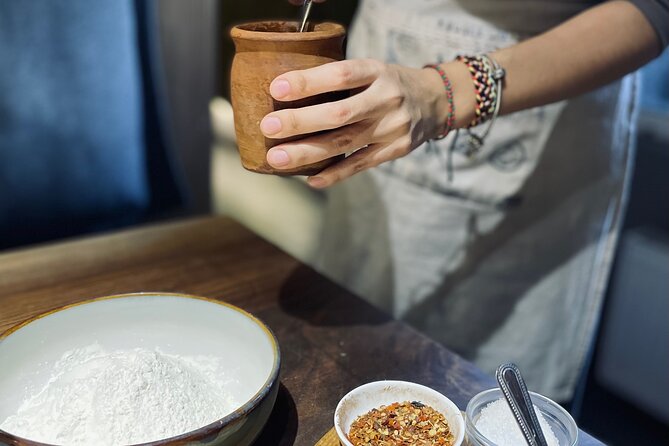
This distinction deserves plain language. You participate in preparation, shaping, and assembly. Restaurant staff handle the hot cooking behind the scenes.
For khinkali, you may not boil the dumplings yourself. For khachapuri, you may not place the bread in the oven or manage the final baking. Once the food is ready, it comes back to the table for you to eat.
Some people will find this perfectly sensible. Hot oil, boiling water, and commercial kitchen rules can make full participation difficult, and the restaurant says sanitary standards prevent participants from working in the kitchen. You still learn the important shaping skills, and the finished dishes arrive safely and on time when the operation is running well.
Others will feel the class is only partly hands-on. If you want to cook every dish from raw ingredients through serving, this may disappoint you. The experience is better described as a guided preparation class followed by a Georgian meal.
Timing, pace, and group size
The scheduled length is about two hours. That is enough time for a welcome drink, demonstrations, preparation, shaping, cooking, and eating, but the pace can change.
When the group is small, the lesson feels more personal. One session had only two participants, which gave them plenty of food and direct access to the instructor. At other times, the group has been reported at nine, ten, thirteen, or fourteen people, despite the stated limit of six. One complaint described a much larger gathering and uncomfortable heat outside.
A larger group affects the class in three ways:
- You may wait while ingredients or cookware are brought to the table.
- You may only get one turn at certain tasks.
- The chef may need to divide attention between more than one group.
There have also been reports of delayed starts, long pauses, and a chef teaching another class at the same time. These problems do not appear in every session, but they are important if your Tbilisi schedule is tight.
I would not plan a museum visit or airport transfer immediately afterward. The listed duration is two hours, yet one session lasted about three hours including the meal. Leave a generous buffer.
The meal at the end
The best reward is eating food you helped shape. Fresh khinkali have a satisfying contrast between soft dough, savory filling, and hot juices. Khachapuri arrives as a warm, cheese-filled bread that is easy to share.
You also receive the salad, cheese, and wine included in the experience. That makes the class feel more like lunch or dinner than a short demonstration. Several participants have found there was plenty of food, while larger groups have raised concerns about small shared portions and missing items.
The final meal is also where the social side pays off. You sit with the people from your table, compare your dumpling shapes, and hear stories from the chef. It is a simple way to meet others while eating two of Georgia’s most famous dishes.
Is $27.50 good value?
At $27.50 per person, the price is strong if you want a modestly priced food activity in central Tbilisi. You receive instruction, wine, cheese, salad, and a substantial meal. You also get a basic lesson you can repeat at home, especially the khinkali folding technique and Imeretian khachapuri assembly.
The value falls if you expect a private lesson or a fully equipped cooking studio. The group may be larger than stated, the kitchen is off-limits, and not every participant handles every step. You are paying for a social restaurant class, not a professional culinary workshop.
For families, the format can work well. A group with two adults and children aged two and eight completed the class and received a full meal with wine for the adults. Young children may not manage the dough shaping for long, but they can still take part in a relaxed food activity.
What to know before booking
Keep these points in mind:
- The class is offered in English.
- Confirmation arrives at booking.
- Service animals are allowed.
- The meeting point is St.Bunny31, Griboedov Street.
- The activity returns to the meeting point.
- Free cancellation is available up to 24 hours before the start time.
- Changes or cancellations within 24 hours are not accepted for a refund.
- The advertised group maximum is six, but busy sessions may exceed it.
- Wine, salad, cheese, khinkali, and khachapuri are included.
- Ask ahead if wine choice matters to you, since red wine may be the only option.
Who should book this Tbilisi cooking class?
I would recommend it to solo visitors, couples, families, and anyone who wants a friendly introduction to Georgian food without spending much. It is especially good if you enjoy learning one or two useful techniques, eating a full meal, and chatting with an instructor and other people at the table.
It suits you less if you want a quiet, polished lesson with exact timing and individual workstations. Serious home cooks may also want more control over the dough, filling, boiling, and baking.
Should you book it?
Yes, if you treat it as a social Georgian food experience rather than a complete kitchen course. The price is appealing, the food is filling, and the chance to shape khinkali in central Tbilisi is hard to beat for a two-hour activity.
Book with realistic expectations about the restaurant hall, shared tasks, and possible group-size changes. If the operator keeps the group near six and the class starts on time, the experience offers excellent value. If your date is busy, it may feel more like a guided food demonstration with a meal afterward.
FAQ
Where does the cooking class meet?
It meets at St.Bunny31 on Griboedov Street in Tbilisi, Georgia. The activity ends at the same meeting point.
How long does the experience last?
The scheduled duration is approximately two hours. Some sessions have run longer, including time spent eating.
What dishes do you make?
You prepare khinkali and Imeretian khachapuri. Khinkali may use veal, cheese, or mushrooms as filling, while Imeretian khachapuri is filled with cheese.
Is the class held in a kitchen?
No. The class takes place in the restaurant hall at a table, not inside the kitchen. Restaurant staff handle the hot cooking.
Do participants make the khinkali dough?
The khinkali dough may already be prepared. You learn about the dough, help prepare the filling, and practice shaping the dumplings.
What is included with the food?
Wine, a vegetable salad, farm cheeses, the khinkali, and the khachapuri are included.
How many people can join?
The stated maximum is six participants. Some sessions have had larger groups, including reports of nine to fourteen people.
Is the class offered in English?
Yes. The experience is offered in English.
Can I cancel for a refund?
You can cancel up to 24 hours before the start time for a full refund. Cancellations or changes made less than 24 hours before the experience are not refunded.
Just added around the world
- Aroidee’s Farm-Fresh Thai Cooking Experience★ 5.0 · 8 reviews
- Signature Thai Cooking Course★ 5.0 · 79 reviews
- Private Half-Day Thai Cooking Class in Chiang Mai★ 5.0 · 4 reviews
- Half Day Guided Thai Cooking Class in Chiang Mai★ 5.0 · 13 reviews
- Online Thai and Akha Cooking Class★ 5.0 · 70 reviews
- Private Virtual Thai Cooking Class★ 5.0 · 9 reviews
- Northern Thai Cooking Class in Chiang Mai in a Countryside Home★ 5.0 · 2 reviews
- 5 Hour Morning Thai Cooking Course★ 5.0 · 31 reviews
Cooking Classes, compared.
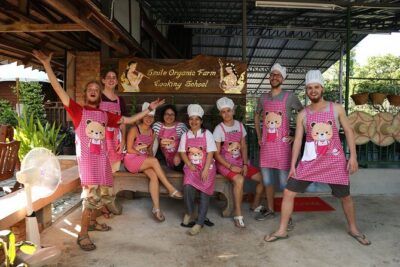
Half-Day Thai Cooking Class at Organic Farm in Chiang Mai
Read our review →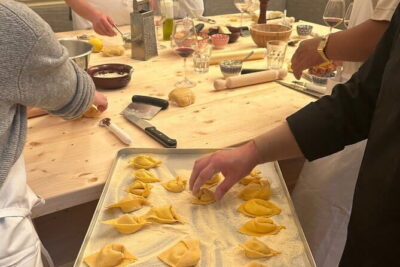
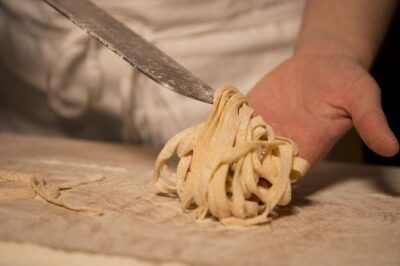
3 in 1 Cooking Class near Navona: Fettuccine, Ravioli & Tiramisu
Read our review →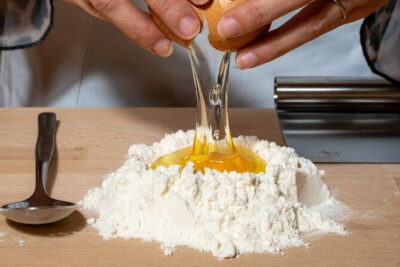
Pasta & Tiramisu Cooking Class with Unlimited Wine
Read our review →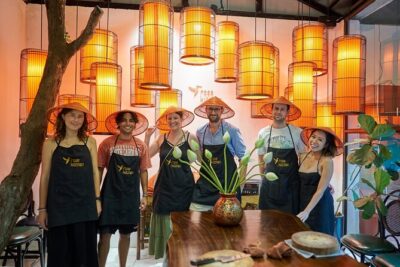
Hanoi Cooking Class: Culture, Local Market & Meaning CSR Impact
Read our review →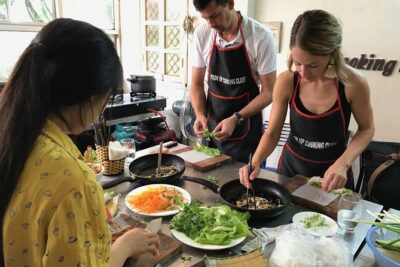
5 Traditional Dishes Hanoi Cooking Class with Market Trip
Read our review →
Cooking Class and Lunch at a Tuscan Farmhouse with Local Market Tour from Florence
Read our review →
Cooking Class, Market & Thai Herbs Garden Tour
Read our review →Lists this class appears in