
REVIEW · DONG BAC, VIETNAM
Sapa: Local Hmong Cooking Class
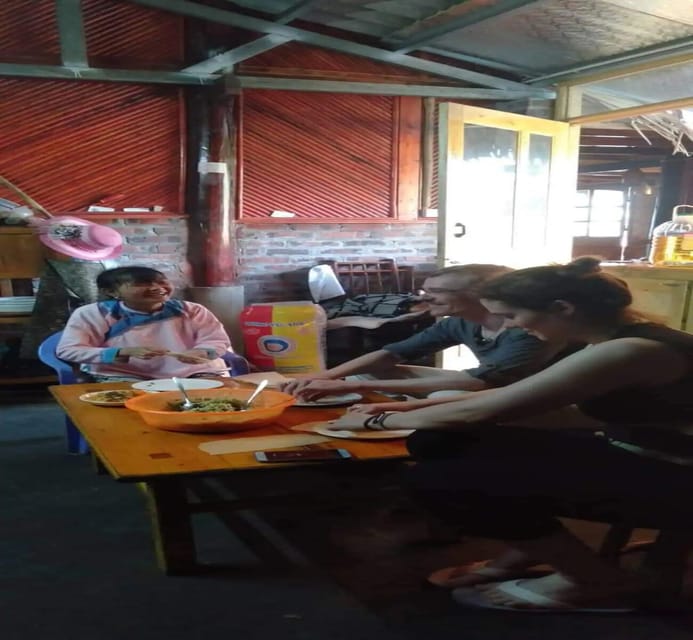
Taste Sapa by cooking it yourself. This three-and-a-half-hour class in Dong Bac brings you into a local Hmong food tradition, with family stories, mountain ingredients, and dishes prepared by your own hands. I especially like the rice-terrace setting and the chance to hear about Hmong culture from a local cook. The main thing to consider is that the class meets at a homestay in Tả Van, not in central Sapa, and hotel transport is not included.
I also like the broad menu, which can include spring rolls, wild black mushrooms, tofu with tomato, sticky rice, chicken, pork, and bamboo. If Sung leads your class, you can expect English instruction and plenty of cultural explanation. Ingredients such as bamboo and naturally colored rice depend on availability, so the exact menu may change.
Key points to know before booking
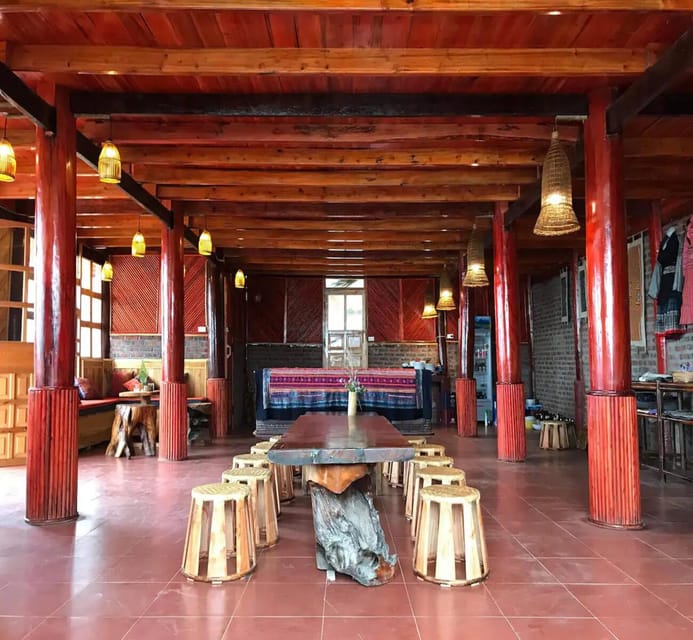
- Cooking beside Sapa’s rice terraces: The class takes place at Sapa Tour Indigo Homestay in Tả Van, giving the meal a rural setting rather than a restaurant feel.
- Eight-part local menu: You may prepare spring rolls, bamboo, mushrooms, tofu, sticky rice, rice, fried chicken, pork, and fresh fruit or cucumber.
- Food with a family story: The guide explains Hmong customs, family life, farming, and recipes passed down through generations.
- Naturally colored sticky rice: Red and yellow rice may be colored with mountain leaves and flowers, depending on what is available.
- A full meal is included: Your welcome drink, ingredients, cooking tools, recipe book, and lunch or dinner are covered in the $36 price.
- Good for flexible plans: You can cancel up to 24 hours before the class for a full refund and reserve now while paying later.
Cooking in Tả Van, not central Sapa
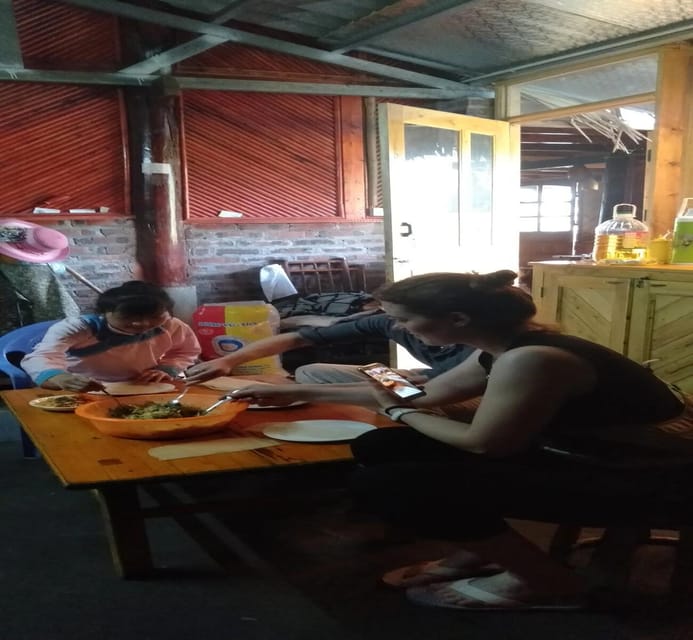
The class begins at Sapa Tour Indigo Homestay in Tả Van, Sa Pa, Lào Cai. That location matters. Tả Van is a village area surrounded by rice terraces, so the setting gives the cooking a clear connection to local farming and household food.
You need to arrange your own way to the meeting point because hotel transfer is not included. Check your route before booking, especially if you are staying in central Sapa or arriving by train or bus on the same day. The activity returns to the same meeting point, which keeps the plan simple once you arrive.
The class lasts about three and a half hours. That is long enough for instruction, preparation, cooking, eating, and conversation, but it is not an all-day village tour. I see that as a strength for most people. You get real time with the food without giving up an entire day of sightseeing.
The class is offered with an English-speaking guide. Sung has led at least one highly praised session, and her English and explanations of Hmong culture were singled out as strong points. If she is your guide, expect the cultural side of the class to be just as important as the recipes.
A few more cooking classes around Vietnam worth a look
- Hanoi Cooking Class: Culture, Local Market & Meaning CSR Impact
★ 5.0 · 5,147 reviews - 5 Traditional Dishes Hanoi Cooking Class with Market Trip
★ 5.0 · 4,890 reviews - Cooking Class Hoi An:Local Market, Basket Boat, Fishing & Cooking
★ 5.0 · 3,660 reviews
Why the Hmong food lesson feels different
This is not simply a cooking demonstration where you sit and watch someone chop vegetables. You take part in the work, from preparing ingredients to rolling spring rolls and seasoning meat. That hands-on approach helps you understand why local cooking depends so much on what grows nearby.
The food also connects several local communities. Hmong dishes are at the center of the lesson, while tofu comes from the local Dzay community, known in the area for making it from scratch. That small detail gives the meal a broader view of village food networks.
The guide also talks about family, tradition, and food passed from one generation to the next. You are not just learning a list of ingredients. You are learning how food fits into household life, farming, and community identity in the Sapa area.
I would book this class for the conversation as much as for the meal. A cooking class gives you time to ask questions, and the relaxed pace makes it easier to connect food with daily life. Just keep your expectations realistic: the activity is focused on cooking and eating, not a full cultural tour of several villages.
Spring rolls and the first hands-on work
Spring rolls are likely to be one of the first tasks. You learn how to prepare the filling and how to roll the wrappers properly, a simple skill that often looks easier than it is.
This part works well for beginners because the technique is clear and practical. You can follow along, make your own rolls, and then understand the difference between a neatly shaped roll and one that falls apart in the pan.
The value here is not rare ingredients. It is learning a method you can repeat at home. The recipe book included with the class gives you a useful reminder after you return, though the exact format and level of detail are not specified.
Bamboo, mushrooms, and mountain ingredients
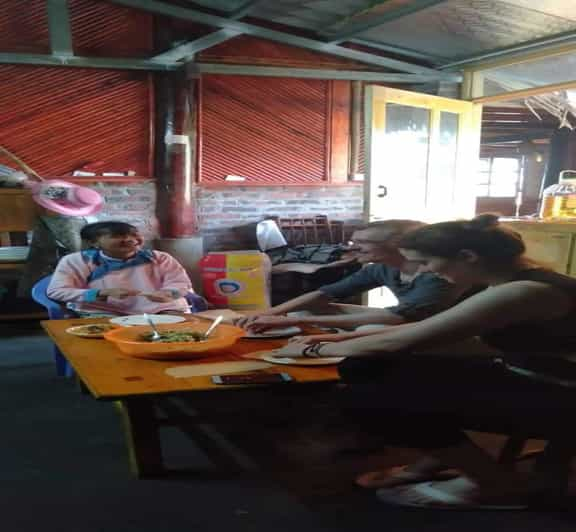
Bamboo is another possible part of the menu. You learn how to peel and prepare it with fresh herbs and onion leaf. Since bamboo preparation can be unfamiliar to many people, this is one of the more distinctive parts of the class.
The bamboo dish depends on availability. That qualification matters because you should not book expecting every listed item to appear exactly as written. Local cooking follows the supply of the day, which is part of the experience, but it also means the menu can change.
Chinese black mushrooms may also be included. These mushrooms grow wild in the cool forests around Sapa and bring a direct link to the surrounding area. Learning about an ingredient in the place where it grows gives the dish more meaning than simply seeing it on a restaurant plate.
You should tell the provider about allergies or food restrictions before the class. The information does not promise that every restriction can be accommodated, so clear advance notice is important.
Same place, a different thing to cook:
- Hoi An Cooking Class(Market,BasketBoat Crabfishing&Cooking Class)
★ 5.0 · 3,386 reviews - From Hoi An: Market Tour, Basket Boat Ride and Cooking Class
★ 4.8 · 2,208 reviews - Cai Be Mekong Delta Tour: Cooking Class, Cycling & Craft Villages
★ 5.0 · 1,881 reviews - Hoi An: Basket Boat with Lantern-Making & Cooking Class Tour
★ 4.9 · 1,444 reviews
Tofu with tomato and local food networks
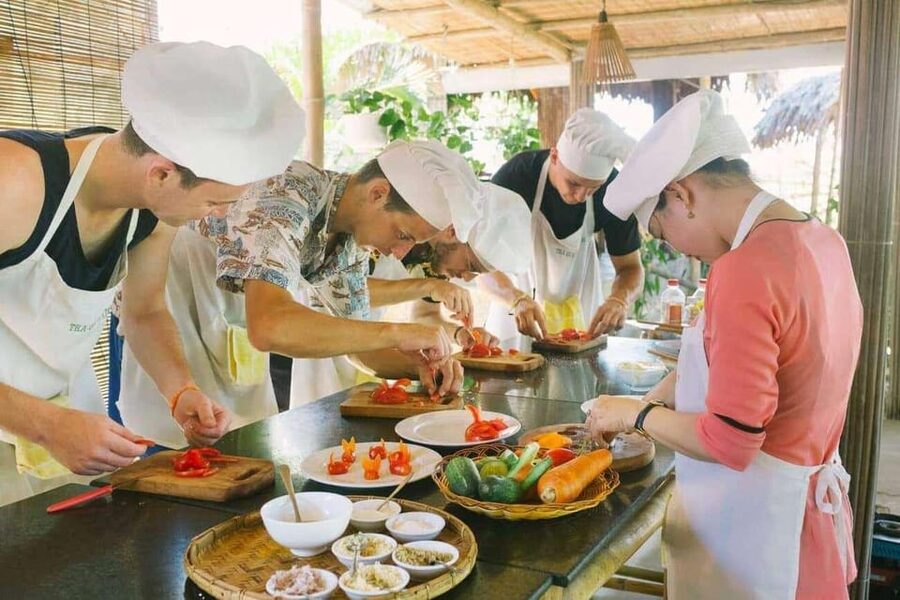
The tofu dish offers one of the most interesting cultural details in the menu. Local Dzay families are known for producing tofu from scratch, and the class uses tofu obtained from them.
You learn how to prepare it with tomato and season it for a finished dish. This is a useful reminder that local food is not limited to one ethnic group or one household. Ingredients move between nearby communities, and the class shows you a small part of that exchange.
The dish should also suit people who want a break from meat-heavy menus. Since you prepare several dishes, the tofu is one component rather than the entire meal, but it adds variety to the table.
Sticky rice colored by flowers and leaves
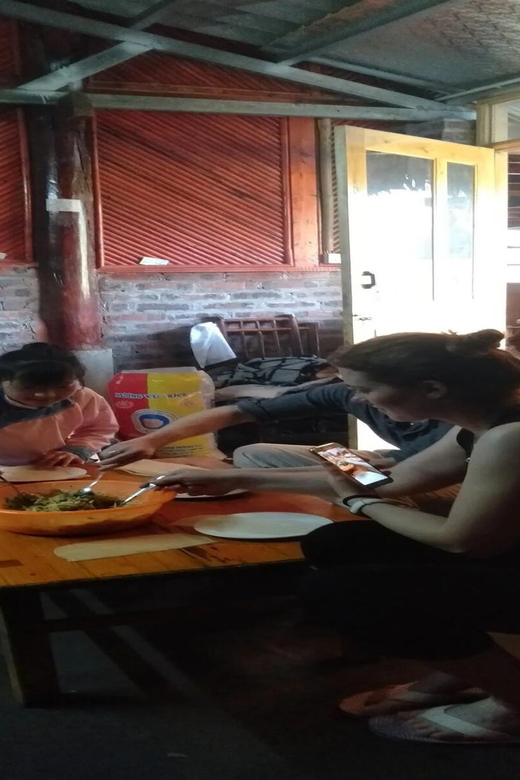
The red and yellow sticky rice may be the most visually memorable part of the menu. The colors come naturally from a flower and a leaf that grow in the mountains, rather than from artificial coloring.
You learn how the rice is colored and prepared. The red and yellow varieties depend on availability, so again, treat them as possible dishes rather than guaranteed ones.
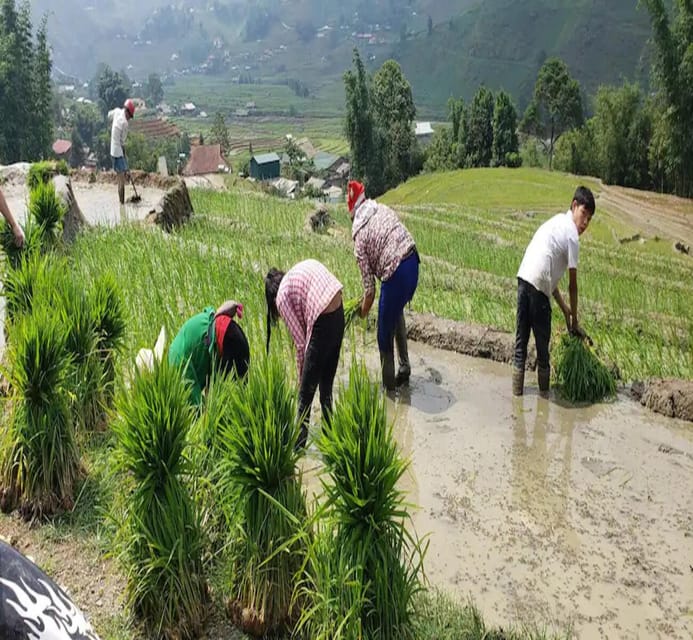
Rice also gives the class a direct link to the terraces around Tả Van. The chef explains how rice is planted, grown, and harvested, and you may be able to see different stages of rice farming from the surrounding area. The information provided does not promise a formal farm visit, so think of this as food and farming context from the cooking site.
I like this part because it turns a familiar staple into a lesson about work and place. Rice is not just something served beside the main dish. It represents the growing cycle that shapes life in the valleys around Sapa.
Chicken and pork prepared the local way
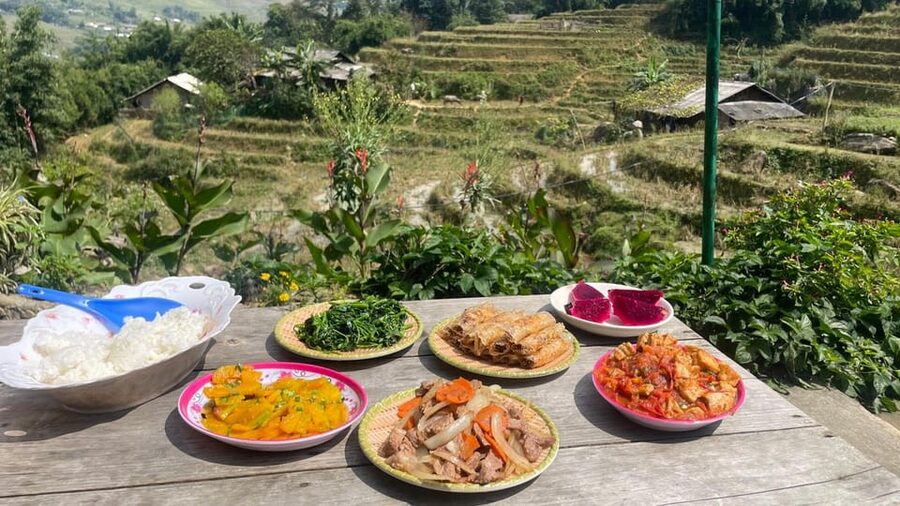
The class includes fried chicken, using free-range chickens kept at the family home. You learn how to season and prepare the chicken before frying.
That detail gives you a better sense of the source of the food. You are not handling an abstract restaurant ingredient. You are learning how a household prepares meat from its own supply.
Pork is another part of the menu, with instruction in a traditional preparation method. The precise recipe is not specified, so you should expect the guide to show you the local approach rather than teach one standardized version.
Together, the chicken and pork make the class feel like a full family meal rather than a single-dish workshop. You will prepare several components and then share them at the end. One highly praised session included eight dishes, although the final count may vary with ingredient availability.
Eating what you prepare
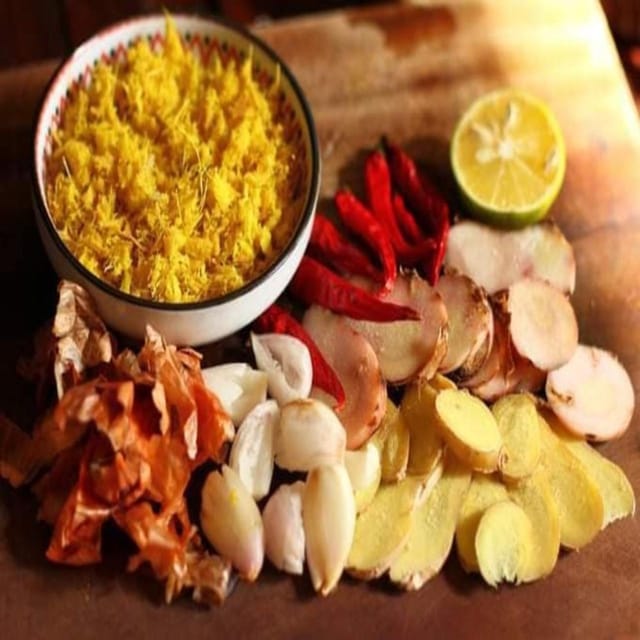
The class includes a local lunch or dinner, so the meal is part of the booking rather than an extra purchase. You also receive a welcome drink, although additional drinks are not included.
Sharing the food at the end is important. You get to taste the results while the preparation is still fresh in your mind, and the meal becomes a natural time for more conversation with the guide and family.
Dessert is listed as watermelon or cucumber. That is a simple finish, but it fits the style of the meal. You should not expect a complicated pastry or a long dessert course. The focus is on fresh local food and the dishes you have prepared yourself.
The class received a perfect score from six ratings, with particular praise for the warm welcome, cultural explanations, English instruction, and cooking among rice terraces. That high score is encouraging, but the number of ratings is small. I would treat it as a strong positive sign, not as proof that every session will feel identical.
What the $36 price includes
At $36 per person, the class offers solid value if you want both a meal and a cultural activity. Your price covers the welcome drink, local lunch or dinner, ingredients, cooking tools, and a recipe book.
The value comes from the combination. If you only want to eat, a regular meal may cost less. If you want instruction, local stories, and the chance to prepare several dishes, the class gives you more than a restaurant visit.
You also avoid the common problem of paying for a cooking activity and then discovering that the meal is an extra charge. Here, the main food costs are included. Drinks beyond the welcome drink and any expenses not specifically listed are not included.
The price does not include transport to Tả Van. Add that practical cost and the time needed to reach the meeting point when comparing this with classes in central Sapa.
Who will enjoy this class most
I would recommend it to people who want a personal connection to Sapa’s food and village life. It suits curious eaters, couples, families with older children, and anyone who enjoys learning by doing.
It is also a good choice if you have already seen the main sights and want an activity with a slower pace. Cooking, talking, and eating give you a different way to understand the area than taking photographs from a viewpoint.
It may be less suitable if you want a polished professional kitchen, a fixed menu, or a short activity. The rural setting and changing ingredients are part of the appeal, but they also mean less predictability.
The activity is not suitable for wheelchair users. You should also share allergies and dietary restrictions in advance. No specific dietary accommodations are guaranteed, so ask before paying if your restrictions are serious.
Booking advice for a smoother visit
Check the available starting times before you reserve. The activity lasts three and a half hours, and you want enough time to reach Tả Van without rushing.
Allow extra planning for the meeting point because no hotel pickup is provided. Save the full address, Sapa Tour Indigo Homestay, Tả Van, Sa Pa, Lào Cai, and confirm your route before setting out.
If you hope to make bamboo or colored sticky rice, ask whether those ingredients are available for your date. The menu lists both as dependent on supply, and the class may substitute other local ingredients.
The provider offers free cancellation up to 24 hours in advance and a reserve-now, pay-later option. That is useful if your Sapa schedule depends on weather, transport, or changing plans.
Should you book the Hmong cooking class?
Book it if you want a hands-on meal, direct cultural conversation, and a rural setting among Sapa’s rice terraces. The strongest reasons are the broad menu, the family stories, the local ingredients, and the chance to eat food you helped prepare.
Skip it if you need wheelchair access, hotel pickup, or a tightly fixed menu. Also think twice if your main goal is a formal sightseeing tour, since the class stays focused on cooking and food culture.
For $36, I think this is a fair-value experience, especially because lunch or dinner, ingredients, tools, a welcome drink, and a recipe book are included. Plan your transport carefully, tell the provider about food restrictions, and stay open to small menu changes. That is the right mindset for a local cooking class in Tả Van.
FAQ
Where does the cooking class begin?
The class begins at Sapa Tour Indigo Homestay in Tả Van, Sa Pa, Lào Cai, Vietnam.
How long does the experience last?
The cooking class lasts about three and a half hours. Starting times depend on availability.
What language is the class offered in?
The class is offered with a live English-speaking guide.
Is transportation from my hotel included?
No. Hotel transfer is not included, so you need to arrange your own way to the meeting point.
What food might I prepare?
The menu may include spring rolls, bamboo, Chinese black mushrooms, tofu with tomato, red and yellow sticky rice, fresh rice, fried chicken, pork, and watermelon or cucumber for dessert.
Are all menu items guaranteed?
No. Bamboo and red or yellow sticky rice depend on ingredient availability. The final menu may vary.
What is included in the price?
The $36 price includes a welcome drink, local lunch or dinner, ingredients, cooking tools, and a recipe book.
Can I cancel or pay later?
You can cancel up to 24 hours in advance for a full refund. A reserve-now, pay-later option is also available.
Just added around Vietnam
- Can Tho Cooking Class in the countryside – Vegetarian available★ 5.0 · 10 reviews
- Biking and Cooking Class in Can Tho Rural★ 5.0 · 5 reviews
- Full-Day Experience in Mekong Cycling and Authentic Home Cooking★ 5.0 · 89 reviews
- Cooking, Farming and Waterfall In Vietnam Countryside★ 3.0 · 6 reviews
- Cooking class & Vibrant Market by Scooter/Tuktuk (Half-Day)★ 5.0 · 55 reviews
- Top Home Cooking Class with Stunning River View AC Kitchen★ 5.0 · 25 reviews
- Tam Coc Cooking Class with Unique Experience★ 4.3 · 13 reviews
- Street Food Walking Tour with a Cooking Instructor★ 5.0 · 5 reviews
Cooking Classes, compared.

Half-Day Thai Cooking Class at Organic Farm in Chiang Mai
Read our review →

3 in 1 Cooking Class near Navona: Fettuccine, Ravioli & Tiramisu
Read our review →
Pasta & Tiramisu Cooking Class with Unlimited Wine
Read our review →
Hanoi Cooking Class: Culture, Local Market & Meaning CSR Impact
Read our review →
5 Traditional Dishes Hanoi Cooking Class with Market Trip
Read our review →
Cooking Class and Lunch at a Tuscan Farmhouse with Local Market Tour from Florence
Read our review →
Cooking Class, Market & Thai Herbs Garden Tour
Read our review →Lists this class appears in