REVIEW · LAZIO, ITALY
Rome: pasta and tiramisu cooking class in the city center
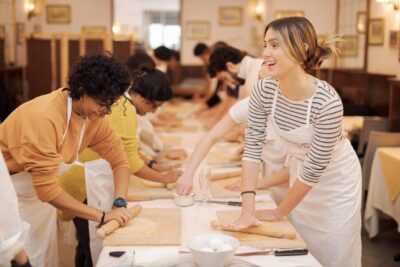
Fresh pasta makes Rome feel personal. This two-hour cooking class near Via Veneto takes you into an elegant Roman salon where you make fettuccine, tagliatelle, tagliolini, and tiramisu by hand. I like the central location and the fact that this is a working lesson, not a cooking demonstration where you simply watch someone else do the fun part.
I also like the link with Chinappi, a respected Roman restaurant, and the warm teaching style praised by guests who worked with Francesco and Oliviero. The main consideration is time: two hours goes quickly, so you should expect a focused introduction rather than a long, leisurely culinary course with many separate dishes.
Key points at a glance
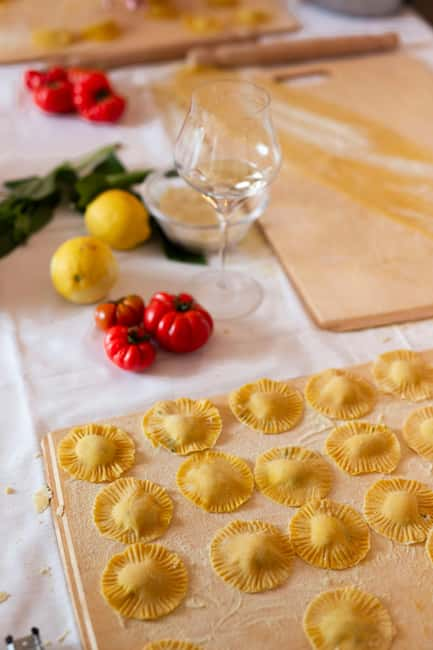
- Make several kinds of fresh pasta: Work with basic ingredients, knead the dough, and shape fettuccine, tagliatelle, and tagliolini, with ravioli available on request.
- Finish with classic tiramisu: You prepare the dessert yourself using a traditional recipe with a personal touch.
- Cook near Via Veneto: The class takes place in an elegant central Rome setting linked with the old Dolce Vita district.
- Learn from a restaurant-trained team: The partnership with Chinappi brings restaurant experience to a relaxed cooking-school setting.
- Eat what you prepare: Your lesson ends with a full tasting meal, wine, water, and soft drinks included.
- Good language coverage: Instruction is available in English, Italian, Russian, and French.
A Roman cooking class with a Dolce Vita address
Cantiere Gastronomico is located close to Via Veneto, one of Rome’s most famous streets. This is the Rome of polished hotels, classic cafés, and the La Dolce Vita era, so the setting gives the class a bit more atmosphere than a lesson tucked far from the historic center.
The cooking takes place in an elegant, welcoming salon. The space is described as well kept and comfortable, which matters when you are working with flour, dough, and shared preparation areas. You are not being sent into a grand restaurant kitchen to observe from a distance. The point is to work at the table, follow instructions, and leave with skills you can repeat at home.
I like this kind of activity as a break from monuments. Rome can fill a day with churches, ruins, and museum rooms. A hands-on class changes the pace. You use your hands, talk with the instructors, and sit down to eat something you helped prepare.
The address is also useful for a short city stay. If you are staying near Via Veneto, Barberini, or the center, the location should fit naturally into your sightseeing plans. The exact start times vary, so check availability before arranging other activities around it.
More Pasta Making Classes in Rome
- 3 in 1 Cooking Class near Navona: Fettuccine, Ravioli & Tiramisu
★ 5.0 · 7,376 reviews - Rome: Pasta Making Class with Wine, Limoncello, and Dessert
★ 4.9 · 3,177 reviews - Rome Cooking Class: Make Pasta and 3 Spritz Cocktails
★ 5.0 · 2,937 reviews
Starting with the pasta dough
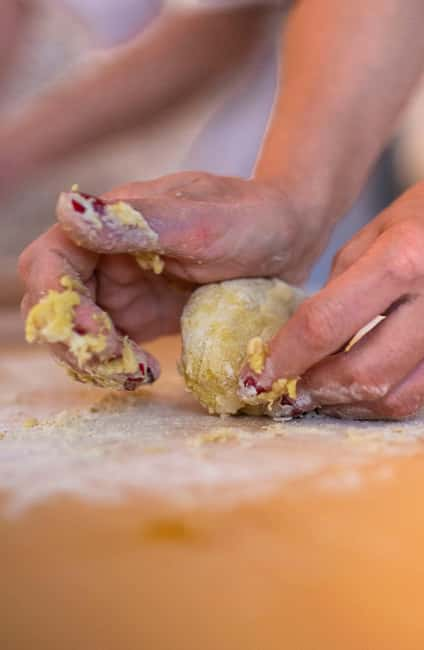
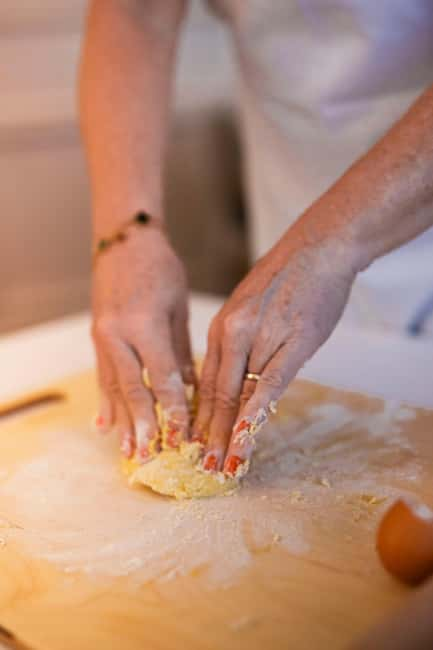
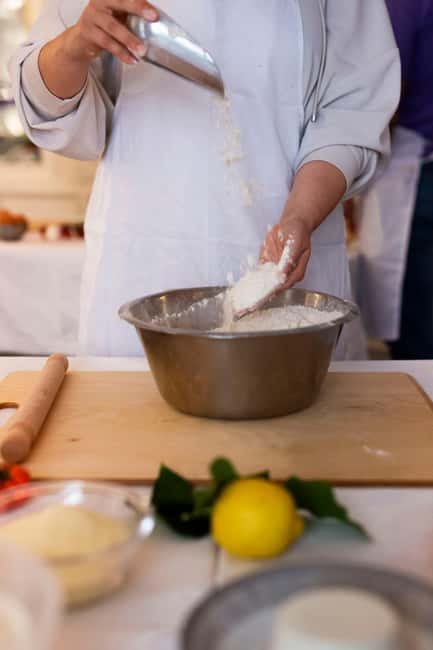
The class begins with simple, genuine ingredients. The emphasis is on the basic dough rather than on complicated equipment or obscure products. That makes the lesson useful for home cooks. You can understand the proportions, the feel of the dough, and the steps needed to turn a few ingredients into fresh pasta.
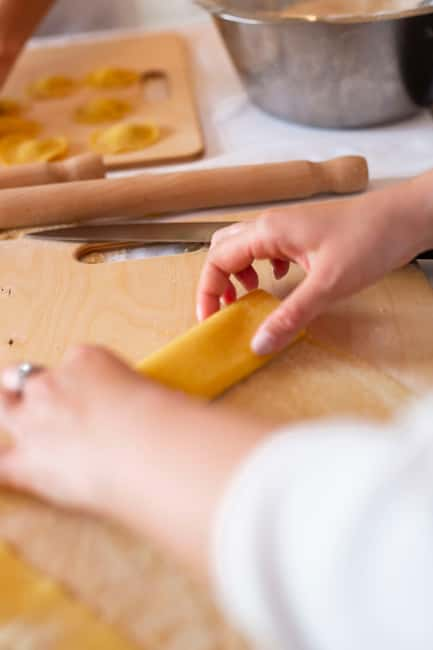
Your instructors guide you through working the dough and creating different shapes. Fettuccine, tagliatelle, and tagliolini are included in the hands-on lesson. These names can sound interchangeable, but the shapes differ in width and thickness. That difference affects how the pasta feels and how it holds sauce.
The practical value is in learning by touch. A recipe can tell you quantities, but it cannot fully explain how the dough should feel as you knead it. The team takes time to explain each stage, and this patient approach is one of the strongest parts of the experience. French-speaking participants especially praised the support of the French-speaking member of the team, while English, Italian, Russian, and French are all listed as available languages.
You should not expect every possible pasta shape in a two-hour class. The focus stays on a manageable group of traditional forms. Ravioli can be covered on request, but it is best to treat that as an option rather than a guaranteed part of every session.
Shaping fettuccine, tagliatelle, and tagliolini
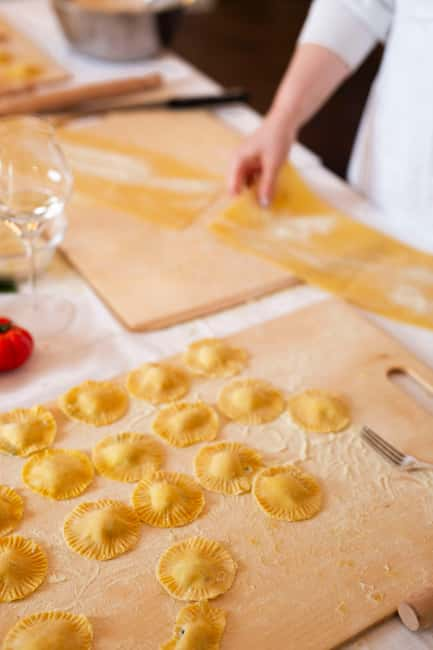
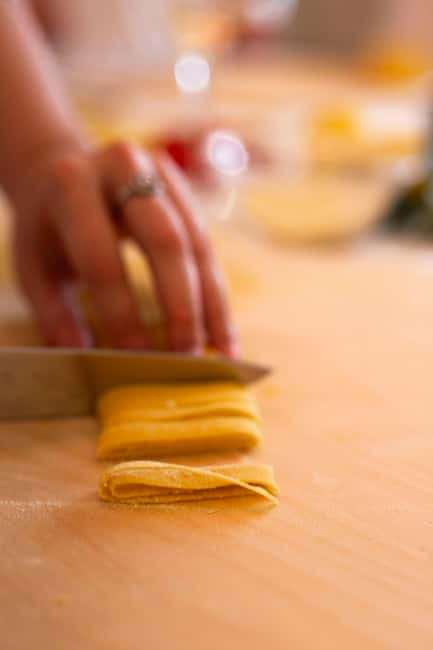
Once the dough is ready, the class moves into shaping. This is where the lesson becomes especially practical. You see how a single dough can become pasta with different widths, textures, and uses.
Fettuccine and tagliatelle are broad enough to feel substantial on the plate. Tagliolini are thinner and more delicate. Learning these forms side by side helps you understand why Italian pasta has so many names. The shapes are not just decoration. They change the bite and the way sauce clings to the noodles.
The instructors also share cooking tips and small secrets from traditional practice. The partnership with Chinappi is useful here. Chinappi has been operating for more than 15 years, and the cooking-school team has been trained through that collaboration. You get a link to professional restaurant standards without the formality or price of a full restaurant kitchen experience.
I would expect the teaching to be friendly rather than stern. The tone described by participants is warm, social, and generous with advice. Francesco and Oliviero receive particular praise for explaining each stage clearly and giving people time to follow along. That makes this a good choice if you are nervous about cooking with a group or worried that the lesson will move too fast.
The class is still a group activity, so your final pasta may not look perfect. That is part of the point. Fresh pasta is forgiving, and the lesson gives you enough technique to continue practicing later.
Tiramisu gives the class a sweet finish
After the pasta, you prepare tiramisu using a classic recipe. This keeps the lesson balanced. You get a savory skill to take home, then a dessert that is familiar, popular, and easy to make again.
The tiramisu is personalized with a distinctive touch, but the main method remains traditional. That combination should appeal to you if you want something recognizable rather than an experimental dessert that is hard to recreate.
Making tiramisu also gives the class a useful change of rhythm. Pasta dough requires kneading and shaping. Tiramisu involves assembling a dessert and paying attention to texture and balance. In a short session, these two recipes give you a reasonable taste of Italian home cooking.
The dessert is not simply presented at the end. You make it yourself, just as you make the pasta. That is important for value. A class that includes only one hands-on dish can feel brief, especially at this price. Here, the tiramisu adds another recipe and another set of techniques.
More Tiramisu and Dessert Classes in Rome
- Rome: 3-in-1 Fettuccine, Ravioli, and Tiramisu Cooking Class
★ 4.9 · 2,704 reviews - Fettuccine & Tiramisù: Cooking Class with Wine & Limoncello
★ 4.9 · 2,103 reviews - Rome: Pasta & Tiramisu Cooking Class near the Spanish Steps
★ 4.8 · 1,395 reviews - Cooking Class in the Heart of Rome: Pizza and Tiramisu Making
★ 5.0 · 1,330 reviews
Sitting down to eat what you made
The best part comes at the table. After the preparation, you eat the dishes covered in the lesson as a full tasting meal. A welcome prosecco starts the experience, and water and soft drinks are included as well.
The included glass of wine helps turn the lesson into a social meal rather than a school exercise. It is a small touch, but it fits the Italian idea of food as time spent together. You cook, compare results, exchange stories, and then sit down to enjoy the work.
At $70 per person, the meal is a key part of the value. You are not paying only for instruction. The price also includes the welcome prosecco, the food you prepare, tiramisu, the final tasting, and nonalcoholic drinks. For a central Rome activity lasting two hours, that is a fair package, especially if you value direct participation more than a formal restaurant meal.
Still, keep your expectations sensible. This is not a multi-course chef’s table or an advanced professional workshop. You are paying for a compact introduction to fresh pasta, a dessert lesson, a meal, and a friendly setting. If you want highly technical instruction, a longer specialist course may suit you better.
What the Chinappi connection adds
Cantiere Gastronomico is a young cooking school, and its identity is built around learning together. That gives the experience a different feel from a mature culinary institution with a large formal program.
The Chinappi partnership adds useful restaurant experience. Chinappi is presented as a Roman haute cuisine restaurant with more than 15 years in business. That does not mean you are eating a luxury restaurant menu during the class. It means the instructors have a professional reference point behind the techniques and guidance.
I like the mix. The class aims for high standards but keeps the mood relaxed. You can ask questions, make mistakes, and learn at a practical pace. The strongest praise is directed at the team’s patience, friendliness, and ability to explain each step. Those traits matter more than fancy equipment in a short cooking lesson.
The class also has a cultural side. Food traditions are explained through stories, cooking habits, and shared conversation. You are not simply memorizing a recipe. You are getting a small look at how pasta and tiramisu fit into Italian daily life.
How the two-hour schedule affects your day
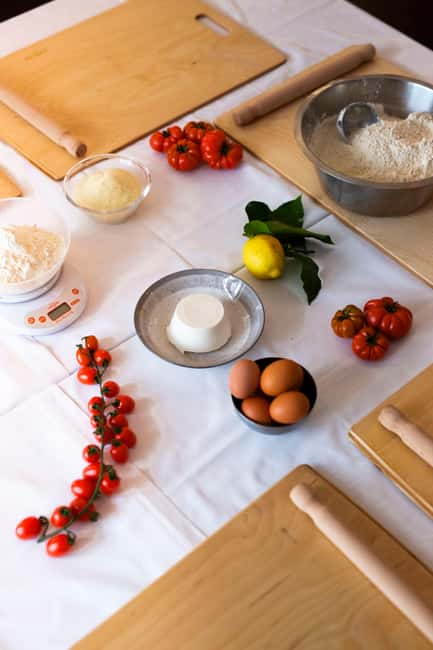
Two hours is long enough to feel satisfying but short enough to fit into a packed Rome itinerary. You can schedule the class between sightseeing blocks without giving up an entire afternoon.
The compact timing also means the activity has a clear rhythm:
- Welcome prosecco and introductions
- Basic pasta ingredients and dough preparation
- Kneading and shaping several pasta styles
- Tiramisu preparation
- A shared meal with the food you made
- Water, soft drinks, wine, and a participation certificate
The exact order may vary, but the structure is straightforward. You spend most of the time doing rather than listening to a long lecture.
The tradeoff is that there may not be room for much repetition. If you want to practice each shape several times or ask detailed questions about sauces, plan to use the instructor’s time carefully. Bring your questions about home preparation early, while the relevant step is in front of you.
At the end, you receive a paper or digital certificate of participation. It is a pleasant keepsake, though the real souvenir is the technique. A certificate will not make pasta taste better, but a better feel for dough might.
Who will enjoy this experience most
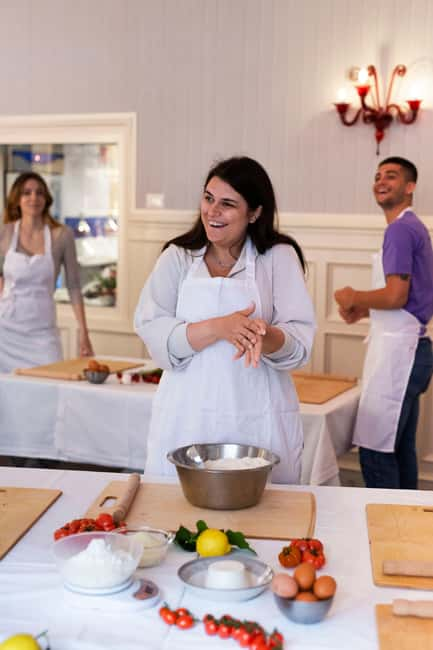
I would recommend this class to couples, families, solo visitors who enjoy social activities, and anyone who wants a break from museum sightseeing. It suits beginners especially well because the instructors explain the process step by step and focus on accessible recipes.
It is also a good fit for people who want to bring part of Rome home. Fresh pasta and tiramisu are more useful souvenirs than another small object from a shop. Once you understand the basic method, you can practice the recipes in your own kitchen.
Food lovers who already cook often will still find value in the pasta shapes and professional tips, though advanced cooks may want a longer or more specialized class. The two-hour format is introductory by design.
Language should not be a major barrier for most bookings. Instruction is available in English, Italian, Russian, and French. Some material may appear in its original language, so if you need every detail translated, confirm your preferred language when booking.
The activity is wheelchair accessible, another practical benefit for visitors who need an accessible setting. Photo shoots and transfer services are available on request for an additional arrangement, but they are not part of the standard experience.
Booking, cancellation, and practical value
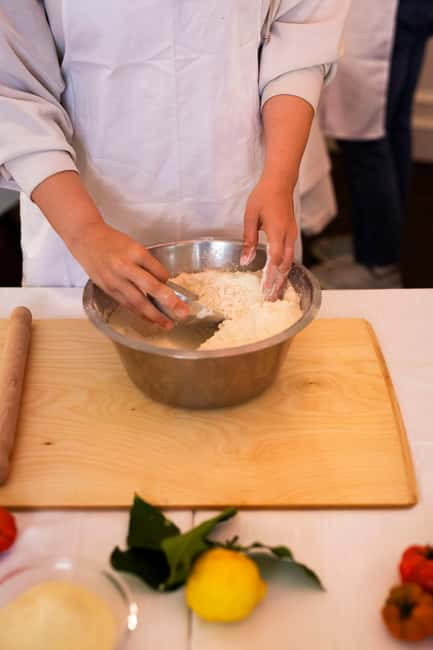
The listed price is $70 per person. I consider that reasonable because the fee combines instruction, ingredients, a welcome drink, a full meal, dessert, drinks, and a central Rome location.
You can reserve now and pay later, which helps if your sightseeing plans are still shifting. Free cancellation is available up to 24 hours in advance for a full refund. That gives you some breathing room, but do not wait until the last day if the date is important to you.
Check the available start times before booking. A cooking class leaves you fed and occupied for two hours, so it may work better before an evening walk than immediately before a major restaurant reservation.
The activity has earned a 4.8 rating from 28 reviews, with repeated praise for Francesco and Oliviero, the warm atmosphere, clear explanations, and the chance to make recipes that are easy to repeat at home. The most useful lesson in that praise is simple: this experience depends heavily on the teaching team, and the team appears to put real effort into making beginners comfortable.
Should you book the Rome pasta and tiramisu class?
Book it if you want an active, social Rome experience with a meal at the end. The central setting, restaurant connection, multilingual teaching, and two-recipe format give you more than a simple pasta demonstration.
I would especially choose it for a first visit to Rome when you want an activity that feels connected to Italian food culture without taking half a day. It is also a smart pick for a rainy afternoon or for a family group that needs a change from ancient stones and crowded landmarks.
Skip it if you want an advanced culinary course, a long wine tasting, or a large menu of dishes. Two hours allows for a focused introduction, not a full professional education.
For most beginners, the balance is right: you make fresh pasta, prepare tiramisu, eat the results, and leave with recipes you can try again at home. At $70, that is a practical and enjoyable way to spend part of a Roman day.
FAQ
Where does the cooking class take place?
The class takes place in an elegant location in central Rome, a short distance from Via Veneto and the area associated with La Dolce Vita.
How long does the experience last?
The cooking class lasts two hours.
What kinds of pasta can I make?
The hands-on lesson covers fettuccine, tagliatelle, and tagliolini. Ravioli may be available on request.
Is tiramisu included?
Yes. You make tiramisu yourself using a traditional recipe with a distinctive personal touch.
What food and drinks are included?
The experience includes a welcome prosecco, the dishes prepared during the lesson, a full tasting meal, water, and soft drinks.
Which languages are available?
Instruction is available in English, Italian, Russian, and French. Some content may be shown in its original language.
Is the class wheelchair accessible?
Yes, the activity is wheelchair accessible. Photo shoots and transfer services can also be requested separately.
Just added around Rome
- Testaccio: Home Cooking Cacio e Pepe, Amatriciana, Carbonara★ 4.9 · 57 reviews
- Super Fun Pasta and Gelato Cooking Class by the Vatican★ 5.0 · 6 reviews
- Spritz and Spaghetti Traditional Cooking Class in Rome★ 4.9 · 30 reviews
- ROME:Hands-On Lasagna & Marsala Tiramisu Cooking Experience”★ 5.0 · 3 reviews
- Rome: Trastevere Pasta Making Class★ 4.9 · 33 reviews
- Rome: Vatican Food Tours, Cooking classes & Free Tours★ 4.9 · 11 reviews
- Rome: Traditional Pasta and Tiramisu Cooking Class★ 5.0 · 4 reviews
- Rome: Small Group Pasta cooking class near Piazza Navona★ 4.9 · 8 reviews
Pasta Making Classes, compared.


3 in 1 Cooking Class near Navona: Fettuccine, Ravioli & Tiramisu
Read our review →
Pasta & Tiramisu Cooking Class with Unlimited Wine
Read our review →
Pasta Making Class with Wine, Limoncello, and Dessert
Read our review →
Rome Cooking Class: Make Pasta and 3 Spritz Cocktails
Read our review →
3-in-1 Fettuccine, Ravioli, and Tiramisu Cooking Class
Read our review →