REVIEW · ROME, ITALY
Rome: Hands-on Fettuccine, Ravioli & Tiramisu Cooking Class
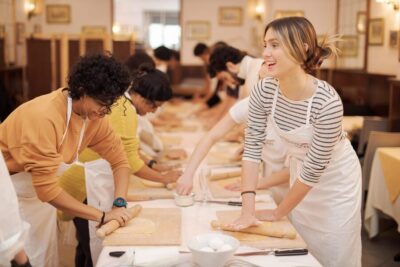
Pasta is Rome’s best souvenir. This three-hour cooking class gives you a practical taste of Italian food culture, with hands-on instruction in fresh fettuccine, filled ravioli, and tiramisu. I like the small group limit of 14, which gives the chef room to help with tricky steps, and I like that you eat the food you prepare instead of simply watching a demonstration. The class also works well for families, couples, and friends looking for a break from Rome’s churches and ancient stones.
The main consideration is that drinks and transportation are not formally included. Some class sessions may offer a welcome drink or wine, but you should not count on beverages unless you confirm before booking. The class is also conducted in English, though the chef’s clear demonstrations and patient teaching have helped participants with limited English follow along.
Five things to know before you book
- You make three Italian dishes: Fresh fettuccine, ravioli, and tiramisu form the heart of the class.
- Chef Giuseppe and Chef Danilo have both received praise: Their friendly, patient teaching helps beginners and experienced home cooks alike.
- The class is properly hands-on: You knead, stretch, shape, fill, and assemble the food yourself.
- The meal is part of the experience: After cooking, you sit down and eat your pasta and tiramisu with the group.
- The location is central and easy to reach: The class begins and ends at Via Firenze, 8, near public transportation.
- Book ahead for popular dates: The experience is often reserved about 35 days before the scheduled date.
Why a cooking class belongs in your Rome itinerary
Rome can become a parade of monuments. The Colosseum, Forum, Pantheon, and Vatican all deserve your time, but sightseeing at full speed can leave you needing a chair and a plate of pasta. This class offers a welcome change of pace.
You spend about three hours doing something with your hands. Instead of simply ordering pasta in a restaurant, you learn how the dough is made, how it behaves, and how the finished meal comes together. That makes the meal more memorable, and it gives you skills you can use at home.
I especially like the balance between instruction and social time. You are not expected to prepare a restaurant-quality dish on your own. A professional chef guides each stage, explains the basic technique, and helps when the dough resists or a ravioli filling escapes.
The class is also a good choice for families. One parent described it as a fun break from walking and history for a child, while another family said three teenagers enjoyed the evening. Cooking keeps younger participants involved in a way that a long museum visit may not.
More Pasta Making Classes in Rome
- 3 in 1 Cooking Class near Navona: Fettuccine, Ravioli & Tiramisu
★ 5.0 · 7,376 reviews - Rome: Pasta Making Class with Wine, Limoncello, and Dessert
★ 4.9 · 3,177 reviews - Rome Cooking Class: Make Pasta and 3 Spritz Cocktails
★ 5.0 · 2,937 reviews
Meeting the chef at Via Firenze
The class begins at Via Firenze, 8, 00184 Rome. The activity ends at the same meeting point, so you do not need to arrange a separate ride back after the meal.
The location is near public transportation, which matters in Rome. You can plan the class without committing to a complicated transfer across the city. Still, allow enough time to reach the address. Rome’s streets, traffic, and public transport can slow you down, and arriving late would make the early dough lesson harder to follow.
The cooking space is described as attractive and suited to a shared meal, with a beautifully set table used for dining afterward. That setting helps the class feel like a proper evening out rather than a quick workshop.
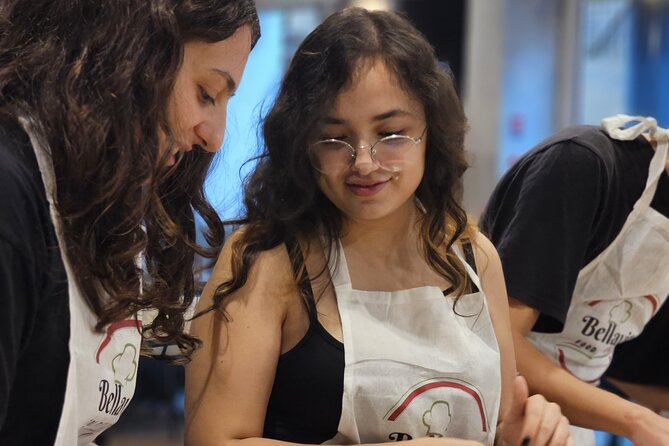
You receive an apron and utensils, and all ingredients and equipment are provided. That is useful for visitors staying in hotels or holiday rentals without a kitchen. You can arrive ready to work without carrying special tools.
Making dough for fettuccine
The first major task is fresh pasta dough. You learn how to combine and work the basic ingredients, then knead the dough until it becomes workable. Kneading may look simple, but the feel of the dough tells you more than a recipe ever can. The chef can show you when it needs more work and how to handle it without making it tough.
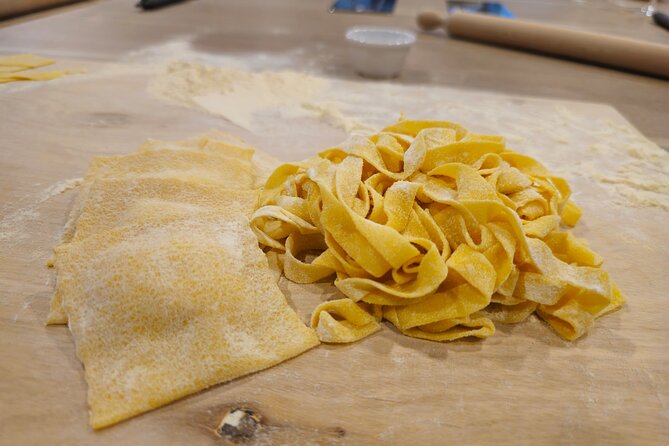
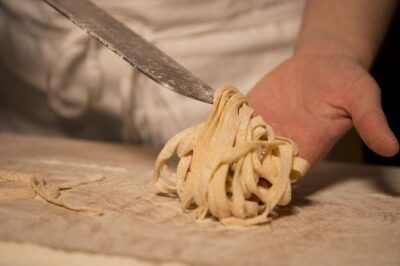
The dough is then stretched and prepared for two different pasta dishes. Fettuccine is flat, thick, and ribbon-like, usually made with egg and flour. It is familiar enough for beginners, but making it by hand gives you a better sense of why fresh pasta cooks and feels different from dried pasta.
The useful part here is not just the recipe. You pick up small habits that can improve your home cooking, such as how to handle the dough, how to shape it, and how to judge its texture. One participant who already made pasta at home said the class offered new tips and tricks, which suggests the lesson is not limited to complete beginners.
Do not expect a quiet demonstration where you watch the chef do everything. The point is to work. Your pasta may not look perfect, and that is part of the fun. A slightly irregular ribbon or uneven edge is a reminder that the meal came from your own hands.
Shaping ravioli and filling the pasta
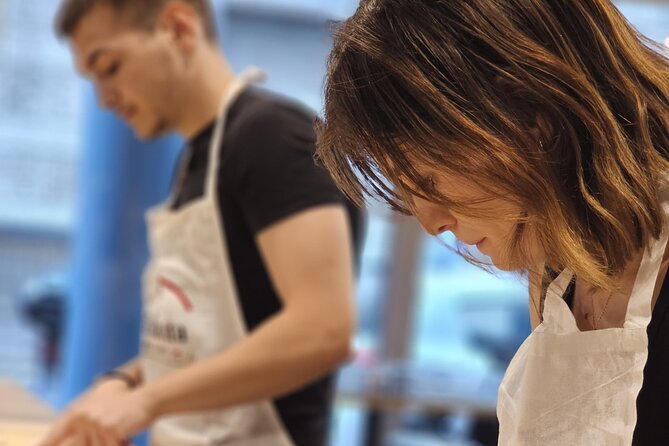
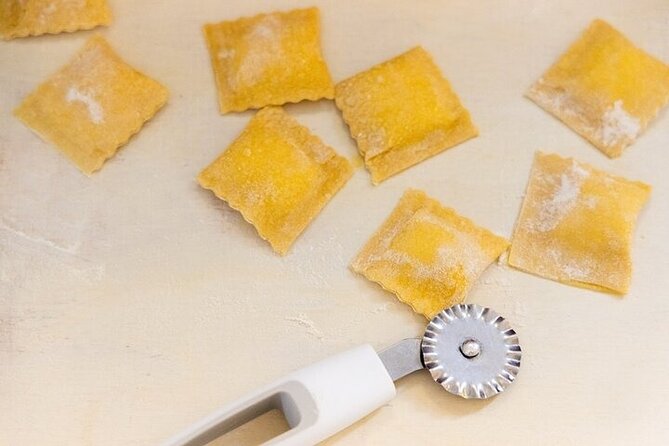
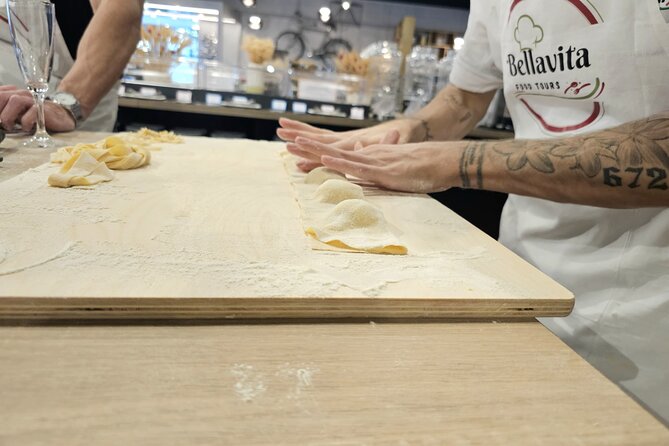
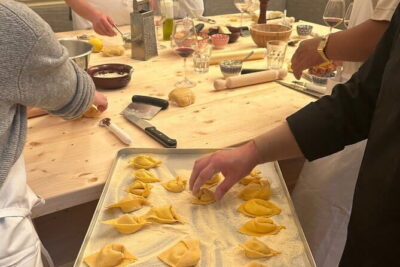
The same dough is used to create ravioli, giving you a useful comparison between a long ribbon pasta and filled pasta. You learn to shape the sheets, add the filling, and seal the parcels so they hold together during cooking.
Ravioli requires a little more care than fettuccine. You need to leave enough room around the filling, press out excess air, and close the edges firmly. The chef’s help matters here, especially if you are making fresh pasta for the first time.
This is one of the most rewarding parts of the class because the result looks like a finished Italian dish before it even reaches the pot. You can see the transformation from a simple sheet of dough into small, shaped parcels.
The portion of the class devoted to ravioli also gives you a practical skill to repeat at home. Fresh filled pasta can seem intimidating in a recipe book, but watching the process step by step makes it manageable. You may not make flawless ravioli on your first attempt, but you will understand the basic method.
More Tiramisu and Dessert Classes in Rome
- Rome: 3-in-1 Fettuccine, Ravioli, and Tiramisu Cooking Class
★ 4.9 · 2,704 reviews - Fettuccine & Tiramisù: Cooking Class with Wine & Limoncello
★ 4.9 · 2,103 reviews - Rome: Pasta & Tiramisu Cooking Class near the Spanish Steps
★ 4.8 · 1,395 reviews - Cooking Class in the Heart of Rome: Pizza and Tiramisu Making
★ 5.0 · 1,330 reviews
Building tiramisu with mascarpone and espresso
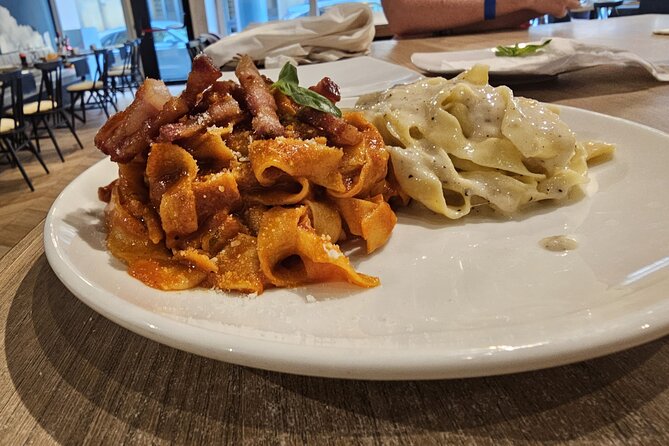
The dessert lesson turns to tiramisu, a classic Italian sweet whose name means cheer me up. You layer mascarpone with espresso-soaked ladyfingers, creating the familiar creamy and coffee-flavored dessert.
Tiramisu is a smart choice for a group class. It does not require the same constant attention as pasta, and the layering process is easy to understand. At the same time, the chef can explain the balance between the mascarpone mixture and the espresso-soaked biscuits.
This section gives the class a nice change of rhythm. Pasta involves kneading, stretching, cutting, and shaping. Tiramisu is more about assembly and proportion. You finish with a dessert that feels special but does not require advanced pastry skills.
If you enjoy the dessert at home, you can repeat it without buying unusual equipment. The class provides the ingredients and tools, but the basic method is practical for a home kitchen.
Sitting down to eat your own work
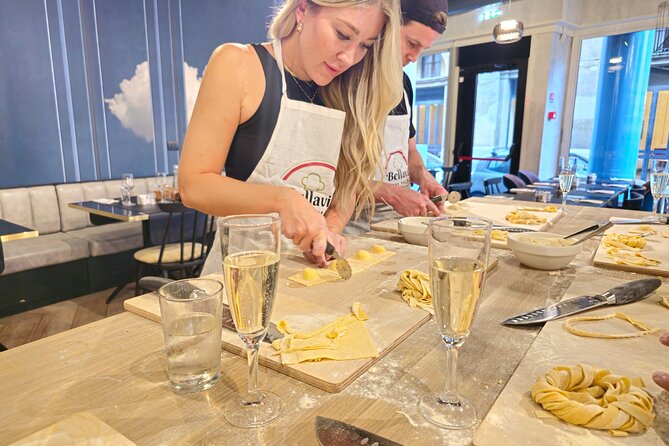
Once the cooking is finished, you sit at the table and eat the food you prepared. The meal includes the fettuccine, ravioli, and tiramisu made during the class.
This shared meal is more than a reward at the end. It gives you time to compare results, talk with the people beside you, and enjoy the food without rushing to the next sight. The class has been praised for its warm atmosphere, laughter, and attractive table setting.
The group limit of 14 is important. Fourteen is large enough to create a social evening but small enough for the chef to move around and offer individual help. On quieter dates, the group can be much smaller. Some sessions have had only a handful of participants, and private-feeling classes are possible when demand is low.
That small-group setup also makes the experience suitable for solo visitors. You have a built-in social setting without needing to organize a dinner reservation or spend the evening alone.
The teaching style and language question
The chefs are the strongest part of this experience. Giuseppe is repeatedly praised for making the class fun while still explaining the techniques clearly. Danilo is also described as making the work look effortless and helping participants learn pasta and tiramisu from start to finish.
The class is designed for all skill levels. You do not need previous pasta-making experience, and you do not need to be an expert cook to enjoy it. More experienced home cooks can still pick up small improvements in dough handling and shaping.
English is used for the class. If you are not comfortable with English, the language may require some patience, especially during spoken explanations. Still, the practical demonstrations help. The chef can show you how to knead, stretch, and shape the dough, and the step-by-step format makes the instructions easier to follow.
A participant who had worried about understanding an English class found the chef attentive and clear. That is encouraging, but I would still contact the provider if language is a serious concern. The formal information does not promise multilingual instruction.
Is $71.38 a fair price?
At $71.38 per person, the class is not the cheapest meal in Rome. You can buy a plate of pasta for less, particularly away from the city center. But this is not simply a meal. The price covers roughly three hours of instruction, all ingredients, equipment, an apron, utensils, and the meal you prepare.
I consider it fair value if you want an activity as well as dinner. You are paying for the chef’s guidance, the kitchen setup, and the chance to learn techniques that you can use again. The value is strongest for people who enjoy food, cooking, or shared experiences.
The calculation changes if you are only looking for a quick meal. In that case, a trattoria will be faster and probably less expensive. The class makes more sense when you want to spend part of your evening doing something active.
Drinks are not listed among the formal inclusions, and the additional information says personal drinks and extra meals are not covered. Some class descriptions from individual sessions have included a welcome drink or wine, but policies can vary. Ask before booking if wine is important to you, and budget for a drink rather than assuming it is included.
Who will enjoy this class most?
I would recommend it most strongly to:
- Families wanting a relaxed activity between major sightseeing stops
- Couples looking for a shared evening experience
- Solo visitors who enjoy meeting people over food
- Home cooks who want better pasta-making technique
- First-time visitors who want a cultural activity beyond monuments
- Teenagers who need something more active than another museum
It is less suitable if you dislike group activities, need a fully private lesson, or want a polished restaurant meal without doing the work. The group can be as large as 14, and the kitchen is a working space, not a formal dining room.
The class also requires some patience. Dough needs handling, ravioli needs careful sealing, and the full experience lasts about three hours. If your Rome schedule is packed tightly with timed entries, leave a generous gap around the class.
Booking, cancellation, and practical planning
Confirmation is provided when you book, and the experience uses a mobile ticket. The activity begins and ends at Via Firenze, 8, near public transportation.
Free cancellation is available until 24 hours before the local start time. Canceling less than 24 hours before the class, or making changes inside that window, does not qualify for a refund.
Because the class is often booked about 35 days ahead, I would reserve early if you need a particular evening. The maximum is 14 participants, and smaller classes are possible, but you cannot count on having the room to yourself.
Wear something comfortable and suitable for cooking. The apron and utensils are supplied, but the class is hands-on, so you should expect to handle flour, dough, and filling during the lesson.
Should you book the Rome pasta-making class?
Yes, if you want a social, practical evening and value learning as much as eating. The combination of fettuccine, ravioli, and tiramisu gives you a satisfying range of skills, while the small group and friendly chefs keep the class personal.
I would choose this experience over another standard dinner if you have already spent the day seeing Rome’s major sights. It gives you a break from walking, puts you in contact with other people, and leaves you with recipes and techniques you can repeat at home.
Book it if you are happy to cook for your dinner. Skip it if you want a quiet restaurant meal, guaranteed drinks, or a private class. For families, couples, and food-minded solo visitors, this is a strong-value Rome activity with a tasty payoff.
FAQ
Where does the cooking class begin?
The class begins at Via Firenze, 8, 00184 Rome, Italy.
Where does the activity end?
The activity ends back at the meeting point on Via Firenze.
How long does the class last?
The cooking class lasts approximately three hours.
What dishes do you make?
You make fresh fettuccine, ravioli, and tiramisu.
Is the class hands-on?
Yes. You work through the pasta-making and tiramisu preparation with guidance from a professional chef.
Are ingredients and equipment provided?
Yes. All ingredients and equipment are included.
Is an apron provided?
Yes. An apron and utensils are included.
How many people can join the class?
The maximum group size is 14 participants.
Are drinks included?
Drinks and personal expenses are not formally included. Some individual sessions may offer a welcome drink or wine, so confirm this before booking if it matters to you.
Can I cancel for a full refund?
Yes, if you cancel at least 24 hours before the experience start time. Cancellations or changes made less than 24 hours beforehand are not accepted for a refund.
Just added around Rome
- Testaccio: Home Cooking Cacio e Pepe, Amatriciana, Carbonara★ 4.9 · 57 reviews
- Super Fun Pasta and Gelato Cooking Class by the Vatican★ 5.0 · 6 reviews
- Spritz and Spaghetti Traditional Cooking Class in Rome★ 4.9 · 30 reviews
- ROME:Hands-On Lasagna & Marsala Tiramisu Cooking Experience”★ 5.0 · 3 reviews
- Rome: Trastevere Pasta Making Class★ 4.9 · 33 reviews
- Rome: Vatican Food Tours, Cooking classes & Free Tours★ 4.9 · 11 reviews
- Rome: Traditional Pasta and Tiramisu Cooking Class★ 5.0 · 4 reviews
- Rome: Small Group Pasta cooking class near Piazza Navona★ 4.9 · 8 reviews
Pasta Making Classes, compared.
3 in 1 Cooking Class near Navona: Fettuccine, Ravioli & Tiramisu
Read our review →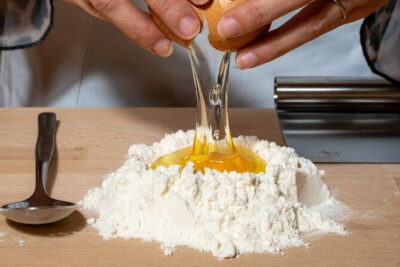
Pasta & Tiramisu Cooking Class with Unlimited Wine
Read our review →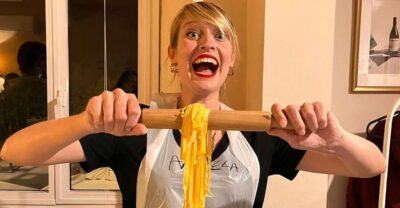
Pasta Making Class with Wine, Limoncello, and Dessert
Read our review →
Rome Cooking Class: Make Pasta and 3 Spritz Cocktails
Read our review →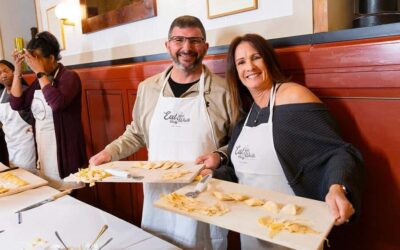
3-in-1 Fettuccine, Ravioli, and Tiramisu Cooking Class
Read our review →