REVIEW · LAZIO, ITALY
Rome Cooking Class: Handmade Tonnarelli Pasta & Tiramisu
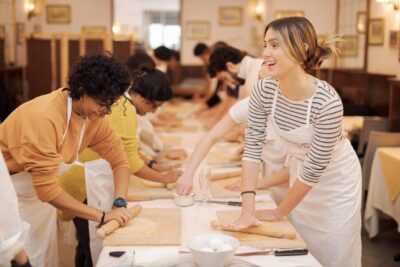
Fresh pasta makes Rome taste better. This hands-on class at Osteria San Giorgio gives you a useful look at Roman food, not just another restaurant meal. You mix, knead, roll, and cut tonnarelli, then prepare tiramisu before sitting down to eat what you made. I like the practical recipes and the warm, social teaching style. The main drawback is that this is not suitable for vegans or anyone avoiding gluten or dairy.
I also like the timing flexibility. The morning session at 10:30 can put your handmade pasta on the table around lunchtime, while the class itself lasts a manageable 2.5 hours. Guides such as Kristian, Jamila, Elizabetha, Luca, Christian, and Francesca have been praised for being patient, funny, and generous with Rome food tips. Just know that for safety reasons, you do not enter the actual kitchen where the pasta is cooked and seasoned.
Key points at a glance
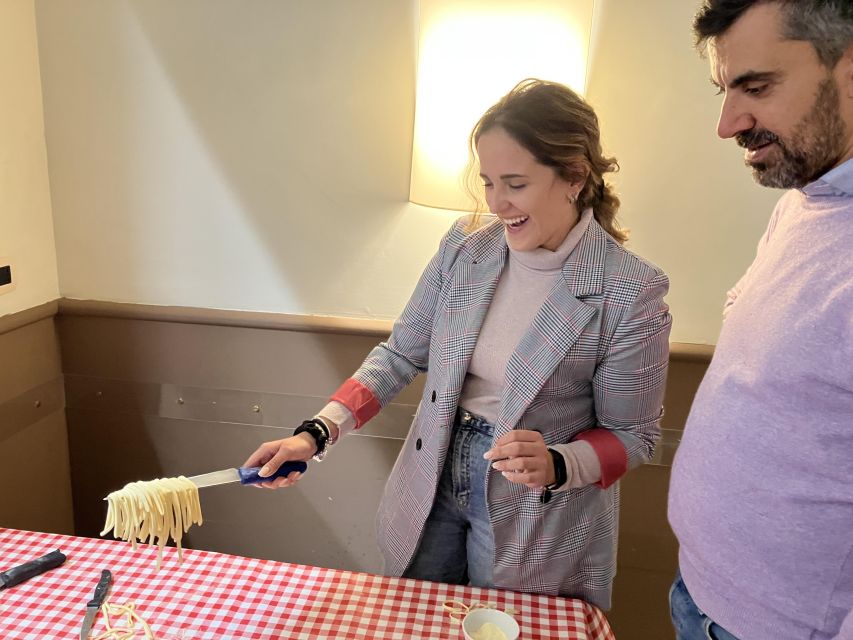
- Roman pasta from scratch: Make tonnarelli, the thick, square-cut spaghetti used in classic Roman cooking.
- Two useful recipes: Learn handmade pasta and tiramisu, then take the recipes and techniques home.
- A social osteria setting: Cook and eat in a restaurant atmosphere rather than in a formal school kitchen.
- A meal with wine included: Your finished dishes are served after class with a complimentary glass of wine.
- Friendly English instruction: The guides focus on beginners, explain each stage, and often add local food advice.
- A clear dietary limitation: Vegan, gluten-free, and lactose-free options are not available.
Why this Rome cooking class is worth your time

Rome offers endless chances to eat pasta. This class gives you a reason to slow down and understand what is on your plate.
For $64 per person, you receive 2.5 hours of instruction, ingredients, equipment, a meal, and a glass of wine. That is fair value if you want more than a quick demonstration. You are not simply watching a chef work. You take part in the mixing, kneading, rolling, cutting, and dessert preparation, then sit down to eat the result.
I especially like that the focus is narrow. You are not trying to prepare an entire Italian menu in a hurry. The class concentrates on two dishes that are easy to remember and practical to repeat at home: Roman tonnarelli with cacio e pepe, and tiramisu.
The class also works well for different kinds of visitors. Couples can treat it as a relaxed food date. Friends can make it a social afternoon. Solo visitors can join a group and share a meal afterward. Kathy, who attended alone, found the setting comfortable alongside couples and groups. That matters if you are traveling by yourself and want an activity with built-in conversation.
More Pasta Making Classes in Rome
- 3 in 1 Cooking Class near Navona: Fettuccine, Ravioli & Tiramisu
★ 5.0 · 7,376 reviews - Rome: Pasta Making Class with Wine, Limoncello, and Dessert
★ 4.9 · 3,177 reviews - Rome Cooking Class: Make Pasta and 3 Spritz Cocktails
★ 5.0 · 2,937 reviews
Meeting at Osteria San Giorgio
You meet in front of Osteria San Giorgio. The restaurant setting gives the class a more lived-in feel than a polished cooking studio. You are surrounded by the atmosphere of an osteria, with staff serving food and wine nearby, rather than working in a purely instructional room.
Several participants found the restaurant easy to reach and comfortable. The staff also received warm praise, which helps because the experience continues after the cooking ends. You are not rushed out as soon as the lesson finishes. Some people stayed a little longer to chat and enjoy the setting.
The exact class atmosphere can change with the group. Some sessions have had only two participants and the instructor, creating almost private tuition. Other sessions bring together people from different countries. That mix is part of the appeal, especially if you enjoy talking about food and travel while you work.
Arrive ready to participate. You will be handling flour and fresh ingredients, so this is not an activity for formal clothes that you need to keep spotless. The available information does not specify an apron policy, so dress practically.
Making tonnarelli, Rome’s sturdy handmade pasta
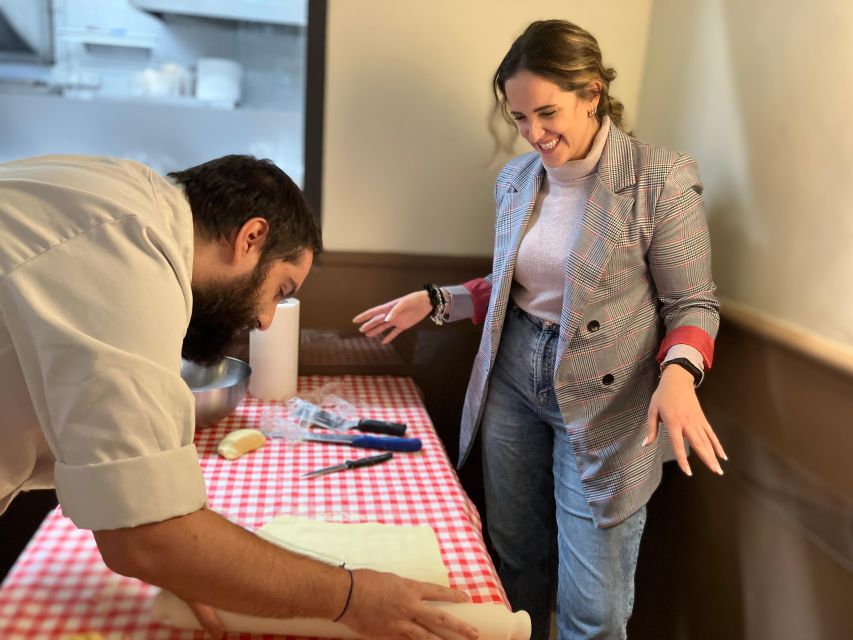
The first main task is tonnarelli. This is a traditional Roman pasta shaped like thick, square spaghetti. It has more bite than ordinary dried spaghetti and is particularly suited to strong, simple sauces.
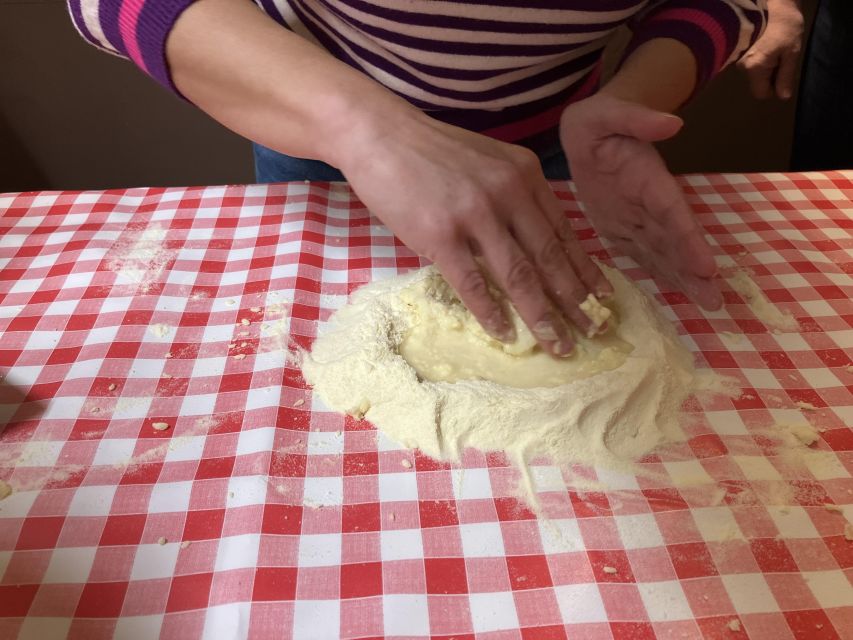
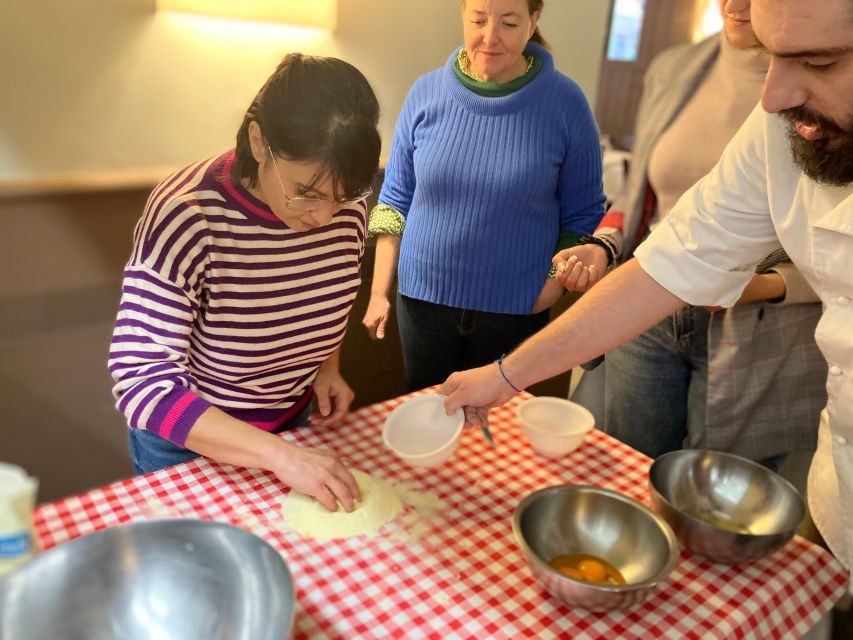
The instructor guides you through the dough from the beginning. You mix the ingredients, work the dough, and learn how it should feel before rolling it out. That tactile part is important. A recipe can tell you amounts, but your hands teach you when dough is too dry, too sticky, or ready to cut.
You then roll the dough and cut it into tonnarelli. The process is satisfying because the finished strands show your work clearly. Beginners should not worry about making every piece identical. The class is designed for people who may never have kneaded fresh pasta before, and the instructors have been praised for making first-timers feel at ease.
I like this lesson because it gives you a skill you can use again. You do not need rare equipment or complicated ingredients to repeat the basic process at home. The class also sends you away with recipes and techniques, not just a full stomach.
The pasta is associated with cacio e pepe, one of Rome’s most famous combinations. The dish is simple in theory, but its simplicity leaves little room to hide mistakes. Cheese, pepper, pasta, and pasta water must work together properly. The class offers a useful introduction to that balance.
There is one practical boundary to understand. For safety reasons, you do not enter the actual kitchen where the pasta is cooked and seasoned. The cooking workshop teaches you how to prepare the pasta, while the restaurant handles the cooking and final seasoning. If you want a class where you boil your own pasta at the stove, this may feel limited.
Still, the arrangement has an advantage. You can focus on forming the pasta without juggling every cooking station at once. The restaurant prepares a simple, delicious sauce, and you then enjoy the meal without worrying that an overcooked batch will spoil the finale.
Preparing tiramisu without overcomplicating it
Next comes tiramisu, the coffee-soaked Italian dessert made with creamy layers. The class takes you through the preparation rather than handing you a finished dessert at the end.
You mix, whip, and assemble the ingredients under the guide’s direction. This is a good contrast to pasta making. The pasta lesson is about dough and shape, while tiramisu teaches you how texture develops through careful mixing and layering.
The dessert has been a clear favorite. Participants have described the process as fun and said they learned to make tiramisu confidently at home. One person called it the best tiramisu they had eaten during their time in Italy. That is a high bar, though your results will depend partly on how closely you follow the instructor.
The class is also a good reminder that Italian cooking often depends on a few ingredients handled well. You are not working through a long list of obscure steps. Instead, you learn the basic method and leave with something you can make for friends or family.
Keep the dietary restrictions in mind. The activity does not offer vegan, gluten-free, or lactose-free alternatives. Since both the pasta and tiramisu depend on ingredients that conflict with those diets, this is not a class to book hoping for substitutions.
More Tiramisu and Dessert Classes in Rome
- Rome: 3-in-1 Fettuccine, Ravioli, and Tiramisu Cooking Class
★ 4.9 · 2,704 reviews - Fettuccine & Tiramisù: Cooking Class with Wine & Limoncello
★ 4.9 · 2,103 reviews - Rome: Pasta & Tiramisu Cooking Class near the Spanish Steps
★ 4.8 · 1,395 reviews - Cooking Class in the Heart of Rome: Pizza and Tiramisu Making
★ 5.0 · 1,330 reviews
Sitting down to eat your own work
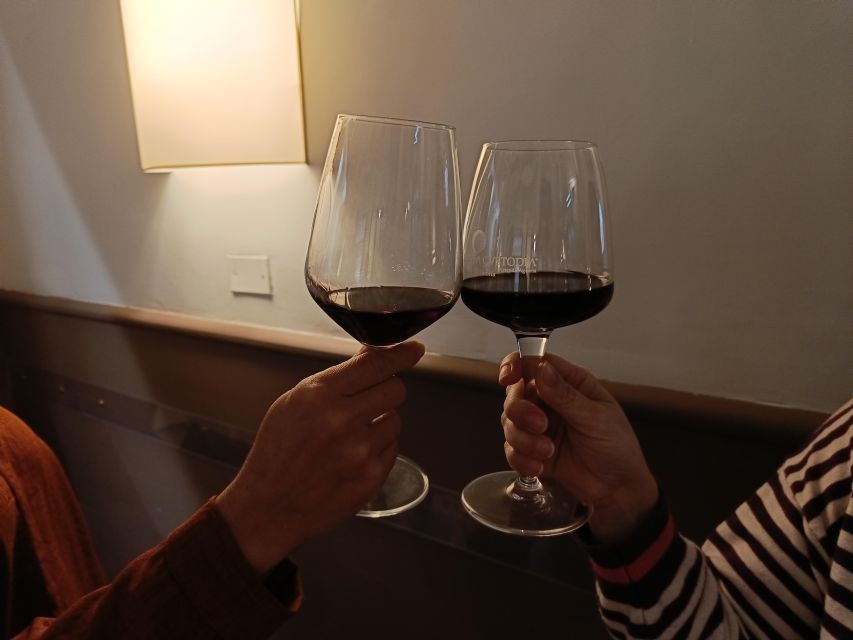
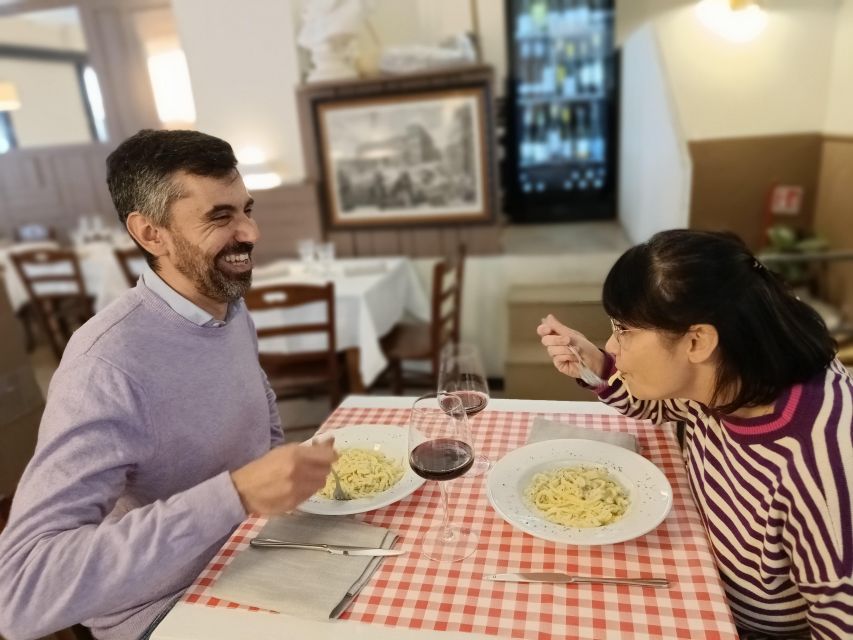
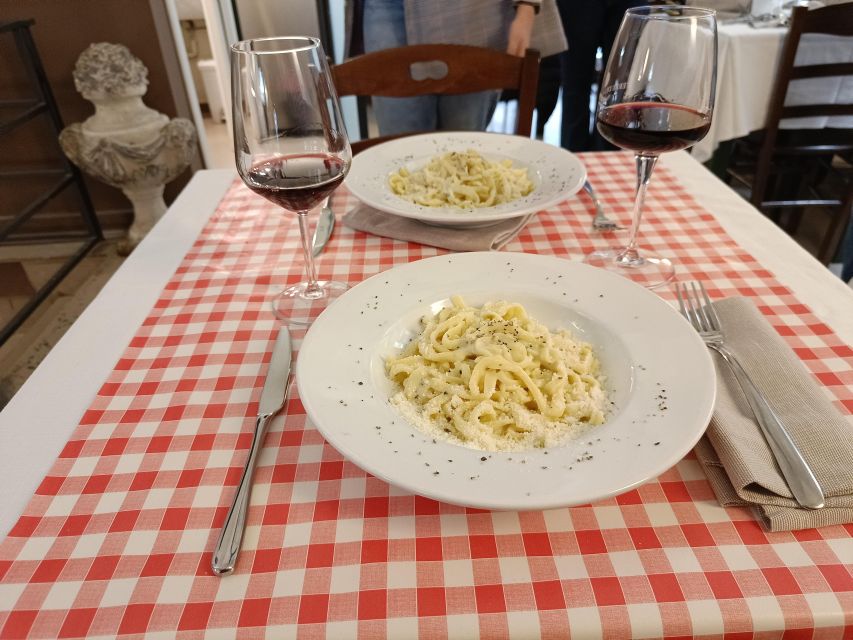
After the practical work, you sit down for the meal. The restaurant cooks and seasons the pasta, then serves it with the sauce prepared for you. You also enjoy the tiramisu you made during the class.
This shared meal is one of the strongest parts of the experience. You get time to compare results, talk with the group, and enjoy the food at a relaxed pace. The complimentary glass of wine fits the osteria setting and adds value to the $64 price.
The meal also gives the class a satisfying shape. You start with raw ingredients, work with your hands, and finish at a table with a proper dish in front of you. It feels more complete than a short cooking demonstration followed by a small tasting.
The wine is included, but the supplied details do not promise a choice of wines or additional drinks. If you want several glasses or other beverages, plan to pay for those separately.
The guides make the difference
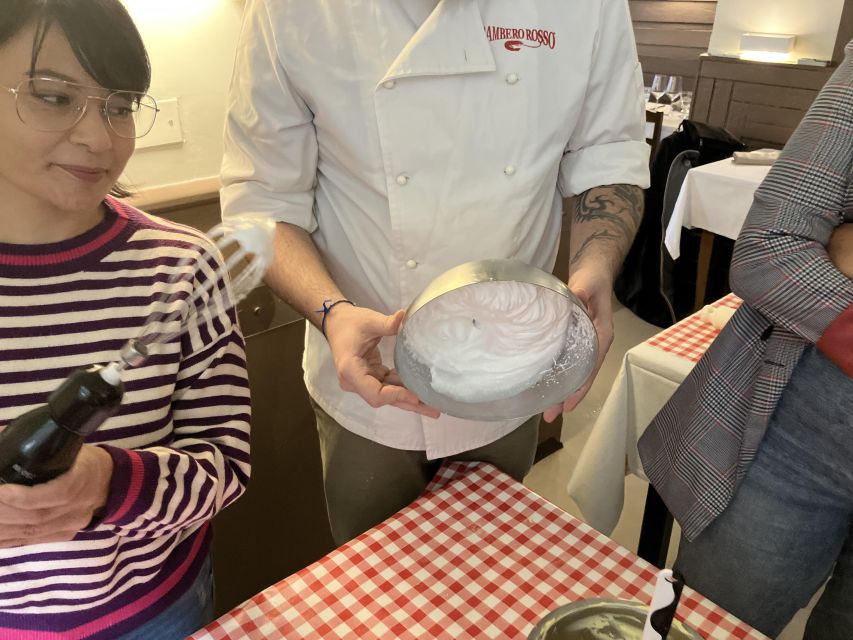
The instructor is listed as English-speaking, and the strongest part of the teaching style is its friendliness. Kristian has been described as kind, patient, and funny. Jamila helped complete beginners feel comfortable and kept the session organized. Elizabetha combined pasta instruction with facts about Rome and Italy.
Other instructors received equally warm praise. Luca was appreciated for his cooking ability, humor, and personal stories. Francesca was described as both knowledgeable about the food and skilled at making the class fun, though I will avoid using that overused word elsewhere. Christian was praised for giving helpful Rome suggestions along with pasta instruction.
The names can vary by date, so you should not book solely to meet one particular guide. Still, the pattern is encouraging: the class depends heavily on a personable instructor, and the available feedback points to patient, lively teaching.
Guides have also offered suggestions on what to eat and do elsewhere in Rome. That makes booking near the start of your stay a smart idea. You can use food recommendations during the rest of your visit instead of hearing them on your final morning.
Timing, pace, and group feel
The class lasts 2.5 hours. That is long enough to teach two dishes without taking over an entire day of sightseeing.
A 10:30 a.m. start works well if you want pasta for lunch. You can then spend the afternoon on another Roman activity. Other start times may be available, so check the schedule when booking.
The pace should suit most beginners. You work through clear stages, and the instructor can correct your technique as you go. Some sessions have been intimate, while others have provided a chance to meet people from several countries.
That social side is worth considering. If you prefer a quiet private lesson, a larger group may feel less personal. If you enjoy meeting people, the shared table and hands-on tasks give you easy conversation topics from the start.
The activity is wheelchair accessible. However, wheelchair access does not mean every part of the physical cooking process will be identical for every participant. If you need specific arrangements, confirm them before booking.
What you take home
The meal is only part of the payoff. You also leave with recipes and techniques for handmade tonnarelli and tiramisu.
The pasta lesson can change how you judge fresh dough. You learn by feel, not only by reading measurements. The tiramisu lesson gives you a repeatable dessert for dinner parties, birthdays, or a simple weekend project.
Several people went home eager to buy flour and make pasta again. That is the right test for a cooking class. If you leave inspired but unsure how to repeat the dish, the lesson has missed something. Here, the focus on two recipes keeps the learning manageable.
You also gain a better sense of Roman food culture. Cacio e pepe shows how a few staples can create a powerful dish, while handmade tonnarelli demonstrates why texture matters. The lesson connects those ideas to an actual meal instead of treating them as classroom theory.
Who should book this class?
I would recommend it to first-time pasta makers, food-focused visitors, couples, friends, and solo visitors who like a social activity. It is also a good birthday gift, as one group discovered when they booked it for a younger sister.
You do not need previous cooking experience. In fact, the class seems especially suited to beginners who want an instructor to guide each step.
This is less suitable for serious cooks looking for advanced technique or professional kitchen practice. You will not enter the working kitchen, and the restaurant handles cooking and seasoning the pasta. It is a friendly introduction, not a chef-training session.
You should also skip it if you are vegan, gluten intolerant, or lactose intolerant. The activity specifically excludes those dietary needs. Visually impaired participants are also listed as unsuitable, so ask the provider directly if you need accessibility information beyond wheelchair access.
Price, flexibility, and practical value
At $64 per person, the cost is reasonable for a class that includes food, ingredients, equipment, instruction, a meal, and wine. You are paying for an activity and dinner together, plus recipes you can reuse.
The value is strongest if you would otherwise book a meal in Rome. Here, part of your dining time becomes a practical lesson and a social occasion. It is less compelling if you only want to eat quickly or if you are comparing it with a short demonstration that costs much less.
You can cancel up to 24 hours before the activity for a full refund. A reserve-now, pay-later option is also available, which helps if your Rome plans are still shifting.
Should you book the Rome pasta and tiramisu class?
Book it if you want a friendly, beginner-level food experience with a real meal at the end. The combination of handmade tonnarelli, tiramisu, wine, and an osteria setting gives you more substance than a simple tasting.
Book early in your Rome stay if you want local food suggestions from the instructor. Choose the morning time if you like the idea of eating your pasta around lunch.
Skip it if you need vegan, gluten-free, or lactose-free food, or if you specifically want to cook pasta all the way through in a professional kitchen. For everyone else, $64 buys a useful skill, a social meal, and a few hours that feel connected to Roman food rather than merely served beside it.
FAQ
Where does the cooking class meet?
Meet in front of Osteria San Giorgio in Rome.
How long does the experience last?
The class lasts 2.5 hours.
How much does the class cost?
The listed price is $64 per person.
What language is the class taught in?
The instructor teaches in English.
What will I make?
You will make handmade tonnarelli pasta and tiramisu. The pasta is prepared in the Roman style and served with a simple sauce prepared by the restaurant.
Is a meal included?
Yes. You eat the food prepared during the class, including the pasta and tiramisu.
Is wine included?
Yes. One glass of wine is included with the meal.
Do I need cooking experience?
No previous experience is stated as necessary. The activity is hands-on and instructor-led, and it is suitable for beginners.
Can I book this class if I am vegan or gluten-free?
No. Vegan and gluten-free options are not available. The activity is also not suitable for people with lactose intolerance.
Can I enter the restaurant kitchen to cook the pasta?
No. For safety reasons, participants do not enter the actual kitchen where the pasta is cooked and seasoned.
Is the class wheelchair accessible?
Yes, the activity is listed as wheelchair accessible. It is not listed as suitable for visually impaired participants.
Can I cancel my booking?
Yes. You can cancel up to 24 hours in advance for a full refund.
Can I reserve now and pay later?
Yes. A reserve-now, pay-later option is available.
Just added around Rome
- Testaccio: Home Cooking Cacio e Pepe, Amatriciana, Carbonara★ 4.9 · 57 reviews
- Super Fun Pasta and Gelato Cooking Class by the Vatican★ 5.0 · 6 reviews
- Spritz and Spaghetti Traditional Cooking Class in Rome★ 4.9 · 30 reviews
- ROME:Hands-On Lasagna & Marsala Tiramisu Cooking Experience”★ 5.0 · 3 reviews
- Rome: Trastevere Pasta Making Class★ 4.9 · 33 reviews
- Rome: Vatican Food Tours, Cooking classes & Free Tours★ 4.9 · 11 reviews
- Rome: Traditional Pasta and Tiramisu Cooking Class★ 5.0 · 4 reviews
- Rome: Small Group Pasta cooking class near Piazza Navona★ 4.9 · 8 reviews
Pasta Making Classes, compared.


3 in 1 Cooking Class near Navona: Fettuccine, Ravioli & Tiramisu
Read our review →
Pasta & Tiramisu Cooking Class with Unlimited Wine
Read our review →
Pasta Making Class with Wine, Limoncello, and Dessert
Read our review →
Rome Cooking Class: Make Pasta and 3 Spritz Cocktails
Read our review →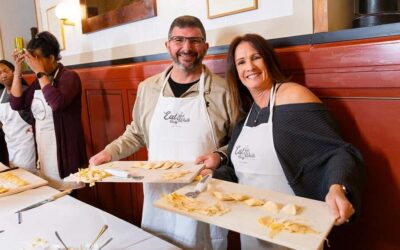
3-in-1 Fettuccine, Ravioli, and Tiramisu Cooking Class
Read our review →