
REVIEW · SOUTHEAST REGION, BRAZIL, BRAZIL
Rio de Janeiro: Brazilian Cooking Class in Rio de Janeiro
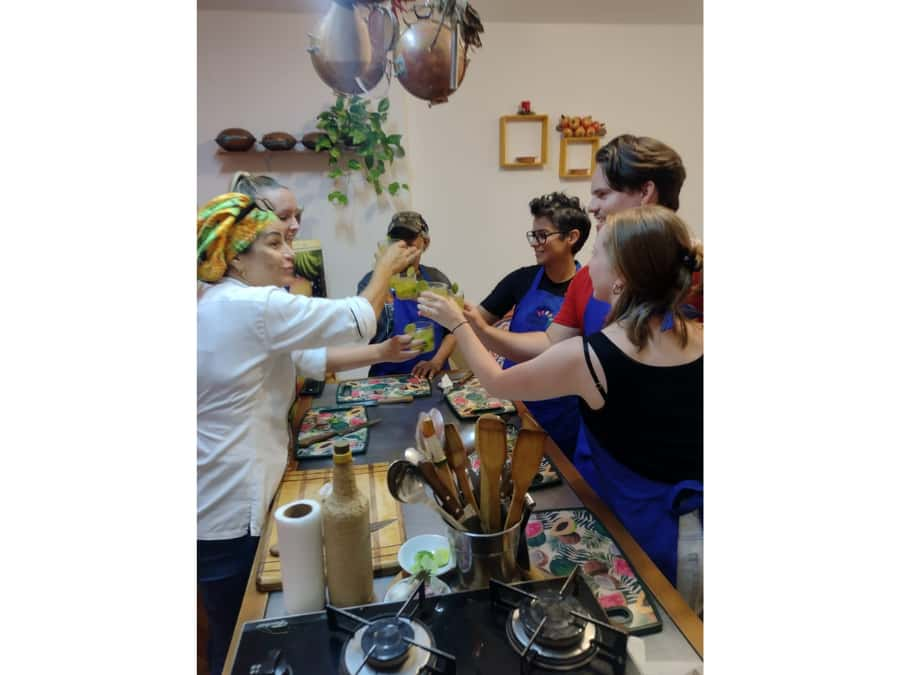
Brazil tastes best when you help make it. In Copacabana, this small cooking class gives you a hands-on look at local food, led by native chef Simone, with seven Brazilian recipes, two drinks, and a shared meal at the end. You are not simply watching a demonstration. You chop, stir, season, cook, and then sit down to eat what you made.
I especially like the small-group format, with no more than seven participants, and the choice between seafood moqueca and pork-and-bean feijoada on different days. I also like that the recipes use ingredients you can find in many parts of the world, so the class has value after Rio. The main drawback is the price: at $220 per person, this is a costly cooking lesson, and the published timing varies between three and four hours, so you should confirm the exact schedule before booking.
Key points to know before booking
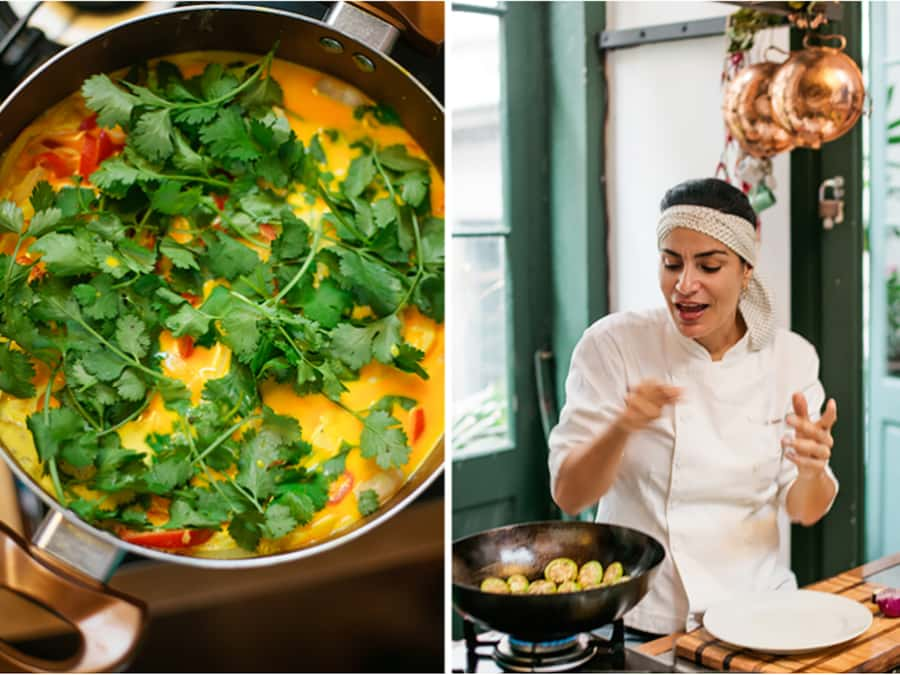
- Chef Simone leads the class: Her warm, entertaining teaching style and strong knowledge of Brazilian food and culture are central to the experience.
- The main dish depends on the day: Moqueca is offered on Mondays, Wednesdays, and Fridays. Feijoada is offered on Saturdays.
- You cook the meal yourself: This is a practical class, not a sit-down tasting with a short demonstration.
- The class is limited to seven people: The small size leaves room for questions and personal guidance.
- Two Brazilian drinks are included: You prepare a lime caipirinha and a batida de coco.
- Transportation is not included: You need to arrange your own way to the cooking studio in the Copacabana area.
What this Copacabana cooking class is really like
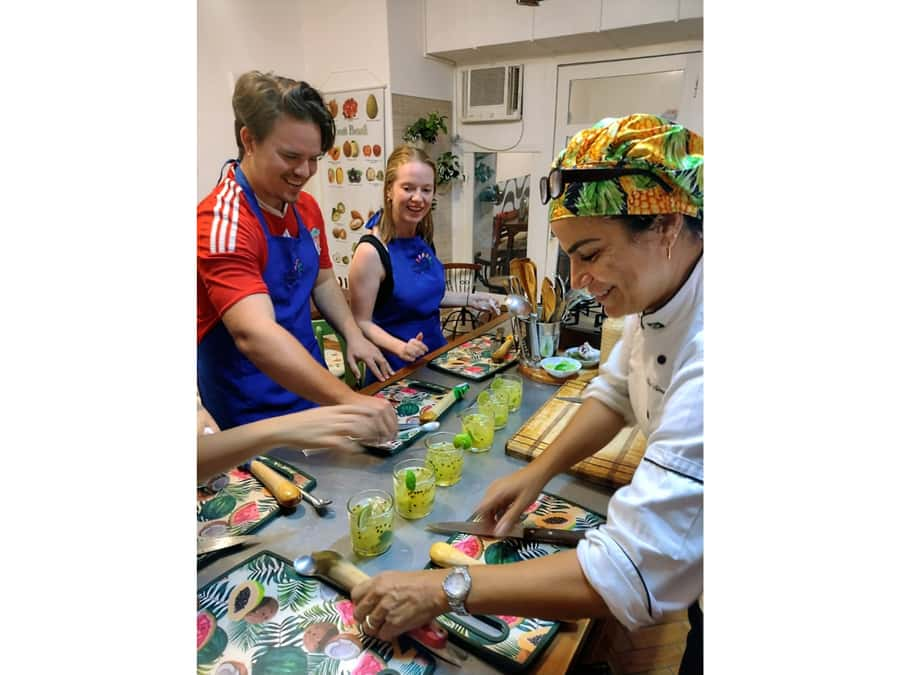
The appeal here is simple: you spend a few hours learning Brazilian food by making it with your own hands. The cooking studio is in the Copacabana region, and the class is conducted in Portuguese, English, or Spanish.
The experience is designed for complete beginners as well as confident home cooks. You do not need prior training. The instructor guides you through the recipes, explains the ingredients and methods, and answers questions as you work.
That matters because Brazilian food can seem familiar at first glance, yet its combinations are distinctive. Cassava appears in several forms. Coconut, lime, beans, sausage, seafood, fruit, and sweet condensed milk-based desserts all have a place at the table. Cooking them yourself helps you understand how the pieces fit together.
The class is also social. After the food is ready, you sit down with the instructor, toast your work, and eat the meal together. A review from Joy of the United Kingdom gives special credit to Simone for creating a comfortable setting where people could get to know one another. That is useful to know if you are traveling alone or want an evening with more conversation than a standard restaurant meal.
One small point needs clearing up. The activity is advertised as lasting three hours, while the cooking description refers to a four-hour class. The amount of food and instruction suggests you should allow a generous block of time, but confirm the start and finish times when you check availability.
A few more cooking classes around the world worth a look
- Half-Day Thai Cooking Class at Organic Farm in Chiang Mai
★ 5.0 · 19,087 reviews - Florence: Pasta Cooking Class with Unlimited Wine
★ 4.9 · 10,285 reviews - 3 in 1 Cooking Class near Navona: Fettuccine, Ravioli & Tiramisu
★ 5.0 · 7,376 reviews
Choosing between moqueca and feijoada
Your main dish depends on the day you attend, so the schedule should guide your booking.
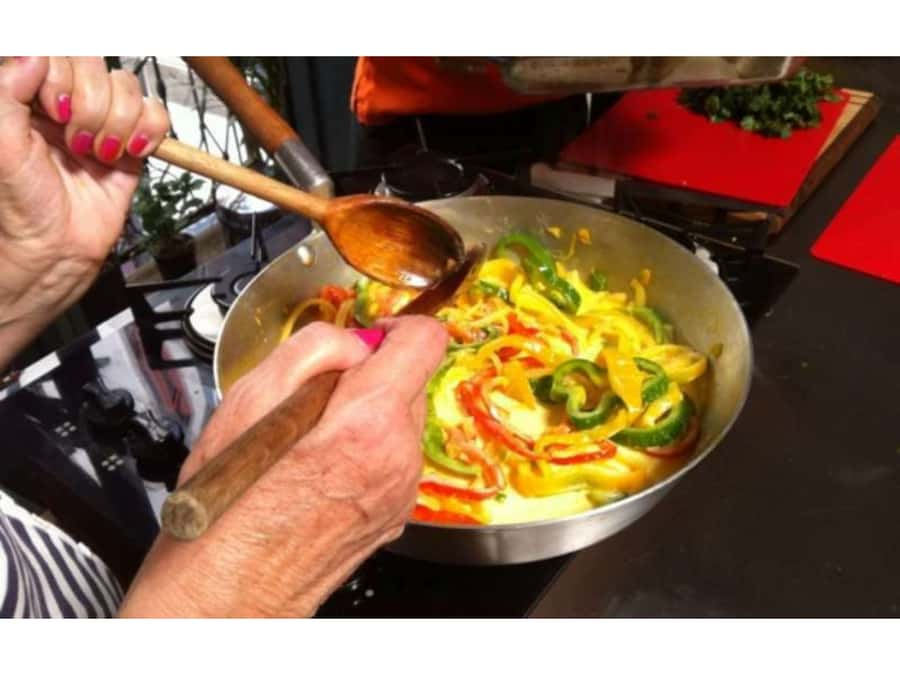
Moqueca, the seafood option, is served on Mondays, Wednesdays, and Fridays. This Brazilian stew is built around seafood and fragrant seasoning, with coconut among the listed flavors and ingredients used in Brazilian cooking. The class lets you see how the dish comes together instead of receiving a finished bowl without explanation.
A review from a parent who attended with a son praised the fish dish and the chance to hear about the history of food in Brazil. That combination is one of the class’s strengths. You learn about a dish while preparing it, then taste the result at the table.
If you like seafood, want a lighter main course, or are curious about coastal Brazilian cooking, choose one of the moqueca days. Since the supplied details do not specify the exact seafood used, ask about the day’s ingredients if you have allergies or strong preferences.
Feijoada is served on Saturdays. This hearty pork-and-bean dish is one of Brazil’s best-known comfort foods. It takes a more substantial route than moqueca, with beans, pork, and traditional accompaniments.
Joy specifically recommended the feijoada after taking the class with Chef Simone. That is a useful tip for anyone who wants the most classic Brazilian food experience from the schedule. Choose Saturday if you want a filling, savory meal with a strong connection to everyday Brazilian cooking.
The choice is not merely a menu detail. It shapes the character of the class. Moqueca gives you a seafood-based taste of Brazil, while feijoada offers a slower, heavier, bean-and-pork style of cooking. If your schedule allows only one date, pick the dish that best matches your appetite.
The seven-part menu, from cheese to dessert
The menu offers more than one main dish. It is presented as five courses with two drinks, while the sample menu lists seven items. In practical terms, you can expect a sequence of small dishes, beverages, a main course with accompaniments, and dessert.
Fried cheese with spicy guava jam
The class begins with fried cheese paired with spicy guava jam. This sweet and savory combination gives you an early lesson in how Brazilian cooking balances contrasting flavors.
You are likely to find this course easy to follow at home, since cheese and guava-based preserves are less demanding than the main dish. It also makes a good opening bite while the larger preparations continue.
Same place, a different thing to cook:
- Florence: Pasta & Tiramisu Cooking Class with Unlimited Wine
★ 4.9 · 6,708 reviews - Hanoi Cooking Class: Culture, Local Market & Meaning CSR Impact
★ 5.0 · 5,147 reviews - 5 Traditional Dishes Hanoi Cooking Class with Market Trip
★ 5.0 · 4,890 reviews - Cooking Class and Lunch at a Tuscan Farmhouse with Local Market Tour from Florence
★ 5.0 · 4,831 reviews
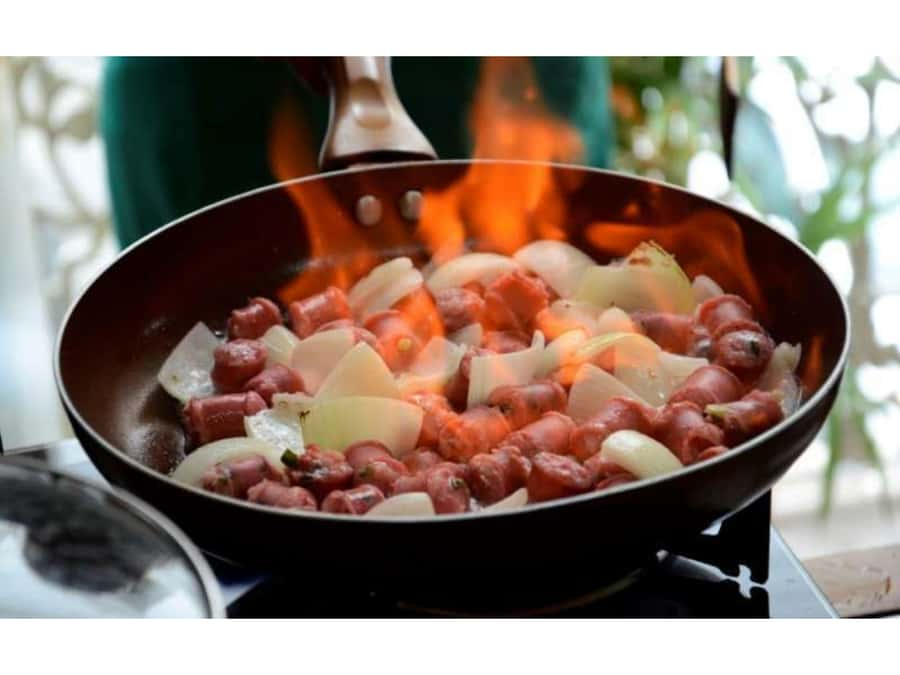
Fried sausage slivers
The next item is described as fried sausage slivers. It is a simple preparation, but it gives the class a chance to discuss seasoning and texture without turning every part of the lesson into a long project.
Because the sausage is served in small pieces, it works well as a shared course. It also adds a salty, meaty note before the main dish.
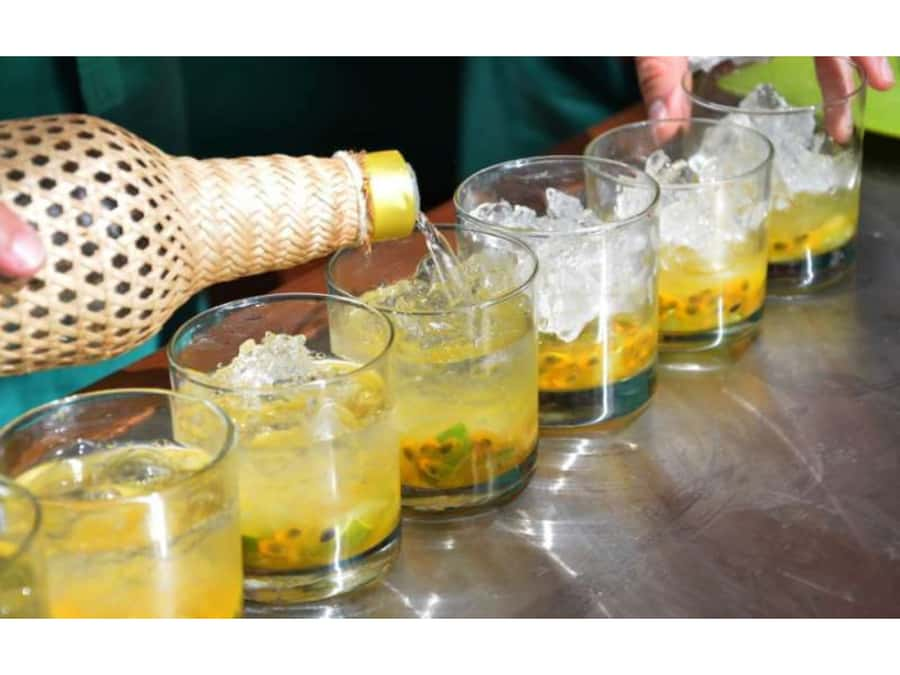
Lime caipirinha
You prepare a lime caipirinha as part of the class. This is Brazil’s familiar lime-based cocktail, and making it yourself helps you understand the balance between citrus, sweetness, and alcohol.
Two alcoholic drinks are included in the experience. The caipirinha is one of them, and you should keep that in mind when deciding if this class fits your group. The activity is still about food first, but the drinks are part of the meal and social time.
Batida de coco
The second drink is a batida de coco, a coconut-based Brazilian drink. Its creamy, sweet profile gives you a clear contrast with the sharper lime caipirinha.
Together, the two drinks offer a small lesson in Brazilian bar culture. One is bright and citrusy. The other is smooth and coconut-forward. You prepare both with the supplied ingredients and equipment.
Feijoada or seafood moqueca
The central dish is either pork-and-bean feijoada or seafood moqueca, based on the day of the week. This is where the class has its greatest cooking value because you spend more time working on a substantial traditional recipe.
The instructor guides you through the process rather than leaving you to guess. That makes the class suitable for someone who knows little about Brazilian food. It also gives experienced cooks a chance to ask about technique, ingredients, and regional flavor.
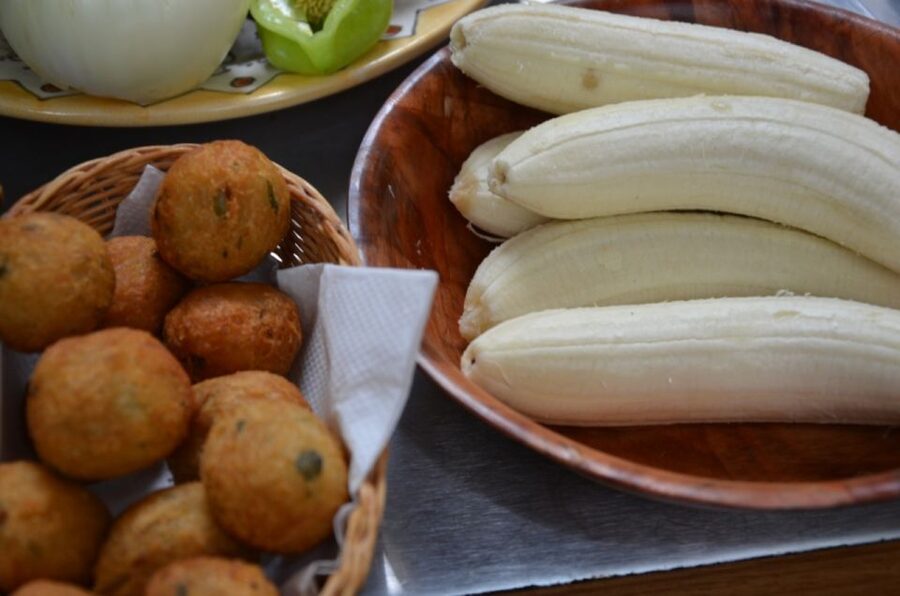
Banana farofa with flavored rice
The main course comes with banana farofa and flavored rice. Farofa is a cassava-based side dish, and the banana adds a sweet element to the meal.
This side is particularly useful for home cooks because cassava products can be used in ways that are not obvious if you have never cooked Brazilian food. The rice provides a familiar base, while the farofa shows you a more distinctly Brazilian accompaniment.
Surprise dessert
Dessert changes according to the exotic fruit available or the sweets produced by the chef on her farm. Possible examples include brigadeiro or doce de leite.
The changing dessert is a nice touch, but it also means you should not book expecting one exact final course. If you have a strong sweet tooth, the surprise adds interest. If you have dietary restrictions, ask what may be served before class.
Why the small group matters
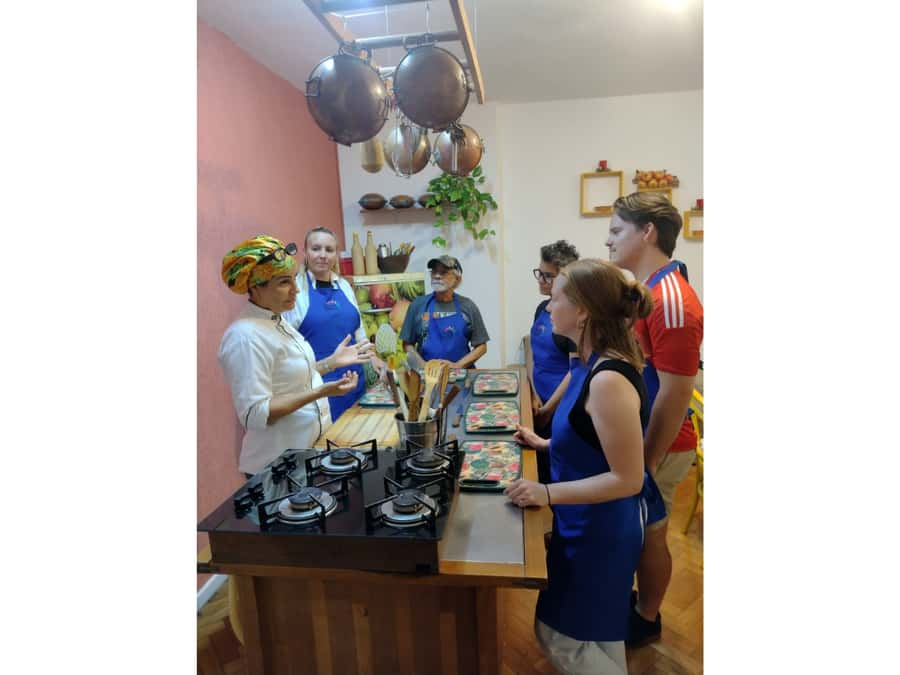
A maximum of seven participants is a real benefit here. Cooking classes can become frustrating when you are standing behind someone else, waiting for a turn, or trying to hear instructions across a crowded counter.
A small class gives you more direct contact with Simone. You can ask why a particular ingredient is used, how to adjust a dish, or what substitutions might work at home. The supplied reviews repeatedly praise her personal approach. Michael from the United States described her as informative, entertaining, friendly, and attentive.
The private-group label also matters, though you should read it carefully. The experience is identified as a private group, with a maximum of seven participants. That suggests a more personal setting than a large public workshop, but the practical group size and exact arrangement should be confirmed when booking if privacy is important to you.
Simone’s daughter sometimes assists with the class. One parent and son found that this helped create a relaxed, social atmosphere. You may value that family involvement if you prefer a cooking experience that feels personal rather than highly scripted.
Chef Simone brings more than recipes
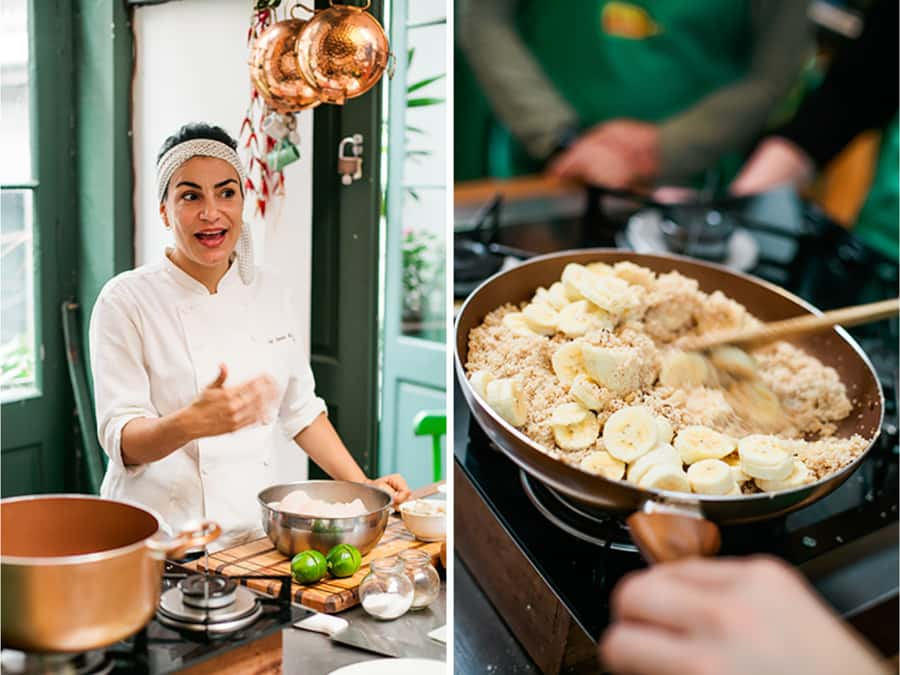
The strongest part of this experience is the instructor. Simone teaches cooking, but she also discusses Brazil and the place food holds in the country’s culture.
Joy praised her knowledge of Rio and Brazil, as well as her enthusiasm for cooking. That is the sort of detail that separates this class from a recipe lesson you could follow online. You get context while you cook, and the meal becomes a way to understand Brazilian habits and flavors.
The tone appears friendly and conversational. The reviews describe time spent cooking, chatting, and eating, not simply moving through a rigid set of instructions. If you want a quiet, technical workshop with little conversation, this may feel too social. If you want to meet people and ask questions, it should suit you well.
You also get the chance to contact Simone after the class, according to Joy’s experience. That can be helpful if you want to revisit a recipe or clarify a cooking point later, though you should not treat follow-up access as a formal ongoing service.
Price, timing, and what is included
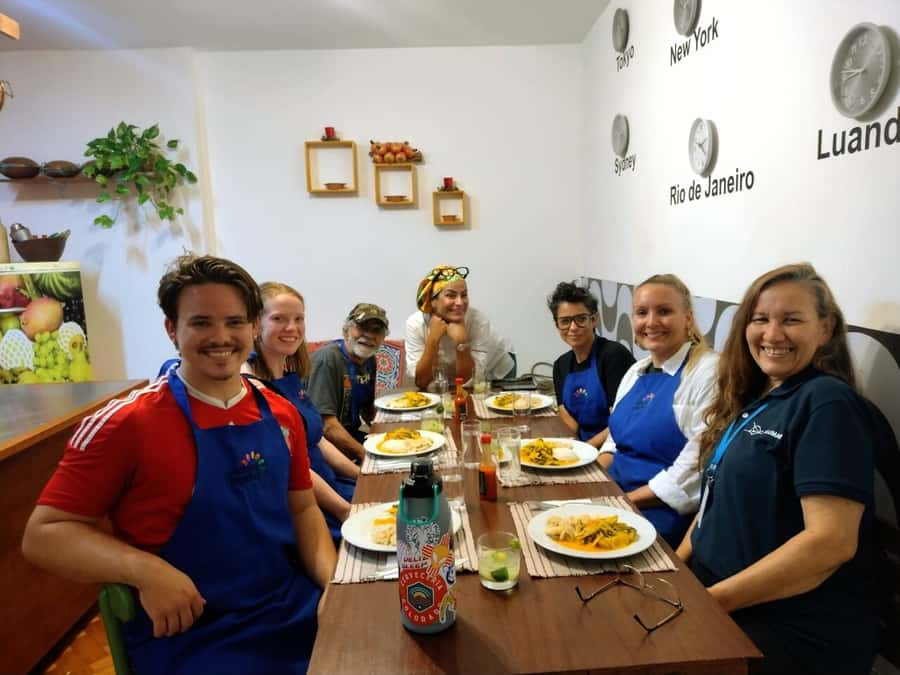
The listed price is $220 per person. That is expensive compared with a casual meal in Rio, so the value depends on how much you want from the experience.
You are paying for more than dinner. The fee covers the cooking class, ingredients, equipment, five dishes, two drinks, VAT, taxes, and handling charges. You also receive instruction in one of three languages and a small-group format with a native chef.
For a person who enjoys food experiences, the price may be reasonable because it combines a lesson, a full meal, drinks, and cultural conversation. It is less convincing for someone mainly seeking an inexpensive way to eat Brazilian food. A restaurant will cost less, but it will not teach you how to make the dishes or give you the same time with Simone.
The published duration is three hours, while the detailed class description calls it four hours. That inconsistency is worth taking seriously when planning your day. Check the available starting times and allow extra space around the class rather than scheduling a tight connection or another fixed activity immediately afterward.
Transportation is not included. The studio is in the Copacabana area, so you need to make your own way there and back. The precise meeting instructions and starting time should be checked when you reserve.
Cancellation is flexible up to 24 hours in advance for a full refund, and you can reserve now and pay later. These terms reduce some booking risk, especially if your Rio plans are still changing.
Who will enjoy this class most?
I would recommend it most strongly to:
- People who want to cook rather than watch
- Couples, families, and small private groups
- Solo visitors who enjoy meeting people over food
- Beginners who want patient instruction
- Experienced home cooks curious about Brazilian recipes
- Anyone choosing between a seafood or feijoada-focused class
The experience also suits parents with older children who can take part in the preparation. The parent and son who attended found the class enjoyable, and the family setting appears welcoming.
I would be more cautious if you do not drink alcohol, have serious food allergies, or need a precisely timed activity. Two alcoholic drinks are included, and the menu contains seafood, pork, sausage, dairy, coconut, cassava, and changing dessert ingredients. The provided details do not explain substitutions, so ask before booking.
This is not the right pick if you want a quick tasting with no cooking. You will spend time preparing the meal, listening to explanations, and taking part in the social meal afterward.
Should you book the Rio cooking class?
Book it if you want a personal introduction to Brazilian food and are willing to pay for a full experience rather than a cheap meal. Chef Simone is the main reason to choose this class. Her friendly teaching, cultural explanations, and attention to participants receive the strongest praise, and the small group gives the class room to feel like a shared meal with new friends.
Choose Monday, Wednesday, or Friday for seafood moqueca, and Saturday for pork-and-bean feijoada. Check the timing carefully because the experience is described as both three and four hours, and arrange your own transport to Copacabana.
At $220, this is a splurge. But if you will actually recreate the recipes at home, enjoy learning through conversation, and want to understand Brazil through its food, the price can make sense. For a memorable Rio activity built around cooking, eating, and meeting Chef Simone, I would put this high on your list.
FAQ
How long does the cooking class last?
The activity details give a duration of three hours, while the cooking description refers to a four-hour class. Check the available start times and confirm the expected finish when booking.
Where does the cooking class take place?
The cooking studio is located in the Copacabana region of Rio de Janeiro.
Which main dishes are offered?
Seafood moqueca is offered on Mondays, Wednesdays, and Fridays. Pork-and-bean feijoada is offered on Saturdays.
Are drinks included?
Yes. Two alcoholic drinks are included. The sample menu lists a lime caipirinha and a batida de coco.
Do I need cooking experience?
No. The class is designed for both beginners and experienced cooks, and the instructor guides you through the recipes.
Is transportation included?
No. Pickup and drop-off transportation are not included, so you need to arrange your own way to the cooking studio.
Just added around the world
- Aroidee’s Farm-Fresh Thai Cooking Experience★ 5.0 · 8 reviews
- Signature Thai Cooking Course★ 5.0 · 79 reviews
- Private Half-Day Thai Cooking Class in Chiang Mai★ 5.0 · 4 reviews
- Half Day Guided Thai Cooking Class in Chiang Mai★ 5.0 · 13 reviews
- Online Thai and Akha Cooking Class★ 5.0 · 70 reviews
- Private Virtual Thai Cooking Class★ 5.0 · 9 reviews
- Northern Thai Cooking Class in Chiang Mai in a Countryside Home★ 5.0 · 2 reviews
- 5 Hour Morning Thai Cooking Course★ 5.0 · 31 reviews
Cooking Classes, compared.

Half-Day Thai Cooking Class at Organic Farm in Chiang Mai
Read our review →

3 in 1 Cooking Class near Navona: Fettuccine, Ravioli & Tiramisu
Read our review →
Pasta & Tiramisu Cooking Class with Unlimited Wine
Read our review →
Hanoi Cooking Class: Culture, Local Market & Meaning CSR Impact
Read our review →
5 Traditional Dishes Hanoi Cooking Class with Market Trip
Read our review →
Cooking Class and Lunch at a Tuscan Farmhouse with Local Market Tour from Florence
Read our review →